Wild Columbine: A Hummingbird Magnet for Your Yard


Wild Columbine and Hummingbirds
Wild columbine, Aquilegia canadensis, is a native wildflower with red and yellow, bell-shaped blooms.
Its flowers hang down like tiny lanterns and open in early spring.
Because of this timing, it lines up perfectly with returning Ruby-throated Hummingbirds that are hungry from migration.
So, if you want more hummingbirds, wild columbine is one of the best early-season flowers you can grow.
Why Wild Columbine Attracts Hummingbirds
First, wild columbine has bright red outer petals, which hummingbirds notice from far away.
Next, its long, tubular spurs hold sweet nectar deep inside the flower.
Because hummingbirds have long, slender bills and tongues, they can easily reach this hidden nectar.
As they sip, their faces brush the pollen, and then they carry that pollen to the next flower.
In this way, the plant feeds the birds, and the birds help the plant make seeds.
Early Spring Fuel for Hummingbirds

Wild columbine is one of the first native flowers to bloom in spring in much of eastern and central North America.
At the same time, Ruby-throated Hummingbirds are migrating north and need fast fuel.
Therefore, columbine flowers act like early-season gas stations for these tiny birds.
Also, its nectar has very high sugar levels and useful amino acids, which give hummingbirds strong energy.
Where Wild Columbine Grows Naturally
Wild columbine is native through most of the eastern United States and parts of Canada.
It grows in open woods, rocky slopes, bluffs, and along woodland edges where the soil drains well.
In nature, you often see it on ledges, banks, and other rough spots that many garden plants cannot handle.
So, it is a great choice if you want to copy natural hummingbird habitats in your own yard.
How Wild Columbine Looks

This plant usually grows about 1 to 2 feet tall and about 1 foot wide.
Its leaves are soft, divided, and a bit like a delicate version of a clover leaf.
The flowers droop, with red sepals on the outside and yellow petals inside, plus five red spurs that stick up in the back.
Together, they look like tiny red and yellow firecrackers dangling on thin stems.
Best Growing Conditions
Wild columbine likes full sun to part shade, with well-drained soil that is not soggy.
It grows well in sandy loam, rocky soil, and average garden soil, as long as water does not sit around the roots.
Once it is established, it can handle some drought and does not need rich fertilizer.
Because it is tough and flexible, you can use it in rock gardens, woodland edges, borders, and naturalized areas.
Planting Wild Columbine for Hummingbirds
First, choose a spot that gets morning sun and light afternoon shade, especially in hotter areas.
Next, loosen the soil and mix in a little compost to improve drainage and organic matter.
Then, plant nursery-grown columbine starts at the same depth they were in their pots.
Water well after planting, and keep the soil lightly moist until the plants settle in.
Over time, let the soil dry a bit between waterings, so the roots grow deep and strong.
Growing Wild Columbine from Seed
Wild columbine makes lots of seeds that you can collect once the seed pods dry and turn brown.
You can sow the seeds outdoors in fall, and they will sprout naturally after winter cold.
Or, you can chill seeds in the fridge for several weeks and then plant them in pots in spring.
Young plants usually bloom in their second year, so plan ahead when you sow seeds.
Design Tips for Hummingbird Gardens
First, plant wild columbine in groups of three or more, so hummingbirds can visit many flowers in one stop.
Then, mix it with other native hummingbird favorites that bloom later, such as bee balm and cardinal flower, to keep nectar flowing all season.
Also, place columbine near a safe perch, like a small tree or shrub, so birds can rest and watch for danger.
For even more ideas on feeders, perches, and plant layers, read The Art of Attracting Hummingbirds To Your Yard.
Benefits for Other Wildlife
Even though hummingbirds are the stars, wild columbine also feeds native bees and butterflies.
In fact, it is the host plant for the Columbine Duskywing butterfly, whose caterpillars eat its leaves.
So, by planting columbine, you support a wider web of pollinators, not just hummingbirds.
Avoid Hybrid Columbines for Hummingbirds
Many fancy hybrid columbines have double flowers, odd shapes, or dark colors like maroon or purple.
However, these extra petals can block the nectar, and the color changes make the flowers harder for hummingbirds to see.
Because of this, these hybrids may look pretty to people but are almost useless to hummingbirds.
Instead, choose the simple, single-flowered, red-and-yellow native wild columbine species for the best hummingbird value.
Basic Care and Maintenance
Wild columbine is usually low-maintenance once it is established.
After blooming, you can deadhead some spent flowers to control self-seeding, or leave them if you want more plants.
If the foliage starts to look tired in midsummer, you can cut the stems back to encourage fresh new leaves.
Because the plant is short-lived, allow some seedlings to grow each year, so your patch stays thick and healthy.
Pests, Deer, and Diseases
Wild columbine is usually not bothered much by deer or rabbits, which often leave it alone.
However, leaf miners can sometimes make pale squiggles in the leaves, but the damage is mostly cosmetic.
Good airflow, proper spacing, and avoiding overhead watering help prevent most disease problems.
How Wild Columbine Fits Into a Larger Native Plant Plan
Wild columbine works best as part of a whole native plant plan that feeds hummingbirds from spring through fall.
To see a broad list of tried-and-true native flowers and shrubs that pair well with columbine, visit The Best Native Plants to Attract Hummingbirds in Your Area.
You can also plug wild columbine into a state-focused planting plan using the Hummingbird Gardening Guide for All 50 States.
Using Water With Wild Columbine
Wild columbine already gives hummingbirds nectar and insects, but water will make that spot even more attractive.
Place a gentle mister or small fountain near your columbine patch, so birds can sip and bathe between flower visits.
For simple ways to add moving water to this area, check out How to Use Water Features to Attract Hummingbirds.
Offer water in a way hummingbirds like
Most people focus on feeders and flowers, but the right water feature can turn your yard into a hummingbird hangout. Hummingbirds prefer shallow, moving water—fine sprays, mists, and droplets on leaves—over deep, still birdbaths. Add a mister, dripper, or fine spray so hummingbirds can bathe in moving droplets on leaves or in a shallow basin.
Consider adding a mister to create a gentle cloud of moving water; 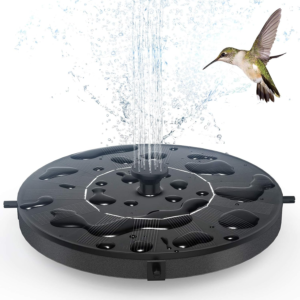 hummingbirds often fly back and forth through the mist, spreading their wings and tails to bathe without getting waterlogged. Place misters near shrubs or small trees so the droplets collect on leaves, giving birds multiple places to sip and bathe.
You can also install a shallow birdbath with gently sloping edges with gently sloping edges—no more than about an inch of water—gives hummingbirds a place to sip and splash at the edge.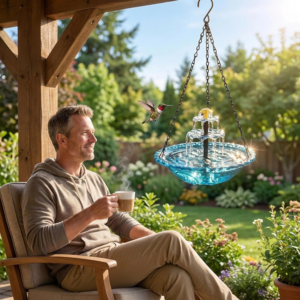 Position water features near, but not directly over, key flower beds so birds can move easily between bathing and feeding.
My detailed guide, How to Use Water Features to Attract Hummingbirds, walks you through the exact kinds of misters, drippers, and shallow baths hummingbirds prefer, how deep and how strong the water flow should be, where to place everything so birds feel safe, and how to keep it all clean without spending a lot of money
Frequently Asked Questions
Does wild columbine really attract hummingbirds?
Yes. Wild columbine is a classic hummingbird plant, and its red tubular flowers and high-sugar nectar are shaped and timed for hummingbird feeding in spring.
Where should I plant wild columbine in my yard?
Plant it in full sun to part shade with well-drained soil, such as along woodland edges, rock gardens, or mixed borders that get morning sun and some afternoon shade.
Is wild columbine easy to grow from seed?
Yes. Its seeds are easy to collect and can be sown outdoors in fall or planted after a cold period, and young plants often bloom in their second year.
Will wild columbine spread in my garden?
Wild columbine freely self-seeds in good conditions and can form nice colonies, but you can thin or move seedlings if they pop up in the wrong spots.
Should I avoid hybrid columbines if I want hummingbirds?
Yes. Many double-flowered hybrids block access to nectar and use colors that hummingbirds do not notice as well, so the native red-and-yellow species is a better choice.
Helpful Resources on Wild Columbine
Native Plant Trust plant profile for Aquilegia canadensis – detailed info on habitat, size, and wildlife value.
USDA Forest Service red columbine feature – explains nectar sugar levels and hummingbird timing.
Beginner guide to red columbine for hummingbird gardens – practical growing and design tips.
New Moon Nursery Aquilegia canadensis page – nursery notes on flowers and nectar-filled spurs.
Native Plant Gardener wild columbine article – seed collection and drought-tolerant care tips.
You must be logged in to post a comment.