Key Takeaways
-
Hummingbirds are most attracted to yards that combine rich flower and feeder food, safe cover, and calm, undisturbed corners.
-
Clumps of nectar‑rich flowers, plus one or two clean feeders, help birds find your yard and keep coming back.
-
Small trees, tall shrubs, spider webs, and lichens all help make your yard more appealing for nesting, even if you never see the tiny nests.
-
A shallow water source, good perches, and chemical‑free gardening make your yard feel safe and comfortable for hummingbirds.
-
Nesting usually follows trust: consistent food, cover, and safety over several seasons give you the best chance of having hummingbirds raise young nearby.
You can attract hummingbirds and make your yard more appealing for nesting by offering the three things they care about most: rich food sources, safe cover, and undisturbed nesting spots.
1. Start with reliable food: flowers and feeders
Hummingbirds find yards first with their eyes and stomachs.
-
Plant nectar‑rich flowers with tubular blooms in bright colors (especially reds and oranges), and aim for flowers from spring through fall so there’s always something in bloom.
-
Use clumps and patches, not single plants—group several of the same plant together so the color stands out at a distance.
-
Hang one or more feeders with a 4‑to‑1 sugar water mix (4 parts water, 1 part white sugar), cleaned and refilled regularly, especially in hot weather.
Hummingbird feeder that is leak proof, ant and bee proof, inexpensive and easy to take apart and clean.
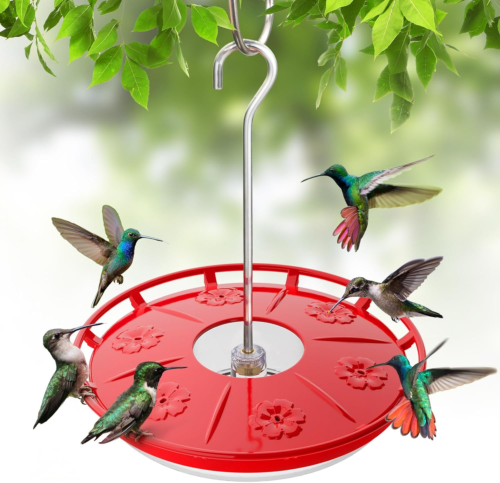 If you’ve ever struggled to scrub sticky corners or moldy seams, this feeder is a big upgrade. The wide‑mouth reservoir and removable base give you full access inside, so a simple brush and rinse is all it takes to get everything spotless. The clearly shaped feeding ports help keep bees and wasps from taking over, while the bright color still pulls hummingbirds in from across the yard. Because it’s so easy to clean and refill, you’re far more likely to keep nectar fresh—which is one of the most important things you can do for hummingbird health. If you’re ready for a feeder that’s actually easy to keep clean, take a closer look at it here.
2. Create a safe, layered yard structure
Nesting hummingbirds want more than a feeder; they want a place that feels safe.
-
Provide a mix of tall trees, medium shrubs, and open areas of sun where flowers and feeders go.
-
Hummingbirds like edges: tree or shrub lines next to open spaces, rather than wall‑to‑wall lawn or solid woods.
-
Avoid heavy pruning right before breeding season; leaving some thinner, outer branches and twiggy growth gives more possible nest sites and perches.
Think “soft edges”: shrubs along fences, small trees near flower beds, and a few taller plants behind your annuals or perennials.
3. Make your yard attractive for nesting
You can’t force hummingbirds to nest, but you can make your yard much more appealing.
-
Keep or plant small deciduous trees and large shrubs with thin, horizontal branches where a nest can rest in a fork—common choices include small maples, dogwoods, redbud, elderberry, and native shrubs.
-
Maintain some dense cover (shrubs, young trees, hedges) near but not inside your busiest flower/feeder spots, so females have quiet places to perch and watch.
-
Leave some spider webs and lichens—females use spider silk to bind and stretch the nest, and lichens or moss to camouflage the outside.
-
Keep outdoor cats and heavy disturbance away from likely nesting areas; a quiet corner with trees and shrubs is more attractive than a high‑traffic patio.
You can explain to readers that nesting is a sign of trust: it usually comes after birds already use the yard for feeding.
4. Add water and perches
Water and perching spots help turn a “brief stop” into a place hummingbirds use daily.
-
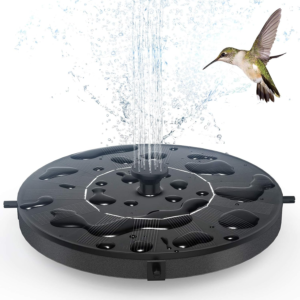
Offer very shallow water: a mister bird bath, a small bubbler, or fine spray over leaves works better than a deep birdbath, because hummingbirds like to bathe in moving droplets and wet foliage.
-
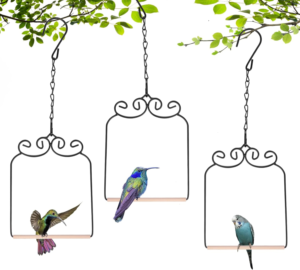
Provide plenty of hummingbird perches: thin, bare twigs, wires, or the outer branches of shrubs where hummingbirds can rest and watch feeders and flowers.
-
Place feeders and main flower patches 10–15 feet from trees or tall shrubs, so birds can shuttle easily between cover and food.
A simple mister on a timer near a flower bed and small tree can be a big draw in hot weather.
For a more comprehensive guide to using water features read this: How to Use Water Features to Attract Hummingbirds
5. Keep the yard safe and chemical‑free
A yard that looks good to you can still be risky for hummingbirds if it’s full of chemicals or hazards.
-
Avoid pesticides and broad‑spectrum insecticides; hummingbirds rely heavily on small insects and spiders for protein, especially when feeding nestlings.
-
Skip herbicides around your main hummingbird areas when possible; wild “weeds” often host the insects they need.
-
Position feeders away from big glass doors/windows or use decals/screens so birds don’t hit the glass when zipping between nectar sources.
-
Keep feeders clean and nectar fresh so they never become a source of illness.
You can reinforce that “healthy insect life + safe nectar” are just as important as bright flowers.
Check out our guide: Natural Pest Control Methods for Your Hummingbird Garden, to keep your yard chemical free.
6. Be patient and consistent
Attracting and especially nesting is often a multi‑year project, not a one‑week fix.
-
Put feeders and key flowers in the same places each year so returning birds can find them quickly.
-
Over time, add or improve native plants (even a few at a time) so your yard becomes a richer, more natural food web for them.
Accept that you might never see the nest, even if they are nesting nearby—nests are tiny and well hidden by design.
What to Read Next
-
When to Feed Hummingbirds in Your State – Find the best time to put out and take down feeders where you live, so your yard is ready when the first birds arrive.
-
Quick, Easy Hummingbird Food You Can Make Yourself – Learn the safest nectar recipe, how often to change it, and how to keep feeders clean and healthy for your birds.
Frequently Asked Questions About Attracting and Nesting Hummingbirds
How long will it take for hummingbirds to start visiting my yard?
In many areas, hummingbirds will start checking out a new feeder or flower patch within a few days if they’re already moving through the neighborhood. If you’re just getting started, it can take a few weeks or even a full season before they “learn” your yard is reliable, especially if there weren’t feeders or good flowers there before. Checking my guide on when to feed hummingbirds in your state can help you be ready right before they arrive.
What’s more important for attracting hummingbirds: flowers or feeders?
Both help, but in different ways. Flowers (especially nectar‑rich, tubular blooms) help your yard stand out as a natural food source, while one or two well‑maintained feeders provide a dependable nectar backup during bad weather or between bloom cycles. Using both together usually brings the best results, and you can find a simple nectar recipe and cleaning schedule in my quick, easy hummingbird food guide.
Can I make hummingbirds nest in my yard?
No one can guarantee nesting, because each female chooses her own site based on subtle factors like safety, cover, and available food. What you can do is improve the odds by offering small trees and shrubs with good branch structure, plenty of insects and spiders, quiet corners with minimal disturbance, and safe, fresh feeders and flowers. Over time, following the seasonal timing in my state‑by‑state feeding guide and keeping habitat consistent gives you the best chance of having hummingbirds raise young nearby.
Do hummingbirds use birdhouses or “hummingbird houses”?
They do not use enclosed birdhouses the way bluebirds or wrens do, and most commercial “hummingbird houses” are more decorative than functional. A few people have had success with simple, open nesting shelves that mimic a branch in a sheltered spot, but these work only occasionally and mostly in yards that already have excellent hummingbird habitat—plenty of flowers, clean feeders, and good cover.
Should I put out nesting materials for hummingbirds?
You don’t need to, and it’s easy to do more harm than good with the wrong materials. Hummingbirds already gather spider silk, moss, lichens, and soft plant fibers from a healthy yard. If you offer anything, stick to small amounts of natural, untreated materials and avoid long strings, yarn, human hair, dryer lint, or synthetic fluff, which can tangle or fall apart when wet. Focusing on safe plants, insects, and clean feeders does far more for them than any store‑bought nesting product.
Will using pesticides keep hummingbirds away?
Heavy pesticide use can make your yard much less attractive to hummingbirds because it removes the small insects and spiders they need for protein, especially when feeding nestlings. Whenever possible, avoid broad‑spectrum insecticides near your main hummingbird areas and rely on hand‑picking or spot treatments away from their favorite flowers and feeders. A more natural approach to pest control pairs well with nectar flowers and the practices in my hummingbird food and feeder care guide.
How close should feeders be to trees or shrubs?
A good rule is to place feeders roughly 10–15 feet from trees or tall shrubs. That gives hummingbirds nearby perches and cover to retreat to, but still leaves enough open space around the feeder for safe, easy hovering and good visibility for you. For more details on where to hang feeders and how to keep nectar fresh in different temperatures, see my hummingbird food and feeder placement page.
Further Reading on Hummingbird Habitat and Nesting
-
How to Create a Hummingbird‑Friendly Yard – Audubon
Clear guidance on using flowers, shrubs, trees, water, and safe gardening practices to make your yard more attractive to hummingbirds. -
Attracting Ruby‑throated Hummingbirds to Your Yard – Rutgers NJAES
Research‑based tips for Eastern North America on plant choices, feeder placement, and keeping hummingbirds safe while they feed and nest nearby. -
What Nesting Materials Are Safe for Birds? – National Audubon Society
Explains which natural nesting materials are safe to offer and which to avoid, so you don’t accidentally put out anything that could harm hummingbirds or other birds.