Lantana and Hummingbirds in Home Gardens
Lantana is a bright, tough flower that hummingbirds love in Arizona gardens. It handles heat and sun well, so it fits many sunny yards. When you plant lantana, you give hummingbirds a steady source of nectar and color from late spring until frost.
What Is Lantana?
Lantana is a sun-loving flowering shrub or groundcover that grows well in heat and poor soil.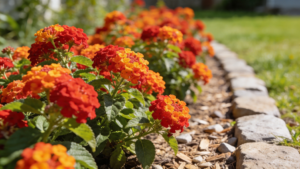
It produces round clusters of many small, tubular flowers that open from the center out.
These flowers can be red, orange, yellow, pink, purple, or white, often all on the same cluster.
The blooms are rich in nectar, which is why hummingbirds and butterflies visit them so often.
Why Hummingbirds Like Lantana
First, hummingbirds are drawn to lantana because of its bright colors, especially reds, oranges, and deep pinks.
Next, lantana flowers are tubular, which fits the long bills and tongues of hummingbirds and lets them reach nectar easily.
Also, lantana often blooms from late spring until frost, so it offers nectar for a very long season.
Finally, lantana plants can grow thick and bushy, so they give hummingbirds places to pause between feeding flights.
Lantana in Hummingbird Gardens
Lantana is useful in many warm and mild regions because it handles full sun and dry conditions once it is established.
In these areas, it can be part of a low-water, low-care garden that still provides steady food for hummingbirds.
Even in cooler regions, lantana can grow as an annual in pots or beds during the warm months.
So, you can still use it to support hummingbirds during their main feeding and migration seasons.
Best Lantana Colors and Types for Hummingbirds
Hummingbirds tend to notice darker, warm colors first, so red, orange, and dark pink lantanas are especially helpful.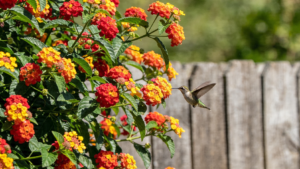
Varieties with bold red, orange, or “sunset” mixes usually stand out more than very pale or all-white forms.
However, mixed-color lantanas still work well because the clusters combine several bright shades that catch a hummingbird’s eye.
If you can, choose plants that list “attracts hummingbirds” on the tag, since they are bred for strong color and nectar.
Where to Plant Lantana
First, choose spots with full sun for at least six hours a day, because lantana flowers best in strong light.
Then, plant it near hummingbird feeders, patios, or sitting areas so you can easily watch the birds.
Also, place lantana near other hummingbird plants, such as salvias, penstemons, or other tubular flowers, to build a rich nectar path.
In very hot areas, you can still use full sun, but a touch of afternoon shade may help if plants look stressed.
How to Plant and Care for Lantana
Prepare a well-drained spot or raised bed so water does not sit around the roots.
Lantana tolerates poor soil, but it dislikes heavy, soggy ground that stays wet for long periods.
After planting, water regularly until the plant is established, then slowly reduce watering so it can form deep, strong roots.
Do not over-fertilize, because too much fertilizer can cause more leaves and fewer flowers, which means less nectar for hummingbirds.
Each year, trim back dead or leggy stems before the new growing season to keep the plant bushy and full of blooms.
Using Lantana in Containers and Small Spaces
Attracting Hummingbirds with Lantana
Lantana grows well in large containers, which is helpful for patios, balconies, or small yards.
You can pair lantana with other sun-loving flowers, like blanket flower or salvia, to attract even more hummingbirds in a small space.
Containers also make it easier to control plant size and spread.
You can move pots to sunnier or shadier spots as the seasons and temperatures change.
Safety, Spread, and Native Plant Balance
In some warm regions, certain forms of lantana can spread beyond gardens and become invasive.
Also, parts of the plant can be toxic if eaten by pets or livestock.
Because of this, it is wise to choose modern, sterile, or non-seeding varieties when they are available.
It is also important to balance lantana with native hummingbird plants in your area, which support local insects and wildlife.
Simple Design Ideas for Yards
You can plant lantana as a low hedge along driveways or sidewalks to guide hummingbirds through your front yard.
Or, use mounding lantana as a bright anchor in rock gardens, dry riverbeds, or pollinator beds.
In addition, mixing lantana with stones, ornamental grasses, and native shrubs creates a colorful, low-water habitat.
This kind of design looks natural and still gives hummingbirds many places to feed and rest.
For more information on container gardening for hummingbirds go here: Growing Flowers in Containers and Baskets to Attract Hummingbirds
Frequently Asked Questions About Lantana and Hummingbirds
Is lantana good for attracting hummingbirds?
Yes, lantana is very good for attracting hummingbirds because it offers bright, tubular flowers and nectar over a long blooming season.
What lantana colors work best for hummingbirds?
Red, orange, and dark pink lantanas usually work best, since hummingbirds tend to notice these bold, warm shades first when searching for nectar.
Does lantana need a lot of water?
No, once established, many lantana varieties need only low to moderate water and are considered drought tolerant.
Is lantana a native plant in the United States?
In most places lantana is not native, so it is best to pair it with native hummingbird plants to support local ecosystems.
Is lantana safe to grow around pets?
Lantana can be toxic if eaten by pets or livestock, so it is best to plant it where animals cannot easily chew the leaves or berries.
Hummingbird resources to help make your garden a success
My special guide The Art of Attracting Hummingbirds to Your Yard will provide you with lists of hummingbird-attracting plants that bloom during each season: spring, summer and fall. It makes it easy for you to select plants that will provide continuous blooms for your hummingbirds during the time they are visiting your yard until the time they leave in the fall. You will also get advice on layering plants for a successful hummingbird garden. My guide also provides plant lists for sun and shade to make it easy to select plants for your particular growing conditions. Planting a “hummingbird-friendly garden” will never be easier!
I also wrote a more in‑depth guide on how to choose the best place to hang your hummingbird feeder.Discover exactly where to hang your hummingbird feeder for the best results. This complete guide walks you through sunlight and shade, height, distance from windows, wind and predator protection, and how close to place feeders to flowers so hummingbirds feel safe and visit often. You’ll also get practical tips on window feeders, hanging hardware, cleaning schedules by temperature, and simple tricks to stop ants and other pests.Check out the article for everything you need to turn one well‑placed feeder into a busy hummingbird hot spot.
Most people focus on feeders and flowers, but the right water feature can turn your yard into a hummingbird hangout. My special guide How to Use Water Features to Attract Hummingbirds shows you exactly which water features hummingbirds love (misters, drippers, fountains, and more), how shallow and gentle the water should be, where to place everything so birds feel safe, and how to keep it clean and affordable with simple DIY ideas. If you want hummingbirds to stick around, bathe, and put on a show where you can actually see them, you can learn more here.
General “how to grow lantana” videos
-
All About Lantana – September Flower of the Month (HortTube / Jim Putnam)
-
How to Grow Lantana (from starter plugs) – North Carolina Farms
-
Lantana Care Tips | Deer-Resistant & Drought-Tolerant Flower – Sharkey’s Greenhouses
Blooming, pruning, and troubleshooting
-
This One Simple Step Will Keep Your Lantana Blooming All Season
-
Lantana – How to Grow & Care: Blooming, Pruning & Topiary Tips (playlist)
-
Lantana Plant – Care, Not Blooming, How to Make Lantana Flower (playlist)
Propagation and expansion
Resources and Further Reading
-
Gardenia – Lantana Plant Care and Growing Guide
Gardenia – Ultimate Guide to Growing and Enjoying Lantana
Garden Design – Lantana Plants Growing and Care Guide
Proven Winners – How to Grow Lantana for Nonstop Summer Color
Birds & Blooms – Lantana Flowers and Pollinators
Backyard Wildlife Connection – Lantanas for Hummingbirds and Butterflies
Mississippi State Extension – Plants to Attract Migrant Hummingbirds
Anthony Lujan – Lantana Flowers Benefits and Precautions
Almost Eden – Lantana Varieties and Pollinator Notes
LifeTips – Best Lantana Varieties for Pollinators