Columbine: A Hummingbird Magnet for Your Garden
What Is Columbine?
Columbine is a hardy perennial wildflower that comes back year after year.
It has delicate, bell-shaped blooms that often hang down like tiny lanterns.
The most hummingbird-friendly types are usually red and yellow, with long nectar spurs at the back of each flower.
These special flower shapes are perfect for hummingbirds and other pollinators with long beaks or tongues.
Because of this, columbine is a smart choice for any hummingbird garden.
Why Hummingbirds Love Columbine
Hummingbirds need lots of energy, and columbine nectar gives them a powerful boost.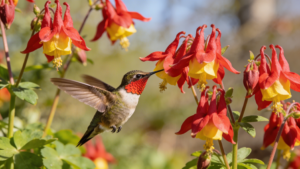
The long, tube-like spurs hold sweet nectar that hummingbirds can easily reach with their long bills.
Also, the bright red and orange colors stand out, so hummingbirds can spot the flowers from far away.
In many areas, columbine is one of the first wildflowers to bloom in spring.
So, it becomes an early “fuel station” for hummingbirds as they return from migration.
How Columbine Helps Hummingbirds in Spring
When hummingbirds come back from their winter homes, they are tired and hungry.
At the same time, columbine flowers start to open and offer fresh nectar.
This perfect timing helps hummingbirds refill their energy right when they need it most.
As hummingbirds move north, they often follow blooming plants, including native columbine.
By planting columbine, you are helping create a nectar trail that supports their long journey.
Best Types of Columbine for Hummingbirds
Whenever possible, choose native columbine species that match your region.
In much of eastern North America, eastern red columbine (Aquilegia canadensis) is a top choice.
In western areas and mountain regions, look for native golden, red, or bicolor columbines suited to your local climate.
Native species usually offer better nectar and support local wildlife more effectively.
You can also mix a few hybrid columbines for extra color, as long as you include natives as your core plants.
Growing Conditions Columbine Likes
Columbine prefers well-drained soil that is not soggy.
It can handle full sun in cooler climates, but it usually appreciates some afternoon shade in hot regions.
Once it is established, columbine often tolerates short dry periods.
However, regular watering during the first year helps the roots grow deep and strong.
Columbine also grows nicely in woodland edges, rock gardens, and mixed flower borders.
Planting Tips to Attract More Hummingbirds
First, plant columbine in groups of at least three to five plants.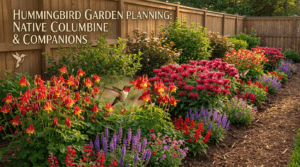
Grouped flowers are easier for hummingbirds to find and use than single scattered plants.
Next, combine columbine with other hummingbird plants that bloom later in summer.
This way, you offer nectar from early spring through fall, not just for a few weeks.
Finally, avoid using pesticides near your hummingbird plants, because chemicals can harm insects and the birds that eat them.
Columbine Care and Maintenance
Columbine is usually low-maintenance once it is settled in your garden.
You can trim back old flower stalks after blooming to keep the plants neat.
If you let some seed pods mature, columbine often self-sows and creates new plants nearby.
This natural reseeding can slowly fill your garden with more hummingbird-friendly blooms.
Every few years, you may thin out crowded seedlings and move them to new spots.
Supporting a Healthy Hummingbird Habitat
Columbine is an important part of a larger hummingbird habitat.
To support the birds fully, you also need clean water, safe shelter, and a mix of nectar-rich plants.
Use shrubs and small trees to provide perches and nesting cover near your columbine patch.
Place hummingbird feeders nearby as extras, but do not rely on feeders alone.
When you combine native plants like columbine with good habitat, you create a busy and colorful hummingbird haven.
Example Planting Idea with Columbine
You could start a small hummingbird bed along a fence or patio.
In the back row, plant taller shrubs or small trees for shade and perches.
In the middle, plant a drift of native columbine for spring color and nectar.
In the front, add later-blooming hummingbird flowers like bee balm, salvia, or cardinal flower.
Then, tuck a hummingbird feeder on a hook nearby to give them even more options.
My special guide The Art of Attracting Hummingbirds to Your will provide you with lists of hummingbird-attracting plants that bloom during each season: spring, summer and fall. It makes it easy for you to select plants that will provide continuous blooms for your hummingbirds during the time they are visiting your yard until the time they leave in the fall. You will also get advice on layering plants for a successful hummingbird garden. My guide also provides plant lists for sun and shade to make it easy to select plants for your particular growing conditions. Planting a “hummingbird-friendly garden” will never be easier!
Frequently Asked Questions About Columbine and Hummingbirds
Does columbine really attract hummingbirds?
Yes, columbine is known as a strong hummingbird magnet because of its bright colors and nectar-filled spurs.
When does columbine bloom for hummingbirds?
In many areas, columbine blooms in spring just as migrating hummingbirds return, so it gives them early-season nectar.
How many columbine plants do I need?
Try to plant at least three to five columbine plants together so hummingbirds can easily find and use the flowers.
Is columbine safe to grow around pets and wildlife?
Columbine is generally considered wildlife-friendly in the garden, but you should always keep pets from chewing on any ornamental plants.
Should I deadhead columbine flowers?
You can deadhead spent blooms to keep plants tidy, or leave some seed heads so columbine can self-sow and form a natural patch.
Helpful Resources on Columbine and Hummingbirds
For more details on native columbine and hummingbirds, visit these resources:
- USDA Forest Service – Red Columbines and hummingbirds
- Audubon – Hummingbird gardening tips and native plant ideas
- Native Plant Trust – Aquilegia canadensis (red columbine)