Parry’s Penstemon: A Hummingbird Magnet for Arizona Gardens
What Is Parry’s Penstemon?
Parry’s Penstemon (Penstemon parryi) is a native wildflower from southern and central Arizona and northern Mexico. It grows naturally in the Sonoran Desert, especially in washes, canyons, and on open slopes between about 1,500 and 5,000 feet in elevation. This plant is a short-lived perennial, usually living a few years, but it often reseeds and comes back on its own. It forms low clumps of blue‑green leaves and sends up tall flower spikes in late winter and early spring.
Why Hummingbirds Love Parry’s Penstemon
Parry’s Penstemon is famous for attracting hummingbirds in Arizona. Its bright pink, tubular flowers are packed with nectar that 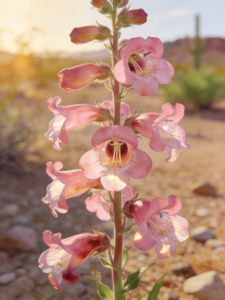 hummingbirds can easily reach with their long beaks. In fact, many Arizona gardeners call it a “hummingbird magnet” because birds visit it again and again while it is in bloom. Besides hummingbirds, the flowers also draw helpful insects like bees and hawkmoths, which can support the rest of your garden.
Because it blooms from about late winter into mid or even late spring, it provides nectar when many other plants are still waking up. This early nectar source is very important for migrating and resident hummingbirds in Arizona, especially around Tucson and other desert cities. When you plant several Parry’s Penstemon together, you create a strong feeding station that can keep hummingbirds in your yard longer.
How Parry’s Penstemon Helps Your Arizona Yard
First, Parry’s Penstemon fits perfectly into water‑wise and xeriscape gardens because it is highly drought tolerant once established. It can survive on normal Sonoran Desert rainfall, as long as it is not stuck in wet, heavy soil for long periods. Second, its bright flower spikes add strong color to mostly brown desert landscapes in late winter and early spring. Third, it supports local wildlife by providing nectar and habitat in a native plant community.
Because it is native to Arizona, Parry’s Penstemon is usually easier to grow than many non‑native ornamentals in hot, dry yards. It also works well in mass plantings, along fences, on slopes, and in naturalistic desert gardens. Finally, it reseeds readily, so new seedlings often pop up nearby and help fill in bare spots over time.
Bloom Time and Flower Color
In most Arizona gardens, Parry’s Penstemon blooms from about late February through April, though weather can shift that window a bit. In cooler areas, flowers may last into late spring, giving hummingbirds food over a longer season. The flower spikes can reach around 2 to 3 feet tall and carry many bell‑ or funnel‑shaped blossoms. Colors range from soft pink to hot pink and sometimes even toward white or deeper maroon, depending on the plant and seed source.
Because the flowers are tall and eye‑catching, hummingbirds can spot them from a distance as they fly through your neighborhood. When flowers open in a sequence up the stalk, the plant provides nectar over several weeks instead of all at once. Therefore, even a small group of plants can keep hummingbirds coming back day after day during the bloom period.
Best Growing Conditions in Arizona
Parry’s Penstemon thrives in full sun to light afternoon shade, especially in the low desert around Tucson and Phoenix. It prefers well‑drained, sandy or gravelly soil and does not like heavy clay that stays wet. It grows best in USDA hardiness zones around 8 to 10 or 9 to 11, which covers much of southern Arizona. Once mature, it can handle typical desert heat and even some winter cold down to about 15 degrees Fahrenheit.
Gardeners usually plant it in fall because the plant rests in summer and then uses the cool season to grow roots. With this timing, it is often ready to bloom the next spring from seed or small transplants. In the wild, plants often bloom in their second year, but in gardens they may flower the first year if seed is started in autumn. Because the plant is drought tolerant, it fits well into rain‑harvesting basins, rock gardens, and native plant borders.
Watering and Care Tips
During the first growing season, water Parry’s Penstemon regularly to help the roots get established. After that, reduce watering and let the soil dry between deep soakings, usually only once or twice a month in the hot season, depending on rain. Too much water can shorten the plant’s life and cause root problems, especially in heavy soil. This low watering need makes it a strong choice for water‑conscious Arizona gardeners.
Fertilizer is usually not necessary, but a light, low‑nitrogen feeding in early spring can encourage more blooms if your soil is poor. After flowering, you can cut off the old stalks to keep the plant tidy and sometimes to encourage light rebloom or stronger growth. However, if you want the plant to reseed, leave some stalks and seed heads on the plant until they dry and fall. Over time, this easy care routine can create a natural patch of Parry’s Penstemon in your yard.
How to Plant Parry’s Penstemon for Hummingbirds
First, choose a sunny spot where you can see the plants clearly from a window or favorite sitting area, so you can watch visiting 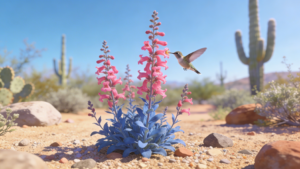 hummingbirds. Next, improve drainage if needed by adding coarse sand or small gravel to heavy soil. Then, plant nursery starts or seedlings in fall, spacing them about 12 to 18 inches apart so they have room to grow and reseed.
To make the area even more attractive to hummingbirds, surround Parry’s Penstemon with other nectar plants that bloom at different times. You might combine it with other native penstemons, desert salvia, chuparosa, or autumn‑blooming flowers so food is available most of the year. Also, keep pesticides out of this part of the garden, because they can harm both hummingbirds and the insects they sometimes eat. Finally, place a small water feature or nearby shrubs to give birds safe perches between feeding visits.
Parry’s Penstemon in a Native Hummingbird Garden
Parry’s Penstemon is an excellent anchor plant for an Arizona native hummingbird garden. Its early‑season blooms bridge the gap between winter and later spring flowers, giving hummingbirds a steady food source. Because it reseeds, the patch can slowly expand, creating more color and more nectar each year with little extra work.
When you mix Parry’s Penstemon with other native shrubs, trees, and wildflowers, you support not only hummingbirds but also bees, butterflies, and other wildlife. This kind of plant community also strengthens local biodiversity and makes your yard feel more like the surrounding desert landscape. In the end, you get a beautiful, low‑water garden that is full of life almost all year long.
Arizona hummingbirds need both safe feeders and rich native plants. To see when to put feeders up and take them down, visit my Arizona hummingbird feeding dates. For tips on nectar, feeders, and yard setup, see my backyard hummingbird guide and my hummingbird food recipes.
Frequently Asked Questions about Parry’s Penstemon and Hummingbirds
How does Parry’s Penstemon help hummingbirds in Arizona?
Parry’s Penstemon provides early‑season nectar in late winter and spring when few other desert plants are blooming, which helps hummingbirds find reliable food. Its tall spikes of tubular flowers are easy for hummingbirds to feed from and are rich in nectar. When you plant several together, the dense display draws birds into your yard and encourages repeat visits.
Where does Parry’s Penstemon grow best in Arizona?
Parry’s Penstemon grows best in well‑drained, sandy or gravelly soil in full sun to light shade, especially in low‑desert and foothill areas. It is native to southern and central Arizona, where it is found in washes, canyons, and on open slopes between about 1,500 and 5,000 feet. In gardens, it performs well in USDA zones around 8 to 10 or 9 to 11.
How much water does Parry’s Penstemon need?
During the first year, Parry’s Penstemon needs regular watering so the roots can develop deeply. After it is established, it becomes highly drought tolerant and usually needs only occasional deep watering, allowing the soil to dry out completely between waterings. Too much water, especially in heavy soil, can shorten its life and cause root problems.
When should I plant Parry’s Penstemon for the best hummingbird display?
For Arizona gardens, fall planting is usually best, because the plant can grow roots over winter and be ready to bloom in late winter and spring. If you start from seed in autumn, many plants can bloom the following spring, giving hummingbirds an early and colorful nectar source. Planting in groups or drifts will create a stronger visual and nectar signal for hummingbirds than planting a single plant alone.
Will Parry’s Penstemon reseed and spread?
Yes, Parry’s Penstemon reseeds readily in suitable conditions, especially if you leave some flower stalks to set and drop seed. New seedlings often appear around the parent plants, slowly thickening the patch over time. This natural spread helps keep hummingbirds interested by increasing the number of flowers and nectar sources in your yard.
Helpful Resources about Parry’s Penstemon
University of Arizona Campus Arboretum – Parry’s Penstemon
Arizona-Sonora Desert Museum – Parry Penstemon Plant Care Sheet
AMWUA – Parry’s Penstemon Plant Profile
Harlow Gardens – Parry’s Penstemon Plant Care Guide
Guzman’s Greenhouse – Penstemon parryi Care and Watering