Hummingbird Trumpet (Epilobium canum) for Arizona Hummingbirds
Hummingbird Trumpet, or Epilobium canum, is a desert-friendly plant with bright red, tube-shaped flowers that hummingbirds love. It is native across the West, including Arizona, so it fits naturally into many Arizona yards and wild spaces. Because it blooms from summer into fall, it can feed hummingbirds when many other flowers are fading. In this article, you will see why this plant is such a powerful hummingbird magnet in Arizona and how to grow it in your own yard.
What Is Hummingbird Trumpet?
Hummingbird Trumpet is a low, spreading perennial subshrub with gray‑green leaves and bright scarlet to orange‑red blooms. It has 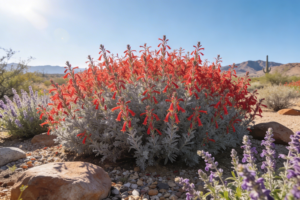 also been known by older names like Zauschneria and California fuchsia, so you may still see those on plant tags. In nature, it often grows on rocky slopes, in canyons, and along streams in Arizona and other western states. Because it evolved in these tough places, it is well suited to Arizona’s heat and dry climate.
Why Arizona Hummingbirds Love It
Hummingbird Trumpet is shaped almost perfectly for hummingbirds, with long trumpet flowers packed with nectar. The bright red and orange colors stand out clearly to hummingbirds, which are especially drawn to warm, glowing tones. Even more helpful, it often blooms from mid or late summer all the way into fall, right when some hummingbirds are migrating south through Arizona.
This late-season nectar can be critical for birds that need steady fuel on their journeys. In fact, plant experts describe Hummingbird Trumpet as an excellent late nectar source for hummingbirds in the West. So, when you plant it in your Arizona garden, you are not just decorating; you are helping hummingbirds survive and thrive.
Native Range and Ideal Arizona Conditions
Hummingbird Trumpet is native to many western and southwestern states, including Arizona, New Mexico, California, Nevada, Utah, Oregon, Idaho, and Wyoming. In the wild, it often grows between about 2,500 and 7,000 feet in elevation, especially on dry or rocky slopes and in canyons. In Arizona, it occurs naturally in southern and central regions, often in and near mountainous areas and canyons.
Because it is adapted to arid and montane habitats, it handles heat and drought very well once established. Many sources list it as hardy in roughly USDA Zones 4–8 or 8b–10, which easily covers most populated parts of Arizona. This means you can often grow it successfully from cooler high country areas down into many low desert gardens, with the right siting and care.
Light, Soil, and Water Needs
Hummingbird Trumpet prefers full sun in most Arizona settings, but it can also grow in light or partial shade. However, too much shade can cause leggy growth and fewer flowers, so try to give it at least several hours of direct sun each day. It likes well-drained, often rocky or sandy soil, and it does not enjoy heavy, soggy clay.
If your soil is heavy, you can improve drainage by adding coarse sand or grit before planting. During the first year, it needs regular light to moderate watering to build a strong root system. After it is established, it becomes highly drought tolerant and may only need water about once a month or during very long dry spells.
Bloom Time and Hummingbird Seasons
In many areas, Hummingbird Trumpet flowers from about June or July through fall, sometimes even into October or early winter 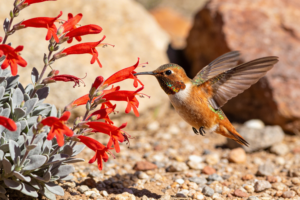 depending on the form and climate. In Arizona, this long bloom period lines up with peak hummingbird activity in late summer and fall, including southbound migrants. When other nectar flowers are fading in the heat and dryness, this plant can stay in bloom and keep feeding hungry birds.
This timing makes Hummingbird Trumpet a powerful “bridge” plant that fills a nectar gap in hot, dry months. When you combine it with early spring bloomers and mid‑season flowers, your yard can offer a nearly continuous buffet of nectar for hummingbirds. As a result, birds learn to visit your garden often and may come back year after year.
Arizona hummingbirds need both safe feeders and rich native plants. To see when to put feeders up and take them down, visit my Arizona hummingbird feeding dates. For tips on nectar, feeders, and yard setup, see my backyard hummingbird guide and my hummingbird food recipes.
How to Plant Hummingbird Trumpet in Arizona
Plant Hummingbird Trumpet in fall or early spring so roots can grow before extreme heat or cold arrives. Choose a sunny, well‑drained spot, such as a rocky slope, raised bed, or gravelly border. Space plants about 1 to 2 feet apart, depending on the specific variety, because they spread slowly by stolons or suckers.
After planting, water lightly but regularly during the first growing season to help it establish. Then gradually reduce watering as the plant matures, encouraging deeper, tougher roots. You can use a thin layer of gravel or decomposed granite mulch to keep soil cooler and reduce weeds without trapping too much moisture.
Ongoing Care and Maintenance
Once Hummingbird Trumpet is established, it needs only modest care. In late winter or early spring, you can cut back dead or woody stems to encourage fresh, dense growth and better flowering. Avoid heavy fertilizing, because too much nitrogen can create lush leaves but fewer flowers.
The plant may spread slowly over time, but you can easily control it by keeping nearby soil relatively dry or by trimming back unwanted shoots. In some areas, rabbits and javelina may browse on the plant, especially if it is watered in drought, so protect young plants with fencing if needed. With these simple steps, your Hummingbird Trumpet can reward you and your local hummingbirds for many years.
Design Ideas for Arizona Hummingbird Gardens
Hummingbird Trumpet shines in several types of Arizona garden designs. You can tuck it into rocky slopes, xeriscape beds, native plant borders, and even large containers with good drainage. Its low, spreading habit makes it ideal for the front of a bed, where hummingbirds will feed right at eye level.
For a stronger hummingbird effect, pair it with other nectar‑rich natives that like sun and dry soil. You can also plant it near hummingbird feeders so birds can easily switch between sugar water and natural nectar. Over time, this mix of feeders and flowers makes your yard a reliable “stop‑over” for many hummingbird species.
Benefits Beyond Hummingbirds
While Hummingbird Trumpet is famous for feeding hummingbirds, it helps other wildlife too. Its blooms also attract butterflies and other pollinators that need nectar in late summer and fall. The plant’s roots help hold soil on slopes, and its low, spreading form can reduce erosion in rocky or sandy areas.
Because it is drought tolerant, it also helps you save water compared with many non‑native ornamentals that need frequent irrigation. This can be especially important in Arizona communities that encourage water-wise landscaping. So by planting Hummingbird Trumpet, you support birds, pollinators, and water conservation at the same time.
Frequently Asked Questions about Hummingbird Trumpet in Arizona
Is Hummingbird Trumpet native to Arizona?
Yes. Hummingbird Trumpet (Epilobium canum) is native to parts of Arizona and other western states, especially in rocky slopes and canyon habitats.
Does Hummingbird Trumpet really attract hummingbirds?
Absolutely. Its bright red, tube-shaped flowers are rich in nectar and are pollinated mainly by hummingbirds, which visit heavily when the plant is in bloom.
How much water does it need in Arizona?
During the first year, water lightly to moderately on a regular basis to help it establish. After that, it becomes very drought tolerant and may only need deep watering about once a month or during long dry spells.
Will it grow in partial shade?
Yes, it can handle partial shade, especially in very hot areas, but too much shade can lead to weak, leggy growth and fewer flowers.
Is Hummingbird Trumpet invasive?
No. It spreads slowly by underground stems but is not listed as an invasive or noxious weed in the United States, and it is easy to control in the garden.
Resources on Hummingbird Trumpet and Arizona Gardening
- National Park Service – Hummingbird Trumpet (botanical details and Arizona native status).
- Arizona Municipal Water Users Association – Hummingbird Trumpet (water-wise landscape info).
- Arizona-Sonora Desert Museum – Plant Care Sheet (care tips for southern Arizona).
- Southwest Desert Flora – Epilobium canum (range, habitat, and comments on hummingbirds).
- Garden Oracle – California Fuchsia (Epilobium canum) (cultivation notes for hot, dry gardens).
- Gardenia – Epilobium canum Plant Profile (design uses and pollinator value).