Lupine in Alaska: Lupinus nootkatensis for Hummingbirds
What Is Nootka Lupine?
Nootka lupine (Lupinus nootkatensis) is a perennial plant in the pea family. It usually grows 1 to 3 feet tall with strong, hairy stems and palm‑shaped leaves.
The flowers form long spikes of pea‑like blossoms that are deep violet‑blue with touches of white. These colorful spikes stand out in open fields, on mountain slopes, and on coastal gravel bars.
Is Lupine Native to Alaska?
Yes, Nootka lupine is native to Alaska and the Aleutian chain. It naturally grows in cool coastal areas from the Arctic coast of Alaska south to British 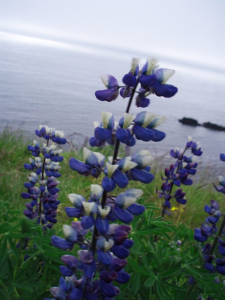 Columbia.
Because it is adapted to harsh, rocky places, it often appears where glaciers have pulled back or where soil has been disturbed. This makes it a tough and reliable plant for many Alaskan gardens and wild spaces.
Why Lupine Matters for Hummingbirds
Nootka lupine produces dense clusters of flowers rich in nectar, and these blooms are attractive to hummingbirds. In coastal Alaska, Rufous Hummingbirds migrate north in spring and rely on flowers and insects as they arrive to set up territories. Even though bees pollinate lupine most often, hummingbirds will visit the colorful spikes when nectar is available.
Lupine also helps create better habitat over time by fixing nitrogen in the soil through bacteria in its roots. As the soil improves, more wildflowers and shrubs can grow, which leads to more blooms, more insects, and more food options for hummingbirds.
Bloom Time and Seasonal Benefits
Nootka lupine usually blooms in early to mid‑summer in Alaska’s coastal regions. By this time, Rufous Hummingbirds are already on their breeding grounds and actively seeking nectar sources.
Because the flower spikes carry many blossoms, they can offer nectar over several weeks as the flowers open from the bottom upward. This extended bloom window helps fill part of the summer nectar season between early spring flowers and later‑blooming plants.
How Lupine Supports the Garden Ecosystem
Nootka lupine is important not only for nectar but also for overall ecosystem health. First, its nitrogen‑fixing roots enrich poor soils, which helps other native plants establish and thrive.
Second, its flowers attract bees and other pollinators, and those insects provide key protein for hummingbirds, especially in early spring and during nesting. Finally, its dense growth helps stabilize gravel bars and disturbed soils, reducing erosion in sensitive areas.
Growing Lupine for Hummingbirds in Alaska
Nootka lupine prefers full sun and well‑drained soil, especially sandy, loamy, or rocky ground. It is very cold hardy and can handle sub‑freezing temperatures typical of much of Alaska.
Because it has a deep taproot and does not transplant well, it is usually best to start it from seed directly where you want it. It can also self‑sow on its own if conditions are right, slowly spreading in sunny open spots.
Tips for Planting Nootka Lupine
- Choose a sunny place with good drainage, such as a slope, bank, or gravelly patch.
- In spring, sow scarified or pre‑soaked seeds directly into loosened soil so the tough seed coat can take up water.
- Avoid rich, heavily fertilized beds, because lupine is adapted to poorer soils and may flop or compete too strongly there.
- Once established, water only during long dry spells, since mature plants are fairly drought tolerant.
Combining Lupine With Other Hummingbird Plants
To build a strong hummingbird garden in Alaska, mix Nootka lupine with other native and hardy nectar plants. Use early‑blooming flowers to help birds arriving by mid‑April, then rely on lupine and other mid‑season perennials to carry the summer.
You can also add flowering shrubs and small trees where space allows, creating layers of blossoms, perches, and cover. Together, these plants create a continuous buffet of nectar and attract the insects that hummingbirds need.
Safety and Invasiveness Notes
Nootka lupine seeds and pods are considered poisonous if eaten, so keep children and pets from chewing on them. Also, while it is a helpful native plant in Alaska, it has become invasive in some other regions where it was introduced, such as Iceland.
Therefore, plant it responsibly in areas where it is native or already established, and avoid moving seed to regions where it could spread unwanted. In its home range, careful use of lupine can support both soil health and hummingbird habitat.
To round out your Alaska hummingbird habitat, pair your existing Sitka spruce or nearby forest edge with native nectar plants and shade-tolerant companions. For bold summer color and rich nectar, see our article on Fireweed (Chamerion angustifolium). For elegant, nodding blooms in partly shaded spots, read about Western Columbine (Aquilegia formosa). And for tall, feathery flower spikes that light up woodland edges, learn more about Goatsbeard (Aruncus dioicus), another helpful hummingbird-friendly native.
Key Takeaways
- Nootka lupine (Lupinus nootkatensis) is a native Alaskan perennial with tall blue‑purple flower spikes.
- Its nectar‑rich blooms and the insects they attract can benefit Rufous Hummingbirds during the summer breeding season.
- It thrives in full sun and well‑drained, often poor or rocky soils, making it ideal for many Alaskan sites.
- As a nitrogen fixer, it improves soil for other plants, which further strengthens hummingbird habitat.
- The plant is toxic if eaten and can be invasive outside its native range, so use it wisely.
Frequently Asked Questions About Lupine and Hummingbirds in Alaska
Does Nootka lupine attract hummingbirds in Alaska?
Yes, Nootka lupine’s tall, nectar‑bearing flower spikes are noted as attractive to hummingbirds, especially during the summer bloom period.
When does Nootka lupine bloom in Alaska?
In much of coastal Alaska, Nootka lupine typically blooms in early to mid‑summer, overlapping with the breeding season of Rufous Hummingbirds.
Where should I plant Nootka lupine for hummingbirds?
Plant it in full sun with well‑drained, sandy, loamy, or rocky soil, such as meadows, slopes, and gravelly areas, where hummingbirds can easily see and reach the blooms.
Is Nootka lupine safe to grow around children and pets?
The plant, especially its seed pods, is considered harmful if eaten, so supervise children and pets and avoid allowing them to chew on the pods or seeds.
Is Nootka lupine invasive?
In its native Alaskan range it is a normal part of the ecosystem, but in places where it was introduced, such as Iceland, it has become invasive and spreads aggressively.
Resources for Growing Lupine and Helping Hummingbirds in Alaska
- USDA Plants Profile: Lupinus nootkatensis – official distribution, ecology, and plant details.
- USDA Nootka Lupine Plant Guide (PDF) – habitat, adaptation, and establishment tips.
- Alaska.org: Nootka Lupine – photos, descriptions, and notes on where it grows in Alaska.
- Pollinator Partnership: Maintaining and Improving Habitat for Hummingbirds in Alaska (PDF) – guidance on supporting Rufous Hummingbirds and other pollinators.
- Perennials.com: Lupinus nootkatensis – garden profile noting its appeal to hummingbirds.