Bluebells (Mertensia spp.) and Hummingbirds in Alaska
Bluebells (Mertensia spp.) are gentle wildflowers with nodding, bell-shaped blue blooms.
In Alaska, tall bluebells (Mertensia paniculata) grow in moist woods, streambanks, and mountain meadows.
Because they like cool, damp soil and light shade, they fit very well into many Alaska yards and natural-style gardens.
Most people notice bluebells in early to mid-summer, when their soft blue flowers hang in clusters over bright green leaves.
These flowers help many pollinators, and they can also play a role in supporting hummingbirds when you combine them with other nectar plants.
Why Bluebells Matter for Hummingbirds
First, bluebells offer nectar at a time when hummingbirds are very active and need steady energy.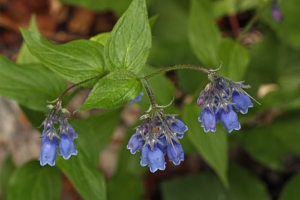
The bell-shaped flowers hold sweet nectar that long-tongued pollinators, including hummingbirds, can reach.
Studies show that hummingbirds feed most easily from moderately long tubes, so bluebells with short to medium bells can still work as part of their foraging route.
Then, the plants also support insects like bees and flies, which later become protein-rich food when hummingbirds snap them from the air.
So even if bluebells are not the very top hummingbird flower, they still help the whole food web that hummingbirds depend on.
Bluebells in Alaska’s Short Growing Season
In Alaska, every week of bloom time matters for hummingbirds, because the season is short and intense.
Tall bluebells usually flower from late spring into mid-summer, depending on elevation and local climate.
They fill a useful window between very early wildflowers and later summer nectar giants like fireweed.
Because they grow in moist forests, burns, and roadside clearings, they can also help connect wild habitat with your yard plantings.
So, when you tuck bluebells into a hummingbird garden, you are copying the pattern that already works in nearby wild landscapes.
Key Traits of Bluebells (Mertensia spp.)
Bluebells are hardy perennials, growing back each year from underground rhizomes or fleshy roots.
They usually form small clumps or colonies over time, especially in rich, moist soil.
The leaves are soft and often somewhat oval, and the stems can reach 1 to 3 feet tall in tall bluebell species.
Flower clusters start as pinkish buds that open into true blue, bell-shaped blossoms that hang downward.
Because the plants die back later in the season, they are perfect for mixing with shrubs or taller perennials that will cover the space after bluebells go dormant.
How Bluebells Help Attract Hummingbirds
Hummingbirds visit hundreds of flowers each day, and they notice patches of color, shape, and nectar reward.
Bluebells add soft blue tones and clusters of small bells that can catch a hummingbird’s eye as it patrols your yard.
While red tubular flowers are classic hummingbird magnets, research shows that hummingbirds also feed from other colors if the nectar is rich and accessible.
Therefore, a clump of bluebells near stronger hummingbird plants can still become part of a regular feeding route.
Because bluebells often grow in light shade, they also pull hummingbirds into cooler, sheltered parts of your garden where you might not otherwise see them.
Best Alaska Settings for Bluebells
Bluebells thrive in cool, moist spots, so think about places that mimic a forest edge or streambank.
They fit well along north or east sides of buildings, at the edge of woodland, or beside a shaded path or creek.
They also work in rain gardens or low spots that stay damp but not flooded, especially in coastal or Interior areas with good snow cover.
In wilder parts of your property, you can allow natural patches to expand, creating soft drifts under birch, spruce, or alder.
This kind of setting feels natural to Alaska hummingbirds, which often use forest openings and edges as travel routes.
Planting Bluebells for Hummingbirds
First, choose nursery plants or divisions of native bluebells suited to your local Alaska region, such as tall bluebells (Mertensia paniculata).
Plant them in spring after the soil has thawed, or in early fall while the ground is still workable and moist.
Set plants 10 to 18 inches apart so they can slowly fill in without crowding, and water them well at planting.
Then, add a light layer of leaf mulch or compost to hold moisture and copy the natural forest floor.
If your site is very dry or windy, consider grouping bluebells closer together in a protected bed near shrubs, fences, or rocks for shelter.
Care and Maintenance
Bluebells are fairly low-maintenance once they are established in the right place.
They like moist, well-drained soil rich in organic matter, so avoid very dry, sandy spots or heavy, soggy clay.
Water during long dry spells, especially in their first couple of years, to help roots grow deep.
As the foliage yellows and dies back later in the season, you can gently remove the dead leaves, or simply leave them to feed the soil.
If colonies get too thick, carefully divide clumps in early spring or fall and replant them in new hummingbird beds.
Combining Bluebells with Other Hummingbird Plants
For a truly busy hummingbird garden, bluebells should be part of a larger mix of nectar plants from spring through fall.
In Alaska, you can pair them with bold summer species like fireweed and goatsbeard, plus shrubs and trees that offer shelter and insects.
Also, consider adding red or orange tubular flowers, which are classic hummingbird favorites, to help draw birds into the same beds where your bluebells grow.
Once hummingbirds learn that your yard has a steady nectar supply, they are more likely to check every patch, including your bluebell clusters.
In this way, bluebells become part of a colorful, layered design that feeds birds, butterflies, and bees all season long.
Supporting Hummingbirds Beyond Flowers
Flowers like bluebells are important, but hummingbirds also rely on safe habitat and clean feeders.
Avoid pesticides in and around your bluebell beds so insects remain available as natural protein.
Then, hang one or two nectar feeders with a simple sugar-water mix (1 part sugar to 4 parts water) to back up your flowers during cold or stormy weather.
Clean feeders often and change nectar every few days to prevent mold and fermentation that could harm birds.
When you combine native plantings like bluebells with safe feeders and shelter, you give hummingbirds their best chance to thrive in Alaska’s harsh climate.
To round out your Alaska hummingbird habitat, pair your existing Sitka spruce or nearby forest edge with native nectar plants and shade-tolerant companions. For bold summer color and rich nectar, see our article on Fireweed (Chamerion angustifolium). For elegant, nodding blooms in partly shaded spots, read about Western Columbine (Aquilegia formosa). And for tall, feathery flower spikes that light up woodland edges, learn more about Goatsbeard (Aruncus dioicus), another helpful hummingbird-friendly native.
Frequently Asked Questions about Bluebells and Hummingbirds
Do hummingbirds actually use bluebells in Alaska?
Yes, hummingbirds may visit bluebells for nectar when the flowers are open and nearby favorites are limited.
Are bluebells enough by themselves to attract hummingbirds?
No, bluebells work best as part of a mixed garden that includes showy red, orange, and pink tubular flowers with high nectar.
Where should I plant bluebells for the best hummingbird value?
Plant them in moist, partly shaded spots along forest edges, near streams, or in cool garden beds that connect with other hummingbird plants.
Will bluebells spread too much in my yard?
Bluebells can form colonies by seed and rhizomes, but they usually spread slowly and can be managed by dividing clumps or digging out extra seedlings.
Can I mix bluebells with shrubs and trees for hummingbirds?
Yes, bluebells are perfect under taller plants, where they offer spring and early summer nectar while shrubs and trees provide cover and insects.
Resources on Bluebells, Native Plants, and Hummingbirds
- Tall Bluebells (Mertensia paniculata) – Alaska wildflower profile
- Mertensia paniculata – habitat and distribution overview
- Virginia Bluebells – pollinators and garden care
- Audubon Native Plant Database – find hummingbird plants for your Alaska ZIP code
- How to Feed a Hummingbird with Flowers and Nectar
- National Audubon Society – How to Make Hummingbird Nectar