Sitka Spruce (Picea sitchensis) and Hummingbirds in Alaska
Sitka spruce is Alaska’s state tree and one of the most important native conifers along the cool, wet coast.
It forms deep, dark forests that many birds and animals use for food and shelter.
For hummingbirds, Sitka spruce does not act like a bright nectar flower.
However, it still plays a key role by providing cover, nesting sites, and insect food in their natural habitat.
Where Sitka Spruce Grows in Alaska
Sitka spruce naturally follows the wet Pacific coast from southeast Alaska west and north around the Gulf of Alaska.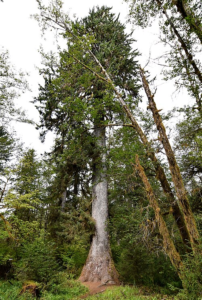
In Alaska, it grows on coastal islands, along inlets, and in low mountain valleys where the air is cool and moist.
Because of this, Rufous hummingbirds often nest and feed in or near Sitka spruce forest edges and clearings.
Why Sitka Spruce Matters to Hummingbirds
Safe Cover and Shelter
Sitka spruce forests create dense, protective cover from wind, rain, and predators.
Many birds use these trees for roosting and nesting, including bald eagles and smaller songbirds.
Likewise, Rufous hummingbirds use the lower branches and nearby shrubs as hidden resting spots between feeding trips.
Nesting Structure
Female Rufous hummingbirds often build their nests on drooping branches of conifer trees, including Sitka spruce.
They usually place nests from about 3 to 30 feet above the ground in sheltered, shady spots.
The rough bark and many side branches of Sitka spruce help support these tiny cup nests made of plant fluff, spiderwebs, and lichens.
Insects for Protein
Even though Sitka spruce does not offer nectar, its bark, needles, and cones support many insects and spiders.
Woodpeckers, sapsuckers, and small birds feed on insects that live in the bark and sap.
Hummingbirds also hunt tiny insects in and around these trees, gaining the protein they need for nesting and migration.
Sitka Spruce in an Alaska Hummingbird Yard
In most home gardens, Sitka spruce is too large to plant as a single yard tree, because it can reach well over 100 feet tall.
However, if you already have Sitka spruce on your property, you can work with it to create better hummingbird habitat.
Use the Forest Edge
Hummingbirds prefer forest openings, edges, and clearings rather than deep, dark woods.
So, try placing your hummingbird feeders and nectar flowers where sunlight reaches the edge of a Sitka spruce stand.
This way, birds can zip out into the open to feed and then quickly retreat back to the safety of the trees.
Layered Planting Under and Near Spruce
The dense shade and needle carpet under mature Sitka spruce can make it hard for many plants to grow.
Still, at the outer edge of the tree’s drip line, you can often grow native shrubs and perennials that hummingbirds love.
For example, you can combine Sitka spruce with native nectar plants like Fireweed and Western Columbine in nearby sunny patches, plus Goatsbeard in the shadier spots.
Keeping Sightlines and Safety
Hummingbirds like to watch their surroundings while they feed.
Therefore, prune lower, crowded branches only where needed to open a view from feeders to nearby spruce and shrubs, while still keeping plenty of cover.
A mix of open spaces, tall trees, and mid-height shrubs creates the kind of layered structure Rufous hummingbirds use in the wild.
Basic Sitka Spruce Growing Conditions
Sitka spruce thrives in cool, moist, coastal climates with rich, wet to moist soils.
It grows best in full sun to partial shade and tolerates wind and salt spray better than many other conifers.
Because it can reach 150 to 200 feet tall and live hundreds of years, it is best suited to large properties or existing forest sites.
Wildlife Value Beyond Hummingbirds
Sitka spruce seeds feed many small birds, squirrels, and chipmunks.
Its dense branches offer nesting and roosting sites for songbirds and raptors, including bald eagles and peregrine falcons.
Deer, elk, and other mammals use the forest for winter cover because the foliage helps hold snow up off the ground.
All of this wildlife activity adds life and sound around your hummingbird garden, even when flowers are not in bloom.
Is Sitka Spruce Right for Your Hummingbird Garden?
For most small lots, you will rely on existing Sitka spruce nearby, rather than planting new trees.
But if you have a large rural property in coastal Alaska, Sitka spruce can anchor a more natural hummingbird habitat that feels like the surrounding forest.
Then, by adding colorful nectar plants, clean feeders, and a mix of shrubs, you can give hummingbirds food, shelter, and safe nesting places all in one area.
For a broader overview of attracting hummingbirds, see
How to Attract Hummingbirds in Alaska.
To round out your Alaska hummingbird habitat, pair your existing Sitka spruce or nearby forest edge with native nectar plants and shade-tolerant companions. For bold summer color and rich nectar, see our article on Fireweed (Chamerion angustifolium). For elegant, nodding blooms in partly shaded spots, read about Western Columbine (Aquilegia formosa). And for tall, feathery flower spikes that light up woodland edges, learn more about Goatsbeard (Aruncus dioicus), another helpful hummingbird-friendly native.
Frequently Asked Questions about Sitka Spruce and Hummingbirds
Does Sitka spruce provide nectar for hummingbirds?
No. Sitka spruce does not provide nectar, because it is a conifer and its cones are wind-pollinated, not insect- or bird-pollinated.
Why is Sitka spruce still important for hummingbirds?
It creates nesting structure, resting cover, and hunting spots for insects that hummingbirds eat for protein.
Do Rufous hummingbirds nest in Sitka spruce?
Yes. Female Rufous hummingbirds often place their nests on drooping branches in conifer trees, including Sitka spruce, usually 3 to 30 feet above the ground.
Can I plant Sitka spruce in a small Alaska yard?
Usually no. Sitka spruce becomes very large and is better suited to big properties or existing forest stands.
How can I use existing Sitka spruce to help hummingbirds?
Keep some lower and mid-level branches for cover, place feeders and nectar flowers at the sunny edge of the trees, and add native perennials and shrubs nearby.
Resources on Sitka Spruce and Rufous Hummingbirds
- USDA Forest Service – Silvics of Sitka Spruce (Picea sitchensis)
- NC State Extension – Sitka Spruce plant profile and wildlife value
- Native Plants PNW – Sitka Spruce ecology and habitat
- Cornell Lab – Rufous Hummingbird life history and nesting
- Audubon Field Guide – Rufous Hummingbird habitat and behavior
- Western Hummingbird Partnership – Rufous Hummingbird in the Northwest and Alaska