Hummingbirds in Wyoming: Broad‑tailed, Rufous, Feeders, and Native Plants
Wyoming’s hummingbird story centers on western mountain and high‑plains species rather than Ruby‑throateds. Broad‑tailed Hummingbirds are the most widespread breeders in the state, especially in mountain and foothill habitats, while Rufous, Calliope, and Black‑chinned Hummingbirds also occur regularly in different regions and seasons. These tiny migrants arrive from Mexico and the southwestern U.S. in late spring, use Wyoming’s meadows, canyons, and yards through the short summer, and depart again by early fall.
Key takeaways for Wyoming hummingbirds
Four hummingbird species occur regularly in Wyoming: Broad‑tailed, Rufous, Calliope, and Black‑chinned. Broad‑taileds are the primary breeding species in many mountain and foothill areas; Rufous are especially visible as late‑summer and fall migrants; Calliope and Black‑chinned occur mainly in certain parts of the state, including higher‑elevation and southern or eastern areas.
Black‑chinned and Calliope Hummingbirds typically arrive in Wyoming around the first week of May, Broad‑taileds by the end of April, and Rufous mainly appear as late‑June through mid‑September migrants. Most birds depart by late September, though a few may linger into early October. Homeowners can put feeders out by the end of April and keep them up through October, or at least two weeks after they stop seeing hummingbirds. A simple 4‑to‑1 sugar‑water mix with no red dye, changed every 1–2 days in hot spells or every 3–5 days in cool mountain weather, plus native and region‑friendly plants like penstemons, columbines, wild bergamot, and hyssop, will reliably attract hummingbirds to Wyoming yards.
Wyoming hummingbird basics
Wyoming sits in the interior West, where several hummingbird species use mountain meadows, forest edges, riparian corridors, and even high plains as breeding and migration habitat. Broad‑tailed Hummingbirds are closely associated with mountain and foothill forests, aspen groves, and meadows, often nesting at mid‑ to high elevations. Rufous Hummingbirds, famous for their feisty behavior, breed farther north and west but pass through Wyoming in numbers during migration, especially in late summer.
Calliope Hummingbirds—the smallest breeding birds in North America—use high‑country meadows, shrubby slopes, and forest edges, while Black‑chinned Hummingbirds occur mainly in lower‑elevation river corridors and canyons in the southern and eastern parts of the state. All four species depend on tubular wildflowers and flowering shrubs, plus small insects and spiders for protein. They readily use sugar‑water feeders in towns, ranch yards, and mountain communities.
Because Wyoming spans dry basins, high plateaus, and multiple mountain ranges, hummingbird timing and species mix vary with elevation and region. Low valleys and southern areas may see hummingbirds earlier in spring and later into fall, while high elevations concentrate birds into a brief, intense summer when wildflowers and feeders are both abundant.
What hummingbirds do you get in Wyoming?
For many Wyoming birders, Broad‑tailed Hummingbirds are the “default” hummingbird, especially in mountain and foothill areas. Males have a
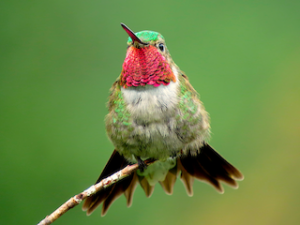
rosy‑red throat and produce a distinctive, metallic wing trill as they fly, making them easy to recognize around mountain cabins and trail‑side meadows.
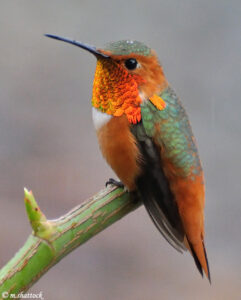
Rufous Hummingbirds are the fiery, highly territorial visitors that often dominate feeders in late summer and early fall as they migrate south. Calliope
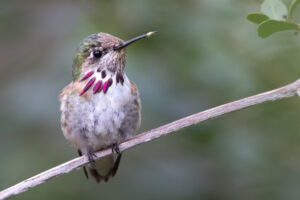
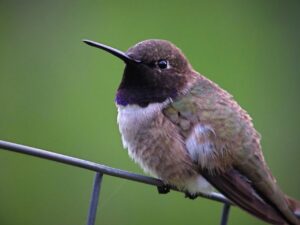
Hummingbirds, tiny with streaked magenta throats in males, use some higher‑elevation and interior routes, while lack‑chinned Hummingbirds—with their black throats and purple chin bands in males—are more often found in southern and eastern riparian corridors and lower‑elevation habitats.
Summary for Wyoming:
Common, regular species: Broad‑tailed Hummingbird (widespread mountain/foothill breeder), Rufous Hummingbird (especially abundant as
late‑summer migrant), Calliope Hummingbird, Black‑chinned Hummingbird.
Rare visitors: A few additional western species may appear as vagrants, but these four are the ones to plan for.
When do hummingbirds arrive and leave Wyoming?
Wyoming’s hummingbird calendar reflects its high elevation and interior position. Broad‑tailed Hummingbirds typically arrive in Wyoming at the end of April and leave by the end of September. Black‑chinned Hummingbirds usually arrive around the first week of May and also depart by about the third week of September.
Calliope Hummingbirds also arrive around the first week of May and depart around the third week of September, while Rufous Hummingbirds are
primarily fall migrants from late June to mid‑September. That means many birders first notice Rufous activity in midsummer, especially at feeders where they may briefly outnumber resident Broad‑taileds.
In general, hummingbird season in Wyoming runs from late April or early May through September, with peak activity in June, July, and August. Most birds are gone by early October, though a few late migrants can still pass through where flowers and feeders remain available.
Typical timing for Wyoming:
First arrivals (Broad‑tailed): late April.
Black‑chinned and Calliope arrivals: around first week of May.
Rufous: primarily late‑June to mid‑September migrants.
Most birds leave: late September, with stragglers into early October.
When to put up and take down feeders in Wyoming
When to put feeders out
Based on typical arrival dates, a good rule of thumb is to have feeders in place by the end of April in most of Wyoming. In lower‑elevation or southern areas, you can put them up a bit earlier, especially if you’re watching regional migration reports and see early birds nearby.
At higher elevations, snow may linger into May, but it still helps to have at least one feeder out by early May so migrating Broad‑tailed, Black‑chinned, and Calliope Hummingbirds can refuel as the landscape thaws. Once feeders are up, keep them clean and filled throughout the season so birds can rely on them in between natural blooms.
When to take feeders down
You can safely keep feeders up through the end of September, since Wyoming’s regular hummingbird species generally depart around then, with Rufous present into mid‑September and others into late September. A simple rule is to take feeders down at the end of October if you haven’t seen hummingbirds for about two weeks—this ensures you’re not cutting off late migrants.
As in other states, leaving feeders up does not stop hummingbirds from migrating. They depart based on day length and internal cues, not because feeders disappear. In Wyoming’s high‑elevation climate, keeping feeders available through September mainly helps late Broad‑taileds, Rufous, Calliopes, and Black‑chinneds refuel on their way south.
Best hummingbird nectar recipe
The best nectar recipe for Wyoming hummingbirds is the standard 4‑to‑1 sugar‑water mix: 1 part plain white sugar to 4 parts water. Bring the water to a brief boil, remove from heat, stir in the sugar until it dissolves completely, and let the mixture cool before filling your feeders.
Avoid red dyes, honey, brown sugar, or artificial sweeteners. The red parts of the feeder are enough to attract hummingbirds, and additives can promote fermentation or other problems. This simple 4‑to‑1 mixture closely matches natural flower nectar concentrations and is safe for Broad‑tailed, Rufous, Calliope, and Black‑chinned Hummingbirds when changed regularly.
All about nectar: how to use it effectively
Wyoming’s climate can swing from cool, frosty nights to hot, sunny days, especially at higher elevations. Using modest‑sized feeders (around 8–12 ounces) helps you offer fresh nectar without leaving large volumes out long enough to spoil. In warm weather, particularly in June through August, plan to change nectar frequently—often every day or two.
During peak activity in summer, you can add extra feeders or fill them a bit more if you’re seeing lots of hummingbirds. As activity tapers off in late September, reduce how much you fill feeders so nectar stays fresh while still offering enough for the last migrants. My main nectar article, How to Make Hummingbird Feeder Nectar, gives Wyoming readers step‑by‑step instructions, batch sizes, and troubleshooting tips.
A clean hummingbird feeder is a must
Even in Wyoming’s relatively dry air, nectar can ferment and feeders can develop mold if not cleaned regularly. Each time you change nectar, rinse the feeder with hot water and scrub any surfaces that can trap residue—the reservoir, ports, seams, and perches. Small brushes made for hummingbird feeders make this easy.
If you notice cloudiness, black spots, or a sour smell, give the feeder a thorough cleaning. A soak in a mild vinegar solution or a diluted bleach solution, followed by very thorough rinsing and complete drying, keeps mold under control. My feeder‑cleaning guide walks readers through this process and suggests how cleaning frequency should change from cool spring days to hot summer afternoons.
Where to hang feeders in Wyoming yards
Wyoming yards range from high‑country cabins and mountain towns to prairie homesteads and city lots, but the basics of feeder placement are similar. Hang feeders near flowers, shrubs, or small trees so hummingbirds have cover and perches, and place them about 4–5 feet above the ground for easy viewing and maintenance.
Keep feeders a safe distance from large, clear windows, or use decals and screens to reduce collision risk. In open, sun‑baked sites, strong afternoon sun can heat nectar quickly, so many people prefer spots with morning sun and afternoon shade or dappled light. In windy locations, hang feeders near walls, fences, or sheltered corners so they don’t swing excessively and spill.
To reduce fighting among hummingbirds:
-
Use two or more small feeders rather than one big one.
-
Place feeders 10–15 feet apart or around corners so a territorial male can’t guard them all at once.
Learn how hummingbird aggression impacts your backyard. This video explores territorial behavior and offers practical solutions for attracting more hummingbirds to your feeders. Discover several helpful strategies to encourage a more harmonious environment.
Native plants that attract hummingbirds in Wyoming
Native and region‑appropriate plants are crucial in Wyoming’s often dry, high‑elevation conditions. Hummingbirds favor tubular, nectar‑rich flowers in red, orange, and pink, but will also use purple and blue blooms with good nectar. A regional guide for Colorado, Utah, and Wyoming highlights several drought‑tolerant perennials that do well across the high plains and Rockies.
Good native or region‑appropriate plants for Wyoming include:
-
Penstemons (Penstemon spp.) – Classic western beardtongues with tubular flowers in red, pink, purple, and blue, thriving in sunny, well‑drained, and rocky soils.
-
Columbines (Aquilegia spp.) – Western and high‑elevation columbines providing early‑season nectar as hummingbirds arrive in late spring.
-
Wild bergamot / bee balm (Monarda fistulosa) – Tall, summer‑blooming perennials with pom‑pom flowers that attract hummingbirds and pollinators, doing well in moist but well‑drained, sunny sites.
-
Hyssop / hummingbird mint (Agastache spp.) – Western hyssops with tubular orange, pink, or purple flowers that offer late‑season nectar for migrating birds.
-
Western salvias (where hardy) – Heat‑loving, long‑blooming salvias that provide nectar well into late summer in lower, warmer gardens.
You can supplement these with hardy ornamental fuchsias and container plantings where climate allows, especially on protected patios and decks.
Creating a hummingbird‑friendly yard in Wyoming
To build a hummingbird‑friendly yard in Wyoming, combine layers of vegetation, clean feeders, water features, and safe perches. Use small trees and shrubs for structure, native perennials and vines for nectar, and feeders as a reliable supplement—especially important in dry years or at higher elevations.
Avoid or greatly reduce pesticides, especially systemic insecticides, so hummingbirds still have access to small insects and spiders for protein. A yard filled with native plants and minimal chemical use will support more insects, healthier plants, and more hummingbirds.
Layered planting example for a Wyoming yard
In a sunny Wyoming yard, you might plant a small native tree or large shrub—such as serviceberry or chokecherry—toward the back of a bed for structure and early blossoms. In front of that, plant drifts of penstemons and columbines to provide nectar from late spring into early summer.
Along the front edges and in hot, well‑drained spots, add hyssop and wild bergamot for mid‑ to late‑summer color and nectar. On berms or rocky slopes, use drought‑tolerant salvias and additional penstemon species to extend the bloom season and give hummingbirds nectar even in dry conditions.
For the best results do this:
Combine trees, shrubs, vines, and perennials to create a tiered garden with flowers and cover at multiple heights.
Match plants to your local conditions (high plains vs. mountain vs. canyon), emphasizing drought‑tolerant natives.
Place feeders as part of this network, where hummingbirds naturally move between flowers and shelter.
Plan for blooms from spring through fall
In much of Wyoming, the frost‑free season is short, so planning bloom sequences is important. Use early bloomers like columbines and some penstemons, mid‑season staples such as wild bergamot and additional penstemons, and late bloomers like hyssop and hardy salvias. That way hummingbirds find nectar from the time Broad‑taileds arrive in late April or May through the last Rufous and Calliope migrants in September.
My guide The Art of Attracting Hummingbirds to Your Yard helps readers choose plants by season and light conditions and shows how to design beds that keep hummingbirds coming in every part of the state.
Use feeders to supplement, not replace, flowers
Feeders add a reliable nectar source alongside your plants, especially during early spring and late fall when blooms may be sparse. Hang them where they’re visible from your best flower beds so hummingbirds can move naturally between blossoms and sugar water.
“Why I recommend this feeder”
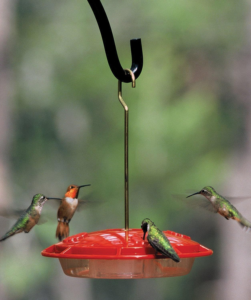 One of the best hummingbird feeders for any yard is the HummZinger Ultra 12‑oz Saucer Feeder. Its low, shallow bowl makes it easy to see the nectar level at a glance and reach every corner when you wash it, while the built‑in ant moat and included Nectar‑Guard tips help keep ants, bees, and wasps out of the sugar water. Raised flower ports divert rain so the nectar doesn’t get diluted, and a wrap‑around perch lets hummingbirds rest and feed comfortably, giving you longer, closer views. Made from durable polycarbonate in the USA and backed by Aspects with a true lifetime guarantee, it’s a feeder you can buy once and rely on season after season.
Follow good feeder hygiene—use the 4‑to‑1 sugar‑water recipe and clean often—to keep birds healthy and complement your plantings. My step‑by‑step guide to cleaning your hummingbird feeder shows you exactly how to remove mold, how often to change nectar at different temperatures, and which brushes and ant moats make the job easier, plus tips for dealing with bees and ants so your feeders stay safe and attractive.
Provide safe perches and nesting cover
Hummingbirds need secure perches to rest, preen, and watch over their feeding territories. Keep some shrubs, small trees, and a few thin or dead branches in your yard instead of pruning everything into tight, formal shapes. This more natural structure gives birds plenty of lookout posts and nesting options.
A hummingbird swing or decorative perch placed near a feeder gives birds a favorite “guard post,” bringing them into perfect view. Once hummingbirds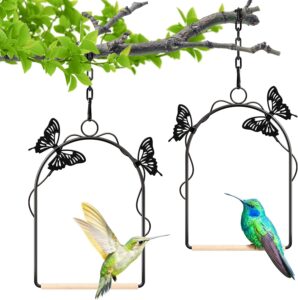 adopt a perch, you’ll often see them return to it repeatedly between feeding bouts.
Offer water in a way hummingbirds like
Hummingbirds prefer shallow, moving water such as misters, drippers, and fine sprays over deep, still birdbaths. A mister or fine sprayer set near 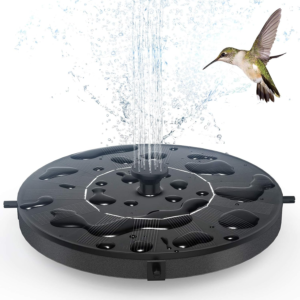 shrubs or perennials lets them bathe in droplets and sip from wet foliage—a valuable resource during hot, dry periods.
You can also install a shallow birdbath. A shallow birdbath with gently sloping edges can also work if kept clean and not too deep. Place water features near nectar plants and feeders so  birds can move easily between feeding and bathing without crossing large open areas. Your article How to Use Water Features to Attract Hummingbirds explains depths, flow strength, and placement in more detail.
Skip pesticides and let insects thrive
All hummingbirds, including those in Wyoming, rely heavily on insects and spiders for protein, especially during nesting season. Avoid or sharply limit pesticide use, particularly systemic insecticides that can contaminate nectar and insects alike. A yard rich in native plants, some leaf litter, and natural micro‑habitats will support more insects and healthier hummingbirds.
My article Natural Pest Control Methods for Your Hummingbird Garden helps Wyoming readers manage pests with safer methods—companion planting, beneficial insects, physical barriers, and targeted organic treatments—without harming hummingbirds or their prey.
Keep insects away from your feeder
Bees, wasps, and ants can be serious feeder pests in Wyoming, especially in warm, dry periods. My guide How to Keep Bees and Ants Away From Your Hummingbird Feeder explains how to use ant moats, bee‑resistant feeder designs, better placement, and decoy feeders to keep nectar for hummingbirds only.
For larger nuisance animals, my article Effective Tips For Pest Control At The Hummingbird Feeder offers practical ways to secure feeders and minimize damage.
If readers want a broader context, they can consult “When to Feed Hummingbirds: A State‑by‑State Feeder Guide” to see how Wyoming’s timing compares with other states.
FAQ for Wyoming hummingbirds
What hummingbirds live in Wyoming?
Four hummingbird species occur regularly in Wyoming: Broad‑tailed, Rufous, Calliope, and Black‑chinned. Broad‑taileds are the main mountain and foothill breeders, while Rufous, Calliope, and Black‑chinned appear in different regions and seasons.
When do hummingbirds arrive in Wyoming?
Broad‑tailed Hummingbirds typically arrive in Wyoming by late April. Black‑chinned and Calliope Hummingbirds usually arrive around the first week of May, and Rufous Hummingbirds are most noticeable as migrants from late June into early fall.
When do hummingbirds leave Wyoming?
Most Broad‑tailed, Black‑chinned, Calliope, and Rufous Hummingbirds leave Wyoming by late September, with a few stragglers into early October.
When should I put out hummingbird feeders in Wyoming?
Have feeders up by the end of April in most areas. At lower elevations or in southern Wyoming, you can put them out slightly earlier to be sure you don’t miss early Broad‑taileds.
When should I take down hummingbird feeders in Wyoming?
Many people keep feeders up through September and then take them down after going about one to two weeks without seeing hummingbirds. You can leave one feeder up into October if you want to watch for late migrants.
What is the best hummingbird nectar recipe for Wyoming?
Use 1 part plain white sugar to 4 parts water, boiled and cooled, with no red dye or other additives.
How often should I change hummingbird nectar in Wyoming?
In hot weather, change nectar every 1–2 days; in cooler spring and fall weather, change it every 3–5 days, and always replace it immediately if it looks cloudy, smells fermented, or shows any mold.
Which hummingbird feeder styles work best in Wyoming?
Small 8‑ to 12‑ounce saucer‑style feeders work well because they are easy to clean, resist leaks and wind, and let you offer modest amounts of nectar you can change frequently.
What plants attract hummingbirds in Wyoming?
Natives and region‑adapted plants such as penstemons, columbines, wild bergamot, hyssop, and hardy salvias are excellent choices to attract hummingbirds in Wyoming gardens.
Where can I learn more about hummingbirds in Wyoming?
Regional resources include Rocky Mountain and Wyoming bird‑conservation groups, local Audubon chapters, native‑plant societies, and western hummingbird‑gardening guides.
Further resources for Wyoming hummingbird watchers
Hummingbirds Return to Wyoming – Cowboy State Daily
– Article describing when hummingbirds return to Wyoming, the four regular species, and good places to see them, such as Sinks Canyon State Park.
Hummingbird Migration Patterns and Maps
– National timing overview for Broad-tailed, Rufous, Calliope, and Black-chinned Hummingbirds, with notes relevant to Wyoming.
Hummingbird Season: When to Put Up & Take Down Your Feeders
– Timing guide that includes Wyoming, listing arrival and departure dates for Broad-tailed, Black-chinned, Calliope, and Rufous Hummingbirds and when to hang feeders.
Hummingbirds of Colorado, Wyoming, and South Dakota (PDF)
– Habitat and plant guide explaining which hummingbirds breed in Wyoming and the nectar plants they rely on.
Nine Native Plants to Attract Hummingbirds in Colorado, Utah, and Wyoming
– Regional list highlighting penstemon, wild bergamot, hummingbird trumpet, hyssop, and other drought-tolerant natives ideal for Wyoming gardens.
The Incredible Broad-tailed Hummingbird in Wyoming
– Photo essay and notes focused on Broad-tailed Hummingbirds in Wyoming’s mountain habitats.
Hummingbird Migration Guide – Birdertown
– General migration guide that includes timing and routes for western hummingbirds, useful context for Wyoming watchers.
How to Make Hummingbird Feeder Nectar
– My in‑depth guide to the 4:1 nectar recipe, batch sizes, and how often to change nectar at different temperatures.
Cleaning a Hummingbird Feeder
– Step‑by‑step cleaning instructions, including how to keep feeders safe in Wyoming’s combination of cool nights and hot, sunny days.
When to Feed Hummingbirds: State-by-State Feeder Guide
– Quick reference for Wyoming feeder timing compared with other states, handy for travelers or readers with family elsewhere.