Garden phlox (Phlox paniculata), also called summer phlox, is a classic perennial known for its tall stems topped with large, fragrant flower clusters in mid to late summer. The blooms come in shades of pink, purple, lavender, white, and bicolors, and they have a sweet, old-fashioned scent that carries on warm evenings. In full bloom, garden phlox becomes a luminous block of color, making it a staple in traditional borders, cottage gardens, and pollinator plantings.
This species is native to parts of eastern North America and has been widely cultivated and hybridized, resulting in many garden cultivars. It thrives in reasonably moist, fertile, well-drained soil and sun to light shade. When given good air circulation and consistent moisture, garden phlox can bloom strongly for weeks, providing a showy vertical accent and a rich nectar source at the height of summer.
Key Characteristics
-
Height: Typically 2–4 feet tall, depending on cultivar and growing conditions
-
Bloom Time: Mid-summer to early fall (often July–September)
-
Light Requirements: Full sun to light partial shade (best flowering in full sun with some afternoon shade in hot climates)
-
Soil Preference: Moist, fertile, well-drained soil; appreciates consistent moisture but not soggy conditions
-
Zones: Generally hardy in USDA zones 4–8
Garden phlox forms clumps of sturdy, upright stems with elongated, pointed green leaves. At the top of each stem, dense panicles of tubular flowers create a domed or pyramid-shaped cluster. The flowers are highly fragrant and excellent for cutting, and new mildew-resistant cultivars have made it easier than ever to enjoy phlox without severe leaf problems in humid regions.
Why Garden Phlox Is Attractive to Hummingbirds
Garden phlox is a superb nectar plant for hummingbirds. Each individual flower has a narrow, tubular shape that is well-suited to a hummingbird’s long bill and tongue, allowing birds to easily reach the nectar hidden deep inside. The clusters hold dozens of flowers at once, so hummingbirds can visit many florets in a small area, which makes feeding efficient.
In addition to hummingbirds, garden phlox is famous for attracting butterflies, clearwing moths (hummingbird moths), bees, and other pollinators. Because it blooms in mid to late summer, it provides essential nectar when many spring plants are finished and some fall bloomers have not yet started. When you plant garden phlox in generous drifts or mix it with other sun-loving nectar plants, you create a vibrant summer buffet for pollinators across your garden.
Natural Habitat and Growing Conditions
In its native range, Phlox paniculata is found in meadows, forest edges, stream banks, and open woodlands. It naturally favors spots with decent moisture, light, and airflow.
In home gardens, it thrives when you offer similar conditions:
-
Light: Full sun (6+ hours) promotes the best flowering and strongest stems. In hotter climates, light afternoon shade can help prevent stress and keep flowers looking fresh.
-
Soil: Prefers moist, fertile, well-drained soil. It performs best in enriched garden beds rather than extremely dry or nutrient-poor soil.
-
Moisture: Likes consistent moisture, especially during hot, dry periods. Soil should be kept evenly moist but not constantly waterlogged, which can lead to root rot.
Because garden phlox is somewhat prone to powdery mildew, good air circulation is important. Avoid crowding plants and choose an open site where air can move through the foliage.
Care and Maintenance
Garden phlox rewards regular care with long, abundant bloom.
-
Watering: Water regularly, especially during the first growing season and in hot, dry weather. Aim to keep the soil evenly moist. Avoid overhead watering if powdery mildew is a concern; water at the base of the plant instead.
-
Feeding: Incorporate compost into the soil at planting time and top-dress annually in spring. A balanced, slow-release fertilizer in early spring can support strong growth and flowering.
-
Mulching: Apply a 2–3 inch layer of organic mulch to help retain moisture, keep roots cool, and suppress weeds. Keep mulch a bit away from the stems to reduce disease risk.
-
Deadheading: Removing spent flower clusters encourages new blooms and can extend the flowering period well into late summer. It also prevents unwanted self-seeding of cultivars that won’t come true from seed.
-
Cutting back: In late fall or early spring, cut back stems to a few inches above the soil. Dividing mature clumps every few years helps maintain vigor and reduces disease pressure.
In humid climates, powdery mildew is common on older cultivars. Choosing mildew-resistant varieties, providing good airflow, and avoiding overhead watering all help keep foliage cleaner.
Ecological Benefits
Garden phlox is an important plant for summer pollinator support.
-
Nectar source: The fragrant, tubular flowers are rich in nectar, attracting butterflies (including swallowtails), bees, moths, and hummingbirds.
-
Pollinator diversity: Clearwing moths, skippers, and many other insects rely on phlox as a mid- to late-season nectar source.
-
Bird garden value: Hummingbirds visit throughout the flowering season, and the tall stems add structure and perching spots in mixed borders.
When paired with other native and pollinator-friendly perennials, garden phlox helps create a layered habitat that supports wildlife from spring into fall.
Why Grow Garden Phlox
Garden phlox has been a border favorite for generations for good reason.
1. Big, Fragrant Flower Clusters
Few perennials can match garden phlox for sheer floral impact in midsummer. Large, dome-shaped clusters of flowers top tall stems and are heavily scented, making them as appealing to people as they are to pollinators.
2. Long Bloom Season
With good care and deadheading, garden phlox can bloom from mid-summer well into early fall. This extended display fills the gap between early summer perennials and fall-blooming asters and goldenrods.
3. Exceptional Pollinator and Hummingbird Plant
Garden phlox is a magnet for butterflies, hummingbirds, and bees. If you’re designing a pollinator garden or a hummingbird-friendly border, it’s a high-value plant that offers a lot in a relatively small footprint.
4. Fits Many Garden Styles
From cottage gardens and traditional borders to native-style plantings and rain garden edges, garden phlox adapts well to different aesthetics. It works beautifully with coneflowers, black-eyed Susans, bee balm, tall grasses, and many other summer perennials.
5. Improved Disease-Resistant Cultivars
Modern cultivars such as ‘Jeana’, ‘David’, and others have significantly improved resistance to powdery mildew. These varieties allow gardeners in humid climates to enjoy garden phlox with less foliage damage and fewer sprays.
Planting Tips
Site Selection:
Choose a site with full sun to light partial shade and good air circulation. Avoid tight corners or crowded beds where air movement is restricted.
Soil Preparation:
Work compost into the planting area to improve fertility and drainage. Garden phlox appreciates enriched soil, but it must drain well to avoid root problems.
Spacing:
Space plants about 18–24 inches apart to allow for airflow and natural clump expansion. Proper spacing helps reduce mildew and keeps plants looking full but not crowded.
Watering:
Water deeply at planting time and continue to water regularly, especially during hot weather. Try to water at the base rather than overhead to help keep foliage dry.
Maintenance:
-
Deadhead spent blooms to extend flowering.
-
Cut stems back after frost or in early spring.
-
Divide clumps every few years to rejuvenate plants and reduce disease stress.
Unique Characteristics of Garden Phlox That Make It Special
Garden phlox stands out for several reasons.
Tall, Colorful, and Scented
Few summer perennials combine height, color, and fragrance as effectively as garden phlox. The sweet scent and bold flower clusters make it a star in mid- to late-summer borders.
Nectar Powerhouse
All phlox species are known for their nectar production, and garden phlox is no exception. Its tubular florets are perfectly shaped for butterflies, moths, and hummingbirds, making it a key plant in live, buzzing summer gardens.
Mildew-Resistant Choices
Although older varieties often suffered from powdery mildew, many newer cultivars are significantly more resistant. Gardeners now have options that maintain dark green foliage and strong bloom even in humid summers.
Frequently Asked Questions
Is garden phlox native?
Garden phlox (Phlox paniculata) is native to parts of eastern North America but has been widely cultivated and naturalized beyond its original range. Many garden varieties are selections or hybrids based on this species.
Does garden phlox attract hummingbirds and pollinators?
Yes. Garden phlox is excellent for pollinators. Its fragrant, tubular flowers are highly attractive to butterflies, moths, bees, and hummingbirds, especially in mid to late summer.
How much sun does garden phlox need?
Garden phlox performs best in full sun with at least 6 hours of direct light per day. In hotter climates, some afternoon shade can help keep plants healthy and flowers from scorching, but too much shade may reduce flowering and increase mildew.
Will garden phlox come back every year?
Yes. Garden phlox is a herbaceous perennial that dies back to the ground in winter and re-sprouts from the root system each spring. With good care and occasional division, plants can persist and bloom for many years.
How do I prevent powdery mildew on garden phlox?
To reduce powdery mildew:
-
Choose mildew-resistant cultivars.
-
Provide good air circulation by proper spacing and thinning crowded stems.
-
Avoid overhead watering and water early in the day if foliage gets wet.
-
Remove and discard heavily infected foliage at season’s end.
Can I grow garden phlox in containers?
Yes. Garden phlox can be grown in large containers with rich, well-draining potting mix. Choose mildew-resistant varieties, provide full sun, and water regularly so the soil stays evenly moist. Container-grown plants may need more frequent watering and feeding than those in the ground.
Conclusion
Garden phlox (Phlox paniculata) is a summer superstar that brings tall, fragrant flower clusters, vibrant color, and exceptional pollinator value to sunny gardens. Its blooms attract butterflies, hummingbirds, and bees, while improved cultivars make it easier to grow than ever, even in humid climates.
By planting garden phlox in fertile, well-drained soil, giving it consistent moisture, and choosing disease-resistant varieties, you can enjoy weeks of sweetly scented flowers every summer. Whether you’re building a pollinator haven, a cottage-style border, or a colorful backyard display, garden phlox more than earns its place as a midseason highlight.
A few additions that will make any garden more hummingbird friendly
Provide nesting materials like cotton or plant fibers. You can place these materials in suet cages or spread them around your garden.
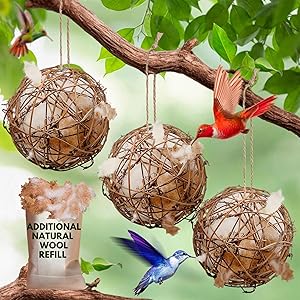
A major component of any successful hummingbird garden is a dependable hummingbird feeder that is easy to take apart and clean and doesn’t leak.
One of the best Hummingbird feeders that’s easy to take apart and clean is the HummZinger Ultra.
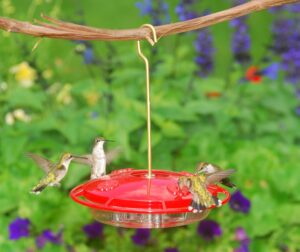
Aspects 12oz HummZinger Ultra With Nectar Guard.
The HummZinger Ultra 12oz Saucer Feeder is one of the best options for a hummingbird feeder that’s both easy to clean and maintain. This top-tier feeder features patented Nectar Guard tips—flexible membranes on the feeding ports that keep flying insects out while still allowing hummingbirds to feed freely. Plus, it comes with an integrated ant moat to prevent crawling insects from reaching the nectar, and the raised flower ports help divert rain, keeping the nectar fresh.
With a 12 oz capacity, this mid-size feeder offers plenty of space and can be hung or mounted on a post using the included hardware. It has four feeding ports and is made from durable, unbreakable polycarbonate. Whether you’re concerned about bees, wasps, or ants, this feeder is built for easy cleaning and insect protection.
If you already have a hummingbird feeder, and you want to protect it from ants and other crawling insects, the ant moat below will do the job.
Trap-It Ant Moat for Hummingbird Feeders
Using an ant moat for your hummingbird feeder is an effective way to keep ants away from the sweet nectar. These tiny creatures are drawn to
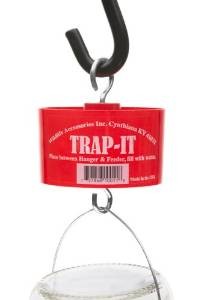
the sugar water, and without a barrier, they will quickly infest your feeder, preventing the birds from enjoying the nectar. An ant moat works by creating a barrier of water that ants can’t cross. Positioned above the feeder, it effectively blocks the ants’ path, keeping them from reaching the nectar.
This simple solution also ensures that your hummingbird feeder remains clean and accessible for the birds, rather than becoming a breeding ground for ants or other pests. It’s a small addition that can make a big difference in maintaining a healthy, inviting space for hummingbirds, while also reducing the need for chemical ant deterrents.
The first and still the best to protect your Hummingbird and Oriole feeder from ants and other crawling insects. Insert between hanger and feeder and fill with water, providing a barrier to crawling pests. Red color to attract hummingbirds.
In addition to nectar, hummingbirds need water and safe spaces to rest. By providing a birdbath or misting system, you can ensure they have everything they need.
Water Sources
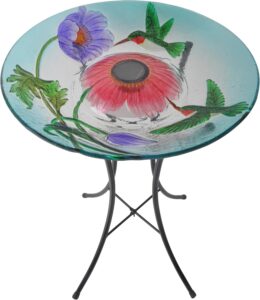
Hummingbirds enjoy fresh water to drink and bathe. A shallow birdbath with a fine spray from a mister is ideal. Just make sure the water is changed regularly to keep it clean.
Here’s a solar powered bird bath.
Hummingbird misters at Amazon.com
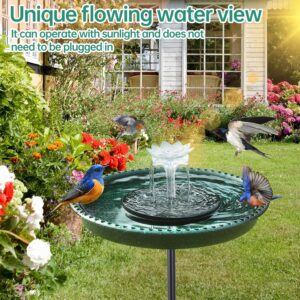
Install shallow bird baths with gently sloping edges. Hummingbirds prefer water sources that are no more than 1-1.5 inches deep.
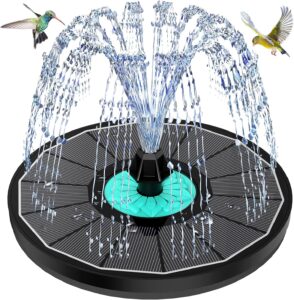
Consider adding a mister or dripper to create moving water, which attracts hummingbirds. They often enjoy flying through fine sprays of water.
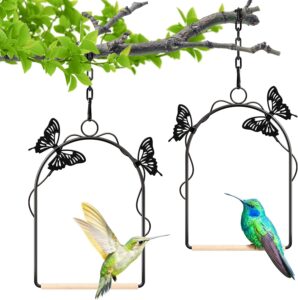
A hummingbird perch is a good way to attract hummingbirds to a particular spot near your feeder
Use Songbird Essentials Nectar Aid Self Measuring Pitcher and never measure ingredients again. Make any amount and the ingredients are measured for you.
 |
Column 2 |
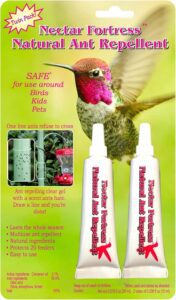
Nectar Fortress™ Natural Ant Repellent
CREATED FOR HUMMINGBIRD FEEDERS: Stop ants fast and keep them away from the bird feeder altogether. Use it on poles or hooks and create a barrier with a scent ants hate. Useful with ant moats or eliminate the moat entirely.
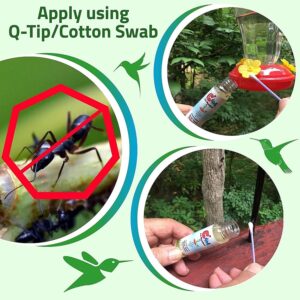
C’ANT, Ant and Bee Repellent for Hummingbird Nectar Feeders and Outdoor Bird Seed Feeders – Works with Shepherds Hook and Ant Moat – 1 oz.
Hummingbird resources to help make your garden a success
Here’s a complete guide to attracting hummingbirds to your yard. It lists plants, vines and shrubs that are in bloom for spring, summer and fall. Your hummingbirds will always have flowers to feed on.
Here’s a great article that tells everything you need to know about how to choose the best place to hang your hummingbird feeder.
Here’s the best designed hummingbird feeder to use. It’s leak proof, so it won’t attract insects and it’s easy to take apart and clean.
Here’s a comprehensive guide to help you clean your hummingbird feeder for those times when the nectar is not changed soon enough and mold starts to grow.
More Hummingbird Resources
U.S. Fish and Wildlife Service – Hummingbird Conservation
This site offers detailed information about various hummingbird species, their habitats, and conservation efforts. It also provides resources on how to protect these fascinating birds.
National Park Service – Hummingbird Resources
The National Park Service offers insights into hummingbird species found in national parks, their behaviors, and their role in ecosystems, along with tips for observing them.
Smithsonian National Museum of Natural History – Birds: Hummingbirds
This resource provides educational materials on the role of hummingbirds in pollination and biodiversity, backed by scientific research and exhibits from the Smithsonian.