Woolly Butterfly Bush for Arizona Hummingbirds
Overview
The woolly butterfly bush (Buddleja marrubiifolia) is a tough desert shrub that loves heat and sun. It grows about 5 feet tall and wide and stays evergreen in warm Arizona gardens. Its soft gray leaves and bright orange flower balls stand out in any landscape. Even better, the flowers are rich in nectar and support many pollinators. While it is famous for butterflies, it can also play a helpful role in a hummingbird‑friendly yard when used with other nectar plants.
Native Range and Why It Fits Arizona
This shrub is native to the Chihuahuan Desert in Texas and northern Mexico. That region is hot, sunny, dry, and has rocky, 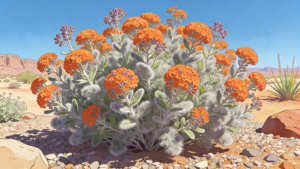 well‑drained soils, just like many parts of Arizona. Because of this, the woolly butterfly bush has very good heat and drought tolerance. It was first grown as an ornamental in Arizona and has done well in low‑water landscapes. So, if you want a desert‑adapted shrub that fits Arizona’s climate, this plant is a smart choice.
Flowers, Nectar, and Pollinators
The woolly butterfly bush blooms from about spring through summer and often well into fall. It produces small, round clusters of orange flowers that are packed with nectar. Butterflies flock to these blooms, especially when the plant has some afternoon shade. Many other insects also visit the flowers, turning the shrub into a busy feeding station. All of this activity helps support the food web in your hummingbird garden, because hummingbirds also eat tiny insects for protein.
How Woolly Butterfly Bush Helps Hummingbirds
Even though the plant is branded as a butterfly magnet, its nectar‑rich flowers can also be used by hummingbirds when available. 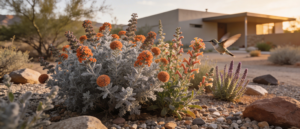 The bright orange color stands out, and hummingbirds are naturally drawn to vivid warm tones in the landscape. In addition, the shrub offers perching spots where hummingbirds can rest between visits to other tubular flowers in your yard. Because it blooms for a long season, it can help bridge gaps when other hummingbird plants are not at peak bloom. Therefore, while it should not be your only hummingbird plant, it is a useful support species in a larger nectar garden.
Best Arizona Locations and Microclimates
Woolly butterfly bush does especially well in southern and central Arizona, including low desert areas. It thrives in full sun but can also handle light afternoon shade, which may extend flower life and pollinator visits. Plant it in a spot with good air flow and reflected sun if you want maximum drought performance. However, in very hot locations, giving it a little shade later in the day can reduce stress and keep blooms fresher for visiting pollinators. In cooler higher‑elevation Arizona gardens, it may experience some frost damage but often regrows from the base.
Soil, Water, and Light Needs
This shrub demands well‑drained soil. It tolerates slightly acidic to alkaline conditions and does well in typical desert soils. However, it struggles and may rot in heavy, wet, or compacted clay. After the plant is established, it needs only low to very low water. In fact, too much irrigation can harm it, so it is better to water deeply but infrequently, especially in summer.
Landscape Uses in a Hummingbird Garden
Because it is compact and rounded, woolly butterfly bush works well as a background shrub or informal hedge. You can use it to frame a hummingbird feeding area, around patios, or along sunny borders. Its soft silver foliage contrasts nicely with greener and more upright plants. When you combine it with tubular‑flowered natives, you create layers of color, shelter, and nectar sources. This layered design gives hummingbirds places to hide, perch, and feed throughout the day.
Companion Plants for Hummingbirds in Arizona
To make the most of woolly butterfly bush, pair it with strong hummingbird nectar plants that thrive in Arizona. Good companions include desert honeysuckles, native salvias, chuparosa, and penstemons, which all offer tubular flowers that hummingbirds love. You can plant these in front of or between your woolly butterfly bushes to build a diverse nectar corridor. Also, mixing in flowering trees and shrubs that bloom at different times keeps nectar available for much of the year. With this approach, woolly butterfly bush becomes one useful piece of a larger hummingbird habitat puzzle.
Care, Pruning, and Maintenance
Woolly butterfly bush is naturally low‑maintenance. It grows at a moderate rate and usually needs little or no pruning to keep its shape. If branches get leggy or damaged, you can lightly prune them back in late winter or early spring. Avoid heavy fertilizing, because this plant is adapted to lean desert soils and can become weak with too much nitrogen. As long as you provide sun, drainage, and modest water, it will reward you with years of gray foliage and orange blossoms.
Wildlife and Environmental Benefits
Adding this shrub to your Arizona yard supports more than just hummingbirds. The flowers provide nectar for butterflies, native bees, and many other insects, which increases biodiversity. The dense branches offer shelter for small birds and lizards, especially in xeriscape gardens. Because it is drought‑tolerant, it also helps you save water while still maintaining a lively, colorful landscape. In this way, woolly butterfly bush fits perfectly into sustainable, wildlife‑friendly Arizona yards.
Planting and Establishment Tips
When you plant woolly butterfly bush, first choose a site with sun and excellent drainage. Dig a hole no deeper than the root ball but a bit wider, and avoid burying the crown. Then backfill with the native soil and gently water to settle everything in. During the first growing season, water more often so roots can spread out, then slowly stretch the time between irrigations. Over time, the plant will need only occasional deep watering to stay healthy.
Using Woolly Butterfly Bush in Containers
In areas with heavier winter moisture or poor drainage, some gardeners grow this shrub in large containers. A pot with very free‑draining soil helps protect the roots from rot. You can then place the container in a sunny, sheltered spot where hummingbirds and butterflies will still find it. If a hard freeze is expected, you can move the pot to a protected area and reduce watering. This strategy lets you enjoy the plant’s color and wildlife value even in less‑than‑ideal sites.
Arizona hummingbirds need both safe feeders and rich native plants. To see when to put feeders up and take them down, visit my Arizona hummingbird feeding dates. For tips on nectar, feeders, and yard setup, see my backyard hummingbird guide and my hummingbird food recipes.
Frequently Asked Questions
Is woolly butterfly bush good for Arizona hummingbird gardens?
Yes, woolly butterfly bush is a good support plant in Arizona hummingbird gardens because it thrives in desert conditions, offers nectar‑rich blooms, and provides perches and shelter.
How much water does woolly butterfly bush need in Arizona?
After establishment, this shrub needs only low to very low water, so deep but infrequent watering works best and matches water‑wise Arizona gardening.
What kind of soil and sun does woolly butterfly bush require?
It needs full sun to light shade and well‑drained soil, and it does poorly in heavy or wet clay because of its desert origin.
Will woolly butterfly bush survive Arizona cold snaps?
It usually tolerates temperatures down to around the mid‑teens Fahrenheit and may die back in harder freezes but can regrow from the roots in many Arizona gardens.
Do I need to prune or fertilize woolly butterfly bush often?
No, it is naturally low‑maintenance and usually needs only light pruning and little to no fertilizer in typical desert soils.
Resources
- Arizona Municipal Water Users Association – Woolly Butterfly Bush Plant Profile
- Horticulture Unlimited – Woolly Butterfly Bush Guide
- Garden Oracle – Growing Buddleja marrubiifolia in the Southwest
- University of Arizona Campus Arboretum – Buddleja marrubiifolia Profile
- Trees and Shrubs Online – Buddleja marrubiifolia Overview