In Alaska, it really helps hummingbirds when you plant several native flowers and shrubs together. This guide is part of our Alaska hummingbird plant series, along with articles on lupine, bluebells, red elderberry, Sitka spruce, goatsbeard, western columbine and others. Together, these plants give hummingbirds nectar, insects, and shelter from spring through fall.
Wild Currants (Ribes spp.) for Hummingbirds in Alaska
Wild currants are hardy native shrubs that grow well in many parts of Alaska. Their flowers and berries help many kinds of wildlife, including 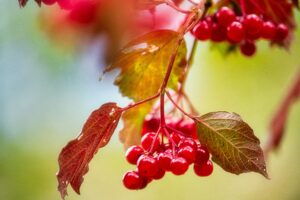 hummingbirds. When you plant them, you support birds, insects, and people all at once.
What Are Wild Currants?
Wild currants belong to the genus Ribes, which includes several species found across Alaska. These shrubs usually have lobed, maple-like leaves and clusters of small flowers that hang in drooping strings. Later, they produce red or black berries that ripen from mid to late summer.
Different species grow in slightly different places. For example, swamp red currant (Ribes triste) grows in wet forests, bogs, and along stream banks in Alaska. Other currants grow in moist woods, open meadows, and near rivers.
Why Wild Currants Attract Hummingbirds
First, wild currants offer nectar at just the right time. Their pendant flower clusters bloom in spring, when early-arriving hummingbirds are searching for energy after migration. In Alaska, rufous hummingbirds reach breeding areas by mid to late spring, so early flowers are critical.
Next, the flowers are shaped for hummingbirds. Many Ribes species have tubular or flared flowers arranged along long stalks, which makes it easy for hummingbirds to hover and sip nectar quickly. Some currants in other regions, like red-flowering currant, are famous for drawing rufous hummingbirds as soon as they bloom.
Finally, currants help the whole habitat that hummingbirds use. By supporting insects and providing fruit for other birds and mammals, wild currants keep the food web strong in Alaska’s forests and wetlands. Healthy, diverse plant communities mean more nesting sites, more cover, and more small insects for hummingbirds to eat.
Wild Currants and Alaska Hummingbird Species
In Alaska, rufous hummingbirds are the main hummingbird species, especially in coastal and forested regions. They are important pollinators in cool, cloudy rainforests of southeast and south-central Alaska. As they move from flower to flower, they help pollinate many native shrubs, including berry-producing plants.
When rufous hummingbirds visit currant flowers, they transfer pollen and improve fruit set. This leads to better berry crops for wildlife and people later in the season. So, planting wild currants does not just feed hummingbirds; it also supports wild foods like berries that many Alaskans value.
Where Wild Currants Grow in Alaska
Several wild currant species grow naturally in Alaska’s cool climate. Swamp red currant is found in wet conifer and birch forests, bogs, stream banks, and rocky slopes in subalpine zones. Other currants occur in moist woods, open areas, meadows, and along rivers, often in mid to low elevations.
Because they already handle cold, wet conditions, wild currants are a smart choice for Alaskan gardens. They tolerate cool summers and can grow in both sun and partial shade, depending on species. This flexibility makes them useful in home landscapes, forest edges, and naturalized plantings.
Growing Currants — In the Alaska Garden
Planting Wild Currants for Hummingbirds
First, choose native or cold-hardy currant species suitable for your part of Alaska. Whenever possible, select locally sourced plants or seedlings adapted to nearby conditions. This helps your shrubs establish faster and supports local genetics.
Next, pick a site with moist but well-drained soil. Many currants like conditions similar to their wild habitats, such as the edges of moist woods, bog margins, or stream banks. However, they can also do well in garden beds with regular water and organic mulch.
Then, give each shrub enough space to reach its mature size. Some wild currants stay around 3 feet tall, while others grow close to 6 feet or more with a broad, vase-like shape. Proper spacing improves air flow, reduces disease, and makes it easier for hummingbirds to move among the branches.
Caring for Wild Currants
After planting, water the shrubs regularly during the first couple of growing seasons. Once established, many wild currants need only low to moderate extra water, especially in cool, moist parts of Alaska. A layer of mulch can help keep roots cool and soil moist.
Prune lightly to remove dead or crossing branches and to keep a natural shape. Heavy pruning is usually not needed, since currants have a graceful growth habit and can form attractive thickets for wildlife. Avoid harsh chemicals near your shrubs, because hummingbirds and other pollinators are sensitive to pesticides.
Design Tips for a Hummingbird Garden in Alaska
To start, place wild currants where you can easily watch hummingbirds from a window or porch. Position shrubs near other early-blooming natives, so birds have a steady supply of nectar as they move through your yard. For example, combine currants with other spring-flowering shrubs and perennials that tolerate cool, wet conditions.
Also, think in layers. Use currants as mid-story plants under taller conifers or birch and above low groundcovers and wildflowers. This layered structure gives hummingbirds shelter from wind and predators, plus places to perch between feeding bursts.
Finally, if you also use nectar feeders, place them near currant shrubs but not directly over the plants. This keeps dropped sugar water from attracting ants right into your shrubs. It also encourages hummingbirds to move naturally between feeders and flowers, improving pollination.
Benefits Beyond Hummingbirds
Wild currants help many other creatures besides hummingbirds. Their fruit is an important food source for songbirds, small mammals, and sometimes even bears. In turn, these animals help spread seeds and keep ecosystems healthy.
Currant berries have also long been used by people for food. Many Indigenous communities and settlers have harvested wild currants to eat fresh or to preserve in jams and traditional foods. When you plant these shrubs, you continue a long relationship between people, wildlife, and native plants in Alaska.
For a complete guide to attracting and feeding hummingbirds in Alaska visit: Alaska: Attracting And Feeding Hummingbirds
Frequently Asked Questions about Wild Currants and Hummingbirds
Do hummingbirds really use wild currants in Alaska?
Yes. Rufous hummingbirds visit currant flowers for nectar, especially in coastal and forested areas of Alaska where they breed and act as important pollinators.
Will wild currants survive Alaska winters?
Yes. Many wild currant species that occur naturally in Alaska are well adapted to cold climates, wet soils, and short growing seasons, so they overwinter reliably.
Do I need full sun for wild currants?
Not always. Many currants grow in partial shade in moist woods and along streams, though flowering and fruiting are often best with at least some sun each day.
Are the berries safe for people to eat?
Many wild currant species produce edible berries that people have traditionally eaten, but you should always confirm the species and local guidance before harvesting.
Do wild currants attract other wildlife?
Yes. Their flowers support pollinators, and their berries feed songbirds, small mammals, and other wildlife, making them strong all-around habitat plants.
Resources on Wild Currants and Hummingbirds in Alaska
- USDA Plants Database: Ribes (Currants) Profile
- Ribes triste (Swamp Red Currant) – Alaska Wildflowers
- Yakutat Tlingit Tribe Currants PDF
- Maintaining and Improving Habitat for Hummingbirds in Alaska (Pollinator Partnership)
- Ribes spp. Plant Sheet – Saving Water Partnership
- Red-flowering Currant and Rufous Hummingbirds