Wild blue phlox (Phlox divaricata) is a graceful woodland perennial treasured for its soft, fragrant flowers that blanket shady spaces in spring. Its starry blooms, typically in shades of blue, lavender, or pale violet, float above low, semi-evergreen foliage and create the effect of a delicate, living carpet. Often called woodland phlox or wild sweet William, this native plant brings both subtle color and a light, sweet scent to forest edges and shade gardens.
With its loose, informal habit, wild blue phlox pairs beautifully with ferns, trilliums, spring ephemerals, and later-emerging shade perennials. It’s especially valued for brightening dappled woodland areas, slopes, and shaded borders where many sun-loving plants fail. Planted in drifts, it can knit together a woodland planting, softening hard edges and weaving around tree roots and shrubs.
Key Characteristics
-
Height: About 8–12 inches tall
-
Bloom Time: Mid- to late spring
-
Light Requirements: Partial shade to bright dappled shade
-
Soil Preference: Rich, moist, well-drained woodland soil
-
Zones: Generally hardy in much of the eastern and central U.S. (cool to mild climates; verify exact zone range)
The five-petaled flowers of wild blue phlox form loose clusters atop slender stems, with colors ranging from pale blue to lavender and occasionally white. They’re lightly fragrant and particularly striking when mass-planted. Its low height and spreading habit make it ideal as a groundcover in naturalistic shade gardens, where it can slowly form broad patches under trees and along woodland paths.
Why Wild Blue Phlox Is Attractive to Hummingbirds
Wild blue phlox may not be as obviously “hummingbird-oriented” as tubular red flowers, but it can still contribute to a hummingbird-friendly landscape, especially in woodland and edge habitats. Its nectar-bearing blooms appear in mid-spring, overlapping with migration and early breeding season for hummingbirds in many regions. That timing makes it a useful part of a broader nectar sequence.
The relatively open flower structure allows small pollinators and, in some gardens, hummingbirds to access nectar while foraging along shady edges. Because wild blue phlox thrives in dappled woodland light, it fills a niche that many classic hummingbird plants can’t: providing color and nectar in cooler, shaded zones under trees and near forest edges. When you pair it with more decidedly hummingbird-focused plants in brighter spots, you create a yard that supports hummingbirds and other pollinators from sun to shade.
Natural Habitat and Growing Conditions
Wild blue phlox is native to woodland and forest-edge habitats, where it grows in rich, leaf-littered soils and partial shade. It naturally threads through open woods, shaded slopes, and streambanks, often mingling with spring ephemerals and low ferns.
In the garden, it thrives when you mimic these conditions:
-
Dappled or open shade under deciduous trees or tall shrubs
-
Humus-rich, moist but well-drained soil
-
Gentle slopes or level beds that don’t stay waterlogged
This plant does best where the soil stays cool and evenly moist in spring. It can tolerate brief periods of dryness once established, but prolonged drought and hot, direct afternoon sun can cause stress, reduced flowering, or foliage decline. A layer of leaf mold or compost helps recreate its natural woodland humus and keeps roots cool and happy.
Care and Maintenance
Wild blue phlox is fairly low-maintenance once established, especially in a well-prepared woodland bed.
-
Watering: Keep the soil consistently moist in spring and early summer, especially during the first couple of seasons. After establishment, it usually manages on natural rainfall in woodland conditions, but extra water during dry spells will keep it looking its best.
-
Mulching: Apply a light layer of leaf mold or fine compost each year to maintain moisture, improve soil, and emulate natural forest litter. Avoid heavy mulch layers that can smother the crowns.
-
Feeding: In rich woodland soil, additional fertilizer is rarely needed. In poorer soils, a light application of compost or a gentle organic fertilizer in early spring can encourage lush growth and flowering.
-
Deadheading and cleanup: Spent flowers can be left to set seed if you want the plant to spread, or lightly deadheaded to keep the patch tidy. In late fall or early spring, remove old, ragged stems and leaves to make room for new growth.
Wild blue phlox spreads slowly by short stolons and sometimes by seed, forming loose colonies rather than tight, aggressive mats. This makes it easy to live with in mixed plantings: it weaves among companions without overwhelming them when conditions are right.
Ecological Benefits
Wild blue phlox offers several ecological benefits, especially in native and woodland-style gardens.
-
Pollinator support: The nectar and pollen attract early-season pollinators such as bees and butterflies looking for food as they emerge in spring.
-
Habitat value: Its low, spreading habit adds structure to the forest floor and provides cover for small insects and other invertebrates.
-
Native integration: As a native woodland species (in appropriate regions), it fits naturally into local ecosystems and plays a role in supporting regional biodiversity when combined with other native woodland plants.
By using wild blue phlox in shady areas instead of non-native groundcovers, you can create a more ecologically rich understory that still looks beautiful and cohesive.
Why Grow Wild Blue Phlox
Wild blue phlox brings a lot to the garden for such a modest-sized plant. Here’s why it deserves a place in your shade or woodland planting.
1. Soft, Carpet-Like Spring Color
When planted in drifts, wild blue phlox creates a gentle, cloud-like effect of blue and lavender across the forest floor. The loose clusters of starry blooms hover over low foliage, giving an impression of light and movement. In mid-spring, when trees are leafing out and many perennials are still small, it paints the ground with color.
2. Ideal for Woodland and Naturalistic Designs
This plant is made for informal, naturalistic plantings. It looks right at home along woodland paths, under open-canopy trees, and on lightly shaded slopes. Its relaxed habit contrasts nicely with more upright woodland perennials and helps soften transitions between lawn, paths, and deeper shade.
3. Shade-Tolerant and Relatively Easygoing
Finding dependable flowering plants for shade can be challenging. Wild blue phlox is a strong candidate for part-shade and dappled conditions, especially where soil stays reasonably moist and well-drained. Once established, it typically needs only occasional supplemental water and a yearly top-dressing of organic matter.
4. Pairs Beautifully with Other Woodland Plants
Wild blue phlox looks wonderful interplanted with:
-
Ferns and hostas
-
Trilliums, trout lilies, and other spring ephemerals
-
Pulmonaria, foamflower, and wild geranium
-
Woodland sedges or low native grasses
These companions offer different textures and bloom times, ensuring the garden remains interesting as the phlox’s main flush of color winds down.
5. Slowly Spreads, but Not Thuggish
Because it spreads slowly by short stolons and occasional self-seeding (depending on conditions), wild blue phlox can gradually fill in bare patches without quickly overwhelming neighbors. That makes it an excellent choice if you want a living, flowering groundcover that stays polite in mixed plantings.
Planting Tips
Site Selection:
Choose a spot with partial shade to light, dappled shade. Morning sun with afternoon shade or filtered light beneath high-branched trees is ideal. Avoid hot, exposed locations with intense afternoon sun, especially in warmer climates.
Soil Preparation:
Loosen the soil and mix in leaf mold, compost, or other organic matter to create a deep, humus-rich profile. Good drainage is crucial; if your soil tends to stay waterlogged, consider raised beds or choosing a slightly higher, better-drained location.
Spacing:
Space plants about 12–18 inches apart. Over time, they will spread and knit together, forming a soft, low patch. Proper spacing encourages airflow and helps reduce disease issues.
Watering:
Water thoroughly after planting and keep the soil evenly moist while plants establish. In subsequent years, water during extended dry periods, particularly in spring when plants are actively growing and blooming.
Maintenance:
-
Lightly clean away old stems and leaves in late winter or early spring.
-
Top-dress yearly with compost or leaf mold.
-
Allow some seed to ripen if you’d like gentle self-sowing and natural expansion of the colony.
Unique Characteristics of Wild Blue Phlox That Make It Special
Wild blue phlox has several traits that set it apart from other spring perennials.
- Low, Weaving Growth Habit
Rather than forming rigid clumps, wild blue phlox spreads in a loose, weaving manner, threading around roots, rocks, and other plants. This gives a more natural, “grown here forever” look that suits woodland and native-style designs.
- Softly Fragrant Spring Flowers
The blooms often carry a light, sweet fragrance that’s especially noticeable in still, humid spring air. This gentle scent adds a sensory layer to shaded areas that might otherwise rely mainly on foliage texture.
- Early Season Interest in Shade
Many high-impact shade plants reach their peak later in the season. Wild blue phlox steps in earlier, blooming as trees leaf out and before summer perennials take over. It bridges the gap between early bulbs and later shade stalwarts like hostas and ferns.
- Native Woodland Character
Because it is native in many eastern woodland ecosystems, wild blue phlox feels authentic and appropriate in naturalistic plantings. Its presence helps visually and ecologically tie cultivated areas to surrounding native habitats when used along woodland edges.
Frequently Asked Questions
Is wild blue phlox a groundcover?
Wild blue phlox is not a dense, turf-like groundcover, but it does form a low, spreading mat of foliage and flowering stems over time. In suitable woodland conditions, it can cover significant patches of ground, especially when planted in groups and allowed to slowly expand.
Does wild blue phlox attract pollinators?
Yes. The nectar-bearing flowers attract early-season pollinators such as bees and butterflies. In some gardens, it can also be part of a broader hummingbird-friendly planting, especially when combined with other nectar plants in nearby sunnier spots.
How much shade does wild blue phlox need?
Wild blue phlox prefers partial shade to dappled shade. It often performs best with morning sun and afternoon shade or bright filtered light all day. Too much hot, direct afternoon sun can stress the plant, while deep, dense shade may reduce flowering.
Will wild blue phlox come back every year?
Yes. Wild blue phlox is a perennial, returning from its root system each year under suitable conditions. Over time, it can also spread modestly by stolons and, in some cases, by seed, gradually expanding its patch.
Can I grow wild blue phlox in containers?
You can grow wild blue phlox in containers if you provide a rich, well-draining potting mix and a location with bright shade or dappled light. Containers will dry out more quickly than garden beds, so consistent watering is important. In cold climates, containers may need protection from extreme freeze–thaw cycles to prevent root damage.
Is wild blue phlox aggressive or invasive?
In most garden conditions, wild blue phlox is not aggressive or invasive. It spreads slowly and remains relatively easy to manage, especially compared to more vigorous groundcovers. In appropriate native ranges, it’s considered beneficial as part of woodland plant communities.
Conclusion
Wild blue phlox is a gentle yet impactful woodland perennial that brings soft waves of blue and lavender to shaded gardens each spring. Its fragrant, starry flowers and low, weaving habit make it an ideal choice for naturalistic plantings, woodland edges, and under-tree carpets.
By giving it dappled shade, rich, well-drained soil, and a bit of yearly organic matter, you can enjoy its quiet charm for years with minimal effort. When paired with other woodland natives and shade-loving companions, wild blue phlox helps create a layered, ecologically rich understory that’s as inviting to pollinators and wildlife as it is beautiful to the eye.
A few additions that will make any garden more hummingbird friendly
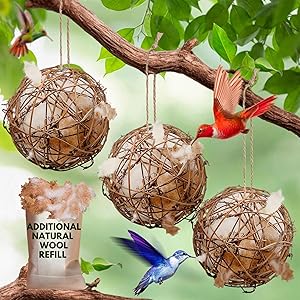
Provide nesting materials like cotton or plant fibers. You can place these materials in suet cages or spread them around your garden.
A major component of any successful hummingbird garden is a dependable hummingbird feeder that is easy to take apart and clean and doesn’t leak.
One of the best Hummingbird feeders that’s easy to take apart and clean is the HummZinger Ultra.
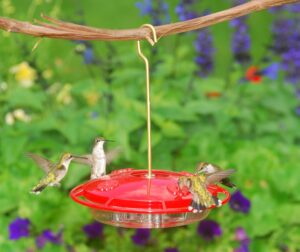
Aspects 12oz HummZinger Ultra With Nectar Guard.
The HummZinger Ultra 12oz Saucer Feeder is one of the best options for a hummingbird feeder that’s both easy to clean and maintain. This top-tier feeder features patented Nectar Guard tips—flexible membranes on the feeding ports that keep flying insects out while still allowing hummingbirds to feed freely. Plus, it comes with an integrated ant moat to prevent crawling insects from reaching the nectar, and the raised flower ports help divert rain, keeping the nectar fresh.
With a 12 oz capacity, this mid-size feeder offers plenty of space and can be hung or mounted on a post using the included hardware. It has four feeding ports and is made from durable, unbreakable polycarbonate. Whether you’re concerned about bees, wasps, or ants, this feeder is built for easy cleaning and insect protection.
If you already have a hummingbird feeder, and you want to protect it from ants and other crawling insects, the ant moat below will do the job.
Trap-It Ant Moat for Hummingbird Feeders
Using an ant moat for your hummingbird feeder is an effective way to keep ants away from the sweet nectar. These tiny creatures are drawn to
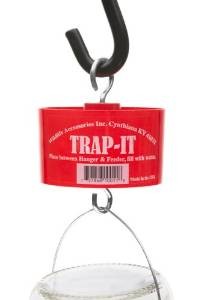
the sugar water, and without a barrier, they will quickly infest your feeder, preventing the birds from enjoying the nectar. An ant moat works by creating a barrier of water that ants can’t cross. Positioned above the feeder, it effectively blocks the ants’ path, keeping them from reaching the nectar.
This simple solution also ensures that your hummingbird feeder remains clean and accessible for the birds, rather than becoming a breeding ground for ants or other pests. It’s a small addition that can make a big difference in maintaining a healthy, inviting space for hummingbirds, while also reducing the need for chemical ant deterrents.
The first and still the best to protect your Hummingbird and Oriole feeder from ants and other crawling insects. Insert between hanger and feeder and fill with water, providing a barrier to crawling pests. Red color to attract hummingbirds.
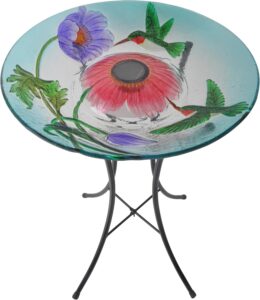
In addition to nectar, hummingbirds need water and safe spaces to rest. By providing a birdbath or misting system, you can ensure they have everything they need.
Water Sources
Hummingbirds enjoy fresh water to drink and bathe. A shallow birdbath with a fine spray from a mister is ideal. Just make sure the water is changed regularly to keep it clean.
Here’s a solar powered bird bath.
Hummingbird misters at Amazon.com
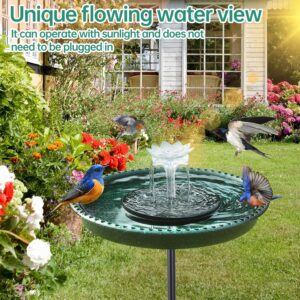
Install shallow bird baths with gently sloping edges. Hummingbirds prefer water sources that are no more than 1-1.5 inches deep.
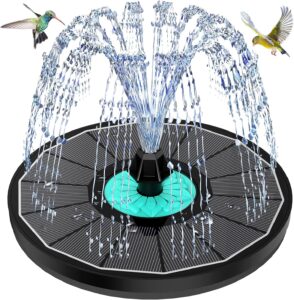
Consider adding a mister or dripper to create moving water, which attracts hummingbirds. They often enjoy flying through fine sprays of water.
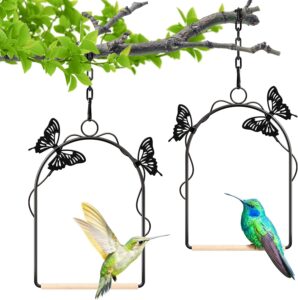
A hummingbird perch is a good way to attract hummingbirds to a particular spot near your feeder
Use Songbird Essentials Nectar Aid Self Measuring Pitcher and never measure ingredients again. Make any amount and the ingredients are measured for you.
 |
Column 2 |
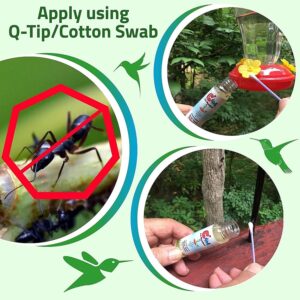
Nectar Fortress™ Natural Ant Repellent
CREATED FOR HUMMINGBIRD FEEDERS: Stop ants fast and keep them away from the bird feeder altogether. Use it on poles or hooks and create a barrier with a scent ants hate. Useful with ant moats or eliminate the moat entirely.
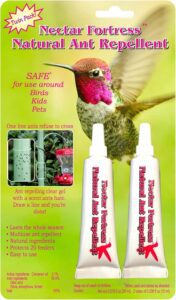
C’ANT, Ant and Bee Repellent for Hummingbird Nectar Feeders and Outdoor Bird Seed Feeders – Works with Shepherds Hook and Ant Moat – 1 oz.
Hummingbird resources to help make your garden a success
Here’s a complete guide to attracting hummingbirds to your yard. It lists plants, vines and shrubs that are in bloom for spring, summer and fall. Your hummingbirds will always have flowers to feed on.
Here’s a great article that tells everything you need to know about how to choose the best place to hang your hummingbird feeder.
Here’s the best designed hummingbird feeder to use. It’s leak proof, so it won’t attract insects and it’s easy to take apart and clean.
Here’s a comprehensive guide to help you clean your hummingbird feeder for those times when the nectar is not changed soon enough and mold starts to grow.
More Hummingbird Resources
U.S. Fish and Wildlife Service – Hummingbird Conservation
This site offers detailed information about various hummingbird species, their habitats, and conservation efforts. It also provides resources on how to protect these fascinating birds.
National Park Service – Hummingbird Resources
The National Park Service offers insights into hummingbird species found in national parks, their behaviors, and their role in ecosystems, along with tips for observing them.
Smithsonian National Museum of Natural History – Birds: Hummingbirds
This resource provides educational materials on the role of hummingbirds in pollination and biodiversity, backed by scientific research and exhibits from the Smithsonian.