Key Takeaways: American Hazelnut for Hummingbird Gardens
-
Builds real habitat: American hazelnut doesn’t offer nectar, but it hosts many insect species, produces nutritious nuts, and forms dense cover that benefits hummingbirds and other birds.
-
Adaptable, thicket‑forming shrub: Grows about 8–16 feet tall, suckers into wildlife‑rich clumps, and thrives in full sun to part shade and a wide range of well‑drained soils.
-
Perfect backdrop for nectar stars: Use it behind high‑impact bloomers from your Best Hummingbird Plants for Northeastern United States list and alongside structural shrubs from Shrubs for Hummingbirds in the Northeast: Building a Layered Garden.
American hazelnut (Corylus americana) doesn’t feed hummingbirds with nectar, but it’s a powerhouse “habitat shrub” that supports the insects, cover, and overall structure your hummingbird garden needs.
American hazelnut is a medium to large native shrub that forms dense, multi‑stemmed clumps and produces nutritious nuts for wildlife. It’s wind‑pollinated and does not produce nectar, but its male catkins provide abundant pollen for bees, and its foliage hosts dozens of moth and butterfly species whose caterpillars feed songbirds. In a hummingbird garden, that insect life—and the safe, shrubby structure—creates a richer, more functional habitat around your showier nectar plants.
Use American hazelnut the way you use serviceberry or chokeberry: as a background, wildlife‑dense layer behind your red, tubular flowers and feeders. It fits especially well into the “shrub” layer described in your Shrubs for Hummingbirds in the Northeast: Building a Layered Garden article, where structure and insect support are just as important as nectar.
Size, Habit, and Native Range
American hazelnut is typically a multi‑stemmed shrub 8–16 feet tall with a similar spread, often forming a dense, rounded thicket via underground suckers. It’s native across a broad range from Maine to Saskatchewan and south to Georgia, Arkansas, and Oklahoma, occurring in woodland edges, thickets, prairies, savannas, and along streams and roadsides. That wide native range makes it a good ecological fit for most Northeastern hummingbird gardens.
The seasonal show works like this:
-
Late winter–early spring: Showy dangling male catkins and tiny, red female flowers on the same shrub.
-
Summer: Broad, green leaves and developing clusters of nuts in frilly husks.
-
Fall: Leaves turn yellow to orange; nuts ripen and drop or are quickly taken by wildlife.
From a hummingbird perspective, those catkins and leaves are less about nectar and more about fueling the insect base and providing cover near your best bloomers.
Wildlife Value That Indirectly Supports Hummingbirds
American hazelnut is famously high‑value wildlife habitat. Its nuts are eaten by squirrels, chipmunks, foxes, deer, wild turkeys, ruffed grouse, bobwhite quail, woodpeckers, and many songbirds. The male catkins are an important winter food for birds like turkey and grouse, extending the shrub’s value beyond the growing season.
For insect life, American hazelnut is exceptional: its foliage is documented to support well over 100 species of moth and butterfly larvae, including large silk moths like polyphemus and luna moth. Bees sometimes gather pollen from the male catkins, leaf beetles, leafhoppers, and other insects feed on the foliage, and all of that biomass becomes food for birds. Hummingbirds hunt small insects and spiders to feed themselves and their young, so a shrub that produces this much “bug life” boosts the protein side of your hummingbird habitat.
The dense, many‑stemmed habit provides excellent “flee‑the‑predator” cover and potential nesting sites for songbirds, even in winter after the leaves drop. Planted near your nectar beds and feeders, American hazelnut becomes one more safe landing zone and lookout post in the hummingbird’s daily circuit.
Growing Conditions and Maintenance
American hazelnut is adaptable and relatively easy to grow when sited well. It prefers full sun to light shade, with best nut production and denser growth in sunnier sites, but it will still grow in partial shade along woodland edges. It tolerates a wide range of soils, from clay and loam to sandy, and handles dry to moist conditions once established, though it prefers well‑drained sites.
This shrub spreads slowly by rhizomes and root suckers, forming clumps or even small thickets over time. If you want a wildlife hedge or naturalized border, you can let this behavior happen and simply edit out suckers that wander too far into paths or beds. In more formal areas, remove extra suckers yearly to keep the plant in bounds and maintain a neater outline.
Once established, American hazelnut is cold hardy to at least USDA zone 4, moderately drought tolerant, and tolerant of juglone from black walnut, which is useful in older neighborhoods or mixed plantings. It’s often described as moderately deer‑resistant, though young shoots and leaves may still be browsed in high‑pressure areas.
Routine care can be as simple as:
-
Watering during the first year and in severe droughts.
-
Mulching to keep roots cool and soil moisture stable.
-
Periodic thinning of older stems at ground level to refresh growth and keep the thicket open.
Design Ideas with Your Existing Hummingbird Plants
Think of American hazelnut as a multi‑purpose structural and wildlife shrub at the back or edges of your hummingbird garden. In a typical Northeastern yard, you could:
-
Place 1–3 hazelnuts along a back fence or property line, then bring forward shrubs from your Shrubs for Hummingbirds in the Northeast page—such as serviceberry, chokeberry, buttonbush, and New Jersey tea.
-
In front of that shrub row, mass high‑impact perennials from Best Hummingbird Plants for Northeastern United States such as bee balm, wild bergamot, cardinal flower, fire pink, and royal catchfly.
-
Along one side, run a trellis or arbor with trumpet honeysuckle / coral honeysuckle or trumpet vine, so hazelnut anchors the base and ties the vertical layers together.
In partial shade or woodland edges, American hazelnut combines nicely with shade‑tolerant hummingbird plants likeeastern red columbine, Indian pink, and wild blue phlox. For late‑season nectar near hazelnut thickets, you can weave in great blue lobelia, rough blazing star, or garden phlox.
FAQ: American Hazelnut in Hummingbird Gardens
Does American hazelnut feed hummingbirds directly?
No. American hazelnut is wind‑pollinated and produces pollen but no nectar, so it isn’t a direct food source like bee balm or cardinal flower. Its value is in the insects, nuts, and shelter it provides around your nectar plants.
Why include a non‑nectar shrub in a hummingbird garden?
Because hummingbirds need more than sugar: they need insects for protein, safe cover, and a stable ecosystem. American hazelnut supports over 100 lepidoptera species, feeds many birds and mammals, and offers dense cover, all of which help your hummingbird garden function as real habitat.
How big will American hazelnut get in my yard?
Expect roughly 8–16 feet tall with a similar spread, though you can keep it somewhat smaller with pruning and by removing extra suckers.
Is American hazelnut hard to control?
It does sucker and can form thickets over time, but removing unwanted suckers each year keeps it in bounds for typical home landscapes.
Can I eat the nuts?
Yes. The nuts are edible and can be eaten fresh, roasted, or used in baking, but you’ll be competing with wildlife, which usually discovers and removes them quickly.
If you found this article helpful, please share it with your friends using the social bookmarking buttons on the left side of this page. Help everyone to increase their knowledge and enjoyment of feeding hummingbirds. Do it for the hummingbirds! It also helps my ranking so my information will be available to more people. The more people that see this vital information, the more the hummingbirds are helped. Thank for your help. The hummingbirds and I appreciate you very much!
A few additions that will make any garden more hummingbird friendly
Provide nesting materials like cotton or plant fibers. You can place these materials in suet cages or spread them around your garden.
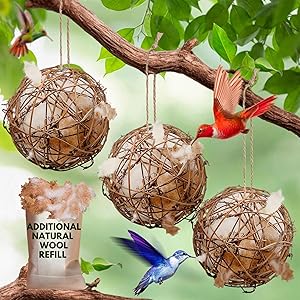
A major component of any successful hummingbird garden is a dependable hummingbird feeder that is easy to take apart and clean and doesn’t leak.
One of the best Hummingbird feeders that’s easy to take apart and clean is the HummZinger Ultra.
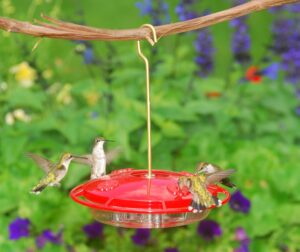
Aspects 12oz HummZinger Ultra With Nectar Guard.
The HummZinger Ultra 12oz Saucer Feeder is one of the best options for a hummingbird feeder that’s both easy to clean and maintain. This top-tier feeder features patented Nectar Guard tips—flexible membranes on the feeding ports that keep flying insects out while still allowing hummingbirds to feed freely. Plus, it comes with an integrated ant moat to prevent crawling insects from reaching the nectar, and the raised flower ports help divert rain, keeping the nectar fresh.
With a 12 oz capacity, this mid-size feeder offers plenty of space and can be hung or mounted on a post using the included hardware. It has four feeding ports and is made from durable, unbreakable polycarbonate. Whether you’re concerned about bees, wasps, or ants, this feeder is built for easy cleaning and insect protection.
If you already have a hummingbird feeder, and you want to protect it from ants and other crawling insects, the ant moat below will do the job.
Trap-It Ant Moat for Hummingbird Feeders
Using an ant moat for your hummingbird feeder is an effective way to keep ants away from the sweet nectar. These tiny creatures are drawn to
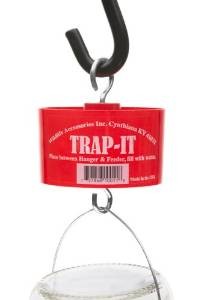
the sugar water, and without a barrier, they will quickly infest your feeder, preventing the birds from enjoying the nectar. An ant moat works by creating a barrier of water that ants can’t cross. Positioned above the feeder, it effectively blocks the ants’ path, keeping them from reaching the nectar.
This simple solution also ensures that your hummingbird feeder remains clean and accessible for the birds, rather than becoming a breeding ground for ants or other pests. It’s a small addition that can make a big difference in maintaining a healthy, inviting space for hummingbirds, while also reducing the need for chemical ant deterrents.
The first and still the best to protect your Hummingbird and Oriole feeder from ants and other crawling insects. Insert between hanger and feeder and fill with water, providing a barrier to crawling pests. Red color to attract hummingbirds.
In addition to nectar, hummingbirds need water and safe spaces to rest. By providing a birdbath or misting system, you can ensure they have everything they need.
Water Sources
Hummingbirds enjoy fresh water to drink and bathe. A shallow birdbath with a fine spray from a mister is ideal. Just make sure the water is changed regularly to keep it clean.
Here’s a solar powered bird bath.
Hummingbird misters at Amazon.com
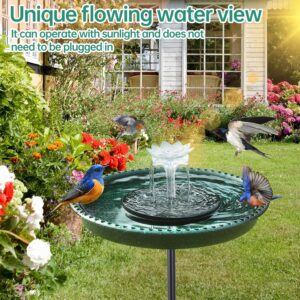
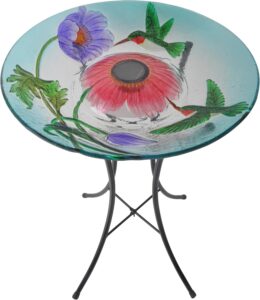
Install shallow bird baths with gently sloping edges. Hummingbirds prefer water sources that are no more than 1-1.5 inches deep.
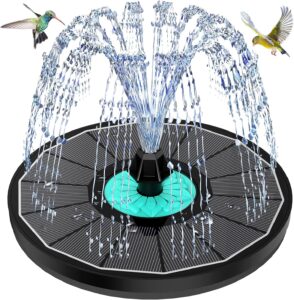
Consider adding a mister or dripper to create moving water, which attracts hummingbirds. They often enjoy flying through fine sprays of water.
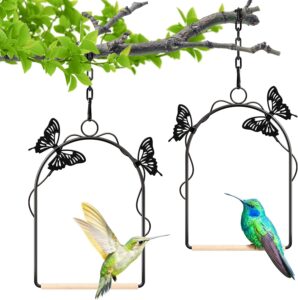
A hummingbird perch is a good way to attract hummingbirds to a particular spot near your feeder
Use Songbird Essentials Nectar Aid Self Measuring Pitcher and never measure ingredients again. Make any amount and the ingredients are measured for you.
 |
Column 2 |
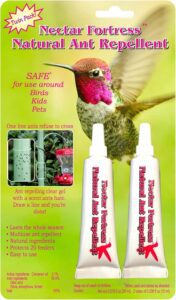
Nectar Fortress™ Natural Ant Repellent
CREATED FOR HUMMINGBIRD FEEDERS: Stop ants fast and keep them away from the bird feeder altogether. Use it on poles or hooks and create a barrier with a scent ants hate. Useful with ant moats or eliminate the moat entirely.
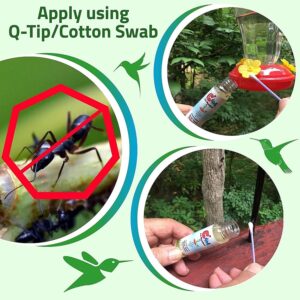
C’ANT, Ant and Bee Repellent for Hummingbird Nectar Feeders and Outdoor Bird Seed Feeders – Works with Shepherds Hook and Ant Moat – 1 oz.
Hummingbird resources to help make your garden a success
Here’s a complete guide to attracting hummingbirds to your yard. It lists plants, vines and shrubs that are in bloom for spring, summer and fall. Your hummingbirds will always have flowers to feed on.
Here’s a great article that tells everything you need to know about how to choose the best place to hang your hummingbird feeder.
Here’s the best designed hummingbird feeder to use. It’s leak proof, so it won’t attract insects and it’s easy to take apart and clean.
Here’s a comprehensive guide to help you clean your hummingbird feeder for those times when the nectar is not changed soon enough and mold starts to grow.
More Hummingbird Resources
U.S. Fish and Wildlife Service – Hummingbird Conservation
This site offers detailed information about various hummingbird species, their habitats, and conservation efforts. It also provides resources on how to protect these fascinating birds.
National Park Service – Hummingbird Resources
The National Park Service offers insights into hummingbird species found in national parks, their behaviors, and their role in ecosystems, along with tips for observing them.
Smithsonian National Museum of Natural History – Birds: Hummingbirds
This resource provides educational materials on the role of hummingbirds in pollination and biodiversity, backed by scientific research and exhibits from the Smithsonian.
WOW! ………. that seems like so much to ask for, and it is! That’s why so many hummingbird feeders will fall short of the mark.
The good news is, there are feeders that have all these great feeder designs that will make your life easy.