Witch Hazel: A Native Fall and Winter Blooming Shrub for Wildlife Gardens
Witch hazel (Hamamelis virginiana and other native witch-hazels) is the shrub that refuses to follow the rules. Just when most plants in the Northeast are going dormant, witch hazel bursts into bloom in late fall or even winter with spidery yellow flowers that perfume the chilly air. Those out-of-season blossoms provide rare pollen and nectar for late pollinators, while the shrub’s dense branching, seeds, and foliage offer year-round value for birds, insects, and other wildlife. In a layered hummingbird and wildlife garden, witch hazel plays a quiet but important supporting role alongside showier nectar plants like trumpet honeysuckle and trumpet vine.
If you’re building a full shrub framework for hummingbirds and other wildlife in the Northeast, witch hazel can slot right into the design I outline in Shrubs for Hummingbirds in the Northeast: Building a Layered Nectar and Shelter Garden, adding late-season bloom, cover, and insect support.
What Is Witch Hazel?
“Witch hazel” usually refers to American or common witch hazel (Hamamelis virginiana), a large, native deciduous shrub or small tree found across much of eastern North America, including New England and the Mid-Atlantic. Another North American species, Ozark witch-hazel (Hamamelis vernalis), is native farther west and blooms in late winter.
-
Genus: Hamamelis
-
Common names: Witch hazel, American witch hazel, common witchhazel
-
Type: Deciduous shrub to small tree
-
Size: Typically 10–20 feet tall and wide, with an irregular, vase-shaped habit.
-
Native range: Eastern North America for H. virginiana, from Quebec and New England south and west through much of the East.
Witch hazel’s most distinctive feature is its strap-like flowers: narrow, crinkled petals that unfurl in late fall (H. virginiana) or late winter (H. vernalis), often when snow is still on the ground.
Seasonal Interest and Bloom Time
Witch hazel is truly a four-season shrub.
-
Spring and Summer: Forms a dense canopy of rounded, dark green leaves, offering shade and screening in woodland and edge plantings.
-
Fall color: Leaves turn warm shades of golden yellow to orange, often overlapping with the start of bloom for a double display.
-
Fall/Winter bloom:
-
Eastern witch hazel (H. virginiana) blooms from roughly October into November or December, depending on climate.
-
Ozark witch hazel (H. vernalis) blooms in late winter (January–March) in its native range.
-
-
Seed capsules: Woody capsules mature a year after flowering and then snap open, ejecting seeds several feet away; seeds are eaten by birds and small mammals.
These off-season flowers are more than a curiosity—they’re an important resource when little else is blooming.
Wildlife and Ecological Value
Witch hazel is especially important for late-season and early-season pollinators.
-
Provides nectar and pollen for moths, bees, flies, and other insects that remain active after frost or wake early before spring bloom.
-
Flowers of common witch hazel are pollinated by noctuid or “winter” moths and small bees that forage in cold, short days.
-
Native witch-hazels are documented host plants for dozens of moth and butterfly species—one source notes around 60+ species, including the Witch-hazel dagger moth (Acronicta hamamelis).
-
Seeds are eaten by birds like wild turkeys and by small mammals; deer and other browsers may feed on twigs and foliage.
-
Dense branching structure offers shelter and potential nesting sites for songbirds.
While witch hazel isn’t a primary nectar plant for hummingbirds (they’re mostly gone by peak witch hazel bloom in the Northeast), it supports the food web hummingbirds rely on by feeding insects and providing cover in the same layered woodland and edge habitats your hummingbird shrubs occupy.
Role in a Hummingbird and Wildlife Garden
In a hummingbird-focused design, witch hazel functions as a supporting shrub:
-
Adds vertical structure and cover near your main nectar plants (trumpet honeysuckle, trumpet vine, bee balm, cardinal flower, etc.).
-
Provides perches and safe “retreat zones” so hummingbirds can dash into cover when threatened.
-
Feeds insects and birds in fall and winter, keeping your garden biologically active outside peak hummingbird season.
This is exactly how I frame it in my broader design in Shrubs for Hummingbirds in the Northeast: Building a Layered Nectar and Shelter Garden—witch hazel is part of the background and mid-layer structural shrubs that make the whole habitat function, while trumpet honeysuckle and trumpet vine do the heavy nectar lifting in warm months.
Growing Conditions and Site Selection
Light
-
Naturally occurs along woodland edges and stream banks, often in partial shade.
-
Grows in full sun to part shade; in the Northeast it often performs best with some afternoon shade, especially in drier sites.
Soil
-
Tolerates a range of soils, from well-drained loams to heavier clays, as long as they are not extremely dry or seasonally flooded.
-
Prefers moist, well-drained, slightly acidic soil, similar to many woodland natives.
Moisture
-
Performs best with medium, consistent moisture; will handle some dryness once established but not extreme drought.
-
Intolerant of prolonged flooding.
Size and Spacing
-
Plan for 10–20 feet high and wide for American witch hazel.
-
Use as a large shrub or prune into a small tree form in more formal settings.
Because of its size and woodland preferences, witch hazel fits naturally along property edges, in woodland borders, and as a background shrub behind your more nectar-rich plantings.
Planting and Basic Care
Planting
-
Best planted in spring or fall in the Northeast, when temperatures are cool and soil moisture is higher.
-
Dig a wide hole as deep as the root ball and loosen the surrounding soil.
-
Set the plant so the top of the root ball is level with or slightly above the surrounding soil.
-
Backfill with native soil (you can work in a bit of compost if your soil is very poor).
-
Water deeply after planting.
Watering and Mulching
-
Keep soil consistently moist the first couple of years.
-
Once established, water during extended dry spells, especially in full sun.
-
Apply a 2–3 inch layer of mulch (shredded leaves, bark, or wood chips) around the root zone, keeping mulch away from the trunk.
Fertilizing
-
Generally not fertilizer-hungry; a healthy organic mulch layer is usually enough.
-
If growth is weak, a light application of a balanced or organic tree/shrub fertilizer in early spring can be used, but avoid heavy feeding.
Pruning
-
Witch hazel has an attractive, irregular branching habit and usually needs minimal pruning.
-
If needed, prune right after flowering or in late winter, removing dead, crossing, or poorly placed branches.
-
You can limb up lower branches over time to create a more tree-like form or leave it shrubbier for maximum cover.
Design Ideas and Companion Plants
Witch hazel shines in naturalistic, wildlife-oriented designs, particularly in the Northeast.
Where to Use Witch Hazel
-
Woodland and shade gardens, especially at the edge of woods or beneath taller trees like beech and birch.
-
Mixed native shrub borders for birds and pollinators, where its fall flowers and structure extend seasonal interest.
-
Spots visible from windows or seating areas, so you can enjoy the unusual late-season bloom.
Companion Plants
Because you’re building hummingbird habitat, think of witch hazel as part of your structural layer:
-
Combine with maple-leaf viburnum, redbud, spicebush, and other native shrubs for a layered understory.
-
In sunnier patches nearby, plant your hummingbird workhorses, such as trumpet honeysuckle, trumpet vine, bee balm, cardinal flower, and native salvias.
-
Underplant witch hazel with shade-tolerant perennials and spring ephemerals to keep interest at ground level.
This layered structure—witch hazel and other shrubs behind or beside your nectar plants—is exactly the approach described in Shrubs for Hummingbirds in the Northeast: Building a Layered Nectar and Shelter Garden, where shrubs provide cover and insect food while vines and perennials provide nectar.
How Witch Hazel Fits with Your Hummingbird Vines
In your hummingbird garden content, it helps to clearly position witch hazel relative to your high-nectar vines:
-
Trumpet honeysuckle (coral honeysuckle) is your polite, high-nectar native vine, perfect for smaller supports near patios and fences, blooming through spring and summer when hummingbirds are present.
-
Trumpet vine is your big-gun nectar vine for large spaces and strong structures, offering intense hummingbird activity in mid–late summer but requiring serious control.
-
Witch hazel does its best work in the shoulder seasons, feeding insects in late fall and winter, providing structure and cover year-round, and supporting the food web that hummingbirds depend on the rest of the year.
Now you see why witch hazel deserves a place in a hummingbird-friendly yard even though it’s not a classic hummingbird nectar plant.
Frequently Asked Questions about Witch Hazel
Is witch hazel native?
Yes. American or common witch hazel (Hamamelis virginiana) is native to eastern North America and grows naturally in forests, streambanks, and woodland edges.
When does witch hazel bloom?
Common witch hazel typically blooms in late fall into early winter, often from October through November and sometimes later, depending on your climate. Some related species bloom in late winter.
Does witch hazel help hummingbirds?
Not directly as a major nectar source, because it blooms after most hummingbirds have migrated from the Northeast. Its main value for hummingbirds is indirect—providing cover and supporting insects that are part of the food web.
What wildlife benefits from witch hazel?
Late and early pollinators visit the flowers for nectar and pollen, many moths use it as a host plant, birds and small mammals eat the seeds, and the dense branching offers shelter and potential nesting sites.
How big does witch hazel get?
American witch hazel is usually 10–20 feet tall and wide at maturity, forming a large, vase-shaped shrub or small tree, so you should give it plenty of room.
Where should I plant witch hazel in my yard?
Plant it in full sun to part shade, ideally along woodland edges or as a background shrub in a mixed border. It prefers moist, well-drained, slightly acidic soil and benefits from a mulch layer.
Is witch hazel easy to grow?
Yes. Once established, it is relatively low-maintenance—just keep the soil moderately moist, mulch the root zone, and avoid heavy pruning. It generally doesn’t need fertilizer beyond a good organic mulch.
How much pruning does witch hazel need?
Very little. Remove dead, damaged, or crossing branches and, if desired, lightly shape after flowering or in late winter. You can either keep it shrubby or gradually limb it up into a small tree form.
Is witch hazel good in a hummingbird garden?
Yes, as a supporting shrub. It won’t be a primary nectar source for hummingbirds, but it adds structure, cover, and insect support around your main nectar plants like trumpet honeysuckle and trumpet vine.
Can I grow witch hazel near the house?
You can, as long as you account for its mature size and give it enough space away from walls and windows. It’s especially nice where you can see and smell the unusual fall or winter blooms from indoors.
A few additions that will make any garden more hummingbird friendly
Provide nesting materials like cotton or plant fibers. You can place these materials in suet cages or spread them around your garden.
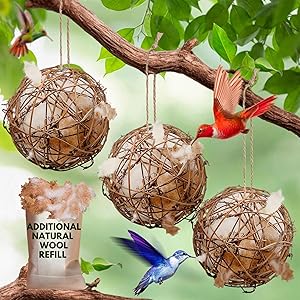
A major component of any successful hummingbird garden is a dependable hummingbird feeder that is easy to take apart and clean and doesn’t leak.
One of the best Hummingbird feeders that’s easy to take apart and clean is the HummZinger Ultra.
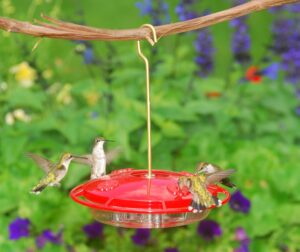
Aspects 12oz HummZinger Ultra With Nectar Guard.
The HummZinger Ultra 12oz Saucer Feeder is one of the best options for a hummingbird feeder that’s both easy to clean and maintain. This top-tier feeder features patented Nectar Guard tips—flexible membranes on the feeding ports that keep flying insects out while still allowing hummingbirds to feed freely. Plus, it comes with an integrated ant moat to prevent crawling insects from reaching the nectar, and the raised flower ports help divert rain, keeping the nectar fresh.
With a 12 oz capacity, this mid-size feeder offers plenty of space and can be hung or mounted on a post using the included hardware. It has four feeding ports and is made from durable, unbreakable polycarbonate. Whether you’re concerned about bees, wasps, or ants, this feeder is built for easy cleaning and insect protection.
If you already have a hummingbird feeder, and you want to protect it from ants and other crawling insects, the ant moat below will do the job.
Trap-It Ant Moat for Hummingbird Feeders
Using an ant moat for your hummingbird feeder is an effective way to keep ants away from the sweet nectar. These tiny creatures are drawn to
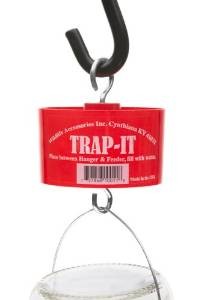
the sugar water, and without a barrier, they will quickly infest your feeder, preventing the birds from enjoying the nectar. An ant moat works by creating a barrier of water that ants can’t cross. Positioned above the feeder, it effectively blocks the ants’ path, keeping them from reaching the nectar.
This simple solution also ensures that your hummingbird feeder remains clean and accessible for the birds, rather than becoming a breeding ground for ants or other pests. It’s a small addition that can make a big difference in maintaining a healthy, inviting space for hummingbirds, while also reducing the need for chemical ant deterrents.
The first and still the best to protect your Hummingbird and Oriole feeder from ants and other crawling insects. Insert between hanger and feeder and fill with water, providing a barrier to crawling pests. Red color to attract hummingbirds.
In addition to nectar, hummingbirds need water and safe spaces to rest. By providing a birdbath or misting system, you can ensure they have everything they need.
Water Sources
Hummingbirds enjoy fresh water to drink and bathe. A shallow birdbath with a fine spray from a mister is ideal. Just make sure the water is changed regularly to keep it clean.
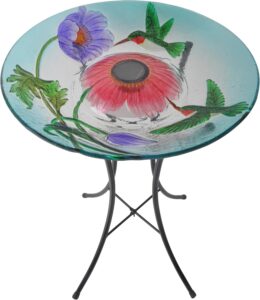
Here’s a solar powered bird bath.
Hummingbird misters at Amazon.com
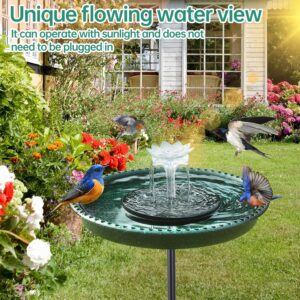
Install shallow bird baths with gently sloping edges. Hummingbirds prefer water sources that are no more than 1-1.5 inches deep.
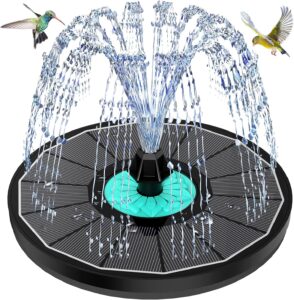
Consider adding a mister or dripper to create moving water, which attracts hummingbirds. They often enjoy flying through fine sprays of water.
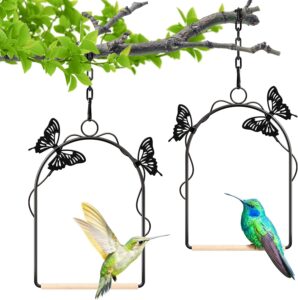
A hummingbird perch is a good way to attract hummingbirds to a particular spot near your feeder
Use Songbird Essentials Nectar Aid Self Measuring Pitcher and never measure ingredients again. Make any amount and the ingredients are measured for you.
 |
Column 2 |
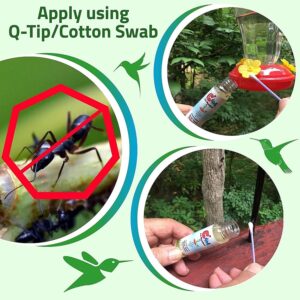
Nectar Fortress™ Natural Ant Repellent
CREATED FOR HUMMINGBIRD FEEDERS: Stop ants fast and keep them away from the bird feeder altogether. Use it on poles or hooks and create a barrier with a scent ants hate. Useful with ant moats or eliminate the moat entirely.
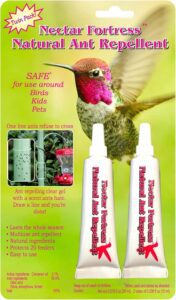
C’ANT, Ant and Bee Repellent for Hummingbird Nectar Feeders and Outdoor Bird Seed Feeders – Works with Shepherds Hook and Ant Moat – 1 oz.
Hummingbird resources to help make your garden a success
Here’s a complete guide to attracting hummingbirds to your yard. It lists plants, vines and shrubs that are in bloom for spring, summer and fall. Your hummingbirds will always have flowers to feed on.
Here’s a great article that tells everything you need to know about how to choose the best place to hang your hummingbird feeder.
Here’s the best designed hummingbird feeder to use. It’s leak proof, so it won’t attract insects and it’s easy to take apart and clean.
Here’s a comprehensive guide to help you clean your hummingbird feeder for those times when the nectar is not changed soon enough and mold starts to grow.
More Hummingbird Resources
U.S. Fish and Wildlife Service – Hummingbird Conservation
This site offers detailed information about various hummingbird species, their habitats, and conservation efforts. It also provides resources on how to protect these fascinating birds.
National Park Service – Hummingbird Resources
The National Park Service offers insights into hummingbird species found in national parks, their behaviors, and their role in ecosystems, along with tips for observing them.
Smithsonian National Museum of Natural History – Birds: Hummingbirds
This resource provides educational materials on the role of hummingbirds in pollination and biodiversity, backed by scientific research and exhibits from the Smithsonian.