Washington’s hummingbird story centers on four regular species—Anna’s, Rufous, Calliope, and Black‑chinned—spread across different regions and seasons of the state. Here’s a Washington article in your template style, with bolded plant names and bold FAQ questions, clean for pasting.
Hummingbirds in Washington: Anna’s, Rufous, Feeders, and Native Plants
Washington is a true hummingbird state, with several species occurring regularly rather than just one. Anna’s Hummingbirds now live year‑round in many lowland areas, while Rufous Hummingbirds are widespread migrants and breeders, and Calliope and Black‑chinned Hummingbirds occur mainly in eastern and interior parts of the state. Together, they use Washington’s coasts, forests, mountains, and shrub‑steppe landscapes from early spring through fall, with Anna’s remaining even in winter where conditions allow.
Key takeaways for Washington hummingbirds
Anna’s Hummingbirds have become the “backyard hummingbird” of much of western Washington and can be found year‑round in many coastal and lowland communities. Rufous Hummingbirds are the most widespread migratory species, breeding in forests and mountain habitats across much of the state and especially common west of the Cascades in spring and summer. Calliope and Black‑chinned Hummingbirds are mainly birds of eastern and southeastern Washington, more often found in open, shrubby, or riparian habitats east of the mountains.
Rufous, Calliope, and Black‑chinned Hummingbirds typically arrive in Washington from March through May and depart by late August or September, while Anna’s may be present throughout the year. Homeowners can put spring feeders out by early March in western Washington and by late March or early April in interior and northern areas, then keep them up through September or longer if they’re supporting Anna’s Hummingbirds in winter. A simple 4‑to‑1 sugar‑water mix with no red dye, changed every 1–2 days in warm weather or every 3–5 days in cooler spells, plus native plants like orange honeysuckle, red columbine, penstemons, and California fuchsia, will reliably attract hummingbirds to Washington yards.
Washington hummingbird basics
Four hummingbird species are regular in Washington: Anna’s, Rufous, Calliope, and Black‑chinned. Anna’s are now common backyard birds along the west coast and into the Puget Sound region, where they’ve expanded northward on the strength of mild winters, ornamental plantings, and feeders. Rufous Hummingbirds remain the classic migratory species, moving north along the Pacific coast and Cascades in spring and south through interior routes in late summer.
Calliope Hummingbirds, the smallest breeding birds in North America, occur mostly in eastern Washington and mountain regions, especially where forest edges, meadows, and shrubby slopes provide flowers and small insects. Black‑chinned Hummingbirds are also more frequent in eastern Washington, particularly in river corridors, wetlands, and towns within steppe and Ponderosa pine zones. Altogether, these species give Washington diverse hummingbird activity from sea level to high mountains.
Season length and species mix vary by region: coastal and lowland areas may see hummingbirds nearly year‑round (thanks to Anna’s), while higher elevations and interior areas have shorter but intense hummingbird seasons focused on late spring and summer. In every region, a mix of flowers and clean feeders will draw hummingbirds in when they’re present.
What hummingbirds do you get in Washington?
For many Washington birders, the “everyday” hummingbird is now the Anna’s Hummingbird, especially in western Washington. These birds can be
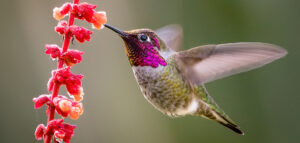
seen year‑round in many yards, visiting feeders and winter‑blooming ornamentals during cool months and sharing gardens with migratory species in spring and summer.
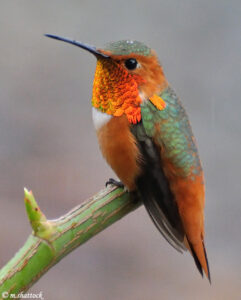
Rufous Hummingbirds are widespread migrants and breeders, particularly common west of the Cascades and in forested and mountain habitats.
Calliope Hummingbirds occur mostly in eastern and higher‑elevation habitats, while Black‑chinned Hummingbirds are found mainly in eastern
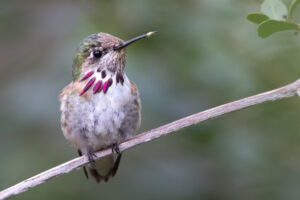
Washington’s steppe and Ponderosa pine regions, often near rivers or wetlands. A few other species occasionally appear as rarities, but these four are the regular hummingbirds to plan for.
Summary for Washington:
Common, regular species: Anna’s Hummingbird (year‑round in many western lowlands), Rufous Hummingbird (widespread migrant/breeder), Calliope Hummingbird (mainly eastern and mountain areas), Black‑chinned Hummingbird (primarily eastern rivers and steppe).
Rare visitors: A few additional western species as vagrants, mostly detected by experienced birders at well‑watched feeders.
When do hummingbirds arrive and leave Washington?
Timing in Washington varies by species and region. Anna’s Hummingbirds are present year‑round in many coastal and lowland areas, including much of western Washington, where they may nest as early as late winter and early spring. Rufous Hummingbirds typically arrive in the state in March and April, often first along the coast and in the southwest, then along the Cascades and into the interior.
Calliope and Black‑chinned Hummingbirds reach Washington a bit later in spring, generally by April or May, as snow recedes in mountain regions and spring advances in eastern valleys. Through late spring and summer, these species occupy suitable breeding habitats ranging from coastal gardens and forests to mountain meadows and riparian corridors in the east.
Southbound migration in Washington usually peaks from July through September. Rufous Hummingbirds are especially noticeable moving south in late summer, with many leaving by late August or September. Calliope and Black‑chinned Hummingbirds also migrate out by early fall, while Anna’s may remain in lowland areas through the winter. In most of the state, hummingbird activity around migratory species declines sharply by late September.
Typical timing for Washington:
Anna’s: Year‑round in many western lowlands, with nesting often beginning very early in the year.
Rufous: Arrive March–April; most leave by late August or September.
Calliope and Black‑chinned: Arrive April–May; depart by late August or September.
When to put up and take down feeders in Washington
When to put feeders out
In western Washington, where Anna’s Hummingbirds are present all year, you can keep at least one feeder up year‑round if you can maintain fresh, unfrozen nectar. If you prefer to feed only during the main season, have feeders out by early March to be ready for incoming Rufous and other migratory hummingbirds.
In eastern and central Washington, aim to have feeders up by late March or early April, ahead of peak spring arrivals. Higher‑elevation and more northerly areas may see hummingbirds slightly later, but putting feeders out early ensures that any passing birds have a reliable source of fuel.
When to take feeders down
If you are not feeding Anna’s year‑round, you can remove most feeders after the main migration. Many Washington birders west and east of the Cascades keep feeders up through September, then take them down once they’ve gone about one to two weeks without seeing any hummingbirds.
If you choose to support Anna’s Hummingbirds through the winter in western Washington, keep at least one feeder up year‑round. In freezing weather, you’ll need to prevent nectar from freezing by using heat sources, moving feeders near sheltered house walls, rotating feeders, or using specialized heated bases.
Best hummingbird nectar recipe
The best nectar recipe for Washington hummingbirds is the same standard mix used elsewhere: 1 part plain white sugar to 4 parts water. Heat the water to a brief boil, remove from heat, stir in the sugar until it dissolves completely, and let the solution cool before filling feeders.
Avoid red dye, honey, brown sugar, or artificial sweeteners. The colored parts of the feeder are enough to attract hummingbirds, and additives are not necessary and can be harmful. This 4‑to‑1 sugar‑water recipe closely matches natural nectar concentrations and is safe for Anna’s, Rufous, Calliope, and Black‑chinned Hummingbirds when you keep it fresh.
All about nectar: how to use it effectively
Washington’s climate is milder than many interior states but can still produce hot spells in summer and freezing temperatures in winter. In warm weather, use smaller feeders or only partially fill them so nectar is used up before it spoils. In cooler shoulder seasons, you can get away with slightly longer intervals between changes—but still check often for cloudiness or mold.
During peak activity in late spring and summer, you can add extra feeders or increase fill levels to accommodate more birds, especially where Rufous and other migrants pass through. As fall migration winds down, reduce nectar volume so you can keep it fresh while still offering enough for any lingering birds. In winter, if you are feeding Anna’s, nectar care becomes a balance between preventing freezing and preventing spoilage.
My main nectar guide, How to Make Hummingbird Feeder Nectar, gives detailed instructions on the recipe, storage, change frequency at different temperatures, and common problems like cloudy nectar or black mold.
A clean hummingbird feeder is a must
Even in Washington’s relatively moderate climate, nectar can ferment and feeders can develop mold if not cleaned regularly. Each time you change nectar, rinse the feeder with hot water and scrub surfaces where residue can build up, especially the ports, seams, and inside corners. Small brushes designed for hummingbird feeders are very helpful.
If you notice black spots, cloudiness, or a sour smell, give the feeder a deeper cleaning. Soak in a mild vinegar solution or a diluted bleach solution, rinse thoroughly until no odor remains, and let the feeder dry completely before refilling. My feeder‑cleaning guide shows Washington readers exactly how to do this and how cleaning frequency should change from cool spring days to warm summer afternoons.
Where to hang feeders in Washington yards
Washington yards range from coastal gardens and urban patios to forested lots, farms, and shrub‑steppe properties, but good feeder placement follows the same basics. Hang feeders near flowers, shrubs, or small trees so hummingbirds have cover and perches, and place them about 4–5 feet above the ground for both safety and easy access.
Keep feeders away from large, clear windows or use decals/screens to reduce collision risk. In sunny, exposed spots—especially east of the Cascades—afternoon sun can heat nectar quickly, so many birders prefer locations with morning sun and afternoon shade or dappled light. In windy coastal or ridge‑top locations, choose sheltered spots near walls, fences, or vegetation so feeders don’t swing excessively.
To reduce fighting among hummingbirds:
-
Use two or more small feeders rather than one big one.
-
Place feeders 10–15 feet apart or around corners so a territorial male can’t guard them all at once.
Learn how hummingbird aggression impacts your backyard. This video explores territorial behavior and offers practical solutions for attracting more hummingbirds to your feeders. Discover several helpful strategies to encourage a more harmonious environment.
Native plants that attract hummingbirds in Washington
Native and region‑appropriate plants are one of the best ways to attract hummingbirds across Washington’s diverse landscapes. Hummingbirds favor tubular, nectar‑rich flowers in red, orange, and bright pink, but will also visit purple and blue blooms with good nectar.
Good Pacific Northwest natives and region‑appropriate plants for Washington include:
-
Orange honeysuckle (Lonicera ciliosa or other native honeysuckles) – West‑coast vines with clusters of orange or red tubular flowers, excellent for fences, trellises, and woodland edges.
-
Sitka columbine / red columbine (Aquilegia formosa) – A red and yellow native columbine that blooms from late spring into summer in part‑shade and open woodland conditions.
-
Penstemons (Penstemon spp.) – Western beardtongues with tubular flowers in red, pink, purple, or blue, thriving in sunny, well‑drained or rocky soils.
-
California fuchsia / hummingbird trumpet (Epilobium canum and related cultivars, where hardy) – A low, spreading plant with bright red‑orange tubular flowers, blooming late in the season and highly favored by hummingbirds.
-
Red‑flowered salvias (where hardy) – Heat‑tolerant salvias that provide long seasons of tubular blooms, especially in milder and drier Washington microclimates.
-
Native fuchsias or hardy ornamental fuchsias – Tubular flowers that hang below the plant, often blooming over a long season and particularly attractive in coastal, mild climates.
You can expand this list with regionally recommended natives from Pacific Northwest plant lists, local nurseries, and extension resources focused on hummingbird gardens in western and eastern Washington.
Creating a hummingbird‑friendly yard in Washington
To build a hummingbird‑friendly yard in Washington, integrate layers of vegetation, clean feeders, water features, and safe perches. Use trees and shrubs for structure, native perennials and vines for nectar, and feeders as a reliable supplement. Tailor plant choices to your region’s conditions—cool, wet coastal zones versus hotter, drier east‑side climates.
Avoid or greatly reduce pesticides, especially systemics, so hummingbirds still have access to small insects and spiders for protein. A yard filled with native plants and minimal chemical use will support more insects, healthier plants, and more hummingbirds.
Layered planting example for a Washington yard
In a western Washington yard with part sun, you might plant small native trees or large shrubs—like vine maple or red‑flowering currant—for structure and early‑spring blossoms. In front of them, plant drifts of penstemons, red columbine, and hardy salvias for extended blooms from late spring through summer.
Along fences or pergolas, train orange honeysuckle or other tubular‑flowered native vines. In sunny, well‑drained spaces or berms, add California fuchsia (where hardy) for late‑season nectar that keeps hummingbirds visiting into early fall. This layered approach gives hummingbirds food and cover at different heights and seasons.
For the best results do this:
Combine trees, shrubs, vines, and perennials to create a tiered garden with flowers and cover at multiple levels.
Match plants to your local conditions (coastal, Puget Sound, mountain, or east‑side), emphasizing drought‑tolerant natives where needed.
Place feeders as part of this network, where hummingbirds naturally move between flowers and shelter.
Plan for blooms from spring through fall
In much of Washington, you can plan for hummingbird blooms from early spring to fall. Use early bloomers like currants and columbines, mid‑season staples such as penstemons and salvias, and late bloomers like California fuchsia and some ornamental shrubs. This ensures hummingbirds find nectar whenever they’re present, from early Anna’s courtship in winter/spring to late Rufous and Calliope migrants in early fall.
My guide The Art of Attracting Hummingbirds to Your Yard helps readers choose plants by season and light conditions and shows how to design beds that keep hummingbirds coming in every part of the state.
Use feeders to supplement, not replace, flowers
Feeders provide a reliable nectar source alongside your plants, especially in early spring and late summer when wild blooms may be sparse because of drought or temperature swings. Hang them where they’re visible from your best flower beds so hummingbirds can move naturally between blossoms and sugar water.
Here is my favorite feeder and why I recommend this feeder: HummZinger Ultra 12‑oz Saucer Feeder.
If you’re tired of leaky bottle feeders and constant insect problems, this video explains why a simple saucer‑style Aspects feeder is my go‑to choice. You’ll see how the low, shallow 12‑ounce bowl helps you mix only what your hummingbirds can use before it spoils, while the built‑in ant moat, raised ports, and included Nectar‑Guard tips work together to keep ants, bees, and wasps out of the nectar. The drip‑proof design and twist‑off cover make cleaning and refilling quick and easy, so it’s realistic to keep nectar fresh even in warm weather. Made from tough, UV‑stabilized polycarbonate in the USA and backed by a true lifetime guarantee, this is a “buy it once” feeder you can count on year after year
Provide safe perches and nesting cover
Hummingbirds need secure perches to rest, preen, and watch over their feeding territories. Keep some shrubs, small trees, and even a few dead or thin branches in your yard instead of pruning everything into tight shapes. This more natural structure gives birds plenty of lookout posts and nesting options.
A hummingbird swing or decorative perch placed near a feeder gives birds a favorite “guard post,” bringing them into perfect view for you. Once 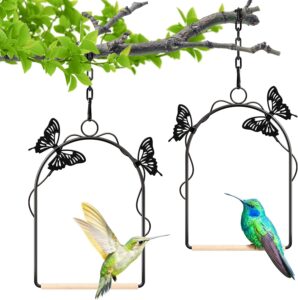 hummingbirds adopt a perch, you’ll see them return to it repeatedly between feeding bouts.
Offer water in a way hummingbirds like
Consider adding a mister. Hummingbirds prefer shallow, moving water such as misters, drippers, and fine sprays over deep, still birdbaths. A mister set near shrubs or 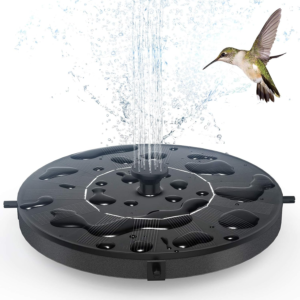 perennials lets them bathe in droplets and sip from wet foliage—a valuable resource during warm, dry periods or smoky days.
You can also install a shallow birdbath. A shallow birdbath with gently sloping edges can also work if kept clean and not too deep. Place water features near nectar plants and feeders so 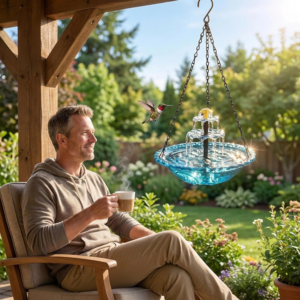 birds can move easily between feeding and bathing without crossing wide open spaces.
Skip pesticides and let insects thrive
All hummingbirds, including those in Washington, rely on insects and spiders for protein, especially during nesting season. Avoid or sharply limit pesticide use, particularly systemic insecticides that can contaminate nectar and insects alike. A yard rich in native plants, leaf litter, and natural micro‑habitats will support more insects and healthier hummingbirds.
My article Natural Pest Control Methods for Your Hummingbird Garden helps Washington readers manage pests with safer methods—companion planting, beneficial insects, physical barriers, and targeted organic treatments—without harming hummingbirds or their prey.
Keep Insects Away From Your Feeder
Bees, wasps, and ants can be serious feeder pests in Washington, especially in warm, dry periods. My guide How to Keep Bees and Ants Away From Your Hummingbird Feeder explains how to use ant moats, bee‑resistant feeder designs, better placement, and decoy feeders to keep nectar for hummingbirds only.
For bigger nuisance animals, My article Effective Tips For Pest Control At The Hummingbird Feeder offers practical ways to secure feeders and minimize damage.
If readers want a broader context, they can consult “When to Feed Hummingbirds: A State‑by‑State Feeder Guide” to see how Washington’s timing compares with other states.
FAQ for Washington hummingbirds
What hummingbirds live in Washington?
Four hummingbird species occur regularly in Washington: Anna’s, Rufous, Calliope, and Black‑chinned. Anna’s are year‑round residents in many western lowland areas, Rufous are widespread migrants and breeders, and Calliope and Black‑chinned occur mainly in eastern and interior parts of the state.
When do hummingbirds arrive in Washington?
Rufous Hummingbirds typically arrive between March and April, while Calliope and Black‑chinned Hummingbirds generally appear by April or May. Anna’s Hummingbirds may be present year‑round in many western areas.
When do hummingbirds leave Washington?
Most Rufous, Calliope, and Black‑chinned Hummingbirds leave Washington between late August and September. Anna’s Hummingbirds may remain all winter in coastal and lowland regions where food is available.
When should I put out hummingbird feeders in Washington?
In western Washington, you can keep at least one feeder up year‑round if you’re feeding Anna’s. If you prefer to feed only during the main season, put feeders out by early March. In eastern and interior Washington, aim for late March or early April.
When should I take down hummingbird feeders in Washington?
If you’re not feeding Anna’s over winter, you can remove most feeders after migration ends—typically in late September—once you’ve gone about one to two weeks without seeing hummingbirds. If you want to support wintering Anna’s in western Washington, keep one feeder up year‑round and protect it from freezing.
What is the best hummingbird nectar recipe for Washington?
Use 1 part plain white sugar to 4 parts water, boiled and cooled, with no red dye or other additives.
How often should I change hummingbird nectar in Washington?
In warm weather, change nectar every 1–2 days; in cooler spring and fall weather, change it every 3–5 days. Always replace nectar immediately if it looks cloudy, smells fermented, or shows any mold.
Which hummingbird feeder styles work best in Washington?
Small 8‑ to 12‑ounce saucer‑style feeders are ideal. They are easy to clean, resist leaks in wet and windy conditions, and let you offer manageable amounts of nectar that you can change frequently.
What plants attract hummingbirds in Washington?
Native and region‑appropriate plants such as orange honeysuckle, Sitka / red columbine, penstemons, California fuchsia (where hardy), red‑flowered salvias, and hardy fuchsias are all excellent for attracting hummingbirds in Washington gardens.
Where can I learn more about hummingbirds in Washington?
Regional resources include Birds Connect Seattle, local Audubon chapters, Washington bird‑atlas and bird‑guide sites, native‑plant organizations, and Pacific Northwest hummingbird‑gardening guides.
Further resources for Washington hummingbird watchers
Birds Connect Seattle – Hummingbirds of Washington State
– Overview of the four hummingbird species found in Washington (Anna’s, Rufous, Calliope, Black-chinned), including which are common and which are more rare.
NatureMapping – Anna’s Hummingbird in the Pacific Northwest
– Describes how Anna’s became a year-round resident in western Washington and when the other hummingbird species arrive and depart.
What You Need to Know About Hummingbirds in Washington State
– Newspaper article summarizing Washington hummingbird species, seasons, and basic feeder tips.
Washington State Hummingbirds – So Fly PNW
– Photo-rich overview of Anna’s, Rufous, Calliope, and Black-chinned Hummingbirds in Washington, with regional notes.
Birds Connect Seattle – Hummingbirds and Winter Weather
– Guidance on feeding Anna’s Hummingbirds through winter in western Washington and how to keep nectar from freezing.
Top 10 Native Plants for Hummingbirds in the Pacific Northwest
– Pacific Northwest–focused list including red columbine, honeysuckle, and other natives well-suited to Washington gardens.
Native Plants & Hummingbirds – Birds & More
– Long-running Pacific Northwest hummingbird-plant list, including red-flowering currant, salmonberry, penstemons, California fuchsia, and more.
How to Make Hummingbird Feeder Nectar
– My in‑depth guide to the 4:1 nectar recipe, batch sizes, and how often to change nectar at different temperatures.
Cleaning a Hummingbird Feeder
– Step‑by‑step cleaning instructions, including how to handle mold and keep feeders safe in Washington’s mix of cool, wet days and warm spells.
When to Feed Hummingbirds: State-by-State Feeder Guide