Hummingbirds in Virginia: Ruby‑throated, Feeders, and Native Plants
Virginia’s hummingbird story revolves around the Ruby‑throated Hummingbird, the only species that breeds regularly in the state and a familiar summer visitor to gardens, porches, and forest edges. Other hummingbirds—especially Rufous—appear as uncommon fall and winter visitors, but Ruby‑throateds are the species most Virginians should plan for when creating hummingbird habitat. These birds arrive in spring, nest through the warm months, and migrate south again in early fall.
Key takeaways for Virginia hummingbirds
Ruby‑throated Hummingbirds are the only hummingbirds that regularly breed in Virginia and are common across all regions of the state where habitat and flowers are available. Rufous Hummingbirds and a handful of other western species show up as uncommon migrants or winter visitors, particularly at feeders that stay up and are watched closely.
Ruby‑throateds typically return to Virginia from mid‑April through early May and depart from late August through September, with most gone by early October. Homeowners can put feeders out by early April to be ready for the first arrivals, and keep them up through at least the end of September, or about two weeks after they last see a hummingbird. A simple 4‑to‑1 sugar‑water mix with no red dye, changed every 1–2 days in hot weather or every 3–5 days in cooler spells, plus native plants like cardinal flower, bee balm, coral honeysuckle, and trumpet vine, will reliably attract Ruby‑throateds to Virginia yards.
Virginia hummingbird basics
Virginia lies well within the core breeding range of Ruby‑throated Hummingbirds, which nest throughout the eastern United States. In Virginia, they occur in every region of the state, from the mountains to the coastal plain, using forest edges, woodlots, riparian corridors, farms, and suburban and urban yards that offer trees, shrubs, and nectar sources.
These birds winter mainly in Mexico and Central America and return north each spring, crossing the Gulf or moving along the Atlantic and inland flyways before arriving in the mid‑Atlantic. Their presence in Virginia is tied to flowering plants and insect availability; they feed on nectar for energy and small insects and spiders for protein, especially when raising chicks. Feeders, when maintained properly, supplement natural food sources and bring these birds into easy viewing range.
Although Ruby‑throateds are the focus, Virginia also hosts other hummingbirds during migration and winter. Rufous Hummingbirds, in particular, are being reported more often in fall and winter, and a few other western species are recorded as rarities. Feeders left up into late fall and early winter can sometimes attract these special visitors.
What hummingbirds do you get in Virginia?
For backyard birders across Virginia, the “everyday” hummingbird is the Ruby‑throated Hummingbird. Males show a bright ruby‑red throat, while
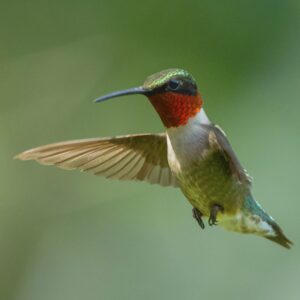
females and juveniles are green above and whitish below. They are widespread breeders across the state wherever there is a mix of trees, shrubs, and flowering plants.
Rufous Hummingbirds are the next most likely species in Virginia, usually as late fall or winter visitors at feeders that remain up after Ruby‑throateds
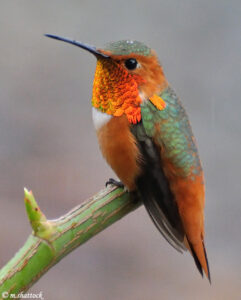
depart. A few other western species—such as Black‑chinned, Calliope, Allen’s, Anna’s, and Rivoli’s—have been recorded as rare vagrants, usually in cooler months and often at well‑monitored feeders. These are exciting finds, but not birds you should expect every year.
Summary for Virginia:
Common, regular species: Ruby‑throated Hummingbird (statewide breeder and migrant).
Uncommon migrants / winter visitors: Rufous Hummingbird, with a handful of other western species as rare vagrants.
When do hummingbirds arrive and leave Virginia?
Virginia sits along a major migration route, so Ruby‑throated Hummingbirds pass through and breed across the state. Mature males are usually the first to arrive, often reaching Virginia around mid‑April, with females and younger birds following in late April and early May. By early to mid‑May, most areas of Virginia can expect hummingbirds at feeders and flowers.
Ruby‑throateds remain through the summer, nesting and feeding in gardens, woodland edges, and along waterways. Activity is often highest in June, July, and August, when adults are raising young and juveniles are learning to use feeders and flowers. In late summer, more birds may move through as northern breeders pass southward through Virginia on their way to wintering grounds.
Southbound migration begins as early as late August, with males generally departing first. Females and juveniles follow through September, and most Ruby‑throateds have left Virginia by late September or early October. Rufous and other western hummingbirds may remain later into fall, and a few overwinter in parts of the state where feeders and flowers remain available.
Typical timing for Virginia:
First arrivals: mid‑April through early May.
Peak season: roughly May through August, often strong into September.
Most birds leave: late September into early October, with some variation by region and weather.
When to put up and take down feeders in Virginia
When to put feeders out
Because Ruby‑throateds begin reaching Virginia in mid‑April, it’s wise to have feeders up by around April 1–15. In coastal and southern Virginia or in years with mild springs, you may want to hang at least one feeder in late March, especially if early arrivals have been reported nearby.
Once your feeders are up, keep them clean and filled so birds can depend on them. Early in the season you may see only a few visitors, but more hummingbirds will arrive through April and May as migration progresses and local birds settle in to nest.
When to take feeders down
You can safely keep feeders up through September and into early October, since Ruby‑throateds and occasional Rufous Hummingbirds can use Virginia yards into that period. A common approach is to leave feeders up until about two weeks after your last hummingbird sighting.
Leaving feeders up does not prevent hummingbirds from migrating; they leave based on day length and internal cues, not because feeders disappear. In Virginia, where winter hummingbirds are increasingly documented, keeping at least one feeder up into late fall or even winter can support these birds and provide unique viewing opportunities—as long as you can keep nectar thawed and fresh.
Best hummingbird nectar recipe
The best nectar recipe for Virginia hummingbirds is the standard 4‑to‑1 sugar‑water mix: 1 part plain white sugar to 4 parts water. Bring the water just to a boil, remove from heat, stir in the sugar until it dissolves completely, then let the mixture cool before filling your feeders.
Avoid red dyes, honey, brown sugar, or artificial sweeteners. The red parts of the feeder are enough to attract hummingbirds, and additives can be harmful or promote spoilage. This simple mix closely matches natural flower nectar and is safe for Ruby‑throateds and any visiting western hummingbirds when you keep it fresh.
All about nectar: how to use it effectively
In Virginia’s warm, often humid summers, nectar management is especially important. Use modest‑sized feeders so you’re not leaving large volumes of nectar out for too long. During hot spells, plan to change nectar frequently—often daily or every other day—to stay ahead of fermentation and mold.
In peak season (May through September), you can add extra feeders or fill them a bit more to handle busy periods, especially in August when southbound migrants pass through. As activity drops in late September and October, reduce the number of feeders or the amount of nectar so you can still change it often while serving the remaining birds.
My detailed nectar guide, How to Make Hummingbird Feeder Nectar, gives Virginia readers step‑by‑step instructions, batch size suggestions, and troubleshooting tips if nectar spoils quickly.
A clean hummingbird feeder is a must
Virginia’s summers can be hot and humid, which means sugar water can spoil fast. Each time you change nectar, rinse the feeder with hot water and scrub any surfaces that can trap residue—the reservoir, feeding ports, and seams. Small brushes designed for hummingbird feeders make it easier to get into tight spots.
If you see cloudiness, black spots, or slime, give the feeder a thorough cleaning. A soak in a mild vinegar solution or a diluted bleach solution (followed by very thorough rinsing and complete drying) will help keep mold under control. My feeder‑cleaning guide shows exactly how to do this and how often to clean in different temperature conditions.
Where to hang feeders in Virginia yards
Virginia yards range from city lots and suburban neighborhoods to forested hillside homes and rural properties, but the basics of feeder placement are the same. Hang feeders near flowers, shrubs, or small trees so hummingbirds have cover and perches, and place them about 4–5 feet above the ground for easy viewing and maintenance.
Keep feeders a safe distance from large windows or use decals and screens to reduce collision risk. In full‑sun locations and on hot afternoons, nectar can overheat quickly, so many people prefer spots with morning sun and afternoon shade or dappled light. In breezy areas, hang feeders where they won’t swing excessively—near posts, fences, or sheltered corners.
To reduce fighting among hummingbirds:
-
Use two or more small feeders rather than one big one.
-
Place feeders 10–15 feet apart or around corners so a territorial male can’t guard them all at once.
Learn how hummingbird aggression impacts your backyard. This video explores territorial behavior and offers practical solutions for attracting more hummingbirds to your feeders. Discover several helpful strategies to encourage a more harmonious environment.
Native plants that attract hummingbirds in Virginia
Native and region‑appropriate plants are one of the best ways to bring Ruby‑throateds (and any winter visitors) into your Virginia yard. Hummingbirds gravitate to tubular, nectar‑rich flowers in red and orange and will also use pink, purple, and blue blooms with good nectar.
Good native or region‑appropriate plants for Virginia include:
-
Cardinal flower (Lobelia cardinalis) – Brilliant red spikes that love moist soils and partial shade, perfect for rain gardens, stream edges, and low spots.
-
Bee balm / wild bergamot (Monarda didyma and relatives) – Showy summer flowers in red, pink, or purple that attract hummingbirds and many other pollinators.
-
Coral honeysuckle (Lonicera sempervirens) – A non‑invasive native vine with clusters of red‑orange tubular flowers; great on fences, arbors, and trellises.
-
Trumpet vine (Campsis radicans) – A vigorous native vine with large orange‑red trumpets; best planted where its spread can be managed.
-
Red buckeye (Aesculus pavia) – A small native tree with spring red flower spikes that hummingbirds favor, especially in woodland or edge plantings.
-
Jewelweed (Impatiens capensis) – An annual with orange spotted tubular flowers, thriving in damp, partly shaded spots and blooming in late summer.
You can expand this list with local recommendations from Virginia extension, native‑plant societies, and Chesapeake Bay gardening resources that focus on pollinator‑friendly plants and waterwise landscaping.
Creating a hummingbird‑friendly yard in Virginia
To create a hummingbird‑friendly yard in Virginia, combine layers of vegetation, clean feeders, water features, and perches. Use trees and shrubs for structure and nesting sites, flowering perennials and annuals for nectar, and feeders as a reliable supplement.
Avoid or greatly reduce pesticide use, especially systemic insecticides, because hummingbirds and their chicks depend heavily on small insects and spiders for protein. A yard rich in native plants, leaf litter, and natural structure will support more insects and, in turn, healthier hummingbirds.
Layered planting example for a Virginia yard
In a sunny or part‑sun Virginia yard, you might plant a small native tree—such as red buckeye or serviceberry—toward the back of a bed for structure and perches. In front of that, plant drifts of bee balm for mid‑summer nectar and color.
Along the front edges and in moist spots, add cardinal flower and patches of jewelweed so something is blooming from mid‑summer into fall. Train coral honeysuckle or trumpet vine along a fence or arbor nearby to create vertical nectar sources and give hummingbirds a natural flight path across the yard.
For the best results do this:
Combine trees, shrubs, vines, and perennials to create a layered garden with flowers and cover at several heights.
Emphasize native and region‑adapted plants that thrive in Virginia’s climate and support insects as well as hummingbirds.
Place feeders where hummingbirds naturally move between flower beds and cover, rather than on their own in open areas.
Plan for blooms from spring through fall
Virginia’s season is longer than in northern New England, so you can plan for nectar from early spring into fall. Use early‑bloomers such as red buckeye and early perennials, mid‑season workhorses like bee balm and other salvias, and late‑season flowers such as cardinal flower and jewelweed.
My guide The Art of Attracting Hummingbirds to Your Yard gives readers plant lists and layout ideas organized by season and light conditions, helping Virginians build beds that carry hummingbirds from April arrivals through fall migration.
Use feeders to supplement, not replace, flowers
Feeders provide a reliable nectar source alongside your plants, especially in early spring and late summer when wild blooms may be sparse because of drought or temperature swings. Hang them where they’re visible from your best flower beds so hummingbirds can move naturally between blossoms and sugar water.
Here is my favorite feeder and why I recommend this feeder: HummZinger Ultra 12‑oz Saucer Feeder.
If you’re tired of leaky bottle feeders and constant insect problems, this video explains why a simple saucer‑style Aspects feeder is my go‑to choice. You’ll see how the low, shallow 12‑ounce bowl helps you mix only what your hummingbirds can use before it spoils, while the built‑in ant moat, raised ports, and included Nectar‑Guard tips work together to keep ants, bees, and wasps out of the nectar. The drip‑proof design and twist‑off cover make cleaning and refilling quick and easy, so it’s realistic to keep nectar fresh even in warm weather. Made from tough, UV‑stabilized polycarbonate in the USA and backed by a true lifetime guarantee, this is a “buy it once” feeder you can count on year after year
Provide safe perches and nesting cover
Keep some shrubs, small trees, and a few dead or thin branches where hummingbirds can rest, display, and watch over feeders and flowers. Avoid pruning everything into hard, formal shapes; a softer outline with twiggy growth gives birds more perches and hiding spots.
A simple hummingbird swing or decorative perch placed a few feet from your feeder brings birds into perfect view and gives them a favorite lookout. 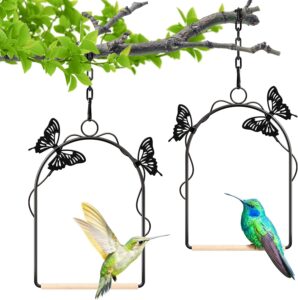 Once hummingbirds adopt a perch, they often use it repeatedly to rest, preen, and defend feeding areas.
Offer water in a way hummingbirds like
Hummingbirds prefer shallow, moving water over deep, still birdbaths. A mister or fine sprayer set near shrubs or perennials lets them bathe in droplets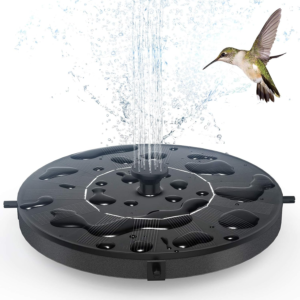 and sip from wet leaves. This is especially appealing on hot, humid Virginia days.
You can also install a shallow birdbath with gently sloping edges—no more than about an inch deep—so hummingbirds can sip and splash safely.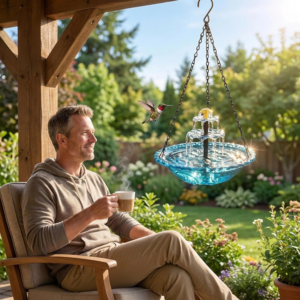 Place water features near your main hummingbird beds so birds can move easily between feeding and bathing.
My article How to Use Water Features to Attract Hummingbirds walks readers through the best kinds of misters, drippers, and shallow baths, how deep and how strong the water flow should be, and where to place them in the yard.
Skip pesticides and let insects thrive
Avoid or greatly limit pesticides, especially systemic insecticides, because hummingbirds and their chicks depend heavily on small insects and spiders for protein. A yard rich in native plants and free of heavy chemical use will support more insects, which means more natural food for hummingbirds.
My article Natural Pest Control Methods for Your Hummingbird Garden shows Virginia readers how to manage pests with safer methods like companion planting, beneficial insects, physical barriers, and targeted organic sprays, so they can protect plants without harming hummingbirds or their prey.
Keep Insects Away From Your Feeder
Bees, wasps, and ants can turn a hummingbird feeder into an insect magnet, especially in warm, humid weather. My guide How to Keep Bees and Ants Away From Your Hummingbird Feeder explains how to use ant moats, bee‑resistant feeders, smarter placement, and decoy feeders so nectar stays available for hummingbirds.
For larger nuisance animals or messier pest problems, Effective Tips For Pest Control At The Hummingbird Feeder gives practical steps to secure feeders and reduce nighttime raids.
Readers who are curious how Virginia’s timing compares with other states can check my “When to Feed Hummingbirds: A State‑by‑State Feeder Guide” for a national perspective.
FAQ for Virginia hummingbirds
What hummingbirds live in Virginia?
Ruby‑throated Hummingbirds are the only hummingbirds that regularly breed in Virginia. Rufous Hummingbirds and a few other western species may appear as uncommon fall and winter visitors at feeders.
When do hummingbirds arrive in Virginia?
Ruby‑throated Hummingbirds usually arrive in Virginia from mid‑April through early May, with males typically arriving a bit earlier than females.
When do hummingbirds leave Virginia?
Most Ruby‑throated Hummingbirds leave Virginia between late September and early October, with males tending to depart first and females and young following later.
When should I put out hummingbird feeders in Virginia?
Put feeders out by early to mid‑April so they’re ready for the earliest arrivals; in southern or coastal Virginia, you may want to hang at least one feeder in late March.
When should I take down hummingbird feeders in Virginia?
Many people keep feeders up through September and early October, then take them down after going about one to two weeks without seeing hummingbirds. You can keep one feeder up longer if you want to watch for winter visitors.
What is the best hummingbird nectar recipe for Virginia?
Use 1 part plain white sugar to 4 parts water, boiled and cooled, with no red dye or other additives.
How often should I change hummingbird nectar in Virginia?
In hot weather, change nectar every 1–2 days; in milder spring and fall weather, change it every 3–5 days, and always replace it immediately if it looks cloudy or shows any mold.
Which hummingbird feeder styles work best in Virginia?
Small 8‑ to 12‑ounce saucer‑style feeders work well because they are easy to clean, resist leaks, and let you offer modest amounts of nectar that you can change frequently in warm, humid conditions.
What plants attract hummingbirds in Virginia?
Native plants such as cardinal flower, bee balm, coral honeysuckle, trumpet vine, red buckeye, and jewelweed are excellent for attracting Ruby‑throated Hummingbirds in Virginia gardens.
Where can I learn more about hummingbirds in Virginia?
Regional resources include the Virginia Bird Atlas, Virginia Department of Wildlife Resources, Virginia Department of Forestry’s native plant lists, local Audubon chapters, and national guides on Ruby‑throated Hummingbirds and pollinator‑friendly gardening.
Further resources for Virginia hummingbird watchers
Virginia DWR – Ruby-throated Hummingbirds
– Overview of Virginia’s only regular breeding hummingbird, with notes on arrival, nesting, and migration in the state.
Virginia Bird Atlas – Ruby-throated Hummingbird
– Atlas account describing distribution, breeding status, and habitat use of Ruby-throateds across Virginia.
When Do Hummingbirds Leave Virginia? – Meadows Farms
– Garden-center perspective on fall migration timing in Virginia and guidance on how long to keep feeders up.
Hummingbirds in Virginia – Season Overview
– Simple summary of Virginia’s hummingbird season (mid-April to October) and basic viewing tips.
Virginia Department of Forestry – Native Plants for Hummingbirds
– Native plant suggestions (cardinal flower, bee balm, coral honeysuckle, trumpet vine, and more) to support hummingbirds and other wildlife.
Garden for Wildlife – Plants that Attract Hummingbirds in Virginia
– Virginia-specific plant profiles, including bloom times and site preferences, for building a hummingbird haven.
Plant NOVA Natives – Hummingbirds
– Native plant ideas and design tips for attracting hummingbirds in Northern Virginia, with a plant finder tool.
How to Make Hummingbird Feeder Nectar
– My in‑depth guide to the 4:1 nectar recipe, batch sizes, and how often to change nectar in different temperatures.
Cleaning a Hummingbird Feeder
– Step‑by‑step cleaning instructions, including how to handle mold and keep feeders safe in Virginia’s heat and humidity.
When to Feed Hummingbirds: State-by-State Feeder Guide