Trumpet vine (Campsis radicans), also called trumpet creeper, is one of the strongest native hummingbird magnets you can grow—but it comes with a catch. It’s vigorous, heavy, and persistent, so it needs space, a sturdy support, and regular pruning to stay where you want it. If you’re planning a bigger habitat, trumpet vine is just one piece of a layered shrub system for hummingbirds; for the full picture, see my guide to shrubs for hummingbirds in the Northeast, where I show how trumpet vine fits alongside native azaleas, viburnums, elderberries, and other wildlife-friendly shrubs.
What Is Trumpet Vine / Trumpet Creeper?
Trumpet vine is a deciduous, woody vine native to the eastern and central United States. It climbs by aerial rootlets that cling to rough surfaces and can reach 30–40 feet tall on strong supports. In summer, it produces large clusters of trumpet-shaped orange to red flowers that are loaded with nectar and perfectly shaped for Ruby-throated Hummingbirds.
-
Botanical name: Campsis radicans
-
Common names: Trumpet vine, trumpet creeper, hummingbird vine
-
Type: Woody, deciduous vine
-
Native range: Much of the eastern and central U.S.
-
Hardiness: Roughly USDA zones 4–9 (varies with source and cultivar)
Because of its strength and spread, trumpet vine behaves more like a small, climbing shrub or even a colonizing thicket than a dainty ornamental vine.
Why Hummingbirds Love Trumpet Vine
If you watch a blooming trumpet vine in midsummer, you’ll usually see hummingbirds zipping in and out all day. The plant is almost custom-built for them:
-
Long, tubular trumpets match hummingbird bills and tongues.
-
Bold orange to red colors are highly visible to hummingbirds.
-
Large flowers produce generous nectar, making each stop worthwhile.
-
Blossoms are held in clusters at stem tips, so birds can feed from several flowers without moving far.
-
Bloom time (mid–late summer into early fall) overlaps with peak hummingbird activity and migration in the Northeast.
Trumpet vine also hosts insects and spiders that hummingbirds eat for protein, and its thick growth offers perching and resting spots between feeding flights.
If you love the idea of a long-blooming native vine for smaller spaces, or want a much better-behaved option, be sure to read my guide to trumpet honeysuckle (coral honeysuckle)—a classic native hummingbird vine that’s far easier to manage on modest trellises and fences.
Size, Growth Habit, and Aggressiveness
Trumpet vine is beautiful, but it is not a “small-space” plant.
-
Height: Commonly 20–40 feet tall with a strong support.
-
Spread: Can wander widely via long stems, underground runners, and root suckers.
-
Growth rate: Fast; often described as vigorous or aggressive.
Important behavior traits:
-
Clinging rootlets: Stems attach firmly to rough surfaces like old brick, wood, and bark. They can be difficult to remove and may damage or stain siding or mortar over time.
-
Suckering and runners: Trumpet vine can send up shoots several feet away from the original plant. These can pop up in lawns, beds, or even a neighbor’s yard if unchecked.
-
Long-lived: Once established, it can be very difficult to completely eradicate.
Because of this, trumpet vine is best suited for:
-
Large properties
-
Strong, freestanding supports (heavy arbors, pergolas, or fences)
-
Naturalized edges, rather than tightly controlled flower beds
In a small yard or near delicate structures, trumpet honeysuckle is usually the better choice.
Where to Plant Trumpet Vine
Choosing the right site will make or break your experience with trumpet vine.
Light
-
Full sun (6+ hours per day) is best for heavy blooming.
-
It will grow in partial shade but will flower less and may get lankier.
Soil
-
Tolerates many soil types, including clay, loam, and sandy soils.
-
Prefers average, well-drained soil but is not fussy.
-
Does not need rich soil; extra fertility can make it even more vigorous.
Moisture
-
Once established, trumpet vine is quite drought tolerant.
-
During the first year or two, water regularly to help it root in.
Siting Tips
-
Keep it away from house siding, eaves, or old masonry you care about, since aerial roots can cling and be hard to remove.
-
Use a freestanding arbor, tall fence, or very sturdy pergola instead of a light trellis.
-
Plant where you can easily mow, edge, or otherwise control suckers around the base.
-
Avoid placing it right next to delicate perennial beds where runners can invade.
If you want trumpet vine as part of a broader habitat design, my article on shrubs for hummingbirds in the Northeast shows how to place it behind or beside other shrubs so hummingbirds have safe cover and you have an easier time containing its growth.
Planting Trumpet Vine
When to Plant
-
Early spring or fall are ideal planting times in the Northeast.
-
Container-grown plants can be planted in summer with consistent watering.
How to Plant
-
Choose your permanent support first (heavy arbor, fence, or post-and-wire system).
-
Dig a wide hole as deep as the root ball and 2–3 times as wide.
-
Loosen the roots if they are circling the container.
-
Set the plant so the top of the root ball is level with or slightly above the surrounding soil.
-
Backfill with native soil (amended lightly with compost if very poor), firming gently.
-
Water deeply to settle soil and eliminate air pockets.
-
Mulch 2–3 inches deep around the root zone, keeping mulch a couple of inches away from the main stem.
Train new shoots toward your support right away so they don’t wander in the wrong direction.
Care and Maintenance
Watering
-
Keep soil evenly moist the first growing season.
-
After establishment, trumpet vine usually only needs supplemental water during prolonged droughts.
Fertilizing
-
Most sites do not need fertilizer.
-
If growth is very weak on poor soil, a light application of a balanced fertilizer in spring is enough. Too much nitrogen can encourage foliage at the expense of flowers.
Mulching
-
Maintain a mulch ring to conserve moisture and make it easier to spot and remove suckers.
-
Use shredded bark, leaf mold, or composted wood chips.
Pruning Trumpet Vine
Pruning is not optional with trumpet vine—it’s how you keep it attractive and under control.
When to Prune
-
Best time: Late winter to very early spring, before new growth starts.
-
It blooms on new growth, so you can prune hard without sacrificing the season’s flowers.
How to Prune
-
Establish a framework of a few strong main stems on your support.
-
Each late winter:
-
Cut back side shoots to 2–3 buds to encourage new flowering spurs.
-
Remove weak, crossing, or damaged stems.
-
Thin out older wood if the vine is very dense.
-
-
During the growing season:
-
Cut back overly long shoots that threaten to reach gutters, windows, or trees.
-
Remove suckers at or below ground level as soon as you see them.
-
Regular pruning keeps blooms within sight, reduces weight on the support, and helps prevent the vine from taking over nearby structures or trees.
Managing Spread and Potential Problems
Controlling Suckers and Runners
-
Mow or string-trim suckers that come up in lawn areas.
-
In beds, dig out or cut unwanted shoots at the base.
-
Be persistent; trumpet vine can resprout from leftover roots.
If you know you’re in a small garden or don’t want to deal with suckers, trumpet honeysuckle offers similar hummingbird appeal with far less spreading via roots.
Surfaces and Structures
-
Avoid letting trumpet vine climb onto house siding, shingles, or old brickwork.
-
Aerial roots can cling and may trap moisture or stain surfaces.
-
Periodically check nearby structures and cut any exploring stems before they attach.
Skin Sensitivity
-
Some people experience skin irritation from sap or leaf hairs.
-
If you’re sensitive, wear gloves and long sleeves when pruning or handling.
Ecological Benefits and Wildlife Value
Trumpet vine is more than a pretty flower; it’s a valuable wildlife plant when used safely and responsibly.
-
Hummingbirds: Major nectar source and perching site in summer; frequently recommended on hummingbird plant lists for the East.
-
Pollinators: Bees and butterflies also visit the flowers, though hummingbirds access the deepest nectar.
-
Insects: Supports insects and spiders that become food for birds and other predators.
-
Cover: Thick growth can provide shelter for small birds and other wildlife.
In a layered Northeast garden, pair trumpet vine with shrubs like native viburnums, elderberry, bush honeysuckle (Diervilla), and native azaleas / deciduous rhododendrons to build a complete hummingbird habitat with nectar, cover, and nesting structure.
When Trumpet Vine Is (and Isn’t) the Right Choice
Good Situations for Trumpet Vine
-
Large yards or rural properties.
-
Strong, freestanding pergolas, arbors, or fences.
-
Edges of wild or naturalized areas where you can keep an eye on spread.
-
Gardeners who are comfortable with regular pruning and containment.
Situations Where It’s Risky
-
Very small lots with close neighbors.
-
Right next to house siding or old masonry.
-
Tight perennial beds where suckers would be a constant nuisance.
If you’re not sure trumpet vine is right for your space, consider starting with trumpet honeysuckle, which offers long-blooming tubular flowers for hummingbirds but behaves more like a polite garden vine. You can also explore a full shrub-and-vine framework in Shrubs for Hummingbirds in the Northeast: Building a Layered Nectar and Shelter Garden to see how these plants work together before you commit to such a vigorous species.
Frequently Asked Questions about Trumpet Vine (Campsis radicans)
Is trumpet vine native?
Yes. Trumpet vine (Campsis radicans) is native to the central and eastern United States and parts of the Southeast.
Is trumpet vine invasive?
It is very vigorous and aggressive in gardens, spreading by root suckers and seed. In some areas it’s considered weedy, though it is native. It should not be confused with non‑native Japanese honeysuckle, which is invasive and unrelated.
Will trumpet vine damage my house or structures?
It can. The aerial rootlets cling tightly to surfaces and can trap moisture or pull at softer materials. Avoid letting it climb house siding, gutters, or old masonry. Grow it on a freestanding, sturdy support instead.
How big does trumpet vine get?
With support, it can easily reach 20–40 feet long and become quite heavy over time. It also spreads sideways by suckers and underground runners.
How do I control trumpet vine’s spread?
Plant it where spreading shoots won’t invade beds or neighbors’ yards. Cut suckers at or below ground level as soon as they appear, and prune hard in late winter to keep top growth within bounds. Expect yearly maintenance.
Does trumpet vine attract hummingbirds?
Yes—very strongly. Its large, red‑orange trumpets are classic hummingbird flowers and provide abundant nectar from mid‑summer into early fall.
Will trumpet vine grow in shade?
It will survive in partial shade but flowers best in full sun. In significant shade, you’ll get more foliage and fewer blooms.
Is trumpet vine drought tolerant?
Once established, it tolerates heat and short dry periods well. It still benefits from occasional deep watering in prolonged drought, especially on very dry sites.
Can I grow trumpet vine in a small garden or on a small arbor?
It’s generally too vigorous for very small spaces or light structures. If you have a small garden or a delicate trellis, a tamer vine like coral honeysuckle (Lonicera sempervirens) is a better choice.
Is trumpet vine safe for pets and people?
It is not typically listed as highly toxic, but the sap can irritate skin in some people, and no ornamental vine should be chewed or eaten. Wear gloves if you have sensitive skin and discourage pets and children from sampling any part of the plant.
A few additions that will make any garden more hummingbird friendly
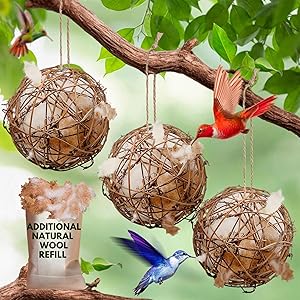
Provide nesting materialslike cotton or plant fibers. You can place these materials in suet cages or spread them around your garden.
A major component of any successful hummingbird garden is a dependable hummingbird feeder that is easy to take apart and clean and doesn’t leak.
One of the best Hummingbird feeders that’s easy to take apart and clean is the HummZinger Ultra.
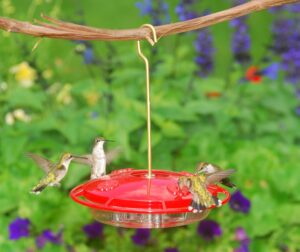
Aspects 12oz HummZinger UltraWith Nectar Guard.
The HummZinger Ultra12oz Saucer Feeder is one of the best options for a hummingbird feeder that’s both easy to clean and maintain. This top-tier feeder features patented Nectar Guard tips—flexible membranes on the feeding ports that keep flying insects out while still allowing hummingbirds to feed freely. Plus, it comes with an integrated ant moat to prevent crawling insects from reaching the nectar, and the raised flower ports help divert rain, keeping the nectar fresh.
With a 12 oz capacity, this mid-size feeder offers plenty of space and can be hung or mounted on a post using the included hardware. It has four feeding ports and is made from durable, unbreakable polycarbonate. Whether you’re concerned about bees, wasps, or ants, this feeder is built for easy cleaning and insect protection.
If you already have a hummingbird feeder, and you want to protect it from ants and other crawling insects, the ant moat below will do the job.
Trap-It Ant Moat for Hummingbird Feeders
Using an ant moat for your hummingbird feeder is an effective way to keep ants away from the sweet nectar. These tiny creatures are drawn to
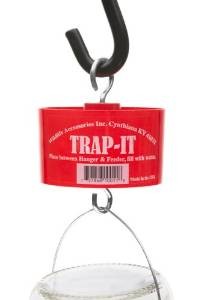
the sugar water, and without a barrier, they will quickly infest your feeder, preventing the birds from enjoying the nectar. An ant moat works by creating a barrier of water that ants can’t cross. Positioned above the feeder, it effectively blocks the ants’ path, keeping them from reaching the nectar.
This simple solution also ensures that your hummingbird feeder remains clean and accessible for the birds, rather than becoming a breeding ground for ants or other pests. It’s a small addition that can make a big difference in maintaining a healthy, inviting space for hummingbirds, while also reducing the need for chemical ant deterrents.
The first and still the best toprotect your Hummingbird and Oriole feeder from ants and other crawling insects. Insert between hanger and feeder and fill with water, providing a barrier to crawling pests. Red color to attract hummingbirds.
In addition to nectar, hummingbirds need water and safe spaces to rest. By providing a birdbath or misting system, you can ensure they have everything they need.
Water Sources
Hummingbirds enjoy fresh water to drink and bathe. A shallow birdbath with a fine spray from a mister is ideal. Just make sure the water is changed regularly to keep it clean.
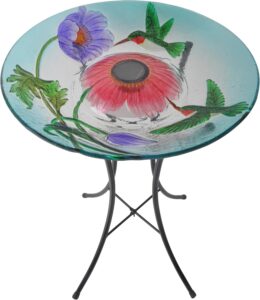
Here’s a solar powered bird bath.
Hummingbird misters at Amazon.com
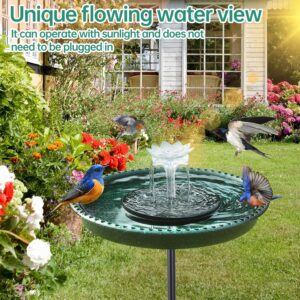
Install shallow bird baths with gently sloping edges. Hummingbirds prefer water sources that are no more than 1-1.5 inches deep.
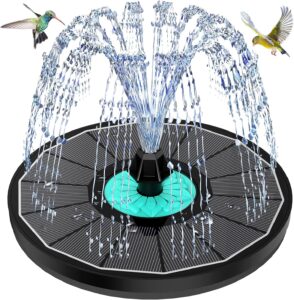
Consider adding a mister or dripper to create moving water, which attracts hummingbirds. They often enjoy flying through fine sprays of water.
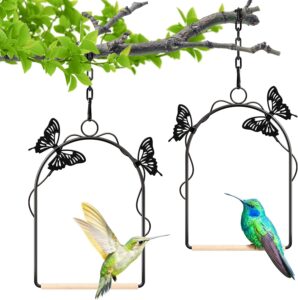
A hummingbird perch is a good way to attract hummingbirds to a particular spot near your feeder
Use Songbird Essentials Nectar Aid Self Measuring Pitcherand never measure ingredients again. Make any amount and the ingredients are measured for you.
 |
Column 2 |
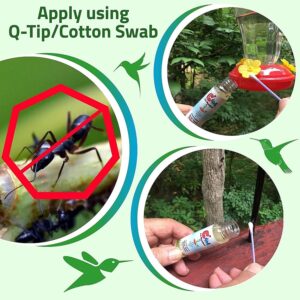
Nectar Fortress™ Natural Ant Repellent
CREATED FOR HUMMINGBIRD FEEDERS: Stop ants fast and keep them away from the bird feeder altogether. Use it on poles or hooks and create a barrier with a scent ants hate. Useful with ant moats or eliminate the moat entirely.
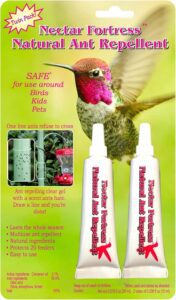
C’ANT, Ant and Bee Repellent for Hummingbird Nectar Feeders and Outdoor Bird Seed Feeders – Works with Shepherds Hook and Ant Moat – 1 oz.
Hummingbird resources to help make your garden a success
Here’s a complete guide to attracting hummingbirds to your yard. It lists plants, vines and shrubs that are in bloom for spring, summer and fall. Your hummingbirds will always have flowers to feed on.
Here’s a great article that tells everything you need to know about how to choose the best place to hang your hummingbird feeder.
Here’s the best designed hummingbird feeder to use. It’s leak proof, so it won’t attract insects and it’s easy to take apart and clean.
Here’s a comprehensive guide to help you clean your hummingbird feeder for those times when the nectar is not changed soon enough and mold starts to grow.
More Hummingbird Resources
U.S. Fish and Wildlife Service – Hummingbird Conservation
This site offers detailed information about various hummingbird species, their habitats, and conservation efforts. It also provides resources on how to protect these fascinating birds.
National Park Service – Hummingbird Resources
The National Park Service offers insights into hummingbird species found in national parks, their behaviors, and their role in ecosystems, along with tips for observing them.
Smithsonian National Museum of Natural History – Birds: Hummingbirds
This resource provides educational materials on the role of hummingbirds in pollination and biodiversity, backed by scientific research and exhibits from the Smithsonian.