Trumpet honeysuckle (Lonicera sempervirens), also called coral honeysuckle, is one of the very best native vines you can grow for hummingbirds in the eastern United States. Its long, tubular red or coral flowers are packed with nectar, bloom over a long season, and are perfectly shaped for Ruby-throated Hummingbirds. Unlike trumpet vine, this vine is generally well-behaved and easy to use in smaller gardens, making it a top choice for hummingbird lovers with limited space. Trumpet honeysuckle is also a key “backbone” plant in my layered habitat design; if you’re planning a full shrub-and-vine system for hummingbirds, be sure to see Shrubs for Hummingbirds in the Northeast: Building a Layered Nectar and Shelter Garden to understand how this vine fits alongside native azaleas, viburnums, elderberries, and more.
What Is Trumpet Honeysuckle?
Trumpet honeysuckle is a native, twining woody vine found naturally in much of the eastern and southeastern United States. It climbs by wrapping its stems around supports rather than using clinging roots, which makes it gentler on structures than trumpet vine. In spring and summer, it produces showy clusters of tubular flowers in shades of red, coral, or orange-red, often with a yellow interior.
-
Botanical name: Lonicera sempervirens
-
Common names: Trumpet honeysuckle, coral honeysuckle, woodbine
-
Type: Deciduous to semi-evergreen, twining woody vine
-
Native range: Eastern and southeastern U.S.
-
Hardiness: Roughly USDA zones 4–9 (varies with cultivar and site)
Because it’s non-invasive and much less aggressive than other honeysuckles and trumpet vine, trumpet honeysuckle is widely recommended as a safe, wildlife-friendly hummingbird vine.
Why Hummingbirds Love Trumpet Honeysuckle
Trumpet honeysuckle is often described as a “perfect” hummingbird vine for good reason.
-
Long, slender tubular flowers match hummingbird bills and tongues.
-
Strong red and coral colors are highly visible and attractive to Ruby-throats.
-
Flowers produce abundant nectar, and clusters allow birds to feed at several blooms from one perch.
-
A long bloom window—from spring into summer, sometimes repeating—provides a steady nectar supply.
-
Vines also offer perching spots right by the nectar source; hummingbirds often sit on the vine to guard “their” flowers.
Trumpet honeysuckle also supports bees, butterflies, and other pollinators and can produce small red berries that feed birds later in the season.
If you have a large space and want an even more explosive hummingbird magnet, you can also grow trumpet vine / trumpet creeper, a powerful native vine that needs much more room and stronger pruning than trumpet honeysuckle.
Size, Growth Habit, and Behavior
Trumpet honeysuckle is vigorous enough to be satisfying, but not usually overwhelming.
-
Length: Commonly 8–20 feet, depending on support and pruning.
-
Growth habit: Twining vine; wraps around trellises, wires, and railings rather than sticking to surfaces.
-
Foliage: Medium green leaves, sometimes with a bluish cast; semi-evergreen in milder climates.
Key behavior traits:
-
Non-invasive: Unlike Japanese honeysuckle (Lonicera japonica), trumpet honeysuckle is native and well-behaved when used properly.
-
Gentler on structures: Because it twines rather than clings, it doesn’t attach with rootlets that can damage siding or masonry.
-
Manageable: Responds well to pruning and training, making it suitable for arbors, trellises, fences, and even large containers with support.
This combination of strong hummingbird value and polite behavior is what makes trumpet honeysuckle such a standout for home gardens.
Where to Plant Trumpet Honeysuckle
Choosing the right site will help you get the longest bloom and the most hummingbird activity.
Light
-
Full sun (6+ hours) gives the best flowering.
-
It will tolerate part sun or light shade, but bloom may be lighter there.
Soil
-
Prefers well-drained soil but adapts to a range of garden soils.
-
Average fertility is fine; excessively rich soil isn’t necessary.
Moisture
-
Likes regular moisture, especially while establishing.
-
Once established, it is fairly drought tolerant, especially in part shade, but will bloom more reliably with even moisture.
Siting Tips
-
Place it where you can enjoy close-up hummingbird views—near patios, decks, windows, or along a frequently used path.
-
Use strong supports: trellises, arbor posts, porch railings, or fence panels.
-
Keep it in full sun to light part shade for the best combination of bloom and foliage.
For a full habitat framework that shows where trumpet honeysuckle, trumpet vine, and native shrubs all fit together, see my article Shrubs for Hummingbirds in the Northeast: Building a Layered Nectar and Shelter Garden.
Planting Trumpet Honeysuckle
When to Plant
-
Plant in spring after the soil is workable, or in fall while the soil is still warm.
-
Container plants can be set out in summer if you can keep them watered.
How to Plant
-
Install your support first—trellis, arbor, fence, or wires.
-
Dig a hole as deep as the root ball and 2–3 times as wide.
-
Loosen any circling roots.
-
Set the plant so the top of the root ball is level with or slightly above the surrounding soil.
-
Backfill with native soil (you can mix in a bit of compost if your soil is very poor).
-
Water deeply to settle the soil.
-
Mulch 2–3 inches deep around the root zone, keeping mulch away from direct contact with the stems.
Gently tie or weave young stems onto the support so they learn where to climb.
Care and Maintenance
Watering
-
Keep soil consistently moist the first growing season.
-
After establishment, water during prolonged dry spells, especially if the vine is in full sun.
Fertilizing
-
Trumpet honeysuckle usually needs little or no fertilizer.
-
If growth is weak on poor soil, a light application of a balanced fertilizer in early spring is enough.
Mulching
-
Maintain a mulch layer to conserve moisture and reduce weeds.
-
Use shredded bark, leaf mold, or similar organic mulch.
Pruning Trumpet Honeysuckle
Trumpet honeysuckle responds well to pruning and can be kept within bounds easily.
When to Prune
-
Late winter to very early spring is a good time for structural pruning.
-
You can also lightly prune after the main flush of bloom to tidy the vine and encourage some rebloom.
How to Prune
-
Remove any dead, damaged, or crossing stems.
-
Thin older, woody stems if the vine becomes crowded; this encourages fresh, flowering growth.
-
Shorten overly long shoots to keep the vine within its allotted space and to keep blooms at eye level.
Because this vine is more modest than trumpet vine, pruning is usually about shaping and refreshing, not drastic control.
Avoiding Confusion with Invasive Honeysuckles
It’s important not to confuse trumpet honeysuckle with invasive honeysuckle species.
-
Trumpet honeysuckle (Lonicera sempervirens): Native, tubular red/coral flowers, twining habit, non-invasive.
-
Japanese honeysuckle (Lonicera japonica): Non-native, highly invasive in many states, with white/yellow fragrant flowers and a scrambling habit.
Always check the botanical name when purchasing and avoid non-native invasive honeysuckles.
Ecological and Wildlife Value
Beyond being a top nectar source for hummingbirds, trumpet honeysuckle supports a broader web of life.
-
Hummingbirds: Ruby-throats rely heavily on tubular red and orange flowers, and trumpet honeysuckle is frequently recommended on hummingbird plant lists in the Northeast.
-
Pollinators: Bees and butterflies also visit the flowers for nectar.
-
Birds: Berries can feed other birds later in the season, and the vine offers perches near nectar sources.
When combined with native shrubs like viburnums, elderberry, bush honeysuckle (Diervilla), and native azaleas / deciduous rhododendrons, trumpet honeysuckle helps create a multi-layered habitat that offers nectar, insects, and cover for hummingbirds.
Trumpet Honeysuckle vs. Trumpet Vine
Both trumpet honeysuckle and trumpet vine attract hummingbirds, but they behave very differently.
| Feature | Trumpet Honeysuckle (L. sempervirens) | Trumpet Vine (Campsis radicans) |
|---|---|---|
| Native status | Native, non-invasive | Native, can be aggressive |
| Climbing method | Twining stems | Clinging rootlets |
| Typical length | About 8–20 feet | 20–40+ feet |
| Behavior in gardens | Generally well-behaved, easy to manage | Very vigorous; can sucker and spread |
| Best for | Small to medium gardens, trellises, fences | Large spaces, strong structures |
If you have limited space, trumpet honeysuckle is usually the better fit. If you have a big property and are prepared for serious pruning and containment, trumpet vine / trumpet creeper can be added as a high-impact hummingbird magnet in your design.
Using Trumpet Honeysuckle in a Northeast Hummingbird Garden
In a Northeastern hummingbird garden, trumpet honeysuckle really shines when you combine it with the right shrubs and perennials.
-
Train trumpet honeysuckle on a trellis, fence, arch, or pergola in full sun near your sitting areas.
-
Plant nectar-rich perennials like bee balm, cardinal flower, and native salvias nearby for layered feeding zones.
-
Place shrubs such as viburnums, elderberries, and native azaleas / deciduous rhododendrons behind or beside your vine to give hummingbirds safe cover and nesting spots.
-
Position feeders within easy flying distance of the vine, but not so close that spilled nectar constantly drips onto the foliage.
Trumpet honeysuckle is one of the cornerstone plants in the design I outline in Shrubs for Hummingbirds in the Northeast: Building a Layered Nectar and Shelter Garden, where it serves as a controllable nectar “wall” that pulls hummingbirds right into view. If you want more punch in a distant corner of a big yard, pair it with Trumpet Vine / Trumpet Creeper: A Hummingbird Magnet That Needs Space in an area where you can let the bigger vine roam and where you don’t mind putting in some extra pruning work.
A few additions that will make any garden more hummingbird friendly
Provide nesting materials like cotton or plant fibers. You can place these materials in suet cages or spread them around your garden.
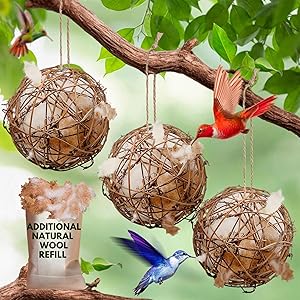
A major component of any successful hummingbird garden is a dependable hummingbird feeder that is easy to take apart and clean and doesn’t leak.
One of the best Hummingbird feeders that’s easy to take apart and clean is the HummZinger Ultra.
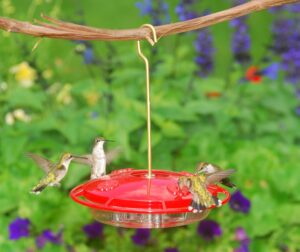
Aspects 12oz HummZinger Ultra With Nectar Guard.
The HummZinger Ultra 12oz Saucer Feeder is one of the best options for a hummingbird feeder that’s both easy to clean and maintain. This top-tier feeder features patented Nectar Guard tips—flexible membranes on the feeding ports that keep flying insects out while still allowing hummingbirds to feed freely. Plus, it comes with an integrated ant moat to prevent crawling insects from reaching the nectar, and the raised flower ports help divert rain, keeping the nectar fresh.
With a 12 oz capacity, this mid-size feeder offers plenty of space and can be hung or mounted on a post using the included hardware. It has four feeding ports and is made from durable, unbreakable polycarbonate. Whether you’re concerned about bees, wasps, or ants, this feeder is built for easy cleaning and insect protection.
If you already have a hummingbird feeder, and you want to protect it from ants and other crawling insects, the ant moat below will do the job.
Trap-It Ant Moat for Hummingbird Feeders
Using an ant moat for your hummingbird feeder is an effective way to keep ants away from the sweet nectar. These tiny creatures are drawn to
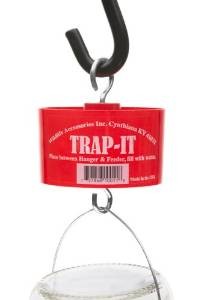
the sugar water, and without a barrier, they will quickly infest your feeder, preventing the birds from enjoying the nectar. An ant moat works by creating a barrier of water that ants can’t cross. Positioned above the feeder, it effectively blocks the ants’ path, keeping them from reaching the nectar.
This simple solution also ensures that your hummingbird feeder remains clean and accessible for the birds, rather than becoming a breeding ground for ants or other pests. It’s a small addition that can make a big difference in maintaining a healthy, inviting space for hummingbirds, while also reducing the need for chemical ant deterrents.
The first and still the best to protect your Hummingbird and Oriole feeder from ants and other crawling insects. Insert between hanger and feeder and fill with water, providing a barrier to crawling pests. Red color to attract hummingbirds.
In addition to nectar, hummingbirds need water and safe spaces to rest. By providing a birdbath or misting system, you can ensure they have everything they need.
Water Sources
Hummingbirds enjoy fresh water to drink and bathe. A shallow birdbath with a fine spray from a mister is ideal. Just make sure the water is changed regularly to keep it clean.
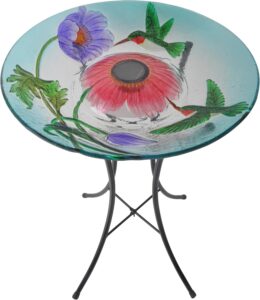
Here’s a solar powered bird bath.
Hummingbird misters at Amazon.com
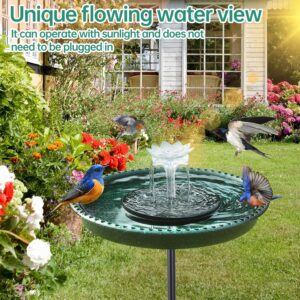
Install shallow bird baths with gently sloping edges. Hummingbirds prefer water sources that are no more than 1-1.5 inches deep.
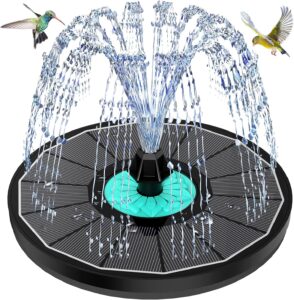
Consider adding a mister or dripper to create moving water, which attracts hummingbirds. They often enjoy flying through fine sprays of water.
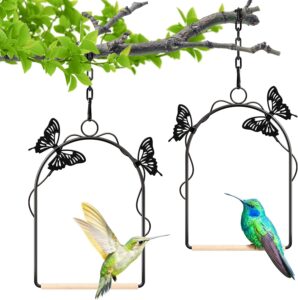
A hummingbird perch is a good way to attract hummingbirds to a particular spot near your feeder
Use Songbird Essentials Nectar Aid Self Measuring Pitcher and never measure ingredients again. Make any amount and the ingredients are measured for you.
 |
Column 2 |
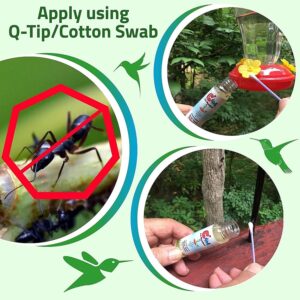
Nectar Fortress™ Natural Ant Repellent
CREATED FOR HUMMINGBIRD FEEDERS: Stop ants fast and keep them away from the bird feeder altogether. Use it on poles or hooks and create a barrier with a scent ants hate. Useful with ant moats or eliminate the moat entirely.
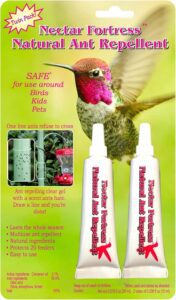
C’ANT, Ant and Bee Repellent for Hummingbird Nectar Feeders and Outdoor Bird Seed Feeders – Works with Shepherds Hook and Ant Moat – 1 oz.
Hummingbird resources to help make your garden a success
Here’s a complete guide to attracting hummingbirds to your yard. It lists plants, vines and shrubs that are in bloom for spring, summer and fall. Your hummingbirds will always have flowers to feed on.
Here’s a great article that tells everything you need to know about how to choose the best place to hang your hummingbird feeder.
Here’s the best designed hummingbird feeder to use. It’s leak proof, so it won’t attract insects and it’s easy to take apart and clean.
Here’s a comprehensive guide to help you clean your hummingbird feeder for those times when the nectar is not changed soon enough and mold starts to grow.
More Hummingbird Resources
U.S. Fish and Wildlife Service – Hummingbird Conservation
This site offers detailed information about various hummingbird species, their habitats, and conservation efforts. It also provides resources on how to protect these fascinating birds.
National Park Service – Hummingbird Resources
The National Park Service offers insights into hummingbird species found in national parks, their behaviors, and their role in ecosystems, along with tips for observing them.
Smithsonian National Museum of Natural History – Birds: Hummingbirds
This resource provides educational materials on the role of hummingbirds in pollination and biodiversity, backed by scientific research and exhibits from the Smithsonian.