Sweet William (Dianthus barbatus) is a classic cottage garden plant known for its dense clusters of richly colored flowers and spicy, clove-like fragrance. Blooming in shades of pink, red, white, and bi-color patterns, it adds old-fashioned charm and vibrant color to borders, cutting gardens, and containers. Depending on the variety, Sweet William behaves as a biennial, short-lived perennial, or even an annual, but in good conditions it often self-sows and returns year after year like a long-lived friend.
With its upright stems and tidy foliage, Sweet William fits beautifully along paths, in mixed borders, or massed in drifts for a bold, tapestry-like effect. It’s especially prized by gardeners who love cutting fresh flowers, as the blooms last well in the vase and bring both color and fragrance indoors.
Key Characteristics
-
Height: 12–24 inches (variety dependent)
-
Bloom Time: Late spring to early summer (often extending into mid-summer)
-
Light Requirements: Full sun; tolerates light afternoon shade in hot climates
-
Soil Preference: Fertile, well-drained soil; neutral to slightly alkaline pH
-
Zones: Typically hardy in zones 3–9
The flower heads of Sweet William are made up of many small, fringed blooms packed together in flattened clusters at the top of strong stems. These colorful, nectar-rich blooms are highly attractive to bees, butterflies, and other beneficial insects, and in many gardens they’re also visited by hummingbirds. Well-drained soil and plenty of sun keep plants compact, floriferous, and healthy.
Why Sweet William Is Attractive to Hummingbirds
Sweet William offers several traits that make it appealing to hummingbirds, especially when planted in sunny, open garden areas. Its clustered blooms are loaded with nectar, providing a concentrated food source that rewards repeat visits. While the flowers are not long tubes like some classic hummingbird plants, their open, accessible form still allows hummingbirds to sip quickly as they move from floret to floret.
The bright colors—particularly reds, pinks, and bicolors—help catch a hummingbird’s eye as it scans for food. When Sweet William is planted in generous groups or combined with other hummingbird-friendly flowers like salvias, bee balm, or penstemons, it becomes part of a diverse nectar “buffet” that supports hummingbirds throughout late spring and early summer. Its extended bloom period gives hummingbirds a reliable stopover during a busy feeding season.
Natural Habitat and Growing Conditions
Sweet William’s wild ancestors hail from Europe, where they grew in sunny meadows, rocky slopes, and open woodland edges. In the garden, this translates to a preference for bright light, good drainage, and moderate fertility.
It thrives in:
-
Full sun in most climates (6+ hours of direct light)
-
Deep, well-drained, organically enriched soils
-
Beds and borders that don’t stay soggy after rain
In very hot summer climates, a bit of light afternoon shade can help prevent stress and prolong flowering. Sweet William dislikes heavy, waterlogged soil; raised beds or amended soil with extra compost and grit are ideal where drainage is poor. In optimum conditions, it often self-seeds, allowing new plants to pop up and keep the display going for years.
Care and Maintenance
Sweet William is relatively easy to grow and care for, making it a good choice for both beginner and experienced gardeners.
-
Watering: Keep soil consistently moist but not saturated, especially when plants are young or flowering heavily. Once established, Sweet William tolerates short dry periods but performs best with regular deep watering in dry weather.
-
Feeding: Work compost into the soil before planting. In lean soils, a balanced, slow-release fertilizer in spring can boost growth and flowering, but avoid heavy nitrogen, which can cause weak, floppy stems.
-
Deadheading: Removing spent flower heads encourages continued blooming and helps prevent uncontrolled self-seeding if you prefer a tidier look.
-
Overwintering: In colder regions, a light mulch after the ground freezes helps protect crowns, especially for fall-planted or biennial types. Avoid piling mulch directly against the stems to prevent rot.
Biennial and short-lived perennial varieties often produce foliage the first year and bloom heavily the second. After flowering, self-sown seedlings can take their place, creating a natural cycle of renewal if you allow some seeds to mature.
Ecological Benefits
Sweet William is more than just a pretty face; it’s a valuable asset in pollinator-friendly gardens.
-
Pollinator magnet: Its abundant, nectar-rich flowers draw bees, butterflies, and other beneficial insects.
-
Hummingbird support: Bright colors and accessible nectar make Sweet William a worthwhile addition to hummingbird plantings, especially in sunny borders.
-
Cut flower habitat: Even when stems are cut for bouquets, the remaining plants continue to provide habitat and food sources for garden wildlife.
Because it fits well into cottage-style, wildlife-friendly plantings, Sweet William is ideal for gardeners who want beauty and biodiversity in the same space.
Why Grow Sweet William
Sweet William offers a long list of reasons to claim a spot in your garden.
1. Colorful, Fragrant Blooms
Clusters of starry, fringed flowers in jewel tones—red, pink, magenta, white, and striking bicolors—create a vivid display in late spring and early summer. Many varieties have a strong, spicy, clove-like scent that perfumes the garden and makes cut stems especially delightful indoors.
2. Perfect for Cottage and Cut-Flower Gardens
With its upright habit and old-fashioned look, Sweet William is a natural fit in cottage gardens, mixed borders, and cutting patches. It looks charming along paths, in front of taller perennials, or mass-planted for a bold, colorful sweep.
3. Pollinator- and Hummingbird-Friendly
Sweet William supports bees, butterflies, and, in many gardens, hummingbirds. By tucking it into sunny, well-drained spots, you add both color and ecological value, helping pollinators early in the season when many other perennials are just ramping up.
4. Low-Maintenance and Cold-Hardy
Once established, Sweet William handles cool spring weather and light frosts, and many varieties are hardy into colder zones. Routine care—watering, occasional feeding, and deadheading—is usually all it needs to thrive.
5. Readily Self-Sows and Easy to Propagate
Sweet William often reseeds in good conditions, providing fresh plants each year with minimal effort from you. You can also start it from seed indoors or outdoors, or move self-sown seedlings to new spots, making it easy to spread around the garden or share with friends.
Planting Tips
Site Selection:
Choose a location with full sun for best bloom quality. In hot-summer regions, provide light afternoon shade if plants show signs of stress or scorch.
Soil Preparation:
Loosen the soil 8–12 inches deep and mix in compost to improve drainage and fertility. Aim for well-drained, moderately rich soil with a neutral to slightly alkaline pH.
Spacing:
Space plants roughly 10–12 inches apart to allow airflow and room for clumps to fill out. This helps reduce disease pressure and creates a lush, full planting without overcrowding.
Watering:
Water thoroughly after planting and keep soils evenly moist while plants establish. Once rooted in, water when the top inch of soil is dry, especially during warm, dry spells.
Maintenance:
-
Deadhead to extend bloom and control self-seeding.
-
Remove any weak or diseased stems promptly.
-
After flowering, allow some seedheads to mature if you want volunteer seedlings the next year.
Unique Characteristics of Sweet William That Make It Special
Sweet William has several standout traits that make it particularly rewarding to grow.
Dense, Multi-Bloom Flower Heads
Each stem ends in a tight cluster of many small flowers, creating a “bouquet on a stem” effect. This makes Sweet William especially impactful when used in mass plantings or cut for arrangements.
Wide Color Range and Patterns
From solid deep reds and magentas to pastel pinks, whites, and striking bicolors with contrasting eyes or edges, Sweet William offers remarkable variety. You can choose a single color scheme for a refined look or mix colors for a cheerful, cottage-style tapestry.
Biennial/Perennial Flexibility
While often treated as a biennial (foliage first year, heavy bloom second year), Sweet William frequently self-sows and behaves like a rolling perennial, renewing itself with seedlings. Some improved cultivars are short-lived perennials, offering blooms over multiple seasons from the same crown.
Fragrance and Cut-Flower Quality
The spicy scent and long-lasting blooms make Sweet William an excellent cut flower. Stems hold well in water, especially when cut as the first few florets open and placed in clean water with preservative.
Frequently Asked Questions
Is Sweet William a perennial or a biennial?
Sweet William is commonly grown as a biennial—producing foliage the first year and blooming heavily the second—but many varieties behave as short-lived perennials and will flower for several years in good conditions. It also self-seeds readily, so new plants often appear even as older ones decline.
Does Sweet William attract hummingbirds and pollinators?
Yes. Sweet William’s nectar-rich flower clusters are highly attractive to bees and butterflies, and in many gardens hummingbirds will also visit the blooms. Planting it in full sun and grouping several plants together makes it even more appealing to pollinators.
How much sun does Sweet William need?
Sweet William performs best in full sun, which promotes compact growth and heavy blooming. In very hot climates, a bit of light afternoon shade can help prevent stress and prolong the flowering season, but too much shade can result in weak stems and fewer flowers.
Will Sweet William come back every year?
Sweet William may come back from the same plant for a few seasons if it’s a short-lived perennial type, but it more often persists by self-seeding. If you allow some seedheads to mature and drop, new seedlings will typically appear, keeping Sweet William present in your garden year after year.
Can I grow Sweet William in containers?
Yes. Sweet William grows well in containers with good drainage. Use a high-quality potting mix, ensure the container has drainage holes, and place it in a sunny location. Keep the soil evenly moist but not soggy, and deadhead spent blooms to keep plants looking tidy and encourage more flowers.
Is Sweet William toxic to pets or people?
Sweet William is considered mildly toxic if ingested by pets or humans. It’s best to avoid planting it where curious pets or small children frequently chew on plants, and to seek professional advice if ingestion occurs.
Conclusion
Sweet William is a charming, hardworking cottage garden favorite that delivers rich color, fragrance, and pollinator value with relatively little fuss. Its dense flower clusters, wide color range, and long-lasting blooms make it ideal for borders, cutting gardens, and mixed pollinator plantings.
By giving it full sun, well-drained soil, and simple care—along with occasional deadheading and the freedom to self-sow—you can enjoy Sweet William’s cheerful presence year after year. Whether you’re building a traditional cottage border, a pollinator-friendly bed, or a vibrant cutting patch, this classic Dianthus earns its place with every fragrant, nectar-rich bloom.
A few additions that will make any garden more hummingbird friendly
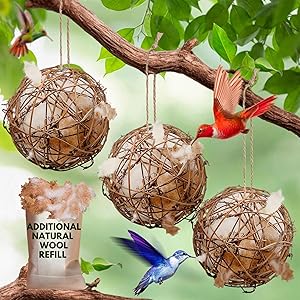
Provide nesting materials like cotton or plant fibers. You can place these materials in suet cages or spread them around your garden.
A major component of any successful hummingbird garden is a dependable hummingbird feeder that is easy to take apart and clean and doesn’t leak.
One of the best Hummingbird feeders that’s easy to take apart and clean is the HummZinger Ultra.
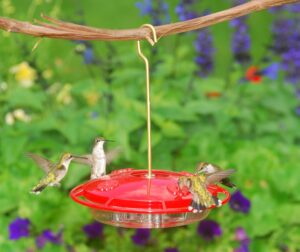
Aspects 12oz HummZinger Ultra With Nectar Guard.
The HummZinger Ultra 12oz Saucer Feeder is one of the best options for a hummingbird feeder that’s both easy to clean and maintain. This top-tier feeder features patented Nectar Guard tips—flexible membranes on the feeding ports that keep flying insects out while still allowing hummingbirds to feed freely. Plus, it comes with an integrated ant moat to prevent crawling insects from reaching the nectar, and the raised flower ports help divert rain, keeping the nectar fresh.
With a 12 oz capacity, this mid-size feeder offers plenty of space and can be hung or mounted on a post using the included hardware. It has four feeding ports and is made from durable, unbreakable polycarbonate. Whether you’re concerned about bees, wasps, or ants, this feeder is built for easy cleaning and insect protection.
If you already have a hummingbird feeder, and you want to protect it from ants and other crawling insects, the ant moat below will do the job.
Trap-It Ant Moat for Hummingbird Feeders
Using an ant moat for your hummingbird feeder is an effective way to keep ants away from the sweet nectar. These tiny creatures are drawn to
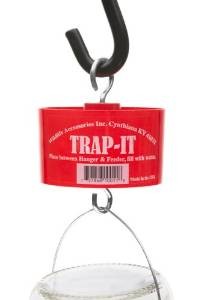
the sugar water, and without a barrier, they will quickly infest your feeder, preventing the birds from enjoying the nectar. An ant moat works by creating a barrier of water that ants can’t cross. Positioned above the feeder, it effectively blocks the ants’ path, keeping them from reaching the nectar.
This simple solution also ensures that your hummingbird feeder remains clean and accessible for the birds, rather than becoming a breeding ground for ants or other pests. It’s a small addition that can make a big difference in maintaining a healthy, inviting space for hummingbirds, while also reducing the need for chemical ant deterrents.
The first and still the best to protect your Hummingbird and Oriole feeder from ants and other crawling insects. Insert between hanger and feeder and fill with water, providing a barrier to crawling pests. Red color to attract hummingbirds.
In addition to nectar, hummingbirds need water and safe spaces to rest. By providing a birdbath or misting system, you can ensure they have everything they need.
Water Sources
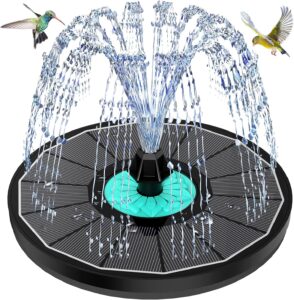
Hummingbirds enjoy fresh water to drink and bathe. A shallow birdbath with a fine spray from a mister is ideal. Just make sure the water is changed regularly to keep it clean.
Here’s a solar powered bird bath.
Hummingbird misters at Amazon.com

Install shallow bird baths with gently sloping edges. Hummingbirds prefer water sources that are no more than 1-1.5 inches deep.
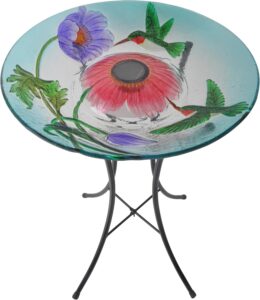
Consider adding a mister or dripper to create moving water, which attracts hummingbirds. They often enjoy flying through fine sprays of water.
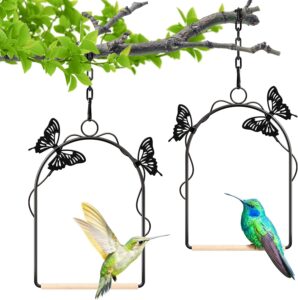
A hummingbird perch is a good way to attract hummingbirds to a particular spot near your feeder
Use Songbird Essentials Nectar Aid Self Measuring Pitcher and never measure ingredients again. Make any amount and the ingredients are measured for you.
 |
Column 2 |
Nectar Fortress™ Natural Ant Repellent
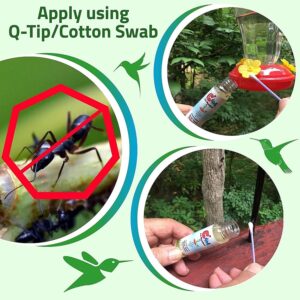
CREATED FOR HUMMINGBIRD FEEDERS: Stop ants fast and keep them away from the bird feeder altogether. Use it on poles or hooks and create a barrier with a scent ants hate. Useful with ant moats or eliminate the moat entirely.
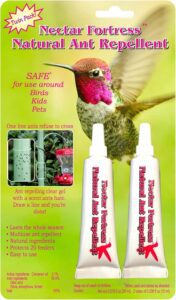
C’ANT, Ant and Bee Repellent for Hummingbird Nectar Feeders and Outdoor Bird Seed Feeders – Works with Shepherds Hook and Ant Moat – 1 oz.
Hummingbird resources to help make your garden a success
Here’s a complete guide to attracting hummingbirds to your yard. It lists plants, vines and shrubs that are in bloom for spring, summer and fall. Your hummingbirds will always have flowers to feed on.
Here’s a great article that tells everything you need to know about how to choose the best place to hang your hummingbird feeder.
Here’s the best designed hummingbird feeder to use. It’s leak proof, so it won’t attract insects and it’s easy to take apart and clean.
Here’s a comprehensive guide to help you clean your hummingbird feeder for those times when the nectar is not changed soon enough and mold starts to grow.
More Hummingbird Resources
U.S. Fish and Wildlife Service – Hummingbird Conservation
This site offers detailed information about various hummingbird species, their habitats, and conservation efforts. It also provides resources on how to protect these fascinating birds.
National Park Service – Hummingbird Resources
The National Park Service offers insights into hummingbird species found in national parks, their behaviors, and their role in ecosystems, along with tips for observing them.
Smithsonian National Museum of Natural History – Birds: Hummingbirds
This resource provides educational materials on the role of hummingbirds in pollination and biodiversity, backed by scientific research and exhibits from the Smithsonian.