Sonoran Honeysuckle: A Hummingbird Magnet for Arizona Gardens
Sonoran honeysuckle (Justicia sonorae) is a small desert shrub that can turn your Arizona yard into a hummingbird hotspot. Its bright tubular flowers are packed with nectar that hummingbirds love.
What Is Sonoran Honeysuckle?
Sonoran honeysuckle is a twiggy subshrub that usually grows about 2 feet tall and wide. It has many thin stems, and it often looks 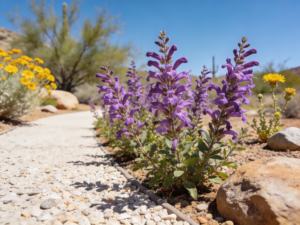 simple until it begins to bloom. The plant produces tubular purple to violet flowers along the stems and at the tips. It can stay evergreen in warmer spots, but it may drop leaves or get nipped back by frost in colder parts of Arizona.
Where Does Sonoran Honeysuckle Come From?
This plant is native to the Sonoran region of northern Mexico, especially canyon and desert areas in Sonora. It grows in thornscrub and desert habitats, often in or near riparian zones where there is a bit more moisture. Because Arizona is part of the larger Sonoran Desert, this species adapts well to many Arizona landscapes when given some water.
Why Hummingbirds Love Sonoran Honeysuckle
The flowers of Sonoran honeysuckle are tubular, which is the perfect shape for hummingbird beaks and tongues. They are rich in nectar, so hummingbirds get a great energy boost with each visit. Flowers can appear almost any time of year, especially after warm-season rains, so nectar is often available during key migration and breeding periods. In addition, the bright purple color makes the blooms easy for hummingbirds to spot as they fly by.
Benefits for Other Wildlife
Besides hummingbirds, butterflies and sphinx moths are also attracted to the nectar in the flowers. The plant can serve as a larval host for several butterfly species, providing food for caterpillars as well as nectar for adults. Bees and other pollinators may also visit the blooms, which helps support a more diverse backyard ecosystem.
How Sonoran Honeysuckle Fits in Arizona Hummingbird Gardens
Sonoran honeysuckle works best as an accent plant mixed with other desert natives, rather than as a single specimen. You can tuck it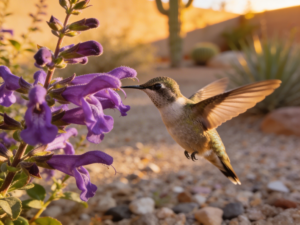 under taller shrubs, near walkways, or along patios where you can watch hummingbirds up close. Because it reseeds readily, it can slowly spread in the right conditions and create a small patch that offers more flowers and more hummingbird visits over time. It is also listed among hummingbird-attracting plants recommended for Arizona gardeners.
Best Growing Conditions in Arizona
Sun and Heat
Sonoran honeysuckle grows well in full sun or in all-day filtered light. In more sun, it blooms more heavily and stays more compact, but it will need more regular watering. In shadier spots, it can get a bit leggy, yet it still produces flowers and can brighten up a dry, shaded corner.
Soil and Water
The plant is adaptable and can grow in many soil types commonly found in Arizona gardens. It prefers soil that drains well, like typical desert or decomposed granite soils. Watering once a week is usually enough after the plant is established, and slightly deeper watering can encourage stronger roots. However, extra water can lead to more frequent flowering, even though many gardeners enjoy the big flush of blooms that comes after natural rainstorms.
Cold Tolerance
Sonoran honeysuckle is hardy to around the low 20s Fahrenheit and may even survive brief colder snaps by resprouting from the base. In colder microclimates or during long freezes, the plant may freeze to the ground, but new growth can return when temperatures warm. In warmer urban areas of Arizona, it may behave as an evergreen or semi-evergreen subshrub with only minor winter damage.
Planting Tips for Arizona Hummingbird Gardeners
First, choose a planting spot with at least half a day of sun and good drainage. Next, dig a hole about twice as wide as the nursery pot but no deeper, so the root ball stays level with the soil surface. Then, backfill with the native soil, water deeply to settle the roots, and add a light layer of mulch, keeping it a few inches away from the stems. Finally, plan nearby plants so hummingbirds can move from one nectar source to another with short flights, which saves their energy.
Ongoing Care and Maintenance
Sonoran honeysuckle is considered low-maintenance and does not usually need fertilizer. It can become leggy over time, so it responds well to being cut back, especially with a harder pruning in winter to keep it neat and encourage fresh growth. Regular but not excessive watering during hot, dry periods will keep the plant healthier and support better flowering for hummingbirds. Because it reseeds lightly, you may occasionally thin seedlings if you want to control where new plants appear.
Design Ideas for Hummingbird-Friendly Landscapes
You can combine Sonoran honeysuckle with other hummingbird favorites such as ocotillo, native salvias, and desert shrubs recommended for Arizona. Planting it near seating areas or windows lets you enjoy close-up views of visiting hummingbirds as they feed and hover around the purple blooms. In courtyard or patio gardens, you can use several plants in a small group to create a dense nectar patch that draws birds in quickly. Near small water features or drip lines, the plant receives enough moisture to bloom more often while still fitting into a water-wise landscape.
Arizona hummingbirds need both safe feeders and rich native plants. To see when to put feeders up and take them down, visit my Arizona hummingbird feeding dates. For tips on nectar, feeders, and yard setup, see my backyard hummingbird guide and my hummingbird food recipes.
Frequently Asked Questions About Sonoran Honeysuckle
Is Sonoran honeysuckle good for Arizona hummingbirds?
Yes, Sonoran honeysuckle is excellent for Arizona hummingbirds because its tubular purple flowers are rich in nectar and are pollinated by hummingbirds in its native range.
How much sun does Sonoran honeysuckle need?
It does well in full sun to all-day filtered light, blooming more heavily and staying compact in sunnier spots.
How often should I water Sonoran honeysuckle?
Once the plant is established, watering about once a week is usually enough, though slightly more frequent watering can increase flowering in hot, dry weather.
Will Sonoran honeysuckle survive Arizona winters?
It is hardy to at least the low 20s Fahrenheit and may resprout from the base after colder or longer freezes, especially in protected locations.
Does Sonoran honeysuckle reseed in the garden?
Yes, this plant readily sets seed and often reseeds itself, which can slowly increase the number of plants and flowers in your yard over time.
Resources for Arizona Gardeners
- Arizona-Sonora Desert Museum – Sonoran Honeysuckle Care Sheet
- Spadefoot Nursery – Sonoran Water Willow (Justicia sonorae)
- Maricopa Native Seed Library – Hummingbird-Attracting Plants List
- Four Arrows Garden – Sonoran Honeysuckle Plant Information