In the Northeast, a true hummingbird garden is more than a patch of flowers—it’s a layered habitat. Native shrubs and shrubby vines give Ruby‑throated Hummingbirds nectar, perches, nesting cover, insects for protein, and protection from wind and predators. When you combine these shrubs with your favorite nectar perennials and vines, your yard becomes a reliable hummingbird stopover from spring through fall.
Why Shrubs Matter for Northeastern Hummingbirds
Shrubs quietly do a lot of heavy lifting in a hummingbird garden.
-
Provide early and supplemental nectar when few perennials are blooming.
-
Offer perches and lookout posts so hummingbirds can rest and guard territories.
-
Create nesting cover with dense twigs and foliage, especially when planted in groups.
-
Support insects and spiders that hummingbirds rely on for protein, especially during nesting season.
Think of shrubs as the “walls and ceiling” of your hummingbird garden; your herbaceous flowers and feeders then become the furnishings inside that space.
Nectar‑Rich Shrubs and Shrubby Vines for the Northeast
Trumpet Honeysuckle (Lonicera sempervirens)
Trumpet honeysuckle, also called coral honeysuckle, is one of the best hummingbird plants you can grow in the Northeast. Long, tubular red or coral flowers are ideal for Ruby‑throats and can bloom for months in good conditions.
-
Form: Twining, semi‑woody vine that behaves like a shrub when trained on a trellis, fence, or arbor.
-
Bloom time: Late spring into summer, often with repeat bloom.
-
Site: Full sun to light part sun; average, well‑drained soil.
“Learn more in our full guide to Trumpet Honeysuckle for Hummingbirds.”
Trumpet Vine / Trumpet Creeper (Campsis radicans)
Trumpet vine is a powerful hummingbird magnet that’s native in much of the East, including parts of the Northeast. Its large orange‑red trumpets produce abundant nectar and are heavily used by Ruby‑throats in summer.
-
Form: Vigorous woody vine; can reach 30–40 feet on strong supports.
-
Bloom time: Mid‑ to late summer into early fall.
-
Site: Full sun for best flowering; very adaptable soil; needs firm containment.
Because of its vigor, you’re already explaining that it’s best for large spaces and strong structures.
“See our detailed article on Trumpet Vine / Trumpet Creeper.”
Native Azaleas / Deciduous Rhododendrons
Several native azaleas are hardy in the Northeast, including pinxterbloom azalea (Rhododendron periclymenoides), swamp azalea (R. viscosum), and rhodora (R. canadense) in cooler northern areas. These deciduous rhododendrons offer tubular or funnel‑shaped flowers and excellent shrub structure.
-
Form: 3–10-foot deciduous shrubs with airy branching.
-
Bloom time: Early Spring into summer, depending on species.
-
Hummingbird role: Early nectar for returning birds, plus dense twiggy growth for perches and nesting cover.
They aren’t as nectar‑rich as your top hummingbird perennials and vines, but they make superb supporting plants in a Northeastern hummingbird landscape.
“Get planting and care tips in our guide to Native Azaleas (Deciduous Rhododendrons).”
Bush Honeysuckles (Diervilla spp.)
Northern bush honeysuckle (Diervilla lonicera) and related native Diervilla species are hardy in much of the Northeast and are recognized as reliable hummingbird shrubs.
-
Form: Low to medium deciduous shrubs, often 2–4 feet tall.
-
Bloom time: Early to mid‑summer, often with extended bloom.
-
Hummingbird value: Small, tubular yellow flowers provide nectar; shrubs also support insects and add low cover.
They’re excellent for sunny slopes, edges, and dry, challenging spots where other shrubs struggle.
Structural and Shelter Shrubs for Northeastern Hummingbird Gardens
These shrubs might not be your star nectar producers, but they’re essential for making Ruby‑throats feel safe enough to stick around.
Viburnums (Native Species)
Native viburnums such as arrowwood (Viburnum dentatum), nannyberry (V. lentago), and wild raisin (V. nudum var. cassinoides) are excellent multi‑purpose shrubs for the Northeast.
-
Provide dense branching for perches and potential nesting sites.
-
Offer spring to early summer bloom that supports pollinators.
-
Produce berries that feed songbirds, enriching your garden’s food web.
Place them along property lines or at the back of beds to create protective “walls” behind your high‑nectar flowers and feeders.
Elderberry (Sambucus canadensis)
American elderberry is native across much of the Northeast and very wildlife‑friendly.
-
Forms tall, thicket‑like clumps that give hummingbirds shelter from wind and predators.
-
Flat white flower clusters support insects and pollinators.
-
Heavy berry crops feed many bird species in late summer.
Use elderberries in wilder corners, back property lines, or behind your main hummingbird borders.
Dogwoods and Other Understory Shrubs
Shrubby dogwoods (such as red‑osier dogwood, Cornus sericea, in appropriate sites) and similar native understory shrubs give you layered height and cover.
-
Spring bloom supports early pollinators.
-
Dense stems and branches offer perching and hiding spots.
-
Some species add winter interest with colorful stems.
A mixed thicket of dogwood, viburnum, and elderberry can become a hummingbird “safe zone” behind your more open planting areas.
Layering Shrubs for Northeast Hummingbirds
In the Northeast, you can model your shrub layout on a natural forest edge or hedgerow.
Back Layer: Tall Shrubs and Small Trees
Use these to create a sheltered backdrop.
-
Small trees: eastern redbud, serviceberry, or native crabapple (all offering bloom and structure).
-
Tall shrubs: elderberry, larger viburnums, and some native azaleas in the right light.
This layer screens wind and provides escape cover when hummingbirds feel threatened.
Middle Layer: Nectar and Structure Shrubs
This is your main hummingbird activity zone.
-
Trumpet honeysuckle trained on trellises or fences in full sun.
-
Native azaleas in bright shade or morning sun/afternoon shade.
-
Bush honeysuckle (Diervilla) and smaller viburnums along edges and paths.
Hummingbirds will constantly shuttle through this layer as they move between shrubs, nectar flowers, and feeders.
Front Layer: Nectar Perennials and Low Cover
At the front of your beds, plant your strongest Northeast nectar perennials.
-
Eastern columbine, cardinal flower, bee balm, native salvias, phlox, and jewelweed, all documented hummingbird favorites in the region.
From a Ruby‑throat’s viewpoint, this gives open feeding lanes with instant access to shrubs behind them for quick cover.
Designing Around Feeders and Viewing Areas
Shrubs also help you balance hummingbird comfort with good viewing from windows or patios.
-
Place feeders within 10–15 feet of shrub cover so birds can dash to safety but still feed in the open where you can watch them.
-
Use trumpet honeysuckle and other nectar shrubs near patios, pergolas, or railing planters to pull hummingbird activity into your living space.
-
Keep denser shrubs like viburnums and elderberries slightly farther back, creating a “green backdrop” beyond feeders and flower beds.
This layout encourages hummingbirds to linger and patrol your garden, not just dart in and out.
Putting It All Together in a Northeast Hummingbird Garden
For a Northeastern gardener, an ideal hummingbird shrub framework might look like this:
-
Back layer of native viburnums, elderberries, and dogwoods along a fence or property line.
-
Pockets of native azaleas in dappled shade for early bloom and structure.
-
Trumpet honeysuckle and trumpet vine used thoughtfully on strong supports in sunny spots, with clear guidance about vigor and containment.
-
Bush honeysuckles (Diervilla) and other smaller natives filling gaps at mid‑height.
-
A front layer of high‑nectar perennials and annuals, plus your carefully placed feeders.
-
“Want a vertical hummingbird magnet? Read our guide to Trumpet Honeysuckle.”
-
“Curious about using Trumpet Vine safely? See Trumpet Vine / Trumpet Creeper.”
-
“Love woodland edges? Learn more about Native Azaleas / Deciduous Rhododendrons.”
A few additions that will make any garden more hummingbird friendly
Provide nesting materials like cotton or plant fibers. You can place these materials in suet cages or spread them around your garden.
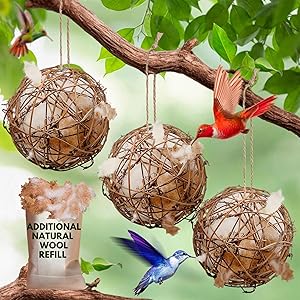
A major component of any successful hummingbird garden is a dependable hummingbird feeder that is easy to take apart and clean and doesn’t leak.
One of the best Hummingbird feeders that’s easy to take apart and clean is the HummZinger Ultra.
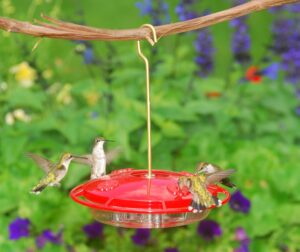
Aspects 12oz HummZinger Ultra With Nectar Guard.
The HummZinger Ultra 12oz Saucer Feeder is one of the best options for a hummingbird feeder that’s both easy to clean and maintain. This top-tier feeder features patented Nectar Guard tips—flexible membranes on the feeding ports that keep flying insects out while still allowing hummingbirds to feed freely. Plus, it comes with an integrated ant moat to prevent crawling insects from reaching the nectar, and the raised flower ports help divert rain, keeping the nectar fresh.
With a 12 oz capacity, this mid-size feeder offers plenty of space and can be hung or mounted on a post using the included hardware. It has four feeding ports and is made from durable, unbreakable polycarbonate. Whether you’re concerned about bees, wasps, or ants, this feeder is built for easy cleaning and insect protection.
If you already have a hummingbird feeder, and you want to protect it from ants and other crawling insects, the ant moat below will do the job.
Trap-It Ant Moat for Hummingbird Feeders
Using an ant moat for your hummingbird feeder is an effective way to keep ants away from the sweet nectar. These tiny creatures are drawn to
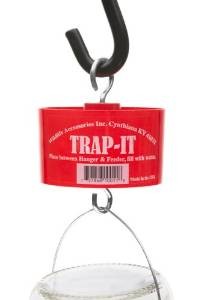
the sugar water, and without a barrier, they will quickly infest your feeder, preventing the birds from enjoying the nectar. An ant moat works by creating a barrier of water that ants can’t cross. Positioned above the feeder, it effectively blocks the ants’ path, keeping them from reaching the nectar.
This simple solution also ensures that your hummingbird feeder remains clean and accessible for the birds, rather than becoming a breeding ground for ants or other pests. It’s a small addition that can make a big difference in maintaining a healthy, inviting space for hummingbirds, while also reducing the need for chemical ant deterrents.
The first and still the best to protect your Hummingbird and Oriole feeder from ants and other crawling insects. Insert between hanger and feeder and fill with water, providing a barrier to crawling pests. Red color to attract hummingbirds.
In addition to nectar, hummingbirds need water and safe spaces to rest. By providing a birdbath or misting system, you can ensure they have everything they need.
Water Sources
Hummingbirds enjoy fresh water to drink and bathe. A shallow birdbath with a fine spray from a mister is ideal. Just make sure the water is changed regularly to keep it clean.
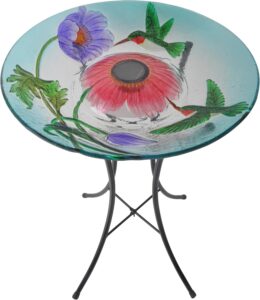
Here’s a solar powered bird bath.
Hummingbird misters at Amazon.com
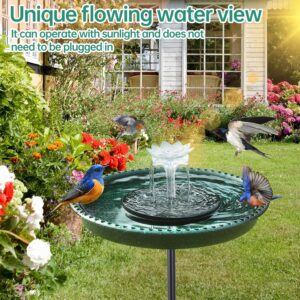
Install shallow bird baths with gently sloping edges. Hummingbirds prefer water sources that are no more than 1-1.5 inches deep.
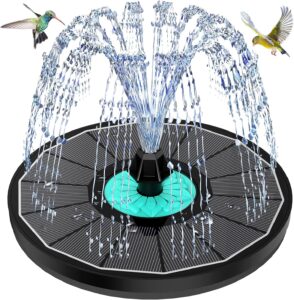
Consider adding a mister or dripper to create moving water, which attracts hummingbirds. They often enjoy flying through fine sprays of water.
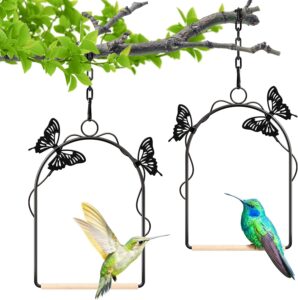
A hummingbird perch is a good way to attract hummingbirds to a particular spot near your feeder
Use Songbird Essentials Nectar Aid Self Measuring Pitcher and never measure ingredients again. Make any amount and the ingredients are measured for you.
 |
Column 2 |
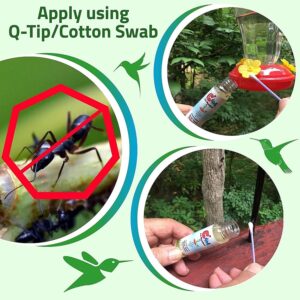
Nectar Fortress™ Natural Ant Repellent
CREATED FOR HUMMINGBIRD FEEDERS: Stop ants fast and keep them away from the bird feeder altogether. Use it on poles or hooks and create a barrier with a scent ants hate. Useful with ant moats or eliminate the moat entirely.
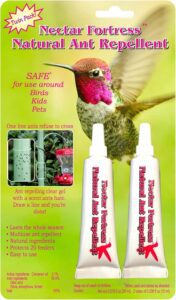
C’ANT, Ant and Bee Repellent for Hummingbird Nectar Feeders and Outdoor Bird Seed Feeders – Works with Shepherds Hook and Ant Moat – 1 oz.
Hummingbird resources to help make your garden a success
Here’s a complete guide to attracting hummingbirds to your yard. It lists plants, vines and shrubs that are in bloom for spring, summer and fall. Your hummingbirds will always have flowers to feed on.
Here’s a great article that tells everything you need to know about how to choose the best place to hang your hummingbird feeder.
Here’s the best designed hummingbird feeder to use. It’s leak proof, so it won’t attract insects and it’s easy to take apart and clean.
Here’s a comprehensive guide to help you clean your hummingbird feeder for those times when the nectar is not changed soon enough and mold starts to grow.
More Hummingbird Resources
U.S. Fish and Wildlife Service – Hummingbird Conservation
This site offers detailed information about various hummingbird species, their habitats, and conservation efforts. It also provides resources on how to protect these fascinating birds.
National Park Service – Hummingbird Resources
The National Park Service offers insights into hummingbird species found in national parks, their behaviors, and their role in ecosystems, along with tips for observing them.
Smithsonian National Museum of Natural History – Birds: Hummingbirds
This resource provides educational materials on the role of hummingbirds in pollination and biodiversity, backed by scientific research and exhibits from the Smithsonian.