Hummingbirds in Oklahoma: Ruby‑throated, Feeders, and Native Plants
Oklahoma lies at the meeting point of eastern and western hummingbird ranges, and it regularly hosts Ruby‑throated, Black‑chinned, and Rufous Hummingbirds. Ruby‑throated and Black‑chinned both nest in the state, while Rufous passes through mainly as a migrant in spring and fall and occasionally lingers later at feeders.
Key takeaways for Oklahoma hummingbirds
Ruby‑throated and Black‑chinned Hummingbirds are the only regular nesting hummingbirds in Oklahoma, with Rufous as the most frequent migrant/visitor and occasional records of other western species as rarities. Ruby‑throateds dominate the eastern three‑quarters of the state, while Black‑chinneds are most common in the southwest and western quarter, especially around cities like Lawton and Altus.
Ruby‑throated and Black‑chinned Hummingbirds typically return to Oklahoma from mid‑March through mid‑April, with most sources putting the main arrival between about April 1–15, and most birds leave by late September. State biologists recommend putting feeders out around April 10–15 (or a bit earlier if you want to catch early migrants) and leaving them up until at least late October to help late stragglers.
Use a simple 4‑to‑1 sugar‑water mix with no red dye, change nectar every 1–2 days in hot weather or every 3–5 days in cooler spells, and pair feeders with native and adapted plants like trumpet vine, trumpet honeysuckle, bee balm, red cardinal flower, coral honeysuckle, and penstemons to attract hummingbirds in Oklahoma’s yards and landscapes. Planting nectar‑rich flowers from spring through fall, providing water and shelter, and avoiding insecticides gives Oklahoma hummingbirds a reliable, healthy habitat.
Oklahoma hummingbird basics
Three hummingbird species are regularly found in Oklahoma: Ruby‑throated, Black‑chinned, and Rufous Hummingbirds. Ruby‑throated Hummingbirds are the most common and widespread, occurring across the eastern three‑quarters of the state and being the only species present in the eastern half. Black‑chinned Hummingbirds are most common in the western quarter, especially the southwest, and have expanded eastward in recent decades so that they now regularly occur as far east as Chickasha.
Ruby‑throated and Black‑chinned Hummingbirds return to Oklahoma in early spring—often between about March 15 and mid‑April—and remain through summer before migrating south in September. Like many migratory birds, males typically arrive one to two weeks before females and also depart earlier in fall. Rufous Hummingbirds do not nest in the state but migrate through, traveling through Oklahoma in spring and especially in late summer and fall on their way between western breeding grounds and wintering areas in Mexico.
What hummingbirds do you get in Oklahoma?
For most Oklahoma backyard birders, Ruby‑throated and Black‑chinned Hummingbirds are the everyday guests at feeders and flowers. 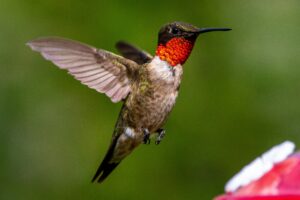
Ruby‑throateds occupy the eastern and central portions of the state, while Black‑chinneds are typical around southwestern cities and many western
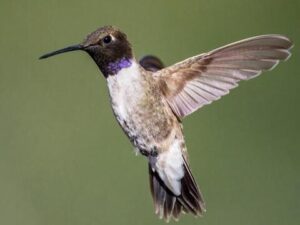
landscapes where trees, shrubs, and feeders are present.
Rufous Hummingbirds pass through as migrants and sometimes appear at feeders in late summer, fall, or even later as uncommon but expected
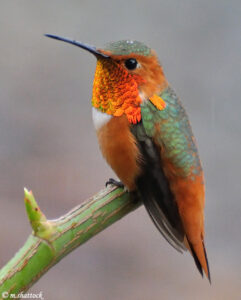
visitors. A handful of other western hummingbirds have been recorded in Oklahoma as very rare vagrants, usually single birds at dedicated feeders, but these are not expected in a typical yard. Keeping at least one feeder up into late October slightly increases the odds of seeing a surprise Rufous or another western visitor.
Summary for Oklahoma:
-
Common, regular nesters: Ruby‑throated, Black‑chinned.
-
Regular migrant/visitor: Rufous, mainly during fall and sometimes spring.
-
Very rare visitors: Other western species have been documented occasionally but should be considered exceptional.
When do hummingbirds arrive and leave Oklahoma?
Oklahoma sits in the central corridor of Ruby‑throated and Black‑chinned migration, so birds arrive earlier than in the Upper Midwest but later than along the Gulf Coast. State and local sources indicate that Ruby‑throated and Black‑chinned Hummingbirds typically return to Oklahoma between about March 15 and April 15, with many first sightings clustered around April 1–15. Southern and central parts of the state often see birds first, with migrants spreading north and west as the month progresses.
After breeding and raising young through summer, most Ruby‑throated and Black‑chinned Hummingbirds begin leaving Oklahoma in September. Males usually depart first, followed by females and juveniles, and by early October most regular nesting hummingbirds have moved south, although a few stragglers can linger through mid‑October. Rufous Hummingbirds and other western vagrants may appear at feeders during late summer, fall, and occasionally later, especially where feeders stay up and observers are watching.
First arrivals (typical):
-
Ruby‑throated and Black‑chinned: generally late March through mid‑April, with many Oklahoma sources pointing to about April 1–15 for main arrival across much of the state.
Peak season:
-
Late spring through summer, roughly May through August.
Most leave:
-
Regular nesters (Ruby‑throated and Black‑chinned): mainly September, with most gone by early October.
Western visitors:
-
Rufous and other vagrants: mostly August–October, sometimes lingering into late October where feeders remain available.
When to put up and take down feeders in Oklahoma
When to put feeders out
State wildlife biologists and Oklahoma Audubon sources suggest that hummingbird feeders should be in place by around April 10–15 so they are ready when Ruby‑throated and Black‑chinned Hummingbirds arrive. If you enjoy watching for early migrants, you can hang at least one feeder in late March or very early April, which lines up with migration maps showing birds entering the state in that period.
Summary:
-
Statewide: have at least one feeder up by about April 10–15.
-
For early watchers or southern Oklahoma: consider hanging a feeder in the last week of March or by April 1.
When to take feeders down
Oklahoma hummingbird guides note that most Ruby‑throated and Black‑chinned Hummingbirds leave by late September or early October. A practical rule is to take feeders down in late October—or after you have gone about two weeks with no hummingbird sightings—unless you are intentionally watching for late migrants or vagrants.
Because Rufous and other western hummingbirds occasionally show up later in fall, some Oklahoma birders choose to keep one clean feeder up through October and even into early November, especially in milder metro and southern areas. Migration is driven by day length and internal cues rather than feeders, so leaving feeders out does not cause hummingbirds to delay migration.
Summary:
-
For most homeowners: it is safe to remove feeders in late October after two weeks with no hummingbirds.
-
For people watching for rare visitors: keep one feeder going into late October or early November and report unusual hummingbirds to local birding groups or state wildlife officials.
Best hummingbird nectar recipe
The best nectar recipe for Oklahoma is the same standard mix recommended by major bird and conservation organizations: 1 part plain white sugar to 4 parts water. Bring the water to a brief boil, remove from heat, stir in the sugar until it dissolves, then let the nectar cool completely before filling clean feeders. Do not add red dye or honey; the feeder’s red parts are enough to attract birds, and dyes or alternative sweeteners are not recommended.
Because Oklahoma can be hot and windy in summer and milder in spring and fall, adjust how often you change nectar based on temperature. In hot weather, change nectar every 1–2 days; in cooler spells, every 3–5 days is usually sufficient, and always replace nectar immediately if it looks cloudy, stringy, or shows black specks (signs of fermentation or mold).
All about nectar: how to use it effectively
Safe, homemade nectar is one of the simplest and most effective ways to support Oklahoma hummingbirds. Smaller feeders (for example 8–12 oz) let you offer fresh nectar without wasting large quantities, which is especially useful in hot weather when it must be changed often. During peak migration in late summer, you can briefly increase the number of feeders or how much you fill them, then scale back as activity declines.
Your in‑depth nectar article can explain the 4‑to‑1 recipe, batch sizes for different feeders, how temperature changes cleaning frequency, and how to avoid problem ingredients, so Oklahoma readers have a clear, one‑stop reference. Linking from this Oklahoma page to your main nectar guide will give visitors step‑by‑step instructions without cluttering the state article.
A clean hummingbird feeder is a must
In Oklahoma’s warm spring and hot, often humid summers, keeping feeders truly clean is just as important as the nectar recipe. Each time you change nectar, rinse with hot water and use a small brush to scrub ports, seams, and any crevices where residue can build up; avoid scented soaps, and always rinse thoroughly.
About once a month—or immediately if you see any mold—give the feeder a deeper sanitizing soak using either a vinegar solution (for example 1 part white vinegar to 2 parts water) or a diluted bleach solution (about 1 part household bleach to 10 parts water), followed by very thorough rinsing and complete air drying. Your detailed feeder‑cleaning guide can show Oklahoma readers exactly how to scale their cleaning schedule up during July–August heat and relax a bit during cooler shoulder seasons.
Where to hang feeders in Oklahoma yards
Oklahoma yards range from dense urban neighborhoods and small patios to sprawling rural properties and wind‑exposed plains, but placement basics are similar statewide. Hang feeders near flowers, shrubs, or small trees so hummingbirds have perches and quick cover, and aim for about 4–5 feet above ground where birds feel secure and you can easily reach the feeder.
Keep feeders a few feet from large windows or use decals to reduce collision risk. In the hottest months, spots with morning sun and afternoon shade—or dappled light—help keep nectar cooler and fresher, which is important in Oklahoma’s summer heat. In very windy locations on the plains or hilltops, choose places sheltered by structures or vegetation so feeders do not swing excessively, and provide a few thin branches or swings nearby as perches for displaying birds.
To reduce fighting among hummingbirds:
-
Use two or more small feeders instead of one large one.
-
Place feeders 10–15 feet apart or around corners so a dominant bird can’t guard them all at once.
Hang it in the right spot and they will come!
For a deep dive into perfectly placing your feeder for maximum results, check out my in‑depth guide on how to choose the best place to hang your hummingbird feeder. Discover exactly where to hang your hummingbird feeder for the best results. This complete guide walks you through sunlight and shade, height, distance from windows, wind and predator protection, and how close to place feeders to flowers so hummingbirds feel safe and visit often. You’ll also get practical tips on window feeders, hanging hardware, cleaning schedules by temperature, and simple tricks to stop ants and other pests. Check out the article for everything you need to turn one well‑placed feeder into a busy hummingbird hot spot.
Learn how hummingbird aggression impacts your backyard. This video explores territorial behavior and offers practical solutions for attracting more hummingbirds to your feeders. Discover several helpful strategies to encourage a more harmonious environment.
Native plants that attract hummingbirds in Oklahoma
Native and region‑adapted plants are among the best tools for drawing Ruby‑throated, Black‑chinned, and Rufous Hummingbirds into Oklahoma yards, because they are adapted to local climate, soils, and rainfall. Hummingbirds favor tubular, nectar‑rich flowers in red, orange, and bright pink but will also use purple, blue, and white blooms if they produce good nectar.
Good perennials, wildflowers, vines, and shrubs for Oklahoma gardens include:
-
Trumpet vine (Campsis radicans) – A vigorous vine with clusters of orange‑red tubular flowers that hummingbirds love; best used with care because it can spread aggressively.
-
Trumpet honeysuckle (Lonicera sempervirens) and other non‑invasive honeysuckles – Red‑orange tubular flowers that attract hummingbirds without the problems of invasive honeysuckle.
-
Bee balm / Monarda – Native mints with showy, shaggy flower heads that provide abundant nectar for hummingbirds and other pollinators.
-
Red cardinal flower (Lobelia cardinalis) – Brilliant red spikes that thrive in moist beds or along streams and are classic hummingbird magnets.
-
Coral honeysuckle, penstemons, and hummingbird mints (Agastache) – Highlighted by Oklahoma gardeners as excellent choices for dry, sunny beds.
For the best results do this:
-
Plant in groups or drifts, not as single isolated plants, so hummingbirds can feed efficiently at many blooms in one spot.
-
Mix early, mid‑season, and late bloomers so something is flowering from roughly March/April through fall, matching Oklahoma’s hummingbird season.
-
Use regional native‑plant tools to refine choices for your specific part of Oklahoma; for example, Audubon’s Native Plants Database lets you enter your ZIP code to get a custom list of bird‑friendly native plants.
Creating a hummingbird‑friendly yard in Oklahoma
You can turn a typical Oklahoma yard into quality hummingbird habitat by combining flowers, feeders, perches, and water. Focus on layered planting, continuous bloom, safe perches, and clean nectar so hummingbirds have everything they need from spring through fall.
Layered planting example for an Oklahoma yard
In a sunny Oklahoma yard, you might start with a small ornamental or native tree or large shrub at the back of a bed to provide structure and perching. In front of that, plant groups of bee balm or hummingbird mint for mid‑ to late‑summer nectar, and along the front or in slightly moister spots, add patches of coral honeysuckle, trumpet honeysuckle, and red cardinal flower to provide early and mid‑season blooms. This three‑layer mix works across much of Oklahoma and gives hummingbirds shelter, perches, and nectar from spring through late summer.
Plan for blooms from spring through fall
Include early, mid‑season, and late‑blooming plants so something is always flowering while hummingbirds are present in Oklahoma. Plant in clumps to make blooms easier for birds to find and more efficient to feed on. Your broader “Art of Attracting Hummingbirds” guide can give Oklahoma‑friendly plant lists by season and sun/shade, making it easy for readers to choose combinations that keep color and nectar in the yard.
My special guide The Art of Attracting Hummingbirds to Your Yard will provide you with lists of hummingbird-attracting plants that bloom during each season: spring, summer and fall. It makes it easy for you to select plants that will provide continuous blooms for your hummingbirds during the time they are visiting your yard until the time they leave in the fall. You will also get advice on layering plants for a successful hummingbird garden. My guide also provides plant lists for sun and shade to make it easy to select plants for your particular growing conditions. Planting a “hummingbird-friendly garden” will never be easier!
Use feeders to supplement, not replace, flowers
Feeders provide a reliable nectar source alongside your plants, especially in early spring and late summer when wild blooms may be sparse because of drought or temperature swings. Hang them where they’re visible from your best flower beds so hummingbirds can move naturally between blossoms and sugar water.
Here is my favorite feeder and why I recommend this feeder: HummZinger Ultra 12‑oz Saucer Feeder.
If you’re tired of leaky bottle feeders and constant insect problems, this video explains why a simple saucer‑style Aspects feeder is my go‑to choice. You’ll see how the low, shallow 12‑ounce bowl helps you mix only what your hummingbirds can use before it spoils, while the built‑in ant moat, raised ports, and included Nectar‑Guard tips work together to keep ants, bees, and wasps out of the nectar. The drip‑proof design and twist‑off cover make cleaning and refilling quick and easy, so it’s realistic to keep nectar fresh even in warm weather. Made from tough, UV‑stabilized polycarbonate in the USA and backed by a true lifetime guarantee, this is a “buy it once” feeder you can count on year after year
Provide safe perches and nesting cover
Keep some shrubs, small deciduous trees, and a few dead or thin branches where hummingbirds can rest, display, and build nests. Avoid pruning
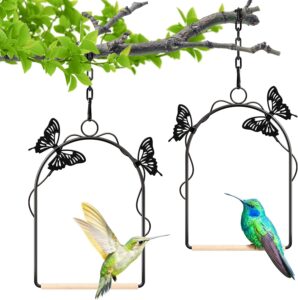
everything into bare, tight shapes; a slightly softer outline with twiggy tips gives birds more places to sit and watch over feeders and flowers.
A simple hummingbird swing or decorative perch placed a few feet from your feeder brings birds into perfect view and gives them a “guard post.” Hummingbirds may spend more time perched than many people realize, using these spots to rest, preen, digest nectar, and defend their favorite feeding areas. Once birds adopt a swing or perch, they often stay in the yard longer and make more frequent, relaxed visits.
Offer water in a way hummingbirds like
Consider adding a mister. Most people focus on feeders and flowers, but the right water feature can turn your Nebraska yard into a true hummingbird hangout. Hummingbirds prefer shallow, moving water—fine sprays, mists, and droplets on leaves—rather than deep, still birdbaths. Add a mister, dripper, or fine spray so hummingbirds can bathe in moving droplets on leaves or in a shallow basin.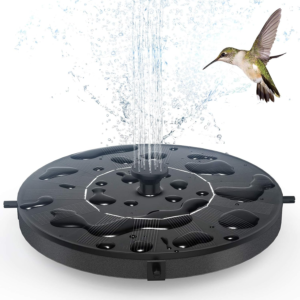
You can also install a shallow birdbath with gently sloping edges with gently sloping edges—no more than about an inch of water—gives hummingbirds a place to sip and splash at the edge.  Position water features near, but not directly over, key flower beds so birds can move easily between bathing and feeding.
Placing Water Features for Maximum Hummingbird Activity
Where you place your water features matters as much as what you choose.
-
Near cover, not in the open: Position water within a few feet of shrubs, small trees, or tall perennials so hummingbirds can retreat quickly if they feel threatened.
-
Partial shade: Light shade keeps water cooler and reduces evaporation while still allowing enough sun for droplets to sparkle.
-
Close to nectar plants and feeders: Place water features near your hummingbird‑friendly flowers and feeders so birds can easily move between feeding and bathing.
-
Safe viewing distance: Set features where you can see them from a window, patio, or garden bench, but not so close that frequent traffic scares birds away.
If you have multiple water features, spread them around to reduce territorial conflicts and give more birds access.
For a comprehensive guide on using water features, check out my article: How to Use Water Features to Attract Hummingbirds. This guide will walk you through the exact kinds of misters, drippers, and shallow baths hummingbirds prefer, how deep and how strong the water flow should be, where to place everything so birds feel safe, and how to keep it all clean without spending a lot of money.
Skip pesticides and let insects thrive
-
Avoid or greatly limit pesticides, especially systemic insecticides, because hummingbirds and their chicks rely heavily on tiny insects and spiders for protein.
- A healthy, chemical‑free yard with native plants will naturally support more insects, which means more high‑quality food for hummingbirds.
My article Natural Pest Control Methods for Your Hummingbird Garden shows readers they don’t have to choose between a healthy hummingbird garden and effective pest control. It explains exactly how to prevent and manage pests using natural methods—companion planting, encouraging “good bugs,” organic sprays like garlic, pepper, and neem, physical barriers, and smart traps—so they protect their plants without poisoning hummingbirds or the insects they eat. It also gives clear, season‑by‑season checklists and safety tips (like where not to spray, how to avoid harming pollinators, and how to keep pest control away from nests and feeders), making it easy to follow even if you’re new to organic gardening. If you want fewer pests, stronger plants, and a garden that’s truly safe for hummingbirds from spring through fall, this is the article for you!
Keep Insects Away From Your Feeder
Bees, wasps, and ant trails can quickly take over a hummingbird feeder, but you don’t have to give up and bring the feeder in. My detailed guide: How to Keep Bees and Ants Away From Your Hummingbird Feeder walks you through the safest, most effective ways to keep pests out of your nectar—using ant moats, bee‑resistant feeders, smarter placement, and even “decoy” feeders that draw insects away—so the sugar water stays clean and available for hummingbirds only. If you’re tired of fighting swarms on your feeders and want a simple plan that actually works, This guide is your proven answer!
FAQ for Oklahoma hummingbirds
What hummingbirds live in Oklahoma?
Ruby‑throated and Black‑chinned Hummingbirds are the only regular nesting hummingbirds in Oklahoma, and Rufous Hummingbirds are regular migrants or visitors in spring and fall. Other western species have been recorded as very rare vagrants, usually at dedicated feeders that are carefully documented.
When do hummingbirds arrive in Oklahoma?
Ruby‑throated and Black‑chinned Hummingbirds usually arrive in Oklahoma from about late March through mid‑April, with many first sightings around April 1–15.
When do hummingbirds leave Oklahoma?
Most Ruby‑throated and Black‑chinned Hummingbirds leave Oklahoma in September, and the majority are gone by early October, though a few may linger into mid‑October.
When should I put up hummingbird feeders in Oklahoma?
Put your hummingbird feeders out by about April 10–15 so they are ready for arriving birds, or earlier (late March/early April) if you like to watch for early migrants.
When should I take down hummingbird feeders in Oklahoma?
For most homeowners, a common recommendation is to take feeders down in late October if you have not seen hummingbirds for about two weeks. Birders watching for late Rufous or other western visitors may keep one feeder up into early November.
What is the best hummingbird nectar recipe for Oklahoma?
Use 1 part plain white sugar to 4 parts water, boiled and cooled, with no red dye or flavorings added.
How often should I change hummingbird nectar in Oklahoma?
In hot weather, change nectar every 1–2 days; in cooler periods, every 3–5 days, and always replace it immediately if it looks cloudy, stringy, or shows black specks.
Which hummingbird feeder styles work best in Oklahoma?
Small 8‑ to 12‑ounce saucer‑style feeders are ideal because they are easy to clean, resist leaks, and let you offer fresh nectar in amounts birds can use before it spoils.
What plants attract hummingbirds in Oklahoma?
Trumpet vine, trumpet honeysuckle, bee balm, red cardinal flower, coral honeysuckle, penstemons, and other nectar‑rich natives or region‑adapted plants attract hummingbirds across Oklahoma.
Where can I learn more about hummingbirds in Oklahoma?
Resources such as the Oklahoma Department of Wildlife Conservation, Oklahoma State University Extension, local Audubon and bird clubs, and Pollinator Partnership’s Oklahoma–Texas habitat guide offer detailed information on species, timing, and habitat.
Further resources for Oklahoma hummingbird watchers
These expert resources offer more detail on hummingbird identification, timing, and habitat in Oklahoma:
Oklahoma Department of Wildlife Conservation – Ruby-throated Hummingbird field guide
ODWC Outdoor Oklahoma Journal – Attracting Hummingbirds
Oklahoma State University Extension – Hummingbirds arriving soon
Oklahoma State University Extension – Attracting Hummingbirds to the Landscape
Oklahoma City Audubon Society – Oklahoma Hummingbirds
Red Dirt Ramblings – Ten plants to naturally attract hummingbirds to your Oklahoma yard
KOSU – Hummingbirds signal spring in Oklahoma: here’s how to welcome them
Hummingbird Central – Spring migration maps and Oklahoma sightings
Pollinator Partnership – Maintaining and Improving Habitat for Hummingbirds in Oklahoma and Texas (PDF)
Audubon Native Plant Database – Find bird-friendly native plants by Oklahoma ZIP code