Native azaleas, also called deciduous rhododendrons, are woodland shrubs that drop their leaves in winter but return each year with clouds of spring and early summer bloom, fragrance, and fall color. Their tubular to funnel-shaped flowers support bees, butterflies, and hummingbirds, especially early in the season when few other shrubs are blooming. They also add important shrub structure and cover to a layered hummingbird garden, making them excellent “supporting actors” around your high-nectar stars like trumpet honeysuckle and trumpet vine.
If you’re planning a full habitat, not just one or two plants, native azaleas are a key part of the design I outline in Shrubs for Hummingbirds in the Northeast: Building a Layered Nectar and Shelter Garden, where they share the stage with viburnums, elderberry, bush honeysuckle, and hummingbird vines.
What Are Native Azaleas / Deciduous Rhododendrons?
Native azaleas are Rhododendron species that are indigenous to North America and lose their leaves in fall. They typically grow as multi-stemmed shrubs with an open, airy structure, clusters of tubular or funnel-shaped flowers, and good fall color. Many bloom before or just as the new leaves emerge, so their flowers show beautifully along woodland edges.
-
Genus: Rhododendron
-
Type: Deciduous (leaf-dropping) shrubs
-
Native range: Mostly eastern North America, with several species reaching into the Mid-Atlantic and Northeast.
-
Flowers: Shades of white, pink, rose, yellow, orange, and flame tones; often fragrant.
Examples with Northeastern relevance include pinxterbloom azalea (Rhododendron periclymenoides), swamp azalea (R. viscosum), rhodora (R. canadense) in cooler areas, and various hardy selections of other eastern native azaleas.
Why They Matter for Hummingbirds and Wildlife
Native azaleas aren’t in the absolute top tier of hummingbird plants like trumpet honeysuckle and cardinal flower, but they do provide real benefits in a hummingbird-focused landscape.
Hummingbird Benefits
-
Many native azaleas have tubular or funnel-shaped, nectar-rich flowers that can be visited by Ruby-throated Hummingbirds.
-
Some species bloom early in spring, just as hummingbirds return from migration, giving them nectar when there are fewer options.
-
Late-blooming species continue into summer, helping bridge gaps between other peak nectar periods.
For example:
-
Articles on American/native azaleas note that their fragrant, tubular blooms are “perfectly timed” to welcome back returning hummingbirds in early spring.
-
Resources on swamp azalea (Rhododendron viscosum) and other species mention their value for hummingbirds along with butterflies and native bees.
Rather than presenting native azaleas as your primary hummingbird magnets, it’s accurate to describe them as supporting shrubs that supply early/side nectar and excellent structure around your main nectar “engines” like trumpet honeysuckle and trumpet vine.
Broader Wildlife Value
-
Flowers attract native bees, butterflies, and other pollinators.
-
Shrubs provide cover and perches for birds; some species support browsing wildlife.
-
As native shrubs, they help support caterpillars and other insects that birds feed to their young.
In a hummingbird garden, that insect support matters—Ruby-throats need protein from small insects and spiders just as much as they need nectar.
Key Characteristics
While each species is a bit different, most native azaleas share these traits:
-
Height: Typically 3–10 feet, some species taller under good conditions.
-
Spread: Often similar to height, forming multi-stemmed clumps.
-
Habit: Upright to arching, with open, airy branching that suits woodland edges.
-
Flowers: Clusters of funnel-shaped or tubular flowers with showy stamens; many are fragrant on warm days.
-
Foliage: Medium green leaves in the growing season; often excellent fall color in yellows, oranges, or reds.
This combination makes them ideal for naturalistic, wildlife-friendly plantings where you want beauty, fragrance, and ecological value without the stiff look of formal evergreen rhododendrons.
Natural Habitat and Growing Conditions
Native azaleas are naturally woodland and woodland-edge plants. Mimicking that environment is the key to success.
Light
-
Prefer high, dappled shade or morning sun with afternoon shade.
-
Can do well in light, filtered shade under taller trees where they still receive enough brightness to bloom.
-
Too much deep shade can reduce flowering; too much hot, direct afternoon sun can scorch leaves and flowers.
Soil
-
Like acidic, humus-rich soil—often in the pH 4.5–6.0 range.
-
Need good drainage but consistent moisture; never bone-dry, never waterlogged.
-
Thrive with plenty of leaf mold or composted pine bark worked into the root zone.
Moisture
-
Many species prefer evenly moist, well-drained soils; some, like swamp azalea, tolerate or even enjoy wetter spots.
-
Mulch is important to keep roots cool and moist.
Climate
-
Several native azaleas are hardy in large parts of the Northeast (check species-specific notes and local native plant sources).
-
Choosing species or cultivars matched to your local climate and soil is more important than chasing exotic colors.
Planting and Care
Native azaleas respond best to thoughtful siting and gentle, consistent care.
Planting
-
Plant in early spring or fall so roots can establish in cool, moist conditions.
-
Choose a spot with bright, dappled light or morning sun/afternoon shade.
-
Dig a wide hole, not excessively deep, and loosen soil around the planting area.
-
Amend with leaf mold, composted pine bark, or other acidic organic material if your soil is heavy or low in organic matter.
-
Set the shrub so the top of the root ball is level with or slightly above the surrounding soil.
Water deeply after planting and mulch to protect the root zone.
Watering and Mulching
-
Keep soil evenly moist, especially for the first couple of years and during dry spells.
-
Apply a 2–3 inch layer of mulch (pine needles, shredded leaves, or pine bark) over the root zone, keeping mulch a bit away from the stems.
-
Mulch helps maintain soil acidity, moisture, and soil structure.
Fertilizing
-
Native azaleas generally prefer light feeding at most.
-
Often, a good organic mulch layer is enough to keep them healthy.
-
If leaves look pale or growth is weak, a gentle, acid-forming fertilizer applied in early spring can help; avoid heavy feeding.
Pruning
-
Minimal pruning is usually best.
-
If needed, prune right after flowering to avoid removing next year’s flower buds.
-
Remove dead, damaged, or crossing branches and lightly thin older stems to maintain an open structure.
-
Avoid shearing into hedges; these shrubs look best with their natural, graceful shape.
Design Ideas for Hummingbird and Woodland Gardens
Native azaleas are ideal in naturalistic plantings, especially when you want a garden that supports hummingbirds and other wildlife.
In a Hummingbird Shrub Layer
In a Northeastern hummingbird garden, native azaleas work best as part of a layered shrub structure:
-
Place them in bright shade or along woodland edges as mid-layer shrubs, in front of taller trees and behind lower perennials.
-
Combine with nectar powerhouses like trumpet honeysuckle on sunny supports nearby and trumpet vine on a sturdy structure in a larger, controllable area, to give hummingbirds both nectar and safe retreat zones.
-
Underplant with spring ephemerals and shade-loving perennials (columbine, woodland phlox, ferns) to provide early nectar and groundcover.
This is the type of layered design I walk through step by step in Shrubs for Hummingbirds in the Northeast: Building a Layered Nectar and Shelter Garden, where native azaleas serve as early-season color and structural “middle stories.”
Companion Plants
Good companions in a Northeastern garden include:
-
Hummingbird vines and perennials in sunnier patches: trumpet honeysuckle, cardinal flower, bee balm, native salvias, columbine, and great blue lobelia.
-
Shrubs: viburnums, elderberry, dogwoods, bush honeysuckle (Diervilla) for structure, berries, and additional cover.
-
Understory trees: serviceberry, redbud, and dogwood to complete the layered canopy.
Native azaleas give you the woodland glow and fragrance while the sun-loving nectar plants and vines supply the bulk of the hummingbird fuel.
How Native Azaleas Compare to Trumpet Vine and Trumpet Honeysuckle
All three plant types help hummingbirds, but in different ways.
| Feature | Native Azaleas / Deciduous Rhododendrons | Trumpet Honeysuckle (L. sempervirens) | Trumpet Vine (Campsis radicans) |
|---|---|---|---|
| Plant type | Shrub, deciduous | Twining vine | Woody vine, clinging rootlets |
| Best light | Dappled shade, part sun | Full sun to light part sun | Full sun for best bloom |
| Hummingbird role | Early/side nectar, structure and cover | Major nectar vine, long bloom | Intense nectar vine, mid–late summer |
| Behavior in gardens | Well-behaved shrubs if sited right | Well-behaved, non-invasive vine | Very vigorous, can be aggressive |
| Best use in design | Woodland edges, mid-layer structure | Trellises, arbors, fences near viewing areas | Large supports, back of big properties |
In a hummingbird-focused design, you can:
-
Use native azaleas for early bloom and structure in woodland or part-shade areas.
-
Use trumpet honeysuckle as your main, controllable nectar vine near patios and viewing spots.
-
Use trumpet vine sparingly in big spaces where you can give it a strong support and firm boundaries.
For detailed guidance on those two vines, see Trumpet Honeysuckle: A Classic Great Native Hummingbird Vine and Trumpet Vine / Trumpet Creeper: A Hummingbird Magnet That Needs Space once you’ve decided which fits your site.
A few additions that will make any garden more hummingbird friendly
Provide nesting materials like cotton or plant fibers. You can place these materials in suet cages or spread them around your garden.
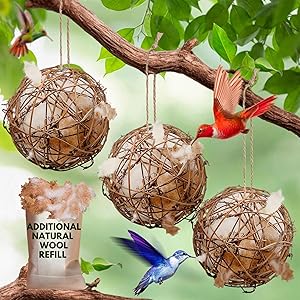
A major component of any successful hummingbird garden is a dependable hummingbird feeder that is easy to take apart and clean and doesn’t leak.
One of the best Hummingbird feeders that’s easy to take apart and clean is the HummZinger Ultra.
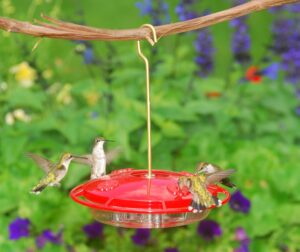
Aspects 12oz HummZinger Ultra With Nectar Guard.
The HummZinger Ultra 12oz Saucer Feeder is one of the best options for a hummingbird feeder that’s both easy to clean and maintain. This top-tier feeder features patented Nectar Guard tips—flexible membranes on the feeding ports that keep flying insects out while still allowing hummingbirds to feed freely. Plus, it comes with an integrated ant moat to prevent crawling insects from reaching the nectar, and the raised flower ports help divert rain, keeping the nectar fresh.
With a 12 oz capacity, this mid-size feeder offers plenty of space and can be hung or mounted on a post using the included hardware. It has four feeding ports and is made from durable, unbreakable polycarbonate. Whether you’re concerned about bees, wasps, or ants, this feeder is built for easy cleaning and insect protection.
If you already have a hummingbird feeder, and you want to protect it from ants and other crawling insects, the ant moat below will do the job.
Trap-It Ant Moat for Hummingbird Feeders
Using an ant moat for your hummingbird feeder is an effective way to keep ants away from the sweet nectar. These tiny creatures are drawn to
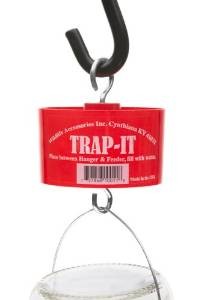
the sugar water, and without a barrier, they will quickly infest your feeder, preventing the birds from enjoying the nectar. An ant moat works by creating a barrier of water that ants can’t cross. Positioned above the feeder, it effectively blocks the ants’ path, keeping them from reaching the nectar.
This simple solution also ensures that your hummingbird feeder remains clean and accessible for the birds, rather than becoming a breeding ground for ants or other pests. It’s a small addition that can make a big difference in maintaining a healthy, inviting space for hummingbirds, while also reducing the need for chemical ant deterrents.
The first and still the best to protect your Hummingbird and Oriole feeder from ants and other crawling insects. Insert between hanger and feeder and fill with water, providing a barrier to crawling pests. Red color to attract hummingbirds.
In addition to nectar, hummingbirds need water and safe spaces to rest. By providing a birdbath or misting system, you can ensure they have everything they need.
Water Sources
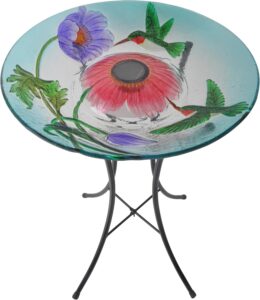
Hummingbirds enjoy fresh water to drink and bathe. A shallow birdbath with a fine spray from a mister is ideal. Just make sure the water is changed regularly to keep it clean.
Here’s a solar powered bird bath.
Hummingbird misters at Amazon.com
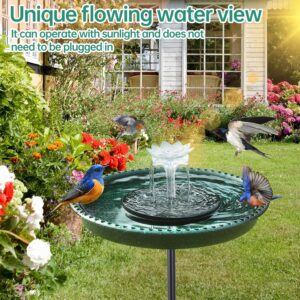
Install shallow bird baths with gently sloping edges. Hummingbirds prefer water sources that are no more than 1-1.5 inches deep.
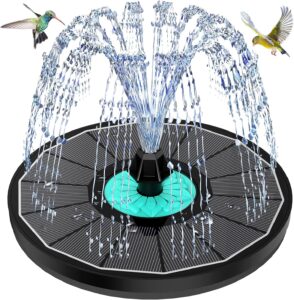
Consider adding a mister or dripper to create moving water, which attracts hummingbirds. They often enjoy flying through fine sprays of water.
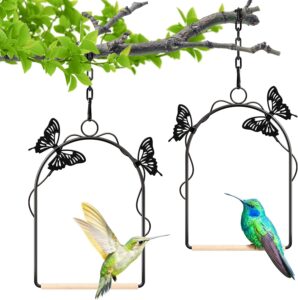
A hummingbird perch is a good way to attract hummingbirds to a particular spot near your feeder
Use Songbird Essentials Nectar Aid Self Measuring Pitcher and never measure ingredients again. Make any amount and the ingredients are measured for you.
 |
Column 2 |
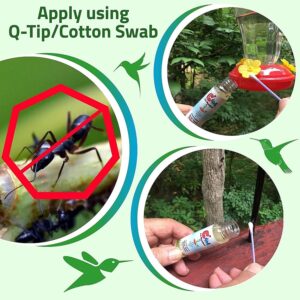
Nectar Fortress™ Natural Ant Repellent
CREATED FOR HUMMINGBIRD FEEDERS: Stop ants fast and keep them away from the bird feeder altogether. Use it on poles or hooks and create a barrier with a scent ants hate. Useful with ant moats or eliminate the moat entirely.
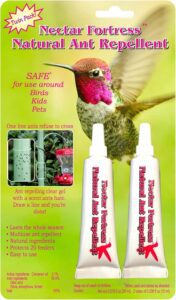
C’ANT, Ant and Bee Repellent for Hummingbird Nectar Feeders and Outdoor Bird Seed Feeders – Works with Shepherds Hook and Ant Moat – 1 oz.
Hummingbird resources to help make your garden a success
Here’s a complete guide to attracting hummingbirds to your yard. It lists plants, vines and shrubs that are in bloom for spring, summer and fall. Your hummingbirds will always have flowers to feed on.
Here’s a great article that tells everything you need to know about how to choose the best place to hang your hummingbird feeder.
Here’s the best designed hummingbird feeder to use. It’s leak proof, so it won’t attract insects and it’s easy to take apart and clean.
Here’s a comprehensive guide to help you clean your hummingbird feeder for those times when the nectar is not changed soon enough and mold starts to grow.
More Hummingbird Resources
U.S. Fish and Wildlife Service – Hummingbird Conservation
This site offers detailed information about various hummingbird species, their habitats, and conservation efforts. It also provides resources on how to protect these fascinating birds.
National Park Service – Hummingbird Resources
The National Park Service offers insights into hummingbird species found in national parks, their behaviors, and their role in ecosystems, along with tips for observing them.
Smithsonian National Museum of Natural History – Birds: Hummingbirds
This resource provides educational materials on the role of hummingbirds in pollination and biodiversity, backed by scientific research and exhibits from the Smithsonian.