Key Takeaway
- This guide covers the types of water features hummingbirds like best, how to design them for safety, and how to adapt them to different climates across the country.
Discover How Shallow, Moving Water Features Are Used to Attract Hummingbirds
Hummingbirds live or migrate through almost every part of the United States, and while nectar fuels their high‑energy lives, clean, shallow, moving water is essential for bathing and feather care. Well‑designed water features can draw hummingbirds in close, give them safe places to bathe and preen, and turn any yard or balcony into a favorite stopover.
Why Hummingbirds Need Water (But Don’t Use Birdbaths Like Other Birds)
Unlike many backyard birds, hummingbirds get much of their hydration from nectar and tree sap, so they rarely drink from traditional, deep birdbaths. Instead, they mostly use water to bathe, keep feathers in top condition, and stay cool in hot weather.
Key points about hummingbirds and water:
-
They prefer to bathe in shallow, moving water, not deep pools.
-
They often “shower” by flying through mist or rubbing against wet leaves.
-
Safe access and quick escape routes are vital, because bathing birds are vulnerable to predators.
This means you’ll be far more successful with misters, drippers, and bubblers than with a classic birdbath alone.
Core Design Principles for Hummingbird Water Features
No matter where you live in the U.S., good hummingbird water features share the same basic traits.
-
Very shallow water
-
Ideal depth is about ¼–1 inch in the spots hummingbirds use.
-
Deeper basins can be “shallowed” with flat stones, inverted saucers, or gravel.
-
-
Gentle, continuous movement
-
Hummingbirds are attracted to sparkling, moving water they can see and hear.
-
Drippers, misters, weeping or bubbling fountains, and shallow streams work best.
-
-
Safe perches and escape routes
-
Nearby twigs, branches, and swings let wet birds rest and preen between baths.
-
Surround the feature with light cover (shrubs, vines) but keep open flight paths.
-
-
Clean, fresh water
-
Small features warm and foul quickly; regular cleaning is critical.
-
Avoid harsh chemicals and algaecides—clean with physical scrubbing and frequent changes.
-
Once you understand these principles, you can adapt them to almost any style of garden or climate.
Using water features in combination with a selection of the best native plants for your area, is the best way to create a hummingbird garden that will attract the maximum number of hummingbirds.
Best Native Plants to Attract Hummingbirds in Your Area
Turn your yard into a hummingbird haven that actually fits your climate, not just glossy catalog pictures. This guide walks you through the best native plants by region—Northeast, Southeast, Midwest, Southwest, Pacific Northwest, and Rockies—so you can pick flowers, shrubs, vines, and even cacti that thrive where you live and keep hummingbirds fed from early spring to fall. You’ll see specific plant names, bloom times, and simple planting tips, plus ideas for layering heights and colors, so you can build a low‑maintenance, wildlife‑friendly garden that brings hummingbirds back year after year instead of struggling with thirsty, high‑care imports.
Best Types of Water Features for Hummingbirds
Amazon hummingbird water features
1. Misters (Top Choice for Most Regions)
Misters create a fine spray that hangs in the air and beads on leaves, mimicking light rain—something hummingbirds love. Birds will fly through the mist, hover in it, or rub against wet foliage to bathe.
How to use misters:
-
Attach a mister head to a hose or drip system and aim it over shrubs, vines, or hanging baskets.
-
Position it where droplets can collect on leaves; hummingbirds often prefer “leaf baths” to open water.
-
Keep the spray gentle; a soft mist attracts small birds, while a harsh jet will drive them away.
Misters are especially useful in hot, dry climates of the Southwest and interior West, where humidity is low and birds seek extra moisture and cooling.
View misters here
2. Drippers
Drippers provide a slow trickle of water that creates sound and motion without wasting much water. A dripper splashing onto rocks or broad leaves can create multiple bathing options in one small area.
Using drippers effectively:
-
Let water drip onto a flat rock, large leaf, or shallow saucer to create a wet surface and tiny puddles.
-
Adjust the flow so it’s a steady drip or light trickle—not a splashy torrent.
-
Add perches (thin branches, trellises, shepherd’s hooks) nearby for resting and preening.
Because drippers are easy to set up with gravity feed or low‑pressure tubing, they’re great in large rural yards, woodland edges, and sloped sites.
3. Bubbling and Weeping Fountains
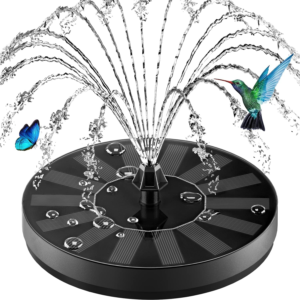
View this beautiful fountain here

Shallow, low‑profile fountains are ideal for hummingbirds when designed correctly. They combine motion, sound, and safe edges in one feature.
View fountains here.
Look for or create fountains that:
-
Have shallow lips, ledges, or weirs where water just barely flows over.
-
Keep water depth in the bathing zones under 1 inch.
-
Use a “weeping” or “sheet” flow over rough surfaces like stone or textured pottery rather than forceful vertical jets.
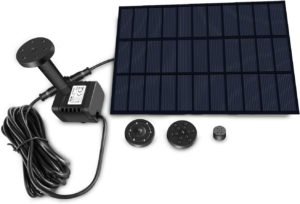
Small birdbath fountains with bubblers or solar pump inserts can work well if you:
-
Add pebbles or river rocks to reduce depth and create a rough, grippy surface.
-
Set the pump to its lowest flow so water gently burbles instead of shooting up.
These fountains adapt well to urban patios, decks, and small courtyards where you want a strong visual focal point as well as wildlife value.
When it comes to Hummingbirds, a water fountain that bubbles can produce fantastic results!
Make a DIY Solar Powered Bubbler Fountain For the garden
4. Shallow Rock or “Leaf” Baths (Easy DIY)
DIY setups can be as attractive to hummingbirds as store‑bought fountains.
Basic design:
-
Use a wide, shallow saucer, plant tray, or decorative dish as the basin.
-
Fill with smooth river stones or gravel, then add water just to the tops of the stones.
-
Keep nearby foliage or logs damp with a mister or dripper to create multiple bathing textures.
This style works anywhere: on apartment balconies in the city, in small townhouse yards, or tucked into native plant beds in larger gardens.
5. Streams and Shallow Creeks
In larger yards or naturalistic landscapes, a shallow, meandering stream or “creek” can attract hummingbirds along with many other species.
Wildlife‑friendly stream tips:
-
Keep at least one edge very shallow, with gently sloping entry points and exposed stones.
-
Incorporate rocks that water slides over in thin sheets; hummingbirds love to skim these surfaces.
-
Plant along the banks with native perennials, ferns, and shrubs to provide cover and nectar.
This type of feature is especially effective in cooler or wetter regions (Pacific Northwest, Appalachians, Northeast) where maintaining flows is easier.
Adapting Water Features to Different U.S. Climates
Humid East and Southeast
In the eastern half of the country, summers are often hot and humid, which accelerates algae growth and mosquito reproduction.
Priorities:
-
Clean and change water frequently—at least weekly scrubs and frequent refills in hot spells.
-
Consider raised or hanging features to reduce mosquito access and predator risk.
-
Use partial shade to keep water cooler and extend cleaning intervals.
Misters and bubblers work particularly well here because humidity keeps droplets in the air longer, creating inviting “showers” under trees and shrubs.
Arid and Semi‑Arid West (Deserts, High Plains)
In the Southwest and interior West, evaporation is rapid and water conservation matters.
Adaptations:
-
Favor drippers, misters, and small bubblers over large open basins to reduce waste.
-
Use timers or on‑demand valves so features run during peak hummingbird activity instead of all day.
-
Provide shade during the hottest hours to slow evaporation and prevent scalding‑hot surfaces.
Because natural water sources can be scarce in these regions, even a small, reliable feature can become a critical stopover for hummingbirds and other wildlife.
Cool or Mountain Regions
In cooler northern or high‑elevation regions, water can be cold most of the year, and freezing is an issue in shoulder seasons.
Consider:
-
Using darker basins or surfaces that warm in the sun but still providing nearby cover.
-
Removing or winterizing pumps and tubing before freeze, then reinstalling as soon as hummingbirds return.
-
Relying more on misters and shallow leaf baths during the short warm season when birds are present.
Because algae grows more slowly in cool water, maintenance may be slightly easier, but regular cleaning is still important.
Placement: Where to Put Hummingbird Water Features
Correct placement can be the difference between a feature that looks pretty and one that hummingbirds actually use.
Key placement guidelines:
-
Near but not inside dense cover: Give birds shrubs, vines, or small trees within a few feet for quick shelter, but leave clear approach paths.
-
Partial shade or dappled light: Prevents water from overheating and reduces algae, while still allowing enough sun for sparkle.
-
Close to nectar sources and feeders: Position water within view of hummingbird feeders and flowering plants so birds discover it naturally.
-
Away from hazards: Keep features away from large reflective windows and areas where outdoor cats hide.
Birds appreciate low to moderate height—ground level to a couple of feet off the ground is usually ideal for small baths, with some higher perches nearby.
Here is my complete guide to attracting hummingbirds. You can incorporate shrubs and flowers to accent your water features and bring it all together in a garden setting that is absolutely filled with beauty and hummingbirds!
Keeping Water Clean and Safe
Cleanliness and safety matter as much as design.
Maintenance basics:
-
Dump and refill small baths daily in hot weather, and every few days in cooler periods.
-
Scrub basins, stones, and tubing weekly with a brush to remove algae and slime.
-
Rinse thoroughly after cleaning—residual soap or chemicals can harm birds.
Safety considerations:
-
Keep water shallow, and break up deeper areas with stones or pebbles.
-
Check nozzles and pumps regularly so flow stays gentle and predictable.
-
Place features where birds have good visibility and quick escape routes from predators.
If you use mosquito‑control products, choose those explicitly labeled safe for birds and wildlife and follow directions carefully; never rely on them as a substitute for regular cleaning.
Integrating Water Features into a Hummingbird‑Friendly Yard
Water works best as part of a complete hummingbird habitat.
Combine your features with:
-
Nectar feeders maintained with fresh sugar solution.
-
Native and nectar‑rich plants that bloom from early spring through fall, matched to your local region.
-
Layered plantings that provide perches, nesting sites, and insect prey.
Avoid systemic insecticides and broad‑spectrum pesticides around water and nectar plants, since they can contaminate both food and bathing areas and reduce insect populations that hummingbirds depend on for protein.
Simple DIY Ideas You Can Use Anywhere
Here are three versatile designs that can be adapted to almost any U.S. yard, balcony, or patio:
-
Solar bubbler bowl
-
A wide ceramic or concrete dish filled with smooth stones.
-
A small solar pump on the lowest setting to create a gentle bubble.
-
Perfect for sunny spots in most climates, from Florida patios to Colorado decks.
-
-
Leaf‑mister station
-
A stake‑mounted mister aimed over a dense shrub, trellis, or hanging basket.
-
Droplets bead on leaves, with a shallow saucer or rocks below catching runoff.
-
Great for shaded corners and along paths where you can sit and watch.
-
-
Drip‑on‑rock feature
-
A simple dripper hose or valve over a flat boulder or stacked stones.
-
Water trickles over rough surfaces and into a shallow basin at the base.
-
Works in both water‑rich and water‑scarce areas if flow is kept low.
-
By focusing on shallow, gentle, moving water; providing safe perches and cover; and adjusting design details for your local climate, you can create water features that attract hummingbirds almost anywhere in the United States. If you tell me your specific region or USDA zone, I can add plant pairings and seasonal tips tailored to your area.
Want more hummingbirds at your feeders this year—without guessing when to start or which flowers to plant? Our Hummingbird Gardening Guide for All 50 States shows you exactly when to put feeders out, when to take them down, and which native plants attract the most hummingbirds in your region. Click your state name in the guide to see feeder timing, recommended nectar‑rich plants, and the hummingbird species you can expect in your area, then follow the simple steps to turn your yard, balcony, or garden into a true hummingbird magnet.
FAQ: Using Water Features to Attract Hummingbirds
Q: Do hummingbirds use regular birdbaths?
A: Rarely. Most standard birdbaths are too deep and exposed. Hummingbirds prefer very shallow, moving water—like misters, drippers, and gentle bubblers—where they can skim, hover, or rub against wet leaves.
Q: How deep should the water be for hummingbirds?
A: Aim for about ¼–1 inch of water in the areas they’ll use. If your bath is deeper, add flat stones, gravel, or inverted saucers to create shallow ledges.
Q: What type of water feature do hummingbirds like best?
A: Features that provide gentle motion: fine misters over foliage, slow drippers onto rocks or leaves, and low bubbling fountains with shallow rims are all excellent options.
Q: Where is the best place to put a hummingbird water feature?
A: Put it near shrubs or small trees for quick cover, in partial shade to keep water cool, and close to nectar plants and feeders so hummingbirds discover it easily.
Q: How often should I clean a hummingbird water feature?
A: In warm weather, dump and refill shallow water daily if possible, and scrub the basin, stones, and any pump parts at least once a week to prevent algae and bacteria.
Q: Do I need running electricity for a hummingbird fountain?
A: Not necessarily. Many small bubblers and birdbath fountains run on solar pumps, which are great for sunny spots and patios without easy access to power.
Q: Will a water feature attract other birds and wildlife too?
A: Yes. Shallow, moving water will also draw songbirds, butterflies, and beneficial insects. Design with gentle slopes and different depths so a variety of species can use it safely.
Q: Is it okay to use chemicals to control algae in hummingbird baths?
A: It’s best to avoid chemicals. Rely on frequent water changes, scrubbing, partial shade, and smaller features you can refresh easily, rather than algaecides or bleach.
Q: Can I use a water feature on a balcony or small patio?
A: Absolutely. A shallow dish with stones and a tiny solar bubbler, or a mister over potted plants, can attract hummingbirds even in compact spaces.
Q: Do I still need nectar feeders if I add water features?
A: Yes. Water features support bathing and feather care, but hummingbirds still rely on nectar from flowers and feeders for energy. The combination of nectar and water is what keeps them returning.
More Hummingbird Resources
U.S. Fish and Wildlife Service – Hummingbird Conservation
This site offers detailed information about various hummingbird species, their habitats, and conservation efforts. It also provides resources on how to protect these fascinating birds.
National Park Service – Hummingbird Resources
The National Park Service offers insights into hummingbird species found in national parks, their behaviors, and their role in ecosystems, along with tips for observing them.
Smithsonian National Museum of Natural History – Birds: Hummingbirds
This resource provides educational materials on the role of hummingbirds in pollination and biodiversity, backed by scientific research and exhibits from the Smithsonian.