Highbush blueberry (Vaccinium corymbosum) is a native North American shrub best known for its delicious, antioxidant-rich berries and brilliant fall color. It’s the primary species behind most cultivated “garden blueberries” and typically grows 6–12 feet tall, forming an upright, multi-stemmed shrub. In spring, it produces clusters of small, white to pink-tinged, bell-shaped flowers; in summer, those flowers become sweet blue berries; in fall, the foliage lights up in shades of red, orange, and burgundy; and in winter, the twiggy structure adds subtle interest.
This shrub fits beautifully into edible landscapes, mixed borders, and wildlife gardens. It prefers acidic, organic, consistently moist but well-drained soil and is long-lived when sited correctly, often producing for decades. With the right care and a compatible pollinating partner, highbush blueberry rewards you with heavy crops of fruit and strong ecological benefits.
Key Characteristics
-
Height: Typically 6–12 feet tall (dwarf cultivars can be 3–5 feet; vigorous types may reach 12–15 feet).
-
Spread: About 4–8 feet wide, forming an upright, vase-shaped shrub.
-
Bloom Time: Mid to late spring, depending on climate.
-
Fruit Time: Mid- to late summer (varies by cultivar and region).
-
Light Requirements: Full sun to light partial shade (best yield and color in full sun).
-
Soil Preference: Moist, well-drained, high-organic, highly acidic soil, generally pH 4.5–5.5.
-
Zones: Commonly hardy in USDA zones 4–8 (some cultivars tolerate 3 or 9).
Highbush blueberry has small, elliptical leaves that emerge fresh green in spring, then deepen over the season before turning vivid shades of red and orange in fall. The berries vary in size and flavor by cultivar but are typically large, sweet, and borne in clusters that ripen over several weeks.
Why Highbush Blueberry Is Attractive to Pollinators and Wildlife
The bell-shaped flowers of highbush blueberry are rich in nectar and pollen and attract numerous bees, especially bumblebees and native solitary bees. These insects are key to good pollination and berry set. The shrubs can also draw in butterflies and other beneficial insects looking for nectar in spring.
When the berries ripen, birds quickly take notice. Robins, catbirds, thrushes, cedar waxwings, and many other species feast on the fruit. Small mammals may also eat berries that fall to the ground. For hummingbirds, blueberries are more of an insect-hunting station than a direct nectar source: they may pick off small insects around the flowers and foliage, benefiting indirectly from the shrub’s rich insect life.
Natural Habitat and Growing Conditions
In the wild, Vaccinium corymbosum grows in:
-
Moist, acidic woods and clearings
-
Bogs and swamp edges
-
Moist, sandy or peaty lowlands
-
Edges of ponds and streams
It naturally favors cool to temperate climates with acidic, organic soils and consistent moisture, but not standing water.
In the garden, it thrives when you provide conditions close to those:
-
Light: Full sun (at least 6 hours daily) produces the heaviest crops and best fall color. Light partial shade is tolerated, but yields may drop.
-
Soil: Acidic soil is essential. Aim for a pH of about 4.5–5.5. The soil should be high in organic matter (think peat, pine fines, composted bark) and well-drained. Heavy, unamended clay or alkaline soils are problematic.
-
Moisture: Blueberries prefer evenly moist soil. They dislike both drought and soggy, waterlogged conditions. Raised beds or berms often help in heavier soils.
If your native soil is not acidic, you’ll need to amend it or plant in raised beds or large containers filled with an acidic mix designed for blueberries, azaleas, or rhododendrons.
Care and Maintenance
Highbush blueberry requires some upfront work but is fairly easy once the soil is right.
Soil Preparation
-
Test soil pH and adjust into the 4.5–5.5 range before planting (elemental sulfur, pine needles, and acidic organic matter are common tools over time).
-
Incorporate peat moss, composted pine bark, or similar materials to increase organic matter and improve drainage.
Planting
-
Plant in early spring in cold climates or fall in milder areas.
-
Space shrubs about 4–5 feet apart in a row, with 8–10 feet between rows if you’re planting many.
-
Set the root ball so its top is just at or slightly above the surrounding soil level; backfill with the amended soil mix.
Watering and Mulching
-
Keep soil consistently moist but not saturated, especially in the first 2–3 years.
-
Mulch 3–4 inches deep with pine needles, shredded bark, wood chips, or sawdust to keep roots cool, maintain acidity, and suppress weeds. Keep mulch a couple inches away from the stems.
Fertilizing
-
Use fertilizers formulated for acid-loving plants (azaleas/rhododendrons) at light rates in early spring and again after bloom if needed.
-
Avoid heavy, high-nitrogen fertilizers; blueberries are sensitive to excess salts and overfeeding.
Pruning
-
In years 1–2: Remove flower buds or most flowers so the plant focuses on root and shoot growth.
-
Starting around year 3–4: Begin allowing a small crop, and remove only weak or twiggy growth.
-
Mature shrubs: In late winter or very early spring, prune to remove dead, weak, or crossing branches and some of the oldest canes. Aim to maintain a mix of young and middle-aged canes; branches older than about 5–6 years can be thinned out over time to keep plants productive.
Protection from Birds
-
Birds love blueberries. If you want a harvest for yourself, consider bird netting or individual caging, especially when berries start to turn blue.
Ecological Benefits
Highbush blueberry supports garden ecology in several ways:
-
Pollinators: Flowers feed bees and other beneficial insects.
-
Birds: Berries are a highly nutritious food source for many bird species. Dense shrubs also provide cover and nesting habitat.
-
Small mammals: Berries and shelter support a variety of small animals.
-
Understory structure: In native plantings, highbush blueberry contributes to layered structure in woodland edges and moist, acidic plant communities.
Because it’s native in many parts of eastern North America, highbush blueberry integrates well with other native species and supports local food webs more effectively than most non-native fruit shrubs.
Why Grow Highbush Blueberry
Highbush blueberry offers a rare combination of beauty, productivity, and habitat value.
1. Delicious, Nutritious Fruit
Homegrown blueberries are often sweeter and more flavorful than store-bought. They’re rich in antioxidants, vitamins, and fiber, and can be eaten fresh or used in baking, jam, jelly, sauces, smoothies, and freezing for winter use.
2. Four-Season Ornamental Appeal
-
Spring: Clusters of white or pinkish bell-shaped flowers.
-
Summer: Blue berries and fresh green foliage.
-
Fall: Brilliant red, orange, or wine-colored leaves.
-
Winter: Graceful branching structure and contrasting bark.
3. Excellent for Wildlife Gardens
Even if you only harvest some of the berries yourself, the rest will quickly be used by birds and other wildlife. The shrub offers food, cover, and nesting sites, making it a valuable addition to pollinator and habitat gardens.
4. Fits in Edible and Native Landscapes
Highbush blueberry can be used in:
-
Mixed shrub borders
-
Edible hedgerows and food forests
-
Rain garden edges (in acidic, well-drained conditions)
-
Native plant gardens in acidic soils
5. Long-Lived Investment
With proper soil and care, highbush blueberry can produce reliably for several decades, making the initial effort well worth it.
Planting Tips
1. Choose the Right Cultivars
Select cultivars suited to your climate (chilling hours), soil, and desired ripening time. Plant at least two compatible varieties for better pollination and heavier crops, even if each is technically self-fertile.
2. Mind the pH
Blueberries are unforgiving about soil pH. Prioritize getting the soil into the 4.5–5.5 range and maintaining it there over time with organic mulches and periodic adjustments.
3. Site Carefully
Avoid wind-swept frost pockets if late spring frosts are common, as these can damage blossoms. A gentle slope with good air drainage and full sun is ideal.
4. Be Patient
Remove most flowers for the first couple of years so shrubs can establish. By year 3 or 4, you can start to harvest modest crops, with full productivity typically reached several years later.
Frequently Asked Questions
Do I need more than one highbush blueberry plant?
You’ll get much better yields and larger berries if you plant at least two different varieties that bloom at the same time. Cross-pollination significantly improves fruit set.
How long before highbush blueberries bear fruit?
You may see a few berries by year 3, with good crops developing around years 4–6 and increasing as plants mature.
Can I grow highbush blueberries in containers?
Yes, especially dwarf or compact varieties. Use a large pot with excellent drainage and a peat- or bark-based acidic mix, fertilize lightly with acid-plant fertilizer, and water regularly.
Are highbush blueberries good for wildlife gardens?
Very. They feed pollinators in spring, birds and mammals in summer, and provide cover and structure year-round, making them excellent in wildlife-focused plantings.
A few additions that will make any garden more hummingbird friendly
Provide nesting materials like cotton or plant fibers. You can place these materials in suet cages or spread them around your garden.
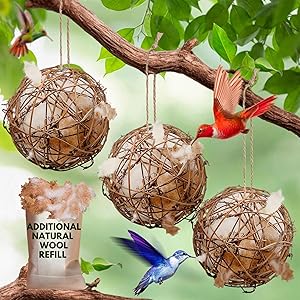
A major component of any successful hummingbird garden is a dependable hummingbird feeder that is easy to take apart and clean and doesn’t leak.
One of the best Hummingbird feeders that’s easy to take apart and clean is the HummZinger Ultra.
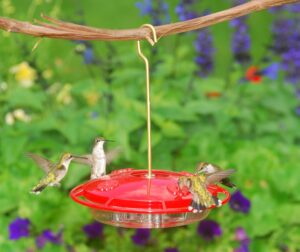
Aspects 12oz HummZinger Ultra With Nectar Guard.
The HummZinger Ultra 12oz Saucer Feeder is one of the best options for a hummingbird feeder that’s both easy to clean and maintain. This top-tier feeder features patented Nectar Guard tips—flexible membranes on the feeding ports that keep flying insects out while still allowing hummingbirds to feed freely. Plus, it comes with an integrated ant moat to prevent crawling insects from reaching the nectar, and the raised flower ports help divert rain, keeping the nectar fresh.
With a 12 oz capacity, this mid-size feeder offers plenty of space and can be hung or mounted on a post using the included hardware. It has four feeding ports and is made from durable, unbreakable polycarbonate. Whether you’re concerned about bees, wasps, or ants, this feeder is built for easy cleaning and insect protection.
If you already have a hummingbird feeder, and you want to protect it from ants and other crawling insects, the ant moat below will do the job.
Trap-It Ant Moat for Hummingbird Feeders
Using an ant moat for your hummingbird feeder is an effective way to keep ants away from the sweet nectar. These tiny creatures are drawn to
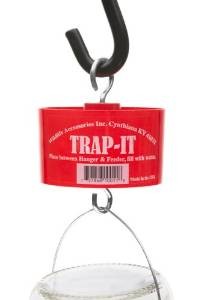
the sugar water, and without a barrier, they will quickly infest your feeder, preventing the birds from enjoying the nectar. An ant moat works by creating a barrier of water that ants can’t cross. Positioned above the feeder, it effectively blocks the ants’ path, keeping them from reaching the nectar.
This simple solution also ensures that your hummingbird feeder remains clean and accessible for the birds, rather than becoming a breeding ground for ants or other pests. It’s a small addition that can make a big difference in maintaining a healthy, inviting space for hummingbirds, while also reducing the need for chemical ant deterrents.
The first and still the best to protect your Hummingbird and Oriole feeder from ants and other crawling insects. Insert between hanger and feeder and fill with water, providing a barrier to crawling pests. Red color to attract hummingbirds.
In addition to nectar, hummingbirds need water and safe spaces to rest. By providing a birdbath or misting system, you can ensure they have everything they need.
Water Sources
Hummingbirds enjoy fresh water to drink and bathe. A shallow birdbath with a fine spray from a mister is ideal. Just make sure the water is changed regularly to keep it clean.
Here’s a solar powered bird bath.
Hummingbird misters at Amazon.com
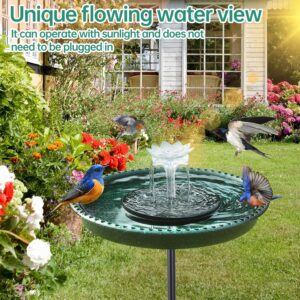
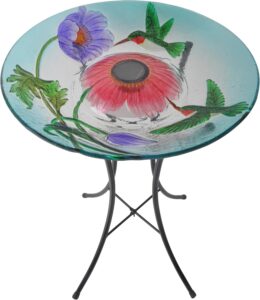
Install shallow bird baths with gently sloping edges. Hummingbirds prefer water sources that are no more than 1-1.5 inches deep.
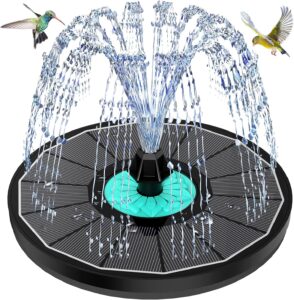
Consider adding a mister or dripper to create moving water, which attracts hummingbirds. They often enjoy flying through fine sprays of water.
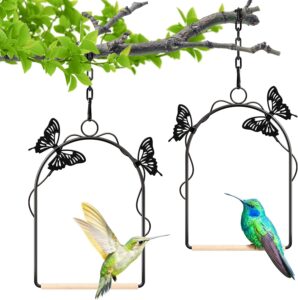
A hummingbird perch is a good way to attract hummingbirds to a particular spot near your feeder
Use Songbird Essentials Nectar Aid Self Measuring Pitcher and never measure ingredients again. Make any amount and the ingredients are measured for you.
 |
Column 2 |
Nectar Fortress™ Natural Ant Repellent
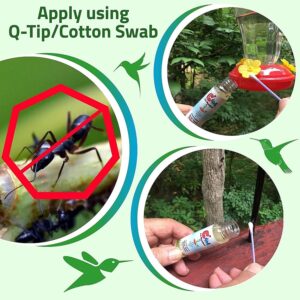
CREATED FOR HUMMINGBIRD FEEDERS: Stop ants fast and keep them away from the bird feeder altogether. Use it on poles or hooks and create a barrier with a scent ants hate. Useful with ant moats or eliminate the moat entirely.
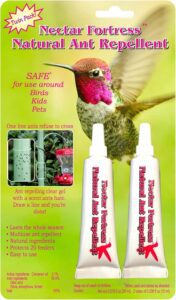
C’ANT, Ant and Bee Repellent for Hummingbird Nectar Feeders and Outdoor Bird Seed Feeders – Works with Shepherds Hook and Ant Moat – 1 oz.
Hummingbird resources to help make your garden a success
Here’s a complete guide to attracting hummingbirds to your yard. It lists plants, vines and shrubs that are in bloom for spring, summer and fall. Your hummingbirds will always have flowers to feed on.
Here’s a great article that tells everything you need to know about how to choose the best place to hang your hummingbird feeder.
Here’s the best designed hummingbird feeder to use. It’s leak proof, so it won’t attract insects and it’s easy to take apart and clean.
Here’s a comprehensive guide to help you clean your hummingbird feeder for those times when the nectar is not changed soon enough and mold starts to grow.
More Hummingbird Resources
U.S. Fish and Wildlife Service – Hummingbird Conservation
This site offers detailed information about various hummingbird species, their habitats, and conservation efforts. It also provides resources on how to protect these fascinating birds.
National Park Service – Hummingbird Resources
The National Park Service offers insights into hummingbird species found in national parks, their behaviors, and their role in ecosystems, along with tips for observing them.
Smithsonian National Museum of Natural History – Birds: Hummingbirds
This resource provides educational materials on the role of hummingbirds in pollination and biodiversity, backed by scientific research and exhibits from the Smithsonian.