Great Blue Lobelia (Lobelia siphilitica) is a native perennial prized for its striking blue flowers and ability to attract pollinators, especially hummingbirds. 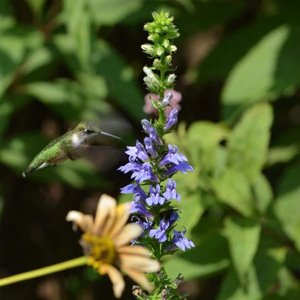 Blooming from late summer through early fall, this plant is a perfect addition to gardens that aim to support wildlife while adding vibrant color.
Key Characteristics
-
Height: 2–4 feet
-
Bloom Time: July–October
-
Light Requirements: Full sun to partial shade
-
Soil Preference: Moist to wet soils, including clay, loam, or sand
-
Zones: 3–9
The tubular flowers of Great Blue Lobelia are perfectly suited for hummingbirds, allowing them to easily access nectar. The bright blue color is rare in nature and serves as a visual beacon, drawing pollinators like bees, butterflies, and hummingbirds. Its long bloom period ensures a steady nectar supply during late summer when other plants may have finished flowering.
Growing Conditions and Habitat
Great Blue Lobelia thrives in moist environments such as streambanks, wetlands, and rain gardens. It adapts well to garden settings with consistent moisture and can tolerate partial shade or full sun. This makes it an excellent choice for areas with poor drainage or near water features like ponds.
This video demonstrates how to plant Cardinal flower and Blue Lobelia from seed. The speaker explains that these plants have tiny seeds that need sunlight to germinate and that they are easy to grow from seed. They also discuss the characteristics of each plant, including their height, bloom time, and preferred growing conditions.
-
Care and Maintenance
This low-maintenance plant requires minimal care once established. Regular watering during dry periods helps maintain its lush growth.
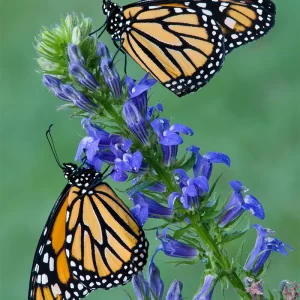 Great Blue Lobelia can self-seed under favorable conditions, forming attractive colonies without becoming invasive.
Why Grow Great Blue Lobelia
The Great Blue Lobelia is a stunning native perennial that offers both ecological and aesthetic benefits to gardens across the United States. With its vibrant blue tubular flowers, it blooms from late summer to early fall, providing a much-needed nectar source for pollinators when many other plants have stopped flowering. Here’s why this plant deserves a spot in your garden:
1. Attracts Pollinators
Great Blue Lobelia is a magnet for hummingbirds, butterflies, and bees. Its tubular flowers are perfectly shaped for long-tongued pollinators, making it an essential addition to wildlife-friendly gardens. Hummingbirds are particularly drawn to its rich nectar, while bumblebees and other beneficial insects also thrive on its blooms.
2. A Splash of Late-Season Color
Few plants can rival the striking blue hues of Great Blue Lobelia. Its tall flower spikes add vertical interest and a pop of color to garden beds, borders, rain gardens, or wetland areas. Blooming from July through September, it ensures your garden remains vibrant as summer transitions into fall.
3. Eco-Friendly and Low-Maintenance
This plant is perfect for gardeners seeking low-maintenance options. It thrives in moist to wet soils and tolerates a variety of conditions, from full sun to partial shade. Once established, it requires minimal care and no chemical treatments, making it an eco-friendly choice that supports sustainable gardening practices.
4. Ideal for Wet Areas
Great Blue Lobelia thrives in rain gardens, along pond edges, or in areas with poor drainage where other plants struggle. Its fibrous roots help stabilize soil and prevent erosion, making it both functional and beautiful.
5. Native Heritage
As a North American native plant, Great Blue Lobelia is well-suited to local climates and ecosystems. It plays an important role in supporting biodiversity while requiring fewer resources than non-native species.
Ecological Benefits
In addition to attracting hummingbirds, Great Blue Lobelia supports bees and butterflies while being deer-resistant. Its fibrous roots help stabilize soil in wet areas, making it valuable for erosion control and water filtration. By planting Great Blue Lobelia, gardeners can enjoy its vivid beauty while creating a haven for pollinators in their landscapes.
This video features a gardener discussing the benefits of blue lobelia, a late-blooming native perennial. They highlight its attractiveness to pollinators and hummingbirds, its ability to thrive in moist conditions, and its ease of propagation. The gardener also shares their experience with growing blue lobelia in their own garden.
Unique Characteristics of Great Blue Lobelia That Make It Attractive to Hummingbirds
Great Blue Lobelia (Lobelia siphilitica) is a native perennial plant with several unique traits that make it highly appealing to hummingbirds. Its vibrant flowers, tubular structure, and nectar-rich blooms provide an essential food source for these pollinators during late summer and early fall.
- Bright Blue Flowers
The vivid blue flowers of Great Blue Lobelia are rare in nature and stand out in any garden or natural landscape. While hummingbirds are typically drawn to warm colors like red, they are also attracted to the striking blue blooms of this plant, especially when other nectar sources are less abundant.
- Tubular Flower Shape
The flowers of Great Blue Lobelia are tubular and two-lipped, with a prominent lower lip. This shape is perfectly suited for the long bills and 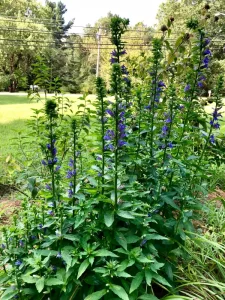 tongues of hummingbirds, allowing them to easily access nectar deep within the flower. The tubular structure also ensures effective pollination as hummingbirds transfer pollen while feeding.
- Abundant Nectar Supply
Great Blue Lobelia produces a generous amount of nectar, making it a reliable energy source for hummingbirds during their active feeding periods. Its blooming season from mid-summer to early fall aligns with the critical time when hummingbirds are preparing for migration and require high-energy food.
- Thrives in Moist Environments
This plant naturally grows in damp areas such as streambanks, wetlands, and rain gardens. These habitats often overlap with areas where hummingbirds forage, making Great Blue Lobelia an accessible and dependable nectar source.
By planting Great Blue Lobelia in your garden or naturalized area, you can provide a vital resource for hummingbirds while enjoying its stunning blue blooms and ecological benefits.
A few additions that will make any garden more hummingbird friendly
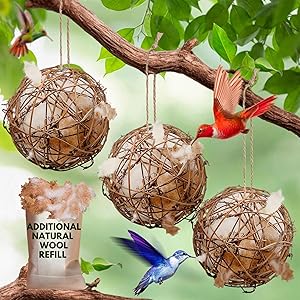
Provide nesting materials like cotton or plant fibers. You can place these materials in suet cages or spread them around your garden.
A major component of any successful hummingbird garden is a dependable hummingbird feeder that is easy to take apart and clean and doesn’t leak.
One of the best Hummingbird feeders that’s easy to take apart and clean is the HummZinger Ultra.
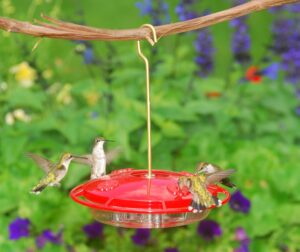
Aspects 12oz HummZinger Ultra With Nectar Guard.
The HummZinger Ultra 12oz Saucer Feeder is one of the best options for a hummingbird feeder that’s both easy to clean and maintain. This top-tier feeder features patented Nectar Guard tips—flexible membranes on the feeding ports that keep flying insects out while still allowing hummingbirds to feed freely. Plus, it comes with an integrated ant moat to prevent crawling insects from reaching the nectar, and the raised flower ports help divert rain, keeping the nectar fresh.
With a 12 oz capacity, this mid-size feeder offers plenty of space and can be hung or mounted on a post using the included hardware. It has four feeding ports and is made from durable, unbreakable polycarbonate. Whether you’re concerned about bees, wasps, or ants, this feeder is built for easy cleaning and insect protection.
If you already have a hummingbird feeder, and you want to protect it from ants and other crawling insects, the ant moat below will do the job.
Trap-It Ant Moat for Hummingbird Feeders
Using an ant moat for your hummingbird feeder is an effective way to keep ants away from the sweet nectar. These tiny creatures are drawn to
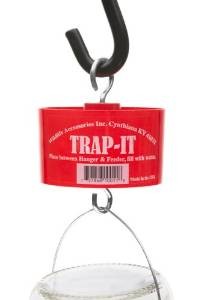
the sugar water, and without a barrier, they will quickly infest your feeder, preventing the birds from enjoying the nectar. An ant moat works by creating a barrier of water that ants can’t cross. Positioned above the feeder, it effectively blocks the ants’ path, keeping them from reaching the nectar.
This simple solution also ensures that your hummingbird feeder remains clean and accessible for the birds, rather than becoming a breeding ground for ants or other pests. It’s a small addition that can make a big difference in maintaining a healthy, inviting space for hummingbirds, while also reducing the need for chemical ant deterrents.
The first and still the best to protect your Hummingbird and Oriole feeder from ants and other crawling insects. Insert between hanger and feeder and fill with water, providing a barrier to crawling pests. Red color to attract hummingbirds.
In addition to nectar, hummingbirds need water and safe spaces to rest. By providing a birdbath or misting system, you can ensure they have everything they need.
Water Sources
Hummingbirds enjoy fresh water to drink and bathe. A shallow birdbath with a fine spray from a mister is ideal. Just make sure the water is changed regularly to keep it clean.
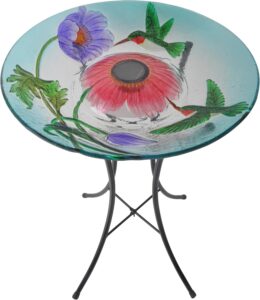
Here’s a solar powered bird bath.
Hummingbird misters at Amazon.com
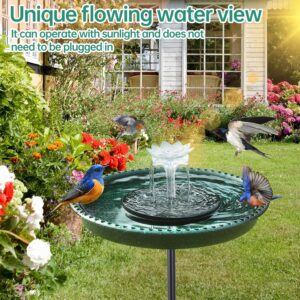
Install shallow bird baths with gently sloping edges. Hummingbirds prefer water sources that are no more than 1-1.5 inches deep.
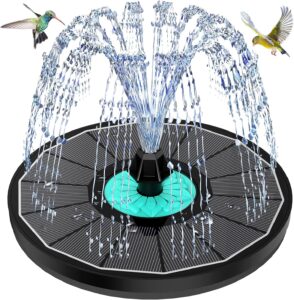
Consider adding a mister or dripper to create moving water, which attracts hummingbirds. They often enjoy flying through fine sprays of water.
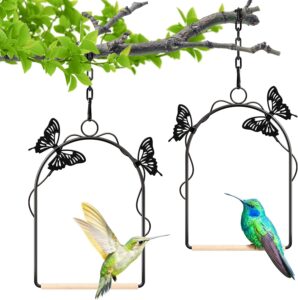
A hummingbird perch is a good way to attract hummingbirds to a particular spot near your feeder
Use Songbird Essentials Nectar Aid Self Measuring Pitcher and never measure ingredients again. Make any amount and the ingredients are measured for you.
 |
Column 2 |
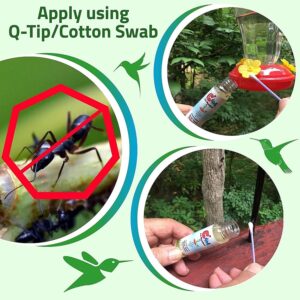
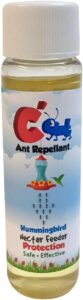
Nectar Fortress™ Natural Ant Repellent
CREATED FOR HUMMINGBIRD FEEDERS: Stop ants fast and keep them away from the bird feeder altogether. Use it on poles or hooks and create a barrier with a scent ants hate. Useful with ant moats or eliminate the moat entirely.
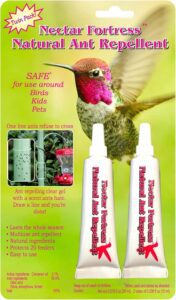
C’ANT, Ant and Bee Repellent for Hummingbird Nectar Feeders and Outdoor Bird Seed Feeders – Works with Shepherds Hook and Ant Moat – 1 oz.
Here’s a complete guide to attracting hummingbirds to your yard. It lists plants, vines and shrubs that are in bloom for spring, summer and fall. Your hummingbirds will always have flowers to feed on.
Here’s a great article that tells everything you need to know about how to choose the best place to hang your hummingbird feeder.
Here’s the best designed hummingbird feeder to use. It’s leak proof, so it won’t attract insects and it’s easy to take apart and clean.
Here’s a comprehensive guide to help you clean your hummingbird feeder for those times when the nectar is not changed soon enough and mold starts to grow.
Hummingbird Resources
U.S. Fish and Wildlife Service – Hummingbird Conservation
This site offers detailed information about various hummingbird species, their habitats, and conservation efforts. It also provides resources on how to protect these fascinating birds.
National Park Service – Hummingbird Resources
The National Park Service offers insights into hummingbird species found in national parks, their behaviors, and their role in ecosystems, along with tips for observing them.
Smithsonian National Museum of Natural History – Birds: Hummingbirds