Goatsbeard (Aruncus dioicus) for Hummingbirds in Alaska
Goatsbeard is a tall, native wildflower that lights up shady Alaska gardens with big, creamy white blooms.
Because it is native and full of nectar and pollen, it helps support many kinds of pollinators and small wildlife.
What Is Goatsbeard?
Goatsbeard (Aruncus dioicus) is a hardy perennial in the rose family.
It grows like a shrub, often reaching 3 to 6 feet tall with deep green leaves and big, feathery flower plumes.
In Alaska, it grows naturally in moist forests, along streams, and on cool, shaded slopes.
Because it is adapted to cold climates, it does very well in much of the state.
Is Goatsbeard Native to Alaska?
Yes, Goatsbeard is native to south‑central and south‑eastern Alaska.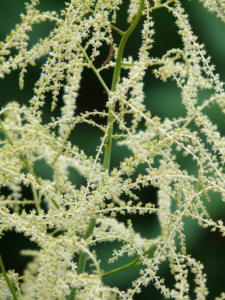
It is also native across much of North America, especially in moist woodlands and along streams.
Since it evolved in these habitats, it fits right into Alaska’s wild landscapes and local ecosystems.
Why Goatsbeard Helps Hummingbirds
Hummingbirds rely on flowers for energy, and they also eat tiny insects for protein.
Goatsbeard supports them in an indirect but very important way.
Feeding the Insects Hummingbirds Eat
Goatsbeard’s large, frothy flower plumes are packed with nectar and pollen.
These blooms attract many insects, including native bees, butterflies, flies, beetles, and other pollinators.
In fact, it is known as an excellent butterfly and pollinator plant and is even a host for the Dusky Azure butterfly.
Hummingbirds often hunt these small insects around and above flowering plants, so a busy Goatsbeard patch can become a good feeding zone.
Creating Safe Cover and Perches
Because mature Goatsbeard plants can reach 4 to 6 feet tall and almost as wide, they act like small shrubs in the garden.
This tall, dense growth offers places for small birds to perch, rest, and hide near reliable food sources.
Some birds also eat the seeds that remain on the plant later in the season, so leaving the seed heads up adds even more wildlife value.
Aruncus: A Pollinator-Friendly Perennial for Dry Shade
Timing That Fits Alaska Summers
Goatsbeard usually blooms from late spring into early or mid‑summer, depending on your location.
In Alaska, its tall, creamy plumes often show color in June or July, right when hummingbirds are most active and raising young.
This timing makes it a helpful bridge between early spring blooms and later summer flowers in a hummingbird garden.
Best Sites for Goatsbeard in Alaska
Goatsbeard loves cool, moist spots that feel like a forest edge.
In Alaska, you can often match its natural habitat in these places:
- Along shaded or partly shaded stream banks and drainage swales.
- At the back of a woodland border where snowmelt keeps soil moist.
- On the north or east side of buildings, where sun is softer and soil stays cooler.
- In rain gardens and low spots that hold moisture but still drain well.
It can handle full shade and, in cooler climates like most of Alaska, even full sun if soil does not dry out.
Growing Conditions and Basic Care
Even though Goatsbeard looks dramatic, it is surprisingly easy to grow when you meet a few basic needs.
Soil and Moisture
- Soil: Rich, humus‑filled, and well‑drained is best.
- Moisture: Prefers consistently moist soil and does not like to dry out.
- pH: Tolerates a range of typical garden soils as long as they are not waterlogged.
Adding compost or leaf mold helps the soil hold moisture and feeds the plant over time.
Light
- Part shade to full shade is ideal in most gardens.
- In cool coastal or high‑latitude areas of Alaska, it can grow in more sun if soil stays moist.
Because many hummingbird flowers prefer sun, Goatsbeard is useful for filling the shadier parts of a wildlife garden.
Cold Hardiness
Goatsbeard is hardy at least to USDA zone 3 and often beyond, which easily covers most of Alaska’s garden areas.
Its deep roots and tough nature help it survive long, cold winters and return year after year.
Maintenance
- Water new plants regularly for the first one to two seasons until roots are established.
- Mulch with leaves or bark to keep roots cool and moist.
- Prune flower stalks after bloom if you want a tidier look, or leave them for wildlife and winter interest.
- Divide large clumps in early spring if they become too crowded.
Goatsbeard is generally pest‑resistant and also tends to be deer and rabbit resistant, which is a big plus in many rural Alaska areas.
Designing an Alaska Hummingbird Garden with Goatsbeard
Because Goatsbeard is tall and bold, it works best as a background or anchor plant.
Then you can layer shorter, more colorful hummingbird flowers in front.
Placement Ideas
- Plant Goatsbeard at the back of a border along a fence, wall, or forest edge.
- Use several plants in a row to create a soft, feathery screen near a seating area or viewing window.
- Place it near natural water features, such as streams or ponds, where hummingbirds already like to visit.
This kind of planting not only looks beautiful but also makes it easier to watch hummingbirds and other wildlife.
Companion Plants for Hummingbirds
To build a strong hummingbird habitat, mix Goatsbeard with other nectar‑rich plants that bloom at different times.
Choose native perennials and shrubs that match your local Alaska region and growing conditions.
Good companions often include:
- Early spring bloomers (to start the season).
- Mid‑summer hummingbird flowers in red, orange, or pink for direct feeding.
- Late‑season flowers and seed‑bearing plants to carry wildlife into fall.
By staggering bloom times, you give hummingbirds and pollinators a steady food supply from snowmelt to frost.
Benefits Beyond Hummingbirds
While your main goal may be hummingbirds, Goatsbeard also supports a wide range of other wildlife.
- It is a host plant for Dusky Azure butterfly caterpillars.
- It attracts native bees, syrphid flies, butterflies, and other beneficial insects.
- Small birds may eat the seeds that remain after flowering.
Because it is native and non‑invasive, it also makes a good alternative to aggressive plants that can harm Alaska’s wild areas.
How to Start Goatsbeard in Your Alaska Garden
You can grow Goatsbeard from seed, but for faster results, it is usually easier to start with young plants or divisions.
- Pick a planting spot with part shade and moist, rich soil.
- Loosen the soil and mix in compost or rotted leaves for extra organic matter.
- Dig a hole as deep as the pot and a bit wider, then set the plant so the crown is level with the soil surface.
- Backfill, firm gently, and water well to settle the roots.
- Add a layer of mulch, keeping it a little away from the stems.
With steady moisture during the first couple of seasons, Goatsbeard will slowly build a large, long‑lived clump that benefits hummingbirds and other wildlife for many years.
Related: For even more ways to fill your Alaska yard with hummingbird color and activity, be sure to see my main guide to the best hummingbird plants for Alaska, plus detailed profiles of other native favorites that pair well with Goatsbeard.
Frequently Asked Questions about Goatsbeard in Alaska
Is Goatsbeard a good plant for Alaska hummingbird gardens?
Yes. While its flowers mainly attract insects, those insects become food for hummingbirds, and the plant also offers shelter and perches.
Will Goatsbeard survive Alaska winters?
Yes. Goatsbeard is hardy to at least USDA zone 3 and is naturally found in parts of Alaska, so it handles very cold winters.
Does Goatsbeard need full sun?
No. It actually prefers part shade to full shade and only tolerates more sun where summers are cool and soil stays moist.
Is Goatsbeard invasive in Alaska?
No. It is a native species in parts of Alaska and is recommended as a wildlife‑friendly choice instead of invasive plants.
Is Goatsbeard deer resistant?
Yes. Several sources list Goatsbeard as deer resistant, which is helpful in rural or forest‑edge gardens.
Resources on Goatsbeard and Native Plants in Alaska
- U.S. Fish & Wildlife Service – “Alaskans: plant this, not that” (Goatsbeard highlight)
- The Plant Native – Guide to planting native Goatsbeard
- Dancing Oaks – Aruncus dioicus plant profile
- Gardenia – Goatsbeard (Aruncus dioicus) overview and growing conditions
- NC State Extension – Aruncus dioicus plant details and wildlife value
- Real Gardens Grow Natives – Pacific Northwest Goatsbeard profile