Fringeleaf wild petunia (Ruellia humilis) is a charming, low-growing native perennial that brings soft, lavender to purple blooms to hot, dry areas of the garden. Despite the common name, it isn’t a true petunia; instead, it’s a member of the Acanthus family and a rugged prairie and glade plant adapted to lean soils and summer heat. Plants typically reach about 6–18 inches tall, forming clumps or small colonies that dot the ground with color from early summer into fall.
This species is native to central and eastern North America, where it grows in dry prairies, open woods, roadsides, and rocky slopes. In the garden, fringeleaf wild petunia excels in sunny, well-drained sites that might be tough for fussier perennials. It’s especially valuable in native and pollinator gardens, rock gardens, and dry borders, where its long bloom period and resilience make it a quiet workhorse.
Key Characteristics
-
Height: About 6–18 inches tall
-
Bloom Time: Early summer into fall (often June–September, with on-and-off bloom)
-
Light Requirements: Full sun to light partial shade (best flowering in full sun)
-
Soil Preference: Dry to medium, well-drained soils; tolerates sand, gravel, clay, and shallow, rocky sites
-
Zones: Generally hardy in USDA zones 4–9 (varies slightly by source and microclimate)
Fringeleaf wild petunia has narrow to somewhat lance-shaped leaves, often with a slightly “fringed” or wavy look along the margins. The funnel-shaped flowers resemble small petunias and are usually soft lavender, pale purple, or occasionally white. Each bloom is short-lived, but the plant produces new flowers continuously over a long season, so the overall effect is a steady sprinkle of color.
Why Fringeleaf Wild Petunia Is Attractive to Hummingbirds and Pollinators
The tubular, flared flowers of fringeleaf wild petunia are well-suited to small pollinators and, in some gardens, hummingbirds. The blossoms are nectar-producing, and their open-throated form allows access to small bees, butterflies, and skippers. While it’s not as famous as red, deeply tubular flowers for hummingbirds, it can contribute to a broader nectar buffet, particularly for birds foraging low over sunny ground or moving through prairie-style plantings.
Fringeleaf wild petunia’s real strength for pollinators is its long bloom time during the hot months. When many spring-blooming plants are finished, this species continues to offer nectar and pollen well into summer and early fall. Planting it in drifts or weaving it among grasses and other sun-loving natives helps create a more continuous, layered food source for bees and butterflies in dry, sunny parts of the garden.
Natural Habitat and Growing Conditions
In the wild, Ruellia humilis is found in dry prairies, glades, open woodlands, limestone outcrops, and roadsides. It’s adapted to high light, lean soils, and periodic drought.
In the garden, it thrives when you offer similar conditions:
-
Light: Full sun is ideal for abundant blooming and compact growth. It will tolerate some light partial shade, especially in hot climates, but too much shade can reduce flowering and make stems more lax.
-
Soil: Prefers well-drained soils and tolerates sand, gravel, rocky ground, and even clay if it doesn’t stay soggy. It often performs best in lean or average soils rather than heavy, rich beds.
-
Moisture: Dry to medium moisture is best. Once established, fringeleaf wild petunia is very drought tolerant and can handle hot, dry summers with minimal supplemental water.
Because of its tolerance of heat and poor soils, this wild petunia is an excellent choice for sunny slopes, rock gardens, prairie restorations, and other low-water landscapes.
Care and Maintenance
Fringeleaf wild petunia is easy to grow and needs very little maintenance once established.
-
Watering: Water regularly during the first growing season to help roots establish deeply. After that, water only during prolonged dry spells, especially in extremely sandy or very fast-draining soils.
-
Feeding: Fertilizer is usually unnecessary. In fact, too much fertility can cause floppy growth and reduce the plant’s toughness. If soil is extremely poor, a light top-dressing of compost in spring is plenty.
-
Mulching: In dry gardens, a thin layer of gravel or a light organic mulch can help conserve moisture. Avoid thick, moisture-holding mulches in heavy soils, as this plant prefers “dry feet.”
-
Deadheading and trimming: Deadheading is optional. Spent flowers drop and plants often continue blooming regardless. If stems become leggy late in the season, a light trim can help tidy the plant and encourage fresh foliage.
-
Self-seeding: Ruellia humilis can self-seed modestly in favorable conditions. Seedlings are usually easy to recognize and can be left, moved, or pulled depending on your design.
Because it’s adapted to tough conditions, over-pampering is often more of a risk than under-caring. Lean soil, full sun, and good drainage are usually all it needs.
Ecological Benefits
Fringeleaf wild petunia is a valuable component of pollinator and native plant gardens, especially in dry, sunny areas.
-
Pollinator support: The flowers provide nectar and pollen for small native bees, butterflies, and skippers over an extended period.
-
Host value: Ruellia species are known larval host plants for certain butterfly species (for example, common buckeye uses some Ruellia species), adding another layer of ecological value.
-
Ground-layer diversity: As a low-growing perennial, fringeleaf wild petunia adds color and diversity to the ground layer of prairie and meadow plantings, helping fill gaps between taller grasses and forbs.
By mixing fringeleaf wild petunia with other dry-site natives, you can create a more resilient planting that supports wildlife and remains attractive through summer heat and drought.
Why Grow Fringeleaf Wild Petunia
This modest but hard-working perennial brings several advantages to sunny gardens.
1. Long Bloom Period in Summer Heat
Fringeleaf wild petunia blooms over a long stretch of the growing season, often from early summer into early fall. The flowers are small but numerous over time, providing a steady splash of color when many plants are resting or finished.
2. Tough and Drought Tolerant
Once established, this plant thrives in hot, dry conditions and lean soils. It’s an excellent choice for low-maintenance gardens, water-wise designs, and tough spots where traditional perennials may struggle.
3. Compact Size for Small Spaces
With its low, clumping habit, fringeleaf wild petunia fits well at the front of borders, in rock gardens, along sunny paths, and in small gardens where taller prairie plants might feel overwhelming.
4. Native Character and Diversity
As a native wildflower, Ruellia humilis contributes to regional plant diversity and can help connect your garden planting to nearby natural areas. It pairs beautifully with other short to medium natives like little bluestem, prairie dropseed, nodding onion, threadleaf coreopsis, and butterflyweed.
Planting Tips
Site Selection:
Choose a location with full sun and well-drained soil. Sunny slopes, berms, rock gardens, gravel strips, and prairie beds are all good candidates.
Soil Preparation:
Heavy improvement is usually not necessary. If you have very heavy or compacted clay, loosen the soil and incorporate some coarse sand or gravel to improve drainage. For sandy or rocky sites, you may only need to remove aggressive weeds.
Spacing:
Space plants about 12–18 inches apart. This gives each clump room to spread slightly while allowing them to knit together into a loose tapestry over time.
Watering:
Water thoroughly at planting and keep soil moderately moist until plants show strong new growth. After establishment, allow the soil to dry between waterings and only irrigate during extended droughts.
Maintenance:
-
Remove competing weeds, especially in the first year.
-
Optionally shear plants lightly if they become untidy late in the season.
-
Allow some seed to mature if you’d like natural expansion or volunteers.
Unique Characteristics of Fringeleaf Wild Petunia That Make It Special
Fringeleaf wild petunia has several traits that make it particularly useful and appealing.
True “Tough Love” Wildflower
Many garden perennials sulk in dry, lean sites, but this Ruellia is built for hardship. It performs best where many typical “pretty” perennials falter, making it a go-to choice for difficult, sunny areas.
Petunia-Like Flowers on a Native Prairie Plant
The blossoms look like delicate, small petunias, but they’re borne on a hardy native suited to prairie and glade conditions. This combination of familiar flower form and wildflower toughness is unusual and very useful in design.
Low, Weaving Habit
Rather than forming dense, smothering mats, fringeleaf wild petunia weaves among other plants, filling spaces between clumps of grasses and forbs. This gives plantings a more natural, meadow-like look.
Frequently Asked Questions
Is fringeleaf wild petunia native?
Yes. Ruellia humilis is native to parts of central and eastern North America, where it grows in dry prairies, open woods, glades, and along sunny roadsides and rocky slopes.
Does fringeleaf wild petunia attract pollinators?
It does. The tubular, flared flowers provide nectar and pollen for small bees, butterflies, and other pollinators over a long summer season. While not the top hummingbird plant, it contributes to overall nectar diversity.
How much sun does fringeleaf wild petunia need?
Full sun is best for strong flowering and compact growth. It can tolerate light partial shade, but flowering may decrease and stems may become more lax in shadier spots.
Is fringeleaf wild petunia drought tolerant?
Yes. Once established, it is very drought tolerant and well-suited to dry, lean soils. It still needs some water during the first season but generally thrives with minimal irrigation afterward.
Will fringeleaf wild petunia spread?
It can spread moderately by seed and short rhizomes or roots, forming small colonies over time. It is usually not aggressive and is easy to manage by thinning or moving seedlings if needed.
Can I grow fringeleaf wild petunia in containers?
You can, provided the container has excellent drainage and is placed in full sun. Use a well-draining, gritty potting mix, and avoid overwatering. Container-grown plants will need more frequent watering than those in the ground.
Conclusion
Fringeleaf wild petunia (Ruellia humilis) is a resilient, low-growing native perennial that offers long-lasting summer bloom, excellent heat and drought tolerance, and valuable support for pollinators. Its soft lavender flowers and compact habit make it versatile in both small gardens and expansive prairie plantings.
By planting fringeleaf wild petunia in full sun with well-drained, lean to average soil, you can enjoy a dependable, low-maintenance wildflower that brightens hot, dry areas and quietly works to support bees, butterflies, and other beneficial insects.
A few additions that will make any garden more hummingbird friendly
Provide nesting materialslike cotton or plant fibers. You can place these materials in suet cages or spread them around your garden.
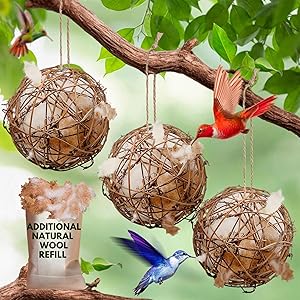
A major component of any successful hummingbird garden is a dependable hummingbird feeder that is easy to take apart and clean and doesn’t leak.
One of the best Hummingbird feeders that’s easy to take apart and clean is the HummZinger Ultra.
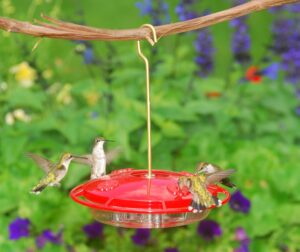
Aspects 12oz HummZinger UltraWith Nectar Guard.
The HummZinger Ultra12oz Saucer Feeder is one of the best options for a hummingbird feeder that’s both easy to clean and maintain. This top-tier feeder features patented Nectar Guard tips—flexible membranes on the feeding ports that keep flying insects out while still allowing hummingbirds to feed freely. Plus, it comes with an integrated ant moat to prevent crawling insects from reaching the nectar, and the raised flower ports help divert rain, keeping the nectar fresh.
With a 12 oz capacity, this mid-size feeder offers plenty of space and can be hung or mounted on a post using the included hardware. It has four feeding ports and is made from durable, unbreakable polycarbonate. Whether you’re concerned about bees, wasps, or ants, this feeder is built for easy cleaning and insect protection.
If you already have a hummingbird feeder, and you want to protect it from ants and other crawling insects, the ant moat below will do the job.
Trap-It Ant Moat for Hummingbird Feeders
Using an ant moat for your hummingbird feeder is an effective way to keep ants away from the sweet nectar. These tiny creatures are drawn to
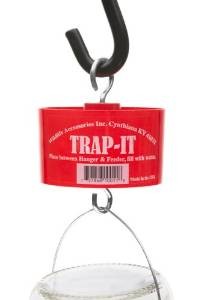
the sugar water, and without a barrier, they will quickly infest your feeder, preventing the birds from enjoying the nectar. An ant moat works by creating a barrier of water that ants can’t cross. Positioned above the feeder, it effectively blocks the ants’ path, keeping them from reaching the nectar.
This simple solution also ensures that your hummingbird feeder remains clean and accessible for the birds, rather than becoming a breeding ground for ants or other pests. It’s a small addition that can make a big difference in maintaining a healthy, inviting space for hummingbirds, while also reducing the need for chemical ant deterrents.
The first and still the best toprotect your Hummingbird and Oriole feeder from ants and other crawling insects. Insert between hanger and feeder and fill with water, providing a barrier to crawling pests. Red color to attract hummingbirds.
In addition to nectar, hummingbirds need water and safe spaces to rest. By providing a birdbath or misting system, you can ensure they have everything they need.
Water Sources
Hummingbirds enjoy fresh water to drink and bathe. A shallow birdbath with a fine spray from a mister is ideal. Just make sure the water is changed regularly to keep it clean.
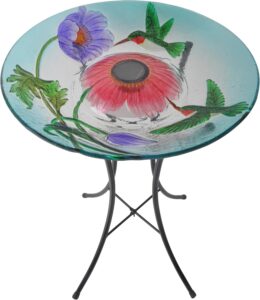
Here’s a solar powered bird bath.
Hummingbird misters at Amazon.com
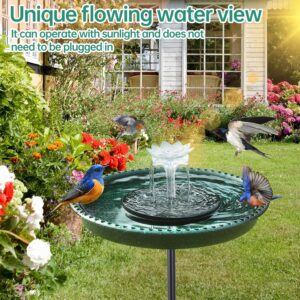
Install shallow bird baths with gently sloping edges. Hummingbirds prefer water sources that are no more than 1-1.5 inches deep.
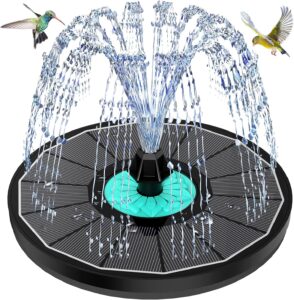
Consider adding a mister or dripper to create moving water, which attracts hummingbirds. They often enjoy flying through fine sprays of water.
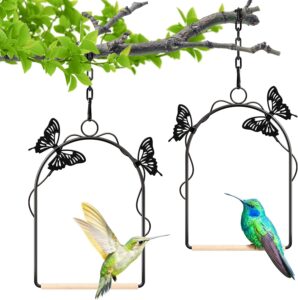
A hummingbird perch is a good way to attract hummingbirds to a particular spot near your feeder
Use Songbird Essentials Nectar Aid Self Measuring Pitcherand never measure ingredients again. Make any amount and the ingredients are measured for you.
 |
Column 2 |
Nectar Fortress™ Natural Ant Repellent
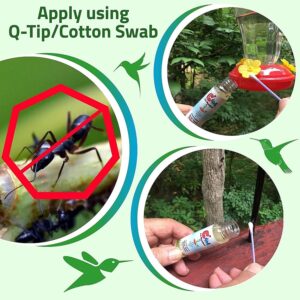
CREATED FOR HUMMINGBIRD FEEDERS: Stop ants fast and keep them away from the bird feeder altogether. Use it on poles or hooks and create a barrier with a scent ants hate. Useful with ant moats or eliminate the moat entirely.
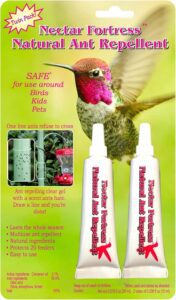
C’ANT, Ant and Bee Repellent for Hummingbird Nectar Feeders and Outdoor Bird Seed Feeders – Works with Shepherds Hook and Ant Moat – 1 oz.
Hummingbird resources to help make your garden a success
Here’s a complete guide to attracting hummingbirds to your yard. It lists plants, vines and shrubs that are in bloom for spring, summer and fall. Your hummingbirds will always have flowers to feed on.
Here’s a great article that tells everything you need to know about how to choose the best place to hang your hummingbird feeder.
Here’s the best designed hummingbird feeder to use. It’s leak proof, so it won’t attract insects and it’s easy to take apart and clean.
Here’s a comprehensive guide to help you clean your hummingbird feeder for those times when the nectar is not changed soon enough and mold starts to grow.
More Hummingbird Resources
U.S. Fish and Wildlife Service – Hummingbird Conservation
This site offers detailed information about various hummingbird species, their habitats, and conservation efforts. It also provides resources on how to protect these fascinating birds.
National Park Service – Hummingbird Resources
The National Park Service offers insights into hummingbird species found in national parks, their behaviors, and their role in ecosystems, along with tips for observing them.
Smithsonian National Museum of Natural History – Birds: Hummingbirds
This resource provides educational materials on the role of hummingbirds in pollination and biodiversity, backed by scientific research and exhibits from the Smithsonian.