• Category Archives Uncategorized
  • The Ultimate Guide to Hummingbird Food: Perfect Sugar Ratio for Happy Birds

    Hummingbirds are some of nature’s most fascinating creatures, known for their vibrant colors, tiny size, and incredible flying abilities. If you’re looking to attract these beautiful birds to your garden, providing the right food is crucial. In this comprehensive guide, we’ll explore the perfect sugar ratio for hummingbird food, ensuring you can create a safe and nutritious nectar that will keep these delightful visitors coming back for more.

    Understanding Hummingbird Nutrition

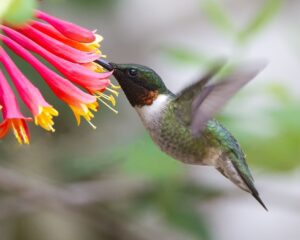
    hummingbird and bee balm
    hummingbird and bee balm

    Before we dive into the specifics of making hummingbird food, it’s important to understand what these tiny birds need in their diet.

    Natural Nectar vs. Homemade Solution

    In the wild, hummingbirds primarily feed on flower nectar, which contains a mix of sucrose, glucose, and fructose. The homemade sugar solution we prepare aims to mimic this natural nectar as closely as possible. While it’s not an exact replica, a properly made sugar solution can provide hummingbirds with the energy they need, especially when natural food sources are scarce.

    The Importance of the Right Sugar Ratio

    Getting the sugar ratio correct in your homemade hummingbird food is crucial for several reasons:

    1. Energy Source: It provides the proper energy source for hummingbirds. These birds have incredibly high metabolisms and need a constant supply of energy to maintain their activity levels.

    2. Prevents Fungal Growth: It prevents harmful fungal growth in the feeder. Too much sugar can lead to fermentation, which can be detrimental to the health of hummingbirds.

    3. Hydration: It ensures birds stay hydrated while feeding. Hummingbirds get a significant portion of their water intake from the nectar they consume.

    Using the wrong ratio can lead to health issues for the birds or make the solution less attractive to them.


    The Perfect Sugar Ratio for Hummingbird Food

    After years of research and observation, ornithologists and bird enthusiasts have determined the ideal ratio for hummingbird food.

    The 4:1 Water-to-Sugar Ratio

    The perfect ratio for hummingbird food is 4 parts water to 1 part white granulated sugar. This 4:1 ratio closely resembles the sugar hummingbird at feederconcentration found in natural flower nectar that hummingbirds feed on in the wild.

    Why This Ratio Works

    This specific ratio is beneficial for several reasons:

    1. Adequate Energy: It provides adequate energy for the hummingbirds’ high-energy lifestyle. Hummingbirds beat their wings up to 80 times per second, requiring a constant supply of energy.

    2. Prevents Dehydration: It prevents dehydration, which can occur with solutions that are too sugary. A balanced ratio ensures that hummingbirds get enough water along with their sugar intake.

    3. Discourages Bacterial Growth: It discourages bacterial growth, which can happen in solutions that are too diluted. The right balance helps maintain a clean and safe feeding environment.

    How to Prepare Hummingbird Food

    Now that we understand the correct ratio, let’s go through the step-by-step process of preparing hummingbird food.

    Ingredients

    • 1 cup white granulated sugar

    • 4 cups water

    Equipment

    • Medium saucepan

    • Whisk or spoon

    • Funnel (optional)

    Step-by-Step Instructions

    1. Measure Water: Start with 4 cups of clean water. Use fresh, clean water for the best results.

    2. Add Sugar: Add 1 cup of white granulated sugar to the water.

    3. Heat and Stir: Place the mixture over medium heat on the stove. Stir frequently until the sugar is completely dissolved. You don’t need to bring it to a full boil; a gentle simmer is sufficient.

    4. Cool the Solution: Remove from heat and allow the mixture to cool completely before filling your feeders.

    5. Fill Feeders: Once cooled, use a funnel if needed to fill your hummingbird feeders with the sugar water solution.


    Tips for Success

    To ensure your hummingbird food is safe and effective:

    • Use Only White Granulated Sugar: Avoid honey, artificial sweeteners, or brown sugar, as they can be harmful or less effective.

    • Do Not Add Red Food Coloring: The red color on your feeder is enough to attract hummingbirds. Adding dye can be unnecessary and potentially harmful.

    • Clean Feeders Regularly: Regular cleaning prevents mold growth and keeps the feeding area safe for hummingbirds.

    Common Mistakes to Avoid

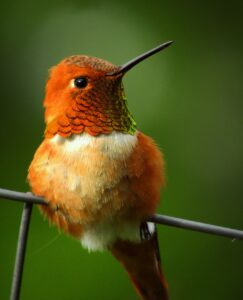
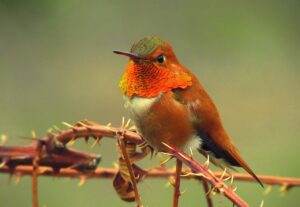
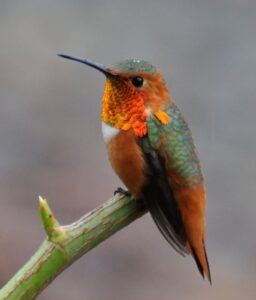
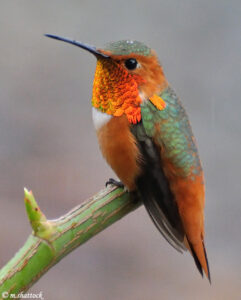
    Rufous hummingbird

    When preparing hummingbird food, be aware of these common pitfalls:

    Incorrect Sugar Ratios

    Using too much sugar can lead to dehydration in hummingbirds, while too little sugar may not provide enough energy. Stick to the 4:1 ratio for best results.

    Using the Wrong Type of Sugar

    Brown sugar, raw sugar, or artificial sweeteners can be harmful to hummingbirds. Always use plain, white granulated sugar.

    Adding Food Coloring

    Red dye or food coloring is unnecessary and potentially harmful to hummingbirds. The red color on the feeder itself is sufficient to attract them.


    Storing and Maintaining Hummingbird Food

    Proper storage and maintenance of your hummingbird food are crucial for the health of the birds.

    Proper Storage

    • Refrigerate Excess Solution: Store any leftover solution in the refrigerator for up to 2 weeks.

    • Use Clean Containers: Store the solution in a clean, airtight container to prevent contamination.


    Feeder Maintenance

    • Clean Feeders Regularly: Clean feeders every 3-5 days in warm weather, or at the first sign of cloudiness in the solution.

    • Use Hot Water and a Bottle Brush: For thorough cleaning, use hot water and a bottle brush. Avoid using soap, as residue can be harmful to hummingbirds.

    For those times when the nectar is not changed soon enough and mold starts to grow, here is a comprehensive guide to help you clean your hummingbird feeder


    Frequently Asked Questions

    How often should I change the hummingbird food?

    Change the food every 3-5 days in warm weather and every 7 days in cooler weather to prevent fermentation and mold growth.

    Can I use honey instead of sugar?

    No, honey can promote dangerous fungal growth. Stick to white granulated sugar for safe hummingbird food.

    Do I need to boil the water?

    Boiling is only necessary if your water source is not potable. Otherwise, simply stirring until the sugar dissolves is sufficient.

    Can I use tap water?

    You can use tap water, but it’s recommended to boil it first to remove any impurities.

    What time of day do hummingbirds come to feeders?

    Hummingbirds can often be seen feeding on nectar at dawn or dusk.


    Additional Tips for Attracting Hummingbirds

    Beyond providing the right food, there are several other ways to attract hummingbirds to your garden:

    Plant Hummingbird-Friendly Flowers

    Hummingbirds are attracted to flowers with high nectar content, such as trumpet-shaped flowers like honeysuckle and fuchsia. Planting these in your garden can provide a natural source of food and attract more hummingbirds.

    Provide a Source of Water

    Hummingbirds need water for drinking and bathing. A shallow dish or birdbath with fresh water can be a great addition to your garden.

    Avoid Using Pesticides

    Pesticides can harm hummingbirds and other wildlife. Maintaining a pesticide-free garden ensures a safe environment for these birds.


    The Importance of a Varied Diet

    While sugar water is an important energy source for hummingbirds, it’s crucial to remember that it’s not their only dietary need. In the wild, hummingbirds consume a variety of nutrients to remain healthy, including proteins, amino acids, vitamins, and minerals.

    Insect Consumption

    Interestingly, hummingbirds get the majority of their essential nutrients from eating small insects. They use their incredible speed and agility to catch flying insects mid-air. During breeding season, adult hummingbirds will also feed insects to their young.

    Natural Nectar Sources

    Encouraging natural nectar sources in your garden by planting native flowering plants can provide a more diverse and nutritious diet for hummingbirds. This, combined with your sugar water feeders, will create an ideal environment for these fascinating creatures.


    Seasonal Considerations

    As the seasons change, so do the needs of hummingbirds. Here are some seasonal tips to keep in mind:

    Spring and Fall Migration

    During migration periods, hummingbirds need extra energy. You might consider slightly increasing the sugar concentration in your feeders to a 3:1 water-to-sugar ratio during these times.

    Summer Heat

    In hot weather, hummingbirds need more water to stay hydrated. Stick to the standard 4:1 ratio and make sure to change the nectar more frequently as it can spoil faster in high temperatures.

    Winter Feeding

    In areas where hummingbirds overwinter, continue to provide food throughout the cold months. Some species, like Anna’s Hummingbirds, are known to stay in northern areas year-round.


    The Role of Hummingbird Feeders in Conservation

    By providing a reliable food source, you’re not just enjoying the company of these beautiful birds; you’re also playing a part in their conservation. As natural habitats face challenges due to climate change and urbanization, backyard feeders can provide crucial support to hummingbird populations.

    However, it’s important to maintain your feeders responsibly. Regular cleaning and proper nectar preparation ensure that you’re helping, not harming, these delicate creatures.


    Conclusion

    Creating the perfect hummingbird food with the right sugar ratio is simple yet crucial for attracting and supporting these fascinating birds. By following the 4:1 water-to-sugar ratio and maintaining clean feeders, you can provide a safe and nutritious food source for hummingbirds visiting your garden.

    Remember, the key to success lies in consistency and cleanliness. With the right approach, you’ll be able to enjoy the delightful presence of hummingbirds in your outdoor space, knowing you’re providing them with a healthy and appropriate food source.

    Hummingbirds are more than just beautiful visitors to our gardens; they’re important pollinators and a vital part of our ecosystem. By providing them with proper nutrition through well-prepared sugar water and a garden rich in natural nectar sources, we can help ensure their continued presence in our environment.

    As you embark on your journey of feeding hummingbirds, remember that patience is key. It may take some time for hummingbirds to discover your feeder, but once they do, you’ll be rewarded with the joy of observing these incredible creatures up close. Happy hummingbird watching!

    Hummingbird Resources

    U.S. Fish and Wildlife Service – Hummingbird Conservation
    This site offers detailed information about various hummingbird species, their habitats, and conservation efforts. It also provides resources on how to protect these fascinating birds.

    National Park Service – Hummingbird Resources
    The National Park Service offers insights into hummingbird species found in national parks, their behaviors, and their role in ecosystems, along with tips for observing them.

    Smithsonian National Museum of Natural History – Birds: Hummingbirds
    This resource provides educational materials on the role of hummingbirds in pollination and biodiversity, backed by scientific research and exhibits from the Smithsonian.


  •  The Ultimate Guide to Homemade Hummingbird Food

    Introduction

    Hummingbirds are nature’s living jewels, captivating us with their vibrant colors, incredible flying abilities, and charming personalities. Creating the perfect homemade hummingbird food is not only a rewarding experience but also crucial for attracting these delightful creatures to your garden. In this comprehensive guide, we’ll explore everything you need to know about crafting the ideal nectar, from the perfect recipe to essential tips for maintaining your feeders. Whether you’re a seasoned bird enthusiast or a curious beginner, this article will equip you with the knowledge to become a hummingbird’s favorite host.

    The Science Behind Hummingbird Nutrition

    Understanding Hummingbird Metabolism

    Hummingbirds have one of the highest metabolic rates of any animal, with heart rates that can exceed 1,200 beats per minute during flight. This incredible energy expenditure requires a diet that can quickly provide easily accessible calories.

    Natural Diet vs. Feeder Nectar

    In the wild, hummingbirds derive their energy from flower nectar and small insects. The nectar provides quick energy, while insects supply essential proteins, amino acids, and other nutrients. Homemade nectar aims to replicate the sugar content found in natural flower nectar, serving as a supplementary energy source.


    The Perfect Homemade Hummingbird Food Recipe

    The Golden Ratio: 4:1

    Creating the ideal hummingbird nectar is surprisingly simple. The perfect ratio is:

    • 4 parts water

    • 1 part white granulated sugar

    This mixture closely mimics the natural nectar found in flowers that hummingbirds favor.

    Step-by-Step Instructions

    1. Boil the water: Start with clean, fresh water and bring it to a boil. This helps purify the water and ensures the sugar dissolves completely.

    2. Add sugar: Measure out the sugar and add it to the boiling water. Stir until completely dissolved.

    3. Cool the mixture: Allow the sugar solution to cool to room temperature before filling your feeders.

    4. Store excess: Any leftover mixture can be stored in the refrigerator for up to a week.


    Scaling the Recipe

    For convenience, here’s a quick reference guide for different quantities:

    • 1 cup water + 1/4 cup sugar

    • 2 cups water + 1/2 cup sugar

    • 3 cups water + 3/4 cup sugar

    • 4 cups water + 1 cup sugar


    What to Avoid

    • Never use honey: It can promote dangerous fungal growth.

    • Avoid artificial sweeteners: These provide no nutritional value to hummingbirds.

    • Skip the red dye: It’s unnecessary and potentially harmful.

    • Don’t use brown sugar or molasses: These contain additional minerals that can be harmful to hummingbirds.


    Use Songbird Essentials Nectar Aid Self Measuring Pitcher and never measure ingredients again. Make any amount and the ingredients are  measured for you.

    SONGBIRD ESSENTIALS 008104 Nectar Aid Self Measuring Pitcher Clear/Red


    Choosing the Right Feeder

    Types of Hummingbird Feeders

    1. Bottle Feeders: Traditional and widely available, these hanging feeders come in various sizes.

    2. Saucer Feeders: Easy to clean and less likely to leak, these are ideal for areas with high wind.

    3. Window Feeders: Perfect for close-up viewing, these attach directly to windows.

    4. Decorative Feeders: These combine functionality with aesthetic appeal, often featuring intricate designs.


    Key Features to Look For

    • Easy to Clean: Choose feeders that disassemble easily for thorough cleaning.

    • Red Accents: Hummingbirds are attracted to the color red, but avoid feeders with red nectar.

    • Perches: Some feeders include perches, allowing for longer feeding sessions and better observation.

    • Ant Moats: Built-in ant moats prevent insects from reaching the nectar.

    • Bee Guards: These help deter bees and wasps from accessing the nectar ports.

    One of the best Hummingbird feeders that’s easy to take apart and clean is the HummZinger Ultra.

    hummingbird feeder
    Hummzinger saucer Feeder

    Aspects 12oz HummZinger Ultra With Nectar Guard.

    The HummZinger Ultra12oz Saucer Feeder is one of the best options for a hummingbird feeder that’s both easy to clean and maintain. This top-tier feeder features patented Nectar Guard tips—flexible membranes on the feeding ports that keep flying insects out while still allowing hummingbirds to feed freely. Plus, it comes with an integrated ant moat to prevent crawling insects from reaching the nectar, and the raised flower ports help divert rain, keeping the nectar fresh.
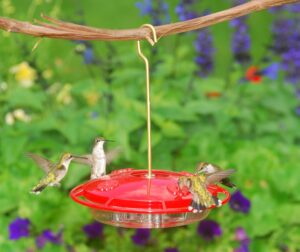
    With a 12 oz capacity, this mid-size feeder offers plenty of space and can be hung or mounted on a post using the included hardware. It has four feeding ports and is made from durable, unbreakable polycarbonate. Whether you’re concerned about bees, wasps, or ants, this feeder is built for easy cleaning and insect protection.


    Material Considerations

    • Glass: Durable and easy to clean, but can be heavy.

    • Plastic: Lightweight and shatter-resistant, but may degrade faster in sunlight.

    • Ceramic: Attractive and durable, but can be fragile and expensive.


    Proper Feeder Maintenance

    Cleaning Schedule

    • Every 2-3 days: In hot weather (above 80°F / 27°C)

    • Every 4-5 days: In cooler weather (below 80°F / 27°C)

    Guide for when to change the nectar

    Letting the nectar ferment encourages mold growth, which makes the cleaning process more difficult. To avoid this, follow the chart below for recommended nectar changes based on the temperature. The hotter it gets, the more frequently you’ll need to replace the nectar.

    High temperatures…………Change after

    71-75……………………………6 days

    76-80……………………………5 days

    81-84……………………………4 days

    85-88……………………………3 days

    89-92……………………………2 days

    93+………………………………change daily


    Cleaning Method

    1. Empty the feeder completely.

    2. Rinse with hot water.

    3. Use a mild soap solution if necessary (avoid harsh detergents).

    4. For stubborn residue, create a solution of 1 part white vinegar to 4 parts water.

    5. Use a bottle brush to scrub all surfaces, especially the feeding ports.

    6. Rinse thoroughly to remove all soap or vinegar residue.

    7. Allow to air dry completely before refilling.

    8. Click on the link for a detailed guide to help youclean your hummingbird feeder, especially when mold starts to grow due to nectar not being changed in time.


    Signs of Spoilage

    • Cloudy or milky nectar

    • Black or white mold

    • Stringy or thick consistency

    • Foul odor


    Seasonal Maintenance Tips

    • Spring: Clean feeders thoroughly before hanging them for the season.

    • Summer: Increase cleaning frequency during hot weather.

    • Fall: Continue feeding to help late migrants prepare for their journey.

    • Winter: In areas with winter hummingbirds, use a heated feeder to prevent freezing.


    Attracting Hummingbirds to Your Garden

    Create a Hummingbird-Friendly Environment

    • Provide perches near feeders for resting and preening.

    • Offer a water source for bathing, such as a shallow fountain or mister.

    • Avoid using pesticides in your garden to protect hummingbirds and their insect prey.

    • Plant native species that bloom at different times to provide a consistent food source.


    Offer Water and Shelter

    In addition to nectar, hummingbirds need water and safe spaces to rest. By providing a birdbath or misting system, you can ensure they have everything they need.

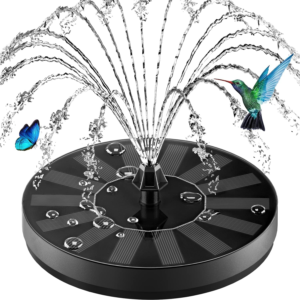
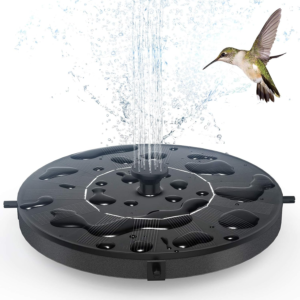
    solar powered hummingbird feeder with fountain
    solar powered fountain birdbath

    Water Sources

    Hummingbirds enjoy fresh water to drink and bathe. A shallow birdbath with a fine spray from a mister is ideal. Just make sure the water is changed regularly to keep it clean.
    Here’s a solar powered bird bath.

    Hummingbird misters at Amazon.com


    Shelter and Safe Spaces

    Hummingbirds need safe places to rest between feedings. Planting small trees, shrubs, and vines can provide these resting spots. Avoid predators like cats, which can scare or harm the birds.


    Plant Hummingbird-Friendly Flowers

    hummingbird and bee balm
    hummingbird and bee balm
    • Trumpet Honeysuckle (Lonicera sempervirens)

    • Bee Balm (Monarda didyma)

    • Cardinal Flower (Lobelia cardinalis)

    • Fuchsia (Fuchsia spp.)

    • Columbine (Aquilegia spp.)

    • Salvia (Salvia spp.)

    • Penstemon (Penstemon spp.)

    • Lantana (Lantana camara)

    Here’s a complete guide to attracting hummingbirds to your yard. It lists plants, vines and shrubs that are in bloom for spring, summer and fall. Your hummingbirds will always have flowers to feed on.


    Feeder Placement Strategies

    • Hang feeders at varying heights to accommodate different species.hummingbird at feeder

    • Place feeders near flowering plants to catch the attention of nectar-seeking hummingbirds.

    • Ensure feeders are visible from multiple angles to increase their attractiveness.

    • Consider hanging multiple feeders to reduce competition among hummingbirds.

    • Here’s a great article that tells everything you need to know about how to choose the best place to hang your hummingbird feeder.


    Common Myths About Hummingbird Feeding

    Myth 1: Feeders Make Hummingbirds Dependent

    Reality: Hummingbirds naturally prefer flower nectar and only use feeders as a supplement. They will not become dependent on feeders and will continue to seek out natural food sources.

    Myth 2: Feeders Should Be Taken Down in Fall

    Reality: Leaving feeders up doesn’t delay migration and can help late migrants. Hummingbirds migrate based on daylight hours, not food availability.

    Myth 3: Sugar Water is Bad for Hummingbirds

    Reality: A proper sugar-water mixture is safe and beneficial for hummingbirds when prepared and maintained correctly.

    Myth 4: Red Dye is Necessary to Attract Hummingbirds

    Reality: The red color on the feeder itself is sufficient to attract hummingbirds. Adding red dye to the nectar is unnecessary and potentially harmful.


    Frequently Asked Questions

    How Often Should I Change the Nectar?

    Change the nectar every 2-3 days in hot weather and every 4-5 days in cooler weather to prevent fermentation and mold growth. Always clean the feeder before refilling.

    Can I Use Brown Sugar or Honey Instead of White Sugar?

    No, stick to white granulated sugar. Brown sugar and honey can be harmful to hummingbirds due to their mineral content and tendency to ferment quickly.

    Why Aren’t Hummingbirds Visiting My Feeder?

    Ensure your feeder is clean, the nectar is fresh, and it’s placed in a visible, safe location. Be patient, as it may take time for hummingbirds to discover a new feeder. Also, consider the time of year and whether hummingbirds are present in your area.

    Is It Safe to Feed Hummingbirds Year-Round?

    Yes, it’s safe to feed hummingbirds year-round, especially in areas where they don’t migrate. In colder regions, feeders can help late migrants or winter residents. However, be prepared to maintain feeders more frequently in freezing temperatures.

    How Can I Prevent Bees and Wasps from Taking Over My Feeder?

    Use feeders with bee guards, avoid yellow feeders (which attract insects), and ensure there are no leaks or drips. You can also try moving the feeder slightly, as hummingbirds will find it more quickly than insects.

    If you already have a hummingbird feeder, and you want to protect your hummingbird food from ants and other crawling insects, the ant moat below will do the job.

    Trap-It Ant Moat for Hummingbird Feeders

    Using an ant moat for your hummingbird feeder is an effective way to keep ants away from the sweet nectar. These tiny creatures are drawn to

    hummingbird feeder ant moat
    ant moat

    the sugar water, and without a barrier, they will quickly infest your feeder, preventing the birds from enjoying the nectar. An ant moat works by creating a barrier of water that ants can’t cross. Positioned above the feeder, it effectively blocks the ants’ path, keeping them from reaching the nectar.

    This simple solution also ensures that your hummingbird feeder remains clean and accessible for the birds, rather than becoming a breeding ground for ants or other pests. It’s a small addition that can make a big difference in maintaining a healthy, inviting space for hummingbirds, while also reducing the need for chemical ant deterrents.

    The first and still the best toprotect your Hummingbird and Oriole feeder from ants and other crawling insects. Insert between hanger and feeder and fill with  water, providing a barrier to crawling pests. Red color to attract hummingbirds.


    What Should I Do If I See a Sick or Injured Hummingbird?

    Contact a licensed wildlife rehabilitator immediately. Do not attempt to care for the bird yourself, as hummingbirds have specialized needs and require expert care.


    Advanced Hummingbird Care Tips

    Creating a Year-Round Hummingbird Haven

    For those in areas with year-round hummingbird populations or looking to attract winter residents, consider these additional tips:

    1. Provide shelter: Plant dense shrubs or trees near feeding areas for protection from predators and harsh weather.

    2. Offer protein sources: Encourage small insects by maintaining a pesticide-free garden with native plants.

    3. Install a heat lamp: In colder climates, a safely installed heat lamp near the feeder can prevent nectar from freezing.

    4. Rotate feeding locations: Move feeders periodically to prevent territorial behavior and allow more birds to feed.


    Photographing Hummingbirds

    For enthusiasts looking to capture these beautiful creatures on camera:

    hummingbird feeder with a camera
    hummingbird feeder with a camera


    1. Use a fast shutter speed (at least 1/1000th of a second) to freeze wing motion.

    2. Set up near a feeder or favorite flower, but be patient and still.

    3. Consider using a macro lens for close-up details of feathers and beaks.

    4. Experiment with flash photography to capture iridescent feathers, but use it sparingly to avoid disturbing the birds.

    Adding a hummingbird feeder with a camera is a good way to increase your joy of feeding hummingbirds


    Conclusion

    Feeding hummingbirds is a rewarding experience that brings joy and wonder to your backyard. By creating a welcoming environment with homemade nectar, choosing the right feeders, and maintaining a clean and safe feeding area, you can attract these beautiful birds and enjoy their vibrant colors and fascinating behaviors.

    If you found this article helpful please share it with your friends using the social bookmarking buttons on the left side of this page.  Help everyone to increase their enjoyment of feeding hummingbirds. Do it for the hummingbirds!


    Hummingbird Resources

    U.S. Fish and Wildlife Service – Hummingbird Conservation
    This site offers detailed information about various hummingbird species, their habitats, and conservation efforts. It also provides resources on how to protect these fascinating birds.

    National Park Service – Hummingbird Resources
    The National Park Service offers insights into hummingbird species found in national parks, their behaviors, and their role in ecosystems, along with tips for observing them.

    Smithsonian National Museum of Natural History – Birds: Hummingbirds
    This resource provides educational materials on the role of hummingbirds in pollination and biodiversity, backed by scientific research and exhibits from the Smithsonian.

    U.S. Geological Survey – Hummingbird Studies
    The USGS offers research on hummingbird migration patterns, population dynamics, and environmental threats, including studies on climate change impacts.


  • The Fascinating World of Black-bellied Hummingbirds: A Complete Guide

    Introduction

    Prepare to be enchanted by the dazzling world of Black-bellied Hummingbirds! These tiny marvels of nature, with their iridescent plumage and incredible aerial abilities, captivate bird enthusiasts and casual observers alike. In this comprehensive guide, we’ll dive deep into the life, habits, and conservation of these remarkable creatures. Whether you’re a seasoned birdwatcher or simply curious about these feathered jewels, you’re about to embark on an exciting journey of discovery. By the end of this article, you’ll have a newfound appreciation for Black-bellied Hummingbirds and the crucial role they play in our ecosystem.

    What Are Black-bellied Hummingbirds?Black-bellied Hummingbird - eBird

    Black-bellied Hummingbirds (Eupherusa nigriventris) are a stunning species known for their distinctive appearance and agile flight. These tiny birds measure just 3.5 to 4 inches in length and weigh a mere 2.5 to 3 grams – about the weight of a penny!

    Physical Characteristics:

    • Metallic green upper parts

    • Black belly (as their name suggests)

    • White undertail coverts

    • Males have a brilliant blue throat patch

    Their habitat primarily spans the humid montane forests of Costa Rica and western Panama, typically at elevations between 700 to 2000 meters above sea level. These agile flyers are adapted to life in the forest canopy, where they play a crucial role in pollination.

    One of their most remarkable adaptations is the ability to hover in mid-air and fly backwards – a feat achieved by rotating their wings in a figure-eight pattern up to 80 times per second!

    Insert Image Here: Close-up of a Black-bellied Hummingbird showcasing its vibrant colors and hovering flight

    The Diet of Black-bellied Hummingbirds

    Black-bellied Hummingbirds have a high-energy lifestyle that demands a specialized diet. Their primary food sources include:

    1. Nectar from flowers

    2. Small insects and spiders

    3. Tree sap (occasionally)

    These tiny birds have incredibly fast metabolisms, requiring them to feed every 10-15 minutes and visit hundreds of flowers each day. Their long, specialized beaks and brush-tipped tongues are perfectly adapted for extracting nectar from deep within flowers.

    To attract Black-bellied Hummingbirds to your garden, consider planting these nectar-rich flowers:

    Flower Type Scientific Name Bloom Color
    Fuchsia Fuchsia spp. Red, Pink
    Trumpet Flower Brugmansia spp. White, Yellow, Pink
    Heliconia Heliconia spp. Red, Orange
    Passion Flower Passiflora spp. Purple, Red

    Remember, while artificial feeders can supplement their diet, natural food sources are always preferable for their overall health and the ecosystem’s balance.

    Breeding and Nesting Habits

    The breeding season for Black-bellied Hummingbirds typically occurs between December and May, coinciding with the abundance of flowering plants in their habitat.

    Male Black-bellied Hummingbirds put on spectacular courtship displays to attract females. These displays often involve intricate aerial maneuvers, including steep dives and figure-eight patterns that showcase their agility and brilliant plumage.

    Once a female selects a mate, she takes on the responsibility of nest building and chick-rearing. The nest is a marvel of avian architecture:

    • Size: Approximately 1 inch in diameter

    • Construction: Made from plant fibers, moss, and lichens

    • Location: Usually on a thin branch or leaf, 3-20 feet above the ground

    • Camouflage: Outer layer often decorated with lichen to blend with surroundings

    The female typically lays two tiny, white eggs, each about the size of a coffee bean. Incubation lasts about 15-18 days, during which the female diligently tends to her eggs, leaving only for brief feeding periods.

    Insert Image Here: Black-bellied Hummingbird nest with two tiny eggs, showcasing its intricate construction

    Conservation Status and Threats

    While Black-bellied Hummingbirds are not currently listed as endangered, they face several threats that could impact their population in the future:

    1. Habitat loss due to deforestation

    2. Climate change affecting flowering patterns

    3. Use of pesticides reducing insect prey availability

    Conservation efforts are crucial to ensure the long-term survival of these beautiful birds. Here’s how you can help:

    • Support organizations working to protect montane forests in Costa Rica and Panama

    • Reduce your carbon footprint to mitigate climate change effects

    • Create hummingbird-friendly gardens with native, nectar-rich plants

    • Avoid using pesticides in your garden

    By taking these steps, we can all contribute to the preservation of Black-bellied Hummingbirds and their vital role in forest ecosystems.


    How to Observe Black-bellied Hummingbirds in the Wild


    For bird enthusiasts eager to spot these elusive beauties, here are some tips for successful observation:

    1. Best Locations:

      • Monteverde Cloud Forest Reserve, Costa Rica

      • La Amistad International Park, Panama/Costa Rica border

    2. Optimal Times:

      • Early morning (6-9 AM) and late afternoon (3-6 PM)

      • During the dry season (December to April) when flowering is at its peak

    3. Equipment and Techniques:

      • Binoculars with close focus capability (8×42 or 10×42 recommended)

      • A field guide specific to Central American birds

        Black-bellied hummingbird - Wikipedia

      • Wear muted colors to blend with surroundings

      • Move slowly and quietly to avoid startling these sensitive birds

    Remember to respect the birds’ habitat and follow all local guidelines for wildlife observation.


    Frequently Asked Questions

    How long do Black-bellied Hummingbirds live?

    Black-bellied Hummingbirds typically live 3-5 years in the wild. However, some individuals have been known to reach up to 12 years of age under optimal conditions.

    Can Black-bellied Hummingbirds fly backwards?

    Yes! Black-bellied Hummingbirds, like all hummingbirds, can fly backwards. This unique ability, along with hovering and flying upside down, is made possible by their specialized wing structure and flight muscles.

    What’s the difference between male and female Black-bellied Hummingbirds?

    Male Black-bellied Hummingbirds have a more vibrant appearance with a distinctive blue throat patch (gorget) and a darker black belly. Females are generally duller in color, lacking the blue gorget and having a lighter, grayish-black belly.

    Conclusion

    The Black-bellied Hummingbird is truly a marvel of nature, embodying beauty, agility, and ecological importance in one tiny package. From their striking appearance to their crucial role in pollination, these birds are a testament to the wonders of biodiversity in our world.

    As we’ve explored their unique characteristics, diet, breeding habits, and conservation needs, it’s clear that protecting these remarkable creatures is not just beneficial – it’s essential. By appreciating and safeguarding Black-bellied Hummingbirds, we contribute to the preservation of entire ecosystems.

    We encourage you to continue learning about these fascinating birds and to share your knowledge with others. Whether it’s creating a hummingbird-friendly garden, supporting conservation efforts, or planning a birdwatching trip to Costa Rica, every action counts. Let’s work together to ensure that future generations can also marvel at the beauty of the Black-bellied Hummingbird in the wild.

    Here is a complete hummingbird species list in alphabetical order. Some of the hummingbird species have hyperlinks that will take you to information about the individual Hummingbird species.

    Hummingbird Resources

    U.S. Fish and Wildlife Service – Hummingbird Conservation
    This site offers detailed information about various hummingbird species, their habitats, and conservation efforts. It also provides resources on how to protect these fascinating birds.

    National Park Service – Hummingbird Resources
    The National Park Service offers insights into hummingbird species found in national parks, their behaviors, and their role in ecosystems, along with tips for observing them.

    Smithsonian National Museum of Natural History – Birds: Hummingbirds
    This resource provides educational materials on the role of hummingbirds in pollination and biodiversity, backed by scientific research and exhibits from the Smithsonian.


  • The Science of Hummingbird Flight: How Do They Defy Gravity?

    Imagine a tiny bird that can hover in mid-air, fly backwards, and even upside down! This isn’t a scene from a science fiction movie – it’s the amazing world of hummingbirds. These small but mighty creatures seem to defy the laws of physics with their incredible flight abilities. Today, we’re going to explore the science behind hummingbird flight and discover how these remarkable birds manage to perform such incredible aerial feats.

    The Hummingbird’s Unique Anatomy

    Specialized Wings and Muscles

    Hummingbirds are built differently from other birds, and it all starts with their wings. Unlike the long, narrow wings of most birds, hummingbird wings are short and stubby. But don’t let their size fool you – these wings are incredibly powerful!

    The secret lies in the hummingbird’s chest muscles. These muscles make up about 30% of the bird’s total weight, which is huge compared to other birds. This extra muscle power allows hummingbirds to move their wings at lightning speed.

    Rapid Wingbeat and Figure-Eight Motion

    Speaking of speed, hummingbirds can flap their wings up to 80 times per second! That’s so fast that our eyes can’t even keep up – it just looks like a blur. But here’s where it gets really interesting: hummingbirds don’t just flap up and down like other birds. Instead, their wings move in a figure-eight pattern.

    This unique wing motion is what allows hummingbirds to hover and fly in all directions. It’s like they’re constantly sculpting the air around them to stay aloft.

    The hovering technique of a hummingbird is one of the most mesmerizing sights to witness. Take a look at what exactly takes place mid-flight and how they’re able to move with such control.


    The Physics Behind Hummingbird Flight

    Lift and Drag Forces

    To understand how hummingbirds fly, we need to talk about two important forces in flight: lift and drag. Lift is the force that pushes a bird up into the air, while drag is the force that tries to slow it down.

    Most birds only create lift on the downstroke of their wings. But hummingbirds? They’re overachievers. They generate lift on both the upstroke and the downstroke of their wings. This means they’re constantly pushing themselves up, which is how they can hover so effortlessly.

    Bird Type Lift Generation
    Regular Birds Downstroke only
    Hummingbirds Both upstroke and downstroke

    Vortex Creation

    Here’s where things get really cool. As hummingbirds move their wings, they create tiny tornadoes in the air called vortices. These vortices help the hummingbird generate even more lift, making their flight more efficient.

    Think of it like this: the hummingbird’s wings are constantly stirring up the air around them, and they’re riding on top of these little air tornadoes. It’s like they’re surfing on air!


    Hummingbird Flight Abilities

    Hummingbirds zip around at dizzying speeds through our gardens on their hunt for nectar. How do they navigate such tight spaces? New UC Berkeley research has uncovered two of their tricks.

    Hovering

    Hovering is the hummingbird’s signature move. By beating their wings in a figure-eight pattern and generating lift on both the upstroke and downstroke, hummingbirds can stay perfectly still in the air. This ability is crucial for feeding, as it allows them to sip nectar from flowers without landing.

    However, hovering requires a lot of energy. In fact, a hovering hummingbird uses more energy for its body size than any other vertebrate!

    Hummingbirds zip around at dizzying speeds through our gardens on their hunt for nectar. How do they navigate such tight spaces? New UC Berkeley research has uncovered two of their tricks.


    Good video info about hummingbirds and hummingbird flight.

    Backwards and Upside-Down Flight

    As if hovering wasn’t impressive enough, hummingbirds can also fly backwards and even upside down! This is all thanks to their unique wing structure and muscular control. By slightly adjusting the angle of their wings, hummingbirds can change direction in an instant, making them incredibly agile flyers.

    Learn more about hummingbirds’ amazing flight abilities!


    The Role of Energy in Hummingbird Flight

    High Metabolism and Nectar ConsumptionFree Bird Ornithology photo and picture

    All this amazing flight ability comes at a cost. Hummingbirds have an incredibly high metabolism – their hearts can beat up to 1,260 times per minute during flight! To keep up with this energy demand, hummingbirds need to eat… a lot.

    Their primary food source is nectar, which is basically sugar water. A hummingbird can drink up to twice its body weight in nectar every day. It’s like if you drank 150 cans of soda in a single day!

    Frequently Asked Questions

    How fast can hummingbirds fly?

    Hummingbirds can reach speeds of up to 30-60 mph during their diving displays. In normal flight, they typically fly at 20-30 mph. That’s pretty fast for such a tiny bird!

    Why do hummingbirds hum?

    The humming sound doesn’t come from the hummingbird’s voice – it’s actually from their wings! The rapid wing movements create pressure differences in the air, producing the characteristic hum we hear.

    Can hummingbirds fly in rain?

    Yes, hummingbirds can fly in light rain. Their waterproof feathers help keep them dry, and they can shake off water droplets mid-flight. However, heavy rain can make it difficult for them to fly and see their food sources.

    Conclusion

    Hummingbirds truly are nature’s little miracles. Their unique wing structure, powerful muscles, and incredible control allow them to perform aerial feats that seem to defy gravity. From their figure-eight wing motion to their ability to create and ride air vortices, hummingbirds have evolved to become masters of the air.

    Next time you see a hummingbird zipping around your garden or hovering by a flower, take a moment to appreciate the amazing science behind their flight. These tiny birds are a testament to the wonders of nature and the incredible adaptations that can evolve over time.

    Why not set up a hummingbird feeder in your yard and observe these fascinating flyers up close? You might just gain a new appreciation for the marvels of flight right in your own backyard!


    Here are 3 sources where you can find more information about hummingbird flight:

    1. Hummingbird Central (www.hummingbirdcentral.com): This website provides detailed information about hummingbird migration patterns, including interactive migration maps and sighting reports1.

    2. Stanford University News (news.stanford.edu): Stanford researchers have conducted studies on hummingbird flight, comparing it to bat hovering and exploring the physics behind their unique flying abilities46.

    3. Royal Society Publishing (royalsocietypublishing.org): This scientific journal has published research papers on hummingbird flight mechanics, including studies on wing efficiency and maneuverability37.

    These sources offer a mix of general information, scientific research, and in-depth analysis of various aspects of hummingbird flight, from migration patterns to the aerodynamics of their wings.


  • The Impact of Climate Change on Hummingbird Migrations

    Climate change is significantly impacting hummingbird migrations, posing several challenges to these tiny but resilient birds. Rising temperatures are causing shifts in the timing and availability of nectar resources, which are crucial for hummingbirds’ survival during their long journeys.56.

    The impact that climate change has on hummingbird migration could in the long term affect whole ecosystems in which hummingbirds have an important role.


    How hummingbirds are affected by climate change


    Altered Migration Patterns

    Hummingbirds are facing difficulties in synchronizing their migration with the blooming of flowers. As temperatures increase, flowers are blooming earlier, but hummingbirds are not adjusting their migration timing at the same rate6. This mismatch can lead to a shortage of food sources when hummingbirds arrive at their destinations.

    Range Shifts

    Climate change is forcing hummingbirds to alter their traditional ranges:

    • Allen’s Hummingbird is expected to lose 90% of its current breeding range by 20803.
    • The Black-chinned Hummingbird has already begun a climate-mediated range shift3.
    • The Calliope Hummingbird may see an expansion of suitable climate areas, mainly north and east3.
    • The Rufous Hummingbird is projected to lose 100% of its non-breeding range in the United States by 20803.

    Physiological Challenges

    Hummingbirds relocating to higher elevations face additional obstacles:

    • Lower oxygen levels and air pressure at higher altitudes affect their ability to fly efficiently12.
    • They experience a drop in metabolic rates of up to 40% when moved to higher altitudes1.
    • To cope with colder temperatures at higher elevations, hummingbirds increase their time in torpor, a state of reduced metabolism2.

    Impact on Nectar Resources

    Climate change affects the availability and quality of nectar resources:

    • Changes in precipitation, temperature, and cloud cover influence nectar production4.
    • Shifts in plant phenology can disrupt the timing of peak nectar availability6.
    • Alterations in nectar plant availability along migratory pathways can deplete hummingbirds’ energy reserves and impact their overall fitness8.

    These impacts collectively threaten the delicate balance between hummingbirds and their ecosystems, potentially leading to reduced diversity and altered distributions of both hummingbird species and their food plants4.

    Related Climate Change Issues Concerning Hummingbirds

    How do hummingbirds typically adapt to higher elevations

    Hummingbirds adapt to high elevations through a combination of physiological, genetic, and behavioral mechanisms to cope with challenges such as colder temperatures, thinner air, and lower oxygen levels.

    Key Adaptations

    1. Metabolic Adjustments
      • Hummingbirds increase the use of torpor, a state of reduced metabolic activity, to conserve energy in colder temperatures. At high elevations, they can spend up to 87.5% of the night in torpor15.
      • Their metabolic rate decreases during hovering, which helps conserve energy in oxygen-scarce environments1.
    2. Hemoglobin Evolution
      • High-altitude species have evolved hemoglobins with enhanced oxygen-binding capabilities. These adaptations involve parallel amino acid changes at specific sites, allowing efficient oxygen transport in low-oxygen conditions36.
      • This evolution is particularly evident in Andean hummingbirds, which thrive at extreme altitudes due to these hemoglobin modifications36.
    3. Larger Hearts and Blood Adjustments
      • Hummingbirds living at higher elevations often have larger hearts relative to their body size. This adaptation enhances blood circulation and oxygen delivery to tissues1.
      • They also have more hemoglobin-rich blood to maximize oxygen uptake4.
    4. Wing Morphology
      • Montane hummingbirds have relatively larger wings, which improve lift in thin air. They also adjust their wing stroke patterns for more efficient flight at high altitudes8.
    5. Gradual Acclimatization
      • Hummingbirds ascend in stages rather than rapidly, pausing to adjust to new conditions before moving higher. This gradual acclimatization helps them cope with the stress of altitude changes4.

    Challenges and Limitations

    Despite these adaptations, hummingbirds face difficulties adapting to lower air pressure and oxygen levels. These challenges reduce their flight efficiency and energy output, making it harder for some species to migrate or survive at higher elevations if climate change forces them upward15. However, long-term evolutionary processes may allow further acclimation over time.

    What specific challenges do hummingbirds face with lower oxygen levels

    Hummingbirds face several specific challenges when exposed to lower oxygen levels at higher altitudes:

    1. Reduced Metabolic Efficiency

    • Lower oxygen availability and reduced air pressure at high altitudes decrease the energy efficiency of hummingbirds during hovering, which is one of their most energy-intensive activities. Studies have shown that their metabolic rates can drop by up to 40% in such conditions, making it harder for them to sustain their high-energy lifestyle14.

    2. Increased Dependency on Torpor

    • To cope with the energy demands in oxygen-scarce environments, hummingbirds rely more heavily on torpor—a hibernation-like state where their metabolism slows significantly. At high elevations, they may spend up to 87.5% of the night in torpor, reducing energy expenditure but also limiting activity and recovery time14.

    3. Physical Limitations on Flight

    • The thinner air at high altitudes provides less resistance for hovering, which makes flight more challenging. This can limit their ability to forage effectively and maintain their energy balance5.

    4. Physiological Constraints

    • While some hummingbird species have evolved hemoglobin adaptations that allow more efficient oxygen absorption, not all species share these traits. Those without such adaptations may struggle to perform essential activities like feeding and migrating at higher altitudes36.
    • Even species with adaptations, such as larger hearts or hemoglobin-rich blood, face limits to how much oxygen their bodies can process in extreme conditions14.

    These challenges collectively make it difficult for hummingbirds to migrate or establish themselves at higher elevations as climate change forces them into new habitats.

    Are there any conservation efforts in place to help hummingbirds cope with climate change

    Yes, several conservation efforts are in place to help hummingbirds cope with the challenges posed by climate change. These initiatives focus on habitat preservation, citizen science, and ecological research.

    1. Habitat Preservation

    • Protected Areas: Conservation organizations are working to establish and maintain protected areas that safeguard critical habitats for species like Xantus’s Hummingbird, ensuring they have access to food and nesting sites8.
    • Native Plant Gardening: Encouraging the planting of native flowering plants, shrubs, and trees in gardens provides reliable nectar sources for hummingbirds. This approach helps mitigate the effects of shifting bloom times caused by climate change46.

    2. Citizen Science Programs

    • Hummingbirds at Home: This program by the National Audubon Society engages citizen scientists to monitor hummingbird feeding behavior and nectar plant bloom timing. The data collected helps researchers understand how climate change affects hummingbird food availability and identifies vulnerable periods for these birds34.
    • Bird Monitoring Networks: Citizen scientists also contribute to tracking hummingbird populations and migration patterns, providing valuable data for long-term conservation planning3.

    3. Research and Adaptation Studies

    • Scientists are studying how hummingbirds adapt to higher elevations and changing climates. For example:
      • Research on Anna’s Hummingbirds has shown their ability to use torpor and adjust metabolic rates in response to colder temperatures at higher altitudes. However, their adaptation to lower oxygen levels remains a challenge1.
      • Long-term studies on species like Rufous Hummingbirds assess habitat loss and population trends, helping guide targeted conservation efforts2.

    4. Reducing Environmental Stressors

    • Efforts include reducing pesticide use, which can harm both hummingbirds and their food sources, as well as promoting sustainable land-use practices to prevent habitat fragmentation67.

    These combined efforts aim to mitigate the impact of climate change on hummingbirds while maintaining their crucial role as pollinators in ecosystems.

    How does torpor help hummingbirds conserve energy in high-altitude environments

    Torpor helps hummingbirds conserve energy in high-altitude environments by drastically reducing their metabolic rate and body temperature during cold nights, allowing them to survive in conditions where maintaining normal energy expenditure would be unsustainable.

    Key Benefits of Torpor in High-Altitude Environments

    1. Drastic Energy Savings
      • Hummingbirds can lower their metabolic rate by up to 95%, significantly reducing energy consumption when food sources are scarce or temperatures are extremely low128. This is critical for survival at high altitudes where cold nights and limited nectar availability pose challenges.
    2. Temperature Regulation
      • During torpor, hummingbirds drop their body temperature to near ambient levels, minimizing the energy required to stay warm. This allows them to endure freezing temperatures that are common at high elevations16.
    3. Flexibility in Depth and Duration
      • Hummingbirds exhibit varying depths of torpor, from shallow to deep, depending on environmental conditions and their physical state. For example, smaller hummingbirds or those in colder environments are more likely to use deep torpor lasting several hours123. This flexibility enables them to fine-tune energy conservation.
    4. Survival Advantage
      • By entering torpor, hummingbirds avoid depleting their internal energy reserves overnight. This can mean the difference between surviving a cold night or succumbing to starvation or hypothermia12. Additionally, exiting torpor just before sunrise ensures they are ready to forage for nectar as soon as flowers bloom12.
    5. Adaptation to High Altitudes
      • The ability to use torpor has likely played a role in the evolutionary success of hummingbirds in colonizing high-altitude environments like the Andes Mountains. Species that readily deploy torpor tend to inhabit higher elevations, suggesting it is a key physiological adaptation for survival in these harsh conditions14.

    In summary, torpor is a vital survival strategy for hummingbirds at high altitudes, enabling them to conserve energy, endure cold nights, and optimize their chances of survival in energetically demanding environments.

    What are the long-term implications for hummingbird populations if they cannot adapt to higher elevations

    If hummingbirds cannot adapt to higher elevations, the long-term implications for their populations could be severe, potentially leading to population declines and even localized extinctions. These consequences stem from the physiological, ecological, and environmental challenges they face at higher altitudes.

    1. Population Declines

    • Hummingbirds rely on high metabolic rates to sustain their energetic lifestyles, but lower oxygen levels and reduced air pressure at high altitudes significantly impair their flight efficiency and metabolic performance. Studies have shown that their metabolic rates drop by up to 40% at high elevations, which can hinder their ability to forage and reproduce effectively123.
    • Prolonged reliance on torpor to conserve energy may limit their activity periods, reducing opportunities for feeding and breeding13.

    2. Habitat Loss

    • As temperatures rise due to climate change, hummingbirds may be forced to move up slope in search of cooler environments. However, many species already living in high-elevation habitats face a “mountain-top extinction” scenario, as they cannot move any higher once they reach the peak6.
    • Lower-elevation species may also encroach on high-altitude habitats, competing with native hummingbirds for limited resources such as nectar and nesting sites68.

    3. Disruption of Ecosystems

    • Hummingbirds play a crucial role as pollinators for many plant species. A decline in their populations could lead to reduced pollination success for plants that depend on them, potentially disrupting entire ecosystems6.
    • The loss of hummingbirds could also affect other species that rely on them indirectly, such as predators or plants that compete for similar pollinators.

    4. Limited Adaptive Potential

    • While some hummingbird species exhibit adaptations like larger hearts for better oxygen circulation, these physiological traits may not be enough to overcome the challenges of high-altitude living23. Additionally, genetic adaptations to low oxygen environments occur over long evolutionary timescales and may not keep pace with the rapid changes caused by climate change5.

    5. Range Shifts and Fragmentation

    • If hummingbirds cannot move higher in elevation, they may attempt to shift their range northward or southward toward cooler climates. However, this can lead to habitat fragmentation and isolation of populations, increasing their vulnerability to extinction34.

    In summary, if hummingbirds fail to adapt to higher elevations or find alternative suitable habitats, they are likely to experience significant population declines. This would have cascading effects on ecosystems where they serve as key pollinators, highlighting the urgent need for conservation efforts to mitigate climate change impacts and preserve critical habitats.

    More information on hummingbird migration


  • A Guide For Selecting Good Hummingbird Books

    Below you will find some great books on hummingbirds. Further down the page they are arranged in specific categories to aid in finding specific knowledge about hummingbirds.

    1. Hummingbirds: Beauty in Flight by Karen Krebbs
      • This book features stunning photographs and provides an artistic exploration of hummingbirds. Although it is only 128 pages, its large format (approximately 14 inches square) highlights the beauty of the images1.
      • Hummingbirds: Beauty in flight
    2. The Hummingbird Book by Donald and Lillian Stokes
      • A comprehensive guide for hummingbird enthusiasts, this book includes tips for attracting hummingbirds to your garden and insights into their behavior1.
    3. Tiny Bird: A Hummingbird’s Amazing Journey by Robert Burleigh
      • A narrative nonfiction picture book that follows the migration of a ruby-throated hummingbird. The story is complemented by Wendell Minor’s stunning illustrations and includes educational content about the bird’s life cycle and migration challenges3.
    4. Behold the Hummingbird by Peachtree Publishing
      • This lyrical book combines poetic text with gorgeous illustrations, exploring the unique abilities of hummingbirds, such as their ability to hover, fly backward, and consume vast amounts of nectar relative to their size2.
      • Behold the Hummingbird
    5. A Little Book of Hummingbirds
      • Lavishly illustrated with over 45 original ink-and-watercolor drawings, this book focuses on species commonly found in the United States and Canada. It is both a visual treat and an informative guide7.
      • A Little Book of Hummingbirds (Little Book of Natural Wonders)

    Themes in Hummingbird Books

    • Migration Journeys: Books like Tiny Bird highlight the incredible distances these small birds travel during migration.
    • Life Cycle and Habitats: Many books provide educational insights into the life cycle, diet, and habitats of hummingbirds.
    • Artistic Illustrations: Titles such as A Little Book of Hummingbirds emphasize artistic representations through watercolor or photography.
    • Practical Guides: Some books focus on how to attract hummingbirds to gardens or provide tips for observing them.

    Why Read Hummingbird Books?

    Hummingbird books are perfect for nature lovers, birdwatchers, or anyone captivated by these tiny yet powerful creatures. They combine science, art, and storytelling to celebrate the beauty and resilience of hummingbirds.


    What are the best hummingbird books for beginners

    Several books can help beginners learn about hummingbirds, covering identification, attracting them, and understanding their behavior123. Some of the best hummingbird books for beginners are:


    • The Hummingbird Book: The Complete Guide to Attracting, Identifying and Enjoying Hummingbirds by Donald and Lillian Stokes. This guide provides comprehensive information for attracting, identifying, and enjoying hummingbirds and is available in paperback and e-book formats12.

    The Hummingbird Book: The Complete Guide to Attracting, Identifying, and Enjoying Hummingbirds


    • My Tiny Life by Ruby T. Hummingbird Written as a nature diary, this children’s book introduces the life cycle of a ruby-throated hummingbird and provides facts about their diet, migration, and behavior13. It also includes a recipe for sugar water and recommendations for hummingbirds’ favorite flowers1.


    Here are some of the top hummingbird books for kids:

    • The Ultimate Hummingbird Book for Kids This engaging and beautifully illustrated guide is designed for curious kids aged 9 and up, offering over 100 amazing facts and photos1.
    • My Tiny Life by Ruby T. Hummingbird Written as a nature diary, this book introduces kids to the life cycle of a ruby-throated hummingbird and provides facts about their diet, migration, and behavior23. It also includes a recipe for sugar water and recommendations for hummingbirds’ favorite flowers2.
    • Brave Baby Hummingbird This nonfiction picture book is about Allen’s hummingbirds, and it describes how they migrate 2,200 miles from the San Francisco area to Central Mexico5

    Which hummingbird book is best for learning about their habitats

    Hummingbirds: A Life-Size Guide to Every Species includes habitat information for all 338 known hummingbird species4.


    The Ultimate Hummingbird Book explores hummingbird habitats, among other topics, and is designed for kids aged 9 and up18.

    About Hummingbirds, from the About… series by Cathryn and John Sill, introduces children to where hummingbirds live2.

    What are the best hummingbird books for understanding their behavior?

    Hummingbirds, Their Life and Behavior: A Photographic Study of the North American Species

    1. Peterson Reference Guide to Bird Behavior by John Kricher is a comprehensive look at bird behavior, including hummingbirds. It covers topics such as annual cycles, social behaviors, pair bonding, and nesting3.
    2. The Hummingbird Handbook by John Shewey offers in-depth information about hummingbirds, including fascinating facts, historical tidbits, and species profiles1.
    3. The Hummingbird Book: The Complete Guide to Attracting, Identifying and Enjoying Hummingbirds by Donald and Lillian Stokes provides comprehensive information on hummingbird behavior, including attracting and observing them16.
    4. The Love Lives of Birds: Courting and Mating Rituals by Laura Erickson, while not exclusively about hummingbirds, offers insights into the breeding behaviors of various bird species, which can help in understanding hummingbird behavior3.
    5. The Glitter in the Green: In Search of Hummingbirds by Jon Dunn provides a broader perspective on hummingbird behavior across their range, from near the Arctic Circle to near-Antarctic islands3.

    These books offer a mix of scientific information, personal observations, and practical tips for understanding and appreciating hummingbird behavior.

    Can you suggest hummingbird books that cover different species

    .Several books can help you learn about different hummingbird species:

    • Hummingbirds: New Insights into the 358 Species by Dr. Jacques Ducros and Peter Tucker is a multi-volume set that delivers a wealth of information, with details not easy to find at an affordable price1.
    • Hummingbirds: Eponyms, Etymologies, and Principal Characteristics Volume 1 by Dr. Jacques Ducros and Peter Tucker devotes two pages to each of about 1/3 of all known species. It includes photos/drawings, how the species was named, where it is found (location and altitude), and more1.
    • Peterson Field Guide to Hummingbirds of North America points out specific ID markers to help identify hummingbirds in the field2.
    • North American Hummingbirds: An Identification Guide by Paul A. Johnsgard includes illustrations and photographs for 25 hummingbird species reported in the United States and Canada, arranged by size, with a separate section for accidentals7.
    • The Hummingbird Handbook by John Shewey offers species profiles and fascinating facts2.

    Which hummingbird book has the most stunning photographs?

    Here are the hummingbird books that stand out for their stunning photographs:

    • Hummingbirds: A Celebration of Nature’s Jewels, with photographs by Glenn Bartley and text by Andy Swash, features hundreds of spectacular photographs of hummingbirds and illustrations. It includes over 540 color photographs, illustrating all 101 hummingbird genera and over two-thirds of the world’s 369 species1. Bartley’s meticulous approach results in stunning images5.

    • BIRDS: Poetry in the Sky by Christian Spencer features shots of rainbow-tinted hummingbirds and other birds in their natural habitat3. Spencer’s photographs capture the fleeting beauty of hummingbird wings as they transform into prisms in the sky under specific atmospheric conditions3.

    Are there any hummingbird books that focus on their migration patterns

    There are several hummingbird books that focus on their migration patterns:

    1. Ruby-Throated Hummingbird Migration from the 21st Century Junior Library series explores the migration of this specific hummingbird species.

    1. The Glitter in the Green: In Search of Hummingbirds by Jon Dunn discusses the remarkable migration journeys of hummingbirds, including the Rufous hummingbird’s 3,500-mile migration from Mexico to Alaska1.
    2. Flight Paths by Rebecca Heisman, while not exclusively about hummingbirds, details the history of migration science and includes information on various bird species’ migration patterns3.
    3. A World on the Wing by Scott Weidensaul celebrates global bird migration, including hummingbirds, and explores the science behind these patterns5.
    4. A Little Book of Hummingbirds includes information on hummingbird migration patterns, among other fascinating facts about these birds6.

    6.  Journey of the Hummingbirds (Massive Animal Migrations)

    These books offer insights into the incredible journeys hummingbirds undertake, from the ruby-throated hummingbird’s solo flight across the Gulf of Mexico to the rufous hummingbird’s record-breaking migration relative to its size12.

    More information on hummingbird migration

    Where did the hummers go?  Migration and Seasonal Cycle.

    Are there any books that document the impact of climate change on hummingbird migrations?

    While the search results don’t specifically mention books documenting the impact of climate change on hummingbird migrations, they do provide information on recent research and studies on this topic. Based on this information, I can suggest some relevant publications that likely cover this subject:

    1. The Glitter in the Green: In Search of Hummingbirds by Jon Dunn. This book likely includes information on how climate change is affecting hummingbird populations and their migration patterns.

    1. A World on the Wing: The Global Odyssey of Migratory Birds by Scott Weidensaul. Although not exclusively about hummingbirds, this book discusses the impact of climate change on various migratory bird species, which may include hummingbirds.
    2. Flight Paths: How a Passionate and Quirky Group of Pioneering Scientists Solved the Mystery of Bird Migration by Rebecca Heisman. This book might cover recent research on how climate change is altering bird migration patterns, including those of hummingbirds.

    Recent studies have shown that climate change is indeed affecting hummingbird migrations and habitats:

    1. Research indicates that climate change may lead to phenological mismatches between migratory hummingbird arrival and seasonal flowering peaks5.
    2. Some hummingbird species are experiencing habitat loss due to climate change, particularly those living at sea level or with specialized ranges in tropical areas4.
    3. The Anna’s hummingbird has expanded its winter range, which is associated with climate change and urbanization78.
    4. A study on Broad-tailed Hummingbirds found that climate change is affecting the timing of nectar availability in their breeding areas, potentially impacting their migration and breeding success2.

    These findings suggest that there is a growing body of scientific literature on the impact of climate change on hummingbird migrations, which may be compiled into books or comprehensive reports in the near future.


  • A Recipe for Hummingbird Nectar: A Complete Guide to Attracting Hummingbirds

    Hummingbirds are a delightful and beautiful addition to any garden. Their vibrant colors and fast-paced flight patterns make them fascinating creatures to observe. One of the best ways to attract hummingbirds to your yard is by providing them with homemade nectar. In this comprehensive guide, we’ll walk you through the best recipe for hummingbird nectar, explain why certain ingredients are important, and offer helpful tips on how to care for your hummingbird feeder to keep these tiny birds coming back.

    Why Provide Hummingbird Nectar?

    Hummingbirds are naturally drawn to nectar-producing flowers, but in many areas, especially during migration, their natural food sources can become scarce. By providing a consistent food source like homemade nectar, you can help hummingbirds stay healthy and energized.

    These birds are attracted to sweet, sugar-rich solutions to fuel their high metabolism. Offering the right nectar mix ensures they get the energy they need to continue their journey. Plus, attracting them to your garden can be a fun and rewarding experience for birdwatchers and nature lovers.

    The Best Recipe for Hummingbird Nectar

    Making hummingbird nectar is simple and requires just two ingredients: water and sugar. The most important factor is getting the right sugar-to-water ratio. Too little sugar won’t provide enough energy, while too much can harm the birds.

    Ingredients:

    • 1 cup of white granulated sugar
    • 4 cups of water

    Instructions:

    1. Boil the Water: Start by boiling the water in a clean pot or kettle. Boiling the water helps to dissolve the sugar quickly and eliminates any impurities in the water.
    2. Add the Sugar: Once the water is boiling, add the sugar and stir it well until it’s completely dissolved.
    3. Cool the Mixture: Remove the pot from heat and allow the nectar to cool to room temperature. It’s important that the nectar is cool before adding it to your feeder, as hot nectar can harm the birds.
    4. Fill the Feeder: Once the nectar is cool, pour it into your hummingbird feeder. Be careful not to spill or waste the nectar.
    5. Store Extra Nectar: If you have leftover nectar, you can store it in the fridge for up to one week. Just make sure to let it cool down completely before refrigerating.

    Why This Recipe Works

    This 4:1 water-to-sugar ratio mimics the natural nectar found in flowers. Hummingbirds are drawn to the sweetness, and the sugar provides them with the high-energy fuel they need to maintain their rapid flight. While there are many commercial nectar products available, making your own hummingbird nectar is an easy and cost-effective way to keep your feathered friends happy and healthy.

    What Not to Use in Hummingbird Nectar

    It’s important to avoid certain ingredients when making nectar, as they can harm the hummingbirds or make the nectar unappealing to them.

    1. No Honey

    Honey may seem like a natural sweetener, but it can ferment quickly and potentially cause harmful mold or bacteria to grow in the feeder. Mold can be toxic to hummingbirds, so it’s best to avoid honey entirely.

    2. No Artificial Sweeteners

    Artificial sweeteners like aspartame or sucralose are not suitable for hummingbirds. These sweeteners are not processed by their bodies and can cause serious harm.

    3. No Red Dye

    While it might seem like a good idea to color the nectar with red dye to attract the birds, it’s actually dangerous. Red dye has been linked to health issues in birds, and it’s not necessary to add color to the nectar since most feeders are red or brightly colored already.

    4. No Brown Sugar or Other Sugars

    Only use white granulated sugar in your hummingbird nectar. Brown sugar, powdered sugar, and other alternatives contain molasses or additional chemicals that could harm the birds or alter the taste of the nectar.

    How to Clean and Maintain Your Hummingbird Feeder

    Maintaining a clean and functional hummingbird feeder is essential for the health of the birds. Bacteria and mold can develop quickly, especially in warm weather, and can make the nectar unsafe for hummingbirds. Here’s how to keep your feeder in top condition:

    1. Clean Regularly

    You should clean your feeder thoroughly every 2–3 days during warm weather and at least once a week during cooler months. Use warm water and mild dish soap to scrub all parts of the feeder, including the ports where the birds drink. Make sure to rinse it thoroughly so no soap residue remains.

    2. Inspect for Mold

    Check your feeder regularly for mold buildup, especially around the nectar ports. If you see mold, clean the feeder immediately and refill it with fresh nectar. Here’s a comprehensive guide to help you clean your hummingbird feeder

    3.Refill as Needed

    Hummingbirds drink a lot of nectar, especially during peak migration periods. If the nectar in the feeder runs out quickly, refill it with fresh nectar. In hot weather, the nectar can spoil faster, so it’s important to check the feeder often.

    Best Locations for Hummingbird Feeders

    To attract more hummingbirds, it’s essential to place your feeder in the right location. Here are some tips to ensure that your feeder is in the best spot:

    1. Choose a Quiet, Protected Area

    Hummingbirds prefer a calm, protected area where they can feed without too much disturbance. Try placing the feeder near shrubs or trees that provide cover and shelter from wind and predators.

    2. Hang the Feeder at Eye Level

    Place the feeder at eye level or slightly higher for the best visibility. This makes it easier for you to watch the birds and ensures that the feeder is easily accessible for the hummingbirds.

    3. Keep the Feeder Away from Predators

    Be mindful of potential predators, such as cats, squirrels, or larger birds, that may try to access the feeder. Hanging the feeder away from areas where these animals might lurk is a good way to keep it safe.

    Attracting More Hummingbirds

    Aside from providing nectar, there are other ways to attract hummingbirds to your yard:

    • Plant Native Flowers: Hummingbirds love flowers that produce nectar. Some great choices include trumpet vine, bee balm, columbine, and fuchsia. Here’s a complete guide to attracting hummingbirds to your yard. It lists plants, vines and shrubs that are in bloom for spring, summer and fall. Your hummingbirds will always have flowers to feed on.
    • Provide a Water Source: Hummingbirds are drawn to moving water. Consider adding a birdbath with a gentle fountain or a mister to provide them with a source of hydration.
    • Create a Safe Environment: Make your garden a safe place for hummingbirds by reducing the use of pesticides and avoiding chemical fertilizers. Native plants can also help create a healthy ecosystem for hummingbirds and other pollinators. Here’s a great article that tells everything you need to know about how to choose the best place to hang your hummingbird feeder.

    Common Questions About Hummingbird Nectar

    1. How long can I keep the nectar in the feeder?

    Fresh nectar should be replaced every 2–3 days, especially during hot weather, as it can spoil quickly. In cooler weather, you can go up to a week before changing it.

    Using the chart along with your visual observations will tell you when to change the nectar

    High temperatures…………Change after

    71-75……………………………6 days

    76-80……………………………5 days

    81-84……………………………4 days

    85-88……………………………3 days

    89-92……………………………2 days

    93+………………………………change daily

    Anytime you notice the nectar becoming cloudy, change it. If you notice it’s cloudy and notice black specks of mold in the nectar or mold on the feeder, you know you have waited too long and need to start changing it sooner. If you wait too long, yeast will ferment the sugar and mold and bacteria, that can be harmful to hummingbirds, will start to grow in the nectar and on your feeder.


    2. Can I use brown sugar instead of white sugar?

    No, it’s best to use white granulated sugar. Brown sugar and other alternatives contain molasses, which is not suitable for hummingbirds.

    3. Why won’t the hummingbirds come to my feeder?

    There could be several reasons, such as the location of the feeder, the cleanliness of the feeder, or a lack of natural food sources nearby. Try moving the feeder, making sure it’s clean, and adding flowering plants to your garden.

    Summary

    Making your own hummingbird nectar is a simple, rewarding way to attract these beautiful creatures to your garden. The best recipe for hummingbird nectar is a 4:1 ratio of water to white granulated sugar. Be sure to avoid using harmful ingredients like honey, artificial sweeteners, or red dye. Keep your feeder clean and placed in a quiet location to ensure the birds feel comfortable. With these easy tips, you’ll be able to enjoy the presence of hummingbirds in your yard all year round.


    SONGBIRD ESSENTIALS 008104 Nectar Aid Self Measuring Pitcher Clear/Red

    Use Songbird Essentials Nectar Aid Self Measuring Pitcher and never measure ingredients again.

    Make any amount and it’s measured for you.


    One of the best Hummingbird feeders that’s easy to take apart and clean is the HummZinger Ultra.
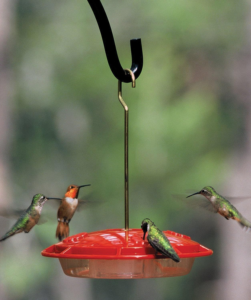
    hummingbird feeder
    Hummzinger saucer Feeder

    Aspects 12oz HummZinger Ultra With Nectar Guard.

    The HummZinger Ultra 12oz Saucer Feeder is one of the best options for a hummingbird feeder that’s both easy to clean and maintain. This top-tier feeder features patented Nectar Guard tips—flexible membranes on the feeding ports that keep flying insects out while still allowing hummingbirds to feed freely. Plus, it comes with an integrated ant moat to prevent crawling insects from reaching the nectar, and the raised flower ports help divert rain, keeping the nectar fresh.

    With a 12 oz capacity, this mid-size feeder offers plenty of space and can be hung or mounted on a post using the included hardware. It has four feeding ports and is made from durable, unbreakable polycarbonate. Whether you’re concerned about bees, wasps, or ants, this feeder is built for easy cleaning and insect protection.


    If you already have a hummingbird feeder, and you want to protect it from ants and other crawling insects, the ant moat below will do the job.

    Trap-It Ant Moat for Hummingbird Feeders

    Using an ant moat for your hummingbird feeder is an effective way to keep ants away from the sweet nectar. These tiny creatures are drawn to

    hummingbird feeder ant moat
    ant moat

    the sugar water, and without a barrier, they will quickly infest your feeder, preventing the birds from enjoying the nectar. An ant moat works by creating a barrier of water that ants can’t cross. Positioned above the feeder, it effectively blocks the ants’ path, keeping them from reaching the nectar.

    This simple solution also ensures that your hummingbird feeder remains clean and accessible for the birds, rather than becoming a breeding ground for ants or other pests. It’s a small addition that can make a big difference in maintaining a healthy, inviting space for hummingbirds, while also reducing the need for chemical ant deterrents.

    The first and still the best to protect your Hummingbird and Oriole feeder from ants and other crawling insects. Insert between hanger and feeder and fill with  water, providing a barrier to crawling pests. Red color to attract hummingbirds.


    Small bottle brushes and pipe cleaners are always helpful to dislodge mold inside the feeder and in the feeding ports. It is necessary to have a clean mold free feeder to attract hummingbirds and to keep them healthy.


    If you found this article helpful please share it with your friends using the social bookmarking buttons on the left side of this page.  Help everyone to increase their enjoyment of feeding hummingbirds. Do it for the hummingbirds!

    Hummingbird Resources

    U.S. Fish and Wildlife Service – Hummingbird Conservation
    This site offers detailed information about various hummingbird species, their habitats, and conservation efforts. It also provides resources on how to protect these fascinating birds.

    National Park Service – Hummingbird Resources
    The National Park Service offers insights into hummingbird species found in national parks, their behaviors, and their role in ecosystems, along with tips for observing them.

    Smithsonian National Museum of Natural History – Birds: Hummingbirds
    This resource provides educational materials on the role of hummingbirds in pollination and biodiversity, backed by scientific research and exhibits from the Smithsonian.

    U.S. Geological Survey – Hummingbird Studies
    The USGS offers research on hummingbird migration patterns, population dynamics, and environmental threats, including studies on climate change impacts.

    The Cornell Lab of Ornithology – Hummingbirds
    While not strictly a government site, Cornell partners with federal agencies to provide valuable scientific insights into hummingbird behavior, conservation, and field guides.


  • The Perfect Hummingbird Gifts for Your Nature-Loving Friends

    Introduction: Hummingbirds are more than just beautiful creatures—they symbolize joy, beauty, and the wonder of nature. If you have a friend who can’t get enough of these tiny, magical birds, why not treat them to a gift that reflects their love for hummingbirds? Whether they have a garden full of feeders or a collection of bird watching gear, there’s something special out there for them. Here’s a collection of thoughtful and unique hummingbird gifts that are sure to delight.

    Use Songbird Essentials Nectar Aid Self Measuring Pitcher and never measure ingredients again. Make any amount and the ingredients are  measured for you.

    SONGBIRD ESSENTIALS 008104 Nectar Aid Self Measuring Pitcher Clear/RedColumn 1 Column 2

    1. Hummingbird Feeders: A Gift of Hospitality for Nature’s Wonders

    One of the best gifts for any hummingbird enthusiast is a high-quality hummingbird feeder. These feeders are an invitation to nature, bringing the charm of hummingbirds right into the backyard. Choose from a variety of styles—vintage glass, sleek modern designs, or even whimsical shapes that will add a pop of color to the garden. A well-designed feeder not only attracts the birds but also becomes a beautiful focal point in any outdoor space.

    Why it’s a perfect gift: It’s a functional and beautiful addition to their backyard, allowing them to enjoy the sight of hummingbirds up close.


    2. Hummingbird Birdhouses: for indoor and outdoor decor

    Hummingbird birdhouses can be a charming and whimsical addition to both indoor and outdoor spaces, even though they don’t serve the practical purpose of housing hummingbirds. Hummingbirds are not known to nest in traditional birdhouses since they prefer to nest in trees or shrubs, often using the shelter of twigs, leaves, and moss. As such, these tiny, beautiful creatures aren’t likely to take up residence in a birdhouse meant for them.

    However, this doesn’t mean hummingbird-themed birdhouses are without value! Many people love using them as decorative accents. They can add a delightful touch to garden landscapes, hanging from tree branches or perched on fences, creating an inviting atmosphere that complements the natural beauty of the outdoors. The delicate and intricate designs of these houses often feature bright colors, floral patterns, or even tiny replicas of flowers, mimicking the natural environment where hummingbirds are most likely to thrive.

    Inside the home, a hummingbird birdhouse can be a fun, nature-inspired decoration. Whether placed on a mantelpiece, bookshelf, or in a sun room, it can evoke a sense of tranquility and connection to the natural world. They work especially well in spaces that embrace rustic, vintage, or cottage-style decor.

    While they might not provide shelter for hummingbirds, these birdhouses bring a unique, whimsical element to your surroundings, blending the beauty of the outdoors with creative, functional design. They offer a lovely way to celebrate these fascinating creatures and add personality to any space

    Why it’s a perfect gift: It’s a thoughtful way to help them add a charming and whimsical element to their garden décor.


    3. Hummingbird Jewelry: Carry the Magic Wherever They Go

    For hummingbird lovers who adore having a piece of their passion with them all the time, hummingbird-themed jewelry makes an ideal gift. From delicate necklaces to sparkling earrings, there’s a piece for every taste. Crafted in various materials like sterling silver, gold, or even colorful enamel, this jewelry captures the beauty of the hummingbird in a wearable form.

    Why it’s a perfect gift: It’s a stylish and personal way for your friend to showcase their love for hummingbirds, wherever they go.


    4. Hummingbird Wind Chimes: Music for the Soul

    Imagine the soothing sounds of wind chimes as they gently sway in the breeze, accompanied by the occasional flutter of hummingbird wings nearby. Hummingbird-themed wind chimes add a serene and melodic touch to any outdoor space. The soft tinkling sounds create a calming atmosphere while paying tribute to nature’s most magical birds.

    Why it’s a perfect gift: It combines nature’s beauty with relaxation, creating a peaceful environment for your friend to enjoy.


    5. Hummingbird-Themed Home Décor: Bringing Nature Indoors

    For those who love to bring nature into their homes, hummingbird-themed décor makes an excellent gift. From vibrant paintings to intricate sculptures, these pieces add a touch of whimsy and elegance to any living space. A beautiful hummingbird print or decorative item can serve as a reminder of the beauty and grace of these little creatures, making it a thoughtful and meaningful gift.

    Why it’s a perfect gift: It’s a unique way to celebrate their love for hummingbirds, while enhancing the aesthetic of their home.


    6. Hummingbird Books: Stories and Facts to Feed Their Curiosity

    For the friend who loves to learn more about the fascinating world of hummingbirds, a beautifully illustrated book or a detailed guide on these incredible birds is a perfect gift. These hummingbird books not only provide useful tips on attracting hummingbirds but also offer a deeper understanding of their biology, behavior, and migration patterns.

    Why it’s a perfect gift: It enriches their knowledge and passion, making it a thoughtful and informative present.

    Here’s the ultimate comprehensive guide to help you select that perfect hummingbird book!


    7. Hummingbird-Themed Clothing: Wear the Magic Everywhere

    For the friend who loves to express their style, hummingbird-themed clothing can make a fun and thoughtful gift. T-shirts, scarves, hats, or even socks featuring these tiny, iridescent birds will help them show off their passion for nature in a fashionable way. Whether it’s a bold statement piece or a subtle accessory, hummingbird-themed clothing brings a sense of wonder wherever they go.

    Why it’s a perfect gift: It’s a trendy and practical way for them to showcase their love for hummingbirds, no matter the occasion.


    Conclusion: Hummingbird lovers are some of the most dedicated nature enthusiasts, and finding the perfect gift for them can be an exciting journey. Whether it’s a functional item like a feeder, something beautiful like jewelry or décor, or a gift that adds to their knowledge, any of these thoughtful hummingbird gifts is sure to make them smile. Celebrate their love for these enchanting creatures and bring a little piece of nature into their life with a gift that will remind them of the magic of hummingbirds every day.


  • Band-tailed Barbthroat hummingbird

    Exploring the Band-tailed Barbthroat Hummingbird: A Jewel of the Skies

    The Band-tailed Barbthroat hummingbird (Threnetes ruckeri) is a fascinating and beautiful species that showcases the delicate elegance of hummingbirds, with its vibrant plumage and intricate behaviors. Found in the tropical regions of Central and South America, this species stands out not only for its striking appearance but also for its unique characteristics and the important ecological role it plays in its habitat.

    A Glimpse at Its Appearance

    True to its name, the Band-tailed Barbthroat hummingbird has a distinctive tail that helps set it apart from other hummingbirds. The tail feathers are broad and dark, with a noticeable white or light-colored band near the tip, creating a striking contrast against its otherwise rich, dark plumage. The iridescent green or blue-green coloration on its back and head gives the bird a jewel-like sheen, while its throat is often adorned with a patch of iridescent purple, adding to its visual appeal. These color patterns, particularly the barb-shaped feathers on its throat, are where it gets its common name.

    Male and female Band-tailed Barbthroats are similar in appearance, but males typically have more vibrant coloration and longer tails, which they use in courtship displays. These displays are a spectacular sight, as the males hover and dart around the females with rapid, acrobatic movements, showing off their tail feathers in an attempt to attract a mate.

    Habitat and Distribution

    The Band-tailed Barbthroat is typically found in the mountainous and tropical regions of Central America, including parts of southern Mexico, Guatemala, Honduras, and El Salvador, extending down into Panama. They prefer cloud forests, subtropical woodlands, and other highland habitats, where they thrive in areas rich with flowering plants. These birds are often found at elevations ranging from 1,000 to 2,500 meters (3,280 to 8,200 feet), although their altitude range can vary depending on local climate and vegetation.

    Diet and Feeding Behavior

    Like all hummingbirds, the Band-tailed Barbthroat feeds primarily on nectar from a wide variety of flowering plants. These birds have specialized adaptations, including a long, slender bill and a specialized tongue, which allows them to feed efficiently from tubular flowers. The bird’s diet is supplemented by small insects, which provide protein, especially during breeding season when energy demands are higher.

    Interestingly, the Band-tailed Barbthroat plays an important ecological role as a pollinator. As it feeds on nectar, the bird inadvertently transfers pollen from one flower to another, helping to ensure the reproduction of many plant species. This mutualistic relationship between the bird and its environment is crucial for maintaining the biodiversity of its ecosystem.

    Behavior and Reproduction

    The Band-tailed Barbthroat is a solitary and territorial species, particularly during the breeding season. Males are known to establish and defend territories around prime feeding locations, often fiercely chasing away rivals. These birds are known for their impressive aerial acrobatics, which include rapid hovering and intricate flight patterns, all of which are used during both feeding and courtship displays.

    When it comes to reproduction, the female builds a small, cup-shaped nest, often located in the dense vegetation of trees or shrubs. She uses plant fibers, down, and spider silk to create a soft, secure environment for her eggs. The female incubates the eggs for around 15 to 20 days before the chicks hatch, and she continues to care for them until they are old enough to fend for themselves.

    Conservation Status

    Currently, the Band-tailed Barbthroat is not listed as endangered, but like many species of hummingbirds, it faces threats due to habitat loss and climate change. The destruction of forest habitats, particularly in the face of expanding agriculture and urban development, poses a significant risk to their populations. Additionally, the effects of climate change, such as shifts in weather patterns and the availability of flowering plants, may further threaten their food sources and nesting sites.

    Conservation efforts aimed at protecting tropical habitats and promoting sustainable land use practices are crucial for ensuring the survival of this striking species. Ecotourism also plays an important role, as it helps raise awareness of the Band-tailed Barbthroat’s beauty and the importance of preserving its environment.

    Conclusion

    The Band-tailed Barbthroat hummingbird is a stunning example of nature’s artistry. With its shimmering plumage, delicate flight patterns, and vital role as a pollinator, it captures the imagination of birdwatchers and nature enthusiasts alike. As we continue to witness environmental changes that affect the planet’s biodiversity, it is essential to recognize the significance of these remarkable creatures and the ecosystems they inhabit. By working to preserve their habitats, we can ensure that future generations will be able to enjoy the sight of this radiant hummingbird as it flits through the lush forests of Central and South America.


  • The Legacy of Hummingbird Jewelry: A Journey Through Time

    Introduction to Hummingbird Jewelry

    Hummingbirds are among the smallest, most colorful, and most agile creatures in the natural world. Their unique qualities have inspired a wide array of artistic expressions, particularly in jewelry. From ancient civilizations to modern artisans, the depiction of the hummingbird in jewelry has fascinated cultures across the globe. The bird’s ability to hover in mid-air, its vivid, iridescent feathers, and its symbolic significance have led it to become a popular motif in both personal adornment and spiritual iconography.

    Hummingbird jewelry serves as a tangible expression of the bird’s symbolic meanings, including love, beauty, joy, freedom, and vitality. Whether crafted in precious metals, adorned with gemstones, or designed with intricate enamel work, hummingbird-themed jewelry conveys a sense of grace and movement. This exploration will delve into the history, symbolism, and cultural relevance of hummingbird jewelry. It will offer insights into how the bird has been represented in adornment over the centuries.

    1. Hummingbirds in Ancient and Indigenous Cultures

    Hummingbird symbolism varies significantly across different cultures. Each culture imbuing the bird with its own meanings and associations. For thousands of years, hummingbirds have been depicted in art and adornment as symbols of beauty, vitality, and spiritual significance.

    1.1 The Ancient Mesoamerican Cultures

    The earliest known use of hummingbird imagery in jewelry comes from the Mesoamerican civilizations of the ancient Americas. The Aztecs, Maya, and Olmecs, among others, incorporated hummingbirds into their religious practices and everyday life. These birds were more than just aesthetically pleasing creatures. They were woven deeply into the cosmologies of these cultures.

    In Aztec mythology, the hummingbird was associated with the sun god Huitzilopochtli. The sun god  was one of the central deities in Aztec religion. Huitzilopochtli was a god of war and the sun. The hummingbird was seen as a representation of his energy and vitality. The bird’s small size and vibrant colors were symbolic of the sun’s energy and were believed to have mystical powers. The Aztecs even believed that the souls of fallen warriors would transform into hummingbirds, symbolizing their ascension to the heavens and their eternal link to the divine. In honor of these beliefs, they crafted hummingbird-shaped jewelry from precious materials such as gold, jade, and turquoise, which were highly valued by the Aztecs.

    In addition to their connection to the sun god, hummingbirds were seen as symbols of vitality, renewal, and strength. They were often featured in ceremonial adornments, including necklaces, earrings, and headdresses, worn by warriors, priests, and nobility.

    1.2 Native American Symbolism

    In Native American cultures, the hummingbird holds a special place in both spiritual and everyday life. Different tribes viewed the hummingbird as a messenger, often associated with love, beauty, and happiness. It was seen as a creature that could travel between the worlds of the living and the spiritual realms. It symbolizes the fleeting nature of time and the importance of living in the present moment.

    The hummingbird is often revered as a symbol of joy, harmony, and the ability to navigate challenges with grace. Among the Pueblo and Hopi peoples, for example, the hummingbird is regarded as a protector. The hummingbird is a guardian of the spiritual and physical well being of its community. In these cultures, jewelry featuring hummingbirds might be worn for its believed power to attract positive energy, ensure spiritual balance, and bring good fortune.

    2. The Evolution of Hummingbird Jewelry in Western Art

    2.1 The Rise of Art Nouveau (Late 19th Century)

    The Art Nouveau movement, which began in Europe in the late 19th century, was deeply influenced by the natural world and its forms. This period marked a departure from the rigid geometric shapes and classical motifs of earlier design styles. Art Nouveau artists sought to capture the fluidity and organic beauty of nature. So, the hummingbird became a central motif in many pieces of jewelry.

    Art Nouveau jewelry, characterized by its flowing lines, natural forms, and delicate details, often featured motifs inspired by birds, flowers, and insects. Hummingbirds, with their graceful movements and iridescent colors, were a natural fit for these designs. Renowned artists like René Lalique were pioneers in incorporating hummingbirds into their work Through techniques like enameling, glasswork, and silver forging, highly detailed and artistic representations of the bird were created.

    Lalique, in particular, was famous for his innovative use of glass and metal to create lifelike hummingbird designs. His work often included elaborate, stylized representations of hummingbirds with outstretched wings, capturing the moment of flight. The use of translucent glass, delicate filigree, and iridescent enamels in Lalique’s pieces aimed to evoke the lightness and vibrancy of the hummingbird. This period in jewelry design marked the hummingbird as not just a symbol of beauty, but as an intricate work of art.

    2.2 The Influence of the Arts and Crafts Movement

    Parallel to Art Nouveau, the Arts and Crafts Movement (which began in Britain and spread to the United States) also emphasized the beauty of natural forms in its designs. Artists associated with this movement sought to return to hand craftsmanship and valued the natural world as a source of inspiration. Hummingbirds, with their vivid plumage and delicate flight patterns, were frequently depicted in jewelry, often using simple lines and natural materials like copper, silver, and gemstones.

    This movement was more rooted in the notion of functionality and simplicity compared to the ornate and decorative nature of Art Nouveau. But it still placed significant value on nature and the organic forms it could inspire. Hummingbird motifs, though often less detailed than their Art Nouveau counterparts, still conveyed a sense of vitality, motion, and connection to the earth.

    3. Hummingbird Jewelry in the 20th and 21st Centuries

    3.1 Revival and Popularity in Modern Jewelry

    In the 20th and 21st centuries, hummingbird jewelry has enjoyed a resurgence, both in terms of mass production and high-end artistry. With the advent of new materials and production techniques, jewelers have been able to create a wide range of hummingbird-themed pieces, from everyday adornments to haute couture creations.

    The 1960s and 1970s saw a boom in interest in nature-inspired jewelry, particularly in the United States. This was partly due to the countercultural movements of the time, which embraced natural beauty, free-spiritedness, and environmentalism. Jewelers began to design hummingbird pieces that were more accessible to the general public, with pieces made from sterling silver, semi-precious stones, and enamel. These designs often emphasized the bird’s energetic movement and brightly colored feathers, making use of vibrant gemstones like turquoise, garnet, and amethyst.

    3.2 Contemporary Artisans and Hummingbird Jewelry

    Today, hummingbird jewelry is made by artisans around the world who draw inspiration from both traditional craftsmanship and modern aesthetics. Some jewelers create pieces that are highly detailed, with finely crafted feathers, wings, and tails that mimic the bird’s graceful flight patterns. Others focus on abstract representations, using geometric shapes, stylized forms, and minimalistic designs to evoke the bird’s movement and energy.

    Gemstones, including opal, sapphire, and emerald, are often used to represent the dazzling colors of a hummingbird’s feathers.  Precious metals such as gold, silver, and platinum form the foundation for these pieces. Many contemporary designers also incorporate enamel work, a technique that allows for the creation of vivid colors and textures that mimic the iridescence of a hummingbird’s plumage.

    Some modern jewelers also embrace eco-friendly practices, creating sustainable jewelry with recycled metals and ethically sourced gemstones. These efforts reflect a broader cultural shift toward environmental consciousness and a renewed appreciation for the natural world.

    4. Materials and Techniques in Hummingbird Jewelry

    The materials and techniques used in the creation of hummingbird jewelry have evolved over the centuries, from the precious metals and stones of ancient civilizations to the innovative methods employed by contemporary artists.

    4.1 Ancient Materials: Gold, Turquoise, and Jade

    In the ancient Americas, hummingbird jewelry was often crafted from gold, jade, and turquoise—materials that were highly prized in pre-Columbian cultures. The Aztecs, Maya, and other Mesoamerican peoples believed that these materials held spiritual significance, and they used them not only for aesthetic purposes but also as part of their religious rituals. Gold, with its sun-like gleam, symbolized the sun god, while turquoise and jade were seen as sacred stones that connected the physical world to the divine.

    Jewelry items made of these materials were often worn by priests and warriors and were believed to carry protective and spiritual powers. Many of these pieces took the form of intricate hummingbird-shaped pendants, earrings, and headdresses, which symbolized the wearer’s connection to the gods and the afterlife.

    4.2 Art Nouveau Materials: Glass, Enamel, and Precious Metals

    During the Art Nouveau period, jewelers used materials like glass, enamel, and precious metals to capture the iridescent beauty of the hummingbird. René Lalique’s use of glass was revolutionary, as it allowed for translucency and delicate detailing that perfectly mirrored the lightness and movement of the bird.

    Enamel was another common technique used in Art Nouveau hummingbird jewelry. By layering colored glass over metal and firing it at high temperatures, jewelers could create highly detailed pieces with vibrant colors that evoked the shimmering feathers of the hummingbird. This was particularly effective for rendering the bird’s characteristic iridescent hues.

    4.3 Modern Materials: Gemstones, Silver, and Sustainable Practices

    Today, hummingbird jewelry is made from a wide variety of materials, including sterling silver, gold, platinum, and an array of gemstones. Precious stones like sapphire, ruby, and emerald are often used to represent the bird’s dazzling feathers, while more affordable options like turquoise, garnet, and amethyst allow designers to create pieces that are accessible to a wider audience.

    In recent years, sustainable practices have become more prominent in the jewelry industry, and many artisans now use recycled metals and ethically sourced gemstones in their work. This aligns with a growing consumer demand for environmentally responsible and socially conscious products.

    5. The Symbolic Meaning of Hummingbird Jewelry

    Hummingbird jewelry is much more than just a representation of a beautiful bird. Across various cultures and traditions, the hummingbird has come to symbolize an array of positive qualities, such as love, beauty, joy, and resilience.

    5.1 Symbol of Love and Beauty

    Perhaps the most universally accepted meaning of the hummingbird is its association with love and beauty. In Native American traditions, the hummingbird is often called the “messenger of love,” carrying the message of love and joy between people. In other cultures, the bird’s vibrant, delicate nature has led it to be seen as a symbol of love, romance, and the fleeting nature of beauty.

    5.2 Symbol of Freedom and Vitality

    The hummingbird’s incredible agility and ability to hover in midair are often interpreted as symbols of freedom and vitality. The bird’s flight patterns, which allow it to move quickly and effortlessly from one flower to another, are seen as a metaphor for living life to the fullest, embracing new opportunities, and being adaptable to change.

    5.3 Resilience and Strength

    In many indigenous cultures, the hummingbird is also a symbol of resilience and strength. Despite its small size, the hummingbird is capable of incredible feats of endurance, such as long migrations and rapid flight. This resilience is often admired and reflected in the use of hummingbird imagery in jewelry, symbolizing inner strength and the ability to overcome adversity.

    Conclusion

    Hummingbird jewelry has a long and diverse history. It’s a history that reflects the enduring appeal of this remarkable bird as a symbol of beauty, love, freedom, and vitality. From the ancient civilizations of Meso america to the vibrant designs of the Art Nouveau period, and into the modern jewelry industry, hummingbird imagery continues to captivate and inspire. The bird’s symbolism resonates with people across cultures and time periods. Thus, hummingbird jewelry has become a timeless and meaningful form of adornment. Whether crafted from ancient materials or modern sustainable practices, these pieces carry with them a sense of grace, movement, and an enduring connection to the natural world.

    Go here to learn more about hummingbird jewelry.

    To buy hummingbird jewelry go to Amazon.com.