• Category Archives Uncategorized
  • List of Native Hummingbird Plants for Southeastern United States

    The Southeastern United States is home to a wide variety of native plants that attract hummingbirds, providing them with nectar and habitat throughout the year. These plants thrive in the region’s warm climate and diverse ecosystems.

    Native Flowers

    Scarlet Sage (Salvia coccinea)

    Key Characteristics

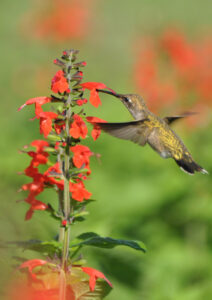
    Scarlet Sage (Salvia coccinea), also known as Tropical Sage or Blood Sage, is a native herbaceous perennial that is highly valued for its Scarlet Sage and a hummingbird feeding on the necrtarvibrant, tubular red flowers. These blooms are rich in nectar and attract hummingbirds, butterflies, and bees. Scarlet Sage is easy to grow, self-seeds readily, and adds a pop of color to gardens from spring through fall.
    • Height

    Scarlet Sage typically grows between 2 to 4 feet tall and spreads 1 to 2 feet wide. Some cultivars may reach up to 5 feet in height, making it versatile for garden beds, borders, or containers.

    • Bloom Time

    This plant blooms from late spring through fall, offering a long-lasting nectar source for pollinators. Deadheading encourages repeat blooming and keeps the plant looking fresh throughout the growing season.

    • Light Requirement

    Scarlet Sage thrives in full sun but can tolerate partial shade. For optimal flowering, plant it in locations that receive at least 6 hours of direct sunlight daily.

    • Soil Preference

    Scarlet Sage prefers well-drained soil with moderate moisture levels. It adapts to various soil types, including sandy, loamy, or slightly clay soils. While drought-tolerant once established, regular watering during dry spells ensures better flowering.

    • Natural Habitat and Growing Conditions

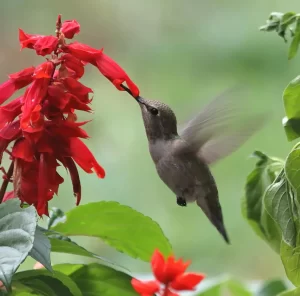
    Native to the southeastern United States and Mexico, Scarlet Sage thrives in USDA zones 7–10. It is commonly found in open woodlands, Scarlet Sage and hummingbirdmeadows, and coastal areas. In cooler climates (zones 6 and below), it can be grown as an annual.
    • Ecological Benefit

    Scarlet Sage is a magnet for hummingbirds due to its tubular flowers that perfectly suit their long beaks and tongues. Butterflies and bees also flock to its blooms for nectar. Additionally, its seeds provide food for small birds like finches. By planting Scarlet Sage, gardeners support pollinators while enhancing biodiversity.

    • Garden Uses

    Scarlet Sage is versatile in the garden and works well in pollinator gardens, cottage-style landscapes, or naturalized settings. Its bright flowers add bold color to borders, pathways, or mixed flower beds. It can also be grown in containers for patios or balconies where hummingbirds frequently visit.

    • Why Choose Scarlet Sage?

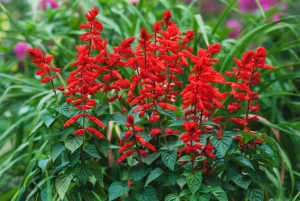
    Scarlet Sage is an excellent choice for gardeners seeking a low-maintenance plant that attracts pollinators while adding vibrant color to their outdoor spaces. Its adaptability to various soil types and climates makes it a reliable performer in most gardens. Additionally, its self-seeding ability ensures it will return year after year with minimal effort, creating a consistent habitat for hummingbirds and other wildlife.Scarlet Sage a great hummingbird attracting plant
    What Are the Unique Characteristics of This Plant That Make It Attractive to Hummingbirds?

    The bright red tubular flowers of Scarlet Sage are specifically designed for hummingbirds. Their shape allows easy access to nectar while minimizing competition from other pollinators. The extended bloom period ensures a reliable food source during critical times like migration and breeding seasons. Scarlet Sage’s ability to thrive in sunny spots makes it ideal for gardens where hummingbirds are active. Its self-seeding nature also ensures it returns year after year, creating a consistent habitat for these feathered jewels.


    Video: Scarlet Sage Salvia, one of the queens of my garden!

    I found this Scarlet Sage Salvia and since then, I have been growing it and the hummingbirds go crazy for it.


    Coral Honeysuckle (Lonicera sempervirens)

    Key Characteristics

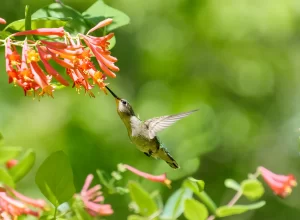
    Coral Honeysuckle (Lonicera sempervirens) is a native, twining woody vine celebrated for its vibrant, tubular flowers that range in color from Coral Honeysuckle and hummingbird feeding on the nectarscarlet red to reddish-orange with yellow throats. These blooms are rich in nectar and attract hummingbirds, butterflies, and bees. The vine also produces bright red berries in late summer to fall, which serve as a food source for birds.
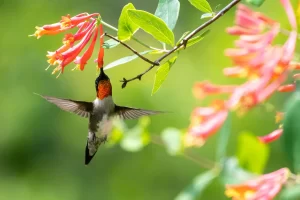
    • Height

    Coral Honeysuckle can grow 6–15 feet long and spread 3–6 feet wide. Its climbing habit makes it ideal for trellises, fences, arbors, or even as ground cover in naturalized landscapes.

    • Bloom Time

    This vine blooms profusely from spring through summer, with sporadic flowering continuing into fall. Its extended bloom period ensures a reliable nectar source for pollinators throughout the growing season.

    • Light Requirement

    Coral Honeysuckle thrives in full sun to partial shade. Planting it in full sun encourages abundant flowering, while partial shade may result in fewer blooms but still healthy growth.

    • Soil Preference

    This adaptable vine grows well in well-drained soils ranging from sandy to clay types. It tolerates both acidic and slightly alkaline soils and Coral Honeysuckle and hummingbird feeding on the nectarperforms best with moderate moisture levels.
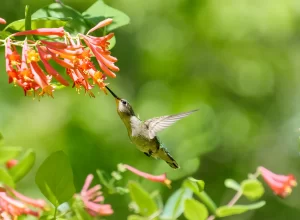
    • Natural Habitat and Growing Conditions

    Native to the eastern United States, Coral Honeysuckle is found in sandhills, floodplain forests, hardwood hammocks, and open woodlands. Hardy in USDA zones 4–9, it is semi-evergreen in warmer climates and deciduous in colder regions.

    • Ecological Benefit

    Coral Honeysuckle is a magnet for pollinators like hummingbirds, butterflies, and moths due to its nectar-rich flowers. Birds such as cardinals enjoy its berries as a food source. Additionally, it serves as a larval host plant for Spring Azure butterflies and Snowberry Clearwing moths.

    • Garden Uses

    Coral Honeysuckle is perfect for vertical gardening on trellises or fences. It can also be used as ground cover or trained into a weeping shrub form. Its vibrant blooms add bold color to pollinator gardens or cottage-style landscapes.

    • Why Choose Coral Honeysuckle?

    Coral Honeysuckle is an excellent choice for gardeners seeking a low-maintenance vine that attracts wildlife while adding beauty to their outdoor Coral Honeysucklespaces. Its adaptability to various soil types and climates makes it versatile and reliable. The combination of nectar-rich flowers and bird-friendly berries ensures year-round ecological benefits.
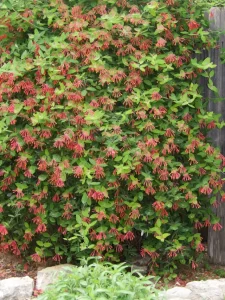
    What Are the Unique Characteristics of This Plant That Make It Attractive to Hummingbirds?

    The tubular shape of Coral Honeysuckle’s flowers is perfectly suited for hummingbirds’ long beaks and tongues, allowing them easy access to nectar. The bright red color acts as a visual beacon for these birds, who are naturally drawn to vibrant hues. The extended bloom period provides a consistent food source during critical times like breeding and migration seasons. Additionally, its climbing habit places the flowers at accessible heights for hummingbirds while creating stunning vertical displays in the garden.

    Video: The Perfect Native Vine? Why Coral Honeysuckle Deserves a Spot in Your Garden!

    Eastern Red Columbine (Aquilegia canadensis): A Hummingbird Friendly Gem

    Key Characteristics

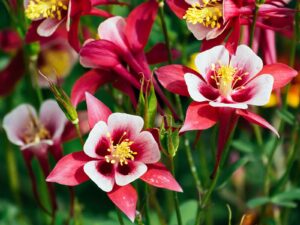
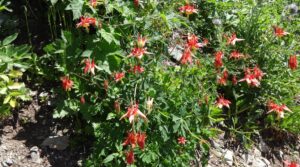
    Eastern Red Columbine (Aquilegia canadensis) is a perennial wildflower recognized for its striking red and yellow, bell-shaped flowers. This columbine, hummingbird attracting plantsnative plant is a favorite among gardeners and wildlife enthusiasts.
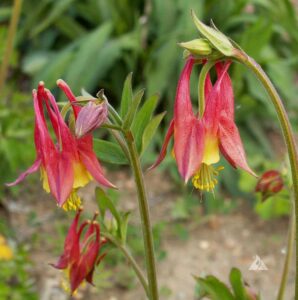
    • Zone

    It thrives in USDA hardiness zones 3–8, making it adaptable to a variety of climates across North America

    .

    • Height

    The plant typically grows between 1–3 feet tall, with a spread of 12–18 inches

    .

    • Bloom Time

    Eastern Red Columbine blooms from late spring to early summer, coinciding with the return of ruby-throated hummingbirds from migration

    .

    • Features

    Its pendulous flowers feature spurred petals resembling eagle talons, which are filled with nectar. The foliage is lobed and gray-green, adding ornamental appeal even after flowering

    .

    Natural Habitat

    This plant naturally occurs in rocky woodlands, slopes, and open prairies throughout eastern North America. It thrives in areas with good drainage and moderate moisture
    .

    Light Requirement

    Eastern Red Columbine grows well in partial shade but can tolerate full sun with adequate moisture

    .

    Soil Preference

    It prefers organically rich, moist soils but adapts to various conditions as long as drainage is good

    .

    Natural Habitat and Growing Conditions

    This resilient wildflower is drought-tolerant once established. It self-seeds readily, forming colonies that enhance naturalized gardens or woodland edges

    .

    Ecological Benefit

    The flowers are a vital nectar source for ruby-throated hummingbirds, hawk moths, and bees. Additionally, it serves as a host plant for the Columbine Duskywing butterfly

    .

    Garden Uses

    Eastern Red Columbine works well in pollinator gardens, woodland borders, or shady cottage gardens. Its deer-resistant nature makes it ideal for areas prone to browsing mammals

    .

    Why Choose Eastern Red Columbine?

    This native plant combines beauty with ecological value. Its vibrant blooms attract hummingbirds while adding color and texture to the garden.Eastern Red Columbine
    Unique Characteristics That make Red Columbine attractive for Hummingbirds

    • Attractive Color

    The vibrant red and yellow hues of Eastern Red Columbine (Aquilegia canadensis) are highly appealing to hummingbirds. These bright colors act as visual beacons, drawing hummingbirds to the flowers from a distance, especially during their migration.

    • Flower Shape

    The pendulous, bell-shaped flowers with elongated spurs are perfectly designed for hummingbird beaks. The spurred petals allow hummingbirds to access nectar deep within the flower, ensuring a mutually beneficial relationship between the plant and its avian visitors.

    • Nectar Content

    Eastern Red Columbine produces nectar with a high sugar concentration, making it a rich energy source for hummingbirds. The abundance of nectar ensures that these birds return repeatedly, boosting pollination success.

    • Blooming Sequence

    This plant blooms prolifically from late spring to early summer, coinciding with the arrival of ruby-throated hummingbirds in many regions. Its extended blooming period provides a reliable food source for these birds during critical times of migration and nesting.

    • Adaptability

    Eastern Red Columbine thrives in various environments, including woodland edges, rocky slopes, and shaded gardens. Its ability to grow in partial shade or full sun makes it accessible to hummingbirds across diverse habitats.

    • Pollination Partnership

    Hummingbirds are the primary pollinators of Eastern Red Columbine. As they feed on nectar, their movements transfer pollen between flowers, ensuring successful fertilization. This partnership exemplifies the intricate connection between wildlife and native plants.


    Video: How to Grow Columbine, Germinate Seed, Care for

    Learn all the information you need to grow Columbine Flowers, aka Wild Columbine, aka Eastern Red Columbine, Aquilegia canadensis. Grow this hardy perennial (USDA zones 3-8) in full sun to shade. Columbine will grow just about anywhere as long as the soil drains well. But in this video I teach you how to germinate columbine seeds, save seeds, identify Columbine, and numerous other tips from pests to diseases and how to avoid them. I also show you just how much Columbines Spread.

    Conclusion

    Eastern Red Columbine is not only a stunning addition to gardens but also an ecological powerhouse that supports hummingbirds and other pollinators. Its vibrant colors, specialized flower shape, rich nectar content, extended blooming period, adaptability, and symbiotic relationship with pollinators make it an essential choice for wildlife-friendly landscapes. By planting Eastern Red Columbine, gardeners can enjoy its beauty while contributing to the conservation of hummingbirds and their habitats.


    Cardinal Flower (Lobelia cardinalis) A Hummingbird Favorite

    Key Characteristics

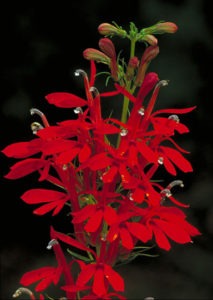
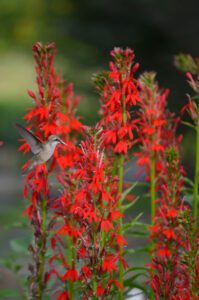
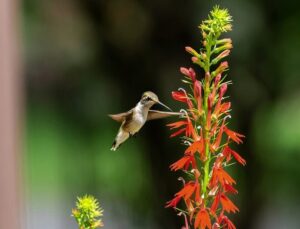
    Cardinal Flower (Lobelia cardinalis) is a striking herbaceous perennial native to North America. Known for its vibrant red blooms, it stands out Cardinal Flower and hummingbird feeding on nectaras one of the best plants for attracting hummingbirds. This short-lived perennial self-seeds readily, ensuring its presence in gardens for years.
    • Zone

    Hardy in USDA zones 3–9, Cardinal Flower thrives in a wide range of climates.

    • Height

    The plant grows to a height of 2–4 feet, with a spread of 1–2 feet, making it suitable for borders and rain gardens.

    • Bloom Time

    Cardinal Flower blooms from mid-summer to early fall, typically July through September, lasting for over a month.

    • Features

    Its tall spikes are adorned with tubular flowers that open sequentially from the bottom to the top, creating prolonged visual interest and nectar availability. The lance-shaped leaves add texture to the plant’s appearance.

    Natural Habitat

    Cardinal Flower is naturally found in wetlands, streambanks, swamps, and moist woodlands across North America.Cardinal Flower and a hummingbird
    Light Requirement

    It prefers full sun to partial shade. In hotter climates, afternoon shade can help protect the plant from excessive heat.

    Soil Preference

    This plant thrives in moist to wet soils rich in organic matter. It tolerates occasional flooding but struggles in dry or barren conditions.

    Growing Conditions

    Cardinal Flower flourishes in consistently moist environments such as rain gardens or along ponds and streams. Mulching helps retain soil moisture and protect roots during colder months.

    Ecological Benefit

    Its nectar-rich flowers are tailored for hummingbirds and also attract butterflies and bees. Cardinal Flower plays a key role in supporting pollinator populations and biodiversity.

    Garden Uses

    Ideal for rain gardens, borders, and native plantings, Cardinal Flower adds height and vivid color to moist areas. It pairs well with other moisture-loving plants like Great Blue Lobelia and marsh milkweed.

    Why Choose Cardinal Flower?

    Cardinal Flower combines beauty with ecological value. Its vibrant blooms attract hummingbirds while enhancing garden aesthetics. Its ability to Cardinal Flowerthrive in challenging wet conditions makes it a standout choice.
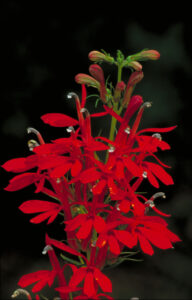
    What Makes Cardinal Flower Attractive to Hummingbirds?

    • Attractive Color

    The brilliant scarlet blooms of Lobelia cardinalis are irresistible to hummingbirds. The vivid red acts as a visual signal, drawing these birds to

    the plant from afar.

    • Flower Shape

    The tubular flowers are perfectly adapted for hummingbird beaks and tongues, allowing easy access to nectar while ensuring pollination.

    • Nectar Content

    Cardinal Flower produces abundant nectar with high sugar content, providing an essential energy source for hummingbirds during migration and nesting seasons.

    • Blooming Sequence

    Its flowers open gradually from the bottom of the spike upward over several weeks, ensuring a continuous supply of nectar throughout its blooming period.

    • Adaptability

    This plant thrives in various environments, including wetlands and shaded areas. Its ability to grow in both full sun and partial shade makes it accessible to hummingbirds across diverse habitats.

    • Pollination Partnership

    Hummingbirds are the primary pollinators of Cardinal Flower. As they feed on nectar, their heads brush against the flower’s reproductive structures, transferring pollen between plants and ensuring genetic diversity.


    Video: Complete Guide To The Cardinal Flower, Lobelia Cardinalis

    Conclusion

    Cardinal Flower is a stunning addition to wildlife-friendly gardens. Its vibrant color, specialized flower shape, rich nectar content, extended bloom time, adaptability, and symbiotic relationship with hummingbirds make it an ecological treasure. By planting Lobelia cardinalis, gardeners can enjoy its beauty while supporting pollinator populations essential for ecosystem health.


    Jewelweed (Impatiens capensis)

    Jewelweed, scientifically known as Impatiens capensis, is a captivating wildflower native to North America. Commonly called orange jewelweed, spotted jewelweed, or touch-me-not, this annual herb is celebrated for its vibrant flowers, ecological benefits, and unique seed dispersal mechanism. In this blog post, we’ll explore its key characteristics, natural habitat, growing conditions, ecological roles, and why it’s an excellent choice for your garden.

    Key Characteristics

    Zone:
    Jewelweed thrives in USDA Hardiness Zones 2 through 11, making it adaptable to a wide range of climates.Jewelweed and hummingbird
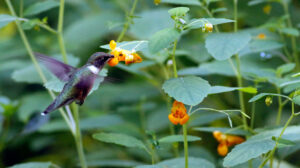
    Height:
    This plant typically grows between 3 and 5 feet tall depending on environmental conditions.

    Bloom Time:
    Jewelweed blooms from mid-summer to early fall (July–October), providing a long-lasting display of orange or yellow flowers dotted with reddish spots.

    Features:

    • Leaves: Oval-shaped with scalloped edges and microscopic hairs that trap air, giving them a waterproof appearance. Dew beads up on the leaves, creating a sparkling effect that inspired the name “jewelweed.”

    • Flowers: Trumpet-shaped blooms hang delicately on slender stalks. The orange flowers attract hummingbirds, while the yellow variety appeals to bumblebees.

    • Seed Dispersal: Jewelweed’s seed pods burst explosively when touched—a phenomenon known as “explosive dehiscence.”


    Natural Habitat

    Jewelweed is commonly found in moist, shady areas such as low woodlands, streambanks, bogs, and drainage ditches. It thrives in Jewelweed and hummingbirdenvironments with consistent moisture and partial to full shade.
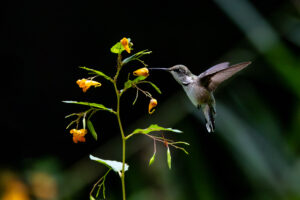
     

    Light Requirements

    This plant prefers partial to full shade but can tolerate dappled sunlight. Jewelweed’s adaptability to low-light conditions makes it ideal for woodland gardens or shaded wetland areas.


    Soil Preference

    Jewelweed thrives in moist, rich soils with high organic matter content. It prefers slightly acidic to neutral pH levels and can tolerate soggy conditions that many other plants cannot endure. Compost or rotted manure can improve soil quality for optimal growth.


    Growing Conditions

    In its natural environment, jewelweed grows abundantly in areas with consistent moisture and shade. It tolerates occasional flooding and can thrive in disturbed soils. Jewelweed self-sows vigorously once established, forming dense colonies that suppress invasive weeds.


    Ecological Benefits

    Jewelweed plays an essential role in supporting local ecosystems:

    • Pollinator Magnet: Its nectar-rich flowers attract hummingbirds, bees, butterflies, and other pollinators.

    • Seed Dispersal: The explosive seed capsules ensure propagation while providing food for small animals like mice and birds.

    • Companion Plant: Jewelweed often grows near poison ivy and is known for its sap’s ability to soothe skin irritations caused by poison ivy or insect bites.


    Garden Uses

    Jewelweed is a versatile addition to naturalistic gardens:Jewelweed and hummingbird
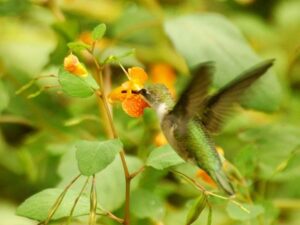
    • Rain Gardens: Ideal for wet areas prone to flooding.

    • Pollinator Gardens: Attracts hummingbirds and beneficial insects.

    • Erosion Control: Stabilizes soil along streambanks or slopes.

    • Medicinal Gardens: Known for its traditional use as a remedy for skin irritations like poison ivy rash.


    Unique Characteristics That Make Jewelweed Attractive for Hummingbirds

    Attractive Color

    Hummingbirds are naturally drawn to the bright orange hues of jewelweed’s flowers, which act as visual beacons signaling nectar availability.

    Flower Shape

    The tubular structure of jewelweed’s flowers aligns perfectly with the long beaks of hummingbirds, enabling efficient nectar extraction while facilitating pollination.

    Nectar Content

    Jewelweed produces abundant nectar throughout its blooming period, ensuring a reliable food source for hummingbirds during migration and nesting seasons.

    Blooming Sequence

    Jewelweed’s blooming sequence spans several months (July–October), ensuring that pollinators have access to nectar throughout the growing season. The staggered bloom time also allows gardeners to enjoy vibrant flowers over an extended period without replanting or intensive care.


    Adaptability

    Few plants can match jewelweed’s adaptability:

    • Moisture Tolerance: Thrives in consistently moist soils but can endure short periods of drought once established.Jewelweed plants

    • Shade Tolerance: Prefers partial shade but can grow in full shade.

    • Flood Resistance: Survives occasional flooding in rain gardens or wetlands.

    • Self-Sowing Capability: Forms dense colonies through vigorous self-seeding.

    • Natural Pest Resistance: Has few pest issues and is generally resistant to deer browsing due to its high water content.
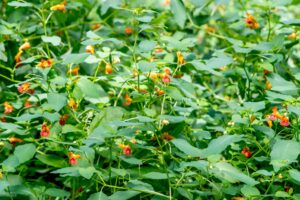
    This adaptability makes jewelweed an excellent choice for eco-friendly gardens prioritizing sustainability.


    Pollination Partnership

    Jewelweed exemplifies the intricate relationship between plants and their pollinators:

    1. Hummingbirds as Primary Pollinators: The bright orange flowers are perfectly adapted for hummingbirds’ long beaks and tongues.

    2. Bees & Butterflies: Bumblebees frequently visit jewelweed flowers alongside butterflies seeking nectar.

    3. Dual Pollination Mechanism: Jewelweed employs both cross-pollination via pollinators and self-pollination during stressful conditions (cleistogamy), ensuring reproduction even when pollinators are scarce.

    4. Ecosystem Impact: By supporting diverse pollinator species, jewelweed helps maintain healthy ecosystems that benefit other plants and wildlife.

    Conclusion

    Jewelweed (Impatiens capensis) is more than just a beautiful wildflower—it’s an ecological powerhouse that supports pollinators, stabilizes soils, and provides medicinal benefits. Whether you’re looking to enhance your garden’s biodiversity or add vibrant color to shaded areas, jewelweed is an excellent choice.

    Its extended blooming sequence ensures consistent support for wildlife throughout the growing season while its adaptability makes it suitable for challenging garden conditions like wet soils or shaded spaces. Additionally, its unique partnership with hummingbirds showcases nature’s intricate design of mutual benefit between plants and pollinators.

    By planting jewelweed in your garden, you’re not only cultivating beauty but also contributing positively to your local ecosystem—one vibrant orange flower at a time!

    This video tells all you need to know about the awesome hummingbird magnet, Jewel weed. When it comes to pollinator gardening the native perennials get most of the attention. However, there are many native annuals that make a great addition to the pollinator garden. The common jewelweed, Impatiens capensis, and pale jewelweed, Impatiens pallida, are two eye-catching native annual species that have super showy blooms that attract a wide variety of bees, butterflies, and the beloved ruby throated hummingbird. The jewelweeds grow well in wetter shaded areas and also self-seed, so they do not have to be replanted every year.


    Butterfly Weed (Asclepias tuberosa)

    Butterfly weed, scientifically known as Asclepias tuberosa, is a stunning perennial plant native to North America. Known for its vibrant orange blooms and ecological importance, this member of the milkweed family is a favorite among gardeners and pollinators alike. In this blog post, we’ll explore its key characteristics, growing requirements, ecological benefits, and why it’s an excellent addition to any garden.

    Key Characteristics

    Zone:
    Butterfly weed thrives in USDA Hardiness Zones 3 through 9, making it suitable for a wide range of climates across the United States.Butterfly weed and hummingbird feeding
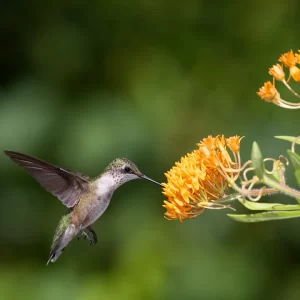
    Height:
    This plant typically grows between 1.5 and 3 feet tall, with a bushy growth habit that becomes more pronounced as it matures.

    Bloom Time:
    Butterfly weed blooms from late spring to early fall (April to September), providing a long-lasting display of vibrant flowers.

    Features:

    • Flowers: Clusters of bright orange or yellow flowers measuring 2–4 inches in diameter. These blooms are rich in nectar and pollen, making them highly attractive to pollinators.

    • Leaves: Narrow, lance-shaped leaves with a medium green color.

    • Roots: A deep taproot that allows the plant to survive drought conditions and thrive in poor soils.


    Natural Habitat

    Butterfly weed is native to prairies, open woodlands, hillsides, and roadsides across the eastern and southern United States. It thrives in sunny locations with well-drained soils and is often found in areas with sandy or rocky substrates.


    Light Requirements

    Full sun is essential for butterfly weed to thrive. The plant requires at least six to eight hours of direct sunlight daily to produce its iconic blooms. While it can tolerate light shade, insufficient sunlight may reduce flowering.


    Soil Preference

    Butterfly weed prefers well-drained soils ranging from sandy to loamy textures. It tolerates slightly acidic to neutral pH levels and thrives in nutrient-poor soils where other plants might struggle. Its deep taproot helps it adapt to dry conditions, but overwatering or poorly drained soils can harm the plant.


    Growing Conditions

    In its natural environment, butterfly weed grows in sunny, open spaces with dry or well-drained soil. Its ability to withstand drought makes it ideal for regions with hot summers or sandy soils. The plant’s preference for undisturbed areas means it often thrives along roadsides, in meadows, or on rocky slopes.


    Ecological Benefits

    Butterfly weed plays a vital role in supporting local ecosystems:Butterfly weed and hummingbird feeding on nectar
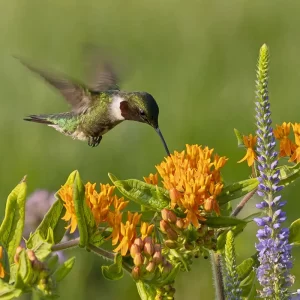
    • Pollinator Support: Its nectar-rich flowers attract butterflies (especially monarchs), bees, hummingbirds, and other pollinators.

    • Host Plant: As a milkweed species, butterfly weed serves as a larval host plant for monarch butterflies. Monarch caterpillars rely on milkweed leaves as their primary food source during development.

    • Biodiversity Boost: By attracting diverse pollinators, butterfly weed contributes to the health of surrounding ecosystems and supports plant reproduction through cross-pollination.

    Garden Uses

    Butterfly weed is versatile and can enhance various garden settings:

    • Pollinator Gardens: A must-have for attracting butterflies and bees while supporting monarch conservation efforts.

    • Wildflower Meadows: Adds vibrant color and ecological value to naturalistic landscapes.

    • Rock Gardens: Thrives in rocky or sandy soils where other plants may struggle.

    • Erosion Control: Its deep taproot stabilizes soil on slopes or disturbed areas.


    Why Choose Butterfly Weed?

    Butterfly weed offers numerous benefits that make it an outstanding choice for gardens:


    Unique Characteristics That Make Butterfly Weed Attractive for Hummingbirds

    Butterfly weed (Asclepias tuberosa) is not only a favorite of butterflies but also an irresistible magnet for hummingbirds. Its unique traits make it particularly appealing to these tiny, energetic birds:

    • Attractive Color

      Hummingbirds are naturally drawn to bright, warm colors like red, orange, and yellow, which signal the presence of nectar-rich flowers.

      Asclepias Tuberosa a hummingbird attracting plant

      Flower Shape

      The flower clusters of butterfly weed are composed of small, star-shaped blooms arranged in flat-topped umbels. Each individual flower has a tubular structure with reflexed petals and a prominent crown-like corona. This shape is perfectly suited to hummingbirds’ long beaks and tongues, allowing them to access nectar efficiently while facilitating pollination. The sturdy flower clusters also provide a stable landing platform for hummingbirds during feeding.

      Nectar Content

      Butterfly weed produces copious amounts of nectar, making it a reliable food source for hummingbirds throughout its blooming season. The high sugar content of the nectar provides the quick energy these birds need to sustain their rapid wingbeats and high metabolism. Additionally, the plant’s extended bloom time ensures that nectar is available over several months, supporting hummingbirds during critical periods such as migration.
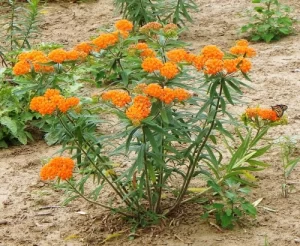
    Blooming Sequence

    Butterfly weed’s blooming sequence spans several months (April–September), ensuring that pollinators have access to nectar throughout the growing season. The staggered bloom time also allows gardeners to enjoy vibrant flowers over an extended period without replanting or intensive care.

    Adaptability

    Few plants can match butterfly weed’s adaptability:

    • Drought Resistance: Thanks to its deep taproot, butterfly weed thrives in dry conditions where other plants may fail.

    • Soil Tolerance: It grows well in sandy, rocky, or nutrient-poor soils.

    • Low Maintenance: Once established, butterfly weed requires minimal watering and no fertilization.

    • Wide Climate Range: Suitable for USDA Zones 3–9, it handles both freezing winters and hot summers with ease.

    This adaptability makes butterfly weed an excellent choice for eco-friendly gardens that prioritize sustainability.

    Pollination Partnership

    Butterfly weed exemplifies the mutualistic relationship between plants and pollinators:

    1. Butterflies & Bees: The bright orange flowers are highly attractive to butterflies like monarchs as well as bees seeking nectar.

    2. Hummingbirds: The tubular shape of the flowers makes them accessible to hummingbirds, which contribute to pollination by transferring pollen between blooms.

    3. Monarch Butterflies: As a milkweed species, butterfly weed plays a critical role in the monarch lifecycle by serving as both a nectar source for adults and a food source for larvae.

    4. Ecosystem Impact: By supporting diverse pollinator species, butterfly weed helps maintain healthy ecosystems that benefit other plants and wildlife.

    Conclusion

    Butterfly weed (Asclepias tuberosa) is more than just a beautiful addition to your garden—it’s an ecological powerhouse that supports pollinators, stabilizes soil, and enhances biodiversity. Its vibrant orange blooms provide visual appeal while serving as a critical resource for monarch butterflies and other pollinators.

    Whether you’re creating a pollinator garden, restoring native habitats, or simply looking for a low-maintenance perennial with high ecological value, butterfly weed is an exceptional choice. Its adaptability, extended bloom time, and role in supporting wildlife make it a standout plant that deserves a place in every garden.

    By planting butterfly weed, you’re not only beautifying your landscape but also contributing to the conservation of vital pollinator species—one bright orange flower at a time!


    Spotted Bee Balm (Monarda punctata)

    Spotted Bee Balm, scientifically known as Monarda punctata, is a unique perennial wildflower native to North America. Often referred to as Dotted Horsemint or Spotted Horsemint, this plant is celebrated for its striking blooms, aromatic foliage, and ecological benefits. In this blog post, we’ll explore its key characteristics, growing requirements, ecological roles, and why it’s an excellent addition to your garden.

    Key Characteristics

    Zone:
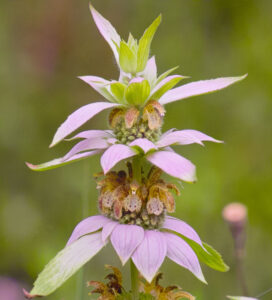
    Spotted Bee Balm thrives in USDA Hardiness Zones 3 through 9, making it suitable for a wide range of climates across the United States.Spotted Bee Balm bloom
    Height:
    This plant typically grows between 2 and 3 feet tall with a spread of about 2 feet.

    Bloom Time:
    Spotted Bee Balm blooms from late spring through early fall (June–September), providing a long-lasting display of intricate flowers.

    Features:

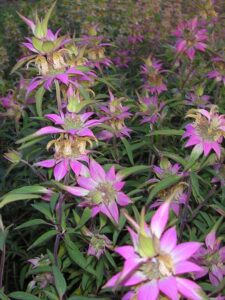
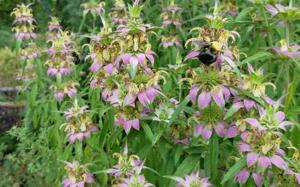
    • Flowers: The blooms feature pale yellow corollas with purple spots surrounded by showy bracts that range in color from pink to lavender. These bracts are often mistaken for petals due to their vibrant appearance.

    • Leaves: The narrow, aromatic leaves emit a scent reminiscent of oregano or thyme when crushed.

    • Stems: Square-shaped and pubescent, typical of plants in the mint family.

    Natural Habitat

    Spotted Bee Balm is commonly found in prairies, meadows, oak savannas, and sandy coastal plains. It thrives in dry, well-drained soils and often grows in areas with full sun exposure. Its native range spans much of the United States east of the Rocky Mountains.

    Light Requirements

    Full sun is essential for Spotted Bee Balm to thrive. It requires at least six hours of direct sunlight daily but can tolerate partial shade. The more sunlight it receives, the taller and more vibrant its blooms become.

    Soil Preference

    Spotted Bee Balm prefers sandy or loamy soils that are well-drained. It tolerates nutrient-poor soils and performs well in dry conditions. While it can adapt to slightly acidic environments, overly wet or compacted soils should be avoided.

    Growing Conditions

    In its natural environment, Spotted Bee Balm flourishes in areas with dry soils and abundant sunlight. It is drought-tolerant once established and self-seeds readily to form dense colonies. This plant does not spread aggressively via rhizomes, making it easy to control in gardens.

    Ecological Benefits

    Spotted Bee Balm is an ecological powerhouse:

    • Pollinator Magnet: Its nectar-rich flowers attract bees, butterflies (including monarchs), hummingbirds, and beneficial predatory insects Spotted Bee Balm flowers like wasps.

    • Host Plant: It supports endangered species such as the Karner Blue Butterfly when planted alongside wild blue lupine.

    • Pest Control: By attracting predatory wasps, Spotted Bee Balm helps control garden pests like grubs and caterpillars.

    • Biodiversity Boost: Its ability to thrive in poor soils makes it ideal for restoring native habitats and supporting diverse ecosystems.
    Garden Uses

    Spotted Bee Balm is versatile and can enhance various garden settings:

    • Pollinator Gardens: A must-have for supporting bees, butterflies, and hummingbirds.

    • Wildflower Meadows: Adds vibrant color and ecological value to naturalistic landscapes.

    • Rock Gardens: Thrives in sandy or rocky soils where other plants may struggle.

    • Medicinal Gardens: Known for its antimicrobial properties due to high thymol content in its leaves.


    Unique Characteristics That Make Spotted Bee Balm Attractive for Hummingbirds

    Attractive Color

    Hummingbirds are naturally drawn to the vibrant pinkish-purple bracts surrounding Spotted Bee Balm’s flowers. These bold colors act as visual cues signaling nectar availability.

    Flower Shape

    The tubular structure of Spotted Bee Balm’s flowers aligns perfectly with the long beaks of hummingbirds, enabling efficient nectar extraction while facilitating pollination.

    Nectar Content

    Spotted Bee Balm produces abundant nectar throughout its blooming period, ensuring a reliable food source for hummingbirds during migration and nesting seasons.

    Blooming Sequence

    Spotted Bee Balm’s blooming sequence spans several months (June–September), ensuring that pollinators have access to nectar throughout the growing season. Deadheading spent blooms can further extend flowering time, providing gardeners with vibrant displays while supporting wildlife.


    Adaptability

    Few plants can match Spotted Bee Balm’s adaptability:Spotted Bee Balm
    • Drought Resistance: Thrives in dry conditions thanks to its deep root system.

    • Soil Tolerance: Performs well in sandy or nutrient-poor soils.

    • Low Maintenance: Requires minimal watering once established.

    • Wide Climate Range: Suitable for USDA Zones 3–9, handling both cold winters and hot summers.

    • Non-Invasive Growth Habit: Self-seeds readily but does not spread aggressively via rhizomes.

    This adaptability makes Spotted Bee Balm an excellent choice for sustainable gardening practices.


    Pollination Partnership

    Spotted Bee Balm exemplifies the mutualistic relationship between plants and their pollinators:

    1. Hummingbirds & Butterflies: Both species rely on the plant’s tubular flowers for nectar while aiding in pollen transfer.

    2. Bees & Wasps: Attracts native bees as well as predatory wasps that help control garden pests.

    3. Ecosystem Impact: By supporting diverse pollinator species, Spotted Bee Balm contributes significantly to maintaining healthy ecosystems.


    Conclusion

    Spotted Bee Balm (Monarda punctata) is more than just a beautiful addition to your garden—it’s an ecological powerhouse that supports pollinators, controls pests, and enhances biodiversity. Whether you’re creating a pollinator garden or restoring native habitats, this plant is an exceptional choice.

    Its extended blooming sequence ensures consistent support for wildlife throughout the growing season while its adaptability makes it suitable for challenging garden conditions like sandy soils or intense sun exposure. Additionally, its unique partnership with hummingbirds showcases nature’s intricate design of mutual benefit between plants and pollinators.

    By planting Spotted Bee Balm in your garden, you’re not only cultivating beauty but also contributing positively to your local ecosystem—one vibrant bloom at a time!


    Fire Pink (Silene virginica): A Fiery Beauty for Hummingbirds

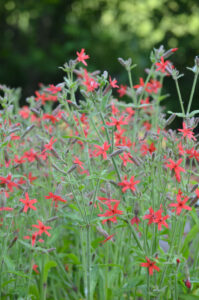
    Fire Pink (Silene virginica) is a striking native wildflower that brings vibrant color and ecological value to gardens and natural landscapes. Known for its brilliant red, star-shaped flowers, this perennial plant is a favorite among hummingbirds, making it an excellent choice for pollinator-friendly gardens in the Eastern United States.
     

    Key Characteristics

    Fire pink is a short-lived perennial that grows between 6 to 24 inches tall. Its stems are hairy and sticky, while the flowers feature five deeply notched petals, creating a star-like appearance. These flowers are tubular, making them ideal for pollinators like hummingbirds.

    Zone  Fire pink thrives in USDA hardiness zones 4 through 9, encompassing much of the eastern and central United States.

    Height  This plant typically grows to a height of 12–18 inches but can reach up to 24 inches in optimal conditions.

    Bloom Time  Fire pink blooms from late spring into early summer, with its flowering period extending from April to July depending on the region.


    Features

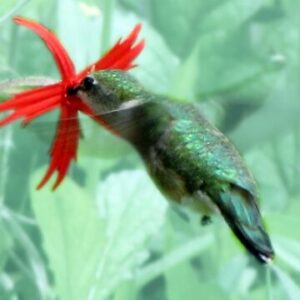
    Bright red, five-petaled flowers with a delicate fringe, held on slender stems above basal rosettes of green leaves. The vivid red blooms of Fire Pink are highly attractive to hummingbirds, who are naturally drawn to bright colors. The flower’s tubular shape and open structure make it easy for hummingbirds to access the nectar deep within. This plant’s fiery appearance not only adds visual interest to your garden but also creates an essential feeding station for these energetic birds.


    Natural Habitat

    Fire Pink thrives in rocky woodlands, open meadows, and along forest edges. It prefers well-drained soil and sunny to partially shaded conditions. Its natural ability to grow in challenging environments, such as rocky slopes or poor soils, makes it an adaptable addition to gardens.


    Care and Maintenance

    Fire Pink is relatively low-maintenance but benefits from proper care:
    • Plant in well-drained soil with good sun exposure.

    • Avoid overwatering; the plant is drought-tolerant once established.

    • Deadhead spent blooms to encourage prolonged flowering and prevent self-seeding if desired.


    Ecological Benefits

    Fire Pink’s nectar-rich flowers are perfectly suited for hummingbirds, which are its primary pollinators. The plant’s bright blooms also attract butterflies and other pollinators, supporting biodiversity in your garden.


    Why Choose Fire Pink?

    With its stunning red flowers, ease of care, and ability to attract hummingbirds, Fire Pink is a standout choice for gardeners looking to enhance their landscapes while supporting native wildlife. Whether planted in rock gardens, woodland edges, or sunny borders, this fiery wildflower will bring life and color to your garden year after year.

    What are the unique characteristics of Fire Pink that attract hummingbirds

    Fire Pink (Silene virginica) is a native perennial wildflower with several unique traits that make it highly appealing to hummingbirds. Its vibrant blooms, specialized floral structure, and ecological adaptations ensure it remains a favorite among these pollinators.

    • Brilliant Scarlet Flowers

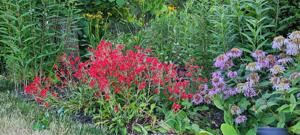
    The striking scarlet-red color of Fire Pink’s flowers is one of its most eye-catching features. Hummingbirds are naturally drawn to bright colors Fire Pink plantlike red, which signal a rich nectar source. The vivid blooms stand out in woodland edges, meadows, and rocky slopes, making them easy for hummingbirds to locate.
    • Tubular Flower Shape

    The flowers of Fire Pink have a narrow tubular structure that is perfectly suited to the long bills and tongues of hummingbirds. This design allows hummingbirds to access nectar deep within the flower while minimizing competition from other pollinators, such as bees and butterflies.

    • High Nectar Production

    Fire Pink produces abundant nectar, making it an energy-rich food source for hummingbirds. Its blooming period, which lasts from late spring through early summer (April–July), aligns with the active feeding season of Ruby-throated Hummingbirds, ensuring they have access to nourishment during critical times.

    • Sticky-Hairy Stems

    The plant’s sticky hairs on its stems and calyx act as natural flypaper, deterring ants and small insects from stealing nectar. This adaptation ensures that larger pollinators like hummingbirds can access the nectar without interference.


    Adaptability to Rocky and Dry Soils

    Fire Pink thrives in challenging environments such as rocky slopes and dry woodlands. Its ability to grow in well-drained soil with partial sun makes it a versatile addition to gardens designed for pollinators.

    With its vivid blooms, tubular flowers, and high nectar output, Fire Pink is an essential plant for attracting hummingbirds while adding striking beauty to naturalized landscapes or pollinator-friendly gardens.


    Pollination Partnership

    The ruby-throated hummingbird is the primary pollinator of fire pink. This mutually beneficial relationship highlights the ecological importance of this native wildflower.


    Conclusion

    Fire pink is more than just a beautiful addition to your garden—it’s a vital part of the ecosystem that supports pollinators like hummingbirds while providing dazzling color throughout spring and summer. Its adaptability, low-maintenance requirements, and ecological benefits make it an excellent choice for gardeners looking to cultivate native plants that give back to nature. Add fire pink to your garden today for a vibrant splash of red that attracts wildlife and enhances biodiversity!

    Video: Fire Pink


    Indian Pink  (Spigelia marilandica) A Native Gem for Your Garden

    Indian Pink is a striking perennial native to the southeastern United States. Sometimes called Pinkroot or Wormgrass, its name reflects both its vibrant appearance and historical medicinal uses.

    Key Characteristics

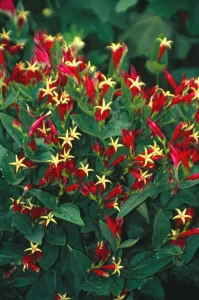
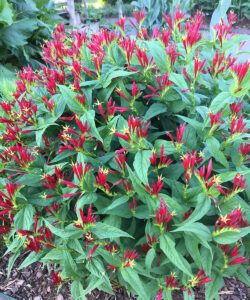
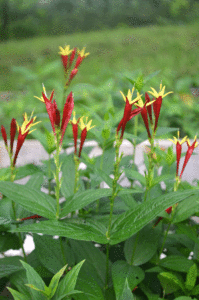
    Indian Pink is celebrated for its upright clusters of tubular flowers, which are deep red on the outside and bright yellow inside, flaring at the tips Indian Pink shrublike tiny stars. The plant forms neat clumps of glossy, dark green, ovate leaves arranged oppositely along the stem.
    Zone

    This perennial thrives in USDA Hardiness Zones 5–9, making it suitable for a wide range of temperate gardens across the eastern and southern U.S.

    Height

    Mature Indian Pink plants typically reach 1 to 2.5 feet in height, with some robust specimens growing up to 3 feet tall.

    Bloom Time

    Indian Pink blooms in late spring to early summer, usually from May through June. With proper care, especially deadheading, it may rebloom sporadically into mid-summer.


    Features

    • Showy, tubular red and yellow flowers

    • Glossy, dark green foliage

    • Clump-forming habit

    • Long-lived and low-maintenance

    • Deer-resistant and drought-tolerant once established

    Natural Habitat

    In the wild, Indian Pink is found in moist woodlands, along streambanks, and at the edges of rich, shady forests. Its native range extends from Indian PinkIndiana to Texas and southeast to Florida.
    Light Requirements

    Indian Pink prefers partial shade to dappled sunlight, mimicking its woodland origins. It can tolerate full sun if provided with adequate moisture, but too much shade may reduce blooming.

    Soil Preference

    This plant thrives in moist, well-drained soils rich in organic matter. It tolerates a range of soil types, from slightly acidic to neutral, and can adapt to both wet and dry conditions with proper care.

    Growing Conditions

    • Plant in spring or fall for best establishment

    • Water regularly, especially in sunnier spots

    • Mulch to retain soil moisture and suppress weeds

    • Deadhead spent blooms to encourage reblooming

    • Divide clumps every few years to maintain vigor

    Ecological Benefit

    Indian Pink is a powerhouse for pollinators. Its tubular flowers are a magnet for hummingbirds, butterflies, and other beneficial insects, Indian Pink supporting local biodiversity and healthy garden ecosystems.
    Garden Uses

    • Woodland and shade gardens

    • Pollinator and native plant gardens

    • Shady borders and understory plantings

    • Pond-side and bog gardens

    • Unique cut flowers for arrangements

    Why Choose Indian Pink?

    Indian Pink offers a rare combination of vivid color, adaptability, and ecological value. It’s easy to grow, long-lived, and brings a bold splash of red and yellow to shady spots where few other perennials thrive. Its resistance to deer and drought further enhances its appeal.

    Unique Characteristics That Make Indian Pink Attractive for Hummingbirds

    Attractive Color

    The brilliant red and yellow hues of Indian Pink’s flowers are irresistible to hummingbirds, who are naturally drawn to bright, tubular blooms.

    Flower Shape

    The long, narrow, upward-facing tubes are perfectly shaped for hummingbird beaks, allowing easy access to nectar while facilitating pollination.

    Nectar Content

    Indian Pink produces abundant nectar, providing a rich food source for hummingbirds throughout its extended bloom period.

    Blooming Sequence

    Flowers open sequentially along the stem, ensuring a steady supply of fresh blooms and nectar over several weeks, which keeps pollinators returning.

    Adaptability

    Its ability to thrive in various light and soil conditions means Indian Pink can support hummingbirds in diverse garden settings, from deep shade to partial sun.

    Pollination Partnership

    As hummingbirds feed, they transfer pollen from flower to flower, ensuring successful reproduction for the plant and a reliable food source for the birds—a classic win-win partnership.


    Video: Spigelia – A Native Perennial for your Garden

    Spigelia is underutilized in the landscape due to limited availability, but it’s poised to make an explosion in popularity. Why? It’s a very versatile perennial-it grows naturally in either sun or shade. This perennial can be found growing in the wild in woodlands and along streambanks throughout the Eastern United States. It’s wildly popular among wildflower enthusiasts and highly sought after.

    Conclusion

    Indian Pink (Spigelia marilandica) is a standout native perennial that brings beauty, resilience, and ecological value to any garden. Its dazzling flowers, adaptability, and strong appeal to hummingbirds make it a must-have for gardeners seeking to support pollinators and add vibrant color to shady spaces. Whether you’re designing a woodland retreat or simply want to attract more wildlife, Indian Pink is a choice that will reward you year after year.


    Native Shrubs

    • Red Buckeye (Aesculus pavia): A Showstopper for Pollinators and Gardens

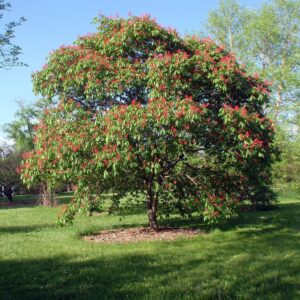
      Red Buckeye (Aesculus pavia), also known as Firecracker Plant or Scarlet Buckeye, is a native deciduous shrub or small tree prized for its vibrant spring blooms and wildlife value.

      Key Characteristics

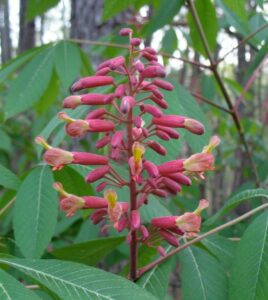
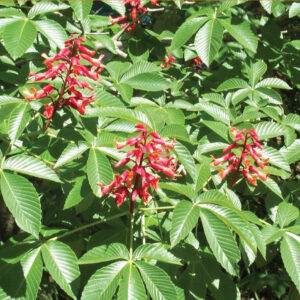
      Red Buckeye is recognized for its upright clusters of tubular red (occasionally yellow) flowers, palmately compound leaves with five leaflets, Red Buckeyeand smooth, light brown seed capsules. The plant typically grows as a multi-stemmed shrub or small tree, with glossy green foliage that drops by late summer.
      Zone

      This species thrives in USDA Hardiness Zones 6A through 9A, making it suitable for much of the southeastern and south-central United States.

      Height

      Red Buckeye generally reaches 10–20 feet tall in cultivation, though it can grow up to 25–30 feet in the wild. In Texas and drier regions, it often remains on the shorter end of this range.

      Bloom Time

      The plant blooms in early to mid-spring, typically from March through May, with showy flower clusters that are among the first to appear in the season.

      Features

      • Striking red (or sometimes yellow) tubular flowers in large clusters

      • Deciduous, palmately compound leaves

      • Multi-stemmed, shrubby or small tree form

      • Smooth, light brown seed capsules

      • Leaves drop by late summer, often before other trees

      Natural Habitat

      Red Buckeye is native to the southeastern U.S., from North Carolina and Florida west to central Texas and north to Illinois. It is commonly found in woodlands, along streams, in thickets, and on rocky hillsides.

      Light Requirements

      This plant prefers part shade, thriving as an understory shrub. It will bloom in shade but produces more flowers with 3–4 hours of sunlight daily. Protection from harsh afternoon sun is ideal, especially in hotter climates.

      Soil Preference

      Red Buckeye grows best in deep, well-drained soils—sand, loam, clay, or limestone. It prefers moist, slightly acidic to neutral soils but is Red Buckeye bloomsadaptable to a range of conditions. Overwatering should be avoided to prevent leaf spot diseases.
      Growing Conditions

      • Plant in spring or fall for best establishment

      • Water regularly, especially during dry spells, but avoid soggy soil

      • Mulch to retain moisture and suppress weeds

      • Prune after flowering to shape and remove dead wood

      • Protect from afternoon sun in hot climates

      Ecological Benefit

      Red Buckeye is a powerhouse for pollinators. Its nectar-rich flowers attract hummingbirds, bees, and butterflies, while its dense foliage provides shelter for small mammals and birds. The plant supports local biodiversity and helps create a thriving garden ecosystem.

      Garden Uses

      • Woodland and shade gardens

      • Pollinator and native plant gardens

      • Specimen tree or shrub in mixed borders

      • Rain gardens and streamside plantings

      • Natural privacy screens

      Why Choose Red Buckeye?

      Red Buckeye offers a unique combination of ornamental beauty, adaptability, and ecological value. Its early, vibrant blooms provide a crucial nectar source for pollinators, and its manageable size makes it suitable for both small and large gardens. The plant’s resilience and low maintenance needs further enhance its appeal.

      Unique Characteristics That Make Red Buckeye Attractive for Hummingbirds

      Attractive Color

      The vivid red (and occasionally yellow) flowers are highly visible and irresistible to hummingbirds, who are drawn to bright, tubular blooms.Red Buckeye shrub

      Flower Shape

      The long, tubular flowers are perfectly shaped for hummingbird beaks, allowing easy access to nectar and facilitating pollination.

      Nectar Content

      Red Buckeye’s flowers are rich in nectar, providing an essential early-season food source for hummingbirds and other pollinators.

      Blooming Sequence

      The plant’s flowers open in succession along the cluster, ensuring a steady supply of nectar over several weeks and keeping pollinators returning throughout the bloom period.

      Adaptability

      Red Buckeye thrives in a variety of light and soil conditions, making it a reliable nectar source in diverse garden settings, from woodland edges to urban landscapes.

      Pollination Partnership

      As hummingbirds feed, they transfer pollen between flowers, ensuring successful reproduction for the plant and a reliable food source for the birds—a classic mutualistic relationship.

    Red buckeye is quite possibly one of the more attractive spring flowering trees/shrubs. It is low maintenance, long-lived, and an excellent plant for pollinating wildlife. In this Extension Gardener segment, we will be talking all about buckeye and how to grow it!

    Conclusion

    Red Buckeye (Aesculus pavia) is a standout native shrub or small tree that brings early-season color, wildlife value, and adaptability to gardens. Its showy blooms, strong appeal to hummingbirds, and ecological benefits make it a top choice for gardeners seeking to support pollinators and add vibrant beauty to their landscapes. By planting Red Buckeye, you’re not only enhancing your garden’s visual appeal but also contributing to the health and diversity of your local ecosystem.


    • American Beautyberry (Callicarpa americana): A Vibrant Native for Wildlife and Gardens

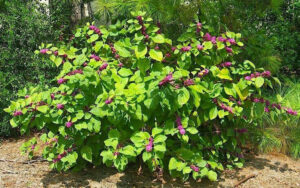
      American Beautyberry is a native deciduous shrub renowned for its dazzling clusters of purple berries and graceful, arching branches. Sometimes called French Mulberry or Beautyberry, it’s a standout in any landscape.

      Key Characteristics

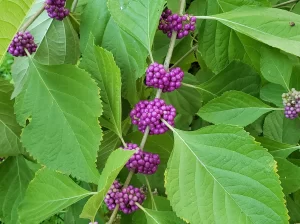
      This shrub features long, arching stems with large, coarsely toothed, green leaves. Its most striking feature is the dense clusters of glossy, American Beautyberry shrubiridescent-purple berries that hug the branches at the leaf axils in fall and winter. In spring and summer, it produces small, pink to lilac flowers that are subtle but attractive to pollinators.
      Zone

      American Beautyberry thrives in USDA Hardiness Zones 6–10, making it suitable for much of the southeastern and south-central United States.

      Height

      Typically, American Beautyberry grows 3–5 feet tall and wide, but in optimal conditions, it can reach up to 9 feet or even 12 feet in the wild.

      Bloom Time

      Small pink to lilac flowers appear from late spring through summer (June–July), followed by the development of vibrant berries that ripen from August to November and persist into winter.

      Features

      • Clusters of brilliant purple (occasionally white) berries in fall and winter

      • Long, arching branches with large, green, coarsely toothed leaves

      • Deciduous, with yellow-green fall foliage

      • Smooth bark with lenticels on older wood

      • Multi-stemmed, bushy growth habit

      Natural Habitat

      American Beautyberry is native to the southeastern U.S., commonly found in woodlands, thickets, along woodland edges, and in the understory of pine and oak forests. It prefers climates with mild winters and hot, humid summers.

      Light Requirements

      This shrub grows well in full sun to partial shade. While it tolerates shade, berry and flower production are best with at least a few hours of direct sunlight each day.

      Soil Preference

      American Beautyberry is adaptable to a variety of soils, including clay, loam, and sand, but prefers moist, well-drained soil. It tolerates both acidic and neutral pH and can handle less-than-ideal conditions once established.

      Growing Conditions

      • Plant in spring or fall for best resultserican Beautyberry shrub with berries

      • Water regularly during the first growing season; drought-tolerant once established

      • Mulch to retain moisture and suppress weeds

      • Prune in late winter or early spring to maintain shape and encourage fuller berry displays

      • Minimal pest or disease issues; low maintenance

      Ecological Benefit

      American Beautyberry is a powerhouse for wildlife. Its berries are a vital food source for birds, including mockingbirds, robins, and cardinals, as well as small mammals. The flowers attract butterflies and other pollinators. Crushed leaves release compounds that naturally repel mosquitoes, making it useful for people and wildlife alike.

      Garden Uses

      • Wildlife and pollinator gardens

      • Shrub borders and mixed hedges

      • Woodland and shade gardens

      • Erosion control on slopes

      • Naturalized plantings and property lines

      Why Choose American Beautyberry?

      American Beautyberry offers year-round interest, from its lush green foliage and delicate summer flowers to its spectacular fall berries. It’s easy to grow, drought-tolerant, and supports a wide range of wildlife. Its natural mosquito-repelling properties and low maintenance needs make it a practical and beautiful addition to any garden.

      Unique Characteristics That Make American Beautyberry Attractive for Hummingbirds

      Attractive Color

      While the berries are the main attraction for birds, the small pink to lilac flowers provide a subtle but appealing nectar source for hummingbirds and butterflies.

      Flower Shape

      The short, tubular flowers are accessible to hummingbirds, allowing them to feed easily while pollinating the plant.

      Nectar Content

      The flowers offer nectar that attracts not only hummingbirds but also a variety of pollinators, supporting garden biodiversity.

      Blooming Sequence

      Flowers appear in clusters along the stems in early to mid-summer, providing a steady nectar supply before the berries form.

      Adaptability

      American Beautyberry thrives in a range of light and soil conditions, ensuring it can support pollinators in diverse garden settings.

      Pollination Partnership

      As hummingbirds and other pollinators visit the flowers, they facilitate cross-pollination, leading to the abundant berry clusters that define the plant in fall.

      Conclusion

      American Beautyberry (Callicarpa americana) is a stunning native shrub that brings vibrant color, wildlife value, and resilience to gardens. Its showy berries, adaptability, and ecological benefits make it a top choice for gardeners seeking beauty and biodiversity. By planting American Beautyberry, you’ll enjoy a landscape that’s as lively and functional as it is beautiful, supporting birds, pollinators, and even your own outdoor enjoyment.


      Video: Beautyberry Plant Profile

      Beautyberry (Callicarpa americana) is a shrub that is native to our Mid-Atlantic area and throughout the southeastern United States, Beautyberry adapts well to various growing conditions from part shade to full sun, from moist soil to dry. It reaches 4-6 feet in height and width.


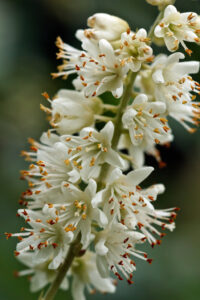
    • Sweet Pepperbush (Clethra alnifolia) also called Summersweet

      Key Characteristics

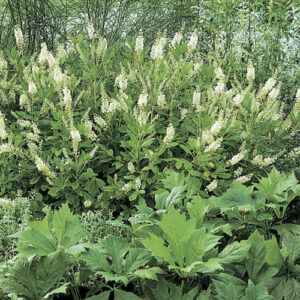
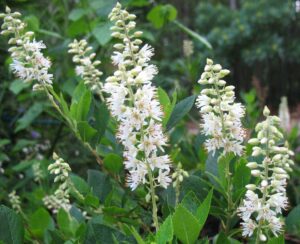
      Sweet Pepperbush, also known as Summersweet, is a deciduous, chalice-shaped shrub native to the eastern United States. It is celebrated for its upright, mounded habit, glossy green leaves, and showy, fragrant white flower spikes that bloom in mid to late summer. The flowers are highly attractive to pollinators, especially hummingbirds and butterflies

      .

      Zone

      Sweet Pepperbush thrives in USDA Hardiness Zones 3 to 8, making it suitable for a wide range of climates across much of the United StatesSweet Pepperbush

      .

      Height

      At maturity, Sweet Pepperbush typically reaches 5 to 7 feet in height, with a spread of 5 to 6 feet

      .

      Bloom Time

      The plant blooms from early to mid-summer, with flowers appearing from July through August. The bloom period can extend into late summer, providing a valuable nectar source when few other shrubs are flowering

      .

      Features

      • Fragrant, bottlebrush-like white flower spikes

      • Glossy green, serrated leaves that turn yellow to golden-brown in fall

      • Deciduous foliage

      • Low maintenance and deer resistant

      • Attracts birds, hummingbirds, and butterflies

      • Tolerates wet soils and short periods of drought

      Natural Habitat

      Sweet Pepperbush is native to moist woodlands, stream banks, swamp margins, and wetland edges throughout the eastern United States. It is commonly found in areas with dappled shade and consistently moist, acidic soilsSweet Pepperbush shrub

      .

      Light Requirements

      This shrub is highly adaptable, thriving in full sun to partial shade. In hotter climates, it benefits from afternoon shade to prevent leaf scorch and maintain soil moisture

      .

      Soil Preference

      Sweet Pepperbush prefers moist, well-drained, slightly acidic soils rich in organic matter. It tolerates sandy, loamy, and even clay soils, provided they are not allowed to dry out completely. The plant can also withstand short periods of flooding once established

      .

      Growing Conditions

      • Water: Requires regular watering, especially during establishment and in dry periods.

      • Mulch: A generous layer of mulch helps retain soil moisture and keep roots cool.

      • Pruning: Prune in late winter or early spring to remove old wood and encourage new growth, as flowers form on new wood.

      • Spacing: Allow 5–6 feet between plants for mature spread

      • .

      Ecological Benefit

      Sweet Pepperbush is a powerhouse for pollinators. Its nectar-rich flowers attract hummingbirds, bees, and butterflies, while its seeds and foliage provide food and shelter for birds and other wildlife. The shrub also helps stabilize soil in wetland areas and supports native biodiversity

      .

      Garden UsesSweet Pepperbush bloom

      • Borders and hedges

      • Rain gardens and wetland edges

      • Wildlife and pollinator gardens

      • Naturalized or woodland plantings

      • Foundation plantings

      • Containers (with adequate moisture)

      Why Choose Sweet Pepperbush?

      Sweet Pepperbush is a versatile, low-maintenance native shrub that brings multi-season interest to the garden. Its adaptability to various light and soil conditions, resistance to deer, and ability to thrive in wet or average soils make it an excellent choice for both novice and experienced gardeners. The fragrant summer blooms and vibrant fall foliage add ornamental value, while its ecological benefits support a healthy garden ecosystem

      .

      Unique Characteristics That Make Sweet Pepperbush Attractive for Hummingbirds

      Attractive Color

      The snow-white flower spikes stand out against the dark green foliage, making them highly visible to hummingbirds searching for nectar sources in mid to late summer

      .

      Flower Shape

      Sweet Pepperbush produces dense, upright, bottlebrush-shaped flower clusters. Each tiny flower is perfectly shaped for hummingbirds to access nectar with their slender bills

      .

      Nectar Content

      The flowers are rich in nectar, providing a critical food source for hummingbirds and other pollinators during the summer months when few other shrubs are in bloom

      .

      Blooming Sequence

      Sweet Pepperbush blooms after many spring-flowering shrubs have finished, offering a reliable nectar source during a seasonal gap. The extended bloom period ensures a steady supply of food for hummingbirds

      .

      Adaptability

      This shrub is adaptable to a wide range of garden conditions, from full sun to full shade and from average to wet soils. Its resilience makes it easy to incorporate into diverse garden settings

      .

      Pollination Partnership

      Sweet Pepperbush forms a mutually beneficial relationship with hummingbirds: the birds feed on its nectar, while the plant relies on them (and bees) for pollination, ensuring successful seed set and propagation

    Video: Summersweet – Fragrant, Pollinators, Fall Color, Native – Clethra Alnifolia

    Summersweet – Fragrant, blooms in the heat of the summer, great for pollinators, native, low maintenance, deer resistant, fall color, great for birds, hummingbirds, and butterflies. Checks a lot of boxes. Clethra Alnifolia

    .Conclusion

    Sweet Pepperbush (Clethra alnifolia) is a standout native shrub for gardeners seeking beauty, fragrance, and ecological value. Its showy, fragrant summer blooms, adaptability, and strong appeal to hummingbirds and other pollinators make it a must-have for wildlife-friendly landscapes. Whether planted in borders, rain gardens, or naturalized areas, Sweet Pepperbush delivers multi-season interest and supports a thriving garden ecosystem


    Native Vines

    • Trumpet Honeysuckle or Coral Honeysuckle (Lonicera sempervirens) A Favorite Among Hummingbirds, Butterflies, and Other Pollinators

      Key Characteristics

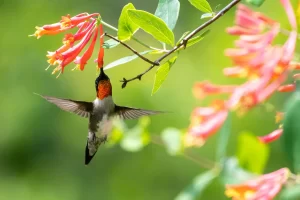
      Coral Honeysuckle (Lonicera sempervirens), also known as Hummingbird Honeysuckle, is a native, non-invasive vine prized for its vibrant, Coral Honeysuckle and hummingbird feeding on the nectartrumpet-shaped flowers. The blooms are coral-red on the outside and yellow on the inside, offering a stunning display that attracts hummingbirds, butterflies, and bees. This low-maintenance plant is perfect for adding vertical interest to gardens while supporting local wildlife.
      • Height

      Coral Honeysuckle can grow up to 10–20 feet long, making it an excellent choice for trellises, fences, arbors, or pergolas. It can also be used as a ground cover if left unsupported.

      • Bloom Time

      This vine blooms profusely from late spring to early summer, with sporadic flowering continuing into fall. The extended bloom period provides a consistent nectar source for pollinators throughout the growing season.

      • Light Requirement

      Coral Honeysuckle thrives in full sun to partial shade. While it can tolerate some shade, planting it in sunnier locations will result in more abundant flowering.

      • Soil Preference

      This vine prefers moist, well-drained soil but is adaptable to a variety of soil types, including sandy or clay soils. It tolerates slightly acidic to neutral pH levels and is drought-tolerant once established.

      • Natural Habitat and Growing Conditions

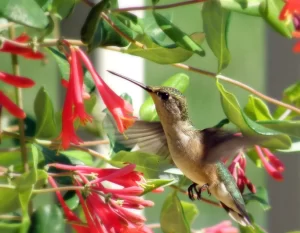
      Native to the eastern United States, Coral Honeysuckle is often found in open woodlands, along forest edges, and in meadows. It is well-suited Coral Honeysuckle and hummingbird feeding on the nectar for USDA zones 4–9 and performs well in gardens with minimal care. Unlike invasive Japanese Honeysuckle (Lonicera japonica), Coral Honeysuckle grows in a controlled manner and supports native ecosystems.
      • Ecological Benefit

      Coral Honeysuckle is a powerhouse for pollinators. Its tubular flowers are rich in nectar, making them a favorite of hummingbirds and butterflies. Bees are also frequent visitors. In late summer and fall, the vine produces small red berries that provide food for songbirds like robins and cedar waxwings. Additionally, its dense foliage offers shelter for birds and other wildlife. By planting Coral Honeysuckle, gardeners can create a vibrant habitat that supports biodiversity while enhancing their landscape’s beauty


      VIDEO: The Perfect Native Vine? Why Coral Honeysuckle Deserves a Spot in Your Garden!

      Coral Honeysuckle (Lonicera sempervirens) might just be the perfect native vine! This stunning, low-maintenance plant boasts vibrant, tubular red flowers that bloom from spring through fall, attracting hummingbirds, butterflies, and other pollinators. Unlike invasive honeysuckles, this non-aggressive native vine is well-behaved and easy to manage. It thrives in a variety of conditions—whether in full sun or partial shade—and is drought-tolerant once established. Plus, it’s deer-resistant and provides year-round interest with its semi-evergreen foliage. If you’re looking for a beautiful, wildlife-friendly vine that’s as practical as it is eye-catching, Coral Honeysuckle could be the perfect choice for your garden!


      Unique Characteristics of Coral Honeysuckle That Make It Attractive to Hummingbirds

      Coral Honeysuckle (Lonicera sempervirens) is a native vine celebrated for its ability to attract hummingbirds. Its unique characteristics make it an essential addition to any garden designed to support these fascinating pollinators.

      • Tubular Flower Shape

      The tubular flowers of Coral Honeysuckle are perfectly tailored to hummingbirds’ long, slender beaks and tongues. This shape allows hummingbirds to access the nectar deep within the blooms while excluding most insects, ensuring a reliable food source for the birds. The flower’s design suggests co-evolution between the plant and hummingbirds, making it an ideal match for their feeding habits.

      • Bright Colors

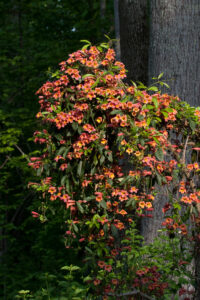
      The vibrant red, orange, or yellow hues of Coral Honeysuckle’s flowers act as visual beacons for hummingbirds, who are naturally drawn to Lonicera-sempervirens and hummingbirdbright colors. These striking blooms stand out against the foliage, making them easy for hummingbirds to locate even from a distance.
      • Abundant Nectar

      Coral Honeysuckle produces copious amounts of nectar, providing the high-energy food hummingbirds need to sustain their rapid wingbeats and active lifestyles. The flowers bloom profusely in late spring and early summer, with sporadic flowering continuing into fall, ensuring a consistent nectar supply throughout the breeding and migration seasons.

      • Extended Bloom Period

      Unlike many other plants, Coral Honeysuckle blooms on both old and new wood, allowing it to flower continuously over several months. This extended bloom period aligns perfectly with hummingbird activity, supporting them during critical times of the year.

      • Ecological Benefits

      In addition to attracting hummingbirds, Coral Honeysuckle supports butterflies and bees with its nectar-rich blooms. Its red berries provide food for songbirds like robins and finches in late summer and fall. The vine also serves as a larval host for Spring Azure butterflies and Snowberry Clearwing moths.

      By planting Coral Honeysuckle in your garden, you can create a vibrant habitat that not only supports hummingbirds but also enhances biodiversity while adding beauty to your outdoor space.


    • Cross Vine (Bignonia capreolata): A Hummingbird Magnet for Your Garden

      Cross Vine is a vigorous, semi-evergreen, woody vine native to the southeastern and south-central United States. Its name comes from the unique cross-shaped pattern seen in a cross-section of its stem.

      Key Characteristics

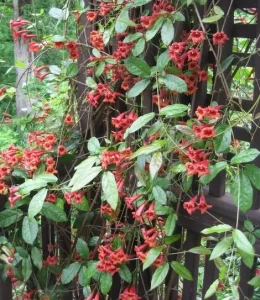
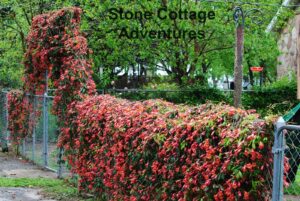
      Cross Vine is known for its rapid growth, long trailing or climbing stems, and clusters of showy, trumpet-shaped flowers in vibrant shades of Crossvine planted on cedar snagorange, red, and yellow with yellow throats. The glossy, dark green leaves often turn reddish-purple in winter, and the vine clings to structures using tendrils tipped with adhesive disks.
      Zone

      Cross Vine thrives in USDA Hardiness Zones 6 to 9, making it suitable for a wide range of temperate and subtropical regions.

      Height

      This vine can reach impressive heights of 30 to 50 feet, and spreads 6 to 9 feet wide, making it ideal for covering arbors, fences, walls, and trellises.

      Bloom Time

      Cross Vine blooms heavily in mid to late spring, with flowers often lasting up to four weeks. Intermittent blooms may continue into the summer, especially in favorable conditions.

      Features

      • Clusters of fragrant, trumpet-shaped flowers in orange, red, and yellow

      • Glossy, semi-evergreen foliage that darkens in winter

      • Rapid, vigorous growth and strong climbing ability

      • Tolerates a wide range of soils and conditions

      • Attracts hummingbirds, butterflies, and bees

      • Deer and drought tolerant once established

      Natural Habitat

      In the wild, Cross Vine is found climbing trees in swampy forests, woodlands, floodplains, and along limestone outcrops throughout the southeastern and south-central U.S. It is well adapted to both moist lowlands and upland woods.

      Light Requirements

      Cross Vine grows in full sun to partial shade, but produces the most abundant flowers with at least 6 hours of direct sunlight daily. It tolerates shade, though flowering may be reduced.

      Soil Preference

      This adaptable vine thrives in a variety of soils—clay, loam, sand, or chalk—with a preference for moist, well-drained conditions. It tolerates acidic, neutral, or alkaline pH and can withstand brief flooding or drought.

      Growing Conditions

      • Plant in spring or fall for best establishmentCross Vine

      • Provide sturdy support for climbing (fence, arbor, wall)

      • Water regularly during the first year; drought tolerant once established

      • Prune after flowering to control size and shape

      • Remove root suckers to prevent unwanted spread

      • Propagate by seed or stem cuttings

      Ecological Benefit

      Cross Vine is a valuable plant for supporting pollinators. Its early spring blooms provide a critical nectar source for returning hummingbirds and emerging butterflies. The dense foliage offers cover for small wildlife and nesting birds.

      Garden Uses

      • Covering arbors, pergolas, fences, and trellises

      • Adding vertical interest to walls and garden structures

      • Groundcover for slopes and banks

      • Woodland and pollinator gardens

      • Naturalizing along woodland edges or stream banks

      Why Choose Cross Vine?

      Cross Vine combines spectacular spring color, vigorous growth, and wildlife value. It is low-maintenance, adaptable, and resistant to deer and drought. Its ability to quickly cover large structures and attract hummingbirds makes it a standout choice for gardeners seeking both beauty and ecological impact.

      Unique Characteristics That Make Cross Vine Attractive for Hummingbirds

      Attractive Color

      The vivid orange-red and yellow flowers are highly visible and irresistible to hummingbirds, who are naturally drawn to bright, tubular Cross vineblooms.

      Flower Shape

      The trumpet-shaped flowers are perfectly suited for hummingbird beaks, allowing easy access to nectar while facilitating pollination.

      Nectar Content

      Cross Vine produces nectar-rich flowers, providing an abundant food source for hummingbirds during their migration and breeding seasons.

      Blooming Sequence

      Flowers appear in clusters and open in succession, ensuring a steady supply of nectar over several weeks in spring and sometimes again in late summer.

      Adaptability

      Cross Vine thrives in a range of light and soil conditions, making it a reliable nectar source for hummingbirds in diverse garden settings.

      Pollination Partnership

      As hummingbirds feed, they transfer pollen between flowers, ensuring successful reproduction for the vine and supporting local pollinator populations.

      Conclusion

      Cross Vine (Bignonia capreolata) is a showstopping native vine that brings vibrant color, vertical interest, and ecological value to any garden. Its spectacular blooms, adaptability, and strong appeal to hummingbirds and other pollinators make it a top choice for gardeners seeking to support wildlife while creating a stunning landscape. Plant Cross Vine, and you’ll enjoy a thriving, colorful garden that comes alive every spring with the flutter of hummingbird wings.


      Video: Garden Tips: Cross Vine

    Other Hummingbird Resources

    Here’s a complete guide to attracting hummingbirds to your yard. It lists plants, vines and shrubs that are in bloom for spring, summer and fall. Your hummingbirds will always have flowers to feed on.

    Here’s a great article that tells everything you need to know about how to choose the best place to hang your hummingbird feeder.

    Here’s the best designed hummingbird feeder to use. It’s leak proof, so it won’t attract insects and it’s easy to take apart and clean.

    Here’s a comprehensive guide to help you clean your hummingbird feeder for those times when the nectar is not changed soon enough and mold starts to grow.

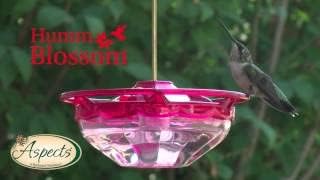
    One of the best Hummingbird feeders that’s easy to take apart and clean is the HummZinger Ultra.
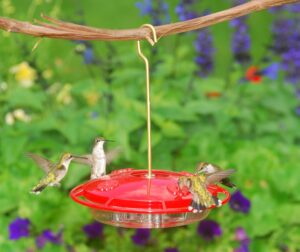
    hummingbird feeder
    Hummzinger saucer Feeder

    Aspects 12oz HummZinger Ultra With Nectar Guard.

    The HummZinger Ultra 12oz Saucer Feeder is one of the best options for a hummingbird feeder that’s both easy to clean and maintain. This top-tier feeder features patented Nectar Guard tips—flexible membranes on the feeding ports that keep flying insects out while still allowing hummingbirds to feed


    freely. Plus, it comes with an integrated ant moat to prevent crawling insects from reaching the nectar, and the raised flower ports help divert rain, keeping the nectar fresh.

    With a 12 oz capacity, this mid-size feeder offers plenty of space and can be hung or mounted on a post using the included hardware. It has four feeding ports and is made from durable, unbreakable polycarbonate. Whether you’re concerned about bees, wasps, or ants, this feeder is built for easy cleaning and insect protection.

    Additional Favorites

    • Hoary Skullcap

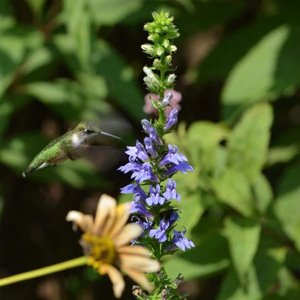
    • Blue Sage

    These native plants are excellent choices for attracting hummingbirds, providing nectar-rich blooms throughout the growing season. Incorporating these species into your garden supports pollinators while enhancing the natural beauty of your landscape.


    If you found this article helpful please share it with your friends using the social bookmarking buttons on the left side of this page.  Help everyone to increase their knowledge and enjoyment of feeding hummingbirds. Do it for the hummingbirds! It also helps my ranking so my information will be available to more people. The more people that see this vital information, the more the hummingbirds are helped. Thank for your help. The hummingbirds and I appreciate you very much!

  • Best Hummingbird Plants for Northeastern United States

    The Northeastern United States is rich in native plants that provide nectar and habitat for hummingbirds, particularly the Ruby-throated Hummingbird. These plants thrive in the region’s temperate climate and are perfect for creating hummingbird-friendly gardens.

    Here’s why native plants are so important. A whole ecosystem is dependent on the native plants growing in that region. This video shows you how to fill your landscape with native flowers, bushes and trees that you don’t have to water or fertilize, and which support the wildlife and biodiversity of your area — from pollinators to birds and beyond. Featuring: serviceberry tree, joe pye, azalea, golden ragwort, rhododendron, oakleaf hydrangea, yellow and coral trumpet honeysuckle, obedient plant, hoary skullcap, American wisteria and more (zone 7).

    Native Flowers

    1. Eastern Red Columbine (Aquilegia canadensis): A Native Gem for Your Garden

    • The Eastern Red Columbine (Aquilegia canadensis) is a native perennial wildflower that brings vibrant beauty and ecological benefits to columbine, hummingbird attracting plantsgardens across the Eastern United States. Known for its striking red and yellow nodding flowers, this plant is a favorite among gardeners and pollinators alike.
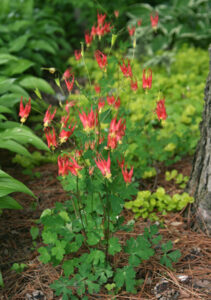
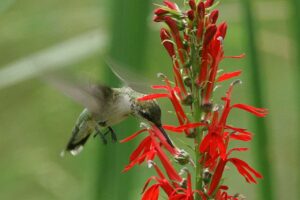
       

      Key Characteristics

      • Zones: 3–8

      • Height: 2–3 feet

      • Bloom Time: March–May

      • Features: Graceful, bell-shaped flowers with red spurs and yellow tips, complemented by delicate, fern-like foliage.

      The flowers’ unique shape gives the plant its scientific name, derived from aquila, Latin for “eagle,” as the spurs resemble an eagle’s talons. These blooms are not only visually stunning but also serve as a vital nectar source for hummingbirds, butterflies, and bees during early spring.

      Eastern columbine, Aquilegia canadensis is a perennial native wildflower that is easy to grow, attracts a wide range of pollinators, and is especially liked by hummingbirds. In addition, it is the sole host plant for the columbine duskywing butterfly, a type of skipper. If you love hummingbirds and bright showy wildflowers the eastern columbine is a must have for your garden! Watch the video and learn all about Eastern Columbine!


      Natural Habitat

      Eastern Red Columbine thrives in diverse environments, including rocky slopes, woodland edges, and cliffs. Its adaptability to various soil types—columbine, hummingbird attracting plantsprovided they are well-drained—makes it a versatile choice for naturalized areas or shade gardens. The plant’s ability to self-seed allows it to form colonies over time, creating a lush display in suitable conditions.


      Care and Maintenance

      This low-maintenance wildflower is both deer- and drought-resistant, making it an excellent option for gardeners seeking resilient plants. While it prefers light shade or dappled sunlight, it can tolerate full sun if the soil remains moist. To ensure healthy growth:

      • Avoid overwatering during hot summers to prevent crown rot.

      • Cut back spent flowers to encourage fresh foliage and potential reblooming.

      • Remove other Aquilegia species nearby to prevent hybridization and preserve its native genetics.

      Watch the video and learn all the information you need to grow your own Columbine Flowers from seed, aka Wild Columbine, aka Eastern Red Columbine, Aquilegia canadensis. Grow this hardy perennial (USDA zones 3-8) in full sun to shade. Columbine will grow just about anywhere as long as the soil drains well. But in this video I teach you how to germinate columbine seeds, save seeds, identify Columbine, and numerous other tips from pests to diseases and how to avoid them. I also show you just how much Columbines Spread.


      Ecological Benefits

      Eastern Red Columbine is a powerhouse for pollinator support. Its tubular flowers are perfectly suited for hummingbirds, which act as primary pollinators. Additionally, butterflies and native bees benefit from its nectar. The plant’s foliage also serves as a host for certain caterpillar species.


      Garden Uses

      This adaptable plant fits seamlessly into various garden styles:columbine, hummingbird attracting plants

      • Woodland Gardens: Add color to shaded areas with its vibrant blooms.

      • Pollinator Gardens: Support hummingbirds and other pollinators during their active seasons.

      • Rock Gardens: Its natural affinity for rocky terrains makes it ideal for such settings.

      • Cut Flower Arrangements: The long-lasting blooms add elegance to floral displays.


      Why Choose Eastern Red Columbine?

      With its stunning appearance, ecological value, and adaptability, Eastern Red Columbine is a must-have for gardeners looking to enhance their landscapes while supporting native wildlife. Whether planted in borders, naturalized areas, or under trees, this wildflower is sure to captivate with its charm and resilience.

      What are the unique characteristics of Eastern Red Columbine that make it attractive to hummingbirds

      Eastern Red Columbine (Aquilegia canadensis) is a native wildflower with several unique traits that make it highly appealing to hummingbirds. Its vibrant blooms, specialized floral structure, and ecological timing ensure it remains a favorite among these pollinators.

      • Bright Red and Yellow Flowers

      The striking red and yellow coloration of Eastern Red Columbine’s flowers is one of its most defining features. Hummingbirds are naturally drawn to bright colors, particularly red, which signals a rich nectar source. The nodding flowers stand out in woodland or garden settings, making them easy for hummingbirds to locate.

      • Talon-Shaped Spurs

      The flowers of Eastern Red Columbine feature elongated, tubular spurs filled with sweet nectar. These spurs are perfectly adapted to the long bills and tongues of hummingbirds, allowing them to access nectar deep within the flower. As hummingbirds feed, they inadvertently collect pollen on their heads and transfer it between flowers, ensuring successful pollination.

      • High Nectar Content

      Eastern Red Columbine produces nectar with a high sugar concentration, providing hummingbirds with the energy they need for their rapid flight and high metabolism. The nectar’s sugar content is notably higher than many other wildflowers, making it an essential food source during the birds’ migration period.

      • Seasonal Synchronization

      The blooming period of Eastern Red Columbine (March–May) coincides with the return of migrating Ruby-throated Hummingbirds in early spring. This co-evolution ensures that hummingbirds have access to abundant nectar just when they need it most after their long journey north.

      • Adaptability

      Eastern Red Columbine thrives in various conditions, from rocky woodlands to shaded gardens. Its ability to self-seed allows it to form large colonies over time, creating dense feeding grounds for hummingbirds.

      With its vibrant flowers, specialized spurs, and high nectar production, Eastern Red Columbine is a vital plant for attracting hummingbirds while supporting pollinator health in native ecosystems.


    2. Cardinal Flower (Lobelia cardinalis): A Striking Magnet for Hummingbirds

    The Cardinal Flower (Lobelia cardinalis) is one of the most stunning native plants in the Eastern United States, renowned for its vibrant red Ruby-throated_Hummingbird_at_Cardinal_Flowerblooms and its ability to attract hummingbirds. This perennial wildflower is a must-have for gardeners looking to create a pollinator-friendly landscape while adding a dramatic splash of color to their gardens.
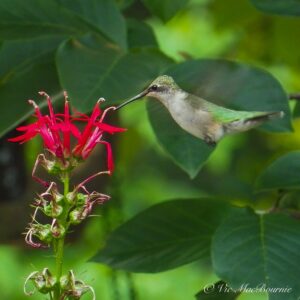
    Key Characteristics

    • Zones: 2–9

    • Height: 3–4 feet

    • Bloom Time: July–September

    • Features: Tall spikes of bright scarlet, tubular flowers that stand out against lush green foliage.

    The Cardinal Flower’s brilliant red flowers are specifically designed to attract hummingbirds. Its tubular blooms are perfectly shaped for the long bills and tongues of these birds, ensuring easy access to its nectar. The bold red color is also highly visible to hummingbirds, who are naturally drawn to bright hues.


    This video provides a comprehensive guide to the Cardinal flower, a beautiful native North American plant known for its striking red blooms. The video covers everything from identification and growing conditions to seed saving and wildlife attraction, offering valuable information for gardeners interested in adding this vibrant flower to their landscapes.

    Natural Habitat

    Cardinal Flowers thrive in moist environments such as stream banks, wetlands, and woodland edges. They prefer rich, consistently damp soil but can adapt to garden settings when provided with adequate moisture. Their natural habitat makes them an excellent choice for rain gardens or areas with poor drainage.


    Care and Maintenance

    While Cardinal Flowers require slightly more attention than some other native plants, they reward gardeners with spectacular blooms. To grow Cardinal flowere and hummingbirdthem successfully:

    • Plant in full sun to partial shade.

    • Keep the soil consistently moist, especially during hot or dry periods.

    • Mulch around the base to retain moisture and prevent weeds.

    • Allow plants to reseed naturally for continuous growth year after year.

    Ecological Benefits

    The Cardinal Flower is a powerhouse for pollinators. Its nectar-rich flowers are a favorite of hummingbirds, while butterflies and bees also benefit from its blooms. Additionally, it supports biodiversity by providing habitat for insects and small wildlife.


    Why Choose Cardinal Flower?

    The Cardinal Flower’s striking beauty and ecological importance make it an essential addition to any garden. Whether planted in borders, near water features, or in pollinator gardens, this native wildflower will captivate gardeners and hummingbirds alike while enhancing the health of local ecosystems.


    What are the unique characteristics of Cardinal Flower that make it attractive to hummingbirds

    Cardinal Flower (Lobelia cardinalis) is a standout native plant for attracting hummingbirds, thanks to its vibrant red blooms and specialized Cardinal Flowersfloral structure. This perennial wildflower has evolved unique traits that make it particularly appealing to these energetic pollinators.
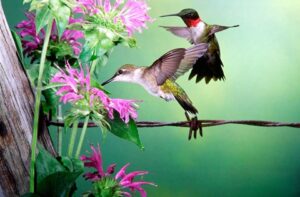
    • Vivid Red Color

    The Cardinal Flower’s striking scarlet blossoms are one of its most defining features. Hummingbirds are naturally drawn to bright red hues, which signal a rich nectar source. The flowers’ intense coloration makes them highly visible to hummingbirds from a distance, ensuring the plant stands out even in dense vegetation.

    • Tubular Flower Shape

    The tubular structure of Cardinal Flower’s blooms is perfectly adapted to the long bills and tongues of hummingbirds. This design allows hummingbirds to easily access nectar deep within the flower while minimizing competition from other pollinators, such as bees and butterflies, which are less suited to the flower’s shape.

    • High Nectar Production

    Cardinal Flowers produce abundant nectar, a crucial energy source for hummingbirds. The plant’s bloom period, which lasts from midsummer to early fall, coincides with the time when hummingbirds are preparing for their southward migration. This makes it an essential food source during their most active feeding period.

    • Sequential Blooming

    The flowers on the tall spikes of Cardinal Flower open sequentially from bottom to top. This staggered blooming ensures a continuous supply of nectar over several weeks, keeping hummingbirds returning to the plant throughout its flowering season.

    • Adaptability to Moist Environments

    Cardinal Flower thrives in wet habitats such as stream banks, rain gardens, and wetlands—areas where hummingbirds often forage. Its ability to grow in shady or partially shaded spots also makes it accessible in diverse garden settings.

    • Pollination Partnership

    Hummingbirds play a crucial role in pollinating Cardinal Flowers. As they sip nectar, pollen is deposited on their heads and transferred between flowers, ensuring successful reproduction. This symbiotic relationship highlights the plant’s reliance on hummingbirds for survival.

    With its brilliant color, abundant nectar, and specialized floral design, Cardinal Flower is perfectly suited for attracting hummingbirds while enhancing any garden with its dramatic beauty.

    Learn how easy it is to winter sow seeds outside! I give a plant profile on the native wildflower Cardinal Flower / Lobelia cardinalis and then show you my process for winter sowing the seeds. Also included are step-by-step instructions on how to wintersow seeds using milk jugs. No special grow lights are needed using the winter sowing method. I love saving money and growing lots of plants from seed, especially during my cold New Hampshire zone 5b winter months! You can use this method for annuals, perennials, biennials, vegetables & flowers! This is a cheap and easy way for me to add more perennials to my landscape and to also add to my plant inventory for my backyard plant nursery.


    • 3. Jewelweed (Impatiens capensis): A Natural Hummingbird Favorite

      Jewelweed (Impatiens capensis), also known as Spotted Touch-Me-Not, is a vibrant native wildflower that thrives in moist, shaded areas Jewelweed and hummingbirdacross the Eastern United States. Renowned for its bright orange, trumpet-shaped flowers, this plant is a favorite among hummingbirds and an essential addition to pollinator-friendly gardens.


      Key Characteristics

      • Zones: 2–11

      • Height: 2–5 feet

      • Bloom Time: July–October

      • Features: Bright orange flowers with red spots and a tubular shape, paired with succulent, light-green stems.

      The unique structure of Jewelweed’s flowers is perfectly adapted to attract hummingbirds. Its tubular blooms are an ideal fit for their long bills and tongues, allowing them to access the plant’s abundant nectar. The vibrant orange color is another key feature that draws hummingbirds, as they are naturally attracted to warm tones.

      This video tells all you need to know about the awesome hummingbird magnet, Jewel weed. When it comes to pollinator gardening the native perennials get most of the attention. However, there are many native annuals that make a great addition to the pollinator garden. The common jewelweed, Impatiens capensis, and pale jewelweed, Impatiens pallida, are two eye-catching native annual species that have super showy blooms that attract a wide variety of bees, butterflies, and the beloved ruby throated hummingbird. The jewelweeds grow well in wetter shaded areas and also self-seed, so they do not have to be replanted every year.


      Natural Habitat

      Jewelweed thrives in damp environments such as stream banks, wetlands, and forest edges. It prefers partial to full shade and moist soil, making it an excellent choice for rain gardens or naturalized areas with poor drainage. In the wild, it often grows in dense colonies, creating a rich feeding ground for pollinators.


      Care and Maintenance

      Jewelweed is a self-sufficient plant that requires minimal care:Jewelweed and hummingbird

      • Plant it in moist, shaded areas with rich soil.

      • Allow it to self-seed naturally; its explosive seed pods ensure new plants will grow each year.

      • Avoid overwatering in already damp conditions.


      Ecological Benefits

      Jewelweed supports not only hummingbirds but also butterflies and bees. Additionally, it provides habitat for insects and its seeds are a food source for birds. The plant’s ability to outcompete invasive species like garlic mustard makes it ecologically valuable.


      Why Choose Jewelweed?

      With its vibrant flowers, ecological importance, and ability to thrive in challenging conditions, Jewelweed is an excellent choice for gardeners looking to attract hummingbirds while supporting native ecosystems. Its beauty and resilience make it a standout addition to any shade garden or wetland area.

      Such a cool little flower that is so common on roadside and in wet areas. The genus “Impatiens” comes from the Greek “impatient.” This has to do with the dried fruit that “explosively dehisce.” The species name, according to one source, is in reference to Capetown, South Africa, but it is a North American species. Regardless, spending time, “On the Ground,” with these beautiful flowers has been fantastic. I hope you enjoy

      What are the unique characteristics of Jewelweed that attract hummingbirds

      Jewelweed (Impatiens capensis), also known as Spotted Touch-Me-Not, is a native annual wildflower with several unique traits that make it highly appealing to hummingbirds. Its vibrant flowers, nectar-rich blooms, and ecological timing ensure it plays a vital role in supporting these pollinators.

      • Bright Orange Flowers

      Jewelweed produces striking orange flowers with red spots, which are highly visible to hummingbirds. The bright coloration acts as a visual cue, Jewelweed and hummingbirdmaking the plant easy to locate in shaded or wet areas. Hummingbirds are naturally drawn to warm colors like orange and red, which signal a reliable nectar source.

      • Tubular Nectar Spurs

      The flowers of Jewelweed feature curved, tubular spurs filled with nectar. These spurs are perfectly adapted to the long bills and tongues of hummingbirds, allowing them to access nectar deep within the flower. The unique structure ensures efficient pollination, as hummingbirds transfer pollen between flowers while feeding.

      • High Sugar Content in Nectar

      Jewelweed’s nectar is exceptionally rich in sugar, with concentrations reaching up to 40%. This is significantly higher than the nectar produced by many other plants (typically 20–33%), making it an energy-dense food source for hummingbirds. The high sugar content is particularly beneficial during migration when hummingbirds need to build energy reserves.

      • Seasonal Blooming

      Jewelweed blooms from late summer through fall, coinciding with the southward migration of Ruby-throated Hummingbirds. This synchronization ensures that Jewelweed serves as a critical food source when other nectar plants have finished flowering.

      • Dense Colonies

      Jewelweed often grows in large patches in damp environments like stream banks and wetlands. These dense colonies provide hummingbirds with abundant feeding opportunities, reducing their reliance on artificial feeders.

      With its vivid flowers, specialized spurs, and high-sugar nectar, Jewelweed is an essential native plant for attracting hummingbirds while supporting their migration and overall health.


    • 4. Bee Balm (Monarda didyma): A Vibrant Favorite for Hummingbirds

      Bee Balm (Monarda didyma), also known as Scarlet Beebalm or Oswego Tea, is a native perennial that brings vibrant color and life to gardens bee balm and hummingbirdsacross the Eastern United States. Known for its striking red, pink, or purple flowers, this plant is a magnet for hummingbirds, butterflies, and bees. Its beauty and ecological benefits make it a must-have for pollinator-friendly landscapes.
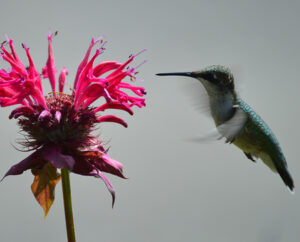
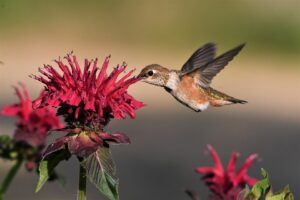
       

      Key Characteristics

      • Zones: 4–9

      • Height: 2–4 feet

      • Bloom Time: June–August

      • Features: Dense clusters of tubular flowers atop square stems with aromatic, mint-like foliage.

      The bright, tubular blooms of Bee Balm are perfectly designed to attract hummingbirds. The flowers’ shape allows these birds to easily access the nectar while their vibrant colors act as a visual beacon. Bee Balm’s long bloom period ensures a consistent food source during the height of summer when hummingbirds are most active.

    Bee Balm is a perennial wildflower with gorgeous red blooms that attracts hummingbirds. In this video I show you everything you need to know to grow this plant. I cover growing conditions, soil requirements, propagating from seed, propagating from division / cutting rhizomes.

    Natural Habitat

    Bee Balm thrives in moist meadows, woodland edges, and along stream banks. It prefers rich, well-drained soil and full sun but can tolerate partial shade. Its ability to naturalize makes it an excellent choice for wildflower gardens or naturalized areas.


    Care and Maintenance

    Bee Balm is relatively low-maintenance but benefits from proper care:bee balm and hummingbird

    • Plant in full sun for optimal flowering.

    • Keep soil consistently moist but well-drained.

    • Thin plants regularly to improve air circulation and prevent powdery mildew.

    • Deadhead spent blooms to encourage continuous flowering.


    Ecological Benefits

    Bee Balm is a powerhouse for pollinators. Its nectar-rich flowers are a favorite of hummingbirds, while butterflies and native bees also benefit from its blooms. Additionally, its aromatic foliage deters deer and other garden pests.


    Why Choose Bee Balm?

    With its stunning appearance, ease of care, and ability to support pollinators, Bee Balm is an essential addition to any garden. Whether planted in borders, pollinator gardens, or naturalized spaces, this native wildflower will attract hummingbirds and add vibrant beauty to your landscape year after year.

    Red bee balm, Monarda didyma is the name of this awesome blazing red flowered plant. A native plant to North America, its fiery blooms stand out and really make your garden look professional and showy. As a native plant, this monarda species feeds bees, butterflies, and hummingbirds, so you can watch for them every day right from your own yard. Nature doesn’t have to be someplace you go on vacation. It can be in your backyard every single day, bringing nature home to your family and nurturing the ecosystem.

    What are the unique characteristics of Bee Balm that attract hummingbirds

    Bee Balm (Monarda didyma) is a standout native plant for attracting hummingbirds, thanks to its vibrant blooms and specialized floral rufous hummingbird feeding on bee balmfeatures. This perennial wildflower offers a combination of traits that make it irresistible to these energetic pollinators.
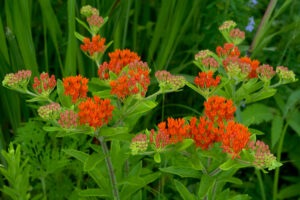
    • Bright, Vibrant Colors

    Bee Balm blooms in striking shades of red, pink, purple, and sometimes white. Hummingbirds are naturally drawn to bright colors, particularly red, as they signal a rich nectar source. The vivid hues of Bee Balm make it easy for hummingbirds to spot from a distance, ensuring the plant stands out in any garden.

    • Tubular Flower Structure

    The tubular shape of Bee Balm’s flowers is perfectly suited to the long bills and tongues of hummingbirds. This design allows them to access nectar deep within the flower while minimizing competition from other pollinators like bees and butterflies. The flowers are held in dense clusters at the top of their stems, creating convenient feeding stations for hummingbirds.

    • Abundant Nectar Production

    Bee Balm is known for its high nectar output, making it one of the most reliable food sources for hummingbirds during their active summer months. Its long bloom period, typically from June to August, ensures a steady supply of nourishment throughout the season.

    • Continuous Blooming

    With proper care, such as deadheading spent flowers, Bee Balm can produce successive blooms throughout the summer. This extended flowering period provides hummingbirds with consistent access to nectar over several weeks.

    • Aromatic Foliage

    Bee Balm’s mint-scented foliage adds another layer of appeal. While not directly attracting hummingbirds, its fragrance deters deer and other pests, ensuring the flowers remain undisturbed for pollinators.

    • Adaptability

    Bee Balm thrives in sunny locations with moist but well-drained soil. Its ability to grow in diverse conditions makes it accessible in both small spaces and large pollinator gardens.

    With its vibrant colors, tubular flowers, and abundant nectar production, Bee Balm is a top choice for gardeners looking to attract hummingbirds while enhancing their landscape with bold beauty.


    • 5. Butterfly Weed (Asclepias tuberosa): A Vibrant Nectar Source for Hummingbirds

      Butterfly Weed (Asclepias tuberosa) is a stunning native perennial that brings vibrant orange blooms and ecological benefits to gardens across


      the Eastern United States. While it is best known for supporting butterflies, particularly monarchs, this hardy plant is also a favorite of hummingbirds, thanks to its abundant nectar and bright flowers.


      Key Characteristics

      • Zones: 3–10

      • Height: 1–3 feet

      • Bloom Time: June–August

      • Features: Clusters of fiery orange, star-shaped flowers atop sturdy stems with narrow, lance-shaped leaves.

      The vivid orange flowers of Butterfly Weed are highly attractive to hummingbirds. The bright color acts as a visual signal, drawing them in from a distance. Its small, tubular blooms are perfectly designed to accommodate the long bills and tongues of hummingbirds, allowing them to access the nectar deep within.

    • This is a comprehensive video on how to Grow Butterfly Weed. Topics covered include:
      • What is Butterfly Weed?
      • Benefits of Butterfly Weed
      • Butterflyweed growing conditions and care
      • How to germinate Butterfly Weed Seed
      • Wildlife attracted to Butterfly Weed
      • Garden Uses of Butterfly Weed.

      Butterfly Weed is a wildflower native to North America that looks great in a formal manicured flowerbed, or a wildflower garden / meadow. Butterfly Weed is almost irresistible to pollinators as well as a larval host for the Monarch Butterfly. Scientifically known as Asclepias Tuberosa, we will lay out a case as to why you need to grow Butterfly Weed!


    • Natural Habitat

      Butterfly Weed thrives in sunny meadows, prairies, and along roadsides. It prefers well-drained soil and tolerates dry conditions, making it an excellent choice for xeriscaping or low-maintenance gardens. Its deep taproot allows it to survive in challenging environments, such as rocky or sandy soils.


      Care and Maintenance

      Butterfly Weed is easy to grow and requires minimal care:

      • Plant in full sun for optimal flowering.

      • Avoid overwatering; it thrives in dry to moderately moist soil.

      • Allow the plant to reseed naturally or collect seeds for propagation.

      • Avoid transplanting mature plants due to their deep taproots.


    Ecological Benefits

    In addition to attracting hummingbirds, Butterfly Weed supports butterflies, bees, and other pollinators. It also serves as a host plant for monarch butterfly caterpillars, further enhancing its ecological importance.


    Why Choose Butterfly Weed?

    With its vibrant flowers, ease of care, and ability to attract both hummingbirds and butterflies, Butterfly Weed is a standout addition to any pollinator-friendly garden. Its brilliant color and ecological importance make it a must-have for gardeners looking to support wildlife while adding natural beauty to their landscapes.

    • VIDEO: Looking to add a splash of vibrant orange to your garden while supporting pollinators like butterflies and bees? In this video, we’ll show you how to grow Orange Butterfly Weed (Asclepias tuberosa) from seed using two simple and cost-effective methods:


     What are the unique characteristics of Butterfly Weed that make it attractive to hummingbirds

    Butterfly Weed (Asclepias tuberosa) is a vibrant perennial wildflower with several unique traits that make it highly appealing to Butterfly weed and hummingbird feeding on nectarhummingbirds. Its combination of bright colors, abundant nectar, and adaptability ensures it stands out as a reliable food source for these pollinators.

    • Bright, Eye-Catching Flowers

    The vivid orange to orange-yellow blooms of Butterfly Weed are one of its most striking features. Hummingbirds are naturally drawn to warm colors like orange and red, which signal a rich nectar source. The flat-topped clusters of flowers provide a prominent visual cue, making the plant easy for hummingbirds to locate.

    • Tubular Flower Design

    Each flower in the cluster has a tubular structure with reflexed petals and a crown-like center. This design is perfectly suited to the long bills and tongues of hummingbirds, allowing them to access nectar deep within the flower while minimizing competition from other pollinators.

    • Abundant Nectar Production

    Butterfly Weed produces copious amounts of nectar, making it an energy-rich food source for hummingbirds. Its long bloom period, lasting from late spring through summer, ensures a consistent supply of nectar during the peak feeding season for these birds.

    • Adaptability to Dry Conditions

    Hummingbirds often forage in open, sunny areas, and Butterfly Weed thrives in such environments. Its deep taproot allows it to grow in dry, well-drained soils, ensuring it continues to provide nectar even during droughts when other plants may struggle.

    • Ecological Benefits

    In addition to attracting hummingbirds, Butterfly Weed supports butterflies, bees, and other pollinators. It serves as a host plant for monarch butterfly caterpillars and produces seed pods that aid in wind dispersal.

    With its brilliant blooms, specialized flower structure, and high nectar output, Butterfly Weed is an essential addition to gardens designed to attract hummingbirds while supporting native ecosystems.


    • Great Blue Lobelia (Lobelia siphilitica): A Hummingbird Favorite

      Great Blue Lobelia is a native perennial prized for its striking blue flowers and ability to attract pollinators, especially hummingbirds. great blue lobelia and hummingbirdBlooming from late summer through early fall, this plant is a perfect addition to gardens that aim to support wildlife while adding vibrant color.
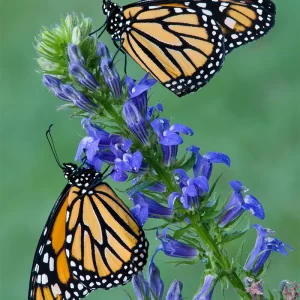
      Key Characteristics

      • Height: 2–4 feet

      • Bloom Time: July–October

      • Light Requirements: Full sun to partial shade

      • Soil Preference: Moist to wet soils, including clay, loam, or sand

      • Zones: 3–9

      The tubular flowers of Great Blue Lobelia are perfectly suited for hummingbirds, allowing them to easily access nectar. The bright blue color is rare in nature and serves as a visual beacon, drawing pollinators like bees, butterflies, and hummingbirds. Its long bloom period ensures a steady nectar supply during late summer when other plants may have finished flowering.

      Growing Conditions and Habitat

      Great Blue Lobelia thrives in moist environments such as streambanks, wetlands, and rain gardens. It adapts well to garden settings with consistent moisture and can tolerate partial shade or full sun. This makes it an excellent choice for areas with poor drainage or near water features like ponds.

    This video demonstrates how to plant Cardinal flower and Blue Lobelia from seed. The speaker explains that these plants have tiny seeds that need sunlight to germinate and that they are easy to grow from seed. They also discuss the characteristics of each plant, including their height, bloom time, and preferred growing conditions.

    • Care and Maintenance

      This low-maintenance plant requires minimal care once established. Regular watering during dry periods helps maintain its lush growth. great blue lobelia and monarch butterfliesGreat Blue Lobelia can self-seed under favorable conditions, forming attractive colonies without becoming invasive.
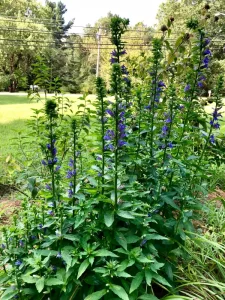
    Why Grow Great Blue Lobelia

    The Great Blue Lobelia is a stunning native perennial that offers both ecological and aesthetic benefits to gardens across the United States. With its vibrant blue tubular flowers, it blooms from late summer to early fall, providing a much-needed nectar source for pollinators when many other plants have stopped flowering. Here’s why this plant deserves a spot in your garden:

    1. Attracts Pollinators

    Great Blue Lobelia is a magnet for hummingbirds, butterflies, and bees. Its tubular flowers are perfectly shaped for long-tongued pollinators, making it an essential addition to wildlife-friendly gardens. Hummingbirds are particularly drawn to its rich nectar, while bumblebees and other beneficial insects also thrive on its blooms.

    2. A Splash of Late-Season Color

    Few plants can rival the striking blue hues of Great Blue Lobelia. Its tall flower spikes add vertical interest and a pop of color to garden beds, borders, rain gardens, or wetland areas. Blooming from July through September, it ensures your garden remains vibrant as summer transitions into fall.

    3. Eco-Friendly and Low-Maintenance

    This plant is perfect for gardeners seeking low-maintenance options. It thrives in moist to wet soils and tolerates a variety of conditions, from full sun to partial shade. Once established, it requires minimal care and no chemical treatments, making it an eco-friendly choice that supports sustainable gardening practices.

    4. Ideal for Wet Areas

    Great Blue Lobelia thrives in rain gardens, along pond edges, or in areas with poor drainage where other plants struggle. Its fibrous roots help stabilize soil and prevent erosion, making it both functional and beautiful.

    5. Native Heritage

    As a North American native plant, Great Blue Lobelia is well-suited to local climates and ecosystems. It plays an important role in supporting biodiversity while requiring fewer resources than non-native species.

    Ecological Benefits

    In addition to attracting hummingbirds, Great Blue Lobelia supports bees and butterflies while being deer-resistant. Its fibrous roots help stabilize soil in wet areas, making it valuable for erosion control and water filtration. By planting Great Blue Lobelia, gardeners can enjoy its vivid beauty while creating a haven for pollinators in their landscapes.


    This video features a gardener discussing the benefits of blue lobelia, a late-blooming native perennial. They highlight its attractiveness to pollinators and hummingbirds, its ability to thrive in moist conditions, and its ease of propagation. The gardener also shares their experience with growing blue lobelia in their own garden.


    Unique Characteristics of Great Blue Lobelia That Make It Attractive to Hummingbirds

    Great Blue Lobelia (Lobelia siphilitica) is a native perennial plant with several unique traits that make it highly appealing to hummingbirds. Its vibrant flowers, tubular structure, and nectar-rich blooms provide an essential food source for these pollinators during late summer and early fall.

    • Bright Blue Flowers

    The vivid blue flowers of Great Blue Lobelia are rare in nature and stand out in any garden or natural landscape. While hummingbirds are typically drawn to warm colors like red, they are also attracted to the striking blue blooms of this plant, especially when other nectar sources are less abundant.

    • Tubular Flower Shape

    The flowers of Great Blue Lobelia are tubular and two-lipped, with a prominent lower lip. This shape is perfectly suited for the long bills and great blue lobeliatongues of hummingbirds, allowing them to easily access nectar deep within the flower. The tubular structure also ensures effective pollination as hummingbirds transfer pollen while feeding.
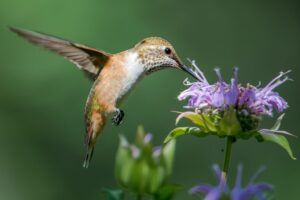
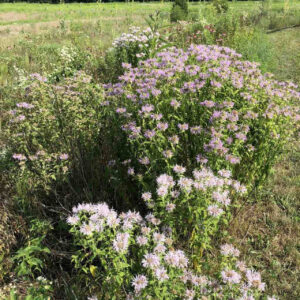
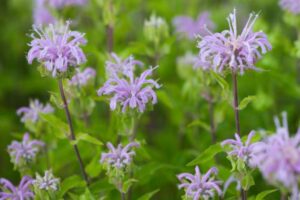
    • Abundant Nectar Supply

    Great Blue Lobelia produces a generous amount of nectar, making it a reliable energy source for hummingbirds during their active feeding periods. Its blooming season from mid-summer to early fall aligns with the critical time when hummingbirds are preparing for migration and require high-energy food.

    • Thrives in Moist Environments

    This plant naturally grows in damp areas such as streambanks, wetlands, and rain gardens. These habitats often overlap with areas where hummingbirds forage, making Great Blue Lobelia an accessible and dependable nectar source.

    By planting Great Blue Lobelia in your garden or naturalized area, you can provide a vital resource for hummingbirds while enjoying its stunning blue blooms and ecological benefits.


    Fire Pink (Silene virginica): A Fiery Beauty for Hummingbirds

    Fire Pink (Silene virginica) is a striking native wildflower that brings vibrant color and ecological value to gardens and natural landscapes. Known for its brilliant red, star-shaped flowers, this perennial plant is a favorite among hummingbirds, making it an excellent choice for pollinator-friendly gardens in the Eastern United States.


    Key Characteristics

    1. Zones: 4–8

    2. Height: Up to 1 foot

    3. Bloom Time: May–July

    4. Features: Bright red, five-petaled flowers with a delicate fringe, held on slender stems above basal rosettes of green leaves.

    The vivid red blooms of Fire Pink are highly attractive to hummingbirds, who are naturally drawn to bright colors. The flower’s tubular shape and open structure make it easy for hummingbirds to access the nectar deep within. This plant’s fiery appearance not only adds visual interest to your garden but also creates an essential feeding station for these energetic birds.


    Natural Habitat

    Fire Pink thrives in rocky woodlands, open meadows, and along forest edges. It prefers well-drained soil and sunny to partially shaded conditions. Its natural ability to grow in challenging environments, such as rocky slopes or poor soils, makes it an adaptable addition to gardens.


    Care and Maintenance

    Fire Pink is relatively low-maintenance but benefits from proper care:

    • Plant in well-drained soil with good sun exposure.

    • Avoid overwatering; the plant is drought-tolerant once established.

    • Deadhead spent blooms to encourage prolonged flowering and prevent self-seeding if desired.


    Ecological Benefits

    Fire Pink’s nectar-rich flowers are perfectly suited for hummingbirds, which are its primary pollinators. The plant’s bright blooms also attract butterflies and other pollinators, supporting biodiversity in your garden.


    Why Choose Fire Pink?

    With its stunning red flowers, ease of care, and ability to attract hummingbirds, Fire Pink is a standout choice for gardeners looking to enhance their landscapes while supporting native wildlife. Whether planted in rock gardens, woodland edges, or sunny borders, this fiery wildflower will bring life and color to your garden year after year.

    What are the unique characteristics of Fire Pink that attract hummingbirds

    Fire Pink (Silene virginica) is a native perennial wildflower with several unique traits that make it highly appealing to hummingbirds. Its vibrant blooms, specialized floral structure, and ecological adaptations ensure it remains a favorite among these pollinators.

    • Brilliant Scarlet Flowers

    The striking scarlet-red color of Fire Pink’s flowers is one of its most eye-catching features. Hummingbirds are naturally drawn to bright colors Fire Pink plantlike red, which signal a rich nectar source. The vivid blooms stand out in woodland edges, meadows, and rocky slopes, making them easy for hummingbirds to locate.

    • Tubular Flower Shape

    The flowers of Fire Pink have a narrow tubular structure that is perfectly suited to the long bills and tongues of hummingbirds. This design allows hummingbirds to access nectar deep within the flower while minimizing competition from other pollinators, such as bees and butterflies.

    • High Nectar Production

    Fire Pink produces abundant nectar, making it an energy-rich food source for hummingbirds. Its blooming period, which lasts from late spring through early summer (April–July), aligns with the active feeding season of Ruby-throated Hummingbirds, ensuring they have access to nourishment during critical times.

    • Sticky-Hairy Stems

    The plant’s sticky hairs on its stems and calyx act as natural flypaper, deterring ants and small insects from stealing nectar. This adaptation ensures that larger pollinators like hummingbirds can access the nectar without interference.

    • Adaptability to Rocky and Dry Soils

    Fire Pink thrives in challenging environments such as rocky slopes and dry woodlands. Its ability to grow in well-drained soil with partial sun makes it a versatile addition to gardens designed for pollinators.

    With its vivid blooms, tubular flowers, and high nectar output, Fire Pink is an essential plant for attracting hummingbirds while adding striking beauty to naturalized landscapes or pollinator-friendly gardens.


    Wild Bergamot (Monarda fistulosa): A Hummingbird Magnet

    Wild Bergamot, also known as Bee Balm, is a native perennial that is highly valued for its ability to attract hummingbirds, butterflies, and bees. With its fragrant lavender-pink flowers and aromatic foliage, this plant adds beauty and ecological value to gardens across much of the United States.

    Key Characteristics

    • Height: 2–4 feetwild bergamot and hummingbird

    • Bloom Time: Mid-summer to early fall

    • Light Requirements: Full sun to partial shade

    • Soil Preference: Well-drained soil; tolerates dry to medium moisture levels

    • Zones: 3–9

    The tubular flowers of Wild Bergamot are perfectly designed for hummingbirds, allowing them to access nectar deep within the blooms using their long bills. The lavender-pink flowers are arranged in dense clusters atop sturdy stems, creating a visual beacon for pollinators. Its extended bloom period provides a reliable nectar source during late summer when many other plants have finished flowering.

    Natural Habitat and Growing Conditions

    Wild Bergamot thrives in meadows, prairies, and open woodlands. It is highly adaptable, growing well in a variety of soils, including clay, sandy, or rocky types. This plant tolerates drought conditions and can flourish in sunny or partially shaded locations, making it a versatile choice for native gardens or pollinator-friendly landscapes.

    Care and Maintenance

    Wild Bergamot is easy to grow and requires minimal care. Regular watering during dry spells will promote healthy growth, but it is drought-tolerant once established. Deadheading spent blooms encourages prolonged flowering and prevents self-seeding if desired.wild bergamot

    Ecological Benefits

    In addition to attracting hummingbirds, Wild Bergamot supports bees, butterflies, and moths such as the Snowberry Clearwing (Hummingbird Moth). Its aromatic leaves repel deer and rabbits while providing habitat for pollinators.

    By planting Wild Bergamot, gardeners can create a vibrant landscape that supports local wildlife while enjoying its colorful blooms and pleasant fragrance.

    Why Grow Wild Bergamot

    Wild Bergamot, also known as Bee Balm, is a versatile and hardy native perennial that offers numerous benefits to gardeners, pollinators, and even herbalists. Its fragrant foliage, vibrant flowers, and ecological value make it a standout plant for any garden. Here’s why you should consider growing Wild Bergamot:

    1. Pollinator Magnet

    Wild Bergamot is a powerhouse for attracting wildlife. Its purplish-pink tubular flowers are rich in nectar and draw hummingbirds, butterflies, bees, and other beneficial insects. As a native plant, it provides a vital food source for pollinators, especially during midsummer to early fall when other blooms may be scarce.

    2. Beautiful and Fragrant

    The plant’s oregano-scented foliage and striking blooms add both visual interest and aromatic appeal to gardens. Its tall, upright growth habit makes it ideal for borders, native plant gardens, rain gardens, or naturalized areas.

    3. Low-Maintenance

    Wild Bergamot is highly adaptable and thrives in full sun to partial shade with moist, well-drained soil. Once established, it is drought-tolerant and requires minimal care. It’s an excellent choice for gardeners seeking a low-maintenance yet impactful addition to their landscape.

    4. Culinary Uses

    The leaves and flowers of Wild Bergamot are edible and can be used fresh or dried in teas or as a seasoning. The flavor is similar to oregano or thyme, making it a unique addition to your kitchen.

    5. Medicinal Properties

    Historically used by Native Americans for its medicinal properties, Wild Bergamot has been valued for treating colds, sore throats, fevers, digestive issues, and infections. The plant contains thymol and carvacrol—compounds with antiseptic and antimicrobial properties—making it useful in herbal remedies.

    6. Deer Resistance

    Wild Bergamot’s strong fragrance deters deer and other herbivores from grazing on it, making it an excellent addition to gardens in areas with high deer populations.

    7. Easy Propagation

    Wild Bergamot spreads through rhizomes but can be easily controlled by dividing clumps every 2–3 years. It also produces abundant seeds that can be collected for propagation or left to self-sow.

    VIDEO: Wild Bergamot is a perennial wildflower native to most of North America. Scientifically known as Monarda fistulosa, it will grow 2-4′ tall in full sun and well drained soil. A member of the mint family, Wild Bergamot blooms for 1 month in Summer, and attracts many of bees, butterflies, and hummingbirds.

    Planting Tips

    • Site Selection: Choose a location with full sun to partial shade and well-drained soil.

    • Spacing: Space plants 12–18 inches apart to allow air circulation and prevent powdery mildew.

    • Watering: Water regularly during establishment; reduce watering once mature.

    • Maintenance: Deadhead spent blooms to encourage more flowers and cut back stems in the fall for tidy growth in spring.

    Why It Belongs in Your Garden

    Wild Bergamot is more than just a beautiful flowering plant—it’s an ecological workhorse that supports pollinators while adding charm to your garden. Whether you’re creating a pollinator haven or simply want an easy-to-grow perennial with culinary and medicinal uses, Wild Bergamot is an exceptional choice!

    VIDEO: Wild Bergamot is a wonderful native plant here in most of the United States. It can handle lots of different soil conditions and is a tough plant. It likes to self seed and smells amazing. Watch the full video to learn more details! It’s also beloved by hummingbirds, butterflies, and bees. What’s NOT to love?

    Unique Characteristics of Wild Bergamot That Make It Attractive to Hummingbirds

    Wild Bergamot (Monarda fistulosa), also known as Bee Balm, is a native perennial with several unique traits that make it highly appealing to hummingbirds. Its tubular flowers, abundant nectar, and adaptability contribute to its success as a hummingbird magnet.

    • Tubular Flower Shape

    The flowers of Wild Bergamot are tubular and two-lipped, perfectly suited for the long bills and tongues of hummingbirds. This structure allows them to efficiently access nectar deep within the blooms while ensuring effective pollination as they transfer pollen between flowers.

    • Nectar-Rich Blooms

    Wild Bergamot produces an abundant supply of nectar, making it an energy-rich food source for hummingbirds during their active feeding periods. Its blooming season spans mid-summer to early fall, providing a reliable nectar source when other plants may have finished flowering. This extended bloom period is particularly valuable for hummingbirds preparing for migration.

    • Bright and Showy Flowers

    The lavender-pink or purple flowers of Wild Bergamot are visually striking and arranged in dense clusters atop tall stems. While wild bergamot hummingbirds are often drawn to red flowers, they also visit purple and pink blooms, especially when they contain high concentrations of nectar.
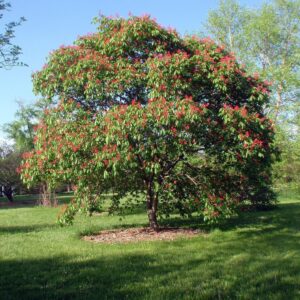
    • Adaptability

    Wild Bergamot thrives in various soil types, including clay, sandy, and rocky soils. It tolerates dry to medium moisture levels and grows well in full sun or partial shade. This adaptability ensures that it can flourish in gardens or naturalized areas where hummingbirds forage.

    Aromatic Foliage

    The fragrant leaves of Wild Bergamot may deter herbivores like deer and rabbits, ensuring that the flowers remain undisturbed for pollinators like hummingbirds.

    By planting Wild Bergamot, gardeners can provide essential resources for hummingbirds while enjoying its colorful blooms and ecological benefits.


    • Jewelweed or sometimes called Spotted Touch-Me-Not (Impatiens capensis): A Natural Hummingbird Favorite

      Jewelweed (Impatiens capensis), also known as Spotted Touch-Me-Not, is a vibrant native wildflower that thrives in moist, shaded areas Jewelweed and hummingbirdacross the Eastern United States. Renowned for its bright orange, trumpet-shaped flowers, this plant is a favorite among hummingbirds and an essential addition to pollinator-friendly gardens.


      Key Characteristics

      • Zones: 2–11

      • Height: 2–5 feet

      • Bloom Time: July–October

      • Features: Bright orange flowers with red spots and a tubular shape, paired with succulent, light-green stems.

      The unique structure of Jewelweed’s flowers is perfectly adapted to attract hummingbirds. Its tubular blooms are an ideal fit for their long bills and tongues, allowing them to access the plant’s abundant nectar. The vibrant orange color is another key feature that draws hummingbirds, as they are naturally attracted to warm tones.


      Natural Habitat

      Jewelweed thrives in damp environments such as stream banks, wetlands, and forest edges. It prefers partial to full shade and moist soil, making it an excellent choice for rain gardens or naturalized areas with poor drainage. In the wild, it often grows in dense colonies, creating a rich feeding ground for pollinators.


      Care and Maintenance

      Jewelweed is a self-sufficient plant that requires minimal care:Jewelweed and hummingbird

      • Plant it in moist, shaded areas with rich soil.

      • Allow it to self-seed naturally; its explosive seed pods ensure new plants will grow each year.

      • Avoid overwatering in already damp conditions.


      Ecological Benefits

      Jewelweed supports not only hummingbirds but also butterflies and bees. Additionally, it provides habitat for insects and its seeds are a food source for birds. The plant’s ability to outcompete invasive species like garlic mustard makes it ecologically valuable.


      Why Choose Jewelweed?

      With its vibrant flowers, ecological importance, and ability to thrive in challenging conditions, Jewelweed is an excellent choice for gardeners looking to attract hummingbirds while supporting native ecosystems. Its beauty and resilience make it a standout addition to any shade garden or wetland area.

      In The Video: When it comes to pollinator gardening the native perennials get most of the attention. However, there are many native annuals that make a great addition to the pollinator garden. The common jewelweed, Impatiens capensis, and pale jewelweed, Impatiens pallida, are two eye-catching native annual species that have super showy blooms that attract a wide variety of bees, butterflies, and the beloved ruby throated hummingbird. The jewelweeds grow well in wetter shaded areas and also self-seed, so they do not have to be replanted every year.

      What are the unique characteristics of Jewelweed that attract hummingbirds

      Jewelweed (Impatiens capensis), also known as Spotted Touch-Me-Not, is a native annual wildflower with several unique traits that make it highly appealing to hummingbirds. Its vibrant flowers, nectar-rich blooms, and ecological timing ensure it plays a vital role in supporting these pollinators.

      • Bright Orange Flowers

      Jewelweed produces striking orange flowers with red spots, which are highly visible to hummingbirds. The bright coloration acts as a visual cue, Jewelweed and hummingbirdmaking the plant easy to locate in shaded or wet areas. Hummingbirds are naturally drawn to warm colors like orange and red, which signal a reliable nectar source.

      • Tubular Nectar Spurs

      The flowers of Jewelweed feature curved, tubular spurs filled with nectar. These spurs are perfectly adapted to the long bills and tongues of hummingbirds, allowing them to access nectar deep within the flower. The unique structure ensures efficient pollination, as hummingbirds transfer pollen between flowers while feeding.

      • High Sugar Content in Nectar

      Jewelweed’s nectar is exceptionally rich in sugar, with concentrations reaching up to 40%. This is significantly higher than the nectar produced by many other plants (typically 20–33%), making it an energy-dense food source for hummingbirds. The high sugar content is particularly beneficial during migration when hummingbirds need to build energy reserves.

      • Seasonal Blooming

      Jewelweed blooms from late summer through fall, coinciding with the southward migration of Ruby-throated Hummingbirds. This synchronization ensures that Jewelweed serves as a critical food source when other nectar plants have finished flowering.

      • Dense Colonies

      Jewelweed often grows in large patches in damp environments like stream banks and wetlands. These dense colonies provide hummingbirds with abundant feeding opportunities, reducing their reliance on artificial feeders.

      With its vivid flowers, specialized spurs, and high-sugar nectar, Jewelweed is an essential native plant for attracting hummingbirds while supporting their migration and overall health.


    Native Shrubs

    Red Buckeye (Aesculus pavia): A Hummingbird Magnet

    Red Buckeye is a native deciduous shrub or small tree that is highly valued for its ability to attract hummingbirds. With its vibrant red tubular Red Buckeye treeflowers, this plant provides an early-season nectar source, making it a favorite among Ruby-throated Hummingbirds and other pollinators.
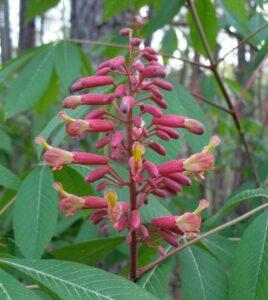
    Key Characteristics

    • Height: 10–20 feet

    • Bloom Time: Mid to late spring

    • Light Requirements: Full sun to partial shade

    • Soil Preference: Moist, well-drained soil; tolerates drier conditions

    The showy red flowers of Red Buckeye appear in upright clusters (racemes) that can reach 6–8 inches long. These tubular blooms are perfectly suited for hummingbirds, whose long bills and tongues allow them to access nectar deep within the flowers. The plant’s blooming period coincides with the return of Ruby-throated Hummingbirds in the spring, providing a critical food source when nectar is scarce.

    Natural Habitat and Growing Conditions

    Red Buckeye thrives in moist, fertile soils and is often found as an understory plant in woodlands. It adapts well to partial shade but can also grow in full sun with adequate moisture. Its glossy green, palm-shaped leaves add a tropical texture to gardens, while its compact size makes it suitable for small spaces or as a specimen plant.

    VIDEO: Red buckeye is quite possibly one of the more attractive spring flowering trees/shrubs. It is low maintenance, long-lived, and an excellent plant for pollinating wildlife. In this Extension Gardener segment, we will be talking all about buckeye and how to grow it!


    Care and Maintenance

    This low-maintenance shrub is pest-resistant and easy to grow. It develops a deep taproot, so it’s best planted while young to ensure successful Red Buckeye shrubestablishment. Mulching around the base helps retain moisture and keeps roots cool during hot weather.
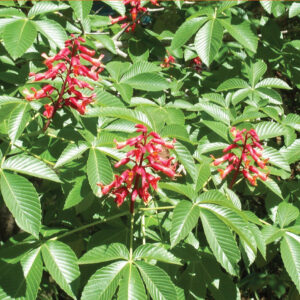
    Ecological Benefits

    In addition to attracting hummingbirds, Red Buckeye supports bees and butterflies with its nectar-rich flowers. Its seeds provide food for squirrels, although they are toxic to humans and pets.

    By planting Red Buckeye in your garden, you can create a vibrant habitat that supports pollinators while enjoying the beauty of its striking blooms each spring.

    Unique Characteristics of Red Buckeye That Make It Attractive to Hummingbirds

    Red Buckeye (Aesculus pavia) is a native shrub or small tree that stands out as a hummingbird magnet due to several unique traits. Its vibrant flowers, nectar-rich blooms, and seasonal timing make it an essential addition to any wildlife-friendly garden.

    • Scarlet Tubular Flowers

    Red Buckeye produces bright red tubular flowers in upright clusters (racemes) that can grow 6–10 inches long. These flowers are perfectly Red Buckeye shrub shaped for hummingbirds, whose long bills and tongues allow them to reach the nectar deep within. The vivid red color acts as a visual cue, attracting hummingbirds from a distance and signaling a nectar-rich food source.
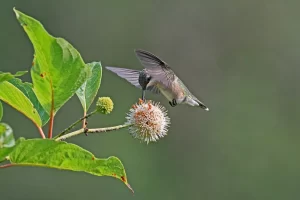
    • Abundant Nectar Supply

    The flowers of Red Buckeye are packed with nectar, providing an energy-dense food source for hummingbirds during their active feeding periods. This is particularly important in early spring when Ruby-throated Hummingbirds return from migration and need reliable nourishment after their long journey.

    • Early Blooming Season

    Red Buckeye blooms in mid to late spring, aligning perfectly with the arrival of hummingbirds in many regions. This early-season blooming ensures that hummingbirds have access to nectar at a time when other plants may not yet be flowering, making it a critical resource for their survival and migration preparation.

    • Adaptability to Varied Conditions

    This plant thrives in moist, well-drained soils and can grow in full sun or partial shade. As an understory shrub, it naturally grows beneath forest canopies but adapts well to garden settings, providing both beauty and ecological benefits.

    • Co-Evolution with Hummingbirds

    Experts believe that Ruby-throated Hummingbirds are the primary pollinators of Red Buckeye, showcasing a mutualistic relationship where the plant provides nectar while relying on the birds for pollination.

    By planting Red Buckeye in your garden, you can create an attractive habitat for hummingbirds while enjoying its striking blooms and ornamental appeal each spring.

    This video is part of the “Native Plant Pick: North Carolina” series, which features native plants ideal for coastal landscapes. The videos highlight each plant’s main attributes and growing requirements.


    Buttonbush (Cephalanthus occidentalis) A Hummingbird and Pollinator Magnet for Your Garden

    Key Characteristics

    Buttonbush (Cephalanthus occidentalis) is a distinctive native shrub known for its unique, spherical “pincushion” flowers composed of dense Button bush and hummingbirdclusters of white or pale-pink tubular blooms. These fragrant flowers are highly attractive to pollinators, including hummingbirds, butterflies, and bees. The shrub produces reddish-brown seed balls that persist into winter, providing food for birds and other wildlife. Its glossy green leaves and irregular crown add ornamental value to gardens.
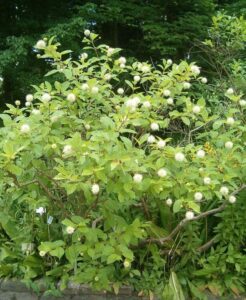
    • Height

    Buttonbush typically grows 6–12 feet tall but can occasionally reach up to 15 feet in ideal conditions. Its spread is usually 4–8 feet wide, making it a medium-sized shrub suitable for various landscapes.

    • Bloom Time

    The shrub blooms from June to September, with flowers lasting 3–4 days each. This extended bloom period ensures a reliable nectar source during the summer months when pollinators are most active.

    • Light Requirement

    Buttonbush thrives in full sun to partial shade. While it can tolerate some shade, flowering is most prolific in sunny locations.

    • Soil Preference

    This plant prefers consistently moist to wet soils and can even tolerate standing water up to three feet deep. It adapts well to loamy, sandy, or clay soils with a slightly acidic to neutral pH but does not perform well in dry or alkaline conditions.

    • Natural Habitat and Growing Conditions

    Buttonbush is native to wetlands, swamps, floodplains, and along streams and ponds across much of North America. It is highly tolerant of Buttonbushperiodic flooding and heat, making it ideal for rain gardens, pond edges, or low-lying areas prone to water accumulation.
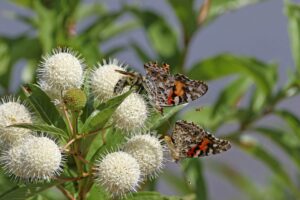
    • Ecological Benefit

    Buttonbush is a powerhouse for wildlife. Its flowers provide nectar for hummingbirds, butterflies, and bees, while its seeds nourish waterfowl and shorebirds in winter. Additionally, it serves as a host plant for several moth species and offers nesting habitat for birds like wood ducks. The shrub also stabilizes soil in riparian zones, helping prevent erosion and improving water quality.

    Unique Characteristics of Buttonbush That Make It Attractive to Hummingbirds

    Buttonbush (Cephalanthus occidentalis) is a remarkable native shrub with several unique features that make it highly attractive to hummingbirds. Its distinctive flower structure, extended bloom time, and ecological benefits create an ideal feeding environment for these fascinating pollinators. Here’s what sets Buttonbush apart:

    • Spherical, Nectar-Rich Flowers

    The spherical flower clusters of Buttonbush are its most striking feature. Each “pincushion” bloom is composed of dozens of tiny, tubular flowers packed tightly together. These tubular shapes are perfectly suited to the long beaks and tongues of hummingbirds, allowing them to easily access the nectar deep within. The flowers are also rich in nectar, providing a high-energy food source essential for hummingbirds’ rapid wingbeats and active lifestyles.

    • Protruding Styles for Easy Access

    Each tiny flower within the spherical cluster has a long style that extends outward, giving the flower head its characteristic starburst appearance. These protruding styles make it easier for hummingbirds to brush against the reproductive parts of the flowers while feeding, ensuring effective pollination.

    • Extended Bloom Time

    Buttonbush blooms from June through September, offering a consistent nectar source throughout the summer months. This extended flowering Button Bush and butterfliesperiod aligns perfectly with hummingbird activity during both their breeding and migration seasons, making it a reliable food source when other plants may not be blooming.
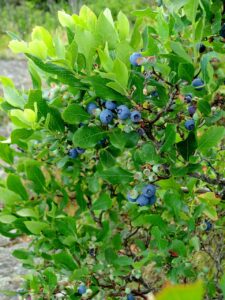
    • Fragrance and Visibility

    The creamy-white flowers emit a sweet fragrance that attracts hummingbirds from a distance. Additionally, their prominent placement at the ends of branches ensures they are highly visible and accessible to passing birds.

    • Adaptability to Wet Areas

    Buttonbush thrives in moist or wet soils, including areas prone to flooding or standing water. Its natural habitat along pond edges, wetlands, and streams often overlaps with hummingbird travel routes, making it an ideal stopover for feeding.

    With its unique characteristics, Buttonbush is not only a visually stunning addition to any garden but also an essential plant for supporting hummingbirds and other pollinators.


    Highbush Blueberry (Vaccinium corymbosum) A Magnet For Hummingbirds And Pollinators

    Key Characteristics

    Highbush Blueberry (Vaccinium corymbosum) is a native shrub known for its ecological importance and ornamental appeal. Its bell-shaped Highbush-Blueberrywhite or pale pink flowers bloom in spring, providing nectar for pollinators like bumblebees and hummingbirds. The shrub produces clusters of sweet blue berries in summer, which are loved by birds, mammals, and humans alike. Its glossy green leaves turn brilliant shades of red, orange, and yellow in the fall, adding seasonal interest to gardens.
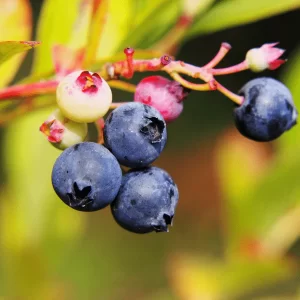
    • Height

    Highbush Blueberry typically grows 6–12 feet tall with a spread of 3–7 feet. Its upright, multi-stemmed growth habit makes it suitable for hedges, mass plantings, or naturalized landscapes.

    • Bloom Time

    The shrub blooms in May and June, offering an early-season nectar source when few other plants are flowering. This timing is critical for pollinators emerging from winter dormancy or migrating through the area.

    • Light Requirement

    Highbush Blueberry thrives in full sun to partial shade. While it can tolerate some shade, full sun ensures optimal flowering and fruit production.

    • Soil Preference

    This shrub requires acidic soils with a pH of 4.5–5.0 and prefers well-drained but consistently moist conditions. It adapts to sandy or loamy soils but struggles in alkaline or poorly drained soils.

    • Natural Habitat and Growing Conditions

    Highbush Blueberry is native to eastern North America and is commonly found in wetlands, forest edges, bogs, and rocky hillsides. It is highly Highbush Blueberry shrubadaptable to both wet areas and drier upland sites with proper soil amendments.
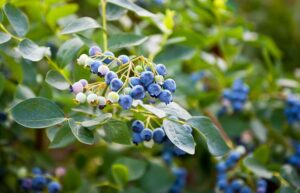
    • Ecological Benefit

    Highbush Blueberry supports over 200 species of moths and butterflies, including the Red-Spotted Purple and Henry’s Elfin. Its flowers attract specialist bees that use buzz pollination to access its deep nectaries, while its berries provide essential food for songbirds like thrushes, catbirds, and tanagers. The dense foliage offers shelter for nesting birds and small mammals, making it a cornerstone of wildlife-friendly gardens.


    Unique Characteristics of Highbush Blueberry That Make It Attractive to Hummingbirds

    Highbush Blueberry (Vaccinium corymbosum) is more than just a fruit-bearing shrub—it’s also a valuable plant for attracting hummingbirds. Its unique features provide essential food and ecological benefits that make it a magnet for these tiny pollinators.

    • Bell-Shaped Flowers

    The bell-shaped flowers of Highbush Blueberry are perfectly suited to hummingbirds’ long, slender beaks and tongues. These drooping blooms, which range in color from white to pale pink, are rich in nectar. Hummingbirds are drawn to this easy-to-access nectar source, especially during spring migration when food can be scarce. The tubular shape of the flowers also minimizes competition from other pollinators, making them an exclusive feeding spot for hummingbirds.

    • Early Bloom Time

    Highbush Blueberry blooms in early to mid-spring, often before many other plants have started flowering. This early bloom time ensures that Highbush Blueberryhummingbirds have a reliable source of nectar as they arrive in search of energy-rich food after their long migration.
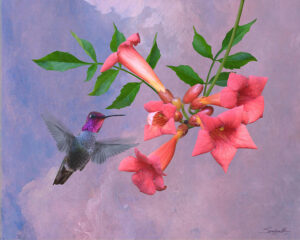
    • Fragrant and Visible

    The flowers emit a light fragrance that helps attract pollinators from a distance. Their clustered arrangement enhances their visibility, making them easy for hummingbirds to locate while flying through the garden.

    • Supports Insect Prey

    In addition to nectar, Highbush Blueberry indirectly supports hummingbirds by attracting small insects like bees and flies that hummingbirds rely on for protein. These insects are essential for muscle development and overall health, especially during the breeding season.

      • Four-Season Appeal

    Beyond its springtime blooms, Highbush Blueberry offers year-round ecological benefits. Its summer fruits attract birds and mammals, while its dense foliage provides shelter for nesting wildlife. The vibrant fall colors add ornamental value to any garden.

    By planting Highbush Blueberry, gardeners can create a thriving habitat that not only supports hummingbirds but also enhances biodiversity in the landscape.


    Video: How to Grow BLUEBERRIES Like a PRO! Tips to Grow The Best Berries ANYWHERE


    Native Vines in the Northeastern United States That Attract Hummingbirds

    This video explores 10 native vines that offer bold blooms and attract pollinators. The host discusses the benefits of each vine, including their bloom times, growth habits, and wildlife attraction. They also highlight the importance of choosing native plants to support local ecosystems

    Trumpet Honeysuckle or Coral Honeysuckle (Lonicera sempervirens) A Favorite Among Hummingbirds, Butterflies, and Other Pollinators

    Key Characteristics

    Coral Honeysuckle (Lonicera sempervirens), also known as Hummingbird Honeysuckle, is a native, non-invasive vine prized for its vibrant, Coral Honeysuckle and hummingbird feeding on the nectartrumpet-shaped flowers. The blooms are coral-red on the outside and yellow on the inside, offering a stunning display that attracts hummingbirds, butterflies, and bees. This low-maintenance plant is perfect for adding vertical interest to gardens while supporting local wildlife.

    • Height

    Coral Honeysuckle can grow up to 10–20 feet long, making it an excellent choice for trellises, fences, arbors, or pergolas. It can also be used as a ground cover if left unsupported.

    • Bloom Time

    This vine blooms profusely from late spring to early summer, with sporadic flowering continuing into fall. The extended bloom period provides a consistent nectar source for pollinators throughout the growing season.

    • Light Requirement

    Coral Honeysuckle thrives in full sun to partial shade. While it can tolerate some shade, planting it in sunnier locations will result in more abundant flowering.

    • Soil Preference

    This vine prefers moist, well-drained soil but is adaptable to a variety of soil types, including sandy or clay soils. It tolerates slightly acidic to neutral pH levels and is drought-tolerant once established.

    • Natural Habitat and Growing Conditions

    Native to the eastern United States, Coral Honeysuckle is often found in open woodlands, along forest edges, and in meadows. It is well-suited Coral Honeysuckle and hummingbird feeding on the nectar for USDA zones 4–9 and performs well in gardens with minimal care. Unlike invasive Japanese Honeysuckle (Lonicera japonica), Coral Honeysuckle grows in a controlled manner and supports native ecosystems.

    • Ecological Benefit

    Coral Honeysuckle is a powerhouse for pollinators. Its tubular flowers are rich in nectar, making them a favorite of hummingbirds and butterflies. Bees are also frequent visitors. In late summer and fall, the vine produces small red berries that provide food for songbirds like robins and cedar waxwings. Additionally, its dense foliage offers shelter for birds and other wildlife. By planting Coral Honeysuckle, gardeners can create a vibrant habitat that supports biodiversity while enhancing their landscape’s beauty


    VIDEO: The Perfect Native Vine? Why Coral Honeysuckle Deserves a Spot in Your Garden!

    Coral Honeysuckle (Lonicera sempervirens) might just be the perfect native vine! This stunning, low-maintenance plant boasts vibrant, tubular red flowers that bloom from spring through fall, attracting hummingbirds, butterflies, and other pollinators. Unlike invasive honeysuckles, this non-aggressive native vine is well-behaved and easy to manage. It thrives in a variety of conditions—whether in full sun or partial shade—and is drought-tolerant once established. Plus, it’s deer-resistant and provides year-round interest with its semi-evergreen foliage. If you’re looking for a beautiful, wildlife-friendly vine that’s as practical as it is eye-catching, Coral Honeysuckle could be the perfect choice for your garden!


    Unique Characteristics of Coral Honeysuckle That Make It Attractive to Hummingbirds

    Coral Honeysuckle (Lonicera sempervirens) is a native vine celebrated for its ability to attract hummingbirds. Its unique characteristics make it an essential addition to any garden designed to support these fascinating pollinators.

    • Tubular Flower Shape

    The tubular flowers of Coral Honeysuckle are perfectly tailored to hummingbirds’ long, slender beaks and tongues. This shape allows hummingbirds to access the nectar deep within the blooms while excluding most insects, ensuring a reliable food source for the birds. The flower’s design suggests co-evolution between the plant and hummingbirds, making it an ideal match for their feeding habits.

    • Bright Colors

    The vibrant red, orange, or yellow hues of Coral Honeysuckle’s flowers act as visual beacons for hummingbirds, who are naturally drawn to Lonicera-sempervirens and hummingbirdbright colors. These striking blooms stand out against the foliage, making them easy for hummingbirds to locate even from a distance.

    • Abundant Nectar

    Coral Honeysuckle produces copious amounts of nectar, providing the high-energy food hummingbirds need to sustain their rapid wingbeats and active lifestyles. The flowers bloom profusely in late spring and early summer, with sporadic flowering continuing into fall, ensuring a consistent nectar supply throughout the breeding and migration seasons.

    • Extended Bloom Period

    Unlike many other plants, Coral Honeysuckle blooms on both old and new wood, allowing it to flower continuously over several months. This extended bloom period aligns perfectly with hummingbird activity, supporting them during critical times of the year.

    • Ecological Benefits

    In addition to attracting hummingbirds, Coral Honeysuckle supports butterflies and bees with its nectar-rich blooms. Its red berries provide food for songbirds like robins and finches in late summer and fall. The vine also serves as a larval host for Spring Azure butterflies and Snowberry Clearwing moths.

    By planting Coral Honeysuckle in your garden, you can create a vibrant habitat that not only supports hummingbirds but also enhances biodiversity while adding beauty to your outdoor space.


    Trumpet vine (Campsis radicans) A Native Hummingbird-Attracting Powerhouse

    VIDEO: Trumpet Vine – BEWARE this Hummingbird Magnet has a Dangerous Side – Why grow Campsis Radicans

    We’ll show you how to grow this climbing vine that is one of the best ways to attract hummingbirds but will also explain why you may not want to. If you’re asking yourself “Should I grow Trumpet Vine,” we’ll help you decide.


    Key Characteristics

    Trumpet Vine (Campsis radicans), also known as Trumpet Creeper or Hummingbird Vine, is a vigorous, woody climbing vine native to the Trumpet Vine and hummingbird southeastern United States. It is celebrated for its clusters of vibrant, trumpet-shaped flowers in shades of red, orange, and yellow that bloom throughout the summer. These flowers are rich in nectar, making the plant a favorite among hummingbirds and other pollinators. With its fast growth and showy blooms, Trumpet Vine is ideal for adding vertical interest to gardens and landscapes.
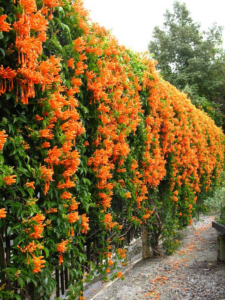
    • Height

    Trumpet Vine can grow up to 30–40 feet tall when supported by structures like fences, trellises, or arbors. Its aerial roots allow it to cling to surfaces, creating dense coverage that makes it suitable for large-scale landscaping.

    • Bloom Time

    The vine blooms from June to September, producing clusters of 2–3 inch-long tubular flowers. This extended bloom period ensures a steady supply of nectar for hummingbirds during their breeding and migration seasons.

    • Light Requirement

    Trumpet Vine thrives in full sun but can tolerate partial shade. For the most prolific flowering, plant it in a location that receives at least six hours of direct sunlight daily.

    • Soil Preference

    This adaptable vine grows well in a wide range of soils, including sandy, loamy, and clay soils. It prefers moist but well-drained soil with a slightly Trumpet Vineacidic to neutral pH but will tolerate less-than-ideal conditions once established.
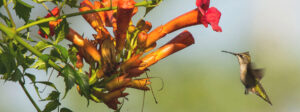
    • Natural Habitat and Growing Conditions

    Native to woodlands and forest edges in the southeastern United States, Trumpet Vine is hardy in USDA zones 4–9. It performs best in warm climates and can withstand occasional drought once mature. However, its aggressive growth habits require regular pruning to keep it under control.

    • Ecological Benefit

    Trumpet Vine is a magnet for hummingbirds, thanks to its tubular flowers that are perfectly suited to their long beaks and tongues. The blooms also attract butterflies and bees, while its dense foliage provides nesting sites for birds. Additionally, the vine serves as a host plant for the Trumpet Vine Sphinx Moth (Paratrea plebeja). By planting Trumpet Vine, gardeners can support pollinators and create a vibrant wildlife habitat while enjoying its stunning ornamental value.

    Unique Characteristics of Trumpet Vine That Make It Attractive to Hummingbirds

    Trumpet Vine (Campsis radicans) is a native climbing plant that stands out for its ability to attract hummingbirds. Its unique features make it an essential addition to any garden designed to support these energetic pollinators. Here’s what makes Trumpet Vine irresistible to hummingbirds:

    • Tubular Flower Shape

    The trumpet-shaped flowers of Trumpet Vine are perfectly suited for hummingbirds’ long, slender beaks and tongues. These tubular blooms allow hummingbirds to access the nectar deep within, while their design minimizes competition from other pollinators. The flowers seem almost custom-made for hummingbird feeding habits, ensuring a reliable food source.

    • Vibrant Colors

    The bright red, orange, and yellow hues of Trumpet Vine’s flowers act as visual beacons for hummingbirds. These vibrant colors are particularly trumpet vine and hummingbirdappealing to the birds, who rely on their keen eyesight to locate food sources. The bold blooms stand out against the vine’s lush green foliage, making them easy for hummingbirds to spot even from a distance.
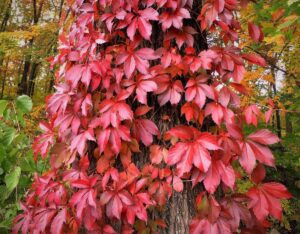
    • Abundant Nectar

    The flowers of Trumpet Vine produce copious amounts of nectar, providing the high-energy food that hummingbirds need to sustain their rapid wingbeats and active lifestyles. The abundance of nectar ensures that hummingbirds can feed efficiently without needing to travel far.

    • Extended Bloom Period

    Trumpet Vine blooms from early summer through fall, offering a consistent nectar source during both the breeding and migration seasons. This extended bloom time aligns perfectly with hummingbird activity, making the vine a reliable food source throughout the warmer months.

    • Dense Growth for Shelter

    In addition to its flowers, Trumpet Vine’s dense foliage provides shelter and potential nesting sites for hummingbirds and other small birds. This combination of food and habitat makes it an invaluable plant for supporting wildlife.

    By planting Trumpet Vine in your garden, you can create a vibrant habitat that supports hummingbirds while adding dramatic beauty to your outdoor space.

    VIDEO: Trumpet Creeper: Cautions


     Virginia Creeper (Parthenocissus quinquefolia)

    Key Characteristics

    Virginia Creeper (Parthenocissus quinquefolia) is a fast-growing, native climbing vine known for its adaptability and ecological value. It Virginia-Creeper-up-a-treefeatures five-lobed, bright green leaves that turn fiery red in autumn, adding seasonal beauty to any landscape. Inconspicuous greenish flowers bloom in spring, followed by clusters of small, dark blue berries that attract birds and other wildlife. Its dense foliage provides excellent ground cover or vertical greenery for walls, fences, and trellises.
    • Height

    Virginia Creeper can climb up to 30–50 feet tall when supported by structures or trees. It can also spread horizontally along the ground, making it a versatile option for erosion control or as a ground cover.

    • Bloom Time

    The vine produces small clusters of greenish flowers in late spring to early summer. While the flowers are not showy, they provide nectar for bees and other small pollinators.

    • Light Requirement

    Virginia Creeper thrives in full sun to partial shade. For the best fall color and vigorous growth, plant it in an area that receives at least six hours of sunlight daily. It can tolerate shadier conditions but may produce fewer berries and less vibrant foliage.

    • Soil Preference

    This vine is highly adaptable to a variety of soil types, including sandy, loamy, and clay soils. It prefers moist, well-drained soil but can tolerate drier conditions once established. Slightly acidic to neutral soil pH is ideal for optimal growth.

    • Natural Habitat and Growing Conditions

    Virginia Creeper is native to the eastern United States and thrives in woodlands, along streambanks, and in open fields. It is hardy in USDA Virginia Creeperzones 3–9 and tolerates drought, low fertility soils, and even urban pollution. Its ability to grow in challenging conditions makes it a valuable choice for erosion control on slopes or unstable areas.
    • Ecological Benefit

    Virginia Creeper supports a wide range of wildlife. Its berries are an important food source for over 30 species of birds, including robins, bluebirds, and warblers. The vine’s dense foliage provides shelter for small animals and nesting sites for birds like cardinals. Additionally, its flowers attract bees and other pollinators, contributing to local biodiversity. By planting Virginia Creeper, gardeners can create a thriving habitat while enjoying its seasonal beauty and practical benefits.

    Unique Characteristics of Virginia Creeper That Make It Attractive to Hummingbirds

    Virginia Creeper (Parthenocissus quinquefolia) is a versatile native vine that supports hummingbirds through its unique ecological features. While not a primary nectar source, it plays an important role in creating a habitat that indirectly benefits these pollinators.

    • Inconspicuous Flowers with Nectar

    Virginia Creeper produces small, greenish-white flowers in late spring to early summer. Though subtle in appearance, these blooms provide nectar that attracts bees and other pollinators. Occasionally, hummingbirds may visit the flowers for their nectar, especially during times when other food sources are scarce.

    • Support for Insect Prey

    One of Virginia Creeper’s most significant contributions to hummingbirds is its ability to sustain a wide variety of insects. The vine serves as a virginia creeperhost plant for caterpillars of moth species such as the Virginia Creeper Sphinx Moth and the Grapeleaf Skeletonizer. These caterpillars, along with other small insects drawn to the vine, provide essential protein for hummingbirds during nesting and breeding seasons.
    • Dense Foliage for Shelter

    The dense foliage of Virginia Creeper offers excellent cover for wildlife. Hummingbirds can use this leafy growth as a resting spot or shelter from predators while foraging nearby. Its climbing habit creates vertical habitats that enhance biodiversity in gardens and natural landscapes.

    • Seasonal Beauty and Wildlife Appeal

    In autumn, Virginia Creeper’s leaves turn brilliant shades of red and crimson, adding visual interest to any garden. At the same time, its dark blue berries ripen and attract over 30 species of birds, including robins, warblers, and woodpeckers. While hummingbirds do not consume the berries directly, the presence of other wildlife creates a thriving ecosystem that indirectly supports their survival.

    By planting Virginia Creeper, gardeners can create a balanced habitat that benefits hummingbirds while enhancing biodiversity and seasonal beauty in their outdoor spaces.


    • Yellow Passionflower (Passiflora lutea)

    Key Characteristics

    Yellow Passionflower is a delicate, native climbing vine known for its small, greenish-yellow flowers and unique ecological benefits. The flowers Yellow Passionflowerare about an inch wide and give way to dark purple or black berries in the fall. Its wide, shallowly lobed leaves turn an attractive yellow in autumn, adding seasonal beauty to the landscape. This vine is less aggressive than other passionflower species, making it an excellent choice for gardens.
    • Height

    Yellow Passionflower can grow up to 15 feet long, climbing or trailing along structures such as fences, trellises, or trees. Its tendrils allow it to attach easily to supports, creating a lush, cascading effect.

    • Bloom Time

    The vine blooms from late spring through early fall (May to October), producing small but numerous flowers. This extended bloom period provides a consistent nectar source for pollinators throughout the growing season.

    • Light Requirement

    Yellow Passionflower thrives in part shade to bright shade but can tolerate partial sun. It performs best in areas with dappled sunlight or filtered light, making it ideal for woodland edges or shaded gardens.

    • Soil Preference

    This vine prefers moist, well-drained soils and can grow in a variety of soil types, including sandy and limestone-based soils. Slightly acidic soil enhances its growth, and it tolerates medium levels of calcium carbonate.

    • Natural Habitat and Growing Conditions

    Native to the southeastern and central United States, Yellow Passionflower is commonly found in moist woodlands, thickets, and rocky upland Yellow Passionflowerareas. It thrives in USDA zones 5–9 and is well-suited for naturalized landscapes or gardens with similar conditions.
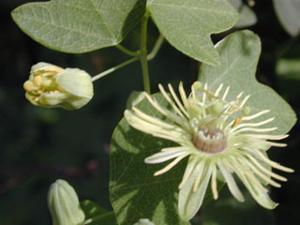
    • Ecological Benefit

    Yellow Passionflower is a vital host plant for several butterfly species, including Gulf Fritillary and Zebra Longwing caterpillars. It also supports the Passionflower Bee (Anthemurgus passiflorae), which relies exclusively on its pollen. The berries provide food for birds and small mammals, while the flowers attract hummingbirds, butterflies, and bees with their nectar. By planting Yellow Passionflower, gardeners can support pollinators while adding a touch of native beauty to their outdoor spaces.

    Unique Characteristics of Yellow Passionflower That Make It Attractive to Hummingbirds

    Yellow Passionflower (Passiflora lutea) is a native vine with distinct features that make it appealing to hummingbirds. Its small, delicate flowers and ecological benefits create an ideal environment for these energetic pollinators. Here’s why Yellow Passionflower stands out as a hummingbird-attracting plant:

    • Tubular Flower Structure

    The greenish-yellow flowers of Yellow Passionflower are small but perfectly shaped for hummingbirds. Their tubular design allows hummingbirds to easily access the nectar deep within the blooms, making them a reliable food source during the growing season.

    • Extended Bloom Period

    Yellow Passionflower blooms from late spring through early fall, offering a consistent nectar supply for hummingbirds during both their breeding and migration seasons. This extended bloom time ensures that hummingbirds can rely on the vine as a feeding station over several months.

    • Nectar-Rich Blooms

    Although the flowers are subtle in appearance, they are rich in nectar, providing the high-energy food that hummingbirds need to sustain their Yellow Passionflowerrapid wingbeats and active lifestyles. The vine’s numerous flowers ensure that there is plenty of nectar available for visiting pollinators.
    • Support for Insect Prey

    Yellow Passionflower indirectly benefits hummingbirds by attracting insects such as bees and butterflies to its flowers. These insects serve as an essential protein source for hummingbirds, especially during nesting and breeding periods when their dietary needs increase.

    • Natural Habitat Compatibility

    This vine thrives in shaded or semi-shaded areas, such as woodland edges or thickets, which often align with natural hummingbird travel routes. Its ability to grow in moist soils and climb structures makes it accessible to hummingbirds in diverse landscapes.

    By planting Yellow Passionflower in your garden, you not only provide a reliable nectar source for hummingbirds but also support other pollinators and wildlife, creating a balanced and vibrant ecosystem.

    Video: Yellow Passion Flower

    •  

    • American Wisteria (Wisteria frutescens)

    Key Characteristics

    American Wisteria (Wisteria frutescens) is a native, woody, deciduous vine known for its fragrant, pea-like flowers and ecological benefits. American Wisteria Unlike invasive Asian wisteria species, American Wisteria is non-aggressive and manageable, making it ideal for gardens. Its lilac or bluish-purple flowers bloom in dense clusters, adding beauty and attracting hummingbirds, butterflies, and bees. The vine also produces bean-like seed pods that persist into winter.
    • Height

    American Wisteria can grow 25–30 feet long when supported by structures like trellises, fences, or arbors. Its twining stems allow it to climb efficiently, creating lush vertical greenery.

    • Bloom Time

    The vine blooms in late spring to early summer (May–June) and reblooms sporadically throughout the summer and fall. Flowers appear on new wood, making pruning essential for optimal blooming.

    • Light Requirement

    American Wisteria thrives in full sun for the best flowering but can tolerate partial shade. Planting it in a location with at least 6–8 hours of direct sunlight daily ensures abundant blooms.

    • Soil Preference

    This vine prefers moist, well-drained soil rich in organic matter. It grows well in clay or loamy soils with slightly acidic pH levels. While tolerant of American Wisteriaoccasional wet conditions, it performs best in consistently moist environments.
    • Natural Habitat and Growing Conditions

    Native to the southeastern United States, American Wisteria is commonly found along streambanks, swampy woods, pond edges, and moist thickets. It is hardy in USDA zones 5–9 and tolerates heat, drought, and soil compaction once established.

    • Ecological Benefit

    American Wisteria is a magnet for pollinators. Its fragrant flowers attract hummingbirds seeking nectar as well as butterflies like the Zarucco Duskywing and Long-Tailed Skipper. Bees also frequent its blooms for pollen. The dense foliage provides shelter for small wildlife, while its seed pods offer food for birds during winter months. By planting American Wisteria, gardeners can support pollinators while enjoying its stunning ornamental value.

    Unique Characteristics of American Wisteria That Make It Attractive to Hummingbirds

    American Wisteria (Wisteria frutescens) is a native vine that offers unique features, making it highly appealing to hummingbirds. Its combination of stunning flowers, ecological benefits, and manageable growth makes it an excellent addition to any pollinator-friendly garden.

    • Fragrant, Tubular Flowers

    The pea-like, tubular flowers of American Wisteria are arranged in dense clusters and bloom in shades of lilac or bluish-purple. These flowers are perfectly suited for hummingbirds’ long beaks and tongues, allowing them to access the nectar deep within. The blooms also emit a light fragrance that attracts hummingbirds from a distance.

    • Extended Bloom Period

    American Wisteria blooms in late spring to early summer and often reblooms sporadically throughout the summer and fall. This extended wisteria-frutescensflowering period provides a consistent nectar source for hummingbirds during their breeding and migration seasons.

    • Climbing Habit

    As a climbing vine, American Wisteria grows vertically along trellises, fences, or arbors. This climbing habit positions the flowers at an accessible height for hummingbirds while creating an eye-catching display in the garden.

    • Non-Invasive Nature

    Unlike its invasive Asian counterparts, American Wisteria is non-aggressive and easy to manage. Its controlled growth ensures that it supports pollinators without overtaking other plants or causing harm to the surrounding ecosystem.

    • Ecological Support

    In addition to attracting hummingbirds with its nectar-rich blooms, American Wisteria supports other pollinators like butterflies and bees. It serves as a host plant for butterfly species such as the Silver-Spotted Skipper and Long-Tailed Skipper. Its dense foliage also provides shelter for small birds and wildlife.

    By planting American Wisteria in your garden, you can create a vibrant habitat that supports hummingbirds while adding beauty and ecological value to your outdoor space.


    VIDEO: Amethyst Wisteria with Peter McDermott

    An ultra-compact variety from America that is perfectly suited to growing in UK gardens. Unlike virtually all other varieties of Wisteria though, many of which can take up to five years to flower, Amethyst Falls will reliably flower in its first year. The flowers will pour like a river of lilac from this fantastic plant throughout May, filling the air with the perfume of spring flowers. In its early years it will remain compact and manageable and as such makes a brilliant patio plant perfect for growing in a pot. Eventually it will reach a height of 12-15ft and will spread to around 6ft if left un-pruned. However, it can be maintained at half this size and still yield masses of flowers every single spring from this year onwards!


    • Climbing Hydrangea (Hydrangea anomala subsp. petiolaris)

    Key Characteristics

    Climbing Hydrangea is a vigorous, deciduous vine known for its ability to scale walls, fences, and trees with ease. It produces fragrant, white Climbing Hydrangealacecap flowers in early summer that attract pollinators like hummingbirds, bees, and butterflies. Its dark green, ovate leaves turn yellow in the fall, adding seasonal interest. The vine clings to surfaces using aerial rootlets, making it ideal for vertical gardening.
    • Height

    Climbing Hydrangea can grow 30–80 feet tall when supported by sturdy structures. Its lateral branches can extend several feet beyond its climbing surface, creating a lush, cascading effect.

    • Bloom Time

    This vine blooms in early to mid-summer (June–July), producing large clusters of white flowers. These blooms are long-lasting and provide nectar for pollinators throughout the season.

    • Light Requirement

    Climbing Hydrangea thrives in full sun to partial shade. In hotter climates, it benefits from afternoon shade to prevent stress from excessive heat.

    • Soil Preference

    This vine prefers rich, well-drained soil that is consistently moist. It tolerates a variety of soil types but performs best in slightly acidic conditions. Adding organic compost and mulch helps retain soil moisture and promotes healthy growth.

    • Natural Habitat and Growing Conditions

    Native to wooded valleys and rocky slopes in Asia, Climbing Hydrangea is hardy in USDA zones 4–9. It adapts well to garden settings and can be grown on brick walls, arbors, or as ground cover in shaded areas. Its slow initial growth gives way to vigorous climbing once established.

    • Ecological Benefit

    Climbing Hydrangea supports hummingbirds by providing nectar-rich flowers during the summer months. The dense foliage offers shelter for small birds and other wildlife, while its exfoliating bark adds winter interest to the landscape. By planting Climbing Hydrangea, gardeners can create a beautiful vertical habitat that supports pollinators and enhances biodiversity in their outdoor spaces.

    Unique Characteristics of Climbing Hydrangea That Make It Attractive to Hummingbirds

    Climbing Hydrangea (Hydrangea anomala subsp. petiolaris) is a beautiful and versatile vine with unique features that make it appealing to Climbing Hydrangeahummingbirds. Its combination of nectar-rich flowers, climbing habit, and ecological benefits creates an inviting environment for these energetic pollinators.
    • Fragrant, Nectar-Rich Flowers

    The lacecap flowers of Climbing Hydrangea are composed of tiny fertile blooms surrounded by showy sterile ones. The fertile flowers are rich in nectar, providing a valuable energy source for hummingbirds during their active feeding periods. The light fragrance of the blooms further enhances their attractiveness to pollinators.

    • Extended Bloom Period

    Climbing Hydrangea blooms in early to mid-summer, with its flowers lasting for several weeks. This extended bloom period ensures that hummingbirds have a consistent nectar source during the summer months when they are most active.

    • Vertical Growth Habit

    This vine’s ability to climb walls, fences, and trees places its flowers at heights easily accessible to hummingbirds. The aerial rootlets allow it to cling securely to surfaces, creating vertical gardens that are both functional and visually appealing.

    • Dense Foliage for Shelter

    The lush, heart-shaped leaves of Climbing Hydrangea provide excellent cover for hummingbirds. These dense leaves create shaded resting spots and protection from predators, making the vine an inviting habitat for wildlife.

    • Ecological Role

    In addition to attracting hummingbirds, Climbing Hydrangea supports other pollinators like bees and butterflies with its nectar-rich flowers. Its exfoliating bark on mature stems adds winter interest while providing shelter for small insects and birds. The vine’s adaptability to partial shade and moist conditions makes it an excellent choice for naturalized landscapes.

    By planting Climbing Hydrangea, gardeners can create a thriving ecosystem that supports hummingbirds while enhancing the beauty of their outdoor spaces.


    Virgin’s Bower (Clematis virginiana)

    Video: Virgin’s Bower, A Showstopper Native Vine.  Clematis virginiana (Virgin’s Bower) is a sight to behold and is also loved my many pollinators.

    Key Characteristics

    Virgin’s Bower, also known as Old Man’s Beard or Woodbine, is a fast-growing, native perennial vine in the buttercup family. It is known for its Virgin’s Bower Clematis clusters of small, fragrant white flowers that bloom in late summer and its feathery seed heads that persist into fall. The vine climbs by wrapping its leaf stalks around supports, making it an excellent choice for trellises, fences, and naturalized landscapes.
    • Height

    Virgin’s Bower can grow 10–20 feet high and spread 3–6 feet wide. Its rapid growth and climbing habit allow it to cover large areas quickly, creating a dense and lush display.

    • Bloom Time

    This vine blooms from July to September, producing masses of aromatic white flowers. These blooms attract pollinators during the late summer months when nectar sources may be limited.

    • Light Requirement

    Virgin’s Bower thrives in full sun to partial shade. It is one of the few flowering vines that can bloom well in shaded conditions, making it versatile for various garden settings.

    • Soil Preference

    This vine prefers moist, well-drained soils rich in organic matter but tolerates a range of soil types, including clay, loam, and sand. It can handle occasional flooding and grows well in slightly acidic to neutral pH conditions.

    • Natural Habitat and Growing Conditions

    Native to eastern North America, Virgin’s Bower is commonly found along streambanks, woodland edges, and moist thickets. It thrives in USDA zones 3–8 and performs well in both naturalized landscapes and cultivated gardens.

    • Ecological Benefit

    Virgin’s Bower supports hummingbirds by providing nectar from its fragrant flowers during late summer. It also attracts bees and butterflies Virgin’s Bower Clematiswhile serving as a host plant for the Clematis Clearwing Moth. Its dense foliage offers shelter for small wildlife, while its feathery seed heads provide food for birds in the fall. By planting Virgin’s Bower, gardeners can create a vibrant habitat that supports pollinators and enhances biodiversity.
    Unique Characteristics of Virgin’s Bower That Make It Attractive to Hummingbirds

    Virgin’s Bower (Clematis virginiana) is a native climbing vine with several unique features that make it appealing to hummingbirds. Its fragrant flowers, extended bloom period, and ecological contributions create an inviting environment for these pollinators.

    • Fragrant, Nectar-Rich Flowers

    The small, white flowers of Virgin’s Bower bloom in clusters from late summer to early fall (July–September). These blooms are rich in nectar, providing an essential energy source for hummingbirds during a time when other nectar-producing plants may be scarce. The abundance of flowers ensures that hummingbirds can feed efficiently while visiting the vine.

    • Extended Bloom Period

    Virgin’s Bower blooms over several weeks during late summer and early fall, aligning perfectly with the active feeding and migration periods of hummingbirds. This extended bloom period makes it a reliable source of nectar when other plants have finished flowering.

    • Dense Foliage for Shelter

    The vine’s lush, trifoliate leaves create dense foliage that provides excellent cover for hummingbirds. This natural shelter offers resting spots and protection from predators while the birds forage nearby.

    • Climbing Habit

    Virgin’s Bower is a vigorous climber that can grow 10–20 feet tall when supported by trellises, fences, or trees. Its climbing habit places its Virgin’s Bower Clematisflowers at heights easily accessible to hummingbirds, making it an ideal addition to vertical gardens or naturalized landscapes.
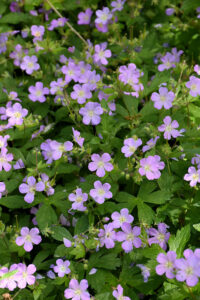
    • Ecological Role

    In addition to attracting hummingbirds, Virgin’s Bower supports bees, butterflies, and moths with its nectar-rich blooms. It serves as a host plant for the Clematis Clearwing Moth, supporting its larvae. The feathery seed heads that form after flowering provide food for birds in late fall and winter while adding ornamental interest to the garden.

    By planting Virgin’s Bower, gardeners can create a vibrant habitat that supports hummingbirds and enhances biodiversity while adding beauty to their outdoor spaces.

    These native plants provide nectar-rich blooms throughout the growing season, supporting hummingbirds and other pollinators. Adding these species to your garden helps create a vibrant, sustainable habitat while enhancing the beauty of your landscape.


    Valuable Hummingbird Resources To Enhance Your Hummingbird Enjoyment!

    Here’s a complete guide to attracting hummingbirds to your yard. It lists plants, vines and shrubs that are in bloom for spring, summer and fall. Your hummingbirds will always have flowers to feed on.

    Here’s a great article that tells everything you need to know about how to choose the best place to hang your hummingbird feeder.

    Here’s the best designed hummingbird feeder to use. It’s leak proof, so it won’t attract insects and it’s easy to take apart and clean.

    Here’s a comprehensive guide to help you clean your hummingbird feeder for those times when the nectar is not changed soon enough and mold starts to grow.

    One of the best Hummingbird feeders that’s easy to take apart and clean is the HummZinger Ultra.

    hummingbird feeder
    Hummzinger saucer Feeder

    Aspects 12oz HummZinger Ultra With Nectar Guard.

    The HummZinger Ultra 12oz Saucer Feeder is one of the best options for a hummingbird feeder that’s both easy to clean and maintain. This top-tier feeder features patented Nectar Guard tips—flexible membranes on the feeding ports that keep flying insects out while still allowing hummingbirds to feed freely. Plus, it comes with an integrated ant moat to prevent crawling insects from reaching the nectar, and the raised flower ports help divert rain, keeping the nectar fresh.

    With a 12 oz capacity, this mid-size feeder offers plenty of space and can be hung or mounted on a post using the included hardware. It has four feeding ports and is made from durable, unbreakable polycarbonate. Whether you’re concerned about bees, wasps, or ants, this feeder is built for easy cleaning and insect protection.


    Want more hummingbirds at your feeders this year—without guessing when to start or which flowers to plant? Our Hummingbird Gardening Guide for All 50 States shows you exactly when to put feeders out, when to take them down, and which native plants attract the most hummingbirds in your region. Click your state name in the guide to see feeder timing, recommended nectar‑rich plants, and the hummingbird species you can expect in your area, then follow the simple steps to turn your yard, balcony, or garden into a true hummingbird magnet.

    How to be sure your nectar is always fresh

    It’s very important to keep fresh nectar in the feeder. Hummingbirds won’t feed at a dirty feeder and spoiled hummingbird nectar can be harmful to the hummingbirds. Sooner or later, the sugar in the nectar will ferment. The temperature of the outside air is what will determine how long the hummingbird food will stay fresh. The hotter the temperature, the sooner it will ferment and the sooner the nectar will have to be changed. Once the nectar starts to ferment it won’t be long before black specks of mold can be seen in the nectar and mold would be seen growing on your feeder. As a general rule, if the temp. is in the 60’s, the nectar should last about a week before needing changing. When the temp. gets out of the 60’s it will need changing sooner. Below is a chart that you can use as a guide to help keep your nectar fresh.

    High temperatures…………Change nectar after

    71-75……………………………6 days

    76-80……………………………5 days

    81-84……………………………4 days

    85-88……………………………3 days

    89-92……………………………2 days

    93+………………………………change daily

    This chart is only meant to be a general guide. It’s better to change the nectar a little sooner than to change it later, after the sugar starts to ferment. Along with the chart, a visual inspection of the nectar will tell you if it needs to be changed. Once the nectar starts to look cloudy, it needs to be changed. If it looks cloudy and has black specks of mold in it, you have waited too long. Moldy hummingbird food containing bacteria, can be harmful to the hummingbirds.

    Between nectar changes, it should be rinsed out with hot water several times. The feeder should be cleaned once a week.  The National Audubon Society says this should be done by rinsing with 1 part white vinegar to 4 parts water. Follow the vinegar wash by rinsing your feeder three times with clear warm water before refilling your feeder with fresh  sugar solution.

    If mold starts to grow in your hummingbird food,  because you didn’t change it soon enough, you will have to clean it with a stronger solution to kill the mold and sterilize your feeder. This is where you will be glad,  if you have a  hummingbird feeder that is easy to take apart and is easy to clean.To kill the mold and sterilize your feeder you will have to soak the feeder in a mild bleach solution. To make the solution, add 1/4 cup bleach to a gallon of water and soak your entire feeder for an hour. To clean the mold off of your feeder you may need to scrub the mold with regular hummingbird feeder brushes. Cleaning your feeder with a mild bleach solution will make your feeder safe for the hummingbirds and insure that they continue to feed at your feeder.


    If you found this article helpful please share it with your friends using the social bookmarking buttons on the left side of this page.  Help everyone to increase their knowledge and enjoyment of feeding hummingbirds. Do it for the hummingbirds! It also helps my ranking so my information will be available to more people. The more people that see this vital information, the more the hummingbirds are helped. Thank for your help. The hummingbirds and I appreciate you very much!


  • Top Native Hummingbird-Attracting Plants for the Eastern US

    Hummingbirds are enchanting garden visitors, known for their vibrant plumage and rapid wingbeats. To attract these remarkable birds, planting native flora is essential. Native plants not only provide high-quality nectar but also support local ecosystems by attracting insects and other pollinators. This comprehensive guide explores a variety of native plants ideal for hummingbird gardens in the Eastern United States, ensuring blooms throughout the growing season.

    Why Choose Native Plants?

    Native plants are naturally adapted to local conditions, making them easier to grow and maintain. They offer several benefits:

    • High nectar content: Native flowers provide abundant nectar, which hummingbirds rely on for energy.

    • Support for insects: Hummingbirds supplement their diet with protein-rich insects attracted by native plants.

    • Environmental resilience: Native species thrive in local climates and soils, reducing the need for fertilizers and excessive watering.


    Top Native Plants by Season


    Spring Bloomers

    Spring blooms are crucial for hummingbirds returning from migration, providing much-needed nectar after their long journey.


    1. Eastern Red Columbine (Aquilegia canadensis): A Native Gem for Your Garden

    The Eastern Red Columbine (Aquilegia canadensis) is a native perennial wildflower that brings vibrant beauty and ecological benefits to columbine, hummingbird attracting plantsgardens across the Eastern United States. Known for its striking red and yellow nodding flowers, this plant is a favorite among gardeners and pollinators alike.


    Key Characteristics

    • Zones: 3–8

    • Height: 2–3 feet

    • Bloom Time: March–May

    • Features: Graceful, bell-shaped flowers with red spurs and yellow tips, complemented by delicate, fern-like foliage.

    The flowers’ unique shape gives the plant its scientific name, derived from aquila, Latin for “eagle,” as the spurs resemble an eagle’s talons. These blooms are not only visually stunning but also serve as a vital nectar source for hummingbirds, butterflies, and bees during early spring.


    Natural Habitat

    Eastern Red Columbine thrives in diverse environments, including rocky slopes, woodland edges, and cliffs. Its adaptability to various soil types—columbine, hummingbird attracting plantsprovided they are well-drained—makes it a versatile choice for naturalized areas or shade gardens. The plant’s ability to self-seed allows it to form colonies over time, creating a lush display in suitable conditions.


    Care and Maintenance

    This low-maintenance wildflower is both deer- and drought-resistant, making it an excellent option for gardeners seeking resilient plants. While it prefers light shade or dappled sunlight, it can tolerate full sun if the soil remains moist. To ensure healthy growth:

    • Avoid overwatering during hot summers to prevent crown rot.

    • Cut back spent flowers to encourage fresh foliage and potential reblooming.

    • Remove other Aquilegia species nearby to prevent hybridization and preserve its native genetics.


    Ecological Benefits

    Eastern Red Columbine is a powerhouse for pollinator support. Its tubular flowers are perfectly suited for hummingbirds, which act as primary pollinators. Additionally, butterflies and native bees benefit from its nectar. The plant’s foliage also serves as a host for certain caterpillar species.


    Garden Uses

    This adaptable plant fits seamlessly into various garden styles:columbine, hummingbird attracting plants

    • Woodland Gardens: Add color to shaded areas with its vibrant blooms.

    • Pollinator Gardens: Support hummingbirds and other pollinators during their active seasons.

    • Rock Gardens: Its natural affinity for rocky terrains makes it ideal for such settings.

    • Cut Flower Arrangements: The long-lasting blooms add elegance to floral displays.


    Why Choose Eastern Red Columbine?

    With its stunning appearance, ecological value, and adaptability, Eastern Red Columbine is a must-have for gardeners looking to enhance their landscapes while supporting native wildlife. Whether planted in borders, naturalized areas, or under trees, this wildflower is sure to captivate with its charm and resilience.

    What are the unique characteristics of Eastern Red Columbine that make it attractive to hummingbirds

    Eastern Red Columbine (Aquilegia canadensis) is a native wildflower with several unique traits that make it highly appealing to hummingbirds. Its vibrant blooms, specialized floral structure, and ecological timing ensure it remains a favorite among these pollinators.

    • Bright Red and Yellow Flowers

    The striking red and yellow coloration of Eastern Red Columbine’s flowers is one of its most defining features. Hummingbirds are naturally drawn to bright colors, particularly red, which signals a rich nectar source. The nodding flowers stand out in woodland or garden settings, making them easy for hummingbirds to locate.

    • Talon-Shaped Spurs

    The flowers of Eastern Red Columbine feature elongated, tubular spurs filled with sweet nectar. These spurs are perfectly adapted to the long bills and tongues of hummingbirds, allowing them to access nectar deep within the flower. As hummingbirds feed, they inadvertently collect pollen on their heads and transfer it between flowers, ensuring successful pollination.

    • High Nectar Content

    Eastern Red Columbine produces nectar with a high sugar concentration, providing hummingbirds with the energy they need for their rapid flight and high metabolism. The nectar’s sugar content is notably higher than many other wildflowers, making it an essential food source during the birds’ migration period.

    • Seasonal Synchronization

    The blooming period of Eastern Red Columbine (March–May) coincides with the return of migrating Ruby-throated Hummingbirds in early spring. This co-evolution ensures that hummingbirds have access to abundant nectar just when they need it most after their long journey north.

    • Adaptability

    Eastern Red Columbine thrives in various conditions, from rocky woodlands to shaded gardens. Its ability to self-seed allows it to form large colonies over time, creating dense feeding grounds for hummingbirds.

    With its vibrant flowers, specialized spurs, and high nectar production, Eastern Red Columbine is a vital plant for attracting hummingbirds while supporting pollinator health in native ecosystems.

    2. Wild Geranium (Geranium maculatum)

    Wild Geranium (Geranium maculatum), also known as Spotted Cranesbill, is a charming perennial wildflower native to the Eastern United Wild Geranium (Geranium maculatum) attracts hummingbirds through its nectar-rich flowers and its ability to create a thriving ecosystem for pollinators. While the blooms of Wild Geranium are not tubular like many classic hummingbird-attracting flowers, they are filled with an abundance of sweet nectar that hummingbirds find irresistible. The plant’s lavender to pink flowers bloom in clusters during the spring and early summer, providing a vital food source for these birds as they return from migration. The flowers’ open, cup-shaped design allows easy access to nectar, accommodating the long beaks of hummingbirds. Additionally, the plant’s vibrant blooms stand out in woodland or shaded garden settings, making it easier for hummingbirds to locate. Planting Wild Geranium in dense clusters further enhances its appeal by creating a visually prominent and abundant feeding area. Beyond its nectar, Wild Geranium indirectly attracts hummingbirds by drawing in insects such as ants, beetles, and syrphid flies. Hummingbirds rely on these insects as a protein source, especially during nesting season. By supporting a diverse insect population, Wild Geranium becomes an essential part of the food web in a pollinator-friendly garden. This native perennial is also easy to grow and maintain, thriving in partial shade to full sun and tolerating a variety of soil conditions. Its adaptability and ecological benefits make it an excellent choice for gardeners looking to support wildlife. Whether planted in shaded borders, woodland gardens, or naturalized areas, Wild Geranium not only enhances the beauty of your landscape but also plays a critical role in sustaining hummingbirds and other pollinators.States. Renowned for its delicate beauty and ecological benefits, this plant is an excellent choice for gardens that aim to attract hummingbirds, butterflies, and other pollinators.
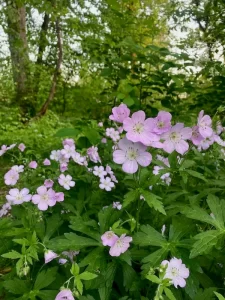
     

    Key Characteristics

    • Zones: 3–8

    • Height: 1–2 feet

    • Bloom Time: April–June

    • Features: Clusters of pink to lavender five-petaled flowers atop slender stems, complemented by deeply lobed green foliage.

    The soft, pastel blooms of Wild Geranium are a welcome sight in spring gardens, providing nectar for hummingbirds as they return from migration. Its flowers are particularly attractive to pollinators due to their open structure, which offers easy access to nectar and pollen.


    Natural Habitat

    Wild Geranium thrives in woodland settings, shaded meadows, and forest edges. It prefers rich, moist soils but can tolerate drier conditions once Wild Geranium - native hummingbird attracting plant.established. Its adaptability makes it a versatile addition to various garden types, from shaded borders to naturalized areas.
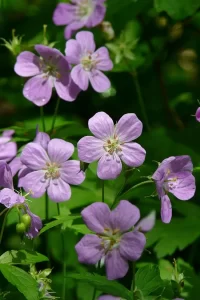
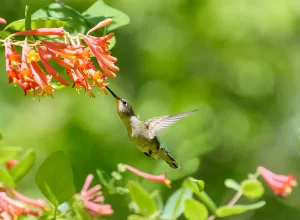
     

    Care and Maintenance

    This low-maintenance plant is ideal for gardeners seeking beauty without extensive upkeep. Wild Geranium grows well in partial shade but can handle full sun in cooler climates. To keep the plant healthy:

    • Ensure the soil remains moderately moist but well-drained.

    • Remove spent blooms to encourage fresh flowering and prevent self-seeding if desired.

    • Divide mature plants every few years to maintain vigor and control spreading.


    Ecological Benefits

    Wild Geranium plays a vital role in supporting local ecosystems. Its nectar-rich flowers attract hummingbirds and native bees, while its foliage provides shelter for small insects. The plant’s ability to naturalize also helps stabilize soil and prevent erosion.


    Garden Uses

    Wild Geranium is a versatile addition to:Wild Geranium- a native hummingbird attracting plant

    • Shade Gardens: Brighten up darker areas with its colorful blooms.

    • Pollinator Gardens: Provide nectar for hummingbirds during their active spring season.

    • Woodland Gardens: Complement native ferns and groundcovers with its elegant flowers.

    • Borders and Edges: Add soft texture and color to garden perimeters.

    Why Choose Wild Geranium?

    With its effortless charm, ecological importance, and adaptability, Wild Geranium is a must-have for gardeners looking to support pollinators while enhancing their landscapes. Whether planted in shaded corners or sunny edges, this native wildflower will thrive and delight year after year.

    Wild Geranium (Geranium maculatum), also known as Spotted Cranesbill, is a charming perennial wildflower native to the Eastern United States. Renowned for its delicate beauty and ecological benefits, this plant is an excellent choice for gardens that aim to attract hummingbirds, butterflies, and other pollinators.


    How does Wild Geranium attract hummingbirds

    Wild Geranium (Geranium maculatum) attracts hummingbirds through its nectar-rich flowers and its ability to create a thriving ecosystem for pollinators. While the blooms of Wild Geranium are not tubular like many classic hummingbird-attracting flowers, they are filled with an abundance of sweet nectar that hummingbirds find irresistible. The plant’s lavender to pink flowers bloom in clusters during the spring and early summer, providing a vital food source for these birds as they return from migration.

    The flowers’ open, cup-shaped design allows easy access to nectar, accommodating the long beaks of hummingbirds. Additionally, the plant’s vibrant blooms stand out in woodland or shaded garden settings, making it easier for hummingbirds to locate. Planting Wild Geranium in dense clusters further enhances its appeal by creating a visually prominent and abundant feeding area.

    Beyond its nectar, Wild Geranium indirectly attracts hummingbirds by drawing in insects such as ants, beetles, and syrphid flies. Hummingbirds rely on these insects as a protein source, especially during nesting season. By supporting a diverse insect population, Wild Geranium becomes an essential part of the food web in a pollinator-friendly garden.

    This native perennial is also easy to grow and maintain, thriving in partial shade to full sun and tolerating a variety of soil conditions. Its adaptability and ecological benefits make it an excellent choice for gardeners looking to support wildlife. Whether planted in shaded borders, woodland gardens, or naturalized areas, Wild Geranium not only enhances the beauty of your


    3. Coral Honeysuckle (Lonicera sempervirens): A Hummingbird Magnet for Your Garden

    Coral Honeysuckle (Lonicera sempervirens) is a stunning native vine that not only adds vibrant color to your landscape but also serves as a magnet for hummingbirds. This perennial climbing plant, known for its tubular red flowers and yellow interiors, is a favorite nectar source for these energetic birds. Its long bloom period and ecological benefits make it an excellent addition to any garden in the Eastern United States.
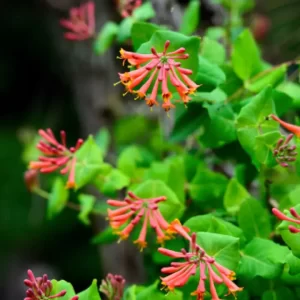
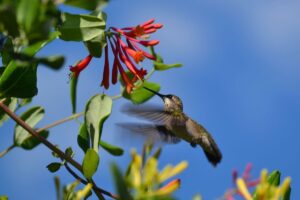
     

    Key Characteristics

    • Zones: 4–9

    • Height: Up to 20 feet (with support)

    • Bloom Time: March–July, with sporadic blooms into fall

    • Features: Clusters of trumpet-shaped red flowers followed by small red berries.

    The vivid red blooms of Coral Honeysuckle are perfectly adapted to attract hummingbirds. Their tubular shape fits the long bills of these birds, allowing easy access to nectar. The bright coloration also acts as a visual beacon, drawing hummingbirds from afar.


    Natural Habitat

    Coral Honeysuckle thrives in woodlands, along fences, and on rocky slopes. It is well-suited to sunny or partially shaded areas and prefers moist, well-drained soil. Unlike invasive honeysuckle species, this native vine is non-aggressive and integrates harmoniously into the landscape.


    Care and Maintenance

    This low-maintenance plant is ideal for gardeners who want beauty without constant upkeep. To grow Coral Honeysuckle successfully:Coral Honeysuckle

    • Provide a trellis, fence, or arbor for support.

    • Plant it in full sun for the best flowering, though it tolerates partial shade.

    • Prune lightly after flowering to encourage new growth and maintain shape.

    Ecological Benefits

    In addition to attracting hummingbirds, Coral Honeysuckle supports other pollinators like butterflies and bees. Its red berries feed songbirds in late summer and fall, making it a valuable food source for wildlife.


    Why Choose Coral Honeysuckle?

    Coral Honeysuckle is a versatile, show-stopping vine that brings life and color to your garden while supporting local ecosystems. Whether adorning an arbor or climbing along a fence, this native plant will delight gardeners and hummingbirds alike year after year.


    Unique Characteristics of Coral Honeysuckle That Attract Hummingbirds

    Coral Honeysuckle (Lonicera sempervirens), often referred to as the “hummingbird vine,” is a native plant renowned for its ability to attract hummingbirds. Its unique features make it a vital addition to gardens designed to support these iconic pollinators.

    • Brightly Colored Tubular Flowers

    The most distinctive characteristic of Coral Honeysuckle is its long, tubular flowers, which range in color from vibrant red to orange and hummingbird feeding on Coral Honeysuckle native plant that attracts hummingbirdsoccasionally yellow. These bright hues are highly attractive to hummingbirds, as they are drawn to red and other warm tones. The tubular shape of the flowers perfectly matches the long bills of hummingbirds, allowing them easy access to nectar while excluding most insects, ensuring the nectar remains available for the birds.

    • Abundant Nectar Production

    Coral Honeysuckle’s flowers are rich in nectar, making them an essential energy source for hummingbirds. The plant blooms prolifically in mid-spring—coinciding with the arrival of hummingbirds from their migration—and continues to flower sporadically throughout the summer. This extended bloom period provides a reliable food supply over several months.

    • Co-Evolution with Hummingbirds

    The flower structure and nectar availability suggest Coral Honeysuckle has co-evolved with hummingbirds. Its slender tubes are tailored to accommodate their feeding habits, making it one of the most efficient plants for supporting these birds.

    • Easy Visibility

    Clusters of flowers appear at the ends of vines, creating prominent feeding spots that hummingbirds can easily locate. Planting Coral Honeysuckle on trellises or fences enhances its visibility, further enticing hummingbirds.

    • Additional Benefits

    Beyond attracting hummingbirds, Coral Honeysuckle supports butterflies and bees while producing red berries that feed songbirds in late summer. Its ecological versatility makes it a valuable addition to any wildlife-friendly garden.

    By incorporating Coral Honeysuckle into your landscape, you can create a vibrant and sustainable habitat that ensures hummingbirds return year after year.


    Summer Bloomers

    Summer is a time of abundance, with many native plants providing nectar during the peak activity of hummingbirds.

    4. Cardinal Flower (Lobelia cardinalis): A Striking Magnet for Hummingbirds

    The Cardinal Flower (Lobelia cardinalis) is one of the most stunning native plants in the Eastern United States, renowned for its vibrant red Ruby-throated_Hummingbird_at_Cardinal_Flowerblooms and its ability to attract hummingbirds. This perennial wildflower is a must-have for gardeners looking to create a pollinator-friendly landscape while adding a dramatic splash of color to their gardens.

    Key Characteristics

    • Zones: 2–9

    • Height: 3–4 feet

    • Bloom Time: July–September

    • Features: Tall spikes of bright scarlet, tubular flowers that stand out against lush green foliage.

    The Cardinal Flower’s brilliant red flowers are specifically designed to attract hummingbirds. Its tubular blooms are perfectly shaped for the long bills and tongues of these birds, ensuring easy access to its nectar. The bold red color is also highly visible to hummingbirds, who are naturally drawn to bright hues.


    Natural Habitat

    Cardinal Flowers thrive in moist environments such as stream banks, wetlands, and woodland edges. They prefer rich, consistently damp soil but can adapt to garden settings when provided with adequate moisture. Their natural habitat makes them an excellent choice for rain gardens or areas with poor drainage.


    Care and Maintenance

    While Cardinal Flowers require slightly more attention than some other native plants, they reward gardeners with spectacular blooms. To grow Cardinal flowere and hummingbirdthem successfully:

    • Plant in full sun to partial shade.

    • Keep the soil consistently moist, especially during hot or dry periods.

    • Mulch around the base to retain moisture and prevent weeds.

    • Allow plants to reseed naturally for continuous growth year after year.

    Ecological Benefits

    The Cardinal Flower is a powerhouse for pollinators. Its nectar-rich flowers are a favorite of hummingbirds, while butterflies and bees also benefit from its blooms. Additionally, it supports biodiversity by providing habitat for insects and small wildlife.


    Why Choose Cardinal Flower?

    The Cardinal Flower’s striking beauty and ecological importance make it an essential addition to any garden. Whether planted in borders, near water features, or in pollinator gardens, this native wildflower will captivate gardeners and hummingbirds alike while enhancing the health of local ecosystems.


    What are the unique characteristics of Cardinal Flower that make it attractive to hummingbirds

    Cardinal Flower (Lobelia cardinalis) is a standout native plant for attracting hummingbirds, thanks to its vibrant red blooms and specialized Cardinal Flowersfloral structure. This perennial wildflower has evolved unique traits that make it particularly appealing to these energetic pollinators.

    • Vivid Red Color

    The Cardinal Flower’s striking scarlet blossoms are one of its most defining features. Hummingbirds are naturally drawn to bright red hues, which signal a rich nectar source. The flowers’ intense coloration makes them highly visible to hummingbirds from a distance, ensuring the plant stands out even in dense vegetation.

    • Tubular Flower Shape

    The tubular structure of Cardinal Flower’s blooms is perfectly adapted to the long bills and tongues of hummingbirds. This design allows hummingbirds to easily access nectar deep within the flower while minimizing competition from other pollinators, such as bees and butterflies, which are less suited to the flower’s shape.

    • High Nectar Production

    Cardinal Flowers produce abundant nectar, a crucial energy source for hummingbirds. The plant’s bloom period, which lasts from midsummer to early fall, coincides with the time when hummingbirds are preparing for their southward migration. This makes it an essential food source during their most active feeding period.

    • Sequential Blooming

    The flowers on the tall spikes of Cardinal Flower open sequentially from bottom to top. This staggered blooming ensures a continuous supply of nectar over several weeks, keeping hummingbirds returning to the plant throughout its flowering season.

    • Adaptability to Moist Environments

    Cardinal Flower thrives in wet habitats such as stream banks, rain gardens, and wetlands—areas where hummingbirds often forage. Its ability to grow in shady or partially shaded spots also makes it accessible in diverse garden settings.

    • Pollination Partnership

    Hummingbirds play a crucial role in pollinating Cardinal Flowers. As they sip nectar, pollen is deposited on their heads and transferred between flowers, ensuring successful reproduction. This symbiotic relationship highlights the plant’s reliance on hummingbirds for survival.

    With its brilliant color, abundant nectar, and specialized floral design, Cardinal Flower is perfectly suited for attracting hummingbirds while enhancing any garden with its dramatic beauty.


    5. Bee Balm (Monarda didyma): A Vibrant Favorite for Hummingbirds

    Bee Balm (Monarda didyma), also known as Scarlet Beebalm or Oswego Tea, is a native perennial that brings vibrant color and life to gardens bee balm and hummingbirdsacross the Eastern United States. Known for its striking red, pink, or purple flowers, this plant is a magnet for hummingbirds, butterflies, and bees. Its beauty and ecological benefits make it a must-have for pollinator-friendly landscapes.


    Key Characteristics

    • Zones: 4–9

    • Height: 2–4 feet

    • Bloom Time: June–August

    • Features: Dense clusters of tubular flowers atop square stems with aromatic, mint-like foliage.

    The bright, tubular blooms of Bee Balm are perfectly designed to attract hummingbirds. The flowers’ shape allows these birds to easily access the nectar while their vibrant colors act as a visual beacon. Bee Balm’s long bloom period ensures a consistent food source during the height of summer when hummingbirds are most active.


    Natural Habitat

    Bee Balm thrives in moist meadows, woodland edges, and along stream banks. It prefers rich, well-drained soil and full sun but can tolerate partial shade. Its ability to naturalize makes it an excellent choice for wildflower gardens or naturalized areas.


    Care and Maintenance

    Bee Balm is relatively low-maintenance but benefits from proper care:bee balm and hummingbird

    • Plant in full sun for optimal flowering.

    • Keep soil consistently moist but well-drained.

    • Thin plants regularly to improve air circulation and prevent powdery mildew.

    • Deadhead spent blooms to encourage continuous flowering.


    Ecological Benefits

    Bee Balm is a powerhouse for pollinators. Its nectar-rich flowers are a favorite of hummingbirds, while butterflies and native bees also benefit from its blooms. Additionally, its aromatic foliage deters deer and other garden pests.


    Why Choose Bee Balm?

    With its stunning appearance, ease of care, and ability to support pollinators, Bee Balm is an essential addition to any garden. Whether planted in borders, pollinator gardens, or naturalized spaces, this native wildflower will attract hummingbirds and add vibrant beauty to your landscape year after year.


    What are the unique characteristics of Bee Balm that attract hummingbirds

    Bee Balm (Monarda didyma) is a standout native plant for attracting hummingbirds, thanks to its vibrant blooms and specialized floral rufous hummingbird feeding on bee balmfeatures. This perennial wildflower offers a combination of traits that make it irresistible to these energetic pollinators.

    • Bright, Vibrant Colors

    Bee Balm blooms in striking shades of red, pink, purple, and sometimes white. Hummingbirds are naturally drawn to bright colors, particularly red, as they signal a rich nectar source. The vivid hues of Bee Balm make it easy for hummingbirds to spot from a distance, ensuring the plant stands out in any garden.

    • Tubular Flower Structure

    The tubular shape of Bee Balm’s flowers is perfectly suited to the long bills and tongues of hummingbirds. This design allows them to access nectar deep within the flower while minimizing competition from other pollinators like bees and butterflies. The flowers are held in dense clusters at the top of their stems, creating convenient feeding stations for hummingbirds.

    • Abundant Nectar Production

    Bee Balm is known for its high nectar output, making it one of the most reliable food sources for hummingbirds during their active summer months. Its long bloom period, typically from June to August, ensures a steady supply of nourishment throughout the season.

    • Continuous Blooming

    With proper care, such as deadheading spent flowers, Bee Balm can produce successive blooms throughout the summer. This extended flowering period provides hummingbirds with consistent access to nectar over several weeks.

    • Aromatic Foliage

    Bee Balm’s mint-scented foliage adds another layer of appeal. While not directly attracting hummingbirds, its fragrance deters deer and other pests, ensuring the flowers remain undisturbed for pollinators.

    • Adaptability

    Bee Balm thrives in sunny locations with moist but well-drained soil. Its ability to grow in diverse conditions makes it accessible in both small spaces and large pollinator gardens.

    With its vibrant colors, tubular flowers, and abundant nectar production, Bee Balm is a top choice for gardeners looking to attract hummingbirds while enhancing their landscape with bold beauty.


    6. Jewelweed (Impatiens capensis): A Natural Hummingbird Favorite

    Jewelweed (Impatiens capensis), also known as Spotted Touch-Me-Not, is a vibrant native wildflower that thrives in moist, shaded areas Jewelweed and hummingbirdacross the Eastern United States. Renowned for its bright orange, trumpet-shaped flowers, this plant is a favorite among hummingbirds and an essential addition to pollinator-friendly gardens.


    Key Characteristics

    • Zones: 2–11

    • Height: 2–5 feet

    • Bloom Time: July–October

    • Features: Bright orange flowers with red spots and a tubular shape, paired with succulent, light-green stems.

    The unique structure of Jewelweed’s flowers is perfectly adapted to attract hummingbirds. Its tubular blooms are an ideal fit for their long bills and tongues, allowing them to access the plant’s abundant nectar. The vibrant orange color is another key feature that draws hummingbirds, as they are naturally attracted to warm tones.


    Natural Habitat

    Jewelweed thrives in damp environments such as stream banks, wetlands, and forest edges. It prefers partial to full shade and moist soil, making it an excellent choice for rain gardens or naturalized areas with poor drainage. In the wild, it often grows in dense colonies, creating a rich feeding ground for pollinators.


    Care and Maintenance

    Jewelweed is a self-sufficient plant that requires minimal care:Jewelweed and hummingbird

    • Plant it in moist, shaded areas with rich soil.

    • Allow it to self-seed naturally; its explosive seed pods ensure new plants will grow each year.

    • Avoid overwatering in already damp conditions.


    Ecological Benefits

    Jewelweed supports not only hummingbirds but also butterflies and bees. Additionally, it provides habitat for insects and its seeds are a food source for birds. The plant’s ability to outcompete invasive species like garlic mustard makes it ecologically valuable.


    Why Choose Jewelweed?

    With its vibrant flowers, ecological importance, and ability to thrive in challenging conditions, Jewelweed is an excellent choice for gardeners looking to attract hummingbirds while supporting native ecosystems. Its beauty and resilience make it a standout addition to any shade garden or wetland area.

    What are the unique characteristics of Jewelweed that attract hummingbirds

    Jewelweed (Impatiens capensis), also known as Spotted Touch-Me-Not, is a native annual wildflower with several unique traits that make it highly appealing to hummingbirds. Its vibrant flowers, nectar-rich blooms, and ecological timing ensure it plays a vital role in supporting these pollinators.

    • Bright Orange Flowers

    Jewelweed produces striking orange flowers with red spots, which are highly visible to hummingbirds. The bright coloration acts as a visual cue, Jewelweed and hummingbirdmaking the plant easy to locate in shaded or wet areas. Hummingbirds are naturally drawn to warm colors like orange and red, which signal a reliable nectar source.

    • Tubular Nectar Spurs

    The flowers of Jewelweed feature curved, tubular spurs filled with nectar. These spurs are perfectly adapted to the long bills and tongues of hummingbirds, allowing them to access nectar deep within the flower. The unique structure ensures efficient pollination, as hummingbirds transfer pollen between flowers while feeding.

    • High Sugar Content in Nectar

    Jewelweed’s nectar is exceptionally rich in sugar, with concentrations reaching up to 40%. This is significantly higher than the nectar produced by many other plants (typically 20–33%), making it an energy-dense food source for hummingbirds. The high sugar content is particularly beneficial during migration when hummingbirds need to build energy reserves.

    • Seasonal Blooming

    Jewelweed blooms from late summer through fall, coinciding with the southward migration of Ruby-throated Hummingbirds. This synchronization ensures that Jewelweed serves as a critical food source when other nectar plants have finished flowering.

    • Dense Colonies

    Jewelweed often grows in large patches in damp environments like stream banks and wetlands. These dense colonies provide hummingbirds with abundant feeding opportunities, reducing their reliance on artificial feeders.

    With its vivid flowers, specialized spurs, and high-sugar nectar, Jewelweed is an essential native plant for attracting hummingbirds while supporting their migration and overall health.


    7. Fire Pink (Silene virginica): A Fiery Beauty for Hummingbirds

    Fire Pink (Silene virginica) is a striking native wildflower that brings vibrant color and ecological value to gardens and natural landscapes. Known for its brilliant red, star-shaped flowers, this perennial plant is a favorite among hummingbirds, making it an excellent choice for pollinator-friendly gardens in the Eastern United States.


    Key Characteristics

    1. Zones: 4–8

    2. Height: Up to 1 foot

    3. Bloom Time: May–July

    4. Features: Bright red, five-petaled flowers with a delicate fringe, held on slender stems above basal rosettes of green leaves.

    The vivid red blooms of Fire Pink are highly attractive to hummingbirds, who are naturally drawn to bright colors. The flower’s tubular shape and open structure make it easy for hummingbirds to access the nectar deep within. This plant’s fiery appearance not only adds visual interest to your garden but also creates an essential feeding station for these energetic birds.


    Natural Habitat

    Fire Pink thrives in rocky woodlands, open meadows, and along forest edges. It prefers well-drained soil and sunny to partially shaded conditions. Its natural ability to grow in challenging environments, such as rocky slopes or poor soils, makes it an adaptable addition to gardens.


    Care and Maintenance

    Fire Pink is relatively low-maintenance but benefits from proper care:

    • Plant in well-drained soil with good sun exposure.

    • Avoid overwatering; the plant is drought-tolerant once established.

    • Deadhead spent blooms to encourage prolonged flowering and prevent self-seeding if desired.


    Ecological Benefits

    Fire Pink’s nectar-rich flowers are perfectly suited for hummingbirds, which are its primary pollinators. The plant’s bright blooms also attract butterflies and other pollinators, supporting biodiversity in your garden.


    Why Choose Fire Pink?

    With its stunning red flowers, ease of care, and ability to attract hummingbirds, Fire Pink is a standout choice for gardeners looking to enhance their landscapes while supporting native wildlife. Whether planted in rock gardens, woodland edges, or sunny borders, this fiery wildflower will bring life and color to your garden year after year.

    What are the unique characteristics of Fire Pink that attract hummingbirds

    Fire Pink (Silene virginica) is a native perennial wildflower with several unique traits that make it highly appealing to hummingbirds. Its vibrant blooms, specialized floral structure, and ecological adaptations ensure it remains a favorite among these pollinators.

    • Brilliant Scarlet Flowers

    The striking scarlet-red color of Fire Pink’s flowers is one of its most eye-catching features. Hummingbirds are naturally drawn to bright colors Fire Pink plantlike red, which signal a rich nectar source. The vivid blooms stand out in woodland edges, meadows, and rocky slopes, making them easy for hummingbirds to locate.

    • Tubular Flower Shape

    The flowers of Fire Pink have a narrow tubular structure that is perfectly suited to the long bills and tongues of hummingbirds. This design allows hummingbirds to access nectar deep within the flower while minimizing competition from other pollinators, such as bees and butterflies.

    • High Nectar Production

    Fire Pink produces abundant nectar, making it an energy-rich food source for hummingbirds. Its blooming period, which lasts from late spring through early summer (April–July), aligns with the active feeding season of Ruby-throated Hummingbirds, ensuring they have access to nourishment during critical times.

    • Sticky-Hairy Stems

    The plant’s sticky hairs on its stems and calyx act as natural flypaper, deterring ants and small insects from stealing nectar. This adaptation ensures that larger pollinators like hummingbirds can access the nectar without interference.

    • Adaptability to Rocky and Dry Soils

    Fire Pink thrives in challenging environments such as rocky slopes and dry woodlands. Its ability to grow in well-drained soil with partial sun makes it a versatile addition to gardens designed for pollinators.

    With its vivid blooms, tubular flowers, and high nectar output, Fire Pink is an essential plant for attracting hummingbirds while adding striking beauty to naturalized landscapes or pollinator-friendly gardens.

    Fall Bloomers

    Fall-blooming plants provide critical nectar as hummingbirds prepare for their southward migration.

    8. Butterfly Weed (Asclepias tuberosa): A Vibrant Nectar Source for Hummingbirds

    Butterfly Weed (Asclepias tuberosa) is a stunning native perennial that brings vibrant orange blooms and ecological benefits to gardens across

    Asclepias Tuberosa hummingbird attracting plantthe Eastern United States. While it is best known for supporting butterflies, particularly monarchs, this hardy plant is also a favorite of hummingbirds, thanks to its abundant nectar and bright flowers.
     

    Key Characteristics

    • Zones: 3–10

    • Height: 1–3 feet

    • Bloom Time: June–August

    • Features: Clusters of fiery orange, star-shaped flowers atop sturdy stems with narrow, lance-shaped leaves.

    The vivid orange flowers of Butterfly Weed are highly attractive to hummingbirds. The bright color acts as a visual signal, drawing them in from a distance. Its small, tubular blooms are perfectly designed to accommodate the long bills and tongues of hummingbirds, allowing them to access the nectar deep within.


    Natural Habitat

    Butterfly Weed thrives in sunny meadows, prairies, and along roadsides. It prefers well-drained soil and tolerates dry conditions, making it an excellent choice for xeriscaping or low-maintenance gardens. Its deep taproot allows it to survive in challenging environments, such as rocky or sandy soils.


    Care and Maintenance

    Butterfly Weed is easy to grow and requires minimal care:

    • Plant in full sun for optimal flowering.

    • Avoid overwatering; it thrives in dry to moderately moist soil.

    • Allow the plant to reseed naturally or collect seeds for propagation.

    • Avoid transplanting mature plants due to their deep taproots.


    Ecological Benefits

    In addition to attracting hummingbirds with its nectar-rich blooms, Butterfly Weed supports butterflies, bees, and other pollinators. It serves as a host plant for monarch butterfly caterpillars and produces seeds with silky fibers that aid in wind dispersal.


    Why Choose Butterfly Weed?

    With its vibrant flowers, ease of care, and ability to attract both hummingbirds and butterflies, Butterfly Weed is a standout addition to any pollinator-friendly garden. Its brilliant color and ecological importance make it a must-have for gardeners looking to support wildlife while adding natural beauty to their landscapes.

    Ecological Benefits

    In addition to attracting hummingbirds, Butterfly Weed supports butterflies, bees, and other pollinators. It also serves as a host plant for monarch butterfly caterpillars, further enhancing its ecological importance.

    With its vibrant color, specialized flower structure, and high nectar output, Butterfly Weed is

    a must-have plant for gardeners looking to attract hummingbirds while supporting native ecosystems.


     What are the unique characteristics of Butterfly Weed that make it attractive to hummingbirds

    Butterfly Weed (Asclepias tuberosa) is a vibrant perennial wildflower with several unique traits that make it highly appealing to Butterfly weed and hummingbird feeding on nectarhummingbirds. Its combination of bright colors, abundant nectar, and adaptability ensures it stands out as a reliable food source for these pollinators.

    • Bright, Eye-Catching Flowers

    The vivid orange to orange-yellow blooms of Butterfly Weed are one of its most striking features. Hummingbirds are naturally drawn to warm colors like orange and red, which signal a rich nectar source. The flat-topped clusters of flowers provide a prominent visual cue, making the plant easy for hummingbirds to locate.

    • Tubular Flower Design

    Each flower in the cluster has a tubular structure with reflexed petals and a crown-like center. This design is perfectly suited to the long bills and tongues of hummingbirds, allowing them to access nectar deep within the flower while minimizing competition from other pollinators.

    • Abundant Nectar Production

    Butterfly Weed produces copious amounts of nectar, making it an energy-rich food source for hummingbirds. Its long bloom period, lasting from late spring through summer, ensures a consistent supply of nectar during the peak feeding season for these birds.

    • Adaptability to Dry Conditions

    Hummingbirds often forage in open, sunny areas, and Butterfly Weed thrives in such environments. Its deep taproot allows it to grow in dry, well-drained soils, ensuring it continues to provide nectar even during droughts when other plants may struggle.

    • Ecological Benefits

    In addition to attracting hummingbirds, Butterfly Weed supports butterflies, bees, and other pollinators. It serves as a host plant for monarch butterfly caterpillars and produces seed pods that aid in wind dispersal.

    With its brilliant blooms, specialized flower structure, and high nectar output, Butterfly Weed is an essential addition to gardens designed to attract hummingbirds while supporting native ecosystems.


    9. Goldenrod (Solidago spp.): A Late-Season Nectar Source for Hummingbirds

    Goldenrod (Solidago spp.) is a native perennial wildflower that lights up gardens and natural landscapes with its golden-yellow blooms in late What are the unique characteristics of Goldenrod that make it attractive to hummingbirdssummer and fall. While often associated with supporting bees and butterflies, Goldenrod also plays a key role in attracting hummingbirds during their critical migration period. Its ecological benefits and striking appearance make it a valuable addition to pollinator-friendly gardens.
     

    Key Characteristics

    • Zones: 3–9

    • Height: 1–5 feet

    • Bloom Time: August–October

    • Features: Dense clusters of tiny, bright yellow flowers atop tall stems with narrow, lance-shaped leaves.

    Goldenrod’s abundant blooms provide nectar late in the growing season when many other plants have finished flowering. This makes it an essential food source for hummingbirds as they prepare for their southward migration, helping them build the energy reserves needed for the long journey.


    Natural Habitat

    Goldenrod thrives in a variety of environments, including meadows, prairies, roadsides, and woodland edges. It prefers full sun and well-drained soil but can tolerate partial shade and less-than-ideal conditions, making it highly adaptable to different garden settings.


    Care and Maintenance

    Goldenrod is easy to grow and requires minimal care:Goldenrod plant

    • Plant in full sun for optimal flowering.

    • Choose well-drained soil, but avoid over-fertilizing as this can lead to aggressive growth.

    • Thin plants periodically to prevent overcrowding.

    • Cut back stems after flowering to encourage tidy growth.

    Ecological Benefits

    Goldenrod supports hummingbirds by providing nectar during their migration. It also attracts bees, butterflies, and other pollinators while serving as a host plant for certain caterpillars. Additionally, its seeds feed small birds in late fall.


    Why Choose Goldenrod?

    With its vibrant flowers, late-season blooms, and ability to attract hummingbirds alongside other pollinators, Goldenrod is an essential addition to any wildlife-friendly garden. Its resilience and ecological importance make it a standout choice for gardeners looking to enhance their landscapes while supporting native ecosystems.

    What are the unique characteristics of Goldenrod that make it attractive to hummingbirds

    Goldenrod (Solidago spp.) is a native wildflower with several distinctive traits that make it appealing to hummingbirds, especially during their late-season feeding and migration periods. Its vibrant blooms, nectar-rich flowers, and adaptability contribute to its role as a valuable food source for these pollinators.

    • Bright Yellow Blooms

    Goldenrod’s dense clusters of golden-yellow flowers are one of its most recognizable features. While hummingbirds are typically drawn to red and orange hues, they also visit yellow flowers when nectar is abundant. The bright color of Goldenrod’s blooms acts as a visual cue, making it easy for hummingbirds to locate the plant in open meadows or along woodland edges.

    Abundant Nectar Supply

    Goldenrod produces copious amounts of nectar, particularly in warm weather or when soil moisture is sufficient. This makes it an important energy source for hummingbirds during late summer and fall (August–October), a critical time when they are building reserves for their southward migration.

    • Late-Season Blooming

    Unlike many other wildflowers that finish blooming by midsummer, Goldenrod flowers persist into the fall. This extended bloom period ensures Goldenrod in the garden that hummingbirds have access to nectar when other plants are no longer flowering, making it a crucial resource during the changing seasons.
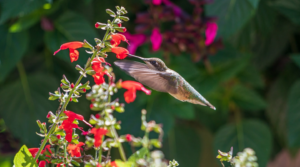
    • Adaptability to Diverse Habitats

    Goldenrod thrives in a wide range of environments, from sunny meadows and prairies to woodland edges and roadsides. Its ability to grow in various soil types, including dry or poor soils, ensures that it can provide nectar in habitats where other plants may struggle.

    • Support for Ecosystems

    While attracting hummingbirds with its nectar, Goldenrod also supports bees, butterflies, and other pollinators. Its seeds provide food for birds like finches and sparrows, while its foliage and stems host caterpillars and beneficial insects.

    With its vibrant blooms, high nectar production, and ecological versatility, Goldenrod is an essential plant for supporting hummingbirds and other wildlife in late-season gardens or natural landscapes.


    10. Autumn Sage (Salvia greggii): A Year-Round Delight for Hummingbirds

    Autumn Sage (Salvia greggii) is a versatile, drought-tolerant perennial that brings vibrant color and life to gardens. Known for its tubular Autumn sage and hummingbirdflowers and long blooming period, this plant is a hummingbird magnet, making it a favorite among gardeners who want to support pollinators while enhancing their landscapes.
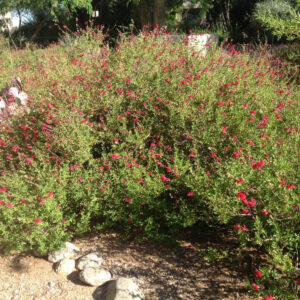
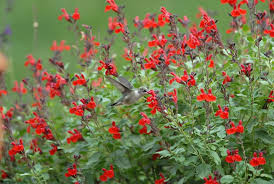
     

    Key Characteristics

    • Zones: 6–9

    • Height: 2–3 feet

    • Bloom Time: Late spring to fall, with sporadic blooms year-round in warmer climates.

    • Features: Tubular flowers in shades of red, pink, coral, or white that grow on upright stems with aromatic, semi-evergreen foliage.

    The bright red and coral hues of Autumn Sage are particularly attractive to hummingbirds, as they are naturally drawn to warm colors. The tubular shape of the flowers is perfectly suited to the long bills and tongues of hummingbirds, allowing them to access nectar deep within the blooms.


    Natural Habitat

    Native to the arid regions of Texas and Mexico, Autumn Sage thrives in dry, well-drained soil and full sun. Its adaptability makes it an excellent choice for xeriscaping or low-maintenance gardens. It also works well in containers, borders, or pollinator gardens.


    Care and Maintenance

    Autumn Sage is low-maintenance and easy to grow:Autumn Sage

    • Plant in full sun for optimal flowering.

    • Water sparingly; it is drought-tolerant once established.

    • Prune lightly after flowering to encourage new growth and maintain shape.

    • Mulch around the base to retain moisture in hot climates.


    Ecological Benefits

    Autumn Sage provides abundant nectar for hummingbirds throughout its long blooming season. It also attracts butterflies and bees while deterring deer with its aromatic foliage.


    Why Choose Autumn Sage?

    With its vibrant flowers, extended bloom time, and ability to thrive in tough conditions, Autumn Sage is an essential addition to any hummingbird-friendly garden. Its beauty and resilience make it a standout plant for supporting pollinators while adding year-round interest to your landscape.


    What are the unique characteristics of Autumn Sage that make it attractive to hummingbirds

    Autumn Sage (Salvia greggii) is one of the most effective plants for attracting hummingbirds, thanks to its vibrant flowers, extended bloom Autumn sage plantperiod, and specialized floral structure. Its adaptability and ecological benefits make it a favorite among gardeners and pollinators alike.
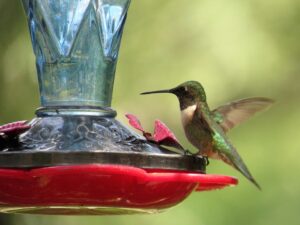
    • Bright, Tubular Flowers

    The tubular shape of Autumn Sage’s flowers is perfectly suited to the long bills and tongues of hummingbirds. This design allows them to easily access nectar deep within the blooms. The flowers come in a variety of colors, including red, pink, coral, purple, and white, with red being particularly attractive to hummingbirds due to their preference for warm hues.

    • Abundant Nectar Production

    Autumn Sage produces nectar-rich blooms that provide a reliable food source for hummingbirds. Its flowers are designed to maximize nectar accessibility while ensuring efficient pollen transfer during feeding. The high nectar content makes it a critical energy source for these birds.

    • Extended Bloom Period

    One of the standout features of Autumn Sage is its long blooming season, which lasts from spring through fall and sometimes year-round in warmer climates. This ensures that hummingbirds have access to nectar over an extended period, particularly during migration when their energy demands are highest.

    • Compact Size and Visibility

    Autumn Sage grows as a small shrub (up to 3 feet tall), making its blooms highly visible and accessible to hummingbirds. Its dense clusters of flowers create concentrated feeding areas that attract multiple birds at once.

    • Adaptability

    Native to arid regions like Texas and Mexico, Autumn Sage thrives in sunny locations with well-drained soil. Its drought tolerance ensures that it continues to provide nectar even in dry conditions, making it ideal for low-water gardens.

    With its vibrant colors, abundant nectar, and extended blooming period, Autumn Sage is an essential addition to any garden designed to attract hummingbirds while supporting pollinator health year-round.


    Additional Plants Worth Considering

    Expand your garden’s diversity with these additional native options:

    1. *Copper Iris (Iris fulva): Moisture-loving perennial with coppery-red blooms.

    2. *Royal Catchfly (Silene regia): Tall stems with brilliant red flowers.

    3. *Purple Coneflower (Echinacea purpurea): Long-lasting pink blooms that attract both hummingbirds and butterflies.

    4. *Wild Bergamot (Monarda fistulosa): Lavender blooms that thrive in sunny meadows.

    5. *Swamp Milkweed (Asclepias incarnata): Pink clusters perfect for damp areas.

    6. *Foxglove Beard Tongue (Penstemon digitalis): White tubular flowers that bloom early summer.

    7. *Garden Phlox (Phlox paniculata): Fragrant pink or purple blossoms loved by pollinators.


    Designing Your Hummingbird Garden

    Creating a garden tailored for hummingbirds involves thoughtful planning:

    1. Select plants with staggered bloom times to ensure nectar availability year-round.

    2. Group similar plants together to create dense patches of color that attract hummingbirds from afar.

    3. Incorporate vertical elements like trellises for climbing vines such as coral honeysuckle.

    4. Provide water sources like shallow birdbaths or fountains for hummingbirds to clean their feathers.

    5. Avoid pesticides, which harm both insects (a food source) and birds directly.


    Maintenance Tips

    To keep your garden thriving:

    1. Regularly deadhead spent blooms to encourage continuous flowering.

    2. Mulch around plants to retain soil moisture and suppress weeds.

    3. Prune shrubs and vines annually to maintain shape and promote growth.

    4. Monitor soil conditions; native plants generally require less fertilizer but may benefit from occasional compost applications.


    Conclusion

    By planting native species such as Eastern red columbine, cardinal flower, bee balm, jewelweed, and butterfly weed, you can create a vibrant sanctuary for hummingbirds in your Eastern U.S. garden year-round. These plants not only attract these remarkable birds but also support local ecosystems by fostering biodiversity.

    Whether you’re a seasoned gardener or just starting out, incorporating native plants into your landscape is an enriching way to connect with nature while enjoying the beauty of these tiny avian visitors year after year!

    If you’ve learned something new about caring for hummingbirds, share the love! Use the buttons on the left to spread this article far and wide. By sharing, you’re helping more people support these fascinating creatures and their well-being. Let’s brighten the world, one hummingbird at a time! Thank you!

    Hummingbird Resources That Help You Enjoy Hummingbirds

    Here’s a complete guide to attracting hummingbirds to your yard. It lists plants, vines and shrubs that are in bloom for spring, summer and fall. Your hummingbirds will always have flowers to feed on.

    Here’s a great article that tells everything you need to know abouthow to choose the best place to hang your hummingbird feeder.

    Here’s the best designed hummingbird feederto use. It’s leak proof, so it won’t attract insects and it’s easy to take apart and clean.

    Here’s a comprehensive guide to help you clean your hummingbird feeder for those times when the nectar is not changed soon enough and mold starts to grow.

    U.S. Fish and Wildlife Service – Hummingbird Conservation
    This site offers detailed information about various hummingbird species, their habitats, and conservation efforts. It also provides resources on how to protect these fascinating birds.

    National Park Service – Hummingbird Resources
    The National Park Service offers insights into hummingbird species found in national parks, their behaviors, and their role in ecosystems, along with tips for observing them.

    Smithsonian National Museum of Natural History – Birds: Hummingbirds
    This resource provides educational materials on the role of hummingbirds in pollination and biodiversity, backed by scientific research and exhibits from the Smithsonian.

    U.S. Geological Survey – Hummingbird Studies
    The USGS offers research on hummingbird migration patterns, population dynamics, and environmental threats, including studies on climate change impacts.


  • How Do Hummingbird Feeder Maintenance Tips Differ By State?

    Hummingbird Feeder Maintenance: How Tips Differ by State

    Hummingbirds are fascinating creatures, and providing them with a reliable source of nectar is a great way to support their energy-intensive lifestyles. While the basic principles of hummingbird feeder maintenance—such as cleaning feeders regularly and using a proper nectar recipe—apply everywhere, regional differences in climate, humidity, and migration patterns mean that best practices can vary depending on where you live. In this post, we’ll explore how hummingbird feeder maintenance tips differ by state and provide actionable advice to help you keep your feeders clean and safe for these tiny birds.

    Why Does Feeder Maintenance Vary by State?

    The differences in feeder maintenance across states are largely influenced by:

    1. Climate: Temperature and humidity affect how quickly nectar spoils and how often feeders need cleaning.

    2. Migration Patterns: Some states host migratory hummingbirds for only part of the year, while others have resident populations year-round.

    3. Local Wildlife: In some areas, bears, ants, bees, or other animals may require special precautions when maintaining feeders.

    4. Seasonal Changes: The timing of when to put out or take down feeders varies based on when hummingbirds are present.

    Understanding these factors can help you tailor your feeder maintenance routine to your specific location.

    General Hummingbird Feeder Maintenance Tips

    Before diving into regional specifics, here are some universal tips for maintaining hummingbird feeders:

    • Use a simple nectar recipe: 1 part white granulated sugar to 4 parts water. Boil the water to dissolve the sugar and let it cool before filling feeders.

    • Avoid red dyes or artificial sweeteners, as they can harm hummingbirds.

    • Clean feeders thoroughly with hot water (and a bottle brush if necessary) every time you refill them.

    • Replace nectar before it becomes cloudy or fermented.

    • Place feeders in shaded areas to slow nectar spoilage.

    Now let’s explore how these tips differ by region.


    Southeastern States

    States: Florida, Georgia, Alabama, Mississippi, South Carolina, Louisiana

    The Southeast’s warm climate and high humidity create ideal conditions for nectar spoilage, especially during summer months. Additionally, many southeastern states have resident hummingbirds like Ruby-throated Hummingbirds or Rufous Hummingbirds that stay year-round.


    Tips for Southeastern States:

    1. Year-Round Feeding: Keep feeders up all year to support resident hummingbirds.

    2. Frequent Cleaning: In hot weather (80°F or higher), clean feeders every 1–2 days to prevent mold and fermentation.

    3. Shade Placement: Place feeders in shaded areas or rotate them between sunny and shaded spots throughout the day.

    4. Ant Moats: Use ant moats or traps to prevent ants from contaminating the nectar


    Northeastern States

    States: New York, Pennsylvania, Massachusetts, Vermont, Maine

    In the Northeast, hummingbirds typically arrive in late April or early May and migrate south by late September or October. Cooler spring and fall temperatures mean nectar spoils more slowly than in southern states.

    Tips for Northeastern States:

    1. Seasonal Feeding: Put feeders out in late April or early May to coincide with spring migration. Take them down in late fall (November or December) after the last hummingbirds have left.

    2. Cleaning Frequency: Clean feeders every 3–4 days during mild weather; increase frequency during summer heatwaves.

    3. Late Migrators: Keep an eye out for stragglers in late fall—leave at least one feeder up until no activity is observed for two weeks.


    Midwestern States

    States: Illinois, Ohio, Wisconsin, Minnesota, Iowa

    The Midwest experiences distinct seasons with hot summers and cold winters. Ruby-throated Hummingbirds are the primary species here and migrate through the region between mid-April and mid-September.

    Tips for Midwestern States:

    1. Spring Setup: Put feeders out by mid-April to welcome early migrators.

    2. Summer Maintenance: During hot summer months, clean feeders every 2–3 days to prevent spoilage.

    3. Fall Migration Support: Keep feeders up until mid-November to help late migrators prepare for their journey south.

    4. Weather Protection: In areas prone to strong winds or storms, secure feeders tightly or use wind-resistant designs.


    Western States

    States: Colorado, Utah, Nevada, Arizona

    Western states host a variety of hummingbird species such as Broad-tailed Hummingbirds, Rufous Hummingbirds, Black-chinned Hummingbirds, and Anna’s Hummingbirds. These states also experience diverse climates ranging from arid deserts to mountainous regions.

    Tips for Western States:

    1. Early Start: Put feeders out by early April as many species arrive earlier than in other regions.

    2. Arid Conditions: In dry climates like Arizona or Nevada, monitor nectar levels closely as evaporation can occur quickly.

    3. Year-Round Feeding (Some Areas): In places like southern Arizona or coastal California where Anna’s Hummingbirds reside year-round, keep at least one feeder up during winter months.

    4. Bee Guards: Use bee guards on feeders in areas where bees are common visitors.


    Southwestern States

    States: Texas, New Mexico

    The Southwest is home to both migratory and resident hummingbird species due to its mild winters and diverse habitats.

    Tips for Southwestern States:

    1. Early Migration Support: Put feeders out by late February or early March to support early arrivals like Black-chinned Hummingbirds.

    2. Hot Weather Adjustments: Change nectar daily during extreme heat (90°F+). Consider rotating refrigerated backup feeders to keep nectar fresh.

    3. Multiple Feeders: Provide several feeding stations spaced apart to reduce territorial behavior among hummingbirds.


    Pacific Northwest

    States: Washington, Oregon

    The Pacific Northwest is home to both migratory species like Rufous Hummingbirds and resident species like Anna’s Hummingbirds that stay year-round in coastal areas.

    Tips for Pacific Northwest:

    1. Year-Round Feeding (Coastal Areas): Keep feeders up all year if you live near the coast where Anna’s Hummingbirds overwinter.

    2. Rainy Conditions: Clean feeders frequently during rainy seasons to prevent mold growth caused by excess moisture.

    3. Spring Migration Timing: Put out additional feeders in late March or early April for migrating Rufous Hummingbirds.


    Mountainous Regions

    States: Montana, Wyoming

    Mountainous regions often host Broad-tailed Hummingbirds along with Rufous and Calliope Hummingbirds during migration.

    Tips for Mountainous Regions:

    1. Late Spring Setup: Put out feeders in late April as snow begins melting at higher elevations.

    2. Wind Protection: Securely anchor feeders against strong mountain winds.

    3. Cold Nights: If nighttime temperatures drop below freezing in early spring or late fall, bring feeders indoors overnight to prevent freezing.


    Alaska

    Alaska sees fewer hummingbird species than other states but is visited by Rufous Hummingbirds during their migration northward.

    Tips for Alaska:

    1. Short Feeding Season: Put out feeders in early May when Rufous Hummingbirds arrive; take them down by August when they migrate south.

    2. Frequent Cleaning: Even in cooler climates like Alaska’s summer months, clean feeders every 3–5 days due to long daylight hours that can accelerate spoilage.

    Here is a general Guide for when to change the nectar based on outside temperatures. This guide will be helpful no matter what area of the country you live in.

    Letting the nectar ferment encourages mold growth, which makes the cleaning process more difficult. To avoid this, follow the chart below for recommended nectar changes based on the temperature. The hotter it gets, the more frequently you’ll need to replace the nectar.

    High temperatures…………Change after

    71-75……………………………6 days

    76-80……………………………5 days

    81-84……………………………4 days

    85-88……………………………3 days

    89-92……………………………2 days

    93+………………………………change daily

    Click on the link for a detailed guide to help you clean your hummingbird feeder, especially when mold starts to grow due to nectar not being changed in time.


    Final Thoughts

    Maintaining your hummingbird feeder properly ensures that these incredible birds have access to fresh nectar when they need it most—whether they’re passing through on migration or residing year-round in your area. By tailoring your feeder maintenance routine based on your state’s climate and wildlife conditions, you can create a safe and welcoming environment for these tiny visitors while enjoying their beauty up close!

    No matter where you live:

    • Keep your feeder clean,

    • Replace nectar regularly,

    • And enjoy the magic of hosting hummingbirds in your yard!


  • The Best Native Plants To Attract Hummingbirds In Your Area

    Key takeaway

    Native flowers, shrubs, vines, and even cacti provide the most reliable nectar, habitat, and seasonal coverage for hummingbirds, and choosing region‑specific natives helps you create a low‑maintenance, wildlife‑friendly garden that thrives where you live.

    Best Native Plants to Attract Hummingbirds in Your Area

    Turn your yard into a hummingbird haven that actually fits your climate, not just glossy catalog pictures. This guide walks you through the best native plants by region—Northeast, Southeast, Midwest, Southwest, Pacific Northwest, and Rockies—so you can pick flowers, shrubs, vines, and even cacti that thrive where you live and keep hummingbirds fed from early spring to fall. You’ll see specific plant names, bloom times, and simple planting tips, plus ideas for layering heights and colors, so you can build a low‑maintenance, wildlife‑friendly garden that brings hummingbirds back year after year instead of struggling with thirsty, high‑care imports.

    Key Characteristics of Hummingbird-Friendly Plants

    • Brightly colored flowers, especially red, orange, or pink.

    • Tubular or funnel-shaped blossoms that hold nectar.

    • Continuous blooming periods to provide food throughout the season.

    Examples of Native Plants by Region

    Here’s why native plants are so important. A whole ecosystem is dependent on the native plants growing in that region. This video shows you how to fill your landscape with native flowers, bushes and trees that you don’t have to water or fertilize, and which support the wildlife and biodiversity of your area — from pollinators to birds and beyond. Featuring: serviceberry tree, joe pye, azalea, golden ragwort, rhododendron, oakleaf hydrangea, yellow and coral trumpet honeysuckle, obedient plant, hoary skullcap, American wisteria and more (zone 7).


    Best Native Plants for Attracting Hummingbirds in Different U.S. Regions

    Hummingbirds are drawn to brightly colored, tubular flowers rich in nectar. Below is a curated list of native plants for various U.S. regions to help you create a hummingbird-friendly garden.


    Want more hummingbirds at your feeders this year—without guessing when to start or which flowers to plant? Our Hummingbird Gardening Guide for All 50 States shows you exactly when to put feeders out, when to take them down, and which native plants attract the most hummingbirds in your region. Click your state name in the guide to see feeder timing, recommended nectar‑rich plants, and the hummingbird species you can expect in your area, then follow the simple steps to turn your yard, balcony, or garden into a true hummingbird magnet.

    List of Native Hummingbird-Attracting Plants for the Northeastern United States

    The Northeastern United States is rich in native plants that provide nectar and habitat for hummingbirds, particularly the Ruby-throated Hummingbird. These plants thrive in the region’s temperate climate and are perfect for creating hummingbird-friendly gardens.

    Native Flowers

    • Eastern Red Columbine

    • Cardinal Flower

    • Jewelweed

    • Bee Balm

    • Butterfly Weed

    • Great Blue Lobelia

    • Fire Pink

    • Wild Bergamot

    • Spotted Touch-Me-Not

    Native Shrubs

    • Red Buckeye

    • Buttonbush

    • Highbush Blueberry

    Native Vines

    • Trumpet Honeysuckle

    • Virgin’s Bower

    Additional Favorites

    • Wild Columbine

    • Goldenrod


    These native plants provide nectar-rich blooms throughout the growing season, supporting hummingbirds and other pollinators. Adding these species to your garden helps create a vibrant, sustainable habitat while enhancing the beauty of your landscape.


    List of Native Hummingbird-Attracting Plants for the Southeastern United States

    The Southeastern United States is home to a wide variety of native plants that attract hummingbirds, providing them with nectar and habitat throughout the year. These plants thrive in the region’s warm climate and diverse ecosystems.

    Native Flowers

    • Scarlet Sage

    • Coral Honeysuckle

    • Eastern Red Columbine

    • Cardinal Flower

    • Jewelweed

    • Butterfly Weed

    • Spotted Bee Balm

    • Fire Pink

    • Indian Pink

    Native Shrubs

    • Red Buckeye

    • American Beautyberry

    • Sweet Pepperbush

    Native Vines

    • Trumpet Honeysuckle

    • Cross Vine

    Additional Favorites

    • Hoary Skullcap

    • Blue Sage

    These native plants are excellent choices for attracting hummingbirds, providing nectar-rich blooms throughout the growing season. Incorporating these species into your garden supports pollinators while enhancing the natural beauty of your landscape.


    List of Native Hummingbird-Attracting Plants for the Midwestern United States

    The Midwest is home to many native plants that provide nectar and habitat for hummingbirds like the Ruby-throated Hummingbird. These plants thrive in the region’s diverse climates and are ideal for creating hummingbird-friendly gardens.

    Native Flowers

    • Eastern Red Columbine

    • Cardinal Flower

    • Bee Balm (Wild Bergamot)

    • Butterfly Weed

    • Blue Lobelia

    • Fire Pink

    • Yellow Coneflower

    • Prairie Blazing Star

    • Foxglove Beardtongue

    • Wild Sweet William

    • Lanceleaf Coreopsis

    Native Shrubs

    • Golden Currant

    • Buttonbush

    • New Jersey Tea

    Native Vines

    • Trumpet Creeper

    • Trumpet Honeysuckle

    Additional Favorites

    • Jewelweed

    • Savanna Blazing Star

    These native plants are excellent choices for attracting hummingbirds, providing nectar-rich blooms throughout the growing season. Incorporating these species into your garden supports pollinators while enhancing the natural beauty of your landscape.

    List of Native Hummingbird-Attracting Plants for the Southwestern United States

    The Southwestern United States, with its arid landscapes and unique ecosystems, is home to a variety of native plants that attract hummingbirds. These plants are well-adapted to the region’s hot, dry conditions and provide essential nectar sources for hummingbirds.

    Native Flowers

    • Scarlet Gilia

    • Desert Globemallow

    • Firecracker Penstemon

    • Beardtongue (Penstemon spp.)

    • Indian Paintbrush

    • Desert Marigold

    • Evening Primrose

    Native Shrubs

    • Apache Plume

    • Desert Willow

    • Brittlebush

    • Creosote Bush

    Native Vines

    • Orange Honeysuckle

    Cacti and Succulents

    • Red Yucca

    • Ocotillo

    Additional Favorites

    • Hummingbird Trumpet

    • Hyssop (Hummingbird Mint)

    • California Fuchsia

    These native plants not only attract hummingbirds with their nectar-rich blooms but also thrive in the challenging conditions of the Southwest. By incorporating these species into your garden, you can create a sustainable and vibrant habitat for hummingbirds while enhancing the beauty of your landscape.

    List of Native Hummingbird-Attracting Plants for the Pacific Northwest United States

    The Pacific Northwest is home to a variety of native plants that attract hummingbirds, providing them with nectar and habitat throughout the year. Here’s a list of native plants ideal for supporting hummingbirds in this region:

    Native Flowers

    • Red Columbine

    • Tiger Lily

    • Pacific Bleeding Heart

    • Fireweed

    • Indian Paintbrush

    • Scarlet Gilia

    Native Shrubs

    • Red-Flowering Currant

    • Salmonberry

    • Evergreen Huckleberry

    • Oceanspray

    • Snowberry

    Native Vines

    • Orange Honeysuckle

    Native Trees

    • Western Red Cedar

    • Vine Maple

    These plants are not only beautiful but also provide critical nectar sources and shelter for hummingbirds, especially species like Anna’s and Rufous Hummingbirds that frequent the Pacific Northwest. Incorporating these native species into your garden supports local ecosystems while creating a vibrant, hummingbird-friendly landscape.

    List of Native Hummingbird-Attracting Plants for the Rocky Mountains

    The Rocky Mountains are home to a variety of native plants that provide nectar and habitat for hummingbirds. These plants thrive in the region’s diverse elevations and climates, making them excellent choices for creating hummingbird-friendly gardens.

    Native Flowers

    • Scarlet Gilia

    • Rocky Mountain Penstemon

    • Wild Bergamot (Bee Balm)

    • Showy Milkweed

    • Rocky Mountain Bee Plant

    • Dotted Gayfeather

    Native Shrubs

    • Golden Currant

    • Wax Currant

    Native Vines

    • Hummingbird Trumpet

    Additional Hummingbird Favorites

    • Coral Bells

    • Columbine

    These native plants not only attract hummingbirds with their nectar-rich blooms but also support other pollinators and wildlife. Incorporating these species into your garden helps create a vibrant, sustainable habitat for hummingbirds in the Rocky Mountain region.

    General Tips

    1. Plant a variety of species to ensure blooms throughout the growing season.

    2. Focus on native plants as they provide more nectar and require less maintenance than non-native species.

    3. Avoid pesticides, as they can harm hummingbirds and their insect prey.

    By incorporating these native plants into your garden, you can create a vibrant, sustainable habitat that supports hummingbirds year-round.

    FAQ

    Q1. Why are native plants better for attracting hummingbirds than non‑native plants?
    A. Native plants are adapted to your local climate and soils, usually need less water and care, and often produce more reliable nectar while supporting the insects and ecosystems hummingbirds depend on.

    Q2. Which native plants attract hummingbirds in the Northeast?
    A. Great native choices for the Northeastern U.S. include Eastern Red Columbine, Cardinal Flower, Jewelweed, Bee Balm, Butterfly Weed, Great Blue Lobelia, Red Buckeye, Buttonbush, and Trumpet Honeysuckle.

    Q3. What native plants work well for hummingbirds in the Southeast?
    A. In the Southeast, plants like Scarlet Sage, Coral Honeysuckle, Eastern Red Columbine, Cardinal Flower, Butterfly Weed, Indian Pink, Red Buckeye, American Beautyberry, Sweet Pepperbush, and Crossvine are excellent hummingbird magnets.

    Q4. Are there native hummingbird plants for dry regions like the Southwest?
    A. Yes. Southwestern natives such as Firecracker Penstemon, Scarlet Gilia, Desert Globemallow, Indian Paintbrush, Desert Willow, Apache Plume, Red Yucca, Ocotillo, Hummingbird Trumpet, and Hyssop (hummingbird mint) thrive in arid conditions and feed hummingbirds.

    Q5. How can I choose the right native plants for my specific area?
    A. Start by identifying your region (Northeast, Southeast, Midwest, Southwest, Pacific Northwest, or Rockies), then select several native flowers, shrubs, and vines from that list to cover spring through fall bloom times, focusing on tubular, nectar‑rich blooms in bright colors


  • The Best Tips For Attracting Hummingbirds To A Small Yard

    If you have a small yard, attracting hummingbirds is entirely possible with a few strategic steps tailored to maximize the available space. Here are some tips to help you create a hummingbird-friendly environment:

    1. Use Nectar Feeders

    • Install one or more hummingbird feeders filled with a simple sugar-water solution (1 part sugar to 4 parts water). Avoid red dyes or artificial sweeteners, as these can harm the birds.

    • Place feeders in visible, accessible locations, such as near windows or hanging from small shepherd’s hooks. In a small yard, placing feeders near flowering plants or in pots can make them more attractive.

    • Clean and refill feeders regularly—every 3–5 days during mild weather and every 2–3 days in hot weather—to prevent mold and fermentation.

    2. Plant Nectar-Rich Flowers

    • Utilize pots, hanging baskets, or window boxes to grow tubular, brightly-colored flowers like salvia, bee balm, trumpet vine, columbine, and fuchsia. These plants are excellent nectar sources for hummingbirds.

    • Group plants together and stagger blooming times to ensure a continuous supply of flowers throughout the season.

    3. Provide Water Features

    • Add a small water feature like a shallow birdbath with stones or pebbles for perching. Alternatively, use a mister or fountain to create moving water that hummingbirds can bathe in.

    4. Offer Perches

    • Hummingbirds spend much of their time perching. Provide thin branches, small shrubs, or even a hummingbird swing near feeders to give them places to rest.

    5. Eliminate Pesticides

    • Avoid using pesticides or herbicides in your yard. Hummingbirds rely on small insects like gnats and spiders for protein, and pesticides can harm these food sources.

    6. Add Bright Colors

    • Decorate your yard with bright red or orange items like ribbons or garden ornaments to catch their attention and guide them toward feeders.

    7. Be Patient

    • It may take time for hummingbirds to discover your yard. Keep feeders clean and stocked early in the season so they’re ready when migratory birds arrive.

    By combining these strategies, you can turn even the smallest yard into a haven for hummingbirds!


  • How do I attract hummingbirds to my yard if I live in an area with no natural nectar sources

    If you live in an area with no natural nectar sources, you can still attract hummingbirds to your yard by creating an inviting environment tailored to their needs. Here are some key strategies:

    1. Provide Nectar Feeders

    • Hang hummingbird feeders filled with a sugar-water solution made from 1 part sugar to 4 parts water. Avoid using honey, artificial hummingbird at feedersweeteners, or red food dye, as these can harm hummingbirds.
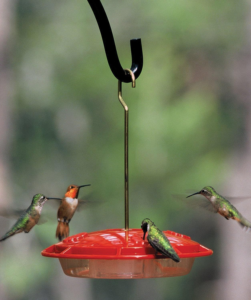
    • Place feeders in shaded areas to keep the nectar fresh longer and prevent spoilage.

    • Clean feeders regularly (every 2–3 days in warm weather) and replace the nectar to maintain a healthy feeding source.

    • Guide for when to change the nectar

      Letting the nectar ferment encourages mold growth, which makes the cleaning process more difficult. To avoid this, follow the chart below for recommended nectar changes based on the temperature. The hotter it gets, the more frequently you’ll need to replace the nectar.

      High temperatures…………Change after

      71-75……………………………6 days

      76-80……………………………5 days

      81-84……………………………4 days

      85-88……………………………3 days

      89-92……………………………2 days

      93+………………………………change daily

      Click on the link for a detailed guide to help you clean your hummingbird feeder, especially when mold starts to grow due to nectar not being changed in time.

    2. Add Bright Colors

    • Hummingbirds are naturally attracted to bright colors like red, orange, and yellow. Use brightly colored feeders or place red ribbons or decorations near the feeders to catch their attention.

    3. Create a Water Source

    • While hummingbirds don’t drink water, they need it for bathing to clean sticky nectar off their feathers. Provide a shallow birdbath, fountain, or mister, ensuring it’s shallow enough for their small size.

    • Install shallow bird bathswith gently sloping edges. Hummingbirds prefer water sources that are no more than 1-1.5 inches deep.

    • hummingbird bird bath

    4. Plant Native Flowers in Containers

    • If you lack natural nectar sources, grow native flowering plants in pots or hanging baskets.

      • Position your containers in sunny spots since most nectar-rich flowers thrive in full sun.

      • Incorporate red elements in your garden design to catch hummingbirds’ attention.

      • lant Native Flowers in Containers to Attract Hummingbirds

        Hummingbirds are dazzling, energetic pollinators that can transform your garden into a vibrant, living spectacle. While many gardeners focus on traditional flowerbeds, planting native flowers in containers is an excellent way to attract these “flying jewels,” even in small spaces like patios or balconies. Here’s a guide to creating a hummingbird-friendly container garden using native plants.

        Why Choose Native Plants?

        Native plants are perfectly adapted to local climates and ecosystems, providing the nectar-rich flowers hummingbirds naturally seek. They often require less maintenance and are more resilient to pests and diseases. Additionally, native plants support biodiversity by benefiting other pollinators like bees and butterflies.

        Alyssa Sargent, a hummingbird ecology researcher, emphasizes the importance of native plants: “Research has shown that landscaping with native plants can support more birds: higher abundance, more species, and more breeding pairs”.

        Selecting the Right Native Plants for Containers

        When choosing plants for your hummingbird container garden, focus on species with tubular flowers that match the birds’ long bills. Red, orange, and pink blooms are especially attractive to hummingbirds because of their high visibility.

        Here are some excellent native plant options for container gardening:

        Early Bloomers (Spring to Early Summer)

        • Penstemon (Beardtongue): Thrives in sunny conditions with nectar-packed tubular flowers

        • .

        • Columbine (Aquilegia chrysantha): A drought-tolerant option with striking yellow blooms

        • .

        Mid-Summer Favorites

        • Wild Bergamot (Beebalm): Pom-pom-like flowers that tolerate various soil conditions

        • .

        • Red Birds in a Tree (Scrophularia macrantha): Unique red flowers resembling perched birds

        • .

        Late Bloomers (Summer to Fall)

        • Hummingbird Trumpet (Epilobium canum): Scarlet-orange blooms perfect for late-season nectar

        • .

        • Hyssop (Hummingbird Mint): Thin tubular flowers that provide essential nectar during migration

        • .

        Annuals and Perennials for Added Variety

        For gardeners who want to mix native and non-native plants, consider annuals like fuchsia, petunias, and calibrachoa. These work well in containers alongside perennials such as coral bells (Heuchera) and salvia

        .

        Designing Your Container Garden

        Creating a visually appealing and functional container garden involves combining plants with different heights, textures, and bloom times. Here are some tips:

        1. Choose the Right Container:

          • Use pots with good drainage.

          • Select larger containers to accommodate multiple plants and reduce watering frequency.

        2. Planting Combinations:

          • For a vibrant red-and-yellow theme: Combine coreopsis, dahlia, and salvia.

          • For a bold multicolor display: Mix gomphrena, lantana, and cleome

          • .Soil and Maintenance:

            • Use well-draining potting soil.

            • Keep the soil moist but not waterlogged.

            • Deadhead spent flowers to encourage continuous blooming.

        Additional Tips for Attracting Hummingbirds

    • Planting native flowers in containers is an accessible way to attract hummingbirds while supporting local ecosystems. By selecting nectar-rich blooms suited to your region and combining them creatively in containers, you can enjoy the beauty of these remarkable birds up close. Whether you have a sprawling garden or a compact balcony, your efforts will create a sanctuary for hummingbirds while adding vibrant color to your space.

    5. Avoid Pesticides

    • Eliminate pesticide use in your yard to protect the insects that hummingbirds rely on for protein. Hummingbirds eat small insects like gnats and spiders in addition to nectar.

    6. Be Patient

    • It may take time for hummingbirds to discover your yard. Set up feeders early in the season and keep them maintained so that when they arrive, they’ll have a reliable food source.

    By following these steps, you can create a welcoming space for hummingbirds even in areas without natural nectar sources.

    • Creating a Hummingbird & Pollinator Container for Your Garden:

      • I walk you through my much loved project of making a Hummingbird friendly container garden. This is my new happy place in the garden and I love it! For my accessories: 
      • Sunny Container for Vibrant Color & Hummingbirds | Many Tips Included

      • Today we are sharing a beautiful sunny container garden recipe that will provide you with vibrant color all season and draw in those cute little hummingbirds! Many container gardening tips are included such as fertilizing, planting technique and watering.
      • How to Plant the Hummingbird Annual Collection – White Flower Farm

      • This video demonstrates how to plant a hummingbird-attracting annual collection. The collection features six different plants, including fuchsia, begonia, coleus, and fumio. The gardener explains how to arrange the plants in a container, ensuring they have enough space to grow and thrive.

    Additional Resources

    Here’s a complete guide to attracting hummingbirds to your yard. It lists plants, vines and shrubs that are in bloom for spring, summer and fall. Your hummingbirds will always have flowers to feed on.

    Here’s a great article that tells everything you need to know about how to choose the best place to hang your hummingbird feeder.

    Here’s the best designed hummingbird feeder to use. It’s leak proof, so it won’t attract insects and it’s easy to take apart and clean.

    Here’s a comprehensive guide to help you clean your hummingbird feeder for those times when the nectar is not changed soon enough and mold starts to grow.

    If you found this article helpful please share it with your friends using the social bookmarking buttons on the left side of this page.  Help everyone to increase their knowledge and enjoyment of feeding hummingbirds. Do it for the hummingbirds! It also helps my ranking so my information will be available to more people. The more people that see this vital information, the more the hummingbirds are helped. Thank for your help. The hummingbirds and I appreciate you very much!


  • When to Feed Hummingbirds | State‑by‑State Feeder Guide

    What you will find on this page

    • brief, general information about feeding hummingbirds and nectar along with what to do and what not to do
    • brief information about the best feeder to use for feeding hummingbirds and feeder cleaning
    • A video: When Do Ruby-Throated Hummingbirds Arrive in Your State?
    • a list of all 50 states and information about when to start feeding and when to stop feeding hummingbirds specific to the difference in feeder timing of each state
    • a clickable blue link embedded in the name of each state that will take you to a page with detailed specific information about that state concerning everything you need to know about attracting and feeding hummingbirds in that particular state. There will be a different page for each state geared specifically to that state..

    When to Feed Hummingbirds: A State‑by‑State Guide

    If you’ve ever wondered “When should I put out my hummingbird feeders?” you’re not alone. Different neighbors, websites, and even bird books often say different things, and it can feel like you might accidentally “miss” the birds or keep them too long.

    This guide gives you a clear, practical answer: a simple rule of thumb, a state‑by‑state timing chart, and tips for weird weather years. You’ll also see how to set up your feeders and yard so hummingbirds stay safe, healthy, and coming back year after year.

    I’m also writing extensive guides for each state about feeding and attracting hummingbirds. If the state name is in blue, click on the name and you will be taken to that states individual page. More will be coming in the near future.

    Quick answer: general timing rules

    If you just want the short version, here it is.

    • Spring: Put your feeder out about two weeks before you usually expect hummingbirds in your area. If you’re not sure, use the state guide below as your “latest” target date and feel free to put it out earlier.

    • Fall: Leave your feeder up at least two weeks after you see the last hummingbird, and longer if you don’t mind changing nectar. Late migrants and young birds often pass through after your “regulars” disappear.

    You don’t need fancy gear to get started, but a simple, easy‑to‑clean feeder and a couple of basic accessories make timing much easier to manage. Consider starting with a reliable leak‑free feeder and a cleaning brush set so fresh nectar is never a chore.


    When Do Ruby-Throated Hummingbirds Arrive in Your State?

    Ruby-throated hummingbirds migrate back to the eastern United States every spring, starting along the Gulf Coast in late February and then moving north through March, April, and early May. In this video, you will learn when you can expect them in your area, using a simple migration map so you can see your likely arrival window at a glance. You’ll also learn exactly when to put out your hummingbird feeders so they’re ready before the first ruby-throats show up in your yard.

    Whether you’re in the Deep South, the Midwest, or New England, this guide will help you time your feeders just right and avoid missing those first hungry migrants.


    Why timing matters to hummingbirds

    Understanding why timing matters makes it easier to adjust for your own yard and weather.

    Spring arrival

    Most hummingbirds time their migration to match:

    • Lengthening daylight

    • Rising temperatures

    • The first flush of insects and early flowers

    They need nectar for quick energy and tiny insects for protein. A feeder waiting for them acts like an emergency fuel stop, especially in early spring when flowers can still be scarce.

    Fall departure

    In fall, hummingbirds are building up fuel reserves for migration. Some leave early, others linger depending on:

    • Age and experience

    • Local flower and insect availability

    • Weather patterns and cold fronts

    Leaving a feeder up “late” does not make hummingbirds stay longer than they should. It just gives late migrants and young birds a safe food source as they pass through.

    Weird weather years

    Some years bring early heat waves, late frosts, or long rainy periods. In these years:

    • Err on the side of putting feeders out earlier in spring.

    • In fall, keep feeders up as long as nectar is staying fresh and you can maintain them, even if you’re only seeing an occasional visitor.

    How to use the state‑by‑state timing guide

    Use the dates below as guidelines, not hard rules. Every year is a little different, and local micro‑climates (cities vs rural, coastal vs inland, mountains vs lowlands) can shift things by a week or two.

    • “Put out by” = latest recommended date. Earlier is usually fine.

    • “Leave up until at least” = minimum recommended time. Leaving feeders up longer is helpful, as long as nectar stays fresh.

    Here is the state-by-state guide with special information about feeding hummingbirds

    I’m working on extensive guides for each individual state on feeding and attracting hummingbirds. If the state name is in blue, you can click on the link and go to that page to find out more information for that particular state.

    State Special Information
    Alabama Feeders should be put out in early March and taken down in December.
    Alaska Feeders can be kept year-round in Southeast Alaska; elsewhere, April to September.
    Arizona Keep feeders up year-round due to resident species like Anna’s Hummingbirds.
    Arkansas Put feeders out mid-March; take them down by December.
    California Year-round feeding is possible due to resident hummingbird species like Anna’s.
    Colorado Start feeding in early April, and take feeders down by November.
    Connecticut Feeders should be out by early April and removed by November.
    Delaware Put feeders out early April and take them down by November.
    Florida Feed hummingbirds year-round due to the presence of resident species.
    Georgia Year-round feeding is recommended for resident species like Ruby-throated Hummingbirds.
    Hawaii No native hummingbirds; however, some introduced species may be present.
    Idaho Feeders should be put out in late March and removed by November.
    Illinois Start feeding in early April; take feeders down by December.
    Indiana Put feeders out early April; remove them by December.
    Iowa Ruby-throated Hummingbirds arrive mid-April; feeders should be removed late November.
    Kansas Feeders should be put out early April; Rufous Hummingbirds may visit in fall.
    Kentucky Ruby-throated Hummingbirds arrive late March; rare Rufous Hummingbirds may winter here.
    Louisiana Year-round feeding is ideal due to wintering species like Rufous and Buff-bellied Hummingbirds.
    Maine Ruby-throated Hummingbirds arrive mid-April; take feeders down by November.
    Maryland Ruby-throated Hummingbirds arrive mid-April; Rufous may winter here occasionally.
    Massachusetts Ruby-throated Hummingbirds arrive early April; take feeders down by December.
    Michigan Ruby-throated Hummingbirds arrive late April; remove feeders mid-November.
    Minnesota Ruby-throated Hummingbirds arrive late April; remove feeders mid-November.
    Mississippi Year-round feeding is recommended due to wintering hummingbird species.
    Missouri Feeders should be put out in early March and removed by January.
    Montana Multiple species like Rufous and Calliope arrive in April; remove feeders by November.
    Nebraska Ruby-throated Hummingbirds arrive late April; remove feeders mid-November.
    Nevada Year-round feeding is possible in western and southern lowlands due to resident species like Anna’s Hummingbirds.
    New Hampshire Ruby-throated Hummingbirds arrive early April; remove feeders mid-November.
    New Jersey Feeders should be put out mid-March and removed by December.
    New Mexico Year-round feeding is acceptable due to resident species like Costa’s Hummingbirds.
    New York Feeders should be put out late March and removed by December.
    North Carolina Year-round feeding is ideal for resident hummingbird populations like Ruby-throated Hummingbirds.
    North Dakota Ruby-throated Hummingbirds arrive late April; remove feeders by November.
    Ohio Feeders should be put out late March and removed by December.
    Oklahoma Feeders should be put out late March; remove them by November if no activity is observed for two weeks.
    Oregon Year-round feeding is possible due to resident hummingbird populations like Anna’s Hummingbirds in western areas.
    Pennsylvania Feeders should be put out late March and removed by December if no activity is observed for two weeks.
    Rhode Island Ruby-throated Hummingbirds arrive early April; remove feeders by November.
    South Carolina Year-round feeding is recommended due to resident species like Ruby-throated Hummingbirds.
    South Dakota Ruby-throated Hummingbirds arrive late April; remove feeders by November.
    Tennessee Ruby-throated Hummingbirds arrive late March; remove feeders by December.
    Texas Year-round feeding is ideal due to the presence of multiple resident species.
    Utah Feeders should be put out mid-March; remove them by November if no activity is observed.
    Vermont Ruby-throated Hummingbirds arrive early April; remove feeders by November.
    Virginia Ruby-throated Hummingbirds arrive early March; remove feeders by December.
    Washington Year-round feeding is possible in western areas due to resident species like Anna’s Hummingbirds.
    West Virginia Ruby-throated Hummingbirds arrive mid-March; remove feeders by December.
    Wisconsin Ruby-throated Hummingbirds arrive late April; remove feeders by November.
    Wyoming Feeders should be put out in late April; remove them by November.


    Get your feeder ready before they arrive

    Once you know your timing, the next step is making sure your setup is safe and easy to maintain.

    Feeder options

    • Easy‑clean starter feeder – A simple, wide‑mouth feeder that comes apart fully makes it much easier to clean every few days. Look for a model that doesn’t leak and has sturdy hanging hardware.

    • My favorite Hummingbird feeder that’s easy to take apart and clean is the HummZinger Ultra.

      Hummzinger feeder with hummingbirds

      The HummZinger Ultra12oz Saucer Feeder is one of the best options for a hummingbird feeder that’s both easy to clean and maintain. This top-tier feeder features patented Nectar Guard tips—flexible membranes on the feeding ports that keep flying insects out while still allowing hummingbirds to feed freely. Plus, it comes with an integrated ant moat to prevent crawling insects from reaching the nectar, and the raised flower ports help divert rain, keeping the nectar fresh.

      With a 12 oz capacity, this mid-size feeder offers plenty of space and can be hung or mounted on a post using the included hardware. It has four feeding ports and is made from durable, unbreakable polycarbonate. Whether you’re concerned about bees, wasps, or ants, this feeder is built for easy cleaning and insect protection.

    • Small feeder for hot weather – If you live where it gets very hot, a smaller feeder you refill often is safer than a huge one that sits for days. It encourages you to change nectar more frequently.

      Aspects HummZinger 4 oz HummBlossom feeder

    • Window‑mounted feeder – Great for people who want close‑up views from inside. Small, simple feeders on a window can be especially fun near kitchens or home offices.

    Helpful accessories

    Tip: No matter which feeder you choose, the real key is fresh nectar plus regular cleaning. The easier a feeder is to take apart and scrub, the more likely you are to keep it clean.


    How often to change nectar (by temperature)

    Knowing when to put your feeder up is only half the story. The other half is keeping the nectar fresh enough that it’s safe.

    As a general guideline:

    • Below ~70°F (21°C):
      Change nectar every 4–5 days.

    • 70–85°F (21–29°C):
      Change nectar every 2–3 days.

    • Above ~85°F (29°C):
      Change nectar daily, and move feeders into partial shade if possible.

    • Guide for when to change the nectar

      Letting the nectar ferment encourages mold growth, which makes the cleaning process more difficult. To avoid this, follow the chart below for recommended nectar changes based on the temperature. The hotter it gets, the more frequently you’ll need to replace the nectar.

      High temperatures…………Change after

      71-75……………………………6 days

      76-80……………………………5 days

      81-84……………………………4 days

      85-88……………………………3 days

      89-92……………………………2 days

      93+………………………………change daily

    Signs that nectar needs to be changed:

    • Cloudy or milky appearance

    • Stringy or slimy material inside the feeder

    • Black spots or film on feeder parts

    • Here’s my comprehensive guide to help youclean your hummingbird feederespecially for those times when the nectar is not changed soon enough and mold starts to grow. Keeping your feeder truly clean is one of the most important—and most confusing—parts of feeding hummingbirds. This step‑by‑step guide shows you exactly how to clean a hummingbird feeder with vinegar or bleach, how often to change nectar at different temperatures, how to spot mold before it becomes a problem, and which feeder designs, brushes, and ant moats make the job much easier. It even covers how to keep bees and ants away and includes a video walk through, so if you’d like clear, simple instructions you can follow with confidence, you can learn more here.
    • Safe nectar recipe and what to avoid

    The safest nectar recipe is extremely simple:

      • 4 parts clean water

      • 1 part plain white granulated sugar

    Heat the water, stir in the sugar until dissolved, let the solution cool, then fill your feeder. Extra nectar can be stored in the refrigerator for up to a week in a clean container.

    Here’s a more detailed guide about making nectar and everything associated with it. How to Make Hummingbird Feeder Nectar: A Beginner’s Guide Make perfect hummingbird nectar every time with a simple, safe recipe that bird experts trust—no dyes, no gimmicks, just two ingredients your hummingbirds will love. This beginner‑friendly guide walks you through exact sugar‑water ratios, how often to change nectar, the best feeder styles, and easy cleaning routines so your visitors stay healthy and keep coming back all season long.


    Avoid:

    • Honey

    • Brown sugar

    • Artificial sweeteners

    • “Raw” sugar that isn’t fully refined

    • Any red dye or colored nectar

    These ingredients can ferment faster, grow dangerous microbes, or simply don’t provide what hummingbirds need.


    Make nectar in the right batch size to fit your particular situation

    Tiny batch – 1/8 cup sugar (30 ml) with 1/2 cup water (118 ml)

    Small batch – 1/4 cup sugar (60 ml) with 1 cup water (236 ml)

    Medium batch – 1/2 cup sugar (118 ml) with 2 cups water (472 ml)

    Large batch – 1 cup sugar (236 ml) with 4 cups water (944 ml)

    Extra large batch – 2 cups sugar (472 ml) with 8 cups water (1.9 L)

    Common mistakes (and better options)

    Many people have the right intention but run into the same pitfalls. Here are some of the most common mistakes and what to do instead.

    • Putting feeders out too late

      • Mistake: Waiting until you see a hummingbird before hanging a feeder.

      • Better: Use your state dates as a guide and put the feeder up a week or two early so it’s ready for the first scouts.

    • Taking feeders down as soon as you “stop seeing” birds

      • Mistake: Removing feeders right away when your usual birds seem to have left.

      • Better: Leave feeders up at least two more weeks to help late migrants and young birds.

    • Using red dye or pre‑colored nectar

      • Mistake: Thinking colored nectar is necessary to attract hummingbirds.

      • Better: Use clear homemade nectar and let the feeder itself provide the color. Many feeders have red parts and work perfectly without dye.

    • Letting nectar sit too long in hot weather

      • Mistake: Filling a large feeder and leaving it for several days in high heat.

      • Better: Use smaller feeders, fill them partially, and change nectar frequently.

    Beyond feeders: plants and habitat that keep hummingbirds around

    Feeders are wonderful, but they’re only part of the picture. Hummingbirds also need:

    • Flower nectar

    • Small insects and spiders for protein

    • Safe places to perch and nest


    You can keep them in your yard much longer if you:

    • Plant nectar‑rich flowers that bloom in succession from early spring through fall.

    • Our complete guide on attracting hummingbirds will show you which plants, vines and shrubs to use to provide continuous blooms and nectar for your hummingbirds all season long.
    • Include native shrubs and small trees that provide cover, insects, and seasonal interest.

    • Avoid pesticides, especially broad‑spectrum insecticides, which remove their natural food.


    Frequently Asked Questions About Feeding Hummingbirds

    Q1. When should I put out hummingbird feeders in my state?
    In most areas, you should put out hummingbird feeders about two weeks before your earliest expected arrival date, using the state‑by‑state guide on this page as the latest “put out by” target. Putting feeders out a bit early ensures that the first scouts and early migrants have a safe fuel stop, even if flowers and insects are still scarce.

    Q2. How long should I leave hummingbird feeders up in fall?
    Leave your hummingbird feeders up at least two weeks after you see the last bird, and longer if you don’t mind changing nectar regularly. This gives late migrants, young birds, and birds delayed by weather a dependable food source as they pass through your yard.

    Q3. Will leaving feeders up keep hummingbirds from migrating?
    No, leaving feeders up does not make hummingbirds stay longer than they should or interfere with their migration. Their internal clocks, day length, weather, and the availability of natural food all play a much bigger role than a single feeder.

    Q4. What is the best sugar‑water ratio for hummingbird nectar?
    The safest and most widely recommended nectar recipe is 1 part plain white granulated sugar to 4 parts clean water. Heat the water, stir in the sugar until it is fully dissolved, let it cool, and store any extra nectar in the refrigerator for up to a week.

    Q5. How often should I change hummingbird nectar?
    In cooler weather below about 70°F, change nectar every 4–5 days, but as temperatures rise you should change it more often. Around 70–85°F change it every 2–3 days, and above about 85°F it’s safest to change nectar daily and keep feeders in partial shade.

    Q6. What ingredients should I avoid in hummingbird nectar?
    Avoid honey, brown sugar, “raw” or unrefined sugar, artificial sweeteners, and any red dye or colored nectar. These ingredients can ferment faster, encourage dangerous microbes, or fail to provide the right energy hummingbirds need.

    Q7. How do I know when nectar has gone bad?
    Signs that nectar needs to be changed include a cloudy or milky appearance, stringy or slimy material inside the feeder, and black spots or film on the feeder parts. Any of these signs mean it’s time to discard the nectar, clean the feeder thoroughly, and refill with a fresh batch.

    Q8. What type of hummingbird feeder is easiest to keep clean?
    Shallow saucer‑style feeders, like the HummZinger Ultra, are among the easiest to take apart, scrub, and reassemble. A simple design with few crevices plus a good brush set makes it much easier to keep nectar fresh and safe.

    Q9. How can I help hummingbirds besides putting out feeders?
    Plant nectar‑rich flowers that bloom from early spring through fall, and include native shrubs and small trees that offer cover and insects. Avoid pesticides so hummingbirds can find the tiny insects and spiders they need for protein, and combine plants with clean feeders for the best results.

    Q10. Why do your recommendations differ between states?
    Each state has different climate patterns, elevations, and hummingbird use, so arrival and departure timing can vary by weeks. The state‑by‑state guide on this page is designed to reflect those differences so you can fine‑tune your feeder schedule for your region.

    Helpful resources for hummingbird feeding


  • How to Make the Perfect Hummingbird Food Recipe


    Hummingbirds are nature’s tiny marvels. Their iridescent feathers, lightning-fast wings, and acrobatic flight patterns make them a joy to watch. If you’re looking to attract these fascinating creatures to your garden, providing them with a homemade nectar solution is one of the most effective methods. In this comprehensive guide, we’ll explore everything you need to know about creating the perfect hummingbird food recipe. You’ll learn why homemade nectar is superior to store-bought options, how to maintain your feeders, and tips for creating a hummingbird-friendly environment in your backyard.

    Understanding Hummingbird Dietary Needs

    Natural Diet of Hummingbirds

    Hummingbirds are known for their high-energy lifestyles. These tiny birds have incredibly fast metabolisms, with heart rates that can reach up to hummingbird and bee balm1,260 beats per minute during flight. To fuel this constant activity, they rely heavily on a diet rich in sugar. In the wild, flower nectar is their primary source of energy.
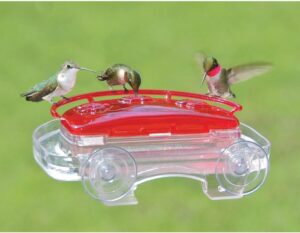
    Nectar provides the quick-burning carbohydrates that hummingbirds need to maintain their rapid wing beats, which can reach up to 80 times per second. However, nectar alone isn’t enough to sustain these birds. They also supplement their diet with small insects and spiders, which provide essential proteins, vitamins, and minerals.

    A typical hummingbird’s diet consists of:

    1. Flower nectar (primary energy source)

    2. Small insects like gnats, fruit flies, and mosquitoes

    3. Spiders and spider eggs

    4. Tree sap (occasionally)

    Interestingly, hummingbirds have excellent memories when it comes to food sources. They can remember which flowers they’ve visited and how long it takes for nectar to replenish. This ability helps them create efficient feeding routes in their territory.

    Why Homemade Nectar Is Beneficial

    While hummingbirds naturally feed on flower nectar, changes in landscapes and gardening practices have sometimes reduced their natural food hummingbird at feedersources. This is where homemade nectar comes in. Creating your own hummingbird food offers several advantages:

    1. Control over ingredients: You know exactly what’s going into your nectar, ensuring it’s free from harmful additives or preservatives.

    2. Cost-effective: Making your own nectar is significantly cheaper than buying pre-made solutions.

    3. Freshness: Homemade nectar can be made in small batches, ensuring it’s always fresh when you refill your feeders.

    4. Customization: You can adjust the sugar concentration based on the season or specific needs of your local hummingbird population.

    5. Environmental impact: By avoiding packaged nectar, you’re reducing plastic waste and your carbon footprint.

    Moreover, homemade nectar closely mimics the sugar content found in natural flower nectar. This makes it an ideal substitute when natural sources are scarce or during migration periods when hummingbirds need extra energy.

    The Perfect Hummingbird Food Recipe

    Ingredients You’ll Need

    Creating hummingbird food is surprisingly simple. You only need two ingredients:

    1. White granulated sugar

    2. Water

    It’s crucial to use only white granulated sugar. This type of sugar most closely resembles the natural sugars found in flower nectar. Other sweeteners can be harmful to hummingbirds.

    Important: Never use the following substitutes:

    • Honey: Can promote dangerous fungal growth

    • Brown sugar: Contains molasses and iron, which can be harmful to hummingbirds

    • Artificial sweeteners: Provide no nutritional value to hummingbirds

    • Raw, organic, or natural sugars: May contain iron levels that are dangerous for hummingbirds

    Step-by-Step Preparation

    Follow these steps to create the perfect hummingbird food:

    1. Measure the Ingredients: Use a ratio of 1 part sugar to 4 parts water. For example, mix 1 cup of sugar with 4 cups of water. This 1:4 ratio closely mimics the sugar concentration in natural flower nectar.

    2. Boil the Water: Bring the water to a boil in a clean pot. Boiling serves two purposes: it helps the sugar dissolve more easily and kills any potential pathogens in the water.

    3. Mix Sugar and Water: Once the water is boiling, remove it from heat and add the sugar. Stir until the sugar is completely dissolved. The solution should be clear, not cloudy.

    4. Cool the Solution: Allow the mixture to cool to room temperature before filling your feeders. Never fill feeders with hot nectar as it can warp plastic feeders and potentially harm hummingbirds.

    5. Store Properly: If you’ve made extra nectar, store it in a clean, airtight container in the refrigerator. Properly stored nectar can last up to one week.

    Remember, the goal is to create a solution that’s similar to flower nectar. Don’t be tempted to increase the sugar content thinking it will attract more birds. Too much sugar can be harmful to hummingbirds and can also cause the solution to ferment more quickly.


    Making hummingbird nectar


    Best Practices for Feeding Hummingbirds

    Choosing the Right Feeder

    Selecting an appropriate feeder is crucial for attracting hummingbirds and ensuring their safety. Here are some factors to consider:

    1. Color: Red is the most attractive color to hummingbirds. Choose feeders with red components, but avoid using red dye in the nectar itself.

    2. Material: Glass or plastic feeders are both suitable. Glass is easier to clean but can break if dropped. High-quality plastic is durable and shatter-resistant.

    3. Design: Look for feeders with multiple feeding ports to accommodate several birds at once.

    4. Ease of cleaning: Choose feeders that are easy to disassemble and clean thoroughly.

    5. Capacity: Consider the size of your hummingbird population. Smaller feeders are easier to clean frequently, while larger ones require less frequent refilling.

    6. One of the best Hummingbird feeders that’s easy to take apart and clean is the HummZinger Ultra.

      hummingbird feeder
      Hummzinger saucer Feeder

      Aspects 12oz HummZinger Ultra With Nectar Guard.

      The HummZinger Ultra 12oz Saucer Feeder is one of the best options for a hummingbird feeder that’s both easy to clean and maintain. This top-tier feeder features patented Nectar Guard tips—flexible membranes on the feeding ports that keep flying insects out while still allowing hummingbirds to feed freely. Plus, it comes with an integrated ant moat to prevent crawling insects from reaching the nectar, and the raised flower ports help divert rain, keeping the nectar fresh.

      With a 12 oz capacity, this mid-size feeder offers plenty of space and can be hung or mounted on a post using the included hardware. It has four feeding ports and is made from durable, unbreakable polycarbonate. Whether you’re concerned about bees, wasps, or ants, this feeder is built for easy cleaning and insect protection.


    Popular types of hummingbird feeders include:

    • Saucer Feeders: These have a flat, dish-like design with feeding ports on top. They’re easy to clean and less likely to leak.

    • Bottle Feeders: These inverted bottle-style feeders can hold more nectar but may be more challenging to clean.

    • Window Feeders: These attach directly to your window, allowing for up-close viewing of hummingbirds.

    • Window feeder for a close up viewing area

      Experience the thrill of watching hummingbirds up close as they hover right outside your window. With a hummingbird window feeder!

      hummingbird window feeder
      Aspect’s hummingbird window feeder

      Having a hummingbird window feeder brings the excitement of nature right to your window. Imagine watching these vibrant, tiny birds hover just inches away as they sip nectar. Their iridescent feathers glisten in the light, and their rapid wing beats create a mesmerizing display you can enjoy from the comfort of your home. It’s a truly unique and personal experience, offering a front-row seat to nature’s most agile acrobats.

      What makes a hummingbird window feeder even more thrilling is how often these fascinating creatures visit. You’ll get to see them return throughout the day, sometimes making multiple stops at your feeder. Each visit is a new opportunity to observe their graceful movements and learn more about these incredible birds. It’s like having your own live wildlife show right outside your window!

      Beyond the joy of bird watching, a hummingbird window feeder adds a burst of color and life to your space. Whether you’re relaxing indoors or enjoying a cup of coffee, the sight of these dazzling creatures brings a touch of serenity and beauty to your day. It’s a simple, yet unforgettable way to connect with nature without leaving home.

    • Decorative Feeders: These come in various shapes and designs but should still prioritize functionality and ease of cleaning.


    Proper Feeder Placement

    Where you place your feeder can significantly impact its success in attracting hummingbirds. Consider these tips:

    1. Visibility: Place feeders where hummingbirds can easily spot them. Open areas near flowers or the edge of tree lines are good options.

    2. Shade: Partial shade helps keep the nectar fresh longer, especially during hot weather.

    3. Protection: Position feeders near protective cover like trees or shrubs. This gives hummingbirds a place to rest and feel safe while feeding.

    4. Multiple locations: If you have a large yard, consider placing several feeders in different areas to create feeding stations.

    5. Window collisions: If using window feeders, place them on the outside of the glass to prevent bird collisions.

    6. Height: Hang feeders at eye level or higher. This makes them easier for you to monitor and refill.

    7. Spacing: If using multiple feeders, space them at least 10-15 feet apart to prevent territorial disputes among hummingbirds.

    Remember, it may take time for hummingbirds to discover a new feeder. Be patient and consistent with your feeding routine.

    Here’s a great article that tells everything you need to know about how to choose the best place to hang your hummingbird feeder.


    Maintenance and Cleaning

    Proper maintenance of your hummingbird feeders is crucial for the health of the birds and the effectiveness of your feeding efforts. Here’s a comprehensive guide to keeping your feeders in top condition:

    1. Regular cleaning: Clean your feeders every time you refill them, which should be every 2-3 days in warm weather or 4-5 days in cooler weather.

    2. Cleaning process:

      • Empty any remaining nectar

      • Rinse thoroughly with hot water

      • Use a bottle brush to scrub all surfaces, especially around feeding ports

      • For stubborn residue, soak in a solution of 1 part white vinegar to 4 parts water

      • Rinse again with hot water to remove any vinegar smell

      • Allow to air dry completely before refilling

    3. Avoid soap: Unless absolutely necessary, avoid using soap as it can leave a residue that affects the taste of the nectar.

    4. Check for mold: Regularly inspect your feeders for any signs of mold or mildew, especially in warm, humid weather.

    5. Replace worn parts: Check rubber seals and feeding ports regularly and replace them if they show signs of wear or damage.

    6. Ant and bee prevention: Use ant moats and bee guards to keep insects away from your nectar.

    7. Winter maintenance: In colder regions, bring feeders indoors at night to prevent freezing, or use a feeder heater.

    By maintaining clean, well-functioning feeders, you’ll ensure that your hummingbird visitors stay healthy and continue to return to your garden.

    Click on the link for a detailed guide to help you clean your hummingbird feeder, especially when mold starts to grow due to nectar not being changed in time.

    Here is a good video on how to clean a hummingbird feeder

    Common Mistakes to Avoid

    Using the Wrong Ingredients

    One of the most common and potentially harmful mistakes is using the wrong ingredients in hummingbird food. Here’s what to avoid:

    1. Honey: While it might seem natural, honey can promote the growth of harmful fungi when mixed with water. This can cause a deadly tongue infection in hummingbirds.

    2. Brown sugar: The molasses content in brown sugar contains iron, which can be toxic to hummingbirds in high concentrations.

    3. Artificial sweeteners: These provide no nutritional value to hummingbirds and may even be harmful.

    4. Red food coloring: There’s no need to add red dye to your nectar. It doesn’t provide any benefit to the birds and may be harmful if consumed in large quantities.

    5. Fruit juices or other sweeteners: Stick to plain white sugar. Other sweeteners may not provide the right nutritional balance and could potentially harm the birds.

    Incorrect Sugar-to-Water Ratio

    Maintaining the correct sugar-to-water ratio is crucial for mimicking natural flower nectar. Here’s why it matters:

    1. Too much sugar: A solution that’s too sweet can be difficult for hummingbirds to process and may lead to dehydration.

    2. Too little sugar: If the solution is too diluted, hummingbirds won’t get the energy they need, especially during migration or breeding seasons.

    3. Consistency: Stick to the 1:4 ratio (1 part sugar to 4 parts water) year-round. While some suggest increasing sugar content in colder months, it’s best to let the birds regulate their own intake.

    4. Measuring accuracy: Use proper measuring tools to ensure you’re consistently creating the right ratio.

    5. Use Songbird Essentials Nectar Aid Self Measuring Pitcher and never measure ingredients again. Make any amount and the ingredients are  measured for you.
      SONGBIRD ESSENTIALS 008104 Nectar Aid Self Measuring Pitcher Clear/Red


    Neglecting Feeder Hygiene

    Poor feeder maintenance can lead to serious health issues for hummingbirds. Here’s why cleanliness is so important:

    1. Mold growth: In warm, humid conditions, mold can grow rapidly in nectar. This can cause fatal fungal infections in hummingbirds.

    2. Bacterial contamination: Dirty feeders can harbor harmful bacteria that can make hummingbirds sick.

    3. Fermentation: Old nectar can ferment, especially in warm weather. Fermented nectar can cause liver damage in hummingbirds.

    4. Insect infestations: Unclean feeders can attract ants, bees, and wasps, which may deter hummingbirds from feeding.

    5. Clogged feeding ports: Sugar residue can build up and clog feeding ports, making it difficult for hummingbirds to access the nectar.

    By avoiding these common mistakes, you’ll create a safe and inviting environment for hummingbirds in your garden.


    Frequently Asked Questions

    How often should I change the hummingbird food?

    The frequency of changing your hummingbird food depends on several factors:

    • Weather: In hot weather (80°F/27°C or above), change the nectar every 2-3 days.

    • Cooler temperatures: When it’s cooler, you can extend this to 4-5 days.

    • Sun exposure: Nectar in feeders exposed to direct sunlight may need to be changed more frequently.

    • Feeder cleanliness: If you notice any cloudiness or discoloration in the nectar, change it immediately.

    Remember, it’s always better to err on the side of caution and change the nectar more frequently rather than less.

    Guide for when to change the nectar

    Letting the nectar ferment encourages mold growth, which makes the cleaning process more difficult. To avoid this, follow the chart below for recommended nectar changes based on the temperature. The hotter it gets, the more frequently you’ll need to replace the nectar.

    High temperatures…………Change after

    71-75……………………………6 days

    76-80……………………………5 days

    81-84……………………………4 days

    85-88……………………………3 days

    89-92……………………………2 days

    93+………………………………change daily


    Can I use brown sugar or honey instead of white sugar?

    No, you should never use brown sugar or honey in your hummingbird food recipe. Here’s why:

    • Brown sugar: Contains molasses and iron, which can be harmful to hummingbirds in large quantities.

    • Honey: Can promote the growth of harmful fungi and bacteria when diluted with water, potentially causing fatal infections in hummingbirds.

    Stick to plain white granulated sugar, as it most closely mimics the natural sugars found in flower nectar.

    Do I need to add red dye to attract hummingbirds?

    No, adding red dye to your hummingbird nectar is unnecessary and potentially harmful. Here’s what you need to know:

    • Hummingbirds are attracted to the color red, but the red parts of the feeder itself are sufficient to catch their attention.

    • Red dye doesn’t provide any nutritional benefit to hummingbirds.

    • Some studies suggest that artificial dyes could be harmful to hummingbirds if consumed in large quantities.

    Instead of using dye, choose feeders with red components or place red objects near your feeder to attract hummingbirds.

    How can I keep ants out of my hummingbird feeder?

    Ants can be a nuisance at hummingbird feeders. Here are some effective strategies to keep them away:

    1. Use an ant moat: This is a small cup of water that hangs above the feeder, creating a barrier ants can’t cross.

    2. If you already have a hummingbird feeder, and you want to protect it from ants and other crawling insects, the ant moat below will do the job.Trap-It Ant Moat for Hummingbird FeedersUsing an ant moat for your hummingbird feeder is an effective way to keep ants away from the sweet nectar. These tiny creatures are drawn to
      hummingbird feeder ant moat
      ant moat

      the sugar water, and without a barrier, they will quickly infest your feeder, preventing the birds from enjoying the nectar. An ant moat works by creating a barrier of water that ants can’t cross. Positioned above the feeder, it effectively blocks the ants’ path, keeping them from reaching the nectar.

      This simple solution also ensures that your hummingbird feeder remains clean and accessible for the birds, rather than becoming a breeding ground for ants or other pests. It’s a small addition that can make a big difference in maintaining a healthy, inviting space for hummingbirds, while also reducing the need for chemical ant deterrents.

      The first and still the best to protect your Hummingbird and Oriole feeder from ants and other crawling insects. Insert between hanger and feeder and fill with  water, providing a barrier to crawling pests. Red color to attract hummingbirds.

    3. Apply a sticky substance: Products like Tanglefoot can be applied around the hanger to prevent ants from reaching the feeder.

    4. Nectar Fortress™ Natural Ant Repellent         

      CREATED FOR HUMMINGBIRD FEEDERS: Stop ants fast and keep them away from the bird feeder altogether. Use it on poles or hooks and create a barrier with a scent ants hate. Useful with ant moats or eliminate the moat entirely.

    5. Keep the feeder clean: Wipe away any spilled nectar that might attract ants.

    6. Move the feeder: If ants have found your feeder, try moving it to a new location.

    7. Use fishing line: Hanging your feeder with thin fishing line can make it difficult for ants to climb.

    Remember, never use pesticides or other chemicals near your hummingbird feeder, as these can be harmful to the birds.

    Here’s a complete guide to how to keep bees and ants away from your hummingbird nectar


    When should I put out and take down my hummingbird feeders?

    The timing for putting out and taking down hummingbird feeders varies depending on your location:

    • Spring: Put feeders out about two weeks before hummingbirds typically arrive in your area. In many parts of North America, this is around late March or early April.

    • Fall: Keep feeders up for about two weeks after you see the last hummingbird. This helps late migrants refuel. In most areas, this is around late September or early October.

    • Year-round feeding: In some warmer regions, hummingbirds may stay all year. In these areas, you can leave feeders up throughout the winter.

    Check with local bird watching groups or your local Audubon Society for specific timing in your area.

    Here’s a comprehensive article about when to start and when to stop feeding hummingbirds

    Conclusion

    Creating the perfect hummingbird food recipe is a simple yet rewarding way to attract these fascinating creatures to your garden. By following this guide, you’ll be able to provide a safe, nutritious energy source for hummingbirds while enjoying their vibrant presence in your outdoor space.

    Remember these key points:

    1. Use only white granulated sugar and water in a 1:4 ratio.

    2. Clean your feeders regularly and replace the nectar every few days.

    3. Choose the right type of feeder and place it strategically in your garden.

    4. Avoid common mistakes like using harmful ingredients or neglecting feeder hygiene.

    With a little effort and consistency, you can create a thriving hummingbird haven in your backyard. Not only will you be supporting these important pollinators, but you’ll also be treated to a spectacular display of nature’s tiny acrobats.

    So, why wait? Start your hummingbird feeding journey today and prepare to be amazed by the joy these tiny birds can bring to your daily life.


    If you found this article helpful please share it with your friends using the social bookmarking buttons on the left side of this page.  Help everyone to increase their knowledge and enjoyment of feeding hummingbirds. Do it for the hummingbirds! It also helps my ranking so my information will be available to more people. The more people that see this vital information, the more the hummingbirds are helped. Thank for your help. The hummingbirds and I appreciate you very much!


  • Natural Pest Control Methods for Your Hummingbird Garden

    Key Takeaways: Natural Pest Control Methods for Your Hummingbird Garden

    • You can protect your hummingbird garden without using harsh chemical sprays. Simple natural methods like companion planting, beneficial insects, and gentle homemade sprays will control most pests and keep hummingbirds safe.

    • Healthy, well‑chosen plants are your best defense. Strong plants in good soil, with the right amount of sun and water, are much less likely to have serious pest problems in the first place.

    • Hummingbirds need insects as well as nectar. Avoiding broad‑spectrum pesticides helps keep plenty of tiny gnats, spiders, and other insects available for hummingbirds and their young.

    • Easy physical controls can solve a lot of problems. Things like hand‑picking, knocking pests off with a strong spray of water, row covers, and simple traps can quickly reduce damage without spraying anything.

    • Where and when you treat really matters. Treat only the plants that need it, avoid spraying flowers when hummingbirds are visiting, and keep all pest control away from feeders and nests.


    Creating a thriving hummingbird garden is a rewarding experience. However, maintaining it while keeping pests at bay can be challenging. Fortunately, there are numerous natural pest control methods that can protect your garden’s delicate ecosystem. These techniques ensure a safe haven for hummingbirds while deterring unwanted pests. By implementing these eco-friendly strategies, you’ll create a harmonious environment that attracts these beautiful creatures and keeps harmful insects at bay.

    Understanding Common Garden Pests

    Before diving into pest control methods, it’s crucial to understand the common pests that might invade your hummingbird garden. Identifying

    Andean Emerald hummingbird
    Andean Emerald hummingbird

    these unwanted visitors early can help you take prompt action and prevent significant damage.

    Identifying Harmful Insects

    Some of the most common pests in hummingbird gardens include:

    1. Aphids

    2. Spider mites

    3. Whiteflies

    4. Caterpillars

    5. Japanese beetles

    6. Thrips

    To recognize signs of pest infestation, regularly inspect your plants. Look for:

    • Discolored or distorted leaves

    • Sticky residue on leaves (often a sign of aphids)

    • Webbing between leaves (indicating spider mites)

    • Holes in leaves or flowers

    • Wilting or stunted growth


    These pests can have a significant impact on both your garden’s health and the hummingbirds that visit. For instance, aphids can weaken plants, making them less attractive to hummingbirds. Moreover, some pests might compete with hummingbirds for nectar or damage the flowers they feed on.

    Natural Pest Control Strategies

    Now that we’ve identified potential threats, let’s explore some effective natural pest control strategies. These methods are not only environmentally friendly but also safe for hummingbirds and other beneficial wildlife in your garden.

    Companion Planting

    Companion planting is an age-old technique that can significantly reduce pest problems in your garden. This method involves planting different species together for mutual benefit. In the context of pest control, certain plants can repel insects or mask the scent of plants that pests are attracted to.

    Some of the best companion plants for hummingbird gardens include:

    1. Marigolds: These bright flowers repel aphids and nematodes.

    2. Nasturtiums: They act as a trap crop for aphids, keeping them away from other plants.

    3. Lavender: Its strong scent deters many pests, including moths and fleas.

    4. Basil: This herb repels flies and mosquitoes.

    5. Petunias: They can deter aphids, tomato hornworms, and squash bugs.

    To arrange companion plants effectively, consider planting them in a circle around the plants you want to protect. Alternatively, you can intersperse them throughout your garden. The key is to create diversity in your planting scheme.

    Biological Control Methods

    Another effective natural pest control strategy is biological control. This method involves using living organisms to control pests. It’s a sustainable approach that can provide long-term pest management.

    Beneficial insects play a crucial role in biological control. These “good bugs” prey on harmful pests, keeping their populations in check.

    Some beneficial insects to encourage in your garden include:

    1. Ladybugs: They feed on aphids, mites, and other small pests.

    2. Lacewings: Their larvae voraciously consume aphids, mealybugs, and other soft-bodied insects.

    3. Praying mantises: These large predators eat a variety of garden pests.

    4. Parasitic wasps: They lay eggs in or on pest insects, controlling their populations.

    To attract and maintain beneficial insect populations:

    • Plant a variety of flowering plants to provide nectar and pollen

    • Avoid using broad-spectrum pesticides that can harm beneficial insects

    • Provide shelter with rock piles, logs, or purpose-built insect hotels

    In addition to beneficial insects, you can also use nematodes and other microorganisms for pest control. Beneficial nematodes, for instance, can help control soil-dwelling pests like grubs and cutworms.

    Organic Pest Repellents

    While companion planting and biological control are excellent preventive measures, sometimes more direct intervention is necessary. Organic pest repellents offer a safe and effective solution for controlling pests without harming hummingbirds or beneficial insects.

    Homemade Sprays and Solutions

    You can create several effective pest control sprays using common household ingredients. These DIY solutions are cost-effective and free from harmful chemicals.

    1. Garlic and Pepper Spray: 

    Blend 2 whole bulbs of garlic and 2 hot peppers with water

    Strain and dilute with water (1:5 ratio)

    Spray on affected plants, reapplying after rain


    2. Neem Oil Solution:  Mix 2 teaspoons of neem oil with 1 teaspoon of mild liquid soap in 1 quart of water

    Shake well and spray on plants, covering all surfaces

    Reapply every 7-14 days as needed


    3. Soap-based Insecticide: Mix 1 tablespoon of mild liquid soap with 1 quart of water

    Spray directly on pests and affected plant areas

    Rinse plants with clean water after a few hours to prevent leaf damage


    When applying these solutions, always test on a small area first to ensure the plant doesn’t have an adverse reaction. Additionally, avoid spraying during the hottest part of the day or when pollinators are active.

    Essential Oils for Pest Control

    Essential oils can be powerful allies in your pest control efforts. Many insects find these strong-smelling oils repellent. Some effective essential oils for pest control include:

    1. Peppermint oil: Repels ants, aphids, and beetles

    2. Rosemary oil: Deters flies, mosquitoes, and slugs

    3. Thyme oil: Repels whiteflies and cabbage loopers

    4. Citronella oil: Keeps mosquitoes and other flying insects away

    To use essential oils for pest control:

    1. Mix 5-10 drops of essential oil with 1 cup of water and 1 teaspoon of mild liquid soap

    2. Shake well and spray on affected plants

    3. Reapply every few days or after rain

    Always dilute essential oils properly before use. Undiluted oils can burn plant leaves and may be harmful to beneficial insects. Also, avoid applying oil-based sprays in direct sunlight to prevent leaf burn.


    Physical Barriers and Traps

    Sometimes, the best defense against pests is a good offense. Physical barriers and traps can provide effective pest control without the use of any chemicals or sprays.

    Protective Coverings

    Row covers and netting can protect your plants from flying insects and larger pests. These barriers allow light, air, and water to reach your plants while keeping pests out.

    Types of protective coverings include:

    1. Floating row covers: Lightweight fabric that can be laid directly on plants

    2. Hoop houses: Plastic or fabric covers supported by hoops over plant rows

    3. Insect netting: Fine mesh that excludes even small insects

    To install these coverings without disrupting hummingbirds:

    1. Use supports to keep the covering elevated, allowing space for hummingbirds to access flowers

    2. Leave some plants uncovered to provide easy access for hummingbirds

    3. Remove covers during peak blooming periods if possible

    Timing is crucial when using protective coverings. Apply them early in the season to prevent pests from establishing. Remove them during flowering to allow for pollination, unless the plants are self-pollinating.

    Non-Toxic Traps

    Non-toxic traps can help control pest populations without the use of harmful chemicals. Some effective options include:

    1. Sticky traps: Yellow sticky cards attract and trap flying insects like whiteflies and fungus gnats

    2. Diatomaceous earth: This fine powder damages the exoskeletons of crawling insects

    3. Beer traps: Shallow containers filled with beer attract and drown slugs and snails

    When using sticky traps, place them near affected plants but not too close to areas frequented by hummingbirds. For diatomaceous earth, apply a thin layer around plants or on leaves, reapplying after rain. Beer traps should be placed in the evening and emptied daily.


    Maintaining a Healthy Garden Ecosystem

    A healthy garden ecosystem is your best defense against pests. By focusing on overall garden health, you can prevent many pest problems before they start.

    Soil Health and Plant Care

    Healthy plants are more resistant to pest infestations. To maintain robust plant health:

    1. Ensure proper soil nutrition:

      • Test your soil regularly

      • Add organic matter like compost to improve soil structure and fertility

      • Use balanced, organic fertilizers when necessary

    2. Practice proper watering techniques:

      • Water deeply but less frequently to encourage deep root growth

      • Avoid overhead watering, which can create humid conditions favorable to pests and diseases

      • Water early in the day so leaves can dry before evening

    3. Implement good pruning and plant maintenance:

      • Remove dead or diseased plant material promptly

      • Prune to improve air circulation within plants

      • Avoid overcrowding plants, which can create pest-friendly conditions


    Encouraging Biodiversity

    A diverse garden ecosystem is more resilient to pest outbreaks. To promote biodiversity:

    1. Plant a variety of species:

      • Include plants that flower at different times of the year

      • Here’s a complete guide to attracting hummingbirds to your yard. It lists plants, vines and shrubs that are in bloom for spring, summer and fall. Your hummingbirds will always have flowers to feed on.
      • Mix plants of different heights and structures

      • Include native plants, which are often more resistant to local pests

    2. Create habitats for natural predators:

      • Leave some areas of your garden “wild”

      • Install birdhouses and bat boxes

      • bat house
        bat house
      • Create rock piles or log piles for beneficial insects and small animals

    3. Include water features:

    4. Consider adding a mister or dripper to create moving water, which attracts hummingbirds. They often enjoy flying through fine sprays of water.

      hummingbird mister/fountain

    5.Bird baths or small ponds attract beneficial wildlife

      • Install shallow bird baths with gently sloping edges. Hummingbirds prefer water sources that are no more than 1-1.5 inches deep.

      • hummingbird bird bath
      • Moving water, like a small fountain, can deter mosquitoes while attracting beneficial insects

    By maintaining a diverse and healthy garden ecosystem, you create an environment where pests are less likely to gain a foothold. This approach not only reduces pest problems but also creates a more attractive habitat for hummingbirds and other beneficial wildlife.


    Hummingbird-Friendly Pest Management

    While controlling pests, it’s crucial to ensure that your methods don’t harm or deter hummingbirds. These tiny birds are sensitive to changes in their environment, so a thoughtful approach to pest management is essential.

    Safe Practices Around Feeders

    Hummingbird feeders can sometimes attract pests like ants and wasps. Here’s how to manage these issues safely:

    1. Clean and maintain feeders regularly:

      • Wash feeders with hot water and mild soap every 3-5 days

      • Replace nectar solution frequently, especially in hot weather

      • Use a bottle brush to clean hard-to-reach areas

    2. Prevent ant invasions:

      • Use ant moats or ant guards on feeder hangers

      • Apply a thin layer of petroleum jelly around feeder hanging points

      • Keep the area around feeders clean of spilled nectar

    3. Deter wasps and bees:

      • Choose feeders with bee guards

      • Avoid using yellow feeders, which can attract wasps

      • Place wasp traps away from hummingbird feeders

    4. Position feeders strategically:

      • Hang feeders in partially shaded areas to slow nectar fermentation

      • Keep feeders away from pest-prone areas of your garden

      • Ensure feeders are at least 10-15 feet apart to reduce competition

    Balancing Pest Control and Bird Safety

    When implementing pest control measures, consider the following to ensure hummingbird safety:

    1. Time pest control activities carefully:

      • Apply treatments early in the morning or late in the evening when hummingbirds are less active

      • Avoid treating flowers that are currently being visited by hummingbirds

    2. Choose bird-safe pest control products:

      • Use only organic, non-toxic pest control methods

      • Avoid any products containing neonicotinoids, which can be harmful to birds

      • If using sprays, ensure they’re fully dry before allowing hummingbird access

    3. Create pest-free zones around nesting areas:

      • Identify potential nesting sites in your garden

      • Avoid applying any pest control treatments within at least 10 feet of these areas

      • Use physical barriers like netting to protect these zones if necessary

    By following these guidelines, you can effectively manage pests while ensuring your garden remains a safe and welcoming environment for hummingbirds.


    Seasonal Pest Control Strategies

    Effective pest management is a year-round endeavor. By adapting your strategies to each season, you can stay ahead of potential pest problems and maintain a healthy garden throughout the year.

    Spring Preparations

    As your garden awakens from winter dormancy, it’s time to lay the groundwork for pest prevention:

    1. Early season pest prevention:

      • Remove any overwintered pest eggs or larvae

      • Prune out any dead or diseased plant material

      • Apply dormant oil to fruit trees and shrubs to smother overwintering pests

    2. Soil preparation and mulching:

      • Turn over garden soil to expose pest larvae to predators and cold

      • Add compost to improve soil health and plant resistance

      • Apply organic mulch to suppress weeds and create habitat for beneficial insects

    3. Plant pest-resistant varieties:

      • Choose native plants adapted to your local conditions

      • Select disease-resistant cultivars when available

      • Incorporate companion plants known for pest-repelling properties

    Summer Vigilance

    Summer’s warm temperatures can lead to rapid pest population growth. Stay vigilant with these strategies:

    1. Monitoring and early intervention:

      • Inspect plants regularly for signs of pest damage

      • Use sticky traps to monitor flying insect populations

      • Act quickly at the first sign of infestation to prevent spread

    2. Heat-tolerant natural pest control:

      • Use neem oil sprays in the early morning or late evening

      • Apply diatomaceous earth around plants prone to crawling insects

      • Encourage predatory insects like ladybugs and lacewings

    3. Adjust watering practices:

      • Water deeply but less frequently to promote strong root growth

      • Use drip irrigation or soaker hoses to keep foliage dry

      • Water early in the day to allow leaves to dry before nightfall

    Fall Clean-Up

    As the growing season winds down, take steps to reduce next year’s pest problems:

    1. End-of-season pest control:

      • Remove and dispose of any pest-infested plant material

      • Apply beneficial nematodes to soil to control grubs and other soil pests

      • Use horticultural oils on trees and shrubs to control overwintering pests

    2. Remove pest habitats:

      • Clear away fallen leaves and garden debris

      • Pull out annual plants and compost disease-free material

      • Trim back perennials, leaving some stalks for beneficial insect habitat

    3. Prepare for next season:

      • Plant cover crops to improve soil health and suppress weeds

      • Apply compost to garden beds to boost soil nutrition

      • Plan crop rotation for annual plants to disrupt pest life cycles

    By following these seasonal strategies, you can maintain a healthy, pest-resistant garden year-round, ensuring a welcoming environment for hummingbirds in every season.


    Frequently Asked Questions

    Are natural pest control methods as effective as chemical pesticides?

    Natural pest control methods can be highly effective when used consistently and in combination. While they may take longer to show results compared to chemical pesticides, they provide long-term benefits without harming beneficial insects or hummingbirds. The key to success with natural methods is persistence and a multi-faceted approach. By combining techniques like companion planting, encouraging beneficial insects, and using organic sprays, you can achieve excellent pest control results.

    How can I control pests without harming hummingbirds?

    To control pests while keeping hummingbirds safe, focus on non-toxic methods such as companion planting, physical barriers, and organic sprays. Always apply pest control measures away from feeders and nesting areas. Avoid using any chemicals that could harm birds, including broad-spectrum insecticides. Time your pest control activities for early morning or late evening when hummingbirds are less active. By maintaining a diverse, healthy garden ecosystem, you’ll naturally reduce pest problems while creating an attractive environment for hummingbirds.

    What plants naturally repel pests in a hummingbird garden?

    Several plants can help repel pests while still being attractive to hummingbirds. Some effective choices include:

    1. Marigolds: Repel aphids and nematodes

    2. Lavender: Deters moths and fleas

    3. Mint: Repels ants and mice

    4. Chrysanthemums: Contain pyrethrin, a natural insecticide

    5. Petunias: Can deter aphids and tomato hornworms

    Incorporate these plants into your garden design for natural pest control. Remember to balance these pest-repelling plants with nectar-rich flowers that attract hummingbirds, ensuring your garden remains a vibrant and welcoming space for these beautiful birds while maintaining a healthy balance against pests.


    Conclusion

    Implementing natural pest control methods in your hummingbird garden creates a safe, thriving environment for both plants and wildlife. By combining various eco-friendly techniques, you can effectively manage pests while preserving the delicate balance that attracts hummingbirds. Remember, a healthy garden ecosystem is your best defense against pests, ensuring a beautiful and vibrant space for you and your feathered visitors to enjoy. As you nurture your garden, you’re not only protecting it from pests but also contributing to the well-being of these magnificent creatures. So, take a moment to appreciate the beauty of nature in your garden, and enjoy the company of the hummingbirds that call it home.

    Frequently Asked Questions About Natural Pest Control in a Hummingbird Garden

    1. Why should I avoid regular pesticides in my hummingbird garden?
    Most regular garden pesticides don’t just kill the “bad” bugs; they also kill beneficial insects and can poison the small insects and spiders hummingbirds eat. Over time this can mean fewer natural predators, more pest outbreaks, and a much less healthy yard for hummingbirds.

    2. Don’t hummingbirds just drink nectar? Do they really eat bugs?
    Yes, hummingbirds eat a lot of tiny insects and spiders for protein, especially during nesting season. They catch gnats, fruit flies, little beetles, and other soft‑bodied insects in mid‑air and also pick them off leaves, bark, and spider webs.

    3. What are some simple natural pest control methods I can start with?
    Good first steps include hand‑picking pests you can see, washing aphids and mites off with a firm spray of water, using row covers on vegetables, and planting companion flowers and herbs that help confuse or repel common pests.

    4. How do I attract beneficial insects to help with pest control?
    Plant a variety of nectar and pollen‑rich flowers (especially natives) that bloom over a long season, avoid using broad insecticides, and leave a few “messy” corners with leaf litter or stems. This invites ladybugs, lacewings, parasitic wasps, and other helpful insects that feed on garden pests.

    5. Are homemade sprays safe to use around hummingbirds?
    Mild sprays such as dilute soap or garlic/pepper mixtures can be useful when they’re used correctly, but they should never be sprayed on open blooms where hummingbirds are feeding or anywhere near your feeders. Always test a small part of the plant first and apply when hummingbirds are not actively visiting that area.

    6. What kinds of products should I avoid in a hummingbird garden?
    Avoid systemic insecticides that move inside the plant into the nectar or pollen, and avoid broad‑spectrum insect killers that wipe out many kinds of insects at once. Also avoid spraying anything directly on flowers, feeders, or near known nest sites.

    7. How often should I check my garden for pest problems?
    A quick walk through your hummingbird garden once or twice a week during the growing season is usually enough. Look under leaves, along stems, and at new growth so you can catch problems early, when simple, natural methods will still work well.

    If you found this article helpful please share it with your friends using the social bookmarking buttons on the left side of this page.  Help everyone to increase their knowledge and enjoyment of feeding hummingbirds. Do it for the hummingbirds! It also helps my ranking so my information will be available to more people. The more people that see this vital information, the more the hummingbirds are helped. Thank for your help. The hummingbirds and I appreciate you very much!