• Category Archives Uncategorized
  • Cardinal Flower: A Striking Magnet for Hummingbirds

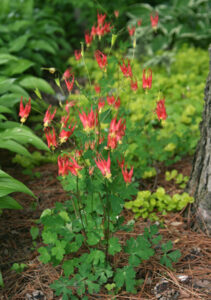
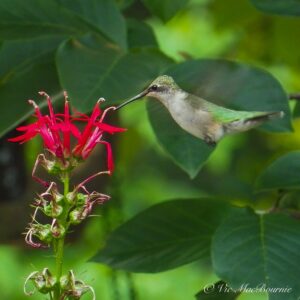
    The Cardinal Flower (Lobelia cardinalis) is one of the most stunning native plants in the Eastern United States, renowned for its vibrant red Ruby-throated_Hummingbird_at_Cardinal_Flowerblooms and its ability to attract hummingbirds. This perennial wildflower is a must-have for gardeners looking to create a pollinator-friendly landscape while adding a dramatic splash of color to their gardens.

    Key Characteristics

    Zones: 2–9

    Height: 3–4 feet

    Bloom Time: July–September

    • Features: Tall spikes of bright scarlet, tubular flowers that stand out against lush green foliage.

    The Cardinal Flower’s brilliant red flowers are specifically designed to attract hummingbirds. Its tubular blooms are perfectly shaped for the long bills and tongues of these birds, ensuring easy access to its nectar. The bold red color is also highly visible to hummingbirds, who are naturally drawn to bright hues.


    This video provides a comprehensive guide to the Cardinal flower, a beautiful native North American plant known for its striking red blooms. The video covers everything from identification and growing conditions to seed saving and wildlife attraction, offering valuable information for gardeners interested in adding this vibrant flower to their landscapes.

    Natural Habitat

    Cardinal Flowers thrive in moist environments such as stream banks, wetlands, and woodland edges. They prefer rich, consistently damp soil but can adapt to garden settings when provided with adequate moisture. Their natural habitat makes them an excellent choice for rain gardens or areas with poor drainage.


    Care and Maintenance

    While Cardinal Flowers require slightly more attention than some other native plants, they reward gardeners with spectacular blooms. To grow Cardinal flowere and hummingbirdthem successfully:

    Plant in full sun to partial shade.

    Keep the soil consistently moist, especially during hot or dry periods.

    Mulch around the base to retain moisture and prevent weeds.

    Allow plants to reseed naturally for continuous growth year after year.


    Ecological Benefits

    The Cardinal Flower is a powerhouse for pollinators. Its nectar-rich flowers are a favorite of hummingbirds, while butterflies and bees also benefit from its blooms. Additionally, it supports biodiversity by providing habitat for insects and small wildlife.


    Why Choose Cardinal Flower?

    The Cardinal Flower’s striking beauty and ecological importance make it an essential addition to any garden. Whether planted in borders, near water features, or in pollinator gardens, this native wildflower will captivate gardeners and hummingbirds alike while enhancing the health of local ecosystems.


    What are the unique characteristics of Cardinal Flower that make it attractive to hummingbirds

    Cardinal Flower (Lobelia cardinalis) is a standout native plant for attracting hummingbirds, thanks to its vibrant red blooms and specialized Cardinal Flowersfloral structure. This perennial wildflower has evolved unique traits that make it particularly appealing to these energetic pollinators.

    • Vivid Red Color

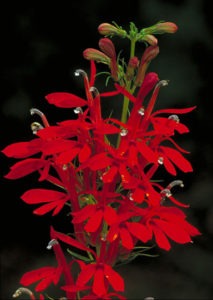
    The Cardinal Flower’s striking scarlet blossoms are one of its most defining features. Hummingbirds are naturally drawn to bright red hues, which signal a rich nectar source. The flowers’ intense coloration makes them highly visible to hummingbirds from a distance, ensuring the plant stands out even in dense vegetation.

    • Tubular Flower Shape

    The tubular structure of Cardinal Flower’s blooms is perfectly adapted to the long bills and tongues of hummingbirds. This design allows hummingbirds to easily access nectar deep within the flower while minimizing competition from other pollinators, such as bees and butterflies, which are less suited to the flower’s shape.

    • High Nectar Production

    Cardinal Flowers produce abundant nectar, a crucial energy source for hummingbirds. The plant’s bloom period, which lasts from midsummer to early fall, coincides with the time when hummingbirds are preparing for their southward migration. This makes it an essential food source during their most active feeding period.

    • Sequential Blooming

    The flowers on the tall spikes of Cardinal Flower open sequentially from bottom to top. This staggered blooming ensures a continuous supply of nectar over several weeks, keeping hummingbirds returning to the plant throughout its flowering season.

    • Adaptability to Moist Environments

    Cardinal Flower thrives in wet habitats such as stream banks, rain gardens, and wetlands—areas where hummingbirds often forage. Its ability to grow in shady or partially shaded spots also makes it accessible in diverse garden settings.

    • Pollination Partnership

    Hummingbirds play a crucial role in pollinating Cardinal Flowers. As they sip nectar, pollen is deposited on their heads and transferred between flowers, ensuring successful reproduction. This symbiotic relationship highlights the plant’s reliance on hummingbirds for survival.

    With its brilliant color, abundant nectar, and specialized floral design, Cardinal Flower is perfectly suited for attracting hummingbirds while enhancing any garden with its dramatic beauty.

    Learn how easy it is to winter sow seeds outside! I give a plant profile on the native wildflower Cardinal Flower / Lobelia cardinalis and then show you my process for winter sowing the seeds. Also included are step-by-step instructions on how to wintersow seeds using milk jugs. No special grow lights are needed using the winter sowing method. I love saving money and growing lots of plants from seed, especially during my cold New Hampshire zone 5b winter months! You can use this method for annuals, perennials, biennials, vegetables & flowers! This is a cheap and easy way for me to add more perennials to my landscape and to also add to my plant inventory for my backyard plant nursery.


    Natural Pest Control Methods for Your Hummingbird Garden

    Creating a thriving hummingbird garden is a rewarding experience. However, maintaining it while keeping pests at bay can be challenging. Fortunately, there are numerous natural pest control methods that can protect your garden’s delicate ecosystem. Click the link above to find out how to naturally control pests in your hummingbird garden.

    A few additions that will make any garden more hummingbird friendly

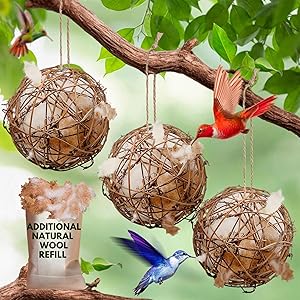
    Provide nesting materials like cotton, pet fur, or plant fibers. You can place these materials in suet cages or spread them around your garden.

    hummingbird nesting material
    hummingbird nesting material


    Water Sources

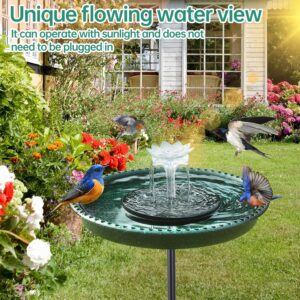
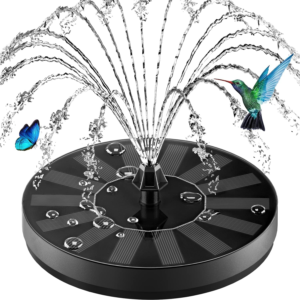
    Hummingbirds enjoy fresh water to drink and bathe. A shallow birdbath with a fine spray from a mister is ideal. Just make sure the water is changed regularly to keep it clean.

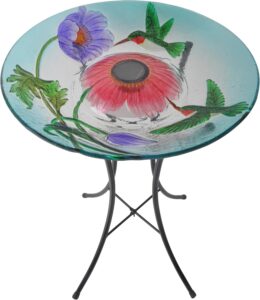
    Here’s a solar powered bird bath.

    Hummingbird misters at Amazon.com

    solar powered hummingbird feeder with fountain
    solar powered fountain birdbath

    Install shallow bird baths with gently sloping edges. Hummingbirds prefer water sources that are no more than 1-1.5 inches deep.

    • hummingbird bird bath


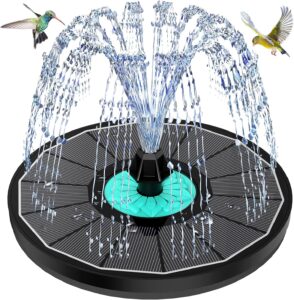
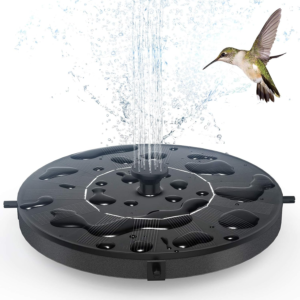
    Consider adding a mister or dripper to create moving water, which attracts hummingbirds. They often enjoy flying through fine sprays of water.

    hummingbird mister/fountain


    A hummingbird perch is a good way to attract hummingbirds to a particular spot near your feeder

    hummingbird perches
    hummingbird perches


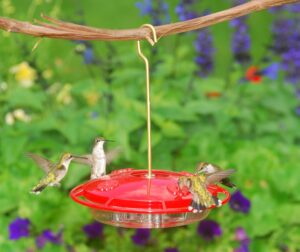
    A major component of any successful hummingbird garden is a dependable hummingbird feeder that is easy to clean and doesn’t leak.

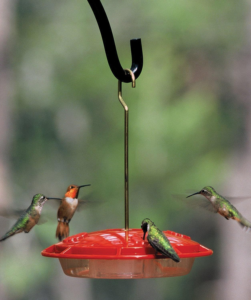
    One of the best Hummingbird feeders that’s easy to take apart and clean is the HummZinger Ultra.

    hummingbird feeder
    Hummzinger saucer Feeder

    Aspects 12oz HummZinger Ultra With Nectar Guard.

    The HummZinger Ultra 12oz Saucer Feeder is one of the best options for a hummingbird feeder that’s both easy to clean and maintain. This top-tier feeder features patented Nectar Guard tips—flexible membranes on the feeding ports that keep flying insects out while still allowing hummingbirds to feed freely. Plus, it comes with an integrated ant moat to prevent crawling insects from reaching the nectar, and the raised flower ports help divert rain, keeping the nectar fresh.

    With a 12 oz capacity, this mid-size feeder offers plenty of space and can be hung or mounted on a post using the included hardware. It has four feeding ports and is made from durable, unbreakable polycarbonate. Whether you’re concerned about bees, wasps, or ants, this feeder is built for easy cleaning and insect protection.


    Hummingbird Resources

    U.S. Fish and Wildlife Service – Hummingbird Conservation
    This site offers detailed information about various hummingbird species, their habitats, and conservation efforts. It also provides resources on how to protect these fascinating birds.

    National Park Service – Hummingbird Resources
    The National Park Service offers insights into hummingbird species found in national parks, their behaviors, and their role in ecosystems, along with tips for observing them.

    Smithsonian National Museum of Natural History – Birds: Hummingbirds
    This resource provides educational materials on the role of hummingbirds in pollination and biodiversity, backed by scientific research and exhibits from the Smithsonian.


  • The Best Hummingbird Plants for Northeastern United States

    The Northeastern United States is rich in native plants that provide nectar and habitat for hummingbirds, particularly the Ruby-throated Hummingbird. These plants thrive in the region’s temperate climate and are perfect for creating hummingbird-friendly gardens.

    Here’s why native plants are so important.

    A whole ecosystem is dependent on the native plants growing in that region. This video shows you how to fill your landscape with native flowers, bushes and trees that you don’t have to water or fertilize, and which support the wildlife and biodiversity of your area — from pollinators to birds and beyond. Featuring: serviceberry tree, joe pye, azalea, golden ragwort, rhododendron, oakleaf hydrangea, yellow and coral trumpet honeysuckle, obedient plant, hoary skullcap, American wisteria and more (zone 7).


    Native Flowers

    Here are 20 good native (or regionally native) hummingbird‑attracting plants suitable for the northeastern U.S.

    Spring into early summer

    Eastern red columbine (Aquilegia canadensis) – classic early‑spring nectar plant timed with ruby‑throat arrival.

    Bleeding heart (Dicentra eximia) – native Eastern dicentra with arching stems and nectar‑bearing, pendant hearts.

    Sweet William (Dianthus barbatus) is a classic cottage garden plant known for its dense clusters of richly colored flowers and spicy, clove-like fragrance. The flowers of Sweet William are nectar rich and favored by hummingbirds.

    Wild blue phlox (Phlox divaricata) is a graceful woodland perennial treasured for its soft, fragrant flowers that blanket shady spaces in spring.

    Foxglove beardtongue (Penstemon digitalis) – white tubular spikes in late spring; widely noted as a hummingbird plant.

    Summer standouts

    Bee balm / Oswego tea (Monarda didyma) – is a standout native plant for attracting hummingbirds, thanks to its vibrant blooms and specialized floral features. This perennial wildflower offers a combination of traits that make it irresistible to these energetic pollinators.

    Wild bergamot (Monarda fistulosa) – also known as Bee Balm, is a native perennial with several unique traits that make it highly appealing to hummingbirds. Its tubular flowers, abundant nectar, and adaptability contribute to its success as a hummingbird magnet.

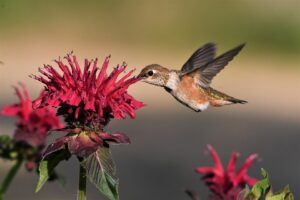
    rufous hummingbird feeding on bee balm


    Cardinal Flower (Lobelia cardinalis) – frequently ranked among the very best hummingbird plants. It’s a standout native plant for attracting hummingbirds, thanks to its vibrant red blooms and specialized floral structure. This perennial wildflower has evolved unique traits that make it particularly appealing to these energetic pollinators.

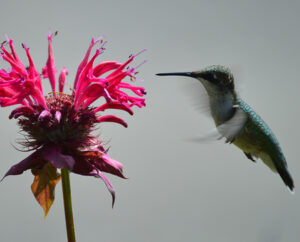
    Ruby-throated_Hummingbird_at_Cardinal_Flower

    Fire pink (Silene virginica) – bright red, narrow‑tubed blooms specialized for hummingbirds.

    Butterfly weed (Asclepias tuberosa) – orange milkweed with nectar that hummers will use in sunny, drier areas.

    Late‑season fuel for hummingbirds and moist‑area plants

    Great blue lobelia (Lobelia siphilitica) – late‑season blue spikes; valuable for migrating ruby‑throats.

    Swamp milkweed (Asclepias incarnata) – moist‑soil milkweed with clusters of nectar‑rich pink flowers.

    Jewelweed / spotted touch‑me‑not (Impatiens capensis) – key late‑summer native, heavily used by hummingbirds.

    Obedient plant (Physostegia virginiana) – late‑blooming pink/purple tubes; a good fall nectar source.

    Rough blazing star (Liatris aspera) is a striking native perennial known for its bold spikes of fluffy purple flowers that light up sunny gardens from late summer into fall.

    Additional native or regionally native perennials

    Purple coneflower (Echinacea purpurea) is a classic North American wildflower beloved for its daisy-like purple petals and bold, spiky central cones

    Garden phlox (Phlox paniculata), also called summer phlox, is a classic perennial known for its tall stems topped with large, fragrant flower clusters in mid to late summer.

    Royal catchfly (Silene regia) is a stunning native wildflower famous for its brilliant, scarlet-red blooms that look like tiny stars held high on slender stems. In full flower, it’s one of the most dramatic plants in a summer garden, standing 3–4 feet tall and drawing the eye from across a yard or prairie planting.


    Indian pink (Spigelia marilandica) – Indian pink is consistently ranked as one of the top hummingbird plants for shade and woodland gardens. Its flowers combine all the classic features of a hummingbird-adapted bloom:

    Fringeleaf wild petunia (Ruellia humilis) – The tubular, flared flowers of fringeleaf wild petunia are well-suited to small pollinators and, in some gardens, hummingbirds. The blossoms are nectar-producing, and their open-throated form allows access to small bees, butterflies, and skippers.


    Native Shrubs

    Here’s a general list of native hummingbird‑attracting shrubs suitable for most of the northeastern United States (roughly USDA Zones 4–6).

    Buttonbush (Cephalanthus occidentalis) – Moist‑soil shrub with round white “powder‑puff” flower balls in summer that draw many pollinators, including hummingbirds.

    New Jersey tea (Ceanothus americanus)-Hummingbirds are drawn to New Jersey tea indirectly. The shrub itself produces small, white, non-tubular flowers—not classic hummingbird blooms—but the dense insect activity around the flowers provides a reliable hunting ground. Hummingbirds will work the shrub both for its small nectar resources and, more importantly, for the tiny insects gathered among the blossoms.

    American elderberry (Sambucus canadensis) -Elderberry’s flowers are not tubular, so they’re not classic hummingbird blooms, but the shrub still plays a useful role in a hummingbird-friendly landscape. The large flower clusters are loaded with nectar and pollen and are highly attractive to bees, flies, beetles, butterflies, and other insects. Hummingbirds will visit the shrub both to sip small amounts of nectar and, importantly, to hunt insects among the blossoms.

    Witch hazel (Hamamelis virginiana) – Fall‑blooming shrub/small tree with spidery yellow flowers that extend nectar availability late in the year.

    Ninebark (Physocarpus opulifolius) – Tough shrub with clusters of small white or pinkish flowers that support insects and provide good cover and perches.

    Native azaleas / deciduous rhododendrons (such as Rhododendron viscosumR. periclymenoidesR. canadense) – Tubular, often fragrant blooms in spring–early summer that hummingbirds readily use.

    Serviceberry / shadbush (Amelanchier species) – Early white blossoms that support insects and provide structure, perches, and fruit in late spring.

    Chokeberry (Aronia melanocarpaA. arbutifolia) – White spring flowers and abundant fruit; good insect support and dense cover in a hummingbird garden.

    Why American Hazelnut Belongs in a Hummingbird Garden – American hazelnut (Corylus americana) doesn’t feed hummingbirds with nectar, but it’s a powerhouse “habitat shrub” that supports the insects, cover, and overall structure your hummingbird garden needs.

    Weigela: A Showy Shrub for Hummingbird Fans in the Northeast– Weigela (most commonly Weigela florida and its hybrids) is a deciduous shrub originally from East Asia. In spring, it produces clusters of funnel‑shaped flowers along the previous year’s stems. Those flowers are the main reason hummingbird gardeners plant it.

    Suggestion: gardeners can pair several of these shrubs with native flowering perennials (like bee balm, cardinal flower, and columbine) to create layered, season‑long hummingbird habitat across the Northeast.


    Native Vines

    Here’s a concise, Northeast‑friendly list of native (or regionally native) hummingbird‑attracting vines.

    Trumpet honeysuckle / coral honeysuckle (Lonicera sempervirens) – Native to the eastern U.S.; produces long, coral‑red tubular flowers from late spring through summer that are classic hummingbird magnets.

    Trumpet vine / trumpet creeper (Campsis radicans) – Vigorous woody vine with large orange‑red trumpet‑shaped flowers in summer that hummingbirds flock to. (Best for bigger spaces or wild edges because it spreads strongly.)

    Crossvine: A Native Powerhouse Vine for Hummingbirds – Wildlife and horticulture sources repeatedly call crossvine one of the best native vines for hummingbirds, and observers note Ruby‑throated Hummingbirds working the blooms intensively when the vine is in flower.

    Virginia Creeper’s Importance in Hummingbird Gardens (Parthenocissus quinquefolia) – When gardeners think about vines for hummingbirds in the Northeastern United States, they usually picture bold, tubular blooms like trumpet honeysuckle / coral honeysuckle or trumpet creeper. Virginia creeper looks different—five‑leaf clusters, small greenish flowers, and blue berries—but it quietly supports an enormous amount of wildlife.


    Note: trumpet honeysuckle is the safest, most “backyard‑friendly” hummingbird vine, and trumpet vine and crossvine need sturdy supports and room to roam.​

    For hummingbird vines like trumpet honeysuckle, trumpet vine, and crossvine, the key is strong, vertical supports with something thin for the stems to grab.

    Best types of supports

    Heavy trellis or panel on a wall or fence

    Use a sturdy wood or metal trellis, lattice, or welded‑wire panel securely fastened to posts, a fence, or a wall.

    This works well for trumpet honeysuckle and crossvine; they weave through the slats or wire and can be lightly tied at first.

    Pergola, arbor, or arch

    Ideal for large, vigorous vines like trumpet vine or crossvine that can reach 20–30 feet and get heavy with age.

    Use 4×4 or larger posts and strong crossbeams so the structure can handle weight and wind over many years.

    Free‑standing post with crossbar (“T‑post trellis”)

    A single 4×4 post with a short crossbar at the top, plus eye‑screws and wire, makes a compact support that shows off a coral honeysuckle vine without taking much space.

    Good for smaller yards or to place near hummingbird feeders.

    What vines need from the support

    Strength and depth: posts should be set at least 2 feet into the ground in concrete or tamped gravel so they do not lean as the woody vine thickens.

    Climbing “rungs”: add horizontal wires, garden netting, or thin battens every 8–12 inches so young stems have something to twine around; many honeysuckles prefer thin supports like wire or string over big, flat boards.

    Access and containment: avoid letting trumpet vine climb trees, siding, or gutters, since its aerial roots and suckers can damage structures and spread aggressively; give it its own strong frame instead.

    Simple setup example

    Drive two 4×4 posts about 6–8 feet apart, 2+ feet deep, and connect them at the top with a 2×4 crosspiece.

    Stretch galvanized wire or cattle‑panel between the posts to form a grid, then plant coral honeysuckle or crossvine at the base and loosely tie new shoots to the lower wires until they climb on their own.

    This kind of structure is strong enough for vigorous native vines, lets flowers hang where hummingbirds can easily reach them, and keeps the vine from taking over nearby trees or buildings.


    Plant them in sunny, weed‑free beds, match each species to its preferred soil and moisture, and group plants in patches so hummingbirds can feed efficiently.

    When to plant in the Northeast

    For potted perennials like bee balm, wild bergamot, great blue lobelia, butterfly weed, obedient plant, fire pink, foxglove beardtongue, cardinal flower, and eastern red columbine, the best times are spring (after the soil is workable) or late summer–early fall, about 6 weeks before your first frost. In the Northeast, fall planting usually runs from late August to mid‑October; spring planting can begin once the ground has thawed and is not waterlogged. Annual jewelweed is usually easiest from seed scattered on bare soil in fall or very early spring so it can naturally stratify.

    Site prep and spacing

    Choose mostly full‑sun spots for bee balm, wild bergamot, butterfly weed, obedient plant, foxglove beardtongue, and fire pink; use part‑shade to moist areas for cardinal flower, great blue lobelia, jewelweed, and columbine. Remove grass and weeds thoroughly, then lightly loosen the top few inches of soil; for natives, you usually do not need to add lots of compost or fertilizer. For a hummingbird bed, space most perennials about 12–24 inches apart and plant at least 5–8 of each species together so they form visible, nectar‑rich clumps.

    How to set each plant

    Dig a hole just wide enough for the root ball and plant so the crown (where stems meet roots) is at or slightly above soil level, then firm soil and water deeply. Keep new plants consistently moist for the first season, especially moisture‑lovers like cardinal flower, great blue lobelia, jewelweed, and obedient plant; butterfly weed and wild bergamot should not sit in soggy soil once established. Mulch lightly (1–2 inches) with shredded leaves or bark to hold moisture and suppress weeds, but keep mulch away from the plant crowns.

    Making it hummingbird‑friendly

    Aim for continuous bloom: columbine and foxglove beardtongue in spring; bee balm, wild bergamot, butterfly weed, fire pink, and jewelweed in summer; great blue lobelia and obedient plant into late summer and early fall. Avoid pesticides, since hummingbirds also eat small insects from these plants, and add a small water source plus a few perches (small trees, brushy edges) near your flower patches.


    Creating a Shade Garden for Hummingbirds: A Complete Guide

    If you are interested in a hummingbird shade garden, click on the link above.


    Natural Pest Control Methods for Your Hummingbird Garden

    Creating a thriving hummingbird garden is a rewarding experience. However, maintaining it while keeping pests at bay can be challenging. Fortunately, there are numerous natural pest control methods that can protect your garden’s delicate ecosystem. Click the link above to find out how to naturally control pests in your hummingbird garden.


  • Eastern Red Columbine: A Native Gem for Your Garden

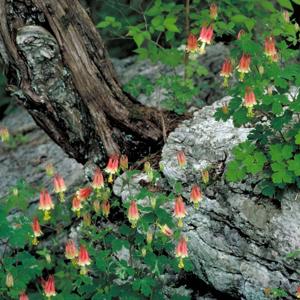
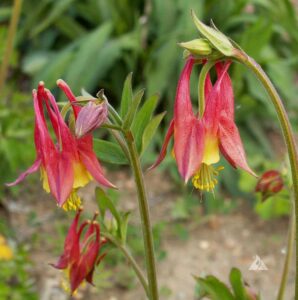
    The Eastern Red Columbine (Aquilegia canadensis) is a native perennial wildflower that brings vibrant beauty and ecological benefits to columbine, hummingbird attracting plantsgardens across the Eastern United States. Known for its striking red and yellow nodding flowers, this plant is a favorite among gardeners and pollinators alike.


    Key Characteristics

    Zones: 3–8

    Height: 2–3 feet

    Bloom Time: March–May

    • Features: Graceful, bell-shaped flowers with red spurs and yellow tips, complemented by delicate, fern-like foliage.

    The flowers’ unique shape gives the plant its scientific name, derived from aquila, Latin for “eagle,” as the spurs resemble an eagle’s talons. These blooms are not only visually stunning but also serve as a vital nectar source for hummingbirds, butterflies, and bees during early spring.

    Eastern columbine, Aquilegia canadensis is a perennial native wildflower that is easy to grow, attracts a wide range of pollinators, and is especially liked by hummingbirds. In addition, it is the sole host plant for the columbine duskywing butterfly, a type of skipper. If you love hummingbirds and bright showy wildflowers the eastern columbine is a must have for your garden! Watch the video and learn all about Eastern Columbine!


    Natural Habitat

    Eastern Red Columbine thrives in diverse environments, including rocky slopes, woodland edges, and cliffs. Its adaptability to various soil types—columbine, hummingbird attracting plantsprovided they are well-drained—makes it a versatile choice for naturalized areas or shade gardens. The plant’s ability to self-seed allows it to form colonies over time, creating a lush display in suitable conditions.


    Care and Maintenance

    This low-maintenance wildflower is both deer- and drought-resistant, making it an excellent option for gardeners seeking resilient plants. While it prefers light shade or dappled sunlight, it can tolerate full sun if the soil remains moist. To ensure healthy growth:

    Avoid overwatering during hot summers to prevent crown rot.

    Cut back spent flowers to encourage fresh foliage and potential reblooming.

    Remove other Aquilegia species nearby to prevent hybridization and preserve its native genetics.


    Watch the video and learn all the information you need to grow your own Columbine Flowers from seed, aka Wild Columbine, aka Eastern Red Columbine, Aquilegia canadensis. Grow this hardy perennial (USDA zones 3-8) in full sun to shade. Columbine will grow just about anywhere as long as the soil drains well. But in this video I teach you how to germinate columbine seeds, save seeds, identify Columbine, and numerous other tips from pests to diseases and how to avoid them. I also show you just how much Columbines Spread.


    Ecological Benefits

    Eastern Red Columbine is a powerhouse for pollinator support. Its tubular flowers are perfectly suited for hummingbirds, which act as primary pollinators. Additionally, butterflies and native bees benefit from its nectar. The plant’s foliage also serves as a host for certain caterpillar species.


    Garden Uses

    This adaptable plant fits seamlessly into various garden stylescolumbine, hummingbird attracting plants

    Woodland Gardens: Add color to shaded areas with its vibrant blooms.

    Pollinator Gardens: Support hummingbirds and other pollinators during their active seasons.

    Rock Gardens: Its natural affinity for rocky terrains makes it ideal for such settings.

    Cut Flower Arrangements: The long-lasting blooms add elegance to floral displays.


    Why Choose Eastern Red Columbine?

    With its stunning appearance, ecological value, and adaptability, Eastern Red Columbine is a must-have for gardeners looking to enhance their landscapes while supporting native wildlife. Whether planted in borders, naturalized areas, or under trees, this wildflower is sure to captivate with its charm and resilience.

    What are the unique characteristics of Eastern Red Columbine that make it attractive to hummingbirds

    Eastern Red Columbine (Aquilegia canadensis) is a native wildflower with several unique traits that make it highly appealing to hummingbirds. Its vibrant blooms, specialized floral structure, and ecological timing ensure it remains a favorite among these pollinators.

    • Bright Red and Yellow Flowers

    The striking red and yellow coloration of Eastern Red Columbine’s flowers is one of its most defining features. Hummingbirds are naturally drawn to bright colors, particularly red, which signals a rich nectar source. The nodding flowers stand out in woodland or garden settings, making them easy for hummingbirds to locate.

    • Talon-Shaped Spurs

    The flowers of Eastern Red Columbine feature elongated, tubular spurs filled with sweet nectar. These spurs are perfectly adapted to the long bills and tongues of hummingbirds, allowing them to access nectar deep within the flower. As hummingbirds feed, they inadvertently collect pollen on their heads and transfer it between flowers, ensuring successful pollination.

    • High Nectar Content

    Eastern Red Columbine produces nectar with a high sugar concentration, providing hummingbirds with the energy they need for their rapid flight and high metabolism. The nectar’s sugar content is notably higher than many other wildflowers, making it an essential food source during the birds’ migration period.

    • Seasonal Synchronization

    The blooming period of Eastern Red Columbine (March–May) coincides with the return of migrating Ruby-throated Hummingbirds in early spring. This co-evolution ensures that hummingbirds have access to abundant nectar just when they need it most after their long journey north.

    • Adaptability

    Eastern Red Columbine thrives in various conditions, from rocky woodlands to shaded gardens. Its ability to self-seed allows it to form large colonies over time, creating dense feeding grounds for hummingbirds.

    With its vibrant flowers, specialized spurs, and high nectar production, Eastern Red Columbine is a vital plant for attracting hummingbirds while supporting pollinator health in native ecosystems.

    Natural Pest Control Methods for Your Hummingbird Garden

    Creating a thriving hummingbird garden is a rewarding experience. However, maintaining it while keeping pests at bay can be challenging. Fortunately, there are numerous natural pest control methods that can protect your garden’s delicate ecosystem. Click the link above to find out how to naturally control pests in your hummingbird garden.

    A few additions that will make any garden more hummingbird friendly

    Provide nesting materials like cotton, pet fur, or plant fibers. You can place these materials in suet cages or spread them around your garden.

    hummingbird nesting material
    hummingbird nesting material
    solar powered hummingbird feeder with fountain
    solar powered fountain birdbath

    Water Sources

    Hummingbirds enjoy fresh water to drink and bathe. A shallow birdbath with a fine spray from a mister is ideal. Just make sure the water is changed regularly to keep it clean.
    Here’s a solar powered bird bath.

    Hummingbird misters at Amazon.com

    Install shallow bird baths with gently sloping edges. Hummingbirds prefer water sources that are no more than 1-1.5 inches deep.

    • hummingbird bird bath
    • Consider adding a mister or dripperto create moving water, which attracts hummingbirds. They often enjoy flying through fine sprays of water.

      hummingbird mister/fountain

    • A hummingbird perch is a good way to attract hummingbirds to a particular spot near your feeder
    hummingbird perches
    hummingbird perches

    A major component of any successful hummingbird garden is a dependable hummingbird feeder that is easy to clean and doesn’t leak.

    One of the best Hummingbird feeders that’s easy to take apart and clean is the HummZinger Ultra.

    hummingbird feeder
    Hummzinger saucer Feeder

    Aspects 12oz HummZinger UltraWith Nectar Guard.

    The HummZinger Ultra12oz Saucer Feeder is one of the best options for a hummingbird feeder that’s both easy to clean and maintain. This top-tier feeder features patented Nectar Guard tips—flexible membranes on the feeding ports that keep flying insects out while still allowing hummingbirds to feed freely. Plus, it comes with an integrated ant moat to prevent crawling insects from reaching the nectar, and the raised flower ports help divert rain, keeping the nectar fresh.

    With a 12 oz capacity, this mid-size feeder offers plenty of space and can be hung or mounted on a post using the included hardware. It has four feeding ports and is made from durable, unbreakable polycarbonate. Whether you’re concerned about bees, wasps, or ants, this feeder is built for easy cleaning and insect protection.


    Hummingbird Resources

    U.S. Fish and Wildlife Service – Hummingbird Conservation
    This site offers detailed information about various hummingbird species, their habitats, and conservation efforts. It also provides resources on how to protect these fascinating birds.

    National Park Service – Hummingbird Resources
    The National Park Service offers insights into hummingbird species found in national parks, their behaviors, and their role in ecosystems, along with tips for observing them.

    Smithsonian National Museum of Natural History – Birds: Hummingbirds
    This resource provides educational materials on the role of hummingbirds in pollination and biodiversity, backed by scientific research and exhibits from the Smithsonian.


  • How Can I Tell If My Hummingbird Feeder Needs Maintenance?

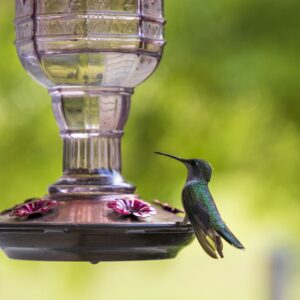
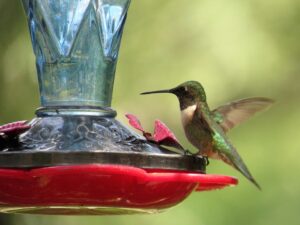
    Hummingbird feeders are a wonderful way to attract these fascinating birds to your yard, providing them with a supplemental energy source and hummingbird at feedergiving you a front-row seat to their dazzling aerial displays. However, feeders that are not properly maintained can quickly become hazardous rather than helpful. Dirty feeders can harbor mold, bacteria, and fermented nectar, all of which can harm hummingbirds. Understanding when your feeder needs maintenance and how to keep it clean is essential for anyone who cares about the well-being of these tiny birds.


    Why Regular Feeder Maintenance Matters

    Hummingbirds are highly sensitive to the quality of their food. In the wild, they feed from flowers that naturally replenish their nectar and rarely harbor dangerous mold or bacteria. Artificial feeders, however, can quickly become breeding grounds for harmful organisms if left unattended. Dirty feeders can cause:

    • Fungal Infections: Mold and fungus, especially black mold, can infect a hummingbird’s tongue, leading to swelling (a condition called “sour tongue”) that can prevent the bird from feeding and ultimately cause starvation.

    • Bacterial Growth: Bacteria thrive in sugary solutions, particularly in warm weather. These bacteria can cause illness or even death in hummingbirds.

    • Fermentation: Sugar water left too long will ferment, producing alcohol and off-putting odors. Fermented nectar is not only unpalatable but also potentially toxic to birds.

    • Insect Infestation: Unmaintained feeders can attract ants, bees, wasps, and other insects, which may deter hummingbirds from feeding or introduce additional contaminants.

    By keeping your feeder clean and well-maintained, you help ensure that your garden remains a safe and healthy stopover for hummingbirds.


    Signs Your Feeder Needs Maintenance

    Knowing what to look for is the first step in proper feeder care. Here are the most common and important signs that your hummingbird feeder needs attention:

    1. Cloudy or Murky Nectar

    Fresh nectar should be clear and colorless (unless you use colored feeders, which is not recommended). If the nectar appears cloudy, milky, or has floating particles, it’s a sign that bacteria or yeast are growing in the solution. Cloudy nectar should be replaced immediately.

    2. Visible Mold or Slime

    Check inside the feeder, especially around the feeding ports and seams. If you see black spots, filmy residue, or any kind of slimy buildup, mold or fungus is present. Mold can be deadly to hummingbirds and requires immediate cleaning of the feeder.

    3. Dead Insects

    It’s common for small insects to be attracted to the sweet nectar, but a buildup of dead insects inside the feeder or at the feeding ports is a clear sign that the feeder needs to be cleaned. Insects can introduce bacteria and other contaminants.

    4. Unpleasant Odor

    Take a sniff of the feeder. If you notice a sour, fermented, or otherwise unpleasant smell, the nectar has spoiled and the feeder needs a thorough cleaning and refill.

    5. Sticky Exterior

    Spilled nectar or leaks can make the outside of the feeder sticky, attracting ants, bees, and wasps. This not only deters hummingbirds but can also introduce more bacteria and mold. Wipe down the feeder’s exterior regularly.

    6. Reduced Bird Activity

    If you notice that hummingbirds are visiting less frequently or seem to avoid the feeder altogether, it could be because the nectar is spoiled or the feeder is dirty. Birds are sensitive to the quality of their food and will seek out cleaner, fresher sources if available.

    7. Nectar Left Untouched for Days

    If nectar remains in the feeder for more than 2–3 days in hot weather (or 4–5 days in cooler weather), it’s time to change it, even if it looks clear. Sugar water can spoil quickly, especially in the heat.

    8. Discoloration or Staining

    Over time, the plastic or glass of your feeder may become stained or discolored. While this doesn’t always mean the feeder is unsafe, it can indicate that residue is building up and that a thorough cleaning is overdue.

    9. After Rain or Storms

    If your feeder has been knocked over, filled with rainwater, or contaminated by dirt and debris during a storm, it should be cleaned before being refilled.

    10. Feeder Parts Not Functioning Properly

    If you notice cracks, leaks, or difficulty assembling/disassembling the feeder, it may need repair or replacement. Damaged feeders are harder to clean and can harbor bacteria in hidden crevices.


    General Maintenance Guidelines

    To keep your feeder in optimal condition, follow these general maintenance tips:

    • Clean and refill every 2–3 days in hot weather (above 80°F/27°C), and at least once a week in cooler weather.

    • Guide for when to change the nectarLetting the nectar ferment encourages mold growth, which makes the cleaning process more difficult. To avoid this, follow the chart below for recommended nectar changes based on the temperature. The hotter it gets, the more frequently you’ll need to replace the nectar.

      High temperatures…………Change after

      71-75……………………………6 days

      76-80……………………………5 days

      81-84……………………………4 days

      85-88……………………………3 days

      89-92……………………………2 days

      93+………………………………change daily

      Click on the link for a detailed guide to help you clean your hummingbird feeder, especially when mold starts to grow due to nectar not being changed in time.

    • Always clean before refilling. Don’t just “top off” old nectar with new—this can accelerate spoilage.

    • Disassemble the feeder completely to clean all parts, including feeding ports and bee guards.

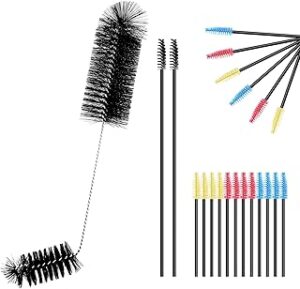
    • Use hot water and a bottle brush (or feeder brush) to scrub all surfaces. For stubborn mold, use a solution of 1 part white vinegar to 2–4 parts water, or occasionally a mild bleach solution (1 part bleach to 9 parts water). Rinse thoroughly and air dry before refilling.

    • Avoid using soap with strong scents or residue, as this can deter birds.

    • Inspect for damage each time you clean. Replace any cracked or broken parts.


    Quick Checklist: Is It Time to Clean?

    Ask yourself these questions:

    • Would I drink from this feeder?

    • Is the nectar clear and odorless?

    • Are there any visible bugs, mold, or slime?

    • Has it been more than 2–3 days (in hot weather) or a week (in cool weather) since the last cleaning?

    • Has the feeder been exposed to rain, wind, or other contaminants?

    If the answer to any of these questions is “no,” it’s time to clean your feeder.


    Tips for Preventing Problems

    • Place feeders in the shade to slow nectar spoilage and mold growth.

    • Use only plain white sugar and water (1 part sugar to 4 parts water). Do not use honey, brown sugar, or artificial sweeteners, as these can ferment faster or be harmful.

    • Avoid red dye—it is unnecessary and potentially harmful.

    • Keep a cleaning schedule or set reminders, especially during hot weather.

    • Have a spare feeder so you can swap them out for cleaning without leaving your birds hungry.


    Conclusion

    Proper maintenance of your hummingbird feeder is not just about aesthetics—it’s about the health and safety of the birds you want to help. By staying alert for signs of spoilage, mold, or contamination and following a regular cleaning routine, you provide a safe, healthy, and attractive feeding station for hummingbirds. Remember: clean feeders mean happy, healthy hummingbirds, and a more enjoyable birdwatching experience for you!

    If you keep up with these practices and watch for the signs outlined above, you’ll ensure your feeder remains a welcoming oasis for these incredible little birds all season long.


    Additional Hummingbird Resources

    Here’s a complete guide to attracting hummingbirds to your yard. It lists plants, vines and shrubs that are in bloom for spring, summer and fall. Your hummingbirds will always have flowers to feed on.

    How to Keep Bees and Ants Away From Your Hummingbird Feeder Not only will ants drink from the nectar, but they can also contaminate it, making it unsafe for the hummingbirds. 

    Here’s a great article that tells everything you need to know about how to choose the best place to hang your hummingbird feeder.

    Here’s the best designed hummingbird feeder to use. It’s leak proof, so it won’t attract insects and it’s easy to take apart and clean.

    Here’s a comprehensive guide to help you clean your hummingbird feeder for those times when the nectar is not changed soon enough and mold starts to grow.

    U.S. Fish and Wildlife Service – Hummingbird Conservation
    This site offers detailed information about various hummingbird species, their habitats, and conservation efforts. It also provides resources on how to protect these fascinating birds.

    National Park Service – Hummingbird Resources
    The National Park Service offers insights into hummingbird species found in national parks, their behaviors, and their role in ecosystems, along with tips for observing them.

    Smithsonian National Museum of Natural History – Birds: Hummingbirds
    This resource provides educational materials on the role of hummingbirds in pollination and biodiversity, backed by scientific research and exhibits from the Smithsonian.


  • Are Hummingbird Feeders Harmful? A Detailed Analysis

    Key Points from the Claim

    • Feeders with sugar water can harm hummingbirds, making them sick and disrupting pollination.hummingbird at feeder

    • Feeders can cause fungal growth, which kills hummingbirds.

    • Natural flowers and water are better for hummingbirds.


    What the Research Actually Shows

    1. Sugar Water Feeders and Hummingbird Health

    • Sugar water feeders can harbor bacteria and fungi, but most microbes found in clean feeders are not known to cause disease.

    • The real risk comes from dirty feeders. If not cleaned regularly, harmful bacteria and fungi can grow, potentially causing infections that can be fatal to hummingbirds.

    • Good practice: Clean feeders every 2–3 days (more often in hot weather), using only hot water.

    2. Feeders and Hummingbird Behavior

    • Feeders can change hummingbird behavior. Some species may spend more time at feeders and less at flowers, which can reduce pollination for some plants.

    • However, studies show that while feeders may increase local hummingbird numbers and change which species are present, they don’t necessarily disrupt pollination overall.

    3. Feeders vs. Natural Flowers

    • Hummingbirds are important pollinators, and their visits to flowers help many plants reproduce. Feeders do not provide this pollination bee balm and hummingbirdservice.

    • Planting native, nectar-rich flowers and fruit trees is the best way to support hummingbirds and pollination. Feeders should be a supplement, not a replacement.

    4. Fungal Growth in Feeders

    • Fungi can grow in feeders, especially if sugar water is left too long. This is only a problem if feeders aren’t cleaned frequently.

    • A feeder that’s easy to take apart and clean will be a great aid in maintaining regular feeder cleaning.One of the best Hummingbird feeders that’s easy to take apart and clean is the HummZinger Ultra.
      hummingbird feeder
      Hummzinger saucer Feeder

      The HummZinger Ultra 12oz Saucer Feeder is one of the best options for a hummingbird feeder that’s both easy to clean and maintain. This top-tier feeder features patented Nectar Guard tips—flexible membranes on the feeding ports that keep flying insects out while still allowing hummingbirds to feed freely. Plus, it comes with an integrated ant moat to prevent crawling insects from reaching the nectar, and the raised flower ports help divert rain, keeping the nectar fresh.

      With a 12 oz capacity, this mid-size feeder offers plenty of space and can be hung or mounted on a post using the included hardware. It has four feeding ports and is made from durable, unbreakable polycarbonate. Whether you’re concerned about bees, wasps, or ants, this feeder is built for easy cleaning and insect protection.

    5. Nutritional Concerns

    • Sugar water (1 part white sugar to 4 parts water) mimics the energy content of natural nectar but lacks vitamins, minerals, and protein. Hummingbirds get these nutrients from insects and pollen, which feeders do not provide.

    • Feeders are a supplement, not a complete diet. Hummingbirds will still seek out insects and flowers for full nutrition.


    Summary Table: Feeders vs. Flowers

    Aspect Feeders (Sugar Water) Natural Flowers
    Energy Source Yes (sugar) Yes (nectar)
    Nutrients (vitamins, protein) No Yes (via insects, pollen)
    Pollination No Yes
    Disease Risk High if dirty, low if clean Very low
    Behavioral Impact May reduce flower visits Natural behavior

    Conclusion

    • Feeders are not inherently killing hummingbirds. The main risk is from dirty feeders, which can lead to deadly infections.

    • Feeders can slightly reduce pollination of some flowers, but do not eliminate pollination or necessarily harm local ecosystems.

    • The best way to help hummingbirds is to plant native flowers and keep any feeders very clean (every 2–3 days, only white sugar and water, no dyes or honey).

    • Feeders should supplement, not replace, natural food sources.

    In summary:
    Feeders are safe if properly maintained, but natural flowers are always the healthiest and most beneficial option for hummingbirds and the environment.


    Related:

    What are the safest cleaning methods for hummingbird feeders

    Keeping hummingbird feeders clean is essential to protect the birds from harmful mold and bacteria. Here are the safest and most effective cleaning methods:

    1. Disassemble the Feeder

    • Take apart all removable parts, including feeding ports and bee guards, to ensure you can clean every nook and cranny.

    2. Rinse and Scrub

    • Rinse the feeder with hot water to remove leftover nectar.

    • Use a bottle brush or specialized feeder-cleaning brush to scrub the inside, paying close attention to small parts and feeding ports. Pipe cleaners or microbrushes can help with tiny openings.

    • Small bottle brushes and pipe cleaners are always helpful to dislodge mold inside the feeder and in the feeding ports. It is necessary to have a clean mold free feeder to attract hummingbirds and to keep them healthy.

    3. Cleaning Solutions

    • Dish Soap and Hot Water: Soak all parts in a mild dish soap and hot water solution for 10–60 minutes, then scrub thoroughly. Rinse very well to remove all soap residue.

    • Vinegar Solution: Soak the feeder in a mixture of 1 part vinegar to 2–4 parts water for 30 minutes to an hour. Scrub and rinse thoroughly with clean water. Vinegar is a natural disinfectant and leaves no harmful residue.

    • Bleach Solution (for deep cleaning): Occasionally, use a solution of 1 part bleach to 9 parts water to sanitize the feeder. Soak, scrub, and then rinse extremely well with clean water. Allow the feeder to air dry completely before refilling.

    4. Alternate Methods

    • Dishwasher: If your feeder is dishwasher-safe, you can run it through the dishwasher for a thorough clean (general maintenance only, not for moldy feeders).

    • Rice and Water: For hard-to-reach spots, add a small amount of rice with hot water and shake vigorously; the rice acts as a gentle abrasive to help scrub the inside.

    5. Frequency

    • Clean feeders every 2–3 days in hot weather, and at least once a week in cooler weather. Clean immediately if you see cloudy nectar or mold.

    • Guide for when to change the nectar

      Letting the nectar ferment encourages mold growth, which makes the cleaning process more difficult. To avoid this, follow the chart below for recommended nectar changes based on the temperature. The hotter it gets, the more frequently you’ll need to replace the nectar.

      High temperatures…………Change after

      71-75……………………………6 days

      76-80……………………………5 days

      81-84……………………………4 days

      85-88……………………………3 days

      89-92……………………………2 days

      93+………………………………change daily

      Click on the link for a detailed guide to help you clean your hummingbird feeder, especially when mold starts to grow due to nectar not being changed in time.

    6. Drying and Refilling

    • After cleaning, rinse all parts thoroughly to remove any cleaning solution residue.

    • Allow the feeder to air dry completely before refilling with fresh nectar.

    7. Additional Tips

    • Keep feeders in the shade to slow mold growth.

    • Designate brushes and cleaning tools for feeder use only to prevent cross-contamination.

    • Avoid using scented or colored soaps, and never use honey or artificial sweeteners in the nectar.

    By following these steps, you can ensure your hummingbird feeders remain safe and healthy for your feathered visitors.


  • Create a Hummingbird Haven: Native Midwest Plants for Pollinator Gardens

    The Midwest is home to many native plants that provide nectar and habitat for hummingbirds like the Ruby-throated Hummingbird. These plants thrive in the region’s diverse climates and are ideal for creating hummingbird-friendly gardens.

    Native Flowers

    Eastern Red Columbine (Aquilegia canadensis): A Native Gem for Your Garden

    • The Eastern Red Columbine (Aquilegia canadensis) is a native perennial wildflower that brings vibrant beauty and ecological benefits to columbine, hummingbird attracting plantsgardens across the Eastern United States. Known for its striking red and yellow nodding flowers, this plant is a favorite among gardeners and pollinators alike.


      Key Characteristics

      • Zones: 3–8

      • Height: 2–3 feet

      • Bloom Time: March–May

      • Features: Graceful, bell-shaped flowers with red spurs and yellow tips, complemented by delicate, fern-like foliage.

      The flowers’ unique shape gives the plant its scientific name, derived from aquila, Latin for “eagle,” as the spurs resemble an eagle’s talons. These blooms are not only visually stunning but also serve as a vital nectar source for hummingbirds, butterflies, and bees during early spring.


      Natural Habitat

      Eastern Red Columbine thrives in diverse environments, including rocky slopes, woodland edges, and cliffs. Its adaptability to various soil types—columbine, hummingbird attracting plantsprovided they are well-drained—makes it a versatile choice for naturalized areas or shade gardens. The plant’s ability to self-seed allows it to form colonies over time, creating a lush display in suitable conditions.


      Care and Maintenance

      This low-maintenance wildflower is both deer- and drought-resistant, making it an excellent option for gardeners seeking resilient plants. While it prefers light shade or dappled sunlight, it can tolerate full sun if the soil remains moist. To ensure healthy growth:

      • Avoid overwatering during hot summers to prevent crown rot.

      • Cut back spent flowers to encourage fresh foliage and potential reblooming.

      • Remove other Aquilegia species nearby to prevent hybridization and preserve its native genetics.


      Ecological Benefits

      Eastern Red Columbine is a powerhouse for pollinator support. Its tubular flowers are perfectly suited for hummingbirds, which act as primary pollinators. Additionally, butterflies and native bees benefit from its nectar. The plant’s foliage also serves as a host for certain caterpillar species.


      Garden Uses

      This adaptable plant fits seamlessly into various garden styles:columbine, hummingbird attracting plants

      • Woodland Gardens: Add color to shaded areas with its vibrant blooms.

      • Pollinator Gardens: Support hummingbirds and other pollinators during their active seasons.

      • Rock Gardens: Its natural affinity for rocky terrains makes it ideal for such settings.

      • Cut Flower Arrangements: The long-lasting blooms add elegance to floral displays.


      Why Choose Eastern Red Columbine?

      With its stunning appearance, ecological value, and adaptability, Eastern Red Columbine is a must-have for gardeners looking to enhance their landscapes while supporting native wildlife. Whether planted in borders, naturalized areas, or under trees, this wildflower is sure to captivate with its charm and resilience.

      What are the unique characteristics of Eastern Red Columbine that make it attractive to hummingbirds

      Eastern Red Columbine (Aquilegia canadensis) is a native wildflower with several unique traits that make it highly appealing to hummingbirds. Its vibrant blooms, specialized floral structure, and ecological timing ensure it remains a favorite among these pollinators.

      • Bright Red and Yellow Flowers

      The striking red and yellow coloration of Eastern Red Columbine’s flowers is one of its most defining features. Hummingbirds are naturally drawn to bright colors, particularly red, which signals a rich nectar source. The nodding flowers stand out in woodland or garden settings, making them easy for hummingbirds to locate.

      • Talon-Shaped Spurs

      The flowers of Eastern Red Columbine feature elongated, tubular spurs filled with sweet nectar. These spurs are perfectly adapted to the long bills and tongues of hummingbirds, allowing them to access nectar deep within the flower. As hummingbirds feed, they inadvertently collect pollen on their heads and transfer it between flowers, ensuring successful pollination.

      • High Nectar Content

      Eastern Red Columbine produces nectar with a high sugar concentration, providing hummingbirds with the energy they need for their rapid flight and high metabolism. The nectar’s sugar content is notably higher than many other wildflowers, making it an essential food source during the birds’ migration period.

      • Seasonal Synchronization

      The blooming period of Eastern Red Columbine (March–May) coincides with the return of migrating Ruby-throated Hummingbirds in early spring. This co-evolution ensures that hummingbirds have access to abundant nectar just when they need it most after their long journey north.

      • Adaptability

      Eastern Red Columbine thrives in various conditions, from rocky woodlands to shaded gardens. Its ability to self-seed allows it to form large colonies over time, creating dense feeding grounds for hummingbirds.

      With its vibrant flowers, specialized spurs, and high nectar production, Eastern Red Columbine is a vital plant for attracting hummingbirds while supporting pollinator health in native ecosystems.

      Video:

      How to Grow Columbine, Germinate Seed, Care for

      Grow this hardy perennial (USDA zones 3-8) in full sun to shade. Columbine will grow just about anywhere as long as the soil drains well. But in this video I teach you how to germinate columbine seeds, save seeds, identify Columbine, and numerous other tips from pests to diseases and how to avoid them. I also show you just how much Columbines Spread.


    • Cardinal Flower (Lobelia cardinalis): A Striking Magnet for Hummingbirds

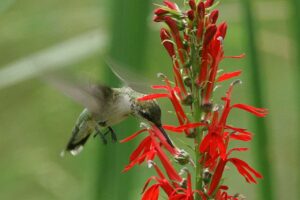
      The Cardinal Flower (Lobelia cardinalis) is one of the most stunning native plants in the Eastern United States, renowned for its vibrant red Ruby-throated_Hummingbird_at_Cardinal_Flowerblooms and its ability to attract hummingbirds. This perennial wildflower is a must-have for gardeners looking to create a pollinator-friendly landscape while adding a dramatic splash of color to their gardens.
      Key Characteristics

      • Zones: 2–9

      • Height: 3–4 feet

      • Bloom Time: July–September

      • Features: Tall spikes of bright scarlet, tubular flowers that stand out against lush green foliage.

      The Cardinal Flower’s brilliant red flowers are specifically designed to attract hummingbirds. Its tubular blooms are perfectly shaped for the long bills and tongues of these birds, ensuring easy access to its nectar. The bold red color is also highly visible to hummingbirds, who are naturally drawn to bright hues.


      Natural Habitat

      Cardinal Flowers thrive in moist environments such as stream banks, wetlands, and woodland edges. They prefer rich, consistently damp soil but can adapt to garden settings when provided with adequate moisture. Their natural habitat makes them an excellent choice for rain gardens or areas with poor drainage.


      Care and Maintenance

      While Cardinal Flowers require slightly more attention than some other native plants, they reward gardeners with spectacular blooms. To grow Cardinal flowere and hummingbirdthem successfully:
      • Plant in full sun to partial shade.

      • Keep the soil consistently moist, especially during hot or dry periods.

      • Mulch around the base to retain moisture and prevent weeds.

      • Allow plants to reseed naturally for continuous growth year after year.

      Ecological Benefits

      The Cardinal Flower is a powerhouse for pollinators. Its nectar-rich flowers are a favorite of hummingbirds, while butterflies and bees also benefit from its blooms. Additionally, it supports biodiversity by providing habitat for insects and small wildlife.


      Why Choose Cardinal Flower?

      The Cardinal Flower’s striking beauty and ecological importance make it an essential addition to any garden. Whether planted in borders, near water features, or in pollinator gardens, this native wildflower will captivate gardeners and hummingbirds alike while enhancing the health of local ecosystems.


      What are the unique characteristics of Cardinal Flower that make it attractive to hummingbirds

      Cardinal Flower (Lobelia cardinalis) is a standout native plant for attracting hummingbirds, thanks to its vibrant red blooms and specialized Cardinal Flowersfloral structure. This perennial wildflower has evolved unique traits that make it particularly appealing to these energetic pollinators.
      • Vivid Red Color

      The Cardinal Flower’s striking scarlet blossoms are one of its most defining features. Hummingbirds are naturally drawn to bright red hues, which signal a rich nectar source. The flowers’ intense coloration makes them highly visible to hummingbirds from a distance, ensuring the plant stands out even in dense vegetation.

      • Tubular Flower Shape

      The tubular structure of Cardinal Flower’s blooms is perfectly adapted to the long bills and tongues of hummingbirds. This design allows hummingbirds to easily access nectar deep within the flower while minimizing competition from other pollinators, such as bees and butterflies, which are less suited to the flower’s shape.

      • High Nectar Production

      Cardinal Flowers produce abundant nectar, a crucial energy source for hummingbirds. The plant’s bloom period, which lasts from midsummer to early fall, coincides with the time when hummingbirds are preparing for their southward migration. This makes it an essential food source during their most active feeding period.

      • Sequential Blooming

      The flowers on the tall spikes of Cardinal Flower open sequentially from bottom to top. This staggered blooming ensures a continuous supply of nectar over several weeks, keeping hummingbirds returning to the plant throughout its flowering season.

      • Adaptability to Moist Environments

      Cardinal Flower thrives in wet habitats such as stream banks, rain gardens, and wetlands—areas where hummingbirds often forage. Its ability to grow in shady or partially shaded spots also makes it accessible in diverse garden settings.

      • Pollination Partnership

      Hummingbirds play a crucial role in pollinating Cardinal Flowers. As they sip nectar, pollen is deposited on their heads and transferred between flowers, ensuring successful reproduction. This symbiotic relationship highlights the plant’s reliance on hummingbirds for survival.

      With its brilliant color, abundant nectar, and specialized floral design, Cardinal Flower is perfectly suited for attracting hummingbirds while enhancing any garden with its dramatic beauty.


    Video: Complete Guide To The Cardinal Flower, Lobelia Cardinalis

    This is a complete profile on the Cardinal Flower, Lobelia Cardinalis. In this video I will cover the following topics (time-stamped links); 00:04 – Intro 00:59 – What is the Cardinal Flower 01:28 – Benefits 02:45 – Identification 04:23 – Growing Conditions 04:58 – How to grow from seed 07:24 – Save seed from Cardinal Flower 08:43 – Establishment 09:57 – Wildlife 10:38 – Garden uses 11:09 – Review


    • Bee Balm (Monarda didyma): A Vibrant Favorite for Hummingbirds

      Bee Balm (Monarda didyma), also known as Scarlet Beebalm or Oswego Tea, is a native perennial that brings vibrant color and life to gardens bee balm and hummingbirdsacross the Eastern United States. Known for its striking red, pink, or purple flowers, this plant is a magnet for hummingbirds, butterflies, and bees. Its beauty and ecological benefits make it a must-have for pollinator-friendly landscapes.
       

      Key Characteristics

      • Zones: 4–9

      • Height: 2–4 feet

      • Bloom Time: June–August

      • Features: Dense clusters of tubular flowers atop square stems with aromatic, mint-like foliage.

      The bright, tubular blooms of Bee Balm are perfectly designed to attract hummingbirds. The flowers’ shape allows these birds to easily access the nectar while their vibrant colors act as a visual beacon. Bee Balm’s long bloom period ensures a consistent food source during the height of summer when hummingbirds are most active.


      Natural Habitat

      Bee Balm thrives in moist meadows, woodland edges, and along stream banks. It prefers rich, well-drained soil and full sun but can tolerate partial shade. Its ability to naturalize makes it an excellent choice for wildflower gardens or naturalized areas.


      Care and Maintenance

      Bee Balm is relatively low-maintenance but benefits from proper care:bee balm and hummingbird

      • Plant in full sun for optimal flowering.

      • Keep soil consistently moist but well-drained.

      • Thin plants regularly to improve air circulation and prevent powdery mildew.

      • Deadhead spent blooms to encourage continuous flowering.


      Ecological Benefits

      Bee Balm is a powerhouse for pollinators. Its nectar-rich flowers are a favorite of hummingbirds, while butterflies and native bees also benefit from its blooms. Additionally, its aromatic foliage deters deer and other garden pests.


      Why Choose Bee Balm?

      With its stunning appearance, ease of care, and ability to support pollinators, Bee Balm is an essential addition to any garden. Whether planted in borders, pollinator gardens, or naturalized spaces, this native wildflower will attract hummingbirds and add vibrant beauty to your landscape year after year.


      What are the unique characteristics of Bee Balm that attract hummingbirds

      Bee Balm (Monarda didyma) is a standout native plant for attracting hummingbirds, thanks to its vibrant blooms and specialized floral rufous hummingbird feeding on bee balmfeatures. This perennial wildflower offers a combination of traits that make it irresistible to these energetic pollinators.

      • Bright, Vibrant Colors

      Bee Balm blooms in striking shades of red, pink, purple, and sometimes white. Hummingbirds are naturally drawn to bright colors, particularly red, as they signal a rich nectar source. The vivid hues of Bee Balm make it easy for hummingbirds to spot from a distance, ensuring the plant stands out in any garden.

      • Tubular Flower Structure

      The tubular shape of Bee Balm’s flowers is perfectly suited to the long bills and tongues of hummingbirds. This design allows them to access nectar deep within the flower while minimizing competition from other pollinators like bees and butterflies. The flowers are held in dense clusters at the top of their stems, creating convenient feeding stations for hummingbirds.

      • Abundant Nectar Production

      Bee Balm is known for its high nectar output, making it one of the most reliable food sources for hummingbirds during their active summer months. Its long bloom period, typically from June to August, ensures a steady supply of nourishment throughout the season.

      • Continuous Blooming

      With proper care, such as deadheading spent flowers, Bee Balm can produce successive blooms throughout the summer. This extended flowering period provides hummingbirds with consistent access to nectar over several weeks.

      • Aromatic Foliage

      Bee Balm’s mint-scented foliage adds another layer of appeal. While not directly attracting hummingbirds, its fragrance deters deer and other pests, ensuring the flowers remain undisturbed for pollinators.

      • Adaptability

      Bee Balm thrives in sunny locations with moist but well-drained soil. Its ability to grow in diverse conditions makes it accessible in both small spaces and large pollinator gardens.

      With its vibrant colors, tubular flowers, and abundant nectar production, Bee Balm is a top choice for gardeners looking to attract hummingbirds while enhancing their landscape with bold beauty.

    Video: Bee Balm – Monarda Didyma – Complete Grow and Care Guide

    Bee Balm is a perennial wildflower with gorgeous red blooms that attracts hummingbirds. In this video I show you everything you need to know to grow this plant. I cover growing conditions, soil requirements, propagating from seed, propagating from division / cutting rhizomes.


    • Butterfly Weed (Asclepias tuberosa): A Vibrant Nectar Source for Hummingbirds

      Butterfly Weed (Asclepias tuberosa) is a stunning native perennial that brings vibrant orange blooms and ecological benefits to gardens across

      the Eastern United States. While it is best known for supporting butterflies, particularly monarchs, this hardy plant is also a favorite of hummingbirds, thanks to its abundant nectar and bright flowers.


      Key Characteristics

      • Zones: 3–10

      • Height: 1–3 feet

      • Bloom Time: June–August

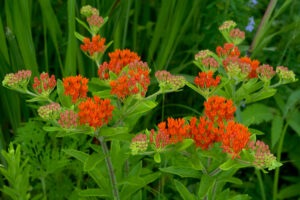
      • Features: Clusters of fiery orange, star-shaped flowers atop sturdy stems with narrow, lance-shaped leaves.

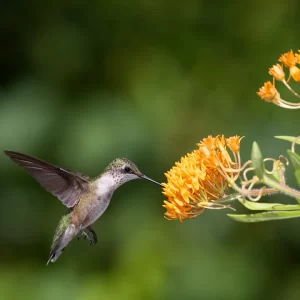
      The vivid orange flowers of Butterfly Weed are highly attractive to hummingbirds. The bright color acts as a visual signal, drawing them in from a distance. Its small, tubular blooms are perfectly designed to accommodate the long bills and tongues of hummingbirds, allowing them to access the nectar deep within.


      Natural Habitat

      Butterfly Weed thrives in sunny meadows, prairies, and along roadsides. It prefers well-drained soil and tolerates dry conditions, making it an excellent choice for xeriscaping or low-maintenance gardens. Its deep taproot allows it to survive in challenging environments, such as rocky or sandy soils.


      Care and Maintenance

      Butterfly Weed is easy to grow and requires minimal care:

      • Plant in full sun for optimal flowering.

      • Avoid overwatering; it thrives in dry to moderately moist soil.

      • Allow the plant to reseed naturally or collect seeds for propagation.

      • Avoid transplanting mature plants due to their deep taproots.


      Ecological Benefits

      In addition to attracting hummingbirds with its nectar-rich blooms, Butterfly Weed supports butterflies, bees, and other pollinators. It serves as a host plant for monarch butterfly caterpillars and produces seeds with silky fibers that aid in wind dispersal.


      Why Choose Butterfly Weed?

      With its vibrant flowers, ease of care, and ability to attract both hummingbirds and butterflies, Butterfly Weed is a standout addition to any pollinator-friendly garden. Its brilliant color and ecological importance make it a must-have for gardeners looking to support wildlife while adding natural beauty to their landscapes.

      Ecological Benefits

      In addition to attracting hummingbirds, Butterfly Weed supports butterflies, bees, and other pollinators. It also serves as a host plant for monarch butterfly caterpillars, further enhancing its ecological importance.

      With its vibrant color, specialized flower structure, and high nectar output, Butterfly Weed is

      a must-have plant for gardeners looking to attract hummingbirds while supporting native ecosystems.


       What are the unique characteristics of Butterfly Weed that make it attractive to hummingbirds

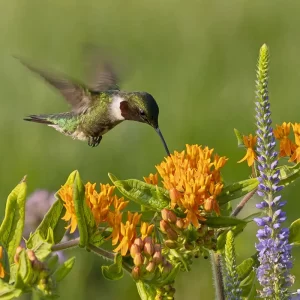
      Butterfly Weed (Asclepias tuberosa) is a vibrant perennial wildflower with several unique traits that make it highly appealing to Butterfly weed and hummingbird feeding on nectarhummingbirds. Its combination of bright colors, abundant nectar, and adaptability ensures it stands out as a reliable food source for these pollinators.
      • Bright, Eye-Catching Flowers

      The vivid orange to orange-yellow blooms of Butterfly Weed are one of its most striking features. Hummingbirds are naturally drawn to warm colors like orange and red, which signal a rich nectar source. The flat-topped clusters of flowers provide a prominent visual cue, making the plant easy for hummingbirds to locate.

      • Tubular Flower Design

      Each flower in the cluster has a tubular structure with reflexed petals and a crown-like center. This design is perfectly suited to the long bills and tongues of hummingbirds, allowing them to access nectar deep within the flower while minimizing competition from other pollinators.

      • Abundant Nectar Production

      Butterfly Weed produces copious amounts of nectar, making it an energy-rich food source for hummingbirds. Its long bloom period, lasting from late spring through summer, ensures a consistent supply of nectar during the peak feeding season for these birds.

      • Adaptability to Dry Conditions

      Hummingbirds often forage in open, sunny areas, and Butterfly Weed thrives in such environments. Its deep taproot allows it to grow in dry, well-drained soils, ensuring it continues to provide nectar even during droughts when other plants may struggle.

      • Ecological Benefits

      In addition to attracting hummingbirds, Butterfly Weed supports butterflies, bees, and other pollinators. It serves as a host plant for monarch butterfly caterpillars and produces seed pods that aid in wind dispersal.

      With its brilliant blooms, specialized flower structure, and high nectar output, Butterfly Weed is an essential addition to gardens designed to attract hummingbirds while supporting native ecosystems.


    Video: Complete Guide to Butterfly Weed – Grow and Care, Asclepias tuberosa

    This is a comprehensive video on how to Grow Butterfly Weed. Topics covered include:

    • What is Butterfly Weed?
    • Benefits of Butterfly Weed
    • Butterflyweed growing conditions and care
    • How to germinate Butterfly Weed Seed
    • Wildlife attracted to Butterfly Weed
    • Garden Uses of Butterfly Weed.


    Blue Lobelia (Lobelia siphilitica): A Hummingbird Magnet for Moist Gardens

    Blue Lobelia also known as Great Blue Lobelia or Blue Cardinal Flower, is a striking native perennial celebrated for its vivid blue blooms and its ability to attract hummingbirds and other pollinators.

    Key Characteristics

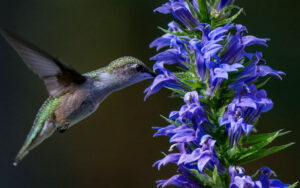
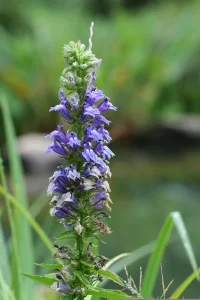
    Blue Lobelia features upright spikes of two-lipped, tubular blue flowers that bloom from mid-summer into fall. The plant grows as a clump-Blue Lobelia and a hummingbirdforming perennial, with lance-shaped green leaves and a tendency to self-seed under optimal conditions, sometimes forming attractive colonies in moist areas.
    Zone

    Blue Lobelia thrives in USDA Hardiness Zones 3–9, making it suitable for gardens across a broad range of climates.

    Height

    This perennial typically reaches 2 to 4 feet in height, with a spread of 1 to 1.5 feet, making it a standout in borders and wetland plantings.

    Bloom Time

    Blue Lobelia blooms from July through October, providing vibrant color and nectar late in the growing season when many other flowers have faded.

    Features

    • Showy spikes of blue, tubular flowers

    • Clump-forming, herbaceous perennial

    • Deer and rabbit resistant

    • Can self-seed to form colonies

    • Excellent for cut flowers and rainscaping

    Natural Habitat

    In the wild, Blue Lobelia is found along stream edges, in wetlands, wet meadows, ditches, thickets, fens, riverbanks, swamps, and floodplains. It is well adapted to moist, low-lying areas and is native to much of eastern and central North America.

    Light Requirements

    Blue Lobelia thrives in full sun to partial shade. While it tolerates some shade, especially in hotter climates, more sun generally results in more prolific flowering.

    Soil Preference

    This plant prefers moist to wet soils that are rich in organic matter. It can tolerate clay, loam, or sandy soils, but does not do well in drought or dry conditions.

    Growing Conditions

    • Plant in spring or fall in consistently moist soilBlue Lobelia bloom

    • Water regularly, especially during dry spells

    • Mulch to retain soil moisture and suppress weeds

    • Deadhead spent flower spikes to encourage reblooming

    • Allow to self-seed for naturalized colonies

    Ecological Benefit

    Blue Lobelia is a powerhouse for pollinators. Its nectar-rich flowers attract hummingbirds, butterflies, and a variety of native bees. The plant also provides habitat and food for beneficial insects, supporting overall garden biodiversity.

    Garden Uses

    • Rain gardens and water features

    • Borders and perennial beds

    • Native plant and pollinator gardens

    • Moist woodland edges and stream banks

    • Fresh cut flower arrangements

    Why Choose Blue Lobelia?

    Blue Lobelia offers a rare and vibrant blue color for late-season interest, supports a wide range of pollinators, and thrives in areas where many other plants struggle—namely, consistently moist or wet soils. Its deer and rabbit resistance, ease of care, and ability to naturalize make it a top pick for gardeners seeking beauty and ecological value.

    Unique Characteristics That Make Blue Lobelia Attractive for Hummingbirds

    Attractive Color

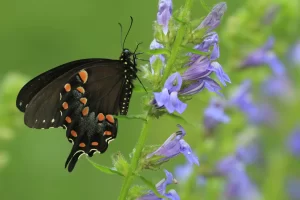
    The vivid blue flowers stand out in the landscape and are especially eye-catching to hummingbirds, even though they are more often drawn to Blue Lobelia and a butterflyred. The rarity of true blue in nature makes Blue Lobelia a beacon for pollinators.
    Flower Shape

    The tubular, two-lipped flowers are perfectly suited to the long bills and tongues of hummingbirds, allowing them to easily access the nectar deep within each bloom.

    Nectar Content

    Blue Lobelia produces generous amounts of nectar, providing a reliable and energy-rich food source for hummingbirds, especially during their late-summer feeding and migration periods.

    Blooming Sequence

    Flowers are arranged in vertical spikes and open sequentially from the bottom up, ensuring a steady supply of fresh nectar for hummingbirds and other pollinators over several weeks.

    Adaptability

    This plant thrives in a variety of moist environments, from full sun to partial shade and in multiple soil types, making it a dependable nectar source in many garden settings.

    Pollination Partnership

    As hummingbirds feed, they transfer pollen from flower to flower, ensuring successful reproduction for the plant and supporting healthy hummingbird populations—a classic win-win partnership.

    Conclusion

    Blue Lobelia (Lobelia siphilitica) is a stunning native perennial that brings late-season color, vertical interest, and vital ecological benefits to gardens. Its showy blue flowers, adaptability to wet conditions, and strong appeal to hummingbirds and other pollinators make it an essential addition for gardeners who value both beauty and biodiversity. Plant Blue Lobelia in your garden, and enjoy a vibrant, wildlife-friendly landscape from summer into fall.

    • Explore the beauty of Great Blue Lobelia (Lobelia siphilitica), a striking native plant perfect for adding vibrant blue blooms to your garden! This video covers everything you need to know about growing and caring for Great Blue Lobelia, including its ideal growing conditions, tips for planting, and how it benefits your garden ecosystem. Ideal for gardeners looking to enhance their outdoor spaces with native wildflowers!


    • Yellow Coneflower (Echinacea paradoxa): A Sunny Star for Pollinators and Gardens

      Yellow Coneflower, also known as Ozark Coneflower or Bush’s Purple Coneflower, stands out as the only member of the Echinacea genus with bright yellow petals instead of the typical purple. Native to limestone glades in the Ozarks of Missouri and Arkansas, this perennial’s unique color is its namesake paradox

      .

      Key Characteristics

      Yellow Coneflower features large, daisy-like blooms with drooping, golden-yellow petals surrounding a chocolate-brown, bristly central cone. The flowers are fragrant and reach up to 6 inches across. Its long, linear, dark green leaves grow in a clump at the base, while the flower stems rise well above the foliage

      .

      Zone

      This hardy perennial thrives in USDA zones 3 to 9, making it suitable for a wide range of climates across the Midwest and eastern United States

      .

      Height

      The foliage typically grows to about 18 inches tall, but the flower stems can reach up to 36 inches (3 feet), creating a striking vertical accent in the garden

      .

      Bloom Time

      Yellow Coneflower blooms from early to mid-summer, often starting in May or June and continuing into July. The long-lasting flowers provide vibrant color for several weeks

      .

      Features

      • Bright yellow, drooping ray petals

      • Chocolate-brown, bristly central cone

      • Fragrant, large blooms (up to 6 inches across)

      • Long, linear, dark green leaves

      • Drought-tolerant and deer-resistant

      • Excellent cut flower and dried flower

      Natural Habitat

      In the wild, Yellow Coneflower is native to limestone glades and prairies, particularly in the Ozarks. It is well-adapted to dry, rocky, or sandy soils but also thrives in humus-rich garden soil

      .

      Light Requirements

      Plant Yellow Coneflower in full sun for best flowering. It will tolerate light shade, but the most prolific blooms and strongest stems occur with at least six hours of direct sunlight daily

      .

      Soil Preference

      This coneflower prefers well-drained soils and is adaptable to clay, loam, sand, or chalk. It tolerates dry, moderate, and even rocky soil conditions, making it a resilient choice for challenging sites

      .

      Growing Conditions

      • Plant in a permanent location due to its deep taproot

      • Water regularly the first year; drought-tolerant once established

      • Low maintenance and deer-resistant

      • Deadhead to prolong bloom or leave seed heads for birds and winter interest

      • Propagate by seed or division; cold moist stratification improves seed germination

      Ecological Benefit

      Yellow Coneflower is a magnet for pollinators, attracting butterflies, bees, and other beneficial insects. After blooming, its seed heads provide food for goldfinches and other seed-eating birds, supporting garden biodiversity year-round

      .

      Garden Uses

      • Borders and perennial beds

      • Prairie and wildflower meadows

      • Native plant and pollinator gardens

      • Naturalized areas and slopes

      • Fresh and dried cut flower arrangements

      Why Choose Yellow Coneflower?

      Yellow Coneflower is more than just a beautiful addition to your garden—it’s a resilient, low-maintenance native that thrives in tough conditions, supports pollinators, and adds sunny, long-lasting color. Its adaptability to different soils and drought resistance make it a smart, sustainable choice for diverse landscapes

      .

      Unique Characteristics That Make Yellow Coneflower Attractive for Hummingbirds

      Attractive Color

      The bright yellow petals are highly visible and appealing, standing out in the landscape and drawing the attention of hummingbirds and other pollinators

      .

      Flower Shape

      The drooping, tubular-like ray petals and prominent central cone provide easy access for hummingbirds to perch and feed, while also accommodating their long beaks

      .

      Nectar Content

      Yellow Coneflower produces nectar-rich blooms, offering a reliable food source for hummingbirds, especially during their active summer months

      .

      Blooming Sequence

      Flowers bloom in succession from early to mid-summer, ensuring a steady supply of nectar over several weeks and keeping pollinators returning

      .

      Adaptability

      Its ability to thrive in a range of soil types and withstand drought means it can provide consistent nectar even in less-than-ideal garden conditions

      .

      Pollination Partnership

      As hummingbirds and other pollinators visit the flowers, they transfer pollen between blooms, ensuring successful seed production and a healthy ecosystem

      .

      Conclusion

      Yellow Coneflower (Echinacea paradoxa) is a standout native perennial that brings vibrant color, resilience, and ecological value to any garden. Its sunny blooms attract hummingbirds, butterflies, and birds, while its adaptability and low maintenance needs make it a favorite for gardeners. Plant Yellow Coneflower for a cheerful, pollinator-friendly landscape that thrives year after year.

    Echinacea Sombrero™ Lemon Yellow by Garden Splendor® is a superb hybrid selection of our native Coneflowers. David Wilson looks at a bed of it in Garden Splendor® nursery, and explains why we think so much of it and why you have to put it on your wish list.

    •  

    • Prairie Blazing Star (Liatris pycnostachya A Standout Native for Pollinators and Gardens

      Prairie Blazing Star is also sometimes called Cattail Gayfeather or Prairie Gayfeather.

      Key Characteristics

      • Tall, upright perennial with a bottlebrush-like spike of densely packed, rose-purple to lavender flowers.

      • Leaves are narrow, numerous, and arranged alternately along a coarse, hairy stem.

      • Flowers bloom from the top down-a unique trait among prairie plants.

      Zone

      Prairie Blazing Star thrives in USDA Hardiness Zones 3 through 9, making it suitable for a wide range of North American gardens.

      Height

      This species is the tallest of the blazing stars, typically reaching 3 to 5 feet in height, and sometimes up to 5 feet in optimal conditions.

      Bloom Time

      Prairie Blazing Star blooms from mid-summer to early fall, generally July through September, with some sources noting blooms as late as October or even December in warmer climates. The bloom period lasts about four weeks.

      Features

      • Showy, densely packed flower spikes in shades of lavender, pink, or purple.

      • Flowers are stalkless and cylindrical, giving a dramatic vertical accent to plantings.

      • Excellent cut flower, with blooms opening sequentially from the top down.

      • Deer resistant and drought tolerant once established.

      Natural Habitat

      Prairie Blazing Star is native to central and eastern North America, especially the tallgrass prairies, open rocky areas, and bluffs from Wisconsin and South Dakota south to Louisiana and east Texas.

      Light Requirements

      Full sun is essential for robust growth and upright stems. While it tolerates partial sun, too little sunlight can result in twisted or leaning stalks.

      Soil Preference

      • Prefers moist, well-drained soils but is adaptable to clay, loam, and sandy soils.

      • Tolerates poor-quality and rocky soils.

      • Slightly acidic to neutral pH is ideal; avoid excessively rich or heavy clay soils that retain winter moisture.

      Growing Conditions

      • Requires both sun and adequate moisture for best performance.

      • High drought and heat tolerance once established, but does not like prolonged wet winter soils.

      • Minimal fertilizer needs; thrives in average to poor soils.

      Ecological Benefit

      • Attracts a wide range of pollinators: butterflies (including Monarchs), bees (long-tongued, bumblebees, honeybees), skippers, and hummingbirds.

      • Host plant for several native moth species.

      • Seeds provide food for birds later in the season.

      • Recognized as having special value to native bees.

      Garden Uses

      • Ornamental borders, wildflower meadows, prairie and pollinator gardens, and naturalized plantings.

      • Pairs well with other native perennials such as Purple Coneflower, Rudbeckia, and prairie grasses.

      • Excellent as a cut flower due to its long-lasting and dramatic spikes.

      Why Choose Prairie Blazing Star?

      • Native plant resilience: adapts to local climates, supports local wildlife, and requires minimal care once established.

      • Provides vertical interest and bold color in the garden.

      • Long bloom period and sequential flowering extend garden interest and pollinator support.

      • Deer resistant and low-maintenance, making it ideal for sustainable landscapes.

      Unique Characteristics That Make Prairie Blazing Star Attractive for Hummingbirds

      Attractive Color

      The rose-purple to lavender blooms are especially appealing to hummingbirds, who are drawn to vibrant hues in the red, pink, and purple spectrum. These tall flower spikes act as “signposts” for hungry hummers throughout the summer and into fall.

      Flower Shape

      The densely packed, cylindrical spikes provide multiple nectar sources along the stem, allowing hummingbirds to forage efficiently.

      Nectar Content

      Blazing stars are known for their abundant nectar, making them a favorite not only for hummingbirds but also for butterflies and bees.

      Blooming Sequence

      Flowers open from the top down, providing a continuous supply of fresh blooms and nectar over several weeks.

      Adaptability

      Prairie Blazing Star tolerates a wide range of soil types and weather conditions, ensuring reliable blooms for pollinators even in challenging environments.

      Pollination Partnership

      By attracting hummingbirds, butterflies, and bees, Prairie Blazing Star supports a diverse pollinator community and contributes to healthy ecosystem functioning.

      Conclusion

      Prairie Blazing Star (Liatris pycnostachya) is a striking, resilient native perennial that delivers both beauty and ecological benefits. Its tall, vibrant flower spikes light up summer and fall gardens, while supporting hummingbirds, butterflies, bees, and other wildlife. Adaptable, low-maintenance, and a standout in any pollinator-friendly landscape, Prairie Blazing Star is an essential addition for gardeners seeking color, wildlife value, and sustainability.

    • Foxglove Beardtongue

    • Wild Sweet William

    • Lanceleaf Coreopsis

    Native Shrubs

    • Golden Currant

    • Buttonbush

    • New Jersey Tea

    Native Vines

    • Trumpet Creeper

    • Trumpet Honeysuckle

    Additional Favorites


    • Jewelweed (Impatiens capensis): A Natural Hummingbird Favorite

      Jewelweed (Impatiens capensis), also known as Spotted Touch-Me-Not, is a vibrant native wildflower that thrives in moist, shaded areas Jewelweed and hummingbirdacross the Eastern United States. Renowned for its bright orange, trumpet-shaped flowers, this plant is a favorite among hummingbirds and an essential addition to pollinator-friendly gardens.
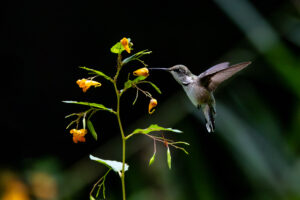
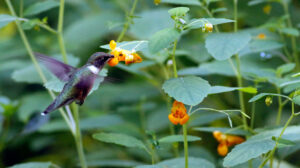
       

      Key Characteristics

      • Zones: 2–11

      • Height: 2–5 feet

      • Bloom Time: July–October

      • Features: Bright orange flowers with red spots and a tubular shape, paired with succulent, light-green stems.

      The unique structure of Jewelweed’s flowers is perfectly adapted to attract hummingbirds. Its tubular blooms are an ideal fit for their long bills and tongues, allowing them to access the plant’s abundant nectar. The vibrant orange color is another key feature that draws hummingbirds, as they are naturally attracted to warm tones.


      Natural Habitat

      Jewelweed thrives in damp environments such as stream banks, wetlands, and forest edges. It prefers partial to full shade and moist soil, making it an excellent choice for rain gardens or naturalized areas with poor drainage. In the wild, it often grows in dense colonies, creating a rich feeding ground for pollinators.


      Care and Maintenance

      Jewelweed is a self-sufficient plant that requires minimal care:Jewelweed and hummingbird


      • Plant it in moist, shaded areas with rich soil.

      • Allow it to self-seed naturally; its explosive seed pods ensure new plants will grow each year.

      • Avoid overwatering in already damp conditions.


      Ecological Benefits

      Jewelweed supports not only hummingbirds but also butterflies and bees. Additionally, it provides habitat for insects and its seeds are a food source for birds. The plant’s ability to outcompete invasive species like garlic mustard makes it ecologically valuable.


      Why Choose Jewelweed?

      With its vibrant flowers, ecological importance, and ability to thrive in challenging conditions, Jewelweed is an excellent choice for gardeners looking to attract hummingbirds while supporting native ecosystems. Its beauty and resilience make it a standout addition to any shade garden or wetland area.

      What are the unique characteristics of Jewelweed that attract hummingbirds

      Jewelweed (Impatiens capensis), also known as Spotted Touch-Me-Not, is a native annual wildflower with several unique traits that make it highly appealing to hummingbirds. Its vibrant flowers, nectar-rich blooms, and ecological timing ensure it plays a vital role in supporting these pollinators.

      • Bright Orange Flowers

      Jewelweed produces striking orange flowers with red spots, which are highly visible to hummingbirds. The bright coloration acts as a visual cue, Jewelweed and hummingbirdmaking the plant easy to locate in shaded or wet areas. Hummingbirds are naturally drawn to warm colors like orange and red, which signal a reliable nectar source.
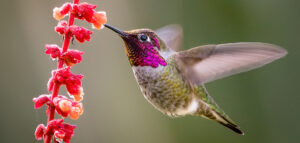
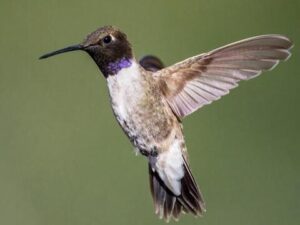
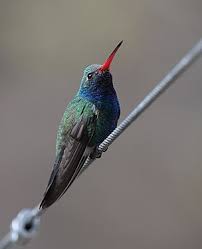
      • Tubular Nectar Spurs

      The flowers of Jewelweed feature curved, tubular spurs filled with nectar. These spurs are perfectly adapted to the long bills and tongues of hummingbirds, allowing them to access nectar deep within the flower. The unique structure ensures efficient pollination, as hummingbirds transfer pollen between flowers while feeding.

      • High Sugar Content in Nectar

      Jewelweed’s nectar is exceptionally rich in sugar, with concentrations reaching up to 40%. This is significantly higher than the nectar produced by many other plants (typically 20–33%), making it an energy-dense food source for hummingbirds. The high sugar content is particularly beneficial during migration when hummingbirds need to build energy reserves.

      • Seasonal Blooming

      Jewelweed blooms from late summer through fall, coinciding with the southward migration of Ruby-throated Hummingbirds. This synchronization ensures that Jewelweed serves as a critical food source when other nectar plants have finished flowering.

      • Dense Colonies

      Jewelweed often grows in large patches in damp environments like stream banks and wetlands. These dense colonies provide hummingbirds with abundant feeding opportunities, reducing their reliance on artificial feeders.

      With its vivid flowers, specialized spurs, and high-sugar nectar, Jewelweed is an essential native plant for attracting hummingbirds while supporting their migration and overall health.

    • Savanna Blazing Star

    These native plants are excellent choices for attracting hummingbirds, providing nectar-rich blooms throughout the growing season. Incorporating these species into your garden supports pollinators while enhancing the natural beauty of your landscape.


  • Spring Cleanup for a Hummingbird Garden: Protect Pollinators and New Life


    Spring Cleanup for a Hummingbird Garden: Protecting Overwintering Pollinators and Encouraging New Life

    Key takeaways

    • Waiting until daytime temperatures stay above about 50°F for at least a week lets overwintering butterflies, bees, moths, and other beneficial insects safely emerge before you start major cleanup.

    • Gentle cleanup methods—like leaving hollow stems 12–15 inches tall, moving leaf litter into beds, delaying mulch, and “chop and drop” debris—protect insect habitat while still preparing the garden for new growth.

    • These overwintering insects become critical early‑season pollinators and protein for returning hummingbirds, so a mindful approach directly supports hummingbird health and nesting success.

    • Avoid over‑tidying, pesticide use, and burning debris; instead pair careful cleanup with early‑blooming native flowers, clean water, and safe nesting materials to create a thriving spring hummingbird haven.

    As the days grow longer and temperatures begin to rise, gardeners everywhere feel the pull to tidy up their outdoor spaces. However, when it comes to a hummingbird garden, spring cleanup requires a mindful approach. Many pollinators—including butterflies, moths, native bees, and other beneficial insects—spend the winter in your garden as pupae, eggs, or dormant adults. Cleaning up too early or too aggressively can destroy their habitats before they have a chance to emerge. These insects not only play critical roles in pollination but also serve as important protein sources for hummingbirds returning from their winter migration.

    By understanding how and where these insects overwinter and timing your cleanup appropriately, you can protect these vital creatures while preparing your garden for the growing season. Here’s an in-depth guide on how to clean up your hummingbird garden mindfully, what insects to look out for, and when you can expect them to emerge.

    The Importance of Timing Your Spring Cleanup

    One of the most critical aspects of spring cleanup is knowing when to start. Many overwintering pollinators remain dormant until temperatures consistently rise above 50°F (10°C). Cleaning up too early can disrupt their life cycles and reduce their populations, which directly impacts your garden’s ecosystem and the food supply for hummingbirds.

    • Why Wait Until 50°F? Most pollinators are sensitive to temperature changes. They rely on consistent warmth to emerge from their winter shelters in leaves, stems, and soil. If you remove this debris too soon, you risk destroying their habitats.

    • Be Patient: While it may be tempting to tidy up your garden as soon as the snow melts or the first warm day arrives, it’s better to wait until daytime temperatures are consistently above 50°F for at least a week. This ensures that most pollinators have had enough time to wake up and leave their winter homes.


    How Insects Overwinter and When They Emerge

    To protect overwintering pollinators during your spring cleanup, it helps to understand where they spend the colder months and when they are likely to emerge.

    Hummingbird Moths

    • Where They Overwinter: Hummingbird moth caterpillars pupate in thin cocoons buried under leaf litter.

    • When They Emerge: Adults emerge in late spring (around May), when nectar-rich flowers like bee balm and monarda begin blooming.

    Luna Moths

    • Where They Overwinter: Luna moths spend winter as pupae inside cocoons nestled in piles of leaves or debris.

    • When They Emerge: Adults emerge in late spring or early summer, coinciding with night-blooming flowers.

    Eastern Black Swallowtails

    • Where They Overwinter: These butterflies overwinter as chrysalides camouflaged on plant stems or twigs.

    • When They Emerge: Swallowtails typically emerge in mid-to-late spring as host plants like dill and parsley start growing.

    Ground-Nesting Bees

    • Where They Overwinter: Many ground-nesting bees burrow into bare soil or nest beneath vegetation.

    • When They Emerge: Mining bees and mason bees emerge as early as April, while sweat bees appear later in May.

    Fireflies

    • Where They Overwinter: Firefly larvae hide in leaf litter or under logs throughout winter.

    • When They Emerge: Adults emerge in late spring or early summer as evening temperatures rise.

    Gnats

    • Where They Overwinter: Gnats lay eggs in moist soil or decaying leaves; larvae remain dormant until spring.

    • When They Emerge: Gnats are among the earliest insects to appear, emerging when temperatures rise above freezing.

    Ladybugs (Ladybird Beetles)

    • Where They Overwinter: Ladybugs hibernate in clusters under leaf litter or bark crevices.

    • When They Emerge: These beneficial beetles emerge in late spring to feed on aphids and other pests.

    “Best practices for spring garden clean‑up”

    Spring clean‑up doesn’t have to mean stripping your yard bare. Wildlife‑friendly guides now recommend a softer, slower approach that protects the insects, spiders, and seeds your hummingbirds depend on for food. Instead of one big “cleanup day,” tackle the yard in stages: clear the truly messy or unsafe areas first (paths, driveways, right around the house), then gradually thin out leaves and old stems in beds as temperatures warm and you start to see new growth. This staggered approach lets overwintering bees, butterflies, and other small creatures wake up and move out before you rake or cut everything down.

    When you do start cutting, trim old flower stalks down to about 8–12 inches instead of mowing them flat, and leave some leaves tucked under shrubs and in out‑of‑the‑way corners. Hollow stems and leaf litter shelter beneficial insects, and those insects become a vital protein source for hummingbirds when they return in spring, especially for nesting females feeding young. Focus your “tidy” efforts on spots where you walk, sit, or plant annuals, and give yourself permission to keep a few deliberately “messy” patches for nature. That way you still get a neat, welcoming garden, but you don’t accidentally throw away the food and shelter that help make your yard a true hummingbird habitat.

    How to Clean Up Mindfully: A Step-by-Step Guide

    When it’s finally time for spring cleanup, follow these steps to ensure you’re protecting overwintering pollinators while preparing your garden for new growth:

    1. Leave Hollow Stems Intact

    Many native bees hibernate inside hollow plant stems during winter. Instead of cutting these stems all the way down:

    • Trim stems back to about 12–15 inches above the ground. This height allows pollinators still inside the stems to emerge safely.

    • If you need to remove stems entirely, set them aside in an undisturbed area of your yard for a few weeks so any remaining insects can hatch naturally.

    2. Handle Leaf Litter Gently

    Leaf litter provides critical habitat for moths, butterflies, caterpillars, and fireflies.

    • Avoid raking aggressively; instead, gently move leaves into garden beds where they can decompose naturally.

    • Leave small piles of leaves undisturbed until late spring so insects have time to emerge.

    3. Delay Mulching

    Mulch is great for suppressing weeds and retaining moisture but can suffocate ground-nesting pollinators if applied too early.

    • Wait until late spring before applying mulch.

    • Use natural materials like shredded bark or straw that allow insects to burrow through easily.

    4. Inspect Shrubs and Branches

    Butterflies like swallowtails often overwinter as chrysalides attached to shrubs or branches.

    • Check branches carefully before pruning.

    • Leave any branches with cocoons intact until butterflies emerge.

    5. Chop and Drop Debris

    Instead of removing plant debris entirely:

    • Chop stems into smaller pieces and scatter them across garden beds. This allows beneficial insects to emerge while returning nutrients to the soil.

    • Let nature decompose plant material naturally.


    Supporting Hummingbirds During Spring Cleanup

    Hummingbirds rely on both nectar and protein sources during their migration back from wintering grounds. By protecting overwintering pollinators during cleanup, you ensure a steady supply of small insects like gnats and caterpillars that hummingbirds depend on for protein—especially females feeding their young.

    Here’s how you can further support hummingbirds:

    1. Plant Early-Blooming Flowers
      Include native plants like columbine (Aquilegia canadensis), wild geranium (Geranium maculatum), and redbud trees (Cercis canadensis) that bloom early in spring. Bulbs like crocus or grape hyacinth are also excellent options.

    2. Provide Clean Water Sources
      Install shallow birdbaths or use a mister; hummingbirds love flying through fine mists for drinking and bathing.

    3. Offer Nesting Materials
      Place soft fibers like cotton fluff (avoid synthetic materials), pet fur (if chemical-free), or natural mosses near shrubs or trees where hummingbirds may nest.

    Common Mistakes to Avoid

    Mindful spring cleanup means avoiding practices that could harm overwintering pollinators:

    1. Don’t over-tidy—leave some natural debris intact.

    2. Avoid pesticides—they harm both pollinators and hummingbirds by contaminating food sources.

    3. Don’t burn debris—burning destroys insect habitats entirely.

    Conclusion

    Spring cleanup in a hummingbird garden is about finding balance—tidying up enough to prepare your garden for new growth while leaving space for overwintering pollinators to emerge safely. By waiting until temperatures are consistently warm and adopting mindful practices like leaving stems intact and handling leaf litter gently, you create a thriving habitat that supports both pollinators and hummingbirds throughout the season.

    With patience and care, your garden will not only burst into life with vibrant blooms but also hum with activity as butterflies, bees, moths, fireflies, ladybugs—and of course—hummingbirds return to enjoy its bounty!

    Resources for Spring Garden Cleanup that Are Wildlife and Hummingbird- Friendly

    Backyard Ecology – “How to Do Spring Garden Cleanup for Pollinators and Wildlife” https://www.backyardecology.net/spring-garden-cleanup/


    Further reading on Spring Cleanup

    • How to do spring garden clean‑up for pollinators and wildlife – A step‑by‑step look at timing, what to cut, and what to leave so you protect bees, butterflies, and other beneficial insects as you tidy up. https://www.backyardecology.net/spring-garden-cleanup/

    • “Leave the leaves” and wildlife‑friendly clean‑up – Explains why keeping some leaves and plant stems in spring protects overwintering insects and other small creatures that birds and hummingbirds rely on for food.​ https://www.anacostiaws.org/blog/leave-the-leaves.html

    Frequently asked questions

    When is it safe to start spring cleanup in a hummingbird garden?
    It’s best to wait until daytime temperatures are consistently above 50°F for at least a week so overwintering pollinators have time to wake up and leave their winter shelters.

    Why is leaving stems and leaf litter important for hummingbirds?
    Hollow stems and leaf litter shelter pupae, chrysalides, and dormant adult insects that become early food and pollinators, supporting the insects hummingbirds rely on for protein.

    How should I handle old plant stems in spring?
    Rather than cutting stems to the ground, trim them to about 12–15 inches or move cut stems to a quiet corner so any bees or insects inside can still emerge.

    What’s a pollinator‑friendly way to deal with leaf litter and debris?
    Gently rake or move leaves into garden beds, leave some small piles until late spring, and use a “chop and drop” approach so debris decomposes in place while sheltering insects.

    Which common spring cleanup mistakes can harm pollinators and hummingbirds?
    Cleaning too early, over‑tidying every leaf and stem, using pesticides, and burning piles of debris can destroy habitat and food sources for both pollinators and hummingbirds.


  • Arizona: Attracting and Feeding Hummingbirds

    Arizona is a hummingbird enthusiast’s paradise, boasting an incredible diversity of species and habitats. With its arid deserts, lush riparian areas, and mountainous regions, the state provides a home or migratory stop for at least 15 species of hummingbirds. Whether you’re in Phoenix, Tucson, or a rural canyon, you can create a hummingbird-friendly environment that attracts these vibrant birds year-round. This guide will provide detailed insights into Arizona’s hummingbirds, native plants, and strategies for urban and rural settings.

    Hummingbird Species in Arizona

    Arizona is home to more hummingbird species than any other state in the U.S., making it a hotspot for birdwatchers. Here are some of the key species you might encounter:

    1. Anna’s Hummingbird (Calypte anna)

      • Range: Found year-round in central and southern Arizona, especially in urban areas like Phoenix and Tucson.

        Annas-Hummingbird
        Anna’s Hummingbird
      • Identification: Males have iridescent magenta crowns and throats, while females are olive-green with flecks of color on their chins.

      • Behavior: Known for their dramatic courtship dives and frequent visits to feeders.

    2. Black-chinned Hummingbird (Archilochus alexandri)

      Black-chinned-Hummingbird
      Black-chinned Hummingbird
      • Range: Common during spring and summer throughout Arizona’s riparian areas.

      • Identification: Males have a black throat with a violet band at the base; females are duller with white-tipped tails.

      • Behavior: Prefers shaded areas near water.

    3. Broad-billed Hummingbird  (Cynanthus latirostris)

      Broad-billed hummingbird
      Broad-billed hummingbird
      • Range: Breeds in southern Arizona canyons from March to October.

      • Identification: Males have bright blue throats and red bills with black tips; females are green with faint eye stripes.

      • Behavior: Often seen feeding at dusk.

    4. Costa’s Hummingbird (Calypte costae)

      Costa's hummingbird
      Costa’s hummingbird

      • Range: Found in the Sonoran Desert during spring and summer.

      • Identification: Males have striking purple crowns and throats that extend into flared “mustaches.”

      • Behavior: Adapted to hot, arid environments.

    5. Rufous Hummingbird (Selasphorus rufus)

      Rufous hummingbird
      Rufous hummingbird
      • Range: A migratory species passing through Arizona during spring and fall migrations.

      • Identification: Males are fiery orange with white chests; females are green with orange sides.

      • Behavior: Highly territorial at feeders.

    6. Broad-tailed Hummingbird (Selasphorus platycercus)

      Broad-tailed-Hummingbird
      Broad-tailed-Hummingbird
      • Range: Common in mountainous regions during summer breeding season.

      • Identification: Males have ruby-colored throats; both sexes have broad tails with green backs.

    Other notable species include the Violet-crowned Hummingbird, Blue-throated Mountain-gem, Lucifer Hummingbird, and Calliope Hummingbird.

    Seasonal Timing

    Understanding the seasonal habits of Arizona’s hummingbirds is crucial for attracting them:

    • Spring Arrival (March–April): Migratory species like Rufous and Black-chinned Hummingbirds arrive as early as March.

    • Breeding Season (May–August): Many species nest during this time; feeders are essential for supporting nesting females.

    • Fall Migration (August–October): Rufous Hummingbirds pass through again on their way south.

    • Year-Round Residents: Anna’s Hummingbirds can be seen throughout the year, particularly in urban areas.

    Feeding Guidelines

    Providing food through feeders is one of the easiest ways to attract hummingbirds:

    Nectar Recipe

    • Mix 1 part white granulated sugar with 4 parts water.

    • Boil briefly to dissolve sugar completely, then cool before filling feeders.

    • Avoid red dye or honey, which can harm hummingbirds.

    Feeder Maintenance

    • Clean feeders every 3–5 days in warm weather to prevent mold or fermentation.

    • Use a bottle brush to scrub hard-to-reach areas.

    • In cooler months, clean feeders weekly.

    • Guide for when to change the nectar

      Letting the nectar ferment encourages mold growth, which makes the cleaning process more difficult. To avoid this, follow the chart below for recommended nectar changes based on the temperature. The hotter it gets, the more frequently you’ll need to replace the nectar.

      High temperatures…………Change after

      71-75……………………………6 days

      76-80……………………………5 days

      81-84……………………………4 days

      85-88……………………………3 days

      89-92……………………………2 days

      93+………………………………change daily

      Click on the link for a detailed guide to help you clean your hummingbird feeder, especially when mold starts to grow due to nectar not being changed in time.

    Placement Tips

    • Place feeders near flowering plants to mimic natural feeding conditions.

    • Position them in shaded areas to keep nectar fresh longer.

    • Provide multiple feeders spaced apart to reduce territorial disputes.

    Native Plants for Hummingbirds

    Arizona’s native plants are perfectly adapted to attract hummingbirds while thriving in the state’s arid climate. Incorporating these plants into your garden creates a sustainable food source that complements feeders.

    VIDEO:A close look at Arizona’s 14 hummingbird species and where to find them.

    Top Native Plants for Arizona

    1. Ocotillo (Fouquieria splendens)

      • Tall spiny stems topped with bright red flowers in spring.

      • A vital nectar source during migration.

    2. Chuparosa (Hummingbird Bush) (Justicia californica)

      • Tubular red flowers bloom from late winter to spring.

      • Thrives in desert landscapes with minimal water.

    3. Desert Willow (Chilopsis linearis)

      • Produces fragrant pink or lavender flowers from spring through fall.

      • Ideal for riparian areas or xeriscaping.

    4. Hummingbird Trumpet (Epilobium canum)

      • Low-growing plant with fiery red flowers blooming late summer into fall.

      • Perfect for rock gardens or borders.

    5. Red Bird of Paradise (Caesalpinia pulcherrima)

      • Showy orange-red flowers attract hummingbirds throughout summer.

      • Thrives in full sun and heat.

    6. Sonoran Honeysuckle (Justicia sonorae)

      • A drought-tolerant shrub with orange tubular flowers that bloom year-round in warm climates.

    7. Parry’s Penstemon (Penstemon parryi)

      • Tall spikes of pink flowers bloom in early spring.

      • Easy to grow from seed and highly attractive to pollinators.

    8. Woolly Butterfly Bush (Buddleja marrubiifolia)

      • Compact shrub with orange ball-shaped flowers.

      • Provides nectar during summer months.

    9. Yucca Species

      • Stalks of creamy white flowers provide nectar while also attracting insects that hummingbirds eat.

    10. Golden Currant (Ribes aureum)

      • Yellow flowers bloom early in spring, providing food for migrating birds.

    Planting Tips

    • Group plants with similar water needs together (e.g., xeriscaping).

    • Use mulch to retain moisture around roots.

    • Avoid pesticides that could harm hummingbirds or their insect prey.

    • Incorporate flowering trees like mesquite or palo verde for shade and additional nectar sources.

    Expanded Urban Strategies

    Urban areas like Phoenix and Tucson offer plenty of opportunities to attract hummingbirds despite limited space:

    Container Gardening

    Container gardening is one of the most versatile and accessible ways to attract hummingbirds, especially in Arizona’s diverse climate. Whether you have a small patio, balcony, or even just a sunny windowsill, creating a hummingbird-friendly container garden can bring these vibrant birds right to your doorstep. Here’s an in-depth look at how to design, plant, and maintain a container garden that will keep hummingbirds coming back for more.

    Choosing the Right Containers

    The type of container you use can significantly impact the success of your hummingbird garden. Here are some key considerations:

    1. Size Matters:

      • Larger pots (at least 12–20 inches in diameter) are ideal because they retain moisture longer, reducing watering frequency in Arizona’s dry climate

      • .Smaller containers work well for compact spaces but may require more frequent watering.

    • Material Options:

      • Plastic: Lightweight and affordable, plastic containers are easy to move but may heat up quickly in full sun.

      • Ceramic or Terracotta: These materials add aesthetic appeal but can be heavy and prone to cracking in extreme temperatures.

      • Wire Baskets with Moss Liners: Perfect for hanging gardens, these allow planting on the sides for a fuller display

      • .Drainage:

        • Ensure all containers have drainage holes to prevent waterlogging, which can damage roots

    • .For larger containers, consider placing recycled water bottles or milk jugs at the bottom to reduce soil usage and improve drainage

      • .Creative Containers

      • Repurpose items like old wheelbarrows or wooden crates as unique planters. Adding drainage holes transforms them into functional garden pieces

      • .Selecting Plants for Containers

    Hummingbirds are drawn to flowers rich in nectar, particularly those with tubular shapes and bright colors like red, orange, and pink. Here are some top choices for container gardening in Arizona:

    1. Salvia (Sage):

      • Varieties like Autumn Sage (Salvia greggii) or Pineapple Sage (Salvia elegans) produce bright red blooms that hummingbirds love

      • .Salvia thrives in full sun and is drought-tolerant, making it ideal for Arizona’s climate.

    • Petunias:

      • Easy to grow and available in various colors, petunias are perfect for filling out containers and attracting hummingbirds

      • .Use trailing varieties like ‘Wave Petunias’ for a cascading effect.

    • Chuparosa (Justicia californica):

      • Known as the “hummingbird bush,” this native plant produces tubular red flowers that bloom from late winter into spring

      • .Lantana:

        • A hardy plant with clusters of nectar-rich flowers in vibrant shades of orange and yellow

    .Perfect for sunny spots and requires minimal care.

    • Penstemon (Beardtongue):

      • Parry’s Penstemon (Penstemon parryi) is a native favorite with tall spikes of pink flowers that bloom early in spring

      • .Fuchsia:

        • Ideal for hanging baskets, fuchsia produces dangling tubular flowers that hummingbirds adore

      • .Nasturtiums:

        • These edible plants feature bright orange or yellow blooms that attract hummingbirds while adding color to your garden.

    • Golden Currant (Ribes aureum):

      • Produces yellow flowers early in spring, providing nectar during migration periods

    .

    Designing Your Container Garden

    Creating an eye-catching container garden involves thoughtful arrangement and layering:


    • Layered Approach:
      • Place taller plants like salvia or penstemon in the center of the container.

      • Surround them with medium-sized plants such as lantana or petunias as fillers.

      • Add trailing plants like nasturtiums around the edges for visual interest

      • .Color Scheme:

        • Focus on red, orange, pink, and purple blooms to attract hummingbirds from afar

      • .Grouping Containers:

        • Arrange multiple containers together for greater impact and increased chances of visits from hummingbirds.

        • Adding Water Features

    Offer water in a way hummingbirds like

    Most people focus on feeders and flowers, but the right water feature can turn your yard into a hummingbird hangout. Hummingbirds prefer shallow, moving water—fine sprays, mists, and droplets on leaves—over deep, still birdbaths. Add a mister, dripper, or fine spray so hummingbirds can bathe in moving droplets on leaves or in a shallow basin.

    Consider adding a mister to create a gentle cloud of moving water; hummingbirds often fly back and forth through the mist, spreading their wings andhummingbird water fountain tails to bathe without getting waterlogged. Place misters near shrubs or small trees so the droplets collect on leaves, giving birds multiple places to sip and bathe.
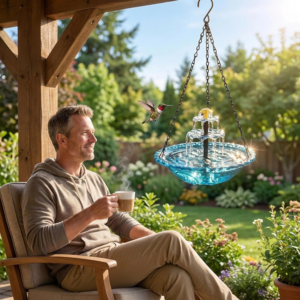


    You can also install a shallow birdbath Man at hummingbird water fountain with gently sloping edges—aim for no more than about an inch of water—so hummingbirds can stand safely at the edge or in very shallow water while they drink or splash.
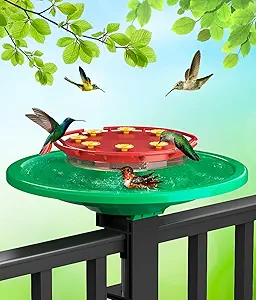
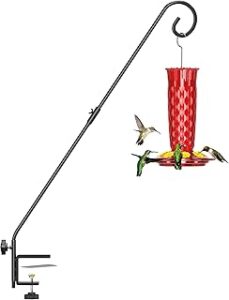
    Position water features near, but not directly over, key flower beds so birds can move easily between bathing and feeding.


    Placing Water Features for Maximum Hummingbird Activity

    Where you place your water features matters as much as what you choose.

    • Near cover, not in the open: Position water within a few feet of shrubs, small trees, or tall perennials so hummingbirds can retreat quickly if they feel threatened.

    • Partial shade: Light shade keeps water cooler and reduces evaporation while still allowing enough sun for droplets to sparkle.

    • Close to nectar plants and feeders: Place water features near your hummingbird‑friendly flowers and feeders so birds can easily move between feeding and bathing.

    • Safe viewing distance: Set features where you can see them from a window, patio, or garden bench, but not so close that frequent traffic scares birds away.

    If you have multiple water features, spread them around to reduce territorial conflicts and give more birds access.

    For a comprehensive guide on using water features, check out my article: How to Use Water Features to Attract Hummingbirds. This guide will walk you through the exact kinds of misters, drippers, and shallow baths hummingbirds prefer, how deep and how strong the water flow should be, where to place everything so birds feel safe, and how to keep it all clean without spending a lot of money.

    Placement Tips

    Strategic placement ensures your container garden is both functional and enjoyable:

    1. Sunlight Requirements:

      • Most nectar-rich plants require at least 6 hours of sunlight daily

      • . Morning sun is ideal as it prevents overheating during peak afternoon temperatures.

    • Visibility:

      • Position containers near windows or patios where you can easily observe visiting hummingbirds

    .

    1. Accessibility:

      • Ensure there’s enough open space around containers for hummingbirds to fly in and out freely.

    Care and Maintenance

    Proper care keeps your container garden thriving throughout the season:

    1. Watering:

      • Check soil moisture regularly by sticking your finger into the top 2 inches of soil

      • . Water when dry until excess flows out of the drainage holes.

    • Fertilizing:

      • Use slow-release fertilizers every 3 months to ensure consistent blooms

      • . Liquid fertilizers can be applied biweekly during peak growing seasons.

    1. Pruning:

      • Deadhead spent flowers to encourage new growth and maintain a tidy appearance.

    • Why Container Gardening Works Well in Arizona

      Arizona’s climate is uniquely suited for container gardening due to its variability across regions:

      1. In urban areas like Phoenix or Tucson, containers allow gardeners to create lush spaces despite limited ground space or poor soil quality.

      2. In rural areas, container gardens can supplement larger landscapes by adding concentrated nectar sources near patios or outdoor seating areas.

      3. The portability of containers makes it easier to move plants into shaded areas during extreme heat or protect them from frost during cooler months.

      By combining thoughtfully chosen plants with strategic placement and proper care techniques, you can create a stunning container garden that attracts hummingbirds year-round—even in Arizona’s challenging climate! Whether you’re working with a small balcony or expansive patio space, container gardening offers endless possibilities for bringing these flying jewels closer to home.

    Balcony Feeders

    Balcony setups can be highly effective:

    • Enhancing Your Balcony Setup

    • Hummingbirds enjoy fresh water to drink and bathe. A shallow birdbath with a fine spray from a mister is ideal. Just make sure the water is changed regularly to keep it clean.
    • Here’s a solar powered bird bath.
    • deck railing hummingbird feeder

      1. Flower Pots and Rail Boxes

    • Install compact feeders designed for small spaces.
    • Surround feeders with potted nectar-rich plants like fuchsia or lantana.

    • Use hanging baskets filled with petunias or calibrachoa to create a layered feeding environment.

    • Clamp-On Feeders: These feeders attach securely to balcony railings, saving space while keeping the feeder stable during windy conditions.

    • Deck Hook for Bird Feeder
      Deck Hook for Bird Feeder

    Expanded Rural Strategies

    Rural areas provide ample space to create expansive hummingbird habitats:

    Wildflower Meadows

    Transform open spaces into wildflower meadows:

    • Include native species like golden currant, desert willow, and firecracker penstemon.

    • Allow some areas to grow naturally without mowing.

    Water Features

    Add birdbaths or fountains near flowering plants:

    • Running water attracts thirsty birds while enhancing your landscape.

    • Ensure water features are shallow enough for small birds to use safely.

    • Hummingbirds enjoy fresh water to drink and bathe. A shallow birdbath with a fine spray from a mister is ideal. Just make sure the water is changed regularly to keep it clean.
      Here’s a solar powered bird bath.Hummingbird misters at Amazon.com
    • solar powered hummingbird feeder with fountain

    Tree Plantings

    Incorporate flowering trees like mesquite or palo verde:

    • Provide shade along with nectar-rich blooms.

    • Create windbreaks around gardens to protect feeding areas from strong gusts.

    Climate Challenges and Adaptations

    Arizona’s extreme heat poses unique challenges:

    • Use drip irrigation systems to keep plants hydrated without wasting water.

    • Plant heat-tolerant species like ocotillo or yucca that require minimal care.

    • Provide shaded feeding stations during peak summer temperatures.

    Special Tips for Arizonan Birders

    1. Visit hotspots like Madera Canyon, Ramsey Canyon Preserve, or Patagonia-Sonoita Creek Preserve for unparalleled birdwatching opportunities.

    2. Participate in citizen science programs such as Audubon’s Hummingbirds at Home to track sightings and contribute to conservation efforts.

    3. Install motion-sensitive cameras near feeders to capture close-up footage of visiting birds!

    Conclusion

    By focusing on native plants, tailored urban strategies, expansive rural solutions, and year-round support systems like feeders, you can create a thriving habitat for hummingbirds across Arizona’s diverse landscapes! Whether you’re welcoming migratory Rufous Hummingbirds or supporting Anna’s year-round residents, your efforts will ensure these incredible birds continue to flourish!

    Hummingbird Resources

    Here’s a complete guide to attracting hummingbirds to your yard. It lists plants, vines and shrubs that are in bloom for spring, summer and fall. Your hummingbirds will always have flowers to feed on.

    Here’s a great article that tells everything you need to know about how to choose the best place to hang your hummingbird feeder.

    Here’s the best designed hummingbird feeder to use. It’s leak proof, so it won’t attract insects and it’s easy to take apart and clean.

    Here’s a comprehensive guide to help you clean your hummingbird feeder for those times when the nectar is not changed soon enough and mold starts to grow.

    Here’s a guide to keeping ants and bees off your hummingbird feeder

    If you found this article helpful please share it with your friends using the social bookmarking buttons on the left side of this page.  Help everyone to increase their knowledge and enjoyment of feeding hummingbirds. Do it for the hummingbirds! It also helps my ranking so my information will be available to more people. The more people that see this vital information, the more the hummingbirds are helped. Thank for your help. The hummingbirds and I appreciate you very much!


  • Alaska: Attracting And Feeding Hummingbirds

    Hummingbirds in Alaska: Rufous, Anna’s, Feeders and Native Plants

    Key takeaways for Alaska hummingbirds

    • Rufous Hummingbird is the only hummingbird that commonly occurs and breeds in Southeast and Southcentral Alaska; Anna’s is a regular but uncommon visitor, and Costa’s appears only rarely.

    • Rufous Hummingbirds usually arrive in Southeast and Southcentral Alaska around early April and are most numerous from late spring through August.

    • Most Rufous leave by late August; Anna’s Hummingbirds are most likely from late August through late April, so feeders in coastal areas can host hummingbirds almost year‑round.

    • Use the standard 4‑to‑1 sugar‑water mix with no red dye and change nectar every 3–5 days in cool weather, or every 1–2 days during warm spells or if the feeder is in full sun.

    Small, easy‑to‑clean saucer‑style feeders with 8–12 oz capacity and built‑in ant moats work well in Alaska’s climate and make it realistic to keep nectar fresh.


    Alaska’s breathtaking wilderness is home to some of the most resilient wildlife on Earth, including hummingbirds. While many people associate these tiny birds with warmer climates, Alaska provides a seasonal haven for hummingbirds, particularly the Rufous Hummingbird and Anna’s Hummingbird. With careful planning and the right strategies, you can create a hummingbird-friendly habitat in Alaska, whether you live in a bustling city or a remote rural area. This expanded guide dives deep into how to attract and feed hummingbirds in Alaska, with a special focus on native plants, urban and rural strategies, and year-round support.

    Hummingbird Species in Alaska

    Alaska hosts two species of hummingbirds:

    1. Rufous Hummingbird

    Known for its fiery orange plumage, the Rufous Hummingbird is the most common species in Alaska. It is famous for its long migration journey, traveling thousands of miles from Mexico to Alaska each spring. Rufous Hummingbirds are highly territorial and aggressive at feeders but play an essential role as pollinators.


    Rufous Hummingbird in Michigan
    Rufous Hummingbird

    2. Anna’s Hummingbird

    Once rare in Alaska, Anna’s Hummingbirds are now increasingly spotted in coastal areas like Ketchikan due to milder winters and supplemental feeders. They have iridescent green backs and pink throats (males) and are unique for their ability to overwinter in colder climates.

    Annas-Hummingbird
    Anna’s Hummingbird

    Seasonal Timing

    Understanding when hummingbirds arrive and depart is key to supporting them:

    • Spring Arrival: Rufous Hummingbirds typically arrive in Southeast Alaska by mid-April or early May. Their arrival coincides with the blooming of early wildflowers like salmonberry.

    • Fall Departure: Most Rufous Hummingbirds migrate south by late August or early September as food sources dwindle.

    • Winter Sightings: Anna’s Hummingbirds may overwinter in coastal areas if feeders are maintained and temperatures remain moderate.

    Feeding Guidelines

    Feeding hummingbirds is one of the easiest ways to attract them to your yard. Follow these tips to keep them healthy:

    Nectar Recipe

    The ideal nectar recipe mimics natural flower nectar:

    • Mix 1 part white granulated sugar with 4 parts water.

    • Boil the mixture briefly to dissolve the sugar completely, then let it cool before filling feeders.

    • Avoid honey or red dye, as these can harm hummingbirds.

    What to look for in a feeder

      • Saucer (dish) design for easy cleaning and less leaking
        Saucer‑style feeders are low‑profile, resist wind, rarely leak, and are among the easiest to scrub, which encourages frequent cleaning.

      • Glass or high‑quality plastic you can see through
        Glass reservoirs don’t warp or discolor, are easier to keep clean, and warm more slowly than thin plastic; either clear glass or clear plastic lets you see nectar levels and cloudiness.

      • Bee guards and an ant moat
        Raised, bee‑resistant ports plus a built‑in or add‑on ant moat keep insects out while your layered plantings draw lots of pollinators.

      • Small–medium capacity (8–16 oz)
        In Connecticut, a 12–16 oz feeder is ideal near your flower beds—you’ll want to change nectar every 1–3 days anyway, so huge “big gulp” feeders aren’t necessary unless you have heavy traffic.

      • Perches at each port
        Circular perches let hummingbirds rest while feeding and make it easier for you to watch them working your layered planting.

    Use feeders to supplement, not replace, flowers

    Feeders add a reliable nectar source alongside your plants, especially during early spring and late fall when blooms may be sparse. Hang them where they’re visible from your best flower beds so hummingbirds can move naturally between blossoms and sugar water.

    If you’re tired of leaky bottle feeders and clouds of bees, this video shows why a simple saucer‑style Aspects feeder is a game‑changer in the hummingbird yard. You’ll see how its low nectar level, built‑in ant moat, bee‑resistant ports, and easy‑clean, US‑made design give you fresher nectar, fewer insects, and better hummingbird views—all backed by a true lifetime guarantee.


    “Why I recommend this feeder”

    Hummingbirds at feederOne of the best hummingbird feeders for any yard is the HummZinger Ultra 12‑oz Saucer Feeder. Its low, shallow bowl makes it easy to see the nectar level at a glance and reach every corner when you wash it, while the built‑in ant moat and included Nectar‑Guard tips help keep ants, bees, and wasps out of the sugar water. Raised flower ports divert rain so the nectar doesn’t get diluted, and a wrap‑around perch lets hummingbirds rest and feed comfortably, giving you longer, closer views. Made from durable polycarbonate in the USA and backed by Aspects with a true lifetime guarantee, it’s a feeder you can buy once and rely on season after season.


    Where to hang feeders in Alaskan yards

    • Hang feeders near flowers, shrubs, or small trees so hummingbirds have perches and quick cover from predators.

    • Aim for about 4–5 feet above the ground, where birds feel safe and you can easily reach the feeders.

    • Keep feeders a few feet away from large windows, or use decals/screens, to reduce collision risk.

    • Adding a few thin branches, wires, or swings nearby gives hummingbirds places to rest and watch over the feeders between visits.

    Hang it in the right spot and they will come!

    For a deep dive into perfectly placing your feeder for maximum results, check out my in‑depth guide on how to choose the best place to hang your hummingbird feeder.Discover exactly where to hang your hummingbird feeder for the best results. This complete guide walks you through sunlight and shade, height, distance from windows, wind and predator protection, and how close to place feeders to flowers so hummingbirds feel safe and visit often. You’ll also get practical tips on window feeders, hanging hardware, cleaning schedules by temperature, and simple tricks to stop ants and other pests.Check out the article for everything you need to turn one well‑placed feeder into a busy hummingbird hot spot.

    To reduce fighting among hummingbirds:

    • Use two or more small feeders rather than one big one.

    • Place feeders 10–15 feet apart or around corners so a territorial male can’t guard them all at once.

    Learn how hummingbird aggression impacts your backyard. This video explores territorial behavior and offers practical solutions for attracting more hummingbirds to your feeders. Discover several helpful strategies to encourage a more harmonious environment.


    How to be sure your nectar is always fresh

    It’s very important to keep fresh nectar in the feeder. Hummingbirds won’t feed at a dirty feeder and spoiled hummingbird nectar can be harmful to the hummingbirds. Sooner or later, the sugar in the nectar will ferment. The temperature of the outside air is what will determine how long the hummingbird food will stay fresh. The hotter the temperature, the sooner it will ferment and the sooner the nectar will have to be changed. Once the nectar starts to ferment it won’t be long before black specks of mold can be seen in the nectar and mold would be seen growing on your feeder. As a general rule, if the temp. is in the 60’s, the nectar should last about a week before needing changing. When the temp. gets out of the 60’s it will need changing sooner. Below is a chart that you can use as a guide to help keep your nectar fresh.

    High temperatures…………Change nectar after

    71-75……………………………6 days

    76-80……………………………5 days

    81-84……………………………4 days

    85-88……………………………3 days

    89-92……………………………2 days

    93+………………………………change daily

    This chart is only meant to be a general guide. It’s better to change the nectar a little sooner than to change it later, after the sugar starts to ferment. Along with the chart, a visual inspection of the nectar will tell you if it needs to be changed. Once the nectar starts to look cloudy, it needs to be changed. If it looks cloudy and has black specks of mold in it, you have waited too long. Moldy hummingbird food containing bacteria, can be harmful to the hummingbirds.

    If you would like a comprehensive guide to help you clean your hummingbird feeder especially for those times when the nectar is not changed soon enough and mold starts to grow, this is for you. Keeping your feeder truly clean is one of the most important—and most confusing—parts of feeding hummingbirds. This step‑by‑step guide shows you exactly how to clean a hummingbird feeder with vinegar or bleach, how often to change nectar at different temperatures, how to spot mold before it becomes a problem, and which feeder designs, brushes, and ant moats make the job much easier. It even covers how to keep bees and ants away and includes a video walk through, so if you’d like clear, simple instructions you can follow with confidence, this special comprehensive guide is for you!

    Winter Feeding

    Anna’s Hummingbirds rely heavily on feeders during winter. Use heated feeders or wrap feeders with heat tape to keep nectar liquid. Alternatively, bring feeders indoors overnight and place them outside early each morning.

    Native Plants for Hummingbirds

    Native plants are essential for creating a sustainable habitat for hummingbirds in Alaska. These plants provide natural nectar sources while supporting insects that hummingbirds rely on for protein.

    Top Native Plants

    1. Fireweed (Chamerion angustifolium)

      • A tall perennial with vibrant pink flowers that bloom from mid-summer to early fall.

      • Thrives in open meadows and disturbed areas.

    2. Western Columbine (Aquilegia formosa)

      • Features red and yellow tubular flowers perfect for hummingbirds.

      • Grows well in shaded or partially shaded areas.

    3. Salmonberry (Rubus spectabilis)

      • Produces pink flowers in spring that attract hummingbirds before transitioning to edible berries.

      • Common along forest edges and wetlands.

    4. Devil’s Club (Oplopanax horridus)

      • Known for its spiny stems but produces small clusters of flowers that attract insects and hummingbirds alike.

    5. Goatsbeard (Aruncus dioicus)

      • A shade-loving perennial with feathery white flowers blooming in late spring.

    6. Sitka Spruce (Picea sitchensis)

      • Provides essential perching and nesting sites for hummingbirds.

    7. Red Elderberry (Sambucus racemosa)

      • Produces clusters of small white flowers followed by red berries, supporting pollinators and wildlife.

    8. Bluebells (Mertensia spp.)

      • Early-blooming wildflowers with bell-shaped blue flowers that provide nectar during spring migration.

    9. Lupine (Lupinus nootkatensis)

      • Vibrant purple flowers offering nectar throughout the summer.

    10. Wild Currants (Ribes spp.)

      • Includes species like Wax Currant (Ribes cereum), which blooms early to support arriving Rufous Hummingbirds.

    Planting Tips

    • Group plants by blooming period to ensure continuous nectar availability from spring through fall.

    • Incorporate flowering shrubs like salmonberry alongside herbaceous perennials such as fireweed.

    • Avoid pesticides or herbicides, which can harm both hummingbirds and their insect prey.

    • Plant near water sources such as streams or ponds to mimic natural habitats.

    Creating Seasonal Blooms

    To ensure your garden supports hummingbirds throughout their stay:

    • Plant early bloomers like bluebells and salmonberry for spring arrivals.

    • Add mid-season bloomers like lupine and fireweed for summer sustenance.

    • Include late bloomers like goatsbeard for fall migration support.

    Urban Strategies For Attracting Hummingbirds In Alaska

    Even if you live in an urban area like Anchorage or Juneau, you can attract hummingbirds by creating small but effective habitats:

    Container Gardening

    Container gardening is ideal for urban spaces:

    1. Use large pots filled with native plants like fireweed or lupine.

    2. Include trailing plants such as nasturtiums or scarlet creeper to add vertical interest.

    3. Place containers on balconies or patios where they receive plenty of sunlight.

    4. Add compact shrubs like dwarf elderberry to larger containers for additional nectar sources.

    Balcony Feeders

    Balcony feeders are excellent for attracting Anna’s Hummingbirds year-round:

    1. Install compact feeders designed for small spaces.

    2. Use heated feeders during winter months to prevent freezing.

    3. Add potted plants like fuchsia or petunias around the feeder to create an inviting environment.

    4. Hang feeders near railing planters filled with nectar-rich flowers like nasturtiums or impatiens.

    Enhancing Urban Spaces

    Urban dwellers can maximize their space by:

    1. Installing vertical gardens with climbing plants like scarlet creeper on trellises.

    2. Using artificial flowers as visual lures near feeders while providing real nectar sources nearby.

    3. Adding small water features such as fountains or misters for bathing opportunities.

    Rural Strategies For Attracting Alaskan Hummingbirds

    For those living in rural areas with more space, there are many ways to create a thriving habitat for hummingbirds:

    Expansive Gardens

    Design large gardens featuring native plants like western columbine, salmonberry, and fireweed:

    1. Group plants with similar sunlight and soil requirements together.

    2. Incorporate flowering shrubs along property borders for additional nectar sources.

    3. Add taller trees like Sitka spruce near gardens for nesting sites.

    Wildflower Meadows

    Establish wildflower meadows with species such as lupine, bluebells, and goatsbeard:

    1. Allow some areas of your property to grow naturally without mowing.

    2. Include early-blooming plants to support migrating Rufous Hummingbirds.

    Tree Plantings

    Plant trees like Sitka spruce or red alder near your garden:

    1. Provide perching sites where hummingbirds can rest between feedings.

    2. Use trees as windbreaks to protect feeding areas from strong gusts.

    Water Features

    Add birdbaths, fountains, or misters near flowering plants:

    1. Running water attracts both insects and thirsty birds.

    2. Ensure water features are shallow enough for small birds to use safely.

    Provide safe perches and nesting cover

    Keep some shrubs, small deciduous trees, and a few dead or thin branches where hummingbirds can rest, display, and build nests. Avoid pruning everything into bare, tight shapes; a slightly softer outline with twiggy tips gives birds more places to sit and watch over feeders and flowers.

    A simple hummingbird swing or decorative perch placed a few feet from your feeder brings birds into perfect view and gives them a “guard post.”

    hummingbird perches
    hummingbird perches

    Hummingbirds may spend more time perched than many people realize, using these spots to rest, preen, digest nectar, and defend their favorite feeding areas. Once birds adopt a swing or perch, they often stay in the yard longer and make more frequent, relaxed visits.

    Offer water in a way hummingbirds like

    Consider adding a mister. Most people focus on feeders and flowers, but the right water feature can turn your Nebraska yard into a true hummingbird-mister-solar-water-fountain-bird-bathhummingbird hangout. Hummingbirds prefer shallow, moving water—fine sprays, mists, and droplets on leaves—rather than deep, still birdbaths. Add a mister, dripper, or fine spray so hummingbirds can bathe in moving droplets on leaves or in a shallow basin.


    You can also install a shallow birdbath with gently sloping edges with gently sloping edges—no more than about an inch of water—gives hummingbirds a place to sip and splash at the edge.Man at hummingbird water fountainPosition water features near, but not directly over, key flower beds so birds can move easily between bathing and feeding.


    Placing Water Features for Maximum Hummingbird Activity

    Where you place your water features matters as much as what you choose.

    • Near cover, not in the open: Position water within a few feet of shrubs, small trees, or tall perennials so hummingbirds can retreat quickly if they feel threatened.

    • Partial shade: Light shade keeps water cooler and reduces evaporation while still allowing enough sun for droplets to sparkle.

    • Close to nectar plants and feeders: Place water features near your hummingbird‑friendly flowers and feeders so birds can easily move between feeding and bathing.

    • Safe viewing distance: Set features where you can see them from a window, patio, or garden bench, but not so close that frequent traffic scares birds away.

    If you have multiple water features, spread them around to reduce territorial conflicts and give more birds access.

    For a comprehensive guide on using water features, check out my article: How to Use Water Features to Attract Hummingbirds. This guide will walk you through the exact kinds of misters, drippers, and shallow baths hummingbirds prefer, how deep and how strong the water flow should be, where to place everything so birds feel safe, and how to keep it all clean without spending a lot of money.


    Skip pesticides and let insects thrive

    • Avoid or greatly limit pesticides, especially systemic insecticides, because hummingbirds and their chicks rely heavily on tiny insects and spiders for protein.

    • A healthy, chemical‑free yard with native plants will naturally support more insects, which means more high‑quality food for hummingbirds.

    My article Natural Pest Control Methods for Your Hummingbird Garden shows readers they don’t have to choose between a healthy hummingbird garden and effective pest control. It explains exactly how to prevent and manage pests using natural methods—companion planting, encouraging “good bugs,” organic sprays like garlic, pepper, and neem, physical barriers, and smart traps—so they protect their plants without poisoning hummingbirds or the insects they eat. It also gives clear, season‑by‑season checklists and safety tips (like where not to spray, how to avoid harming pollinators, and how to keep pest control away from nests and feeders), making it easy to follow even if you’re new to organic gardening. If you want fewer pests, stronger plants, and a garden that’s truly safe for hummingbirds from spring through fall, this is the article for you!

    Keep Insects Away From Your Feeder

    Bees, wasps, and ant trails can quickly take over a hummingbird feeder, but you don’t have to give up and bring the feeder in. My detailed guide: How to Keep Bees and Ants Away From Your Hummingbird Feeder walks you through the safest, most effective ways to keep pests out of your nectar—using ant moats, bee‑resistant feeders, smarter placement, and even “decoy” feeders that draw insects away—so the sugar water stays clean and available for hummingbirds only. If you’re tired of fighting swarms on your feeders and want a simple plan that actually works, This guide is your proven answer!

    Sometimes, small insects like ants, bees and wasps won’t be the only pests raiding your hummingbird feeder. For those times when larger critters become a problem, check out my guide: Effective Tips For Pest Control At The Hummingbird Feeder.


    If you’re curious how your state compares to other parts of the country, you can see arrival and departure times for every state in my main guide, When to Feed Hummingbirds: A State‑by‑State Guide. It’s a handy overview if you travel, have relatives in other states, or just want to understand the bigger migration picture.


    Climate Challenges and Adaptations

    Alaska’s short growing season means it’s crucial to provide early-blooming plants and maintain feeders throughout the summer:

    • Use mulch around plants to retain soil moisture during dry spells.

    • Protect tender perennials from frost with row covers or by planting them near heat-retaining rocks.

    • Maintain heated feeders during winter months for Anna’s Hummingbirds.

    Special Tips for Alaskan Birders

    • Participate in citizen science programs like the Christmas Bird Count to document wintering Anna’s Hummingbirds.

    • Keep binoculars handy during migration seasons—Rufous Hummingbirds are known for their territorial displays!

    Conclusion

    By focusing on native plants, tailored urban strategies, expansive rural solutions, and year-round support systems like heated feeders, you can create a thriving habitat for hummingbirds even in Alaska’s challenging climate! Whether you’re welcoming Rufous Hummingbirds during their epic migration or supporting Anna’s Hummingbirds through winter, your efforts contribute significantly to their survival—and provide endless enjoyment watching these incredible creatures thrive!


    Alaska hummingbird FAQ

    What hummingbirds live in Alaska?
    Rufous Hummingbird is the only hummingbird that commonly occurs and breeds in Southeast and Southcentral Alaska. Anna’s Hummingbird is now a regular but still uncommon visitor in these regions, mainly in coastal Southeast and south‑central areas, while Costa’s Hummingbird is a rare casual visitor.

    When do hummingbirds arrive in Alaska?
    State‑by‑state timing guides note that hummingbirds reach Alaska from about early April through early May, with most first arrivals in late April or early May depending on latitude and elevation. BirdWatching Daily reports that Rufous Hummingbirds arrive in Southeast and Southcentral Alaska around the first week of April.

    When do hummingbirds leave Alaska?
    Rufous Hummingbirds typically depart Southeast and Southcentral Alaska by the end of August as they head south along their migration route. Anna’s Hummingbirds are most common in Alaska from late August through late April, so they may still appear at feeders after Rufous have gone.

    When should I put up hummingbird feeders in Alaska?
    Western timing guides suggest hanging feeders in Alaska by late March to mid‑April so they’re ready before the first migrants arrive. BirdWatching Daily specifically recommends having feeders up by the first week of April for Rufous Hummingbirds in Southeast and Southcentral Alaska.

    When should I take down hummingbird feeders in Alaska?
    Because Anna’s Hummingbirds now use feeders through fall, winter, and early spring in Southeast and Southcentral Alaska, BirdWatching Daily advises keeping feeders up year‑round in those regions. In colder interior or northern areas where hummingbirds are strictly summer visitors, it’s reasonable to take feeders down once no hummingbirds have visited for about two weeks at the end of the season.

    What is the best hummingbird nectar recipe for Alaska?
    Use the standard 4‑to‑1 mix recommended for other states: 1 part plain white sugar to 4 parts water, with no red dye added. Boil the water, dissolve the sugar, let it cool, and then fill clean feeders with clear nectar.

    How often should I change nectar in Alaska’s cooler climate?
    In cooler weather, experts say you can change nectar every 3–5 days as long as it stays clear and fresh. During any warm spells or if the feeder sits in full sun, switch to every 1–2 days and always change it immediately if the nectar looks cloudy or shows any black specks.

    Which feeder styles work best for Alaska hummingbirds?
    Small saucer‑style feeders around 8–12 ounces work well in Alaska because they’re easy to clean and let you offer fresh nectar in modest amounts that birds can finish quickly. Designs with built‑in ant moats and raised ports, like the Aspects HummZinger Ultra, also help keep insects out and reduce leaking during rainy coastal weather.

    What native or hardy plants attract hummingbirds in Alaska?
    Cold‑hardy, nectar‑rich blooms such as native or hardy columbines, penstemons, salvias, and honeysuckles are especially good for hummingbirds in northern gardens. National native‑plant resources suggest choosing locally adapted species via state‑by‑state plant finders so flowers match your region’s light and moisture conditions.

    Where can I learn more about hummingbirds in Alaska?
    The Alaska Department of Fish and Game has a detailed Rufous Hummingbird account that covers identification, range, and behavior in the state. BirdWatching Daily’s hummingbird season guide includes an Alaska section with arrival, departure, and feeder recommendations, and recent Alaska‑focused articles and blogs summarize the status of Rufous and Anna’s Hummingbirds in the “Last Frontier.”


    “Further resources for Alaska hummingbird watchers”

    Alaska Department of Fish and Game – Rufous Hummingbird (Alaska backyard birding account). https://adfg.alaska.gov/index.cfm?adfg=birdviewing.backyardbirds&species=rufoushummingbird

    BirdWatching Daily – “Hummingbird Season: When To Put Up & Take Down Your Feeders” (includes Alaska timing and year‑round feeder guidance). https://www.birdwatchingdaily.com/beginners/birding-faq/hummingbird-season/

    AlaskaExplored – “Hummingbirds in Alaska: Little Bird in Big Country” (overview of Rufous and Anna’s in Alaska). https://www.alaskaexplored.com/hummingbirds-in-alaska-little-bird-in-big-country/

    Budget101 – “State‑by‑State Guide to Hummingbird Arrivals” (Alaska arrival window). https://www.budget101.com/frugal-living/609437-hummingbird-arrival-times/

    Cornell Lab of Ornithology – Rufous Hummingbird (All About Birds). https://www.allaboutbirds.org/guide/Rufous_Hummingbird


  • Alabama Hummingbirds: Feeders, Nectar and Plants

    Hummingbirds in Alabama: Gulf Coast Arrivals, Feeders, and Native Plants

    Key takeaways for Alabama hummingbirds

    • Ruby‑throated Hummingbird is the only common breeding hummingbird in Alabama; several western and southern species show up as rare fall and winter visitors at feeders.

    • Ruby‑throats usually arrive around the second week of March (a bit earlier on the Coast) and are most active from late spring through early fall.

    • Most Ruby‑throats leave by late October or early November; put feeders up by the first week of March and take them down in mid‑November if no birds have visited for about two weeks.

    • Simple 4‑to‑1 sugar‑water nectar in easy‑to‑clean feeders, plus frequent cleaning in Alabama’s heat and humidity, keeps birds healthy.

    • Layered plantings with coral honeysuckle, bee balm, cardinal flower, and other native tubular blooms provide nectar, insects, and cover from spring through fall.

    Alabama hummingbird basics

    Alabama sits in the heart of Ruby‑throated Hummingbird country, so most yards can see hummingbird activity from early spring into fall. Ruby‑throated Hummingbirds are the only hummingbirds that commonly live and breed in Alabama, nesting in wood edges, yards, and along rivers and creeks across the state. They arrive in March, raise one or two broods, then migrate out again in fall. In addition, Alabama is known among birders for hosting several western or southern hummingbirds as rare fall and winter visitors at feeders.

    What hummingbirds do you get in Alabama?

    For almost everyone in Alabama, Ruby‑throated Hummingbird is the An adult male ruby-throated hummingbirdeveryday hummingbird at feeders and flowers. It’s the smallest breeding bird in the state, with males showing the familiar ruby‑red throat and forked tail, and females and juveniles a clean green‑and‑white pattern without the red gorget. Outdoor Alabama notes that Ruby‑throateds nest widely in the state and can raise two or sometimes three broods per season when conditions are good.

    But Alabama’s hummingbird list is much longer than just

    Rufous hummingbird
    Rufous hummingbird

    Ruby‑throats. Hummingbird specialist lists show that Rufous and Black‑chinned Hummingbirds winter “rarely but regularly” in Alabama, and other species such as Buff‑bellied, Allen’s, Calliope, Broad‑tailed, Anna’s, Rivoli’s, Costa’s, Broad‑billed, and Mexican Violetear have all been recorded as rarities. Most of these extra species show up at late‑fall or winter feeders, especially when people keep at least one feeder going and watch carefully for anything that doesn’t look like a Ruby‑throat.

    Summary:

    • Common, regular species: Ruby‑throated Hummingbird (breeds statewide).

    • Rare fall/winter visitors: Rufous and Black‑chinned regularly but rarely, plus occasional Allen’s, Buff‑bellied, Calliope, Broad‑tailed, Anna’s, Rivoli’s, Costa’s, Broad‑billed, and Mexican Violetear.


    When do hummingbirds arrive and leave Alabama?

    Because Alabama is in the lower South, it sees Ruby‑throated Hummingbirds relatively early. BirdWatching Daily notes that Ruby‑throats arrive in Alabama “about the 2nd week of March.” Outdoor Alabama says hummingbirds typically migrate into Alabama in March, with numbers building through spring and peaking again just before fall migration. Southern region guides and migration videos describe coastal Alabama as part of the earliest arrival zone, where a few Ruby‑throats can show up by late February in warm years, but mid‑March is the reliable window for most of the state.

    Peak hummingbird activity usually runs from late spring through early fall. Outdoor Alabama mentions higher numbers in June and July when young birds are present, and then another surge in August and September as Ruby‑throats fuel up for migration. BirdWatching Daily reports that most Ruby‑throats depart Alabama around the first week of November, although Outdoor Alabama also notes that many birds appear to leave by September or early October, especially away from the Coast.

    • First arrivals: mostly mid‑March, with a few early birds possible in late February in southern/coastal Alabama.

    • Peak season: late spring through early fall, with strong activity in June–July and again in August–September.

    • Most leave: by late October to early November; many inland areas see numbers drop by late September or early October.


    When to put up and take down feeders in Alabama

    When to put feeders out

    For a state‑specific rule, BirdWatching Daily recommends that Alabama birders “put out your hummingbird feeders by the first week of March.” Outdoor Alabama states that hummingbirds typically migrate into the state in March, and regional hummingbird timing guides show Alabama in the “late February to mid‑March” arrival band. Many local birders simply aim for March 1 as an easy date to remember.

    Summary:

    • Put at least one feeder out by the first week of March across Alabama.

    • If readers are on or very near the Gulf Coast and don’t mind getting ready early, suggest hanging a feeder in late February to catch the earliest migrants.

    When to take feeders down

    BirdWatching Daily advises taking down feeders in Alabama “in mid‑November if you haven’t seen any hummingbirds in 2 weeks.” Outdoor Alabama notes that hummingbirds typically leave the state by September or early October, but that’s focused on the main migration rather than the rare wintering birds. Because Alabama regularly hosts winter hummingbirds, people who enjoy watching for rarities often keep at least one feeder up and coordinate with local birding groups if something unusual appears.

    • For most homeowners: it’s fine to take feeders down in mid‑November once no hummingbirds have visited for about two weeks.

    • For people who enjoy winter hummingbirds: keep at least one feeder up and report any non‑Ruby‑throats or late birds to local birding groups.

    Reminder: migration is controlled by changing day length and internal changes, not feeders, so leaving feeders up does not prevent hummingbirds from migrating.

    You may be in Alabama if you see this!


    Best hummingbird nectar recipe

    The best nectar recipe for Alabama is the standard mix recommended by national organizations: 1 part plain white sugar to 4 parts water. Boil the water, stir in the sugar until it dissolves, then let it cool before filling clean feeders; there’s no need for red dye because the red parts of the feeder are enough to attract hummingbirds.

    Because Alabama summers are hot and humid, nectar spoils quickly. In hot weather above about 70°F, change nectar every 1–2 days, even if the feeder isn’t empty; in cooler spells below about 70°F, change it every 3–5 days. Always change the nectar right away if it looks cloudy, stringy, or has any black specks, since those are signs of fermentation or mold and can be harmful to hummingbirds.

    All about nectar: how to utilize its magic to the fullest extent!

    Safe, homemade nectar is the single most important thing you can offer hummingbirds—and it’s much easier than many guides make it sound. This page walks you through the exact 4:1 sugar‑water recipe, when (and whether) to boil, how much nectar to use for different feeder sizes, and how often to change it in various temperatures so it never ferments or grows mold. You’ll also see which ingredients to avoid, how to keep feeders truly clean, and simple ways to stop ants, bees, and wasps from taking over so the nectar stays available for the birds that need it.

    If you’ve ever wondered why your nectar spoils so fast, whether you’re cleaning correctly, or where to place your feeder so hummingbirds actually use it, this guide gives you clear answers plus links to deeper how‑tos on feeder placement, cleaning, water features, and building a full hummingbird‑friendly yard. Click on the link and it’s all yours!

    A clean hummingbird feeder is a must!

    Here’s my comprehensive guide to help you clean your hummingbird feeder especially for those times when the nectar is not changed soon enough and mold starts to grow. Keeping your feeder truly clean is one of the most important—and most confusing—parts of feeding hummingbirds. This step‑by‑step guide shows you exactly how to clean a hummingbird feeder with vinegar or bleach, how often to change nectar at different temperatures, how to spot mold before it becomes a problem, and which feeder designs, brushes, and ant moats make the job much easier. It even covers how to keep bees and ants away and includes a video walk through, so if you’d like clear, simple instructions you can follow with confidence, this special comprehensive guide is for you!

    Click here to get cleaning brushes for your hummingbird feeder

    hummingbird feeder cleaning brushes
    hummingbird feeder cleaning brushes

    Where to hang feeders in Alabama yards

    Alabama yards range from shady, wooded lots to sunny open lawns, but the placement basics are similar:

    • Hang feeders near flowers, shrubs, or small trees so hummingbirds have perches and quick cover from predators.

    • Aim for about 4–5 feet above the ground, where birds feel safe and you can easily reach the feeders.

    • Keep feeders a few feet away from large windows, or use decals/screens, to reduce collision risk.

    Because heat is a big factor in Alabama, I suggest placing feeders where they get morning sun and afternoon shade to keep nectar from spoiling as quickly. In storm‑prone areas, choose spots somewhat sheltered from wind so feeders don’t swing wildly in thunderstorms.

    Adding a few thin branches, wires, or swings nearby gives hummingbirds places to rest and watch over the feeders between visits.

    Hang it in the right spot and they will come!

    For a deep dive into perfectly placing your feeder for maximum results, check out my in‑depth guide on how to choose the best place to hang your hummingbird feeder.Discover exactly where to hang your hummingbird feeder for the best results. This complete guide walks you through sunlight and shade, height, distance from windows, wind and predator protection, and how close to place feeders to flowers so hummingbirds feel safe and visit often. You’ll also get practical tips on window feeders, hanging hardware, cleaning schedules by temperature, and simple tricks to stop ants and other pests.Check out the article for everything you need to turn one well‑placed feeder into a busy hummingbird hot spot.

    To reduce fighting among hummingbirds:

    • Use two or more small feeders rather than one big one.

    • Place feeders 10–15 feet apart or around corners so a territorial male can’t guard them all at once.

    Learn how hummingbird aggression impacts your backyard. This video explores territorial behavior and offers practical solutions for attracting more hummingbirds to your feeders. Discover several helpful strategies to encourage a more harmonious environment.


    Creating a hummingbird‑friendly yard in Alabama

    Here’s how to turn a typical Alabama yard into true hummingbird habitat, with the right mix of flowers, feeders, perches, and water so Ruby‑throated and winter hummingbirds feel safe enough to visit often and stay longer.

    Plant layers of native vegetation

    Combine small trees, shrubs, vines, and flowering perennials to create a tiered garden with cover and perches at different heights. Native plants support more insects and spiders for hummingbirds to eat and offer nectar‑rich, tubular flowers the birds are naturally drawn to.

    Layered planting example for an Alabama yard
    In a sunny Alabama yard, you can build a layered planting that keeps hummingbirds coming back from early spring through fall. Along a fence or the back of a bed, train coral honeysuckle (Lonicera sempervirens) up a simple trellis or arch to provide a tall wall of red tubular flowers that bloom over a long season. In front of that, mass scarlet bee balm (Monarda didyma) and similar bee balms every 18–24 inches to give mid‑summer color and nectar. Along the front edge and in moist spots, plant groups of cardinal flower (Lobelia cardinalis), which Alabama native‑plant advocates consistently cite as one of the most reliable hummingbird magnets. This three‑layer mix works in suburban borders or rural yards and gives hummingbirds safe cover, perches, and nectar from spring through late summer.

    Plan for blooms from spring through fall
    Include early, mid‑season, and late‑blooming plants so something is always flowering when hummingbirds are present in Alabama. Plant in groups or drifts rather than single plants so hummingbirds can feed efficiently and find flowers more easily.

    My detailed guide The Art of Attracting Hummingbirds to Your Yard offers seasonal plant lists and layering ideas, making it easy for Alabama birders to choose a few plants for sun and shade that will keep flowers in bloom all season long.


    Use feeders to supplement, not replace, flowers

    Feeders add a reliable nectar source alongside your plants, especially during early spring and late fall when blooms may be sparse. Hang them where they’re visible from your best flower beds so hummingbirds can move naturally between blossoms and sugar water.

    If you’re tired of leaky bottle feeders and clouds of bees, this video shows why a simple saucer‑style Aspects feeder is a game‑changer in the hummingbird yard. You’ll see how its low nectar level, built‑in ant moat, bee‑resistant ports, and easy‑clean, US‑made design give you fresher nectar, fewer insects, and better hummingbird views—all backed by a true lifetime guarantee.


    “Why I recommend this feeder”

    Hummingbirds at feederOne of the best hummingbird feeders for any yard is the HummZinger Ultra 12‑oz Saucer Feeder. Its low, shallow bowl makes it easy to see the nectar level at a glance and reach every corner when you wash it, while the built‑in ant moat and included Nectar‑Guard tips help keep ants, bees, and wasps out of the sugar water. Raised flower ports divert rain so the nectar doesn’t get diluted, and a wrap‑around perch lets hummingbirds rest and feed comfortably, giving you longer, closer views. Made from durable polycarbonate in the USA and backed by Aspects with a true lifetime guarantee, it’s a feeder you can buy once and rely on season after season.

    Follow good feeder hygiene—use the 4‑to‑1 sugar‑water recipe and clean often—to keep birds healthy and complement your plantings. My step‑by‑step guide to cleaning your hummingbird feeder shows you exactly how to remove mold, how often to change nectar at different temperatures, and which brushes and ant moats make the job easier, plus tips for dealing with bees and ants so your feeders stay safe and attractive.


    Provide safe perches and nesting cover

    Keep some shrubs, small deciduous trees, and a few dead or thin branches where hummingbirds can rest, display, and build nests. Avoid pruning everything into neat, bare shapes; a slightly softer outline with twiggy tips gives birds more places to sit.

    A hummingbird perch or swing is an easy way

    hummingbird perches

    hummingbird perches

    to bring hummingbirds to a particular spot near your feeder. Hummingbirds may look like they’re always in motion, but they actually spend a surprising amount of time sitting still between feeding bouts, using perches to rest, preen, digest nectar, and keep watch over their favorite food sources. A simple swing or decorative perch placed a few feet from your feeder gives them a comfortable “guard post” and brings them right into view where you can enjoy them up close. Many people find that once birds adopt a swing as their regular lookout perch, they stay in the yard longer and make more frequent, relaxed visits.


    Offer water in a way hummingbirds like

    Most people focus on feeders and flowers, but the right water feature can turn your yard into a hummingbird hangout. Hummingbirds prefer shallow, moving water—fine sprays, mists, and droplets on leaves—over deep, still birdbaths. Add a mister, dripper, or fine spray so hummingbirds can bathe in moving droplets on leaves or in a shallow basin.

    Consider adding a mister to create a gentle cloud of moving water; hummingbirds often fly back and forth through the mist, spreading their wings andhummingbird water fountain tails to bathe without getting waterlogged. Place misters near shrubs or small trees so the droplets collect on leaves, giving birds multiple places to sip and bathe.


    You can also install a shallow birdbath with gently sloping edges—aim for no more than about an inch of water—so hummingbirds can stand safely at the edge or in very Man at hummingbird water fountainshallow water while they drink or splash.
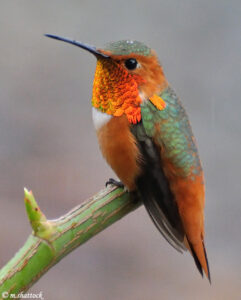
    Position water features near, but not directly over, key flower beds so birds can move easily between bathing and feeding.


    Placing Water Features for Maximum Hummingbird Activity

    Where you place your water features matters as much as what you choose.

    • Near cover, not in the open: Position water within a few feet of shrubs, small trees, or tall perennials so hummingbirds can retreat quickly if they feel threatened.

    • Partial shade: Light shade keeps water cooler and reduces evaporation while still allowing enough sun for droplets to sparkle.

    • Close to nectar plants and feeders: Place water features near your hummingbird‑friendly flowers and feeders so birds can easily move between feeding and bathing.

    • Safe viewing distance: Set features where you can see them from a window, patio, or garden bench, but not so close that frequent traffic scares birds away.

    If you have multiple water features, spread them around to reduce territorial conflicts and give more birds access.

    For a comprehensive guide on using water features, check out my article: How to Use Water Features to Attract Hummingbirds. This guide will walk you through the exact kinds of misters, drippers, and shallow baths hummingbirds prefer, how deep and how strong the water flow should be, where to place everything so birds feel safe, and how to keep it all clean without spending a lot of money.


    FAQ for Alabama hummingbirds

    1. What hummingbirds live in Alabama?
      Ruby‑throated Hummingbirds are the only hummingbirds that commonly live and breed in Alabama. A few western species—especially Rufous and Black‑chinned—are rare fall and winter visitors at feeders, along with occasional other vagrant species.

    • When do hummingbirds arrive in Alabama?
      Ruby‑throated Hummingbirds usually arrive in Alabama around the second week of March, with some coastal and southern areas seeing birds a little earlier and northern areas a bit later.

    • When should I put out hummingbird feeders in Alabama?
      Have at least one feeder up by the first week of March so it’s ready when the first Ruby‑throats pass through. Many Alabama birders simply aim for “around March 1” and keep feeders filled from then on.

    • When do hummingbirds leave Alabama?
      Most Ruby‑throated Hummingbirds leave Alabama by late October or early November. A few birds, including rare Rufous and Black‑chinned Hummingbirds, may remain through late fall or winter at well‑maintained feeders.

    • When should I take down hummingbird feeders in Alabama?
      General advice is to take feeders down in mid‑November if you haven’t seen any hummingbirds for about two weeks. If you enjoy watching for rare winter hummingbirds, you can leave at least one feeder up longer and report any unusual visitors to local birding groups.

    • What is the best hummingbird nectar recipe?
      Use 1 part plain white sugar to 4 parts water, boiled and then cooled before filling feeders. Do not add red dye; clear nectar in a feeder with red parts is all you need.

    • Which native plants attract hummingbirds in Alabama?
      Excellent Alabama natives for hummingbirds include coral honeysuckle, cardinal flower, and scarlet bee balm, along with other tubular, nectar‑rich flowers like red columbine and spotted jewelweed.


    If you’re curious how Alabama compares to other parts of the country, you can see arrival and departure times for every state in my main guide, When to Feed Hummingbirds: A State‑by‑State Guide.” It’s a handy overview if you travel, have relatives in other states, or just want to understand the bigger migration picture.

    Further resources for Alabama hummingbird watchers