• Category Archives Uncategorized
  • What Do Hummingbirds Eat ?

    How often and how much do hummingbirds eat?

    Hummingbirds eat up to their body weight each day when they are fattening up getting ready for the fall migration.

    What do hummingbirds eat ?…. you might be surprised

    Hummingbirds eat seeds?….no

    Hummingbirds eat only flower nectar?….no

    Hummingbirds don’t eat seeds at all and hummingbirds eat only flower nectar is false.

    Hummingbirds mostly eat flower nectar but not only flower nectar. Most of their diet is nectar from flowers. Hummingbirds may visit 1,000 flower per day in their search for nectar.

    two more questions concerning what do hummingbirds eat:

    Do hummingbirds eat ants?….yes

    Do hummingbirds eat ants?….yes

    They also eat small spiders, and some species feed on tree sap from holes in trees that other birds have made such as yellow bellied sap suckers. Sapsucker holes are a double treat, providing both insects and sap!Yes, hummingbird do eat bugs and hummingbirds do eat ants and they also eat small insects such as mosquitoes, aphids, gnats, midges, caterpillars, flying ants, weevils, small beetles, whiteflies and insect eggs.

    Hummingbirds require lots of energy. They have the fastest wing beats of any bird, around 70 beats per second and up to 200 beats per second during a high speed dive.  A hummingbird’s  heart beats up to 1,260 beats per minute.

    So to summarize about what do hummingbirds eat, they feed mostly on flower nectar, but they also eat small insects and spiders to get protein and a few feed on tree sap.

    What do baby hummingbirds eat?

    The female will feed them with a mixture of nectar and tiny insects and spiders, that she will collect in her crop and regurgitate the mixture into the mouths of the young. The insects and spiders will provide the protein that the baby hummingbirds need to grow.

    How often do hummingbirds eat?

    Because of their high energy requirements spent flying, they must feed continuously during their waking hours. Hummingbirds have the highest metabolism of any animal on earth. Their high energy requirements cause them to eat more than they weigh each and every day.

    Because of their extremely high metabolism, hummingbirds will have to feed often, every 10 to 15 minutes.

    more on what do hummingbirds eat :

    Hummingbirds get nectar from flower blossoms and sometimes eat the insects that they find in the blossoms and have been known to pick insects out of spider webs. About a third of their diet consists of small insects and spiders – which they sometimes catch in mid-air. The small bugs and spiders provide the protein content they need.

    Their tongues have grooves on the sides that collect nectar and allow them to lap up the nectar. The hummingbirds store the food they eat in an elastic sack found in the neck called a crop. The crop acts like a stomach and allows small amounts of food to be released into the intestines. Once in the intestines, the sugar is absorbed into the blood stream and used for energy.

    Now that your question what do hummingbirds eat and how often do hummingbirds eat, has been answered, you might want to put out a feeder and feed your own hummingbirds. Below is the best hummingbird feeder you can get:

    The HummZinger has patented Nectar guard tips which are flexible membranes attached to the feed ports that prohibit entry from flying insects, but allow Hummingbirds to feed as usual. The HummZinger also has a built in ant moat that will stop crawling insects from getting to the nectar. It also has raised flower ports that divert rain.

    This mid-size nectar feeder has a 12 oz. capacity and can be hung or post mounted with hardware provided. It has four feeding ports and is made of unbreakable polycarbonate. Easy to clean.

    For ease of cleaning and protection from bees, wasps and ants, this feeder can’t be beat.

    The HummZinger has patented Nectar guard tips which are flexible membranes attached to the feed ports that prohibit entry from flying insects, but allow Hummingbirds to feed as usual. The HummZinger also has a built in ant moat that will stop crawling insects from getting to the nectar. It also has raised flower ports that divert rain.

    This mid-size nectar feeder has a 12 oz. capacity and can be hung or post mounted with hardware provided. It has four feeding ports and is made of unbreakable polycarbonate. Easy to clean.

    For ease of cleaning and protection from bees, wasps and ants, this feeder can’t be beat.

    Hummingbird nectar mixture

    If you want to feed your hummingbirds you will need a hummingbird nectar mixture to put in your feeder. Click on the link to see an easy recipe for making your own hummingbird nectar mixture .

     
    A good set of small hummingbird feeder brushes is invaluable and will save lots of time, when it comes to keeping your feeder clean.

    Product Description
    Features: You should wash your feeder every time you refill it. Mold and dirt can build up quickly and can be harmful. Brushes are great for stubborn spots and hard to reach areas. Includes 3 brushes to clean every part of your hummingbird feeder. Brushes clean the stems or opening of the feeder flowers and the sides and bottom of the nectar bottles.

    I hope this article has answered your questions on what do hummingbirds eat and how often do hummingbirds eat.

    When to stop feeding hummingbirds

    Click on the link when to stop feeding hummingbirds to learn when to take down your hummingbird feeder and when to stop feeding hummingbirds .

    Click on the link hand feeding hummingbirds to learn more about hand feeding hummingbirds.

    I hope you enjoyed this article on what do hummingbirds eat, how often do hummingbirds eat and how much do hummingbirds eat.

    back to top of what do hummingbirds eat page


  • Create A Bird Sanctuary In Your Backyard With A Hummingbird Feeder

    Create a bird sanctuary, especially one that includes a hummingbird feeder, for a rewarding project that helps support local wildlife while adding beauty and tranquility to your outdoor space. Below are the steps you can follow to create a thriving bird sanctuary, along with considerations for a hummingbird-friendly environment.


    Create a Bird Sanctuary with a Hummingbird Feeder

    1. Choose a Suitable Location

    • Observation and Safety: Select a quiet, peaceful area in your yard or garden where birds feel safe and comfortable. A secluded corner or area near trees can provide shelter and privacy for the birds.
    • Shelter and Shade: Plant native shrubs or trees near the feeding area to offer shelter from predators and harsh weather. Trees also provide natural perches for birds to rest on.

    2. Add a Variety of Native Plants

    • Flowering Plants for Nectar: Include a mix of flowering plants that provide nectar for hummingbirds. Native plants such as bee balm, trumpet vine, columbine, and salvias are ideal.
    • Seeds and Berries: For other bird species, incorporate shrubs like elderberry, hawthorn, or sunflowers that produce seeds and berries to attract a variety of birds.
    • Evergreen Trees: Plant evergreen trees like pines, spruces, or junipers for year-round shelter and nesting spots.

    3. Create a Bird-Friendly Habitat

    • Bird Baths: Install a birdbath to provide fresh water for drinking and bathing. Consider a shallow dish with gently sloping sides or a fountain to keep the water fresh and inviting.
    • Nest Boxes or Shelters: Place birdhouses in your sanctuary to provide safe places for birds to build their nests. Opt for birdhouses suited to the species in your area (e.g., bluebirds, chickadees, wrens).
    • Provide a Variety of Feeders: Offer a range of feeders for different types of birds:
      • Seed Feeders: Use tube feeders or platform feeders for songbirds like finches, sparrows, and chickadees.
      • Suet Feeders: Hang suet blocks to attract woodpeckers, nuthatches, and other insect-eating birds.

    4. Install a Hummingbird Feeder

    • Feeder Placement: Hang your hummingbird feeder in a shaded area, protected from wind and direct sunlight. Place it near flowers or plants that provide natural nectar. Ensure it’s close enough to provide easy access but not too close to windows or areas with heavy traffic that could scare them off.
    • Type of Feeder: Choose a red or brightly colored feeder, as hummingbirds are naturally attracted to these colors. Select a feeder with a built-in ant moat to keep pests away and one that’s easy to clean to prevent mold and bacteria build-up.
    • Nectar Solution: Mix your own hummingbird nectar by combining 1 part white cane sugar with 4 parts water. Avoid using honey or artificial sweeteners, as they can harm the birds.
    • Cleaning: Clean the hummingbird feeder regularly (at least once a week, especially during hot weather) using a mild solution of vinegar and water to prevent mold and algae growth.

    5. Provide Protection and Shelter

    • Avoid Pesticides: Do not use harmful chemicals or pesticides in your sanctuary, as they can be dangerous to both birds and other wildlife. Instead, use organic methods to control pests in your garden.
    • Predator Control: Protect your bird sanctuary from predators like cats and squirrels. You can use baffles on the poles of bird feeders to deter squirrels and keep cats away by creating some physical barriers.

    6. Monitor and Enjoy Your Sanctuary

    • Keep a Birdwatching Journal: Observe the birds that visit your sanctuary and keep a log of the species, their behaviors, and feeding habits. This can help you improve the sanctuary over time and track the health of the birds.
    • Seasonal Adjustments: During colder months, you may need to switch to high-energy suet cakes for winter birds. Keep the hummingbird feeder filled year-round in areas where hummingbirds migrate, or set it up again in the spring when they return.

    7. Promote a Healthy Ecosystem

    • Support Pollinators: Plant additional nectar-rich flowers and shrubs to attract bees, butterflies, and other pollinators, helping to create a balanced ecosystem in your garden.
    • Composting and Organic Practices: Avoid chemical fertilizers, and use composting to enrich your soil. This will help maintain a healthy habitat for both the plants and the birds.

    How to create a bird sanctuary backyard

    Here’s a related article about attracting hummingbirds

    Want to create a bird sanctuary for hummingbirds?


    By following these steps, you’ll create a bird sanctuary that is both beautiful and functional where hummingbirds and other species can thrive, and you’ll be able to enjoy the sights and sounds of nature right in your own backyard. Happy birdwatching!


  • A Hummingbird Haven

    When many people think of feeding birds, the first thought goes to one of the smallest, quickest, and amazing bird on the planet-the hummingbird. With wings beating at approximately 55 beats per second, a “still” bird seems to hover in midair. Aerodynamically, the hummingbird is a mystery to the average observer, although a pilot might be able to explain the awesome sight. Flitting from flower to flower, the little miracle is very difficult to observe, unless a haven has been established, to entice the feathery phenomenon to stay for a fantastic feast of flavorful sweets. Avid hummingbird watchers start by making a veritable paradise and providing appetizing nectar.

    A paradise for hummingbirds is a beautiful yard, complete with trees, bushes, and lots of beautiful flowers-especially red. Generally, people who love to watch birds also love a gorgeous yard. Proper landscaping is essential, to attract the fluttery little fliers. Hummingbirds thrive in plenty of vegetation. Flowering trees, bushes, and gardens are very tempting. Flowerbeds with several varieties of red flowers are especially attracting. For whatever reason, red seems to be a favored color.

    In addition to a natural environment, with a rich supply of nectar, hummingbird feeders throughout the yard enhance the bird haven. Today, feeders are usually copper or glass. Instead of the simple feeder, hung from the nearest tree, feeds can be decorative additions to the landscape. Shaped like colorful red fruits, perched on shapely pedestals, made with crystallized glass glinting in the sunshine, or fancy copper trimming, feeders serve a duel purpose as yard ornamentation. Instead of seeming like an afterthought to bribe the birds, the feeders become an important part of the overall landscaping. In fact, some people choose to place the feeders among the flowerbeds. Then, accustomed to visiting the beds to suck the nectar from the flowers, the birds will return and use the feeder, long after the flowers are gone.

    Although a simple glass feeder filled with red nectar will attract a few birds, the best feeder will decorate the garden and bring the hummingbirds flocking to the source of food. Made of copper and crystal, many feeders have copper entwined around the glass, with red flower designs to further attract the picky little pets. For example, Holland Hill Tweeter Totter has beautiful copper hummingbird feeder designs. The twisted copper strands around the feeder also serve as perches. As the birds land on the copper, the feeders tilt to dispense the nectar. Other variations include window feeding stations, for a closer view of the tiny tweeters. Red glass balls hang next to the feeding tubes, to further entice the birds.

    The Schrodt Facet feeder is also made to further entice the birds to come to dinner. A prism made of cut red glass; the design sparkles in the sun and becomes an irresistible feeder for the hummingbird. With a base of copper, the reflected light bounces off the red glass bottle. The hummingbird cannot help being curious. Soon, the birds will be feeding and coming back frequently for more of the sweet liquid placed among the flowers.

    In addition to placing the feeders amongst the flowers, hummingbirds are definitely attracted to the color red. Therefore, if the feeder is not cover with red ornate flowers, an individual can also provide a more inviting feeder simply by tying red ribbon around the feeders. With plenty of feeders, strategically placed throughout the yard, hummingbird will have a feathery paradise.

    However, if the feeders are haphazardly placed, the hummingbird haven can also become a war zone. Hummingbirds are extremely territorial. If the feeders are located too closely together, the little angels will become devilishly demented. Sometimes fighting to the death, hummingbirds would rather fight than share a tasty treat. So, to keep peace and harmony in the air, place the feeders farther apart, in an area of privacy from the other feeders, so the birds will not bother one another. At peace, the birds will continue returning for a trouble free feast.

    In conclusion, if an individual is interested in providing a hummingbird haven, start with the landscape, and create a beautiful yard. Plant plenty of trees, bushes, and flowers-especially red. Once the yard looks wonderful to humans and birds alike, include hummingbird feeders strategically throughout the yard. Given a little privacy and space, the birds will be able to enjoy a veritable paradise, and individuals will witness the magnificent little feathered creatures seemingly suspended in the air, with virtually invisible wings.

    By: Q. Williams

    Article Directory: http://www.articledashboard.com

    Quentin Williams spends a great deal of his time creating products and articles for niche markets. For related articles click here.


  • The Hummingbird Heart: Nature’s Tiny Powerhouse

    The hummingbird, a jewel of the sky, captivates with its iridescent feathers and aerial acrobatics. But behind its dazzling display lies a biological marvel: the hummingbird heart. Beating up to 1,200 times per minute, this tiny organ powers one of nature’s most energy-intensive lifestyles. In this deep dive, we’ll explore how the hummingbird heart works, why it’s essential for survival, and what makes it a masterpiece of evolution. Whether you’re a bird enthusiast, a student of biology, or simply curious about nature’s wonders, prepare to be amazed by this tiny powerhouse.

    Hummingbirds are more than just beautiful creatures-they are evolutionary overachievers. Their hearts, no larger than a coffee bean, are the unsung heroes behind their ability to hover, dart, and migrate thousands of miles. By understanding their cardiovascular system, we gain insight into how life adapts to extreme demands.

    What Makes the Hummingbird Heart Unique?

    Anatomy and Structure

    The hummingbird heart is a marvel of miniaturization. Weighing just 2.5% of the bird’s total body weight, it’s proportionally the largest heart of any bird-nearly three times larger relative to body size than a human heart. Here’s what sets it apart:

    • Four-chambered design: Like humans, hummingbirds have two atria and two ventricles, but their chambers are optimized for rapid pumping. The left ventricle, which pumps oxygenated blood to the body, has thicker walls to handle the intense workload.

    • Dense capillary networks: These ensure oxygen-rich blood reaches muscles quickly during flight. The capillaries in their flight muscles are so tightly packed that they form a “net” around muscle fibers, enabling rapid gas exchange.

    • Elastic aortic walls: The aorta, the main artery leaving the heart, is highly elastic to accommodate sudden surges in blood pressure during rapid wing beats.

    Insert Image Here: Cross-sectional diagram of a hummingbird heart, highlighting chambers and key arteries.

    Why does size matter?
    A larger heart relative to body size allows for greater stroke volume (the amount of blood pumped per beat). This is critical for hummingbirds, which need to deliver oxygen at rates unmatched by any other vertebrate.

    Heart Rate: How Fast Does a Hummingbird’s Heart Beat?

    At rest, a hummingbird’s heart beats 250–500 times per minute. During flight, this skyrockets to 1,200 beats per minute (bpm)-nearly 20 beats per second! To put this in perspective:

    Animal Resting Heart Rate (bpm) Max Heart Rate (bpm)
    Hummingbird 250–500 1,200
    Human 60–100 200
    Blue Whale 8–10 20
    House Sparrow 450 800

    This incredible speed is fueled by a metabolism 100 times faster than a human’s. To sustain it, hummingbirds consume up to twice their body weight in nectar daily.

    The science behind the speed:

    • Mitochondrial density: Hummingbird muscle cells contain twice as many mitochondria as other birds, enabling rapid ATP production.

    • Hyper-efficient enzymes: Their metabolic enzymes operate at peak efficiency, even at high temperatures generated during flight.

    How the Hummingbird Heart Supports High-Energy Flight

    Oxygen Delivery and Blood Flow

    Hummingbirds flap their wings up to 80 times per second, requiring immense oxygen delivery. Their hearts achieve this through:

    1. Rapid ventricular contractions: The heart pumps oxygenated blood to muscles in milliseconds, ensuring no lag between exertion and oxygen supply.

    2. High hemoglobin concentration: Their red blood cells contain more hemoglobin than most birds, maximizing oxygen-carrying capacity.

    3. Direct blood routing: During flight, 90% of blood flow is directed to wing muscles, bypassing non-essential organs like the digestive system.

    Think of their cardiovascular system as a Formula 1 engine: lightweight, efficient, and built for speed.

    Insert Image Here: Infographic showing blood flow pathways during hovering vs. resting.

    Adaptations for Survival

    Hummingbirds face two existential challenges: starvation and extreme temperatures. Their hearts have evolved clever solutions:

    • Torpor: At night, they enter a hibernation-like state, slowing their heart rate to 50–100 bpm to conserve energy. Body temperature drops from 40°C to 18°C, reducing metabolic demands by 95%.

    • Migration: The ruby-throated hummingbird’s heart sustains a non-stop 500-mile Gulf of Mexico crossing by burning fat reserves. Before migration, they double their body weight in fat, which the heart metabolizes efficiently mid-flight.

    Case Study: The Rufous Hummingbird
    This species migrates 3,000 miles from Alaska to Mexico. Researchers found their hearts can adjust pumping efficiency based on altitude, ensuring oxygen delivery remains consistent even in thin mountain air.

    Fun Facts About the Hummingbird Heart

    Surprising Details and Comparisons

    • Heart-to-body ratio: A hummingbird’s heart makes up 2.5% of its weight. If humans had the same ratio, our hearts would weigh 4–5 pounds!

    • Lifespan: Despite their rapid metabolism, some hummingbirds live 10+ years. A healthy heart is key-older birds show minimal cardiac wear due to efficient cellular repair mechanisms.

    • Gender differences: Male hummingbirds have slightly faster heart rates than females during courtship dives (up to 1,300 bpm vs. 1,200 bpm).

    Insert Image Here: Side-by-side comparison of a hummingbird heart and a human heart (size relative to body).

    The Evolutionary Journey of the Hummingbird Heart

    From Dinosaur Ancestors to Aerial Acrobats

    Hummingbirds evolved from small, insect-eating dinosaurs around 42 million years ago. Their hearts underwent radical changes to support hovering:

    1. Increased heart size: Early hummingbirds developed larger hearts to meet the energy demands of rapid wing beats.

    2. Enhanced mitochondria: Muscle cells evolved to prioritize energy production over durability, allowing sustained high-speed pumping.

    Fossil Evidence:
    The Eurotrochilus inexpectatus, a 30-million-year-old fossil, shows a heart structure similar to modern hummingbirds, suggesting early specialization for high metabolism.

    Human Applications: What We Can Learn from Hummingbirds

    Biomimicry in Medicine and Engineering

    • Cardiac research: Studying hummingbird hearts could inspire treatments for human arrhythmias by mimicking their stable high-speed rhythms.

    • Drones: Engineers are designing micro-drones with hummingbird-inspired mechanics, including compact pumps that mimic cardiac efficiency.

    Ethical Considerations:
    While hummingbirds provide valuable insights, researchers emphasize non-invasive methods like high-speed cameras and AI modeling to avoid harming wild populations.

    Frequently Asked Questions

    How does the hummingbird heart compare to a human heart?

    While both are four-chambered, the hummingbird heart is optimized for speed, not endurance. It beats up to 20 times faster but is far more susceptible to fatigue.

    Can a hummingbird’s heart stop?

    During torpor, their heart rate drops dramatically but doesn’t stop. A full cardiac arrest is fatal due to their lack of energy reserves.

    Why is the hummingbird’s heart so important for its survival?

    It’s the engine behind their unique flight capabilities. Without a powerful heart, they couldn’t hover, dart, or migrate long distances.

    How do hummingbirds avoid heart disease with such high heart rates?

    Their cells have exceptional DNA repair mechanisms, and their diets (rich in antioxidants from nectar) reduce oxidative stress.

    Conclusion

    The hummingbird heart is a testament to nature’s ingenuity-a tiny organ that defies limits and powers one of Earth’s most extraordinary creatures. From its blistering heart rate to its survival adaptations, every detail reflects millions of years of evolution. Next time you spot a hummingbird, take a moment to appreciate the biological masterpiece beating inside its chest.


    Hummingbird Resources

    Here’s a complete guide to attracting hummingbirds to your yard. It lists plants, vines and shrubs that are in bloom for spring, summer and fall. Your hummingbirds will always have flowers to feed on.

    Here’s a great article that tells everything you need to know about how to choose the best place to hang your hummingbird feeder.

    Here’s the best designed hummingbird feeder to use. It’s leak proof, so it won’t attract insects and it’s easy to take apart and clean.

    Here’s a comprehensive guide to help you clean your hummingbird feeder for those times when the nectar is not changed soon enough and mold starts to grow.

    One of the best Hummingbird feeders that’s easy to take apart and clean is the HummZinger Ultra.
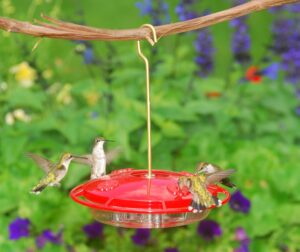
    hummingbird feeder
    Hummzinger saucer Feeder

    Aspects 12oz HummZinger Ultra With Nectar Guard.

    The HummZinger Ultra 12oz Saucer Feeder is one of the best options for a hummingbird feeder that’s both easy to clean and maintain. This top-tier feeder features patented Nectar Guard tips—flexible membranes on the feeding ports that keep flying insects out while still allowing hummingbirds to feed freely. Plus, it comes with an integrated ant moat to prevent crawling insects from reaching the nectar, and the raised flower ports help divert rain, keeping the nectar fresh.

    With a 12 oz capacity, this mid-size feeder offers plenty of space and can be hung or mounted on a post using the included hardware. It has four feeding ports and is made from durable, unbreakable polycarbonate. Whether you’re concerned about bees, wasps, or ants, this feeder is built for easy cleaning and insect protection.


  • Hummingbird Heart Rate

    A Hummingbird Heart Rate Is Extremely Rapid!

    Hummingbirds are among the most fascinating creatures when it comes to physiology and energy demands. Their heart rate, which is linked directly to their high metabolism, is one of the most remarkable aspects of their biology. Let’s dive deeper into how their heart rate varies in different states of activity and rest:

    1. Resting Heart Rate

    At rest, a hummingbird’s heart rate is already much higher than that of most animals. It typically beats between 250 to 500 times per minute. This elevated baseline is required to support their incredibly fast metabolism. The bird is constantly burning energy to maintain its small body size and high activity level, even when not in flight. This means their hearts must pump oxygenated blood rapidly to deliver nutrients and remove waste products from their tissues.

    2. Heart Rate During Flight

    Hummingbirds are known for their remarkable flight abilities, including hovering, rapid changes in direction, and even flying backward. These feats of agility require tremendous energy, which is reflected in a massive increase in heart rate.

    When hovering or engaged in any flight activity, a hummingbird’s heart rate can rise dramatically, often reaching up to 1,200 beats per minute. This is an astonishing number considering that the average human heart rate at rest is about 70 beats per minute. The reason for this surge is the constant demand for energy and oxygen to power their flight muscles. Their high metabolic rate supports the large amount of energy required for hovering, which is highly demanding due to the rapid wing beats (about 50-80 times per second in some species).

    The energy for their flight comes primarily from the sugar in the nectar they consume. Their heart rate ensures that oxygen and nutrients are efficiently transported to their muscles. The intense heart rate also helps to circulate the fuel needed for continuous energy.

    3. Heart Rate During Torpor (Nighttime)

    While hummingbirds’ heart rates soar during the day, they can slow down significantly at night. At night, or when food is scarce, many species of hummingbirds enter a state called torpor. Torpor is a form of deep sleep, but it is much more profound than typical sleep. It is a survival mechanism that allows them to conserve energy by drastically lowering their metabolic rate.

    During torpor, a hummingbird’s heart rate can drop to 50 to 100 beats per minute. This dramatic reduction helps the bird conserve energy while it rests, since it no longer needs to expend calories for flight or foraging. In this state, the bird’s body temperature also drops to near ambient levels, significantly reducing the need for metabolic fuel.

    When the hummingbird wakes up, it takes some time for its heart rate and body temperature to return to normal levels so it can resume activity. The bird has to “warm up” its body before it can begin flying and feeding again.

    4. Comparison to Other Animals

    To understand just how extreme a hummingbird’s heart rate is, consider how it compares to other animals. For example:

    • Humans: The average resting heart rate of a human is between 60 to 100 beats per minute.
    • Mammals: For most mammals, the resting heart rate is also much lower than that of hummingbirds, even for smaller mammals. For instance, a mouse may have a heart rate of 500 to 600 beats per minute, but that’s still well below the hummingbird’s active heart rate.
    • Other birds: While birds generally have higher heart rates than mammals, hummingbirds are exceptional. Some large birds like ostriches have heart rates as low as 60 beats per minute. Small songbirds can have heart rates in the 300 to 700 beats per minute range while in flight, but none come close to the hummingbird’s peak heart rate of 1,200 beats per minute.

    5. Why Such a High Heart Rate?

    The key to understanding the hummingbird’s heart rate is its extraordinary metabolism. They have the highest metabolic rate of any bird species, which is necessary to support their energy-intensive hovering flight. Hummingbirds can burn up to 10 times the amount of energy per unit of body weight than that of a similarly-sized mammal. The heart rate helps to ensure that their oxygen, glucose, and other vital nutrients are rapidly distributed throughout their tiny bodies.

    Additionally, their high heart rate supports their specialized muscle fibers that are capable of sustaining the rapid movements required for hovering. This unique adaptation allows them to beat their wings up to 80 times per second in some species. Their heart rate increases to match the demands of such rapid muscle activity, ensuring that energy is continuously provided.

    6. Heart Rate and Nectar Consumption

    A hummingbird’s heart rate is intricately tied to its feeding habits. Their primary source of energy comes from nectar, a sugar-rich substance that is quickly metabolized for fuel. They can visit hundreds of flowers a day, sipping nectar and refueling. As they consume this sugar, their heart rate spikes to support the increased energy demand. Interestingly, the sugar content in the nectar directly affects how much energy they gain, and consequently, their heart rate.

    Conclusion

    The heart rate of a hummingbird is a fascinating reflection of its unique physiology. At rest, their heart rate is already much higher than most animals, but when they engage in flight, especially hovering, their heart rate increases to extraordinary levels. In contrast, during torpor, their heart rate can drop to conserve energy. These extreme variations highlight the hummingbird’s finely tuned biology, adapted for high-energy activities and survival in challenging environments.

    More about the hummingbird heart

    https://www.audubon.org/news/hummingbird-hearts-beat-10-times-faster-yours


  • Hummingbird Bracelet

    Here you will find the largest selection of beautiful hummingbird Bracelets

    Hummingbird Jewelry

    Hummingbird Necklace

    Hummingbird Jewelry Box  

    Hummingbird Pendant

    Hummingbird Rings

    Hummingbird Earrings

    Hummingbird Bracelet

    If you’re looking for a hummingbird bracelet, Amazon.com is your one stop place to shop. Amazon has the largest selection of hummingbird bracelets that you can find on the web, hundreds of different bracelets to choose from. So click on the hummingbird bracelet link above and go to Amazon.com, to the biggest selection of hummingbird bracelets as well as other hummingbird jewelry such as  hummingbird earrings, hummingbird pendants, hummingbird rings, belly rings and hummingbird necklaces as well.

    If you need a jewelry box to store your hummingbird jewelry in, you will find beautiful hummingbird jewelry boxes as well as ring stands.

    Below you will find a sampling of the many hummingbird bracelets and charms available at Amazon.com, as well as links to the full selection of bracelets  and other pieces of hummingbird jewelry, including sterling silver, gold, gold plated and stainless steel hummingbird bracelets.

    Product Details

    Sterling Silver Hummingbird Bracelet

    w/Swarovski Aqua Cubic Zirconia, 7.5 Inches

    Made of .925 Sterling Silver and Brilliant Cubic Zirconia

    Price: $140.00 + $4.49 shipping

    crystal hummingbird bracelet

    Crystal Hummingbird Bracelet

    This bracelet is made with 13x18mm TierraCast Silver Antique Hummingbird Beads, 6mm Swarovski Crystals in Amethyst and Peridot, 4mm Swarovski Crystals in Capri Blue and a 15x8mm Antique Silver-Plated Trigger Clasp. Measures 7-1/2″

    Price: $ 18.99 + $ 4.99 shipping

    hummingbird coin bracelet

     Hummingbird Coin Bangle Bracelet Set

    bullet 24K gold-layered one cent piece from Trinidad and Tobago along with soft blue clusters of crystals

    bullet The three bracelet set includes two hammered style 24K gold-layered bangles and one plain 24K gold-layered bangle.

    bullet A hummingbird bracelet that is Perfect for the free spirit and nature lover.

    bullet A Certificate of Authenticity is included.

    Price: $47.26

    Sale: $35.01 + $8.14 shipping

    You save: $12.25 (26%)

    crystal hummingbird bracelet

    Hummingbird Clear Crystals Blue Enamel Lobster Claw Bracelet Jewelry

    This piece of hummingbird jewelry is approximately 7.5 Inches in Diameter Silver Plated Fashion Lobster Claw Bracelet

    Silver Plated Hot Hummingbird Charm Adorned With Stunning Clear Crystals And Blue Enamel Wings

    Price: $12.99 + $3.00 shipping


    gold hummingbird bracelet

     Gold  Hummingbird & Flower Link Bracelet

    A beautiful piece of hummingbird jewelry!

    14k Gold [weight:12.500 Grams]  Hummingbird And Flower Link Bracelet

    Price: $1,971.20

    Sale: $995.60 + $4.49 shipping

    You save: $975.60 (49%)

    silver hummingbird bracelet

     Sterling Silver Hummingbird Pacific Northwest Coast Native 1/2 Inch Wide Bracelet

    bullet The Hummingbird Silver Bracelet is designed by Artist Richard Krentz from the Coast Salish Nation

    bullet In Coast Salish Culture the hummingbird traditionally represents the healer

    bullet This bracelet is hand crafted in the Comox Valley on Vancouver Island in British Columbia, Canada.

    bullet It is initialled on the back and comes with information about Richard Krentz and the Hummingbird

    bullet The bracelet also comes with a beautiful jewelry box.

    Price: $119.00 & FREE Shipping

    Amazon.com has 28 pieces of stainless steel hummingbird jewelry, like this Tattooed Steel “Secret Garden” Humming Bird Stainless Steel Bracelet, that sells for $6495.

    hummingbird bracelet

    Small 3-D Hummingbird Peridot Beaded Bracelet

    Silver Plated Small 3-D Hummingbird Beaded Bracelet

    Fire Polished Czech Glass Beaded Charm Bracelet

    Silver Plated Bracelet: 6 inches plus 2 inch extender

    Beautiful bracelet is available in 17 different colors.

    Price: $15.99 + $3.99 shipping


    Click here  to see the full line that includes hundreds of hummingbird bracelets, at Amazon.com


    Hummingbird Necklaces

    Hummingbird necklaces and hummingbird pendants are probably the most searched for pieces of hummingbird jewelry. A search for the term  hummingbird necklace at Amazon.com will turn up ove five hundred  necklaces from which to choose. Below is a small sample of the hummingbird necklaces that you will find at Amazon.com. Click on the link to go to Amazon.com to see the full selection of necklaces. There you will find gold necklaces, gold plated, sterling silver, stainless steel as well as copper hummingbird necklaces. A necklace would be a great accessory for your hummingbird bracelet.


     Hummingbird Earrings

    You may also want a matching pair of hummingbird earrings to wear with your hummingbird bracelet. At  Amazon you will find a huge selection of hummingbird earrings. Amazon.com has almost 500 types of hummingbird earrings to choose from. The earrings also come in gold, gold plated, sterling silver, stainless steel, brass and copper. Below is a small sampling  of the many different styles of earrings you will find there. Click on the link hummingbird earrings to go to Amazon.com so see the full selection of hummingbird earrings that they have to offer. You’ll be sure to find a pair to match your bracelet.


    Hummingbird Rings

    If your in the market for a hummingbird ring, Amazon.com is your best stop to find a ring to match your other pieces hummingbird jewelry. If you type hummingbird ring into the search box, the search for hummingbird rings will turn up 61 different rings to choose from. Once again, the hummingbird rings come in many different styles an different metals. There are gold and gold plated rings, sterling silver hummingbird rings, stainless steel and brass hummingbird rings. Along with the finger rings you will find a toe rings, belly rings and a two finger hummingbird ring. They have rings with opal inlays, crystals, topaz and multicolor amber hummingbird rings.

    Below is a sample of the rings you will find at Amazon.com. For the full selection of hummingbird rings, click on the link to go to Amazon.com.


    Hummingbird Jewelry Boxes

    As mentioned at the beginning of this article on hummingbird bracelets, a hummingbird jewelry box makes a beautiful storage place for your hummingbird bracelet or any jewelry that you might have. There are many different, beautiful hummingbird jewelry boxes to choose from. Regular and musical jewelry boxes can be found there. Wooden jewelry boxes as well as hand painted glass and porcelain jewelry boxes are available. You can even find hummingbird pill boxes. Below is a small selection of the hummingbird jewelry boxes that you will find at Amazon.com. To see the complete collection at Amazon.com, click on the link. A hummingbird jewelry box and hummingbird jewelry makes a great gift for any bird lover.

    Hummingbirds Musical Jewelry Box

    Easily Personalize With Your Own Photos And Messages

    Makes A Perfect Gift Or Family Keepsake.

    Beautiful Wood grain Finish.

    Plays Wind Beneath Wings

    Price: $35.00 & FREE Shipping.


    I hope you are able to find the beautiful hummingbird bracelet or hummingbird bracelets and other hummingbird jewelry that you are looking for!


  • Hummingbird Earrings

    Here you will find beautiful hummingbird earrings

    Hummingbird Jewelry

    Hummingbird Necklace

    Hummingbird Jewelry Box  

    Hummingbird Pendant

    Hummingbird Rings

    Hummingbird Earrings

    Hummingbird Bracelet

    If you’re looking for hummingbird earrings, Amazon.com is your one stop place to shop, with a huge selection of over 500 beautiful earrings to choose from. So click on the link and go to Amazon.com, to the biggest selection of hummingbird earrings, hummingbird bracelets, hummingbird pendants, hummingbird necklaces as well as any other kind of hummingbird jewelry you can think. You will also find hummingbird jewelry boxes to store your hummingbird jewelry in. You will also find ring stands as well as hummingbird belly rings.

    Below you will find a selection of the many hummingbird earrings available at Amazon.com, as well as links to the full selection of earrings and other pieces of hummingbird jewelry, including sterling silver, gold, gold plated and stainless steel hummingbird earrings.

    Click on the link to see the full selection of over 50 styles of yellow gold and two tone gold hummingbird earrings


  • Hummingbird Rings

    Largest Selection Of Beautiful Hummingbird Rings

    Hummingbird Jewelry

    Hummingbird Necklace

    Hummingbird Jewelry Box  

    Hummingbird Pendant

    Hummingbird Rings

    Hummingbird Earrings

    Hummingbird Bracelet

    If you’re looking for hummingbird rings, this is your one stop place to shop, with a huge selection of beautiful rings to choose from.   So click on the link and go to Amazon.com, to the biggest selection of hummingbird rings, necklaces, hummingbird pendants,  hummingbird earrings and many other pieces of hummingbird jewelry as well as hummingbird jewelry boxes and ring stands. They also have lip rings and hummingbird belly rings.

    Hummingbird Rings

    Below you will find a selection of the many rings available. Including sterling silver, gold, gold plated and stainless steel hummingbird rings.

    Click on the link to find lots more sterling silver hummingbird rings.


    Hummingbird Music Box

    Click the link hummingbird music boxes, for dozens more beautiful hummingbird music boxes to choose from.


  • Hummingbird Pendant

    Show your love of hummingbirds by wearing a hummingbird pendant.

    Hummingbird Jewelry

    Hummingbird Necklace

    Hummingbird Jewelry Box  

    Hummingbird Pendant

    Hummingbird Rings

    Hummingbird Earrings

    Hummingbird Bracelet

    Here’s the largest most complete selection of hummingbird pendants and hummingbird necklaces that you will find. If you’re looking for a hummingbird pendant or hummingbird necklace, here you will find many stiles and colors of pendants to choose from. For any hummingbird lovers, a hummingbird pendant or necklace is the perfect piece of jewelry to wear and a hummingbird pendant also makes the perfect gift for any bird lover.

    The first and only stop you have to make when searching for hummingbird necklaces or hummingbird jewelry of any kind, is Amazon.com. They have thousands of  jewelry items and the biggest selection of hummingbird jewelry you can find, over 2,700 items.

    Hummingbird pendants and hummingbird necklaces come in many styles and colors, ranging from sterling silver, white gold and gold plated hummingbird pendants to multicolor hummingbird art glass pendants. There are also many styles of beautiful hummingbird lockets to choose from. If your looking for one of the more expensive, exquisite hummingbird pendants,  you will find some of the pendants that also come with diamonds. Since hummingbird pendants are quite popular, you will find hummingbird pendants to satisfy every taste and every budget.

    Amazon.com has the largest collection of almost a thousand hummingbird pendants and necklaces to choose from. Just click on the link hummingbird pendant and you will be taken to Amazon.com to their pendant and necklace pages where you can browse through the many different styles and colors of pendants and necklaces that they have to offer. Ckeck out the sample selection of pendants and necklaces below or click on the links to see the full selection at Amazon.com.

    Hummingbird Pendants

    If you’re looking for a gold hummingbird necklace, pendant or gold hummingbird locket, click on this link gold hummingbird pendant. There are dozens of necklaces to choose from. White gold, yellow gold, rose gold and two tone gold hummingbird necklaces can all be found here.

    You can click on any of the links and you will go to Amazon.com where you will see the largest selection of hummingbird pendants and other hummingbird jewelry.

    I hope you enjoyed this article on the hummingbird pendant.


  • What You Should Know About a Hummingbird Jewelry Box

    The Charm of Hummingbird Jewelry Boxes:
    A Touch of Nature and Elegance

    Hummingbird jewelry boxes are the perfect combination of beauty and function. These exquisite pieces add nature’s grace to any space. Whether you’re a nature lover or someone who appreciates unique decor, a hummingbird jewelry box offers the perfect blend of style, symbolism, and practicality.

    The Allure of the Hummingbird

    Hummingbirds are symbols of love, beauty, and joy. Their agility and vibrant feathers represent resilience and a carefree spirit. Artists and designers have long been inspired by their delicate nature and bright colors. This is why hummingbird motifs are so popular for jewelry boxes.

    These boxes often feature hand-painted designs, sparkling accents, and intricate carvings that capture the charm of hummingbirds. Their symbolism of energy, lightness, and positivity makes them more than just functional—they add emotional value as well.

    The Perfect Blend of Function and Beauty

    A jewelry box is more than a place to store accessories. It’s an elegant keepsake and a reflection of personal style. Hummingbird jewelry boxes take this everyday item and make it extraordinary.

    They come in various styles and materials, from delicate porcelain to wooden boxes with metallic accents or hand-painted designs. The intricate details of hummingbirds perched on flowers or flying through the air turn each piece into art. Whether small or large, hummingbird jewelry boxes add a whimsical touch to any room.

    Types of Hummingbird Jewelry Boxes

    • Porcelain Hummingbird Boxes
      Porcelain boxes are classic and timeless. They are often hand-painted in bright colors. The smooth finish of the porcelain contrasts beautifully with the vivid hues of the hummingbirds. These boxes are perfect for storing rings, earrings, and necklaces.
    • Wooden Hummingbird Jewelry Boxes
      For a rustic or vintage feel, wooden boxes are a great choice. These boxes often feature intricate carvings and paintings. The wood provides a warm backdrop for the colorful hummingbird designs. Whether stained dark or painted with pastels, these boxes offer charm and elegance.
    • Music Box Jewelry Boxes
      Combine the magic of music with nature’s beauty. Hummingbird music boxes not only store jewelry but also play a soft melody when opened. This adds a delightful sensory experience and brings back childhood memories while showcasing your jewelry.

    Why You Should Own a Hummingbird Jewelry Box

    • A Conversation Starter
      Hummingbird jewelry boxes are eye-catching. They naturally draw attention due to their beautiful design and meaningful symbolism. Display them on a vanity, dresser, or in the living room, and watch as they spark conversation.
    • Perfect Gift Idea
      Looking for a thoughtful gift? A hummingbird jewelry box is a wonderful choice. It’s perfect for birthdays, anniversaries, or just as a special treat for yourself. Its beauty and uniqueness make it ideal for anyone who loves nature, fine craftsmanship, or lovely home decor.
    • A Lasting Keepsake
      These jewelry boxes often hold sentimental value. They can be passed down from generation to generation. A hummingbird jewelry box is not only functional—it holds memories, heirlooms, and treasures that last for years.

    Caring for Your Hummingbird Jewelry Box

    To keep your hummingbird jewelry box looking its best, care is important. For most materials, a gentle dusting and occasional cleaning is all it takes. Use a soft, lint-free cloth for porcelain or ceramic boxes. For wooden boxes, dust them regularly and apply wood polish to keep the surface smooth and shiny.

    Final Thoughts

    A hummingbird jewelry box is more than just a storage solution. It’s a symbol of grace, beauty, and nature. Whether as a gift or a personal indulgence, it transforms your space and keeps your cherished jewelry safe. So why not bring a touch of nature into your home with a hummingbird jewelry box? It combines elegance, artistry, and practicality in one delightful package.


    Hummingbird Jewelry Boxes Available at Amazon

    If you’re looking for a hummingbird jewelry box, Amazon.com is the place to go. It offers a wide selection, including jewelry boxes, rings, earrings, and more. Browse Amazon’s collection to find the perfect hummingbird-inspired treasure. Simply click on the link to explore the options.


    Hand Painted Enamel Hummingbird Trinket Box Hinged Jewelry Organizer with Crystals Ring Earrings Storage Home Decor Figuri...  Cottage Garden Take Time to Enjoy Simple Things Burlwood Jewelry Music Box Plays Wind Beneath My Wings      Cottage Garden Take Time to Enjoy The Simple Woodgrain Rope Trim Jewelry Music Box Plays Wind Beneath My Wings  Glass Keepsake Jewelry Box (Watercolor Hummingbird I)


    Click on the link to see their over 3,000 pieces of beautiful hummingbird jewelry.

    Discover a stunning variety of hummingbird jewelry, including nearly 600 beautiful hummingbird necklaces. From gold and gold-plated to sterling silver, stainless steel, and copper, you’ll find a wide range of styles to suit any taste. Browse the hummingbird necklace collection on Amazon by clicking here.

    No jewelry box is complete without a pair of hummingbird earrings! With almost 500 pairs to choose from, you’ll find a selection to match every style. In addition, hummingbird rings and belly rings are also available. Explore the full collection on Amazon now!

    Don’t forget hummingbird bracelets and hummingbird charm bracelets, of which there are over 340 bracelets to choose from.

    Learn more about hummingbird jewelry.


    Here’s a video on how to make your own vintage jewelry box. Add a hummingbird picture and you’ll have a hummingbird jewelry box.