Butterfly Weed (Asclepias tuberosa) is a stunning native perennial that brings vibrant orange blooms and ecological benefits to gardens 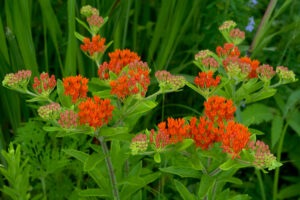 across
the Eastern United States. While it is best known for supporting butterflies, particularly monarchs, this hardy plant is also a favorite of hummingbirds, thanks to its abundant nectar and bright flowers.
Key Characteristics
- Zones: 3–10
- Height: 1–3 feet
- Bloom Time: June–August
- Features: Clusters of fiery orange, star-shaped flowers atop sturdy stems with narrow, lance-shaped leaves.
The vivid orange flowers of Butterfly Weed are highly attractive to hummingbirds. The bright color acts as a visual signal, drawing them in from a distance. Its small, tubular blooms are perfectly designed to accommodate the long bills and tongues of hummingbirds, allowing them to access the nectar deep within.
- This is a comprehensive video on how to Grow Butterfly Weed. Topics covered include:
- What is Butterfly Weed?
- Benefits of Butterfly Weed
- Butterflyweed growing conditions and care
- How to germinate Butterfly Weed Seed
- Wildlife attracted to Butterfly Weed
- Garden Uses of Butterfly Weed.
Butterfly Weed is a wildflower native to North America that looks great in a formal manicured flowerbed, or a wildflower garden / meadow. Butterfly Weed is almost irresistible to pollinators as well as a larval host for the Monarch Butterfly. Scientifically known as Asclepias Tuberosa, we will lay out a case as to why you need to grow Butterfly Weed!
Natural Habitat
Butterfly Weed thrives in sunny meadows, prairies, and along roadsides. It prefers well-drained soil and tolerates dry conditions, making it an excellent choice for xeriscaping or low-maintenance gardens. Its deep taproot allows it to survive in challenging environments, such as rocky or sandy soils.
Care and Maintenance
Butterfly Weed is easy to grow and requires minimal care: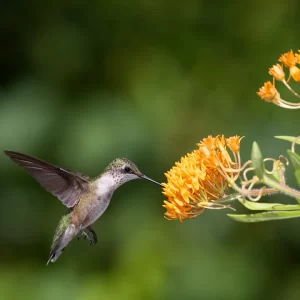
-
Plant in full sun for optimal flowering.
-
Avoid overwatering; it thrives in dry to moderately moist soil.
-
Allow the plant to reseed naturally or collect seeds for propagation.
-
Avoid transplanting mature plants due to their deep taproots.
Ecological Benefits
In addition to attracting hummingbirds, Butterfly Weed supports butterflies, bees, and other pollinators. It also serves as a host plant for monarch butterfly caterpillars, further enhancing its ecological importance.
Why Choose Butterfly Weed?
With its vibrant flowers, ease of care, and ability to attract both hummingbirds and butterflies, Butterfly Weed is a standout addition to any pollinator-friendly garden. Its brilliant color and ecological importance make it a must-have for gardeners looking to support wildlife while adding natural beauty to their landscapes.
-
VIDEO: Looking to add a splash of vibrant orange to your garden while supporting pollinators like butterflies and bees? In this video, we’ll show you how to grow Orange Butterfly Weed (Asclepias tuberosa) from seed using two simple and cost-effective methods:
What are the unique characteristics of Butterfly Weed that make it attractive to hummingbirds
Butterfly Weed (Asclepias tuberosa) is a vibrant perennial wildflower with several unique traits that make it highly appealing to 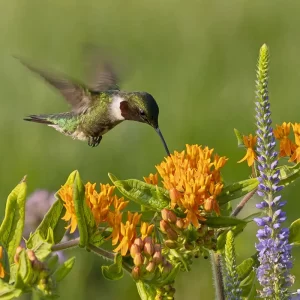 hummingbirds. Its combination of bright colors, abundant nectar, and adaptability ensures it stands out as a reliable food source for these pollinators.
- Bright, Eye-Catching Flowers
The vivid orange to orange-yellow blooms of Butterfly Weed are one of its most striking features. Hummingbirds are naturally drawn to warm colors like orange and red, which signal a rich nectar source. The flat-topped clusters of flowers provide a prominent visual cue, making the plant easy for hummingbirds to locate.
- Tubular Flower Design
Each flower in the cluster has a tubular structure with reflexed petals and a crown-like center. This design is perfectly suited to the long bills and tongues of hummingbirds, allowing them to access nectar deep within the flower while minimizing competition from other pollinators.
- Abundant Nectar Production
Butterfly Weed produces copious amounts of nectar, making it an energy-rich food source for hummingbirds. Its long bloom period, lasting from late spring through summer, ensures a consistent supply of nectar during the peak feeding season for these birds.
- Adaptability to Dry Conditions
Hummingbirds often forage in open, sunny areas, and Butterfly Weed thrives in such environments. Its deep taproot allows it to grow in dry, well-drained soils, ensuring it continues to provide nectar even during droughts when other plants may struggle.
- Ecological Benefits
In addition to attracting hummingbirds, Butterfly Weed supports butterflies, bees, and other pollinators. It serves as a host plant for monarch butterfly caterpillars and produces seed pods that aid in wind dispersal.
With its brilliant blooms, specialized flower structure, and high nectar output, Butterfly Weed is an essential addition to gardens designed to attract hummingbirds while supporting native ecosystems.
A few additions that will make any garden more hummingbird friendly
Provide nesting materials like cotton or plant fibers. You can place these materials in suet cages or spread them around your garden.
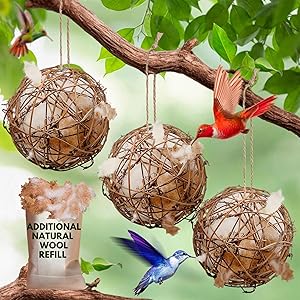
A major component of any successful hummingbird garden is a dependable hummingbird feeder that is easy to take apart and clean and doesn’t leak.
One of the best Hummingbird feeders that’s easy to take apart and clean is the HummZinger Ultra.
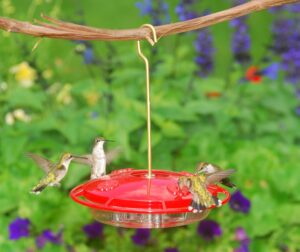
Aspects 12oz HummZinger Ultra With Nectar Guard.
The HummZinger Ultra 12oz Saucer Feeder is one of the best options for a hummingbird feeder that’s both easy to clean and maintain. This top-tier feeder features patented Nectar Guard tips—flexible membranes on the feeding ports that keep flying insects out while still allowing hummingbirds to feed freely. Plus, it comes with an integrated ant moat to prevent crawling insects from reaching the nectar, and the raised flower ports help divert rain, keeping the nectar fresh.
With a 12 oz capacity, this mid-size feeder offers plenty of space and can be hung or mounted on a post using the included hardware. It has four feeding ports and is made from durable, unbreakable polycarbonate. Whether you’re concerned about bees, wasps, or ants, this feeder is built for easy cleaning and insect protection.
If you already have a hummingbird feeder, and you want to protect it from ants and other crawling insects, the ant moat below will do the job.
Trap-It Ant Moat for Hummingbird Feeders
Using an ant moat for your hummingbird feeder is an effective way to keep ants away from the sweet nectar. These tiny creatures are drawn to
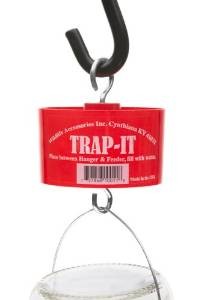
the sugar water, and without a barrier, they will quickly infest your feeder, preventing the birds from enjoying the nectar. An ant moat works by creating a barrier of water that ants can’t cross. Positioned above the feeder, it effectively blocks the ants’ path, keeping them from reaching the nectar.
This simple solution also ensures that your hummingbird feeder remains clean and accessible for the birds, rather than becoming a breeding ground for ants or other pests. It’s a small addition that can make a big difference in maintaining a healthy, inviting space for hummingbirds, while also reducing the need for chemical ant deterrents.
The first and still the best to protect your Hummingbird and Oriole feeder from ants and other crawling insects. Insert between hanger and feeder and fill with water, providing a barrier to crawling pests. Red color to attract hummingbirds.
In addition to nectar, hummingbirds need water and safe spaces to rest. By providing a birdbath or misting system, you can ensure they have everything they need.
Water Sources
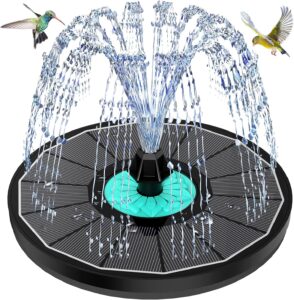
Hummingbirds enjoy fresh water to drink and bathe. A shallow birdbath with a fine spray from a mister is ideal. Just make sure the water is changed regularly to keep it clean.
Here’s a solar powered bird bath.
Hummingbird misters at Amazon.com
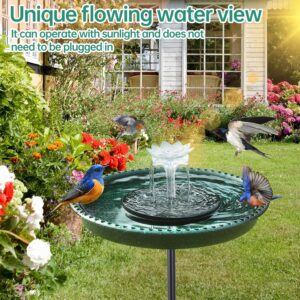
Install shallow bird baths with gently sloping edges. Hummingbirds prefer water sources that are no more than 1-1.5 inches deep.
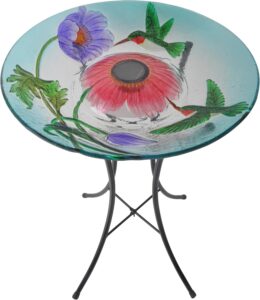
Consider adding a mister or dripper to create moving water, which attracts hummingbirds. They often enjoy flying through fine sprays of water.
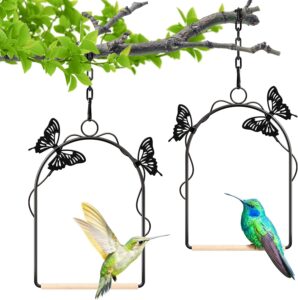
A hummingbird perch is a good way to attract hummingbirds to a particular spot near your feeder
Hummingbird Resources
U.S. Fish and Wildlife Service – Hummingbird Conservation
This site offers detailed information about various hummingbird species, their habitats, and conservation efforts. It also provides resources on how to protect these fascinating birds.
National Park Service – Hummingbird Resources
The National Park Service offers insights into hummingbird species found in national parks, their behaviors, and their role in ecosystems, along with tips for observing them.
Smithsonian National Museum of Natural History – Birds: Hummingbirds
This resource provides educational materials on the role of hummingbirds in pollination and biodiversity, backed by scientific research and exhibits from the Smithsonian.