Bee Balm (Monarda didyma), also known as Scarlet Beebalm or Oswego Tea, is a native perennial that brings vibrant color and life to gardens 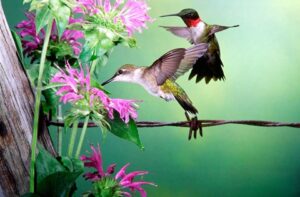 across the Eastern United States. Known for its striking red, pink, or purple flowers, this plant is a magnet for hummingbirds, butterflies, and bees. Its beauty and ecological benefits make it a must-have for pollinator-friendly landscapes.
Key Characteristics
- Zones: 4–9
- Height: 2–4 feet
- Bloom Time: June–August
- Features: Dense clusters of tubular flowers atop square stems with aromatic, mint-like foliage.
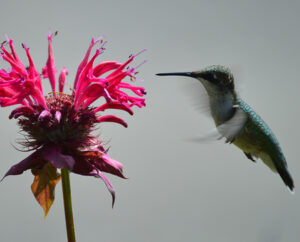
The bright, tubular blooms of Bee Balm are perfectly designed to attract hummingbirds. The flowers’ shape allows these birds to easily access the nectar while their vibrant colors act as a visual beacon. Bee Balm’s long bloom period ensures a consistent food source during the height of summer when hummingbirds are most active.
Bee Balm is a perennial wildflower with gorgeous red blooms that attracts hummingbirds. In this video I show you everything you need to know to grow this plant. I cover growing conditions, soil requirements, propagating from seed, propagating from division / cutting rhizomes.
Natural Habitat
Bee Balm thrives in moist meadows, woodland edges, and along stream banks. It prefers rich, well-drained soil and full sun but can tolerate partial shade. Its ability to naturalize makes it an excellent choice for wildflower gardens or naturalized areas.
Care and Maintenance
- Bee Balm is relatively low-maintenance but benefits from proper care:
- Plant in full sun for optimal flowering.
- Keep soil consistently moist but well-drained.
- Thin plants regularly to improve air circulation and prevent powdery mildew.
- Deadhead spent blooms to encourage continuous flowering.
Ecological Benefits
Bee Balm is a powerhouse for pollinators. Its nectar-rich flowers are a favorite of hummingbirds, while butterflies and native bees also benefit from its blooms. Additionally, its aromatic foliage deters deer and other garden pests.
Why Choose Bee Balm?
With its stunning appearance, ease of care, and ability to support pollinators, Bee Balm is an essential addition to any garden. Whether planted in borders, pollinator gardens, or naturalized spaces, this native wildflower will attract hummingbirds and add vibrant beauty to your landscape year after year.
Red bee balm, Monarda didyma is the name of this awesome blazing red flowered plant. A native plant to North America, its fiery blooms stand out and really make your garden look professional and showy. As a native plant, this monarda species feeds bees, butterflies, and hummingbirds, so you can watch for them every day right from your own yard. Nature doesn’t have to be someplace you go on vacation. It can be in your backyard every single day, bringing nature home to your family and nurturing the ecosystem.
What are the unique characteristics of Bee Balm that attract hummingbirds
Bee Balm (Monarda didyma) is a standout native plant for attracting hummingbirds, thanks to its vibrant blooms and specialized floral 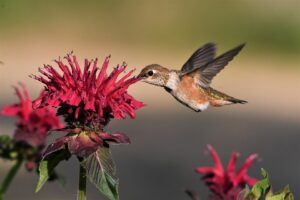 features. This perennial wildflower offers a combination of traits that make it irresistible to these energetic pollinators.
Bright, Vibrant Colors
Bee Balm blooms in striking shades of red, pink, purple, and sometimes white. Hummingbirds are naturally drawn to bright colors, particularly red, as they signal a rich nectar source. The vivid hues of Bee Balm make it easy for hummingbirds to spot from a distance, ensuring the plant stands out in any garden.
Tubular Flower Structure
The tubular shape of Bee Balm’s flowers is perfectly suited to the long bills and tongues of hummingbirds. This design allows them to access nectar deep within the flower while minimizing competition from other pollinators like bees and butterflies. The flowers are held in dense clusters at the top of their stems, creating convenient feeding stations for hummingbirds.
Abundant Nectar Production
Bee Balm is known for its high nectar output, making it one of the most reliable food sources for hummingbirds during their active summer months. Its long bloom period, typically from June to August, ensures a steady supply of nourishment throughout the season.
Continuous Blooming
With proper care, such as deadheading spent flowers, Bee Balm can produce successive blooms throughout the summer. This extended flowering period provides hummingbirds with consistent access to nectar over several weeks.
Aromatic Foliage
Bee Balm’s mint-scented foliage adds another layer of appeal. While not directly attracting hummingbirds, its fragrance deters deer and other pests, ensuring the flowers remain undisturbed for pollinators.
Adaptability
Bee Balm thrives in sunny locations with moist but well-drained soil. Its ability to grow in diverse conditions makes it accessible in both small spaces and large pollinator gardens.
With its vibrant colors, tubular flowers, and abundant nectar production, Bee Balm is a top choice for gardeners looking to attract hummingbirds while enhancing their landscape with bold beauty.
Natural Pest Control Methods for Your Hummingbird Garden
Creating a thriving hummingbird garden is a rewarding experience. However, maintaining it while keeping pests at bay can be challenging. Fortunately, there are numerous natural pest control methods that can protect your garden’s delicate ecosystem. Click the link above to find out how to naturally control pests in your hummingbird garden.
A few additions that will make any garden more hummingbird friendly
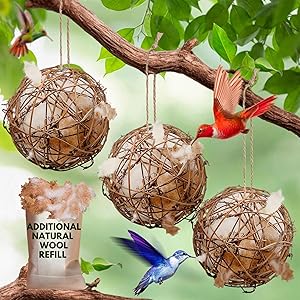
Provide nesting materials like cotton, pet fur, or plant fibers. You can place these materials in suet cages or spread them around your garden.
Water Sources
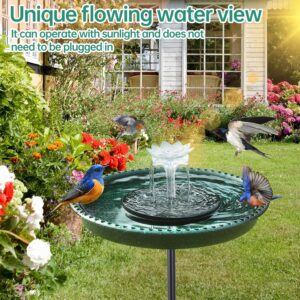
Hummingbirds enjoy fresh water to drink and bathe. A shallow birdbath with a fine spray from a mister is ideal. Just make sure the water is changed regularly to keep it clean.
Here’s a solar powered bird bath.
Hummingbird misters at Amazon.com
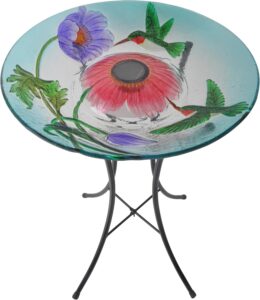
Install shallow bird baths with gently sloping edges. Hummingbirds prefer water sources that are no more than 1-1.5 inches deep.
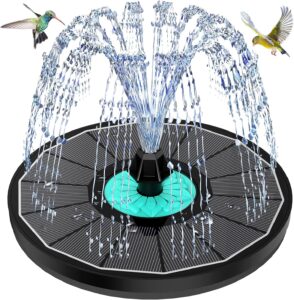
Consider adding a mister or dripper to create moving water, which attracts hummingbirds. They often enjoy flying through fine sprays of water.
A hummingbird perch is a good way to attract hummingbirds to a particular spot near your feeder
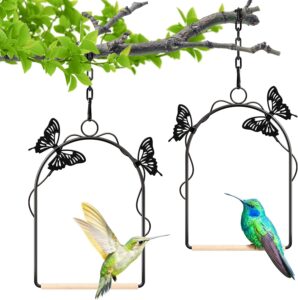
hummingbird perches
A major component of any successful hummingbird garden is a dependable hummingbird feeder that is easy to clean and doesn’t leak.
One of the best Hummingbird feeders that’s easy to take apart and clean is the HummZinger Ultra.
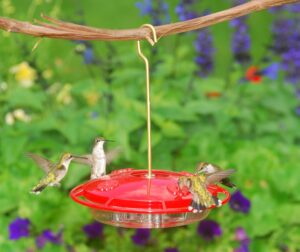
Aspects 12oz HummZinger Ultra With Nectar Guard.
The HummZinger Ultra 12oz Saucer Feeder is one of the best options for a hummingbird feeder that’s both easy to clean and maintain. This top-tier feeder features patented Nectar Guard tips—flexible membranes on the feeding ports that keep flying insects out while still allowing hummingbirds to feed freely. Plus, it comes with an integrated ant moat to prevent crawling insects from reaching the nectar, and the raised flower ports help divert rain, keeping the nectar fresh.
With a 12 oz capacity, this mid-size feeder offers plenty of space and can be hung or mounted on a post using the included hardware. It has four feeding ports and is made from durable, unbreakable polycarbonate. Whether you’re concerned about bees, wasps, or ants, this feeder is built for easy cleaning and insect protection.
Hummingbird Resources
U.S. Fish and Wildlife Service – Hummingbird Conservation
This site offers detailed information about various hummingbird species, their habitats, and conservation efforts. It also provides resources on how to protect these fascinating birds.
National Park Service – Hummingbird Resources
The National Park Service offers insights into hummingbird species found in national parks, their behaviors, and their role in ecosystems, along with tips for observing them.
Smithsonian National Museum of Natural History – Birds: Hummingbirds
This resource provides educational materials on the role of hummingbirds in pollination and biodiversity, backed by scientific research and exhibits from the Smithsonian.