Hummingbirds in Alaska: Rufous, Anna’s, Feeders and Native Plants
Key takeaways for Alaska hummingbirds
-
Rufous Hummingbird is the only hummingbird that commonly occurs and breeds in Southeast and Southcentral Alaska; Anna’s is a regular but uncommon visitor, and Costa’s appears only rarely.
-
Rufous Hummingbirds usually arrive in Southeast and Southcentral Alaska around early April and are most numerous from late spring through August.
-
Most Rufous leave by late August; Anna’s Hummingbirds are most likely from late August through late April, so feeders in coastal areas can host hummingbirds almost year‑round.
-
Use the standard 4‑to‑1 sugar‑water mix with no red dye and change nectar every 3–5 days in cool weather, or every 1–2 days during warm spells or if the feeder is in full sun.
Small, easy‑to‑clean saucer‑style feeders with 8–12 oz capacity and built‑in ant moats work well in Alaska’s climate and make it realistic to keep nectar fresh.
Alaska’s breathtaking wilderness is home to some of the most resilient wildlife on Earth, including hummingbirds. While many people associate these tiny birds with warmer climates, Alaska provides a seasonal haven for hummingbirds, particularly the Rufous Hummingbird and Anna’s Hummingbird. With careful planning and the right strategies, you can create a hummingbird-friendly habitat in Alaska, whether you live in a bustling city or a remote rural area. This expanded guide dives deep into how to attract and feed hummingbirds in Alaska, with a special focus on native plants, urban and rural strategies, and year-round support.
Hummingbird Species in Alaska
Alaska hosts two species of hummingbirds:
-
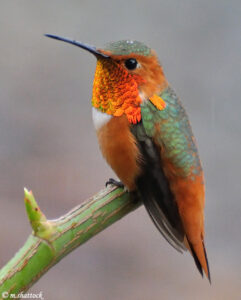
Rufous Hummingbird
Known for its fiery orange plumage, the Rufous Hummingbird is the most common species in Alaska. It is famous for its long migration journey, traveling thousands of miles from Mexico to Alaska each spring. Rufous Hummingbirds are highly territorial and aggressive at feeders but play an essential role as pollinators.
2. Anna’s Hummingbird
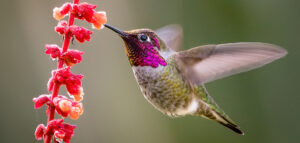
Once rare in Alaska, Anna’s Hummingbirds are now increasingly spotted in coastal areas like Ketchikan due to milder winters and supplemental feeders. They have iridescent green backs and pink throats (males) and are unique for their ability to overwinter in colder climates.
Seasonal Timing
Understanding when hummingbirds arrive and depart is key to supporting them:
-
Spring Arrival: Rufous Hummingbirds typically arrive in Southeast Alaska by mid-April or early May. Their arrival coincides with the blooming of early wildflowers like salmonberry.
-
Fall Departure: Most Rufous Hummingbirds migrate south by late August or early September as food sources dwindle.
-
Winter Sightings: Anna’s Hummingbirds may overwinter in coastal areas if feeders are maintained and temperatures remain moderate.
Feeding Guidelines
Feeding hummingbirds is one of the easiest ways to attract them to your yard. Follow these tips to keep them healthy:
Nectar Recipe
The ideal nectar recipe mimics natural flower nectar:
-
Mix 1 part white granulated sugar with 4 parts water.
-
Boil the mixture briefly to dissolve the sugar completely, then let it cool before filling feeders.
-
Avoid honey or red dye, as these can harm hummingbirds.
What to look for in a feeder
-
-
Saucer (dish) design for easy cleaning and less leaking
Saucer‑style feeders are low‑profile, resist wind, rarely leak, and are among the easiest to scrub, which encourages frequent cleaning. -
Glass or high‑quality plastic you can see through
Glass reservoirs don’t warp or discolor, are easier to keep clean, and warm more slowly than thin plastic; either clear glass or clear plastic lets you see nectar levels and cloudiness. -
Bee guards and an ant moat
Raised, bee‑resistant ports plus a built‑in or add‑on ant moat keep insects out while your layered plantings draw lots of pollinators. -
Small–medium capacity (8–16 oz)
In Connecticut, a 12–16 oz feeder is ideal near your flower beds—you’ll want to change nectar every 1–3 days anyway, so huge “big gulp” feeders aren’t necessary unless you have heavy traffic. -
Perches at each port
Circular perches let hummingbirds rest while feeding and make it easier for you to watch them working your layered planting.
-
Use feeders to supplement, not replace, flowers
Feeders add a reliable nectar source alongside your plants, especially during early spring and late fall when blooms may be sparse. Hang them where they’re visible from your best flower beds so hummingbirds can move naturally between blossoms and sugar water.
If you’re tired of leaky bottle feeders and clouds of bees, this video shows why a simple saucer‑style Aspects feeder is a game‑changer in the hummingbird yard. You’ll see how its low nectar level, built‑in ant moat, bee‑resistant ports, and easy‑clean, US‑made design give you fresher nectar, fewer insects, and better hummingbird views—all backed by a true lifetime guarantee.
“Why I recommend this feeder”
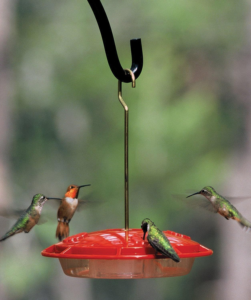 One of the best hummingbird feeders for any yard is the HummZinger Ultra 12‑oz Saucer Feeder. Its low, shallow bowl makes it easy to see the nectar level at a glance and reach every corner when you wash it, while the built‑in ant moat and included Nectar‑Guard tips help keep ants, bees, and wasps out of the sugar water. Raised flower ports divert rain so the nectar doesn’t get diluted, and a wrap‑around perch lets hummingbirds rest and feed comfortably, giving you longer, closer views. Made from durable polycarbonate in the USA and backed by Aspects with a true lifetime guarantee, it’s a feeder you can buy once and rely on season after season.
Where to hang feeders in Alaskan yards
-
Hang feeders near flowers, shrubs, or small trees so hummingbirds have perches and quick cover from predators.
-
Aim for about 4–5 feet above the ground, where birds feel safe and you can easily reach the feeders.
-
Keep feeders a few feet away from large windows, or use decals/screens, to reduce collision risk.
- Adding a few thin branches, wires, or swings nearby gives hummingbirds places to rest and watch over the feeders between visits.
Hang it in the right spot and they will come!
For a deep dive into perfectly placing your feeder for maximum results, check out my in‑depth guide on how to choose the best place to hang your hummingbird feeder.Discover exactly where to hang your hummingbird feeder for the best results. This complete guide walks you through sunlight and shade, height, distance from windows, wind and predator protection, and how close to place feeders to flowers so hummingbirds feel safe and visit often. You’ll also get practical tips on window feeders, hanging hardware, cleaning schedules by temperature, and simple tricks to stop ants and other pests.Check out the article for everything you need to turn one well‑placed feeder into a busy hummingbird hot spot.
To reduce fighting among hummingbirds:
-
Use two or more small feeders rather than one big one.
-
Place feeders 10–15 feet apart or around corners so a territorial male can’t guard them all at once.
Learn how hummingbird aggression impacts your backyard. This video explores territorial behavior and offers practical solutions for attracting more hummingbirds to your feeders. Discover several helpful strategies to encourage a more harmonious environment.
How to be sure your nectar is always fresh
It’s very important to keep fresh nectar in the feeder. Hummingbirds won’t feed at a dirty feeder and spoiled hummingbird nectar can be harmful to the hummingbirds. Sooner or later, the sugar in the nectar will ferment. The temperature of the outside air is what will determine how long the hummingbird food will stay fresh. The hotter the temperature, the sooner it will ferment and the sooner the nectar will have to be changed. Once the nectar starts to ferment it won’t be long before black specks of mold can be seen in the nectar and mold would be seen growing on your feeder. As a general rule, if the temp. is in the 60’s, the nectar should last about a week before needing changing. When the temp. gets out of the 60’s it will need changing sooner. Below is a chart that you can use as a guide to help keep your nectar fresh.
High temperatures…………Change nectar after
71-75……………………………6 days
76-80……………………………5 days
81-84……………………………4 days
85-88……………………………3 days
89-92……………………………2 days
93+………………………………change daily
This chart is only meant to be a general guide. It’s better to change the nectar a little sooner than to change it later, after the sugar starts to ferment. Along with the chart, a visual inspection of the nectar will tell you if it needs to be changed. Once the nectar starts to look cloudy, it needs to be changed. If it looks cloudy and has black specks of mold in it, you have waited too long. Moldy hummingbird food containing bacteria, can be harmful to the hummingbirds.
If you would like a comprehensive guide to help you clean your hummingbird feeder especially for those times when the nectar is not changed soon enough and mold starts to grow, this is for you. Keeping your feeder truly clean is one of the most important—and most confusing—parts of feeding hummingbirds. This step‑by‑step guide shows you exactly how to clean a hummingbird feeder with vinegar or bleach, how often to change nectar at different temperatures, how to spot mold before it becomes a problem, and which feeder designs, brushes, and ant moats make the job much easier. It even covers how to keep bees and ants away and includes a video walk through, so if you’d like clear, simple instructions you can follow with confidence, this special comprehensive guide is for you!
Winter Feeding
Anna’s Hummingbirds rely heavily on feeders during winter. Use heated feeders or wrap feeders with heat tape to keep nectar liquid. Alternatively, bring feeders indoors overnight and place them outside early each morning.
Native Plants for Hummingbirds
Native plants are essential for creating a sustainable habitat for hummingbirds in Alaska. These plants provide natural nectar sources while supporting insects that hummingbirds rely on for protein.
Top Native Plants
-
Fireweed (Chamerion angustifolium)
-
A tall perennial with vibrant pink flowers that bloom from mid-summer to early fall.
-
Thrives in open meadows and disturbed areas.
-
-
Western Columbine (Aquilegia formosa)
-
Features red and yellow tubular flowers perfect for hummingbirds.
-
Grows well in shaded or partially shaded areas.
-
-
Salmonberry (Rubus spectabilis)
-
Produces pink flowers in spring that attract hummingbirds before transitioning to edible berries.
-
Common along forest edges and wetlands.
-
-
Devil’s Club (Oplopanax horridus)
-
Known for its spiny stems but produces small clusters of flowers that attract insects and hummingbirds alike.
-
-
Goatsbeard (Aruncus dioicus)
-
A shade-loving perennial with feathery white flowers blooming in late spring.
-
-
Sitka Spruce (Picea sitchensis)
-
Provides essential perching and nesting sites for hummingbirds.
-
-
Red Elderberry (Sambucus racemosa)
-
Produces clusters of small white flowers followed by red berries, supporting pollinators and wildlife.
-
-
Bluebells (Mertensia spp.)
-
Early-blooming wildflowers with bell-shaped blue flowers that provide nectar during spring migration.
-
-
Lupine (Lupinus nootkatensis)
-
Vibrant purple flowers offering nectar throughout the summer.
-
-
Wild Currants (Ribes spp.)
-
Includes species like Wax Currant (Ribes cereum), which blooms early to support arriving Rufous Hummingbirds.
-
Planting Tips
-
Group plants by blooming period to ensure continuous nectar availability from spring through fall.
-
Incorporate flowering shrubs like salmonberry alongside herbaceous perennials such as fireweed.
-
Avoid pesticides or herbicides, which can harm both hummingbirds and their insect prey.
-
Plant near water sources such as streams or ponds to mimic natural habitats.
Creating Seasonal Blooms
To ensure your garden supports hummingbirds throughout their stay:
-
Plant early bloomers like bluebells and salmonberry for spring arrivals.
-
Add mid-season bloomers like lupine and fireweed for summer sustenance.
-
Include late bloomers like goatsbeard for fall migration support.
Urban Strategies For Attracting Hummingbirds In Alaska
Even if you live in an urban area like Anchorage or Juneau, you can attract hummingbirds by creating small but effective habitats:
Container Gardening
Container gardening is ideal for urban spaces:
-
Use large pots filled with native plants like fireweed or lupine.
-
Include trailing plants such as nasturtiums or scarlet creeper to add vertical interest.
-
Place containers on balconies or patios where they receive plenty of sunlight.
-
Add compact shrubs like dwarf elderberry to larger containers for additional nectar sources.
Balcony Feeders
Balcony feeders are excellent for attracting Anna’s Hummingbirds year-round:
-
Install compact feeders designed for small spaces.
-
Use heated feeders during winter months to prevent freezing.
-
Add potted plants like fuchsia or petunias around the feeder to create an inviting environment.
-
Hang feeders near railing planters filled with nectar-rich flowers like nasturtiums or impatiens.
Enhancing Urban Spaces
Urban dwellers can maximize their space by:
-
Installing vertical gardens with climbing plants like scarlet creeper on trellises.
-
Using artificial flowers as visual lures near feeders while providing real nectar sources nearby.
-
Adding small water features such as fountains or misters for bathing opportunities.
Rural Strategies For Attracting Alaskan Hummingbirds
For those living in rural areas with more space, there are many ways to create a thriving habitat for hummingbirds:
Expansive Gardens
Design large gardens featuring native plants like western columbine, salmonberry, and fireweed:
-
Group plants with similar sunlight and soil requirements together.
-
Incorporate flowering shrubs along property borders for additional nectar sources.
-
Add taller trees like Sitka spruce near gardens for nesting sites.
Wildflower Meadows
Establish wildflower meadows with species such as lupine, bluebells, and goatsbeard:
-
Allow some areas of your property to grow naturally without mowing.
-
Include early-blooming plants to support migrating Rufous Hummingbirds.
Tree Plantings
Plant trees like Sitka spruce or red alder near your garden:
-
Provide perching sites where hummingbirds can rest between feedings.
-
Use trees as windbreaks to protect feeding areas from strong gusts.
Water Features
Add birdbaths, fountains, or misters near flowering plants:
-
Running water attracts both insects and thirsty birds.
-
Ensure water features are shallow enough for small birds to use safely.
Provide safe perches and nesting cover
Keep some shrubs, small deciduous trees, and a few dead or thin branches where hummingbirds can rest, display, and build nests. Avoid pruning everything into bare, tight shapes; a slightly softer outline with twiggy tips gives birds more places to sit and watch over feeders and flowers.
A simple hummingbird swing or decorative perch placed a few feet from your feeder brings birds into perfect view and gives them a “guard post.”
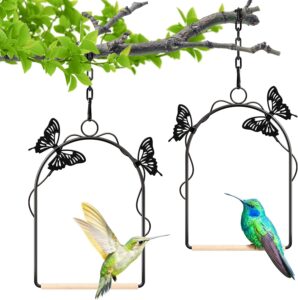
Hummingbirds may spend more time perched than many people realize, using these spots to rest, preen, digest nectar, and defend their favorite feeding areas. Once birds adopt a swing or perch, they often stay in the yard longer and make more frequent, relaxed visits.
Offer water in a way hummingbirds like
Consider adding a mister. Most people focus on feeders and flowers, but the right water feature can turn your Nebraska yard into a true 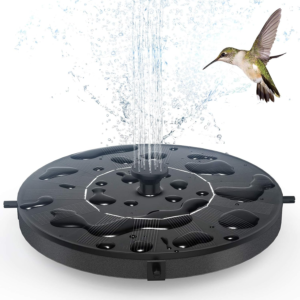 hummingbird hangout. Hummingbirds prefer shallow, moving water—fine sprays, mists, and droplets on leaves—rather than deep, still birdbaths. Add a mister, dripper, or fine spray so hummingbirds can bathe in moving droplets on leaves or in a shallow basin.
You can also install a shallow birdbath with gently sloping edges with gently sloping edges—no more than about an inch of water—gives hummingbirds a place to sip and splash at the edge.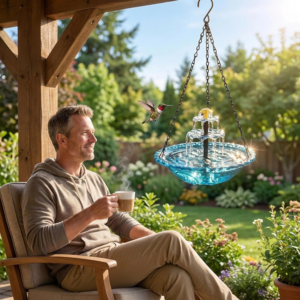 Position water features near, but not directly over, key flower beds so birds can move easily between bathing and feeding.
Placing Water Features for Maximum Hummingbird Activity
Where you place your water features matters as much as what you choose.
-
Near cover, not in the open: Position water within a few feet of shrubs, small trees, or tall perennials so hummingbirds can retreat quickly if they feel threatened.
-
Partial shade: Light shade keeps water cooler and reduces evaporation while still allowing enough sun for droplets to sparkle.
-
Close to nectar plants and feeders: Place water features near your hummingbird‑friendly flowers and feeders so birds can easily move between feeding and bathing.
-
Safe viewing distance: Set features where you can see them from a window, patio, or garden bench, but not so close that frequent traffic scares birds away.
If you have multiple water features, spread them around to reduce territorial conflicts and give more birds access.
For a comprehensive guide on using water features, check out my article: How to Use Water Features to Attract Hummingbirds. This guide will walk you through the exact kinds of misters, drippers, and shallow baths hummingbirds prefer, how deep and how strong the water flow should be, where to place everything so birds feel safe, and how to keep it all clean without spending a lot of money.
Skip pesticides and let insects thrive
-
Avoid or greatly limit pesticides, especially systemic insecticides, because hummingbirds and their chicks rely heavily on tiny insects and spiders for protein.
- A healthy, chemical‑free yard with native plants will naturally support more insects, which means more high‑quality food for hummingbirds.
My article Natural Pest Control Methods for Your Hummingbird Garden shows readers they don’t have to choose between a healthy hummingbird garden and effective pest control. It explains exactly how to prevent and manage pests using natural methods—companion planting, encouraging “good bugs,” organic sprays like garlic, pepper, and neem, physical barriers, and smart traps—so they protect their plants without poisoning hummingbirds or the insects they eat. It also gives clear, season‑by‑season checklists and safety tips (like where not to spray, how to avoid harming pollinators, and how to keep pest control away from nests and feeders), making it easy to follow even if you’re new to organic gardening. If you want fewer pests, stronger plants, and a garden that’s truly safe for hummingbirds from spring through fall, this is the article for you!
Keep Insects Away From Your Feeder
Bees, wasps, and ant trails can quickly take over a hummingbird feeder, but you don’t have to give up and bring the feeder in. My detailed guide: How to Keep Bees and Ants Away From Your Hummingbird Feeder walks you through the safest, most effective ways to keep pests out of your nectar—using ant moats, bee‑resistant feeders, smarter placement, and even “decoy” feeders that draw insects away—so the sugar water stays clean and available for hummingbirds only. If you’re tired of fighting swarms on your feeders and want a simple plan that actually works, This guide is your proven answer!
Sometimes, small insects like ants, bees and wasps won’t be the only pests raiding your hummingbird feeder. For those times when larger critters become a problem, check out my guide: Effective Tips For Pest Control At The Hummingbird Feeder.
If you’re curious how your state compares to other parts of the country, you can see arrival and departure times for every state in my main guide, “When to Feed Hummingbirds: A State‑by‑State Guide.” It’s a handy overview if you travel, have relatives in other states, or just want to understand the bigger migration picture.
Climate Challenges and Adaptations
Alaska’s short growing season means it’s crucial to provide early-blooming plants and maintain feeders throughout the summer:
-
Use mulch around plants to retain soil moisture during dry spells.
-
Protect tender perennials from frost with row covers or by planting them near heat-retaining rocks.
-
Maintain heated feeders during winter months for Anna’s Hummingbirds.
Special Tips for Alaskan Birders
-
Participate in citizen science programs like the Christmas Bird Count to document wintering Anna’s Hummingbirds.
-
Keep binoculars handy during migration seasons—Rufous Hummingbirds are known for their territorial displays!
Conclusion
By focusing on native plants, tailored urban strategies, expansive rural solutions, and year-round support systems like heated feeders, you can create a thriving habitat for hummingbirds even in Alaska’s challenging climate! Whether you’re welcoming Rufous Hummingbirds during their epic migration or supporting Anna’s Hummingbirds through winter, your efforts contribute significantly to their survival—and provide endless enjoyment watching these incredible creatures thrive!
Alaska hummingbird FAQ
What hummingbirds live in Alaska?
Rufous Hummingbird is the only hummingbird that commonly occurs and breeds in Southeast and Southcentral Alaska. Anna’s Hummingbird is now a regular but still uncommon visitor in these regions, mainly in coastal Southeast and south‑central areas, while Costa’s Hummingbird is a rare casual visitor.
When do hummingbirds arrive in Alaska?
State‑by‑state timing guides note that hummingbirds reach Alaska from about early April through early May, with most first arrivals in late April or early May depending on latitude and elevation. BirdWatching Daily reports that Rufous Hummingbirds arrive in Southeast and Southcentral Alaska around the first week of April.
When do hummingbirds leave Alaska?
Rufous Hummingbirds typically depart Southeast and Southcentral Alaska by the end of August as they head south along their migration route. Anna’s Hummingbirds are most common in Alaska from late August through late April, so they may still appear at feeders after Rufous have gone.
When should I put up hummingbird feeders in Alaska?
Western timing guides suggest hanging feeders in Alaska by late March to mid‑April so they’re ready before the first migrants arrive. BirdWatching Daily specifically recommends having feeders up by the first week of April for Rufous Hummingbirds in Southeast and Southcentral Alaska.
When should I take down hummingbird feeders in Alaska?
Because Anna’s Hummingbirds now use feeders through fall, winter, and early spring in Southeast and Southcentral Alaska, BirdWatching Daily advises keeping feeders up year‑round in those regions. In colder interior or northern areas where hummingbirds are strictly summer visitors, it’s reasonable to take feeders down once no hummingbirds have visited for about two weeks at the end of the season.
What is the best hummingbird nectar recipe for Alaska?
Use the standard 4‑to‑1 mix recommended for other states: 1 part plain white sugar to 4 parts water, with no red dye added. Boil the water, dissolve the sugar, let it cool, and then fill clean feeders with clear nectar.
How often should I change nectar in Alaska’s cooler climate?
In cooler weather, experts say you can change nectar every 3–5 days as long as it stays clear and fresh. During any warm spells or if the feeder sits in full sun, switch to every 1–2 days and always change it immediately if the nectar looks cloudy or shows any black specks.
Which feeder styles work best for Alaska hummingbirds?
Small saucer‑style feeders around 8–12 ounces work well in Alaska because they’re easy to clean and let you offer fresh nectar in modest amounts that birds can finish quickly. Designs with built‑in ant moats and raised ports, like the Aspects HummZinger Ultra, also help keep insects out and reduce leaking during rainy coastal weather.
What native or hardy plants attract hummingbirds in Alaska?
Cold‑hardy, nectar‑rich blooms such as native or hardy columbines, penstemons, salvias, and honeysuckles are especially good for hummingbirds in northern gardens. National native‑plant resources suggest choosing locally adapted species via state‑by‑state plant finders so flowers match your region’s light and moisture conditions.
Where can I learn more about hummingbirds in Alaska?
The Alaska Department of Fish and Game has a detailed Rufous Hummingbird account that covers identification, range, and behavior in the state. BirdWatching Daily’s hummingbird season guide includes an Alaska section with arrival, departure, and feeder recommendations, and recent Alaska‑focused articles and blogs summarize the status of Rufous and Anna’s Hummingbirds in the “Last Frontier.”
“Further resources for Alaska hummingbird watchers”
Alaska Department of Fish and Game – Rufous Hummingbird (Alaska backyard birding account). https://adfg.alaska.gov/index.cfm?adfg=birdviewing.backyardbirds&species=rufoushummingbird
BirdWatching Daily – “Hummingbird Season: When To Put Up & Take Down Your Feeders” (includes Alaska timing and year‑round feeder guidance). https://www.birdwatchingdaily.com/beginners/birding-faq/hummingbird-season/
AlaskaExplored – “Hummingbirds in Alaska: Little Bird in Big Country” (overview of Rufous and Anna’s in Alaska). https://www.alaskaexplored.com/hummingbirds-in-alaska-little-bird-in-big-country/
Budget101 – “State‑by‑State Guide to Hummingbird Arrivals” (Alaska arrival window). https://www.budget101.com/frugal-living/609437-hummingbird-arrival-times/
Cornell Lab of Ornithology – Rufous Hummingbird (All About Birds). https://www.allaboutbirds.org/guide/Rufous_Hummingbird