Bleeding heart is a beloved perennial known for its romantic, heart-shaped flowers that dangle gracefully from arching stems in spring. These delicate blooms, usually pink with white “drops,” appear to be tiny hearts “bleeding,” which is how the plant earned its memorable name. Thriving in shady, woodland-style gardens, bleeding heart adds elegance, texture, and early-season color to areas where many other plants struggle.
With its ferny or soft foliage and flowing habit, bleeding heart pairs beautifully with hostas, ferns, and other shade perennials. It’s especially valued for lighting up cool, dappled spots under trees, along north-facing foundations, or in woodland borders. Once established in the right place, it returns reliably each year, even though it “disappears” in summer as part of its natural life cycle.
Key Characteristics
-
Height: 1–3 feet (depending on species and cultivar)
-
Bloom Time: Spring to early summer
-
Light Requirements: Partial shade to full shade
-
Soil Preference: Rich, well-drained, consistently moist soil
-
Zones: Generally hardy in zones 3–9 (varies slightly by species)
The heart-shaped flowers of bleeding heart hang in rows along gracefully arching stems, creating a unique focal point in spring gardens. While not a primary hummingbird magnet like tubular red flowers, bleeding heart can still offer nectar to early pollinators, especially bees, during a time when few other shade plants are in bloom. Its early and reliable display makes it a cornerstone plant in many shade and woodland gardens.
Why Bleeding Heart Is Attractive to Hummingbirds
Bleeding heart may not look like a classic hummingbird plant at first glance, but its nectar-rich, dangling flowers can play a quiet supporting role in a hummingbird-friendly garden. In early to mid-spring, when many shady areas have few blooms, its arching stems are lined with pendant flowers that hummingbirds can access with their long bills and tongues.
Because bleeding heart thrives in part to full shade, it fills a niche that many sun-loving hummingbird plants can’t: providing nectar in woodland beds, under trees, and along north-facing foundations. When you pair bleeding heart with more traditional hummingbird favorites—such as columbine, wild bergamot, salvias, or native honeysuckles—you create a layered landscape where hummingbirds can forage from early spring through fall across both sunny and shaded parts of your garden.
Natural Habitat and Growing Conditions
Bleeding heart naturally thrives in woodland and forest-edge environments where soils are rich in organic matter and moisture is consistent but not stagnant. In the garden, it performs best in conditions that mimic this habitat: dappled light, cool roots, and humus-rich, well-draining soil.
It adapts well to:
-
Lightly shaded borders under deciduous trees
-
North or east-facing sides of houses and fences
-
Mixed woodland or native-style plantings with ferns and spring ephemerals
While bleeding heart prefers consistent moisture in spring, it does not like sitting in waterlogged soil. Good drainage is essential to prevent crown and root rot. In cooler climates, it can tolerate more light, sometimes even morning or filtered midday sun, provided soil moisture is adequate. In hotter regions, it needs more shade and mulched soil to keep roots cool.
Care and Maintenance
Bleeding heart is relatively low-maintenance once established, especially when planted in a suitable site.
-
Watering: Keep soil evenly moist in spring and early summer, especially during the first year. After that, regular watering during dry spells is helpful, but the plant can handle short periods of dryness once established.
-
Mulching: Apply a layer of leaf mold, compost, or shredded bark around the plant to conserve moisture, enrich the soil, and keep roots cool. Avoid piling mulch directly against the crown.
-
Feeding: In rich soil, bleeding heart often needs little or no fertilizer. A light application of compost or balanced, slow-release fertilizer in early spring is usually enough.
-
Deadheading: Removing spent flowers can improve appearance, but it’s not required for plant health. Many gardeners simply allow the plant to follow its natural cycle.
One of the most important aspects of bleeding heart care is understanding its dormancy. As temperatures rise in late spring or early summer, the foliage will yellow, collapse, and often disappear entirely. This is normal and does not mean the plant has died—its energy has retreated into the roots, and it will return the following spring. Planning companion plants that fill in after bleeding heart goes dormant keeps your garden looking full and intentional.
Ecological Benefits
While bleeding heart is primarily prized for its ornamental value, it also offers ecological benefits in shady garden ecosystems.
-
Early-season nectar: Its spring blooms offer nectar and pollen for early bees and other pollinators emerging from winter.
-
Habitat structure: In woodland-style plantings, bleeding heart contributes soft foliage and layered structure that supports a diverse understory environment.
-
Soil health: When combined with mulch and other woodland plants, bleeding heart helps build rich, living soil by contributing organic matter as foliage dies back each year.
Native species within the bleeding heart group can play a role in supporting local ecosystems, especially when combined with other regional natives. Pairing ornamental forms with native woodland plants helps create beautiful gardens that are also more ecologically functional.
Why Grow Bleeding Heart
Bleeding heart is more than just a pretty spring flower—it’s a reliable, character-rich perennial that brings romance and structure to shade gardens. Here’s why it deserves a place in your landscape:
1. Graceful Spring Beauty
Bleeding heart delivers a show unlike any other: rows of heart-shaped flowers dangling from arching stems, floating above mounds of soft foliage. In early to mid-spring, when many perennials are just waking up, bleeding heart is already in full, eye-catching bloom. It instantly adds charm and a “storybook” feel to shady spots.
2. A Natural Fit for Shade
Finding plants that truly thrive in shade can be challenging. Bleeding heart excels in part to full shade, especially under deciduous trees or along north-facing walls where sun-lovers fail. It bridges the gap between spring bulbs and later-blooming shade plants, helping you create a layered, season-long display.
3. Low-Maintenance Once Established
Planted in the right place, bleeding heart asks for surprisingly little. Provide rich, well-drained soil, regular moisture in spring, and a mulch layer, and it will return year after year. There is no need for constant pruning, and it generally has few pest problems. Most of its “care” is simply understanding its natural dormancy and leaving it alone when it slips out of sight in summer.
4. Pairs Beautifully with Other Shade Plants
Bleeding heart shines when combined with complementary foliage and bloom shapes. It looks stunning alongside:
-
Hostas with bold, broad leaves
-
Ferns with feathery fronds
-
Heucheras and brunneras with colorful or patterned foliage
-
Spring bulbs and later-blooming perennials that fill in gaps
These combinations help disguise the plant’s summer dormancy and keep the bed visually appealing year-round.
5. Perfect for Woodland and Cottage-Style Gardens
Whether you’re building a naturalistic woodland path or a romantic cottage-style border, bleeding heart fits right in. Its old-fashioned charm works well in traditional gardens, while its natural growth habit blends seamlessly into more wild, informal plantings.
6. Easy to Divide and Share
Mature clumps of bleeding heart can often be divided in early spring or fall. Division helps rejuvenate older plants and lets you spread them around your garden or share with friends. Over time, a single bleeding heart can become the source of many more, allowing you to fill larger shady areas without repeated purchases.
Planting Tips
Site Selection:
Choose a location with partial to full shade. Morning sun with afternoon shade is ideal in most climates. Avoid spots with harsh afternoon sun, especially in warmer regions, as this can cause foliage scorch and early decline.
Soil Preparation:
Loosen the soil and mix in compost or leaf mold to improve fertility and drainage. Aim for a loose, humus-rich soil that mimics woodland conditions.
Spacing:
Space plants about 18–24 inches apart, depending on the cultivar. This allows enough room for airflow, reduces disease risk, and gives foliage space to form attractive mounds.
Watering:
Water deeply after planting and keep the soil consistently moist during the first growing season. Once established, water during dry spells in spring and early summer, then less frequently once the plant goes dormant.
Maintenance:
-
Remove spent stems and yellowed foliage as they collapse to keep beds tidy.
-
Allow the plant to go dormant naturally; avoid overwatering the bare spot.
-
Refresh mulch annually and, if desired, top-dress with compost in spring.
Unique Characteristics of Bleeding Heart That Make It Special
Bleeding heart stands out not just for its flowers, but for the way it behaves and contributes to a garden’s character.
Distinctive Heart-Shaped Flowers
The signature feature of bleeding heart is its string of heart-shaped blooms with a teardrop-like “bleed” at the bottom. This dramatic form makes the plant instantly recognizable and often sparks conversation. The flowers usually come in shades of pink and white, with some varieties offering pure white or softer tones.
Graceful, Arching Habit
Unlike rigid, upright perennials, bleeding heart has a naturally arching form. Stems bow under the weight of the blooms, creating a soft, cascading effect over adjacent plants or groundcovers. This adds movement and a romantic feel to shady borders.
Spring Ephemeral Behavior
Many gardeners are initially startled when their bleeding heart “disappears” in summer, but this ephemeral behavior is part of its charm. It emerges early, puts on a spectacular spring show, then retreats and quietly rests underground while heat-loving perennials take over. Understanding this cycle allows you to design around it and use the plant’s unique rhythm to your advantage.
Textural Contrast
The fine or lacy foliage of many bleeding hearts contrasts beautifully with bold leaves like hosta and bigroot geranium. This textural variation elevates the design of shade beds and keeps them from appearing flat or monotonous.
Frequently Asked Questions
Are bleeding hearts poisonous?
Yes. Bleeding hearts are considered toxic if ingested, and all parts of the plant (including roots, stems, leaves, and flowers) can cause issues for people and pets if eaten. The sap may also cause skin irritation in some individuals. It’s best to plant bleeding hearts away from areas where small children or pets regularly chew on plants, and to wear gloves if you have sensitive skin.
Why did my bleeding heart suddenly die back?
It likely didn’t die—it went dormant. Bleeding heart naturally yellows, collapses, and disappears as temperatures rise in late spring or early summer. This is a normal part of its life cycle. As long as the roots and crown are healthy and soil conditions are suitable, it should re-emerge next spring. Mark the spot so you don’t accidentally dig it up.
Do bleeding hearts come back every year?
Yes. Bleeding hearts are perennials, meaning they return year after year. They die back completely to the ground and then resprout from their root system each spring. Good drainage, appropriate shade, and protection from rot are key to their long-term success.
Can I grow bleeding heart in full sun?
In cool climates with consistently moist soil, bleeding heart can sometimes tolerate more sun, especially morning or lightly filtered midday light. However, in most areas, full, hot afternoon sun will stress the plant, causing leaf scorch and early dieback. For best results, provide partial to full shade, particularly in warmer regions.
Can bleeding hearts grow in containers?
Yes, bleeding hearts can be grown in large containers filled with rich, well-draining potting mix. Containers should be placed in a shady or dappled location and kept evenly moist in spring. In cold climates, protect containers from extreme freeze–thaw cycles over winter to prevent root damage. Pair bleeding hearts with other shade plants that will carry the display after the bleeding heart foliage goes dormant.
Do bleeding hearts attract pollinators?
Bleeding hearts can provide an early nectar source for bees and some other pollinators in spring, especially in shaded areas where few other flowers are available. While they may not be as heavily visited as some sun-loving pollinator plants, they still contribute to the diversity and resilience of a pollinator-friendly garden—and they can offer supplemental nectar to hummingbirds moving through shady parts of the yard.
Conclusion
Bleeding heart is a timeless shade-garden favorite that offers unmatched spring beauty and graceful charm. Its heart-shaped flowers and arching stems bring a sense of romance and nostalgia to borders, woodland paths, and foundation plantings. Once you understand its natural cycle—bursting into bloom early, then retreating quietly for summer—it becomes a reliable, low-maintenance presence in the garden.
By choosing the right site, providing rich, well-drained soil, and planning good companion plantings to fill in during its dormancy, you can enjoy bleeding heart year after year with minimal effort. And when you combine it with other hummingbird-friendly plants across sun and shade, it becomes part of a larger, wildlife-supporting tapestry. Whether you garden in a small shaded corner or a larger woodland setting, this classic perennial earns its place with every string of dangling hearts it unfurls each spring.
A few additions that will make any garden more hummingbird friendly
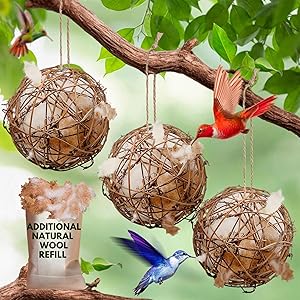
Provide nesting materials like cotton, pet fur, or plant fibers. You can place these materials in suet cages or spread them around your garden.
Water Sources
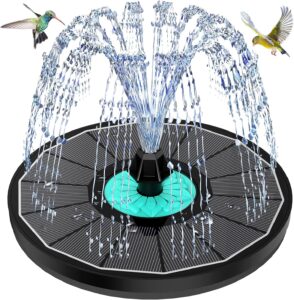
Hummingbirds enjoy fresh water to drink and bathe. A shallow birdbath with a fine spray from a mister is ideal. Just make sure the water is changed regularly to keep it clean.
Here’s a solar powered bird bath.
Hummingbird misters at Amazon.com
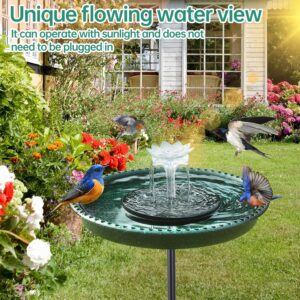
Install shallow bird baths with gently sloping edges. Hummingbirds prefer water sources that are no more than 1-1.5 inches deep.
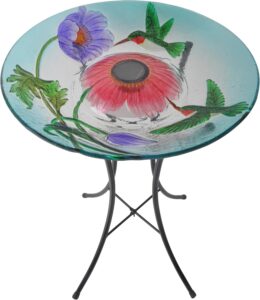
Consider adding a mister or dripper to create moving water, which attracts hummingbirds. They often enjoy flying through fine sprays of water.
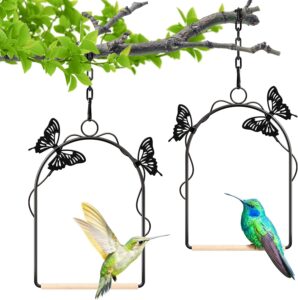
A hummingbird perch is a good way to attract hummingbirds to a particular spot near your feeder
A major component of any successful hummingbird garden is a dependable hummingbird feeder that is easy to clean and doesn’t leak.
One of the best Hummingbird feeders that’s easy to take apart and clean is the HummZinger Ultra.
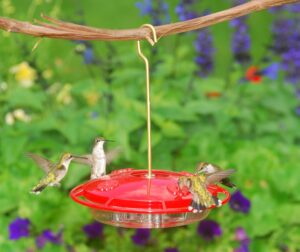
Aspects 12oz HummZinger Ultra With Nectar Guard.
The HummZinger Ultra 12oz Saucer Feeder is one of the best options for a hummingbird feeder that’s both easy to clean and maintain. This top-tier feeder features patented Nectar Guard tips—flexible membranes on the feeding ports that keep flying insects out while still allowing hummingbirds to feed freely. Plus, it comes with an integrated ant moat to prevent crawling insects from reaching the nectar, and the raised flower ports help divert rain, keeping the nectar fresh.
With a 12 oz capacity, this mid-size feeder offers plenty of space and can be hung or mounted on a post using the included hardware. It has four feeding ports and is made from durable, unbreakable polycarbonate. Whether you’re concerned about bees, wasps, or ants, this feeder is built for easy cleaning and insect protection.
Hummingbird resources to help make your garden a success
Here’s a complete guide to attracting hummingbirds to your yard. It lists plants, vines and shrubs that are in bloom for spring, summer and fall. Your hummingbirds will always have flowers to feed on.
Here’s a great article that tells everything you need to know about how to choose the best place to hang your hummingbird feeder.
Here’s the best designed hummingbird feeder to use. It’s leak proof, so it won’t attract insects and it’s easy to take apart and clean.
Here’s a comprehensive guide to help you clean your hummingbird feeder for those times when the nectar is not changed soon enough and mold starts to grow.
More useful hummingbird resources
U.S. Fish and Wildlife Service – Hummingbird Conservation
This site offers detailed information about various hummingbird species, their habitats, and conservation efforts. It also provides resources on how to protect these fascinating birds.
National Park Service – Hummingbird Resources
The National Park Service offers insights into hummingbird species found in national parks, their behaviors, and their role in ecosystems, along with tips for observing them.
Smithsonian National Museum of Natural History – Birds: Hummingbirds
This resource provides educational materials on the role of hummingbirds in pollination and biodiversity, backed by scientific research and exhibits from the Smithsonian.