Swamp milkweed (Asclepias incarnata) is a beautiful, hard‑working native perennial that turns wet or low spots into butterfly and hummingbird habitat. It offers lush pink flower clusters, supports monarch caterpillars, and provides nectar for a wide range of pollinators while staying well‑behaved in garden beds.
What Is Swamp Milkweed (Asclepias incarnata)?
Swamp milkweed is a clump‑forming perennial typically 3–5 feet tall with upright stems, narrow lance‑shaped leaves, and domed clusters of pink to mauve flowers. In late summer those flowers mature into slender pods that split to release silky‑tailed seeds that drift on the wind. It is native to much of North America, especially moist lowlands, wetlands, and stream corridors across the central and eastern United States.
Common names include swamp milkweed, marsh milkweed, and red milkweed, all referring to its preference for damp ground and its rosy flower color. In the garden it reads as a vertical, meadow‑style plant that looks at home in naturalistic borders, rain gardens, and along ponds.
Key characteristics at a glance
-
Height: About 3–5 feet, with a narrow, upright form
-
Spread: 1–3 feet, slowly forming clumps
-
Zones: Roughly USDA 3–9
-
Bloom time: Mid‑summer into early fall
-
Flowers: Pink to rose‑purple clusters; fragrant and nectar‑rich
-
Foliage: Narrow, opposite leaves with milky sap when cut
Why Swamp Milkweed Belongs in a Pollinator Garden
A magnet for monarchs and other pollinators
Swamp milkweed is one of the best monarch host plants you can grow because monarch butterflies lay eggs exclusively on milkweeds, and their caterpillars rely on the leaves as food. The foliage contains cardiac glycosides that make the caterpillars and adult butterflies less palatable to predators, an important chemical defense in the wild.
The flowers are also rich nectar sources for bees, butterflies, beneficial wasps, flies, and beetles, which you’ll see working the flower heads from mid‑summer onward. Planting a cluster of swamp milkweed increases both the amount of larval host foliage and the nectar “landing pads” in one concentrated patch, making your yard more attractive to pollinators passing through.
Hummingbirds and swamp milkweed
While milkweeds aren’t as famously tied to hummingbirds as cardinal flower or bee balm, swamp milkweed’s nectar‑rich blossoms are frequently visited by hummingbirds, especially in open, sunny, moist spots. Each flower cluster contains many small florets that hummingbirds can probe quickly, making the plant a useful mid‑ to late‑season nectar source alongside other hummingbird favorites.
Because swamp milkweed blooms from roughly July into early fall, it helps bridge the gap after spring bloomers fade but before some asters and goldenrods peak, keeping nectar available as hummingbirds and butterflies approach migration season.
Ideal Growing Conditions for Swamp Milkweed
Light, soil, and moisture needs
Swamp milkweed thrives in full sun and will flower best with at least six hours of direct sunlight per day. It can tolerate light partial shade, but plants may grow leggy and produce fewer blooms in deeper shade.
As its name suggests, this species prefers moist to wet soils and handles heavy clay, loam, or rich alluvial soils very well. It naturally tolerates seasonal flooding and high soil moisture that would stress many other perennials. In garden beds with average moisture it can adapt as long as it does not dry out completely for long periods, especially during establishment.
Natural habitat (and how to mimic it)
In the wild, swamp milkweed grows along streambanks, in marshes and wet meadows, in ditches, and in low fields where water lingers. To mimic these conditions at home, tuck it into:
-
Rain gardens and bioswales
-
Low spots that collect runoff
-
Edges of ponds or backyard water features
-
Moist borders near downspouts where soil stays damp
Grouping several plants together in these wetter zones creates a mini‑habitat that feels natural and also concentrates resources for pollinators.
How to Plant and Propagate Swamp Milkweed
Starting from seed
Swamp milkweed seed germinates best after a period of cold, moist stratification, which mimics winter conditions in nature. You can achieve this by:
-
Winter‑sowing seeds outdoors in containers or prepared beds in late fall or winter, letting nature provide the chill and moisture.
-
Refrigerating seeds in a moist medium (such as damp sand or vermiculite) for several weeks before sowing indoors or outside in spring.
After stratification, sow seeds shallowly—just barely covered or pressed into the surface—and keep the soil consistently moist until seedlings are established. Young plants may not bloom heavily their first year but typically bulk up and flower strongly in their second season.
Planting nursery plants or divisions
If you prefer a faster start, you can plant nursery‑grown swamp milkweed plugs or quart‑size plants in spring or early fall. Set them at the same depth they grew in the pot, water thoroughly, and mulch lightly to conserve moisture without burying the crown.
Swamp milkweed develops a relatively deep, fibrous taproot system, so older plants can be more difficult to move. It’s easiest to transplant when they’re still young, and any necessary divisions should be done carefully with as much root as possible. Over time, plants expand into modest clumps via short rhizomes rather than running aggressively.
Swamp Milkweed Care and Maintenance
Watering, fertilizing, and mulching
During the first year, regular watering is important to keep soil consistently moist, especially in higher beds or during summer heat. Once established near naturally damp areas, plants often get by on rainfall alone, though they still appreciate extra water in prolonged drought.
Fertilizer is rarely needed; milkweeds typically thrive in low‑ to medium‑fertility soils and too much nitrogen can cause lanky growth. A thin layer of organic mulch can help retain moisture and cool the soil, but avoid piling mulch directly around stems to prevent crown rot in heavy soils.
Managing pests and diseases
Swamp milkweed can attract clusters of orange oleander aphids and other sap‑feeding insects, especially on tender growth and flower stems. Because this plant is so important for monarch caterpillars and pollinators, avoid broad‑spectrum insecticides; instead, use a strong spray of water, hand‑squish aphids, or rely on lady beetles and other natural predators.
In crowded, humid plantings, you may see some leaf spots or mildew, but these issues are usually cosmetic. Thinning dense clumps and providing good air flow helps minimize disease. Deer and rabbits tend to leave milkweed alone because of its bitter latex sap, though occasional browsing can still occur in high‑pressure areas.
Controlling spread
Swamp milkweed spreads mainly by seeding rather than aggressive rhizomes, and in many gardens it’s considered well‑behaved. If you want to limit volunteers, you can remove seed pods before they ripen and split, or deadhead the flower clusters once they begin to fade.
If you’d like more plants, leave some pods on for natural reseeding or collect seeds to sow elsewhere. Winter seedheads also provide structure in the winter garden and may offer limited value for wildlife that uses downy fibers for nesting.
Designing With Swamp Milkweed in Hummingbird and Pollinator Gardens
Companion plants for wet or moist sites
Swamp milkweed shines when paired with other moisture‑loving natives that bloom across the season. Good companions include:
-
Cardinal flower (Lobelia cardinalis)
-
Great blue lobelia (Lobelia siphilitica)
-
Joe‑Pye weed (Eutrochium spp.)
-
Blue flag iris (Iris versicolor)
-
New England aster (Symphyotrichum novae‑angliae)
-
Wild bergamot (Monarda fistulosa)
Together, these plants provide nectar and pollen from early summer through fall, supporting bees, butterflies, and hummingbirds over many weeks. A mixed planting also creates a layered, natural look that blends well with ponds, swales, or the back of a border.
Using swamp milkweed in rain gardens and wildlife beds
Because it tolerates wet feet and periodic flooding, swamp milkweed is ideal for the middle and lower zones of rain gardens where water collects first. Its strong, fibrous root system helps stabilize soil and reduce erosion along pond edges and drainage ways.
In a wildlife bed, you can place swamp milkweed slightly behind shorter plants so its tall flower clusters rise at mid‑border height. Combining it with grasses and other perennials creates cover for beneficial insects, frogs, and small birds that share your yard.
Swamp Milkweed vs. Other Milkweeds
Gardeners often ask how swamp milkweed compares to common milkweed and butterfly weed. Common milkweed (Asclepias syriaca) prefers dry to medium soils and can spread aggressively by rhizomes, sometimes overwhelming smaller beds. Butterfly weed (Asclepias tuberosa) thrives in drier, sandy or well‑drained soils and stays shorter with bright orange flowers, but it accepts much less moisture.
Swamp milkweed fills the wet‑to‑moist niche, offering pink blooms and a more clump‑forming habit that many gardeners find easier to manage in landscaped settings. Using two or three different milkweed species across your property ensures monarchs and other pollinators can find host plants and nectar in a wider range of conditions.
Frequently Asked Questions
Is swamp milkweed good for hummingbirds?
Yes. Swamp milkweed’s fragrant flower clusters produce abundant nectar that attracts hummingbirds along with bees and butterflies, especially when planted in sunny, moist locations they already use as foraging corridors.
Will swamp milkweed take over my garden?
Swamp milkweed can self‑seed and slowly enlarge by short rhizomes, but it is generally far less aggressive than common milkweed. Deadhead spent flowers or remove pods if you want to keep plants strictly in their designated area.
Is swamp milkweed only for wet areas?
It performs best in moist to wet soils but can adapt to average garden beds if the soil is not allowed to dry out completely for long periods, particularly in its first couple of years. In very dry, sandy spots, another milkweed species may be a better fit.
Is swamp milkweed safe around pets and children?
Like other milkweeds, swamp milkweed contains milky latex sap with cardiac glycosides and should not be ingested by people, pets, or livestock. Plant it where curious grazers are less likely to nibble, and encourage hand‑washing after handling stems or leaves.
Conclusion
Swamp milkweed (Asclepias incarnata) is one of the most useful native perennials you can plant if you have a damp corner, rain garden, or pond edge and want more monarchs, hummingbirds, and pollinators in your yard. Its tall rosy flower clusters, long bloom season, and strong wildlife value make it both beautiful and ecologically important, while its clump‑forming habit keeps it manageable in most garden designs.
Choose one wet or low spot on your property, add a small group of swamp milkweed plants, and pair them with other moisture‑loving natives like cardinal flower and great blue lobelia to create a vibrant, living corridor for pollinators and migrating wildlife. Over time, you’ll see more butterflies, bees, and hummingbirds—and you’ll know that patch of garden is doing real work for your local ecosystem.
A few additions that will make any garden more hummingbird friendly
Provide nesting materials like cotton or plant fibers. You can place these materials in suet cages or spread them around your garden.
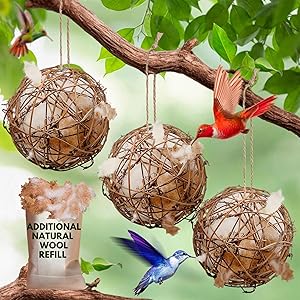
A major component of any successful hummingbird garden is a dependable hummingbird feeder that is easy to take apart and clean and doesn’t leak.
One of the best Hummingbird feeders that’s easy to take apart and clean is the HummZinger Ultra.
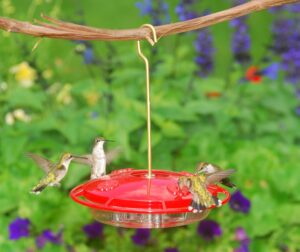
Aspects 12oz HummZinger Ultra With Nectar Guard.
The HummZinger Ultra 12oz Saucer Feeder is one of the best options for a hummingbird feeder that’s both easy to clean and maintain. This top-tier feeder features patented Nectar Guard tips—flexible membranes on the feeding ports that keep flying insects out while still allowing hummingbirds to feed freely. Plus, it comes with an integrated ant moat to prevent crawling insects from reaching the nectar, and the raised flower ports help divert rain, keeping the nectar fresh.
With a 12 oz capacity, this mid-size feeder offers plenty of space and can be hung or mounted on a post using the included hardware. It has four feeding ports and is made from durable, unbreakable polycarbonate. Whether you’re concerned about bees, wasps, or ants, this feeder is built for easy cleaning and insect protection.
If you already have a hummingbird feeder, and you want to protect it from ants and other crawling insects, the ant moat below will do the job.
Trap-It Ant Moat for Hummingbird Feeders
Using an ant moat for your hummingbird feeder is an effective way to keep ants away from the sweet nectar. These tiny creatures are drawn to
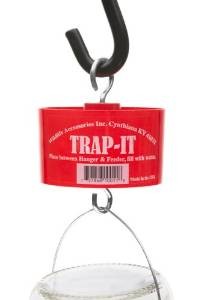
the sugar water, and without a barrier, they will quickly infest your feeder, preventing the birds from enjoying the nectar. An ant moat works by creating a barrier of water that ants can’t cross. Positioned above the feeder, it effectively blocks the ants’ path, keeping them from reaching the nectar.
This simple solution also ensures that your hummingbird feeder remains clean and accessible for the birds, rather than becoming a breeding ground for ants or other pests. It’s a small addition that can make a big difference in maintaining a healthy, inviting space for hummingbirds, while also reducing the need for chemical ant deterrents.
The first and still the best to protect your Hummingbird and Oriole feeder from ants and other crawling insects. Insert between hanger and feeder and fill with water, providing a barrier to crawling pests. Red color to attract hummingbirds.
In addition to nectar, hummingbirds need water and safe spaces to rest. By providing a birdbath or misting system, you can ensure they have everything they need.
Water Sources
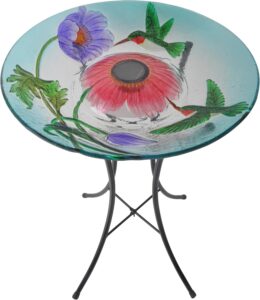
Hummingbirds enjoy fresh water to drink and bathe. A shallow birdbath with a fine spray from a mister is ideal. Just make sure the water is changed regularly to keep it clean.
Here’s a solar powered bird bath.
Hummingbird misters at Amazon.com
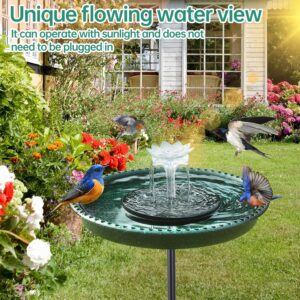
Install shallow bird baths with gently sloping edges. Hummingbirds prefer water sources that are no more than 1-1.5 inches deep.
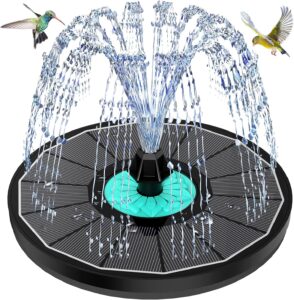
Consider adding a mister or dripper to create moving water, which attracts hummingbirds. They often enjoy flying through fine sprays of water.
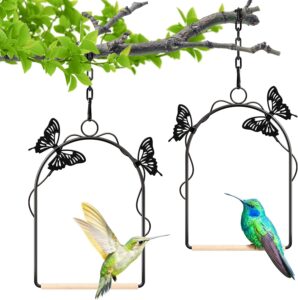
A hummingbird perch is a good way to attract hummingbirds to a particular spot near your feeder
Use Songbird Essentials Nectar Aid Self Measuring Pitcher and never measure ingredients again. Make any amount and the ingredients are measured for you.
 |
Column 2 |
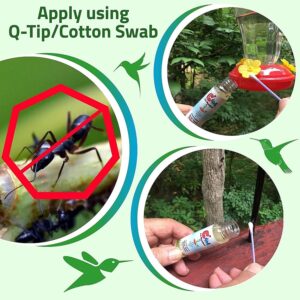
Nectar Fortress™ Natural Ant Repellent
CREATED FOR HUMMINGBIRD FEEDERS: Stop ants fast and keep them away from the bird feeder altogether. Use it on poles or hooks and create a barrier with a scent ants hate. Useful with ant moats or eliminate the moat entirely.
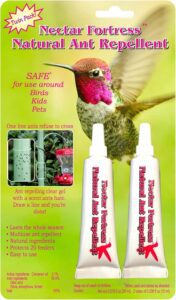
C’ANT, Ant and Bee Repellent for Hummingbird Nectar Feeders and Outdoor Bird Seed Feeders – Works with Shepherds Hook and Ant Moat – 1 oz.
Hummingbird resources to help make your garden a success
Here’s a complete guide to attracting hummingbirds to your yard. It lists plants, vines and shrubs that are in bloom for spring, summer and fall. Your hummingbirds will always have flowers to feed on.
Here’s a great article that tells everything you need to know about how to choose the best place to hang your hummingbird feeder.
Here’s the best designed hummingbird feeder to use. It’s leak proof, so it won’t attract insects and it’s easy to take apart and clean.
Here’s a comprehensive guide to help you clean your hummingbird feeder for those times when the nectar is not changed soon enough and mold starts to grow.
More Hummingbird Resources
U.S. Fish and Wildlife Service – Hummingbird Conservation
This site offers detailed information about various hummingbird species, their habitats, and conservation efforts. It also provides resources on how to protect these fascinating birds.
National Park Service – Hummingbird Resources
The National Park Service offers insights into hummingbird species found in national parks, their behaviors, and their role in ecosystems, along with tips for observing them.
Smithsonian National Museum of Natural History – Birds: Hummingbirds
This resource provides educational materials on the role of hummingbirds in pollination and biodiversity, backed by scientific research and exhibits from the Smithsonian.