The Cardinal Flower (Lobelia cardinalis) is one of the most stunning native plants in the Eastern United States, renowned for its vibrant red 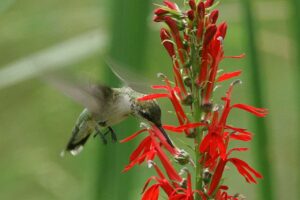 blooms and its ability to attract hummingbirds. This perennial wildflower is a must-have for gardeners looking to create a pollinator-friendly landscape while adding a dramatic splash of color to their gardens.
Key Characteristics
Zones: 2–9
Height: 3–4 feet
Bloom Time: July–September
-
Features: Tall spikes of bright scarlet, tubular flowers that stand out against lush green foliage.
The Cardinal Flower’s brilliant red flowers are specifically designed to attract hummingbirds. Its tubular blooms are perfectly shaped for the long bills and tongues of these birds, ensuring easy access to its nectar. The bold red color is also highly visible to hummingbirds, who are naturally drawn to bright hues.
This video provides a comprehensive guide to the Cardinal flower, a beautiful native North American plant known for its striking red blooms. The video covers everything from identification and growing conditions to seed saving and wildlife attraction, offering valuable information for gardeners interested in adding this vibrant flower to their landscapes.
Natural Habitat
Cardinal Flowers thrive in moist environments such as stream banks, wetlands, and woodland edges. They prefer rich, consistently damp soil but can adapt to garden settings when provided with adequate moisture. Their natural habitat makes them an excellent choice for rain gardens or areas with poor drainage.
Care and Maintenance
While Cardinal Flowers require slightly more attention than some other native plants, they reward gardeners with spectacular blooms. To grow 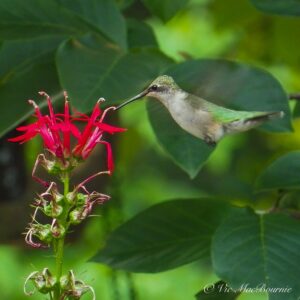 them successfully:
Plant in full sun to partial shade.
Keep the soil consistently moist, especially during hot or dry periods.
Mulch around the base to retain moisture and prevent weeds.
Allow plants to reseed naturally for continuous growth year after year.
Ecological Benefits
The Cardinal Flower is a powerhouse for pollinators. Its nectar-rich flowers are a favorite of hummingbirds, while butterflies and bees also benefit from its blooms. Additionally, it supports biodiversity by providing habitat for insects and small wildlife.
Why Choose Cardinal Flower?
The Cardinal Flower’s striking beauty and ecological importance make it an essential addition to any garden. Whether planted in borders, near water features, or in pollinator gardens, this native wildflower will captivate gardeners and hummingbirds alike while enhancing the health of local ecosystems.
What are the unique characteristics of Cardinal Flower that make it attractive to hummingbirds
Cardinal Flower (Lobelia cardinalis) is a standout native plant for attracting hummingbirds, thanks to its vibrant red blooms and specialized 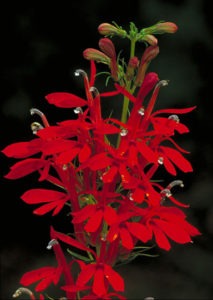 floral structure. This perennial wildflower has evolved unique traits that make it particularly appealing to these energetic pollinators.
- Vivid Red Color
The Cardinal Flower’s striking scarlet blossoms are one of its most defining features. Hummingbirds are naturally drawn to bright red hues, which signal a rich nectar source. The flowers’ intense coloration makes them highly visible to hummingbirds from a distance, ensuring the plant stands out even in dense vegetation.
- Tubular Flower Shape
The tubular structure of Cardinal Flower’s blooms is perfectly adapted to the long bills and tongues of hummingbirds. This design allows hummingbirds to easily access nectar deep within the flower while minimizing competition from other pollinators, such as bees and butterflies, which are less suited to the flower’s shape.
- High Nectar Production
Cardinal Flowers produce abundant nectar, a crucial energy source for hummingbirds. The plant’s bloom period, which lasts from midsummer to early fall, coincides with the time when hummingbirds are preparing for their southward migration. This makes it an essential food source during their most active feeding period.
- Sequential Blooming
The flowers on the tall spikes of Cardinal Flower open sequentially from bottom to top. This staggered blooming ensures a continuous supply of nectar over several weeks, keeping hummingbirds returning to the plant throughout its flowering season.
- Adaptability to Moist Environments
Cardinal Flower thrives in wet habitats such as stream banks, rain gardens, and wetlands—areas where hummingbirds often forage. Its ability to grow in shady or partially shaded spots also makes it accessible in diverse garden settings.
- Pollination Partnership
Hummingbirds play a crucial role in pollinating Cardinal Flowers. As they sip nectar, pollen is deposited on their heads and transferred between flowers, ensuring successful reproduction. This symbiotic relationship highlights the plant’s reliance on hummingbirds for survival.
With its brilliant color, abundant nectar, and specialized floral design, Cardinal Flower is perfectly suited for attracting hummingbirds while enhancing any garden with its dramatic beauty.
Learn how easy it is to winter sow seeds outside! I give a plant profile on the native wildflower Cardinal Flower / Lobelia cardinalis and then show you my process for winter sowing the seeds. Also included are step-by-step instructions on how to wintersow seeds using milk jugs. No special grow lights are needed using the winter sowing method. I love saving money and growing lots of plants from seed, especially during my cold New Hampshire zone 5b winter months! You can use this method for annuals, perennials, biennials, vegetables & flowers! This is a cheap and easy way for me to add more perennials to my landscape and to also add to my plant inventory for my backyard plant nursery.
Natural Pest Control Methods for Your Hummingbird Garden
Creating a thriving hummingbird garden is a rewarding experience. However, maintaining it while keeping pests at bay can be challenging. Fortunately, there are numerous natural pest control methods that can protect your garden’s delicate ecosystem. Click the link above to find out how to naturally control pests in your hummingbird garden.
A few additions that will make any garden more hummingbird friendly
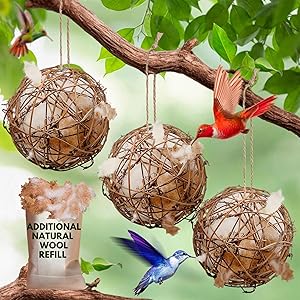
Provide nesting materials like cotton, pet fur, or plant fibers. You can place these materials in suet cages or spread them around your garden.
Water Sources
Hummingbirds enjoy fresh water to drink and bathe. A shallow birdbath with a fine spray from a mister is ideal. Just make sure the water is changed regularly to keep it clean.
Here’s a solar powered bird bath.
Hummingbird misters at Amazon.com
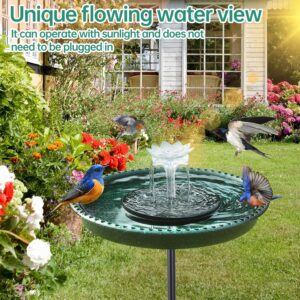
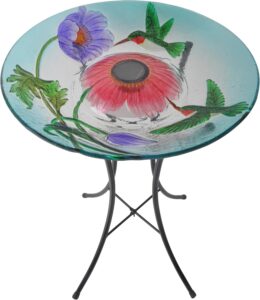
Install shallow bird baths with gently sloping edges. Hummingbirds prefer water sources that are no more than 1-1.5 inches deep.
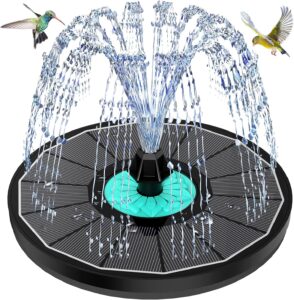
Consider adding a mister or dripper to create moving water, which attracts hummingbirds. They often enjoy flying through fine sprays of water.
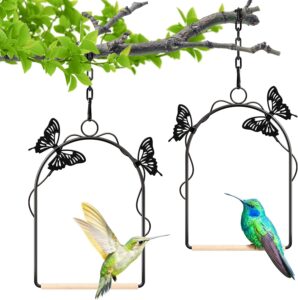
A hummingbird perch is a good way to attract hummingbirds to a particular spot near your feeder
A major component of any successful hummingbird garden is a dependable hummingbird feeder that is easy to clean and doesn’t leak.
One of the best Hummingbird feeders that’s easy to take apart and clean is the HummZinger Ultra.
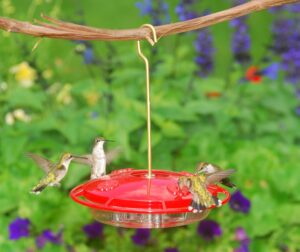
Aspects 12oz HummZinger Ultra With Nectar Guard.
The HummZinger Ultra 12oz Saucer Feeder is one of the best options for a hummingbird feeder that’s both easy to clean and maintain. This top-tier feeder features patented Nectar Guard tips—flexible membranes on the feeding ports that keep flying insects out while still allowing hummingbirds to feed freely. Plus, it comes with an integrated ant moat to prevent crawling insects from reaching the nectar, and the raised flower ports help divert rain, keeping the nectar fresh.
With a 12 oz capacity, this mid-size feeder offers plenty of space and can be hung or mounted on a post using the included hardware. It has four feeding ports and is made from durable, unbreakable polycarbonate. Whether you’re concerned about bees, wasps, or ants, this feeder is built for easy cleaning and insect protection.
Hummingbird Resources
U.S. Fish and Wildlife Service – Hummingbird Conservation
This site offers detailed information about various hummingbird species, their habitats, and conservation efforts. It also provides resources on how to protect these fascinating birds.
National Park Service – Hummingbird Resources
The National Park Service offers insights into hummingbird species found in national parks, their behaviors, and their role in ecosystems, along with tips for observing them.
Smithsonian National Museum of Natural History – Birds: Hummingbirds
This resource provides educational materials on the role of hummingbirds in pollination and biodiversity, backed by scientific research and exhibits from the Smithsonian.